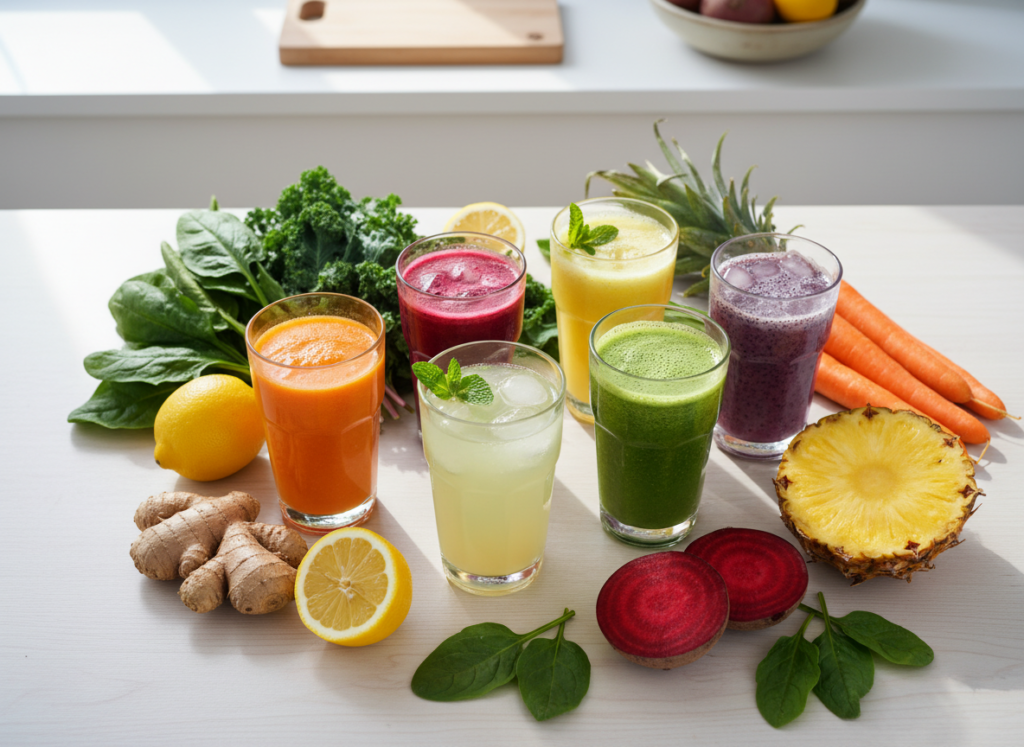
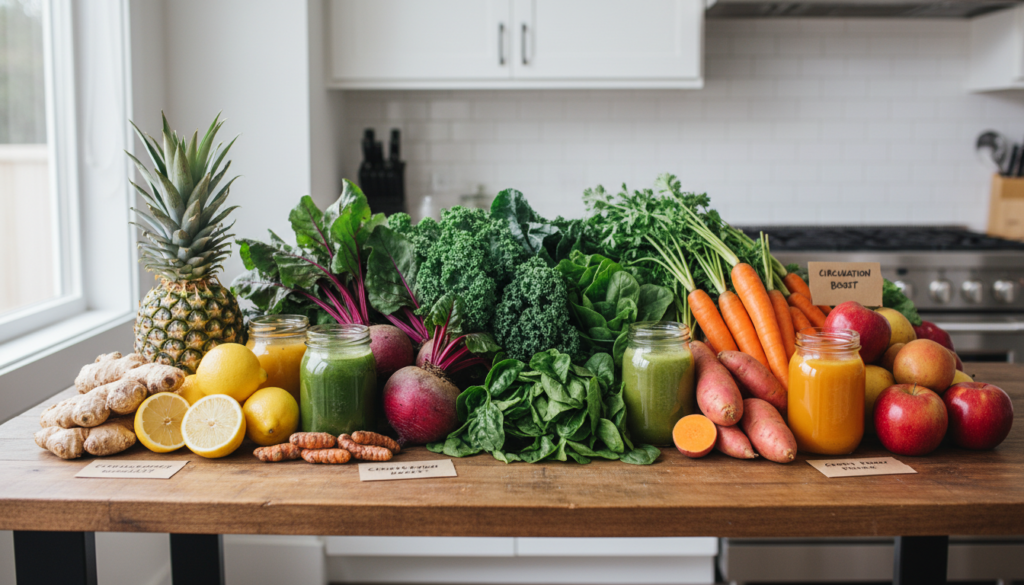
Fresh juice delivers concentrated nutrients directly to your digestive system in an easily absorbable form. When you select the right ingredients, juicing becomes a therapeutic tool for reducing gut inflammation and supporting beneficial bacteria. The anti-inflammatory properties found in specific fruits and vegetables can transform how your intestines function.
This Website contains affiliate links. That means I may earn a small commission if you purchase through my links, at no extra cost to you.
Unlike whole foods that require extensive digestion, juice allows your gut to rest while still receiving vital vitamins, minerals, and plant compounds. This makes juicing particularly valuable during gut healing protocols or when dealing with digestive conditions. The liquid nutrition bypasses much of the digestive work your compromised system might struggle with.
This comprehensive guide presents targeted juicing recipes for gut health that address inflammation, support immune function, and promote healing. You will discover which ingredients pack the most anti-inflammatory punch and how to combine them for maximum benefit. Each recipe serves a specific purpose in your gut healing journey.
The science behind anti-inflammatory juicing reveals why certain combinations work synergistically to calm intestinal irritation. Understanding these mechanisms empowers you to create your own healing blends tailored to your unique needs.
Why Juicing Works for Gut Health and Inflammation
Juicing separates the liquid nutrients from plant fiber, creating a concentrated source of vitamins, minerals, enzymes, and phytonutrients. Your digestive system absorbs these compounds rapidly without the energy expenditure required to break down whole foods. This gives your gut a chance to heal while still receiving nutritional support.
The removal of insoluble fiber during juicing reduces the mechanical irritation to inflamed intestinal tissue. While fiber is essential for long-term gut health, temporarily reducing it through juice can provide relief during acute flare-ups. The soluble compounds remaining in juice still feed beneficial bacteria.
Anti-Inflammatory Compounds in Fresh Juice
Plant-based juices contain polyphenols, carotenoids, and other antioxidants that directly reduce inflammation throughout your body. These compounds neutralize free radicals that damage intestinal cells and trigger inflammatory cascades. The concentration of these substances in juice exceeds what most people consume through whole foods.
Specific enzymes in raw juice support your digestive process and reduce the burden on your pancreas. Bromelain from pineapple and papain from papaya break down proteins that might otherwise irritate sensitive gut tissue. These natural enzymes complement your body’s own digestive secretions.
The vitamin C content in many vegetable and fruit juices strengthens your intestinal lining and supports immune function. This essential nutrient helps produce collagen that maintains gut barrier integrity. Adequate vitamin C also enhances iron absorption from plant foods you consume.
How Juice Supports Your Immune System
Approximately seventy percent of your immune system resides in your gut tissue. The nutrients delivered through fresh juice directly nourish these immune cells. Vitamins A, C, E, and various B vitamins all play critical roles in immune surveillance and response.
Anti-inflammatory juice reduces the inflammatory signaling that can overwhelm your immune system. Chronic inflammation exhausts immune resources and creates a cycle of tissue damage. Breaking this cycle with targeted nutrition allows proper immune function to resume.
The phytonutrients in colorful vegetables and fruits modulate immune activity without suppressing necessary defenses. They help your immune system distinguish between actual threats and harmless substances. This balanced response prevents both infections and autoimmune reactions.
Benefits of Juicing for Gut Health
Delivers concentrated nutrients in easily absorbed form
Reduces digestive workload during healing periods
Provides anti-inflammatory compounds in therapeutic doses
Hydrates intestinal tissue and supports mucus production
Supplies enzymes that aid protein and carbohydrate digestion
Feeds beneficial gut bacteria with soluble nutrients
Key Anti-Inflammatory Ingredients
Ginger root – contains gingerol that blocks inflammatory pathways
Leafy greens – rich in vitamins A, C, K and magnesium
Pineapple – bromelain enzyme reduces swelling and pain
Lemon – vitamin C and flavonoids support healing
Beets – betalains reduce oxidative stress and inflammation
Conditions That Benefit from Anti-Inflammatory Juice
Inflammatory bowel disease during remission phases
Irritable bowel syndrome with inflammation
Leaky gut syndrome and intestinal permeability
Chronic gastritis and acid reflux
Arthritis and joint pain linked to gut inflammation
Autoimmune conditions with digestive components
When to Use Caution with Juicing
Active Crohn’s disease flares may need medical supervision
Diabetes requires blood sugar monitoring with fruit juices
Kidney disease needs potassium restriction in some cases
Certain medications interact with grapefruit and other citrus
FODMAP sensitivities may react to high-fructose juices
Juice should complement, not replace, whole food nutrition
The Difference Between Juicing and Blending
Juicing extracts liquid from produce while removing most fiber. This creates a nutrient-dense beverage that absorbs quickly without requiring much digestion. The absence of fiber means your gut receives concentrated nutrition with minimal mechanical irritation.
Blending retains all the fiber, creating smoothies rather than juice. While smoothies provide excellent nutrition and fiber benefits, they require more digestive effort. For acute gut inflammation, pure juice often provides better symptom relief than fiber-rich smoothies.
Both approaches have value in a comprehensive gut health strategy. Juicing works best during intensive healing phases or flare-ups. Blending serves well for maintenance and when your gut tolerates fiber without problems. Many people alternate between the two based on current needs.
Powerful Anti-Inflammatory Juice Recipes for Gut Healing
These carefully crafted juice recipes combine ingredients with proven anti-inflammatory and gut-healing properties. Each recipe targets specific aspects of digestive health while providing broad nutritional support. Start with smaller portions to assess your tolerance, then adjust quantities based on your response.
The recipes below use common ingredients available at most grocery stores. Organic produce is preferable to minimize pesticide exposure, especially for items you juice with the skin on. Wash all ingredients thoroughly before juicing.
Morning Digestive Awakening Juice
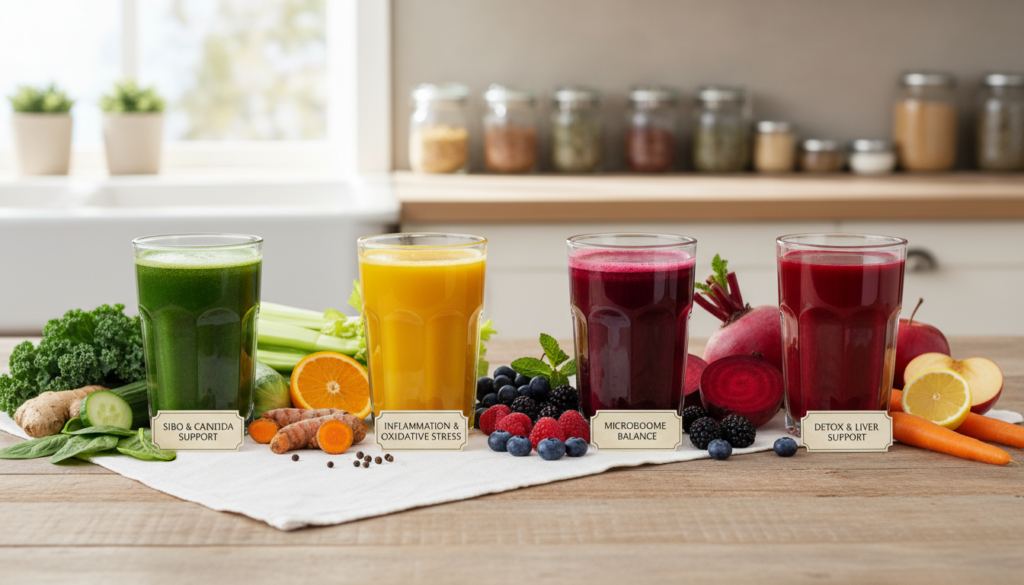
This gentle morning juice stimulates digestive enzyme production while providing anti-inflammatory compounds to start your day. The combination of apple, ginger, and lemon supports liver function and prepares your digestive system for food intake.
Recipe Ingredients:
2 green apples, cored and quartered
1 lemon, peeled
2-inch piece of fresh ginger root
1 cucumber, cut into chunks
5-6 sprigs of fresh mint
Instructions: Process all ingredients through your juicer, starting with softer items and alternating with harder produce. Stir the finished juice and consume immediately for maximum enzyme activity and vitamin C preservation.
Benefits: This juice recipe provides vitamin C from lemon and apple, gingerol from ginger for inflammation reduction, and hydration from cucumber. The mint soothes digestive upset while apple pectin in the juice feeds beneficial bacteria.
Ultimate Green Anti-Inflammatory Blend
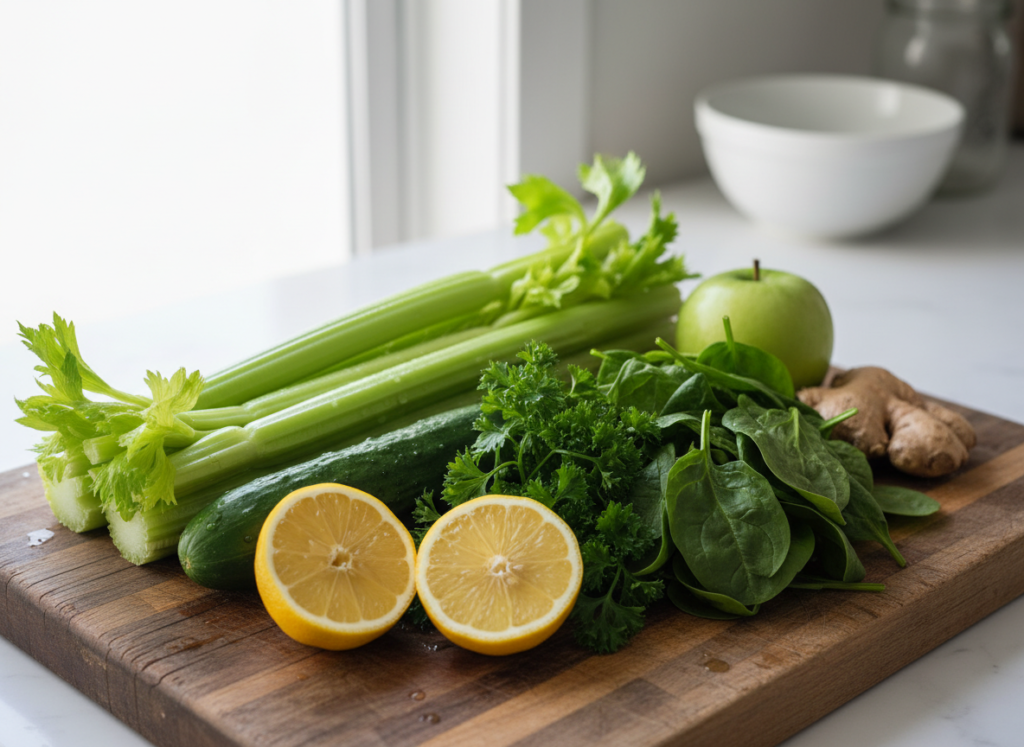
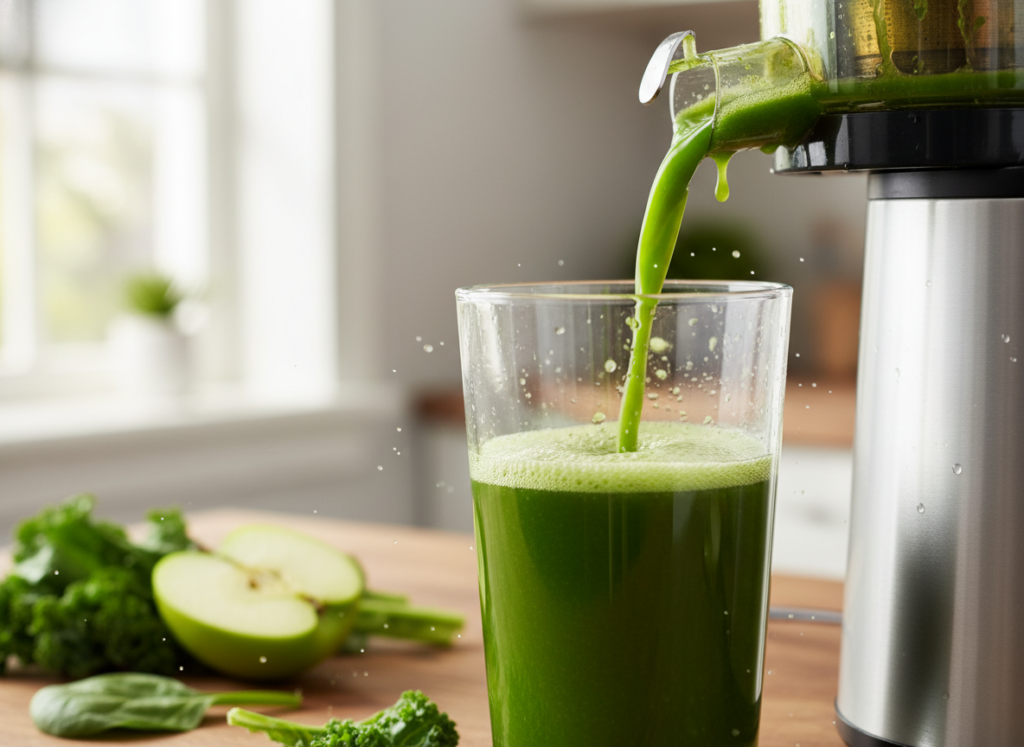
Green vegetables pack the highest concentration of nutrients per calorie. This green juice delivers vitamins A, C, K, folate, and minerals that support immune function and reduce inflammation. The chlorophyll content helps heal damaged intestinal tissue.
Recipe Ingredients:
3 celery stalks with leaves
1 cucumber, unpeeled
2 cups fresh spinach leaves
1 cup kale leaves, stems removed
1 green apple for sweetness
1/2 lemon, peeled
1-inch piece fresh ginger
Instructions: Feed leafy greens into your juicer wrapped in cucumber or celery pieces to prevent clogging. Alternate between hard and soft ingredients for optimal juice extraction. Drink within 15 minutes of preparation.
Benefits: This green juice recipe contains anti-inflammatory properties from multiple sources. The combination reduces chronic inflammation while providing alkalizing minerals that balance body pH. Celery supplies natural sodium that supports electrolyte balance.
Golden Turmeric Healing Elixir
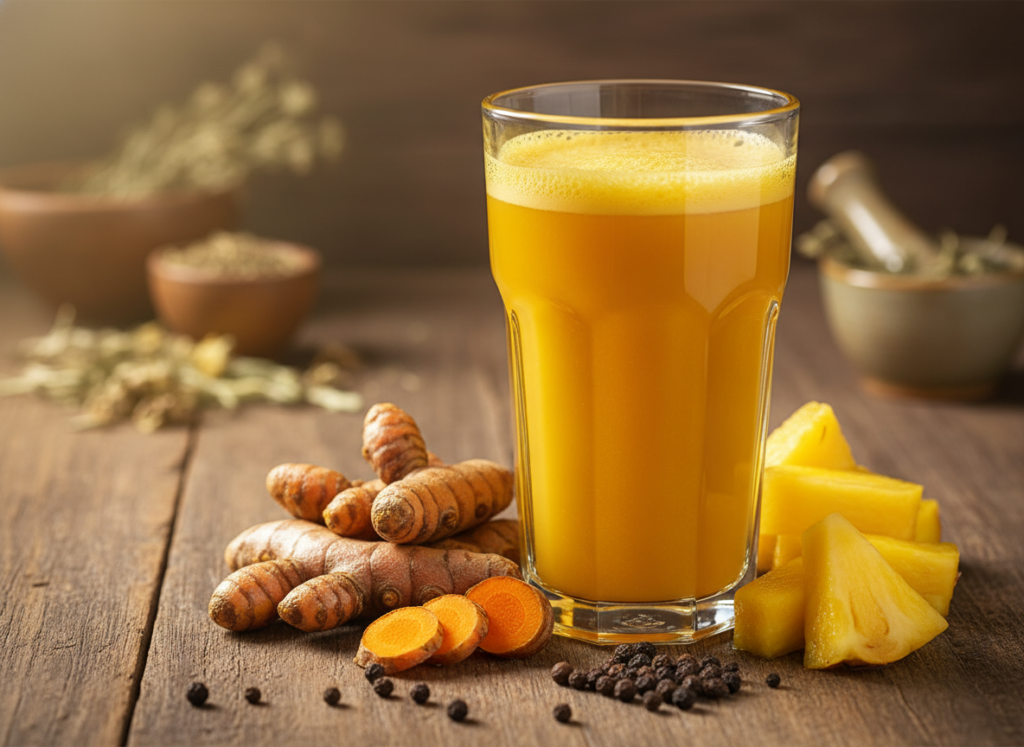
Turmeric root contains curcumin, one of the most powerful natural anti-inflammatory compounds. Combined with black pepper and healthy fat, this juice maximizes curcumin absorption. The pineapple provides bromelain, another enzyme with anti-inflammatory effects.
Instructions: Juice all fresh ingredients together, then stir in black pepper. For enhanced absorption, add 1 teaspoon of coconut oil or olive oil and mix thoroughly before drinking.
Benefits: Curcumin in turmeric targets inflammatory pathways in gut tissue. Bromelain from pineapple reduces swelling and aids protein digestion. The vitamin C from citrus fruits enhances iron absorption and supports immune system function.
Beet and Carrot Liver Support Juice
Your liver plays a crucial role in removing toxins that can trigger gut inflammation. This recipe supports liver detoxification while providing beta-carotene and other antioxidants. The earthy sweetness makes it surprisingly palatable.
Recipe Ingredients:
1 medium beet, scrubbed and quartered
4 large carrots, scrubbed
1 apple for sweetness
1-inch piece fresh ginger
1/2 lemon, peeled
Small handful of parsley
Instructions: Process harder vegetables like beets and carrots first, then add softer items. The natural sugars in beets and carrots create a sweet base that balances the lemon tartness.
Benefits: Beets contain betalains that reduce oxidative stress and inflammation. Carrots provide beta-carotene that converts to vitamin A, essential for gut lining integrity. Parsley adds chlorophyll and helps reduce bloating.
Tropical Digestive Enzyme Juice
Papaya and pineapple both contain powerful digestive enzymes that break down proteins and reduce inflammation. This tropical blend is particularly helpful for those with compromised pancreatic function or protein digestion issues.
Recipe Ingredients:
1 cup fresh papaya chunks
1 cup fresh pineapple chunks
1 orange, peeled
1/2 lime, peeled
1-inch piece fresh ginger
Fresh mint leaves (optional)
Instructions: Juice all ingredients together, starting with citrus fruits to activate your juicer, then add the tropical fruits and ginger. Consume on an empty stomach for maximum enzyme benefit.
Benefits: Papain from papaya and bromelain from pineapple provide natural digestive enzyme support. These enzymes reduce inflammation and help break down protein that might otherwise irritate sensitive gut tissue. The vitamin C content supports immune function.
Discover the Complete Gut Healing System Beyond Juicing
While these anti-inflammatory juice recipes provide powerful benefits, comprehensive gut healing requires more than juicing alone. Watch this free expert presentation to learn how to combine strategic juicing with targeted supplementation, specific dietary protocols, and lifestyle modifications for complete digestive restoration. Discover the science-backed system that addresses root causes of gut dysfunction, not just symptoms.
This gentle juice provides immediate relief for inflamed digestive tissue. Cucumber hydrates while aloe vera contains compounds that coat and heal the intestinal lining. Use this recipe during acute flare-ups or when experiencing burning sensations.
Recipe Ingredients:
2 large cucumbers, unpeeled
2-inch piece of fresh aloe vera gel (inner clear part only)
1 green apple
1/2 lemon, peeled
Fresh mint leaves
1 cup coconut water (add after juicing)
Instructions: Juice cucumbers, apple, and lemon. Blend the fresh aloe vera gel separately with a small amount of the juice, then combine everything. Add coconut water for additional electrolytes and hydration.
Benefits: Aloe vera contains polysaccharides that reduce inflammation and support healing of damaged gut tissue. Cucumber provides hydration and silica for tissue repair. Coconut water adds electrolytes without sugar overload.
Spicy Inflammation Fighter
This bold recipe combines multiple anti-inflammatory ingredients for maximum impact. The heat from ginger and cayenne pepper stimulates circulation and enhances nutrient delivery to intestinal tissue. Start with less cayenne if you are sensitive to spice.
Recipe Ingredients:
4 large carrots
1 orange, peeled
2-inch piece fresh ginger root
1-inch piece fresh turmeric root
1/2 lemon, peeled
Small pinch of cayenne pepper (add after)
Instructions: Juice all solid ingredients, then stir in a small pinch of cayenne pepper. Start with just a tiny amount of cayenne and increase gradually as your tolerance builds.
Benefits: This juice recipe combines multiple anti-inflammatory compounds. Gingerol from ginger, curcumin from turmeric, and capsaicin from cayenne all work through different mechanisms to reduce inflammation. The beta-carotene from carrots supports immune function.
Berry Antioxidant Blast
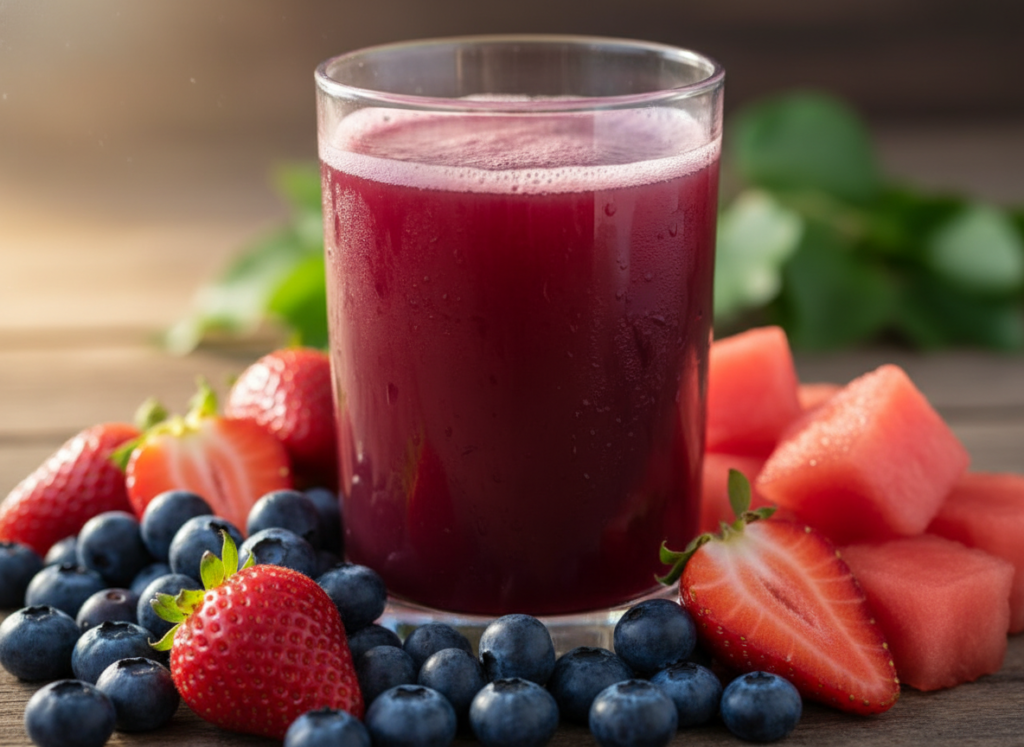
While berries do not juice as efficiently as harder produce, combining them with high-water-content fruits creates a nutrient-dense beverage. The polyphenols in berries provide powerful antioxidant and anti-inflammatory effects.
Recipe Ingredients:
2 cups watermelon chunks
1 cup fresh or frozen blueberries
1 cup fresh strawberries
1 apple for additional juice volume
1/2 lemon, peeled
Fresh basil leaves (optional)
Instructions: Start by juicing the watermelon and apple to create a liquid base. Then process the berries, which yield less juice. Mix everything together and add lemon for brightness.
Benefits: Berries contain anthocyanins and other polyphenols with potent anti-inflammatory properties. These compounds reduce oxidative stress throughout your body, including gut tissue. The natural sugars provide quick energy without causing blood sugar spikes when consumed in moderation.
Fennel Digestive Comfort Juice
Fennel has been used for centuries to relieve digestive discomfort, bloating, and gas. This mild, slightly sweet juice calms intestinal spasms and reduces inflammation. The combination works particularly well for irritable bowel syndrome symptoms.
Recipe Ingredients:
1 large fennel bulb with fronds
2 green apples
1 cucumber
1/2 lemon, peeled
1-inch piece fresh ginger
Fresh mint leaves
Instructions: Cut fennel bulb into pieces that fit your juicer. Process all ingredients together, reserving some fennel fronds to add at the end for extra flavor and nutrients.
Benefits: Fennel contains anethole, a compound that relaxes intestinal muscles and reduces gas. The combination of fennel and ginger addresses multiple digestive complaints simultaneously. Apple adds sweetness and prebiotic compounds that feed beneficial bacteria.
Best Ingredients for Anti-Inflammatory Gut Health Juicing
Understanding which ingredients provide the most therapeutic benefit helps you create effective juice combinations. The following ingredients have strong research support for reducing inflammation and supporting digestive health. Rotate through different options to provide variety and prevent nutrient imbalances.
Each ingredient category addresses different aspects of gut inflammation and healing. Combining items from multiple categories creates synergistic effects greater than any single ingredient alone. Your specific condition may respond better to certain combinations.
Powerful Root Vegetables and Herbs
Ginger root stands out as one of the most effective anti-inflammatory ingredients you can juice. It contains gingerol compounds that block inflammatory pathways similar to pharmaceutical anti-inflammatory medications. Research shows ginger reduces pain, swelling, and intestinal inflammation in various conditions including arthritis and inflammatory bowel disease.
Fresh turmeric root provides curcumin, which has been extensively studied for inflammatory conditions. Curcumin modulates numerous inflammatory molecules and pathways. Always consume turmeric with black pepper and a small amount of fat to enhance absorption by up to two thousand percent.
Beets contain unique betalain pigments that reduce oxidative stress and inflammation markers. They also support liver detoxification, which indirectly benefits gut health by reducing the toxic burden. The natural nitrates in beets improve blood flow, delivering more oxygen and nutrients to intestinal tissue.
Fresh garlic and onions contain sulfur compounds with antimicrobial and anti-inflammatory properties. While their strong flavor limits the quantity you can add to juice, even small amounts provide therapeutic benefits. These compounds help balance gut bacteria populations.
Leafy Greens and Cruciferous Vegetables
Dark leafy greens like spinach, kale, Swiss chard, and collard greens deliver concentrated vitamins and minerals. They provide vitamin K for blood clotting and bone health, vitamin A for immune function, and magnesium for muscle relaxation. The chlorophyll content helps alkalize your system and reduce inflammation.
Celery contains natural compounds that reduce blood pressure and inflammation. It also provides electrolytes, particularly sodium, in a balanced form your body easily uses. The high water content makes celery an excellent base for green juices.
Cucumber offers extreme hydration with minimal sugar content. This makes it ideal for diluting stronger flavors while adding volume to your juice. The silica in cucumber skin supports connective tissue repair in your gut lining.
Parsley and cilantro provide more than fresh flavor. These herbs contain compounds that support heavy metal detoxification and reduce inflammation. They also provide vitamin C, vitamin K, and various beneficial plant compounds.
Fruits with Digestive Enzymes
Pineapple contains bromelain, a proteolytic enzyme that breaks down proteins. This reduces the inflammatory burden of undigested protein in your gut. Bromelain also demonstrates direct anti-inflammatory effects on intestinal tissue and helps with conditions like arthritis when consumed regularly.
Papaya provides papain, another digestive enzyme with similar benefits to bromelain. Some people with latex allergies may react to papaya, so introduce it cautiously if you have known allergies. The vitamin C and carotenoid content add additional antioxidant benefits.
Apples contribute pectin, a soluble fiber that remains partially in juice. This pectin feeds beneficial gut bacteria even though most fiber is removed during juicing. Apples also provide quercetin, a flavonoid with anti-inflammatory and antihistamine properties.
Citrus Fruits for Vitamin C
Lemons and limes provide concentrated vitamin C with minimal sugar compared to oranges and grapefruits. Vitamin C strengthens your immune system and supports collagen production for gut lining repair. The flavonoids in citrus also have anti-inflammatory effects.
Oranges deliver more sugar but also more juice volume and additional flavonoids. The hesperidin in oranges specifically supports vascular health and reduces inflammation. Use oranges in moderation if managing blood sugar.
Grapefruit contains unique compounds that affect liver enzyme activity. While this provides some detoxification benefits, grapefruit interacts with numerous medications. Avoid grapefruit juice if you take prescription medications unless your doctor approves.
Other Beneficial Additions
Fresh aloe vera gel soothes irritated digestive tissue and contains polysaccharides that support healing. Only use the clear inner gel, never the yellow latex layer which acts as a harsh laxative. Limit aloe to small amounts, around one to two inches of gel per serving.
Wheatgrass provides concentrated chlorophyll and nutrients in a small volume. Many people take wheatgrass shots separately from other juices due to its intense flavor. The detoxifying properties can cause nausea in some people, so start with small amounts.
Fresh herbs like basil, mint, and oregano add flavor while contributing antioxidants and anti-inflammatory compounds. Mint specifically helps reduce nausea and intestinal cramping. These herbs make green juices more palatable.
Ingredient
Primary Anti-Inflammatory Compound
Additional Benefits
Best Used For
Ginger Root
Gingerol
Reduces nausea, improves circulation, aids digestion
Inflammatory bowel conditions, arthritis, general inflammation
Immune system support, adding flavor, vitamin C boost
Choosing the Right Juicer for Gut Health Recipes
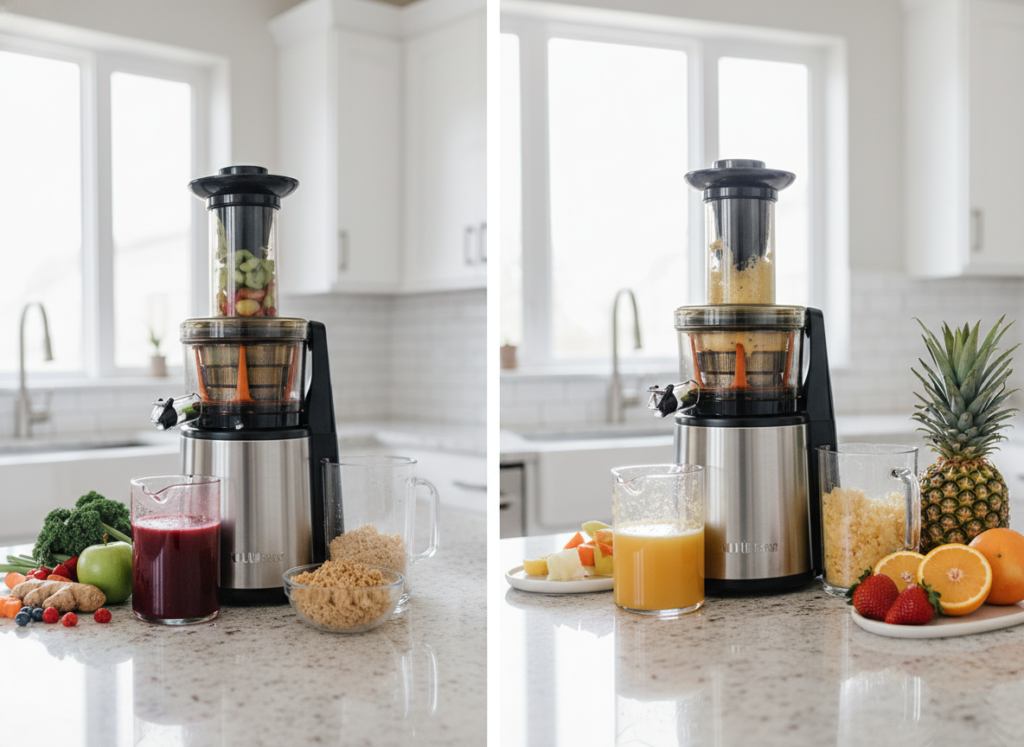
The type of juicer you use affects the nutrient content, enzyme activity, and overall quality of your juice. Two main categories exist: centrifugal juicers and masticating juicers. Each offers different advantages depending on your priorities, budget, and ingredients.
Centrifugal juicers work quickly by spinning produce at high speeds against a mesh filter. The rapid spinning generates heat through friction, which can damage some heat-sensitive nutrients and enzymes. These juicers typically cost less and process produce faster, making them popular for beginners.
Masticating Juicers for Maximum Nutrition
Masticating juicers, also called slow juicers or cold-press juicers, crush and press produce at low speeds. This gentle process preserves more enzymes, vitamins, and minerals compared to high-speed centrifugal juicing. The juice also oxidizes more slowly, allowing storage for up to 24-48 hours.
These juicers excel at processing leafy greens, herbs, and wheatgrass—ingredients that centrifugal juicers struggle with. For gut health juicing that emphasizes greens and herbs, a masticating juicer provides superior results. The higher extraction efficiency also means you get more juice from the same amount of produce.
The main drawbacks are slower processing speed and higher initial cost. Quality masticating juicers range from two hundred to over five hundred dollars. However, the investment pays off through better nutrition and less produce waste over time.
Centrifugal Juicers for Convenience
Centrifugal juicers work well for hard vegetables and fruits like carrots, apples, and beets. They process produce quickly, making them practical for busy mornings. Models range from fifty to three hundred dollars, with higher-end versions offering better build quality and larger feeding tubes.
The high-speed operation generates foam and causes faster oxidation. You should drink centrifugal juice immediately for maximum nutrient benefit. These juicers also extract less juice from leafy greens and herbs compared to masticating models.
For someone starting a juicing practice or focusing mainly on root vegetables and fruits, a centrifugal juicer offers a reasonable entry point. You can always upgrade later if juicing becomes a regular health practice.
Key Features to Consider
Wide feeding chutes reduce prep time by accepting larger pieces of produce. This feature adds convenience but does not affect juice quality. Some people prefer smaller chutes that prevent accidentally adding too much at once, which can overwhelm the juicer.
Easy cleaning makes a significant difference in whether you actually use your juicer regularly. Look for models with dishwasher-safe parts and simple disassembly. Some masticating juicers require scrubbing small mesh screens, which becomes tedious after daily use.
Noise level matters if you juice early in the morning or live with others. Masticating juicers operate much more quietly than centrifugal models. The high-speed spinning of centrifugal juicers creates considerable noise similar to a blender.
Warranty length indicates manufacturer confidence in durability. Quality juicers should last many years with proper care. Warranties ranging from five to fifteen years suggest robust construction. Budget models often carry only one-year warranties.
Recommended Juicer Brands
Masticating Juicers:
Omega – reliable mid-range option with good warranty
Hurom – sleek design with excellent green juice extraction
Tribest – durable construction, specializes in slow juicing
Nama – high-end option with self-feeding design
Centrifugal Juicers:
Breville – quality construction with wide feed chutes
Cuisinart – affordable option for beginners
Hamilton Beach – budget-friendly basic models
Mueller – good value with decent extraction
Juicer Maintenance Tips
Clean your juicer immediately after use to prevent pulp from drying and hardening. Soak stubborn mesh screens in warm water with a drop of dish soap. Use a dedicated brush to clean small crevices and screen holes. Run a half lemon through your juicer weekly to remove mineral buildup and refresh the components. Replace worn screens or damaged parts promptly to maintain juice quality and prevent motor strain.
Budget Considerations and Alternatives
If a quality juicer exceeds your current budget, consider starting with a high-powered blender and straining the pulp through a nut milk bag. This method requires more effort but allows you to begin juicing immediately. You can invest in a dedicated juicer once you establish the habit.
Some people prefer visiting juice bars for convenience, especially when traveling or lacking time. However, commercial juices often sit for hours, losing enzyme activity and nutrients. Freshly made juice at home provides superior nutrition even from a budget juicer.
Buying a used juicer from a reputable seller can reduce initial costs. Many people buy juicers with good intentions, use them a few times, then sell barely-used equipment. Check that all parts are included and functioning before purchasing used equipment.
Essential Juicing Tips and Techniques for Best Results
Proper juicing technique maximizes nutrient extraction while ensuring food safety. Small adjustments to your process significantly impact the nutritional value and taste of your finished juice. These practical tips come from both research and experienced juicers.
The order in which you add ingredients, storage methods, and timing of consumption all affect how much benefit you receive from your juice. Following these guidelines ensures you get maximum value from your produce investment and juicing effort.
Preparation and Ingredient Order
Wash all produce thoroughly, even organic items. Use a vegetable brush for items with thick skins like carrots and beets. Leafy greens benefit from soaking in cold water for a few minutes to remove dirt and revive wilted leaves.
Cut produce into pieces that fit your juicer’s feed chute. Removing pits and hard seeds prevents damage to juicer blades. You can juice soft seeds from cucumbers, apples, and similar produce without problems.
Alternate between hard and soft ingredients to prevent clogging. Start with a hard item like carrot or apple, then add leafy greens, followed by another hard item. This sandwich method pushes leafy greens through more effectively.
Juice herbs and wheatgrass by bundling them inside a larger piece of produce. Wrap parsley in a celery stalk or cucumber slice. This prevents the light herbs from getting stuck in the juicer mechanism.
Maximizing Nutrient Preservation
Drink juice immediately after preparation for maximum enzyme activity and vitamin content. Nutrients begin degrading as soon as produce is cut and exposed to air. Vitamin C is particularly susceptible to oxidation.
If you must store juice, use an airtight glass container filled to the top to minimize air exposure. Add a squeeze of lemon to help prevent oxidation. Refrigerate immediately and consume within 24 hours for centrifugal juice, 48 hours for cold-pressed juice.
Never heat fresh juice, as this destroys the living enzymes that provide many therapeutic benefits. If juice is too cold for your sensitive stomach, let it sit at room temperature for 10-15 minutes rather than warming it.
Consider adding a tiny pinch of black pepper to juices containing turmeric. The piperine in black pepper increases curcumin absorption dramatically. A teaspoon of healthy fat like olive oil or coconut oil further enhances absorption of fat-soluble nutrients.
Timing Your Juice Consumption
Drinking juice on an empty stomach allows maximum nutrient absorption without competition from other foods. Many people prefer juicing first thing in the morning before breakfast. The natural sugars provide quick energy to start your day.
Wait at least 15-20 minutes after drinking juice before eating solid food. This gives your body time to absorb the concentrated nutrients without the interference of fiber and other food components. Some practitioners recommend waiting up to an hour for maximum benefit.
Avoid drinking juice right before bed, especially fruit-based juices. The natural sugars can spike blood sugar and interfere with sleep. If you juice in the evening, choose low-sugar green vegetable combinations.
For therapeutic gut healing, some protocols recommend consuming juice 30 minutes before meals. The enzymes and nutrients prepare your digestive system for incoming food. This timing may reduce bloating and improve digestion of your meals.
Dealing with Common Juicing Challenges
If juice tastes too strong or bitter, you are likely using too many bitter greens or not enough sweet elements. Add an extra apple, carrot, or small piece of pineapple to balance flavors. Your taste preferences will evolve as you juice regularly.
Excessive foam indicates too much air incorporation during juicing. This happens more with centrifugal juicers. Simply skim off the foam with a spoon if it bothers you. The foam is harmless but can affect texture.
Brown or separated juice results from oxidation. While not harmful, oxidized juice has reduced nutritional value. Stir before drinking, as some separation is normal. If juice turns brown quickly, reduce air exposure during juicing and storage.
Digestive upset from juice can occur when introducing juicing too quickly. Start with small amounts, 4-6 ounces, and increase gradually. Diluting juice with water also helps some people adjust. If specific ingredients cause problems, eliminate them and reintroduce later.
Organic Versus Conventional Produce
Organic produce reduces pesticide exposure, which is particularly important for items you juice with the skin on. The Environmental Working Group’s Dirty Dozen list identifies produce with highest pesticide residues. Prioritize organic for these items when budget allows.
The Clean Fifteen lists produce with lowest pesticide levels that are safer to buy conventionally. Items with thick skins you remove, like pineapple and citrus, pose less risk even when conventionally grown.
If organic produce is unavailable or too expensive, washing conventional produce with a vegetable wash or vinegar solution removes some surface pesticides. Peeling reduces pesticides further but also removes beneficial compounds concentrated in the skin.
Local farmers’ markets sometimes offer pesticide-free produce that is not certified organic. Talk to farmers about their growing practices. Many small farms avoid pesticides but cannot afford organic certification.
Transform Your Gut Health with Expert Guidance
These juicing recipes for gut health provide powerful anti-inflammatory benefits, but they work best as part of a comprehensive healing strategy. This free presentation reveals how leading gut health experts combine therapeutic juicing with specific supplementation, targeted dietary protocols, and proven lifestyle strategies to address the root causes of digestive dysfunction. Discover the complete system that thousands have used to overcome chronic gut conditions and reclaim their health.
Juicing Versus Whole Foods: Finding the Right Balance
The debate between juicing and eating whole fruits and vegetables continues in nutrition circles. Both approaches offer distinct benefits for gut health. Understanding when to use each strategy helps you optimize your healing protocol.
Whole foods provide fiber that feeds beneficial gut bacteria and promotes regular bowel movements. The chewing process stimulates digestive enzyme production and sends satiety signals to your brain. Fiber slows sugar absorption, preventing blood sugar spikes.
When Juicing Offers Advantages
During acute gut inflammation or flare-ups, the fiber in whole foods can irritate already-inflamed tissue. Juice provides concentrated nutrition while giving your gut a rest from mechanical irritation. This makes juicing particularly valuable during inflammatory bowel disease flares or severe irritable bowel syndrome episodes.
People with compromised digestion or malabsorption benefit from the pre-digested nutrients in juice. Your body absorbs vitamins and minerals from juice rapidly without requiring extensive digestive work. This helps address nutritional deficiencies when your gut cannot properly break down whole foods.
Juicing allows you to consume larger quantities of vegetables than you would eat whole. Few people can eat three pounds of vegetables daily, but you can easily juice this amount. The concentrated nutrition supports intensive healing protocols.
Some beneficial compounds exist in higher concentrations in juice. When you remove the fiber matrix, certain nutrients become more bioavailable. However, this also means faster absorption, which can spike blood sugar with fruit juices.
The Essential Role of Whole Foods
Fiber feeds your gut microbiome, which is essential for long-term gut health. Beneficial bacteria ferment fiber into short-chain fatty acids that nourish colon cells and reduce inflammation. No amount of juicing can replace this critical function.
The physical act of chewing signals your body to prepare for digestion. Saliva contains enzymes that begin breaking down food before it reaches your stomach. Drinking juice bypasses this important first stage of digestion.
Whole foods provide satiety that juice cannot match. The fiber and chewing process trigger fullness signals. Juice, even with the same calories, leaves you hungry more quickly. This makes whole foods necessary for weight management and blood sugar control.
Many beneficial compounds in whole foods work synergistically with fiber. Some polyphenols bind to fiber and release slowly during digestion, providing sustained benefits. Juicing separates these compounds from their natural matrix.
Providing enzymes to support compromised digestion
Best Uses for Whole Foods
Daily maintenance of gut health
Feeding beneficial gut bacteria with fiber
Providing sustained energy and satiety
Blood sugar regulation through slower absorption
Supporting healthy bowel movements
Long-term sustainable eating patterns
Combining Both Approaches
Morning juice with whole food breakfast 30 minutes later
Juice as pre-meal digestive preparation
Healing juice protocols alongside fiber-rich meals
Juice during flare-ups, whole foods during remission
Green juice plus smoothies with fiber for balance
Strategic juicing 3-4 times weekly with daily whole foods
Red Flags for Over-Juicing
Blood sugar spikes and crashes from fruit juice excess
Reduced bowel movements from insufficient fiber
Persistent hunger despite adequate calorie intake
Tooth enamel erosion from acid exposure
Nutrient imbalances from limited food variety
Using juice to replace all whole food vegetables
A Balanced Approach for Optimal Gut Health
Most people achieve best results by incorporating both juicing and whole foods strategically. Use juicing as a therapeutic tool during healing phases or for targeted nutrient delivery. Build your foundation on whole plant foods that provide fiber and sustained nutrition.
A practical approach involves drinking fresh juice in the morning, then eating whole foods for remaining meals. This provides concentrated nutrients when your body is most receptive while maintaining adequate fiber intake. Adjust this ratio based on your current digestive capacity.
During gut healing protocols, you might juice more intensively for several weeks, then gradually transition back to predominantly whole foods. Listen to your body’s signals. Improved energy, better digestion, and reduced symptoms indicate you have found the right balance.
Consider making smoothies that combine juice with whole fruits and vegetables. This provides some fiber while maintaining easier digestion than whole foods alone. Adding protein powder or nut butter creates more complete nutrition that sustains you longer.
Juicing Protocols for Specific Gut Health Conditions
Different digestive conditions respond to different juicing strategies. While the anti-inflammatory juice recipes above benefit most people, certain conditions require specific modifications. Always consult healthcare providers before using juicing as treatment for medical conditions.
These protocols should complement, not replace, medical treatment. Juicing works best as part of a comprehensive approach that includes appropriate medication, dietary changes, stress management, and lifestyle modifications.
Inflammatory Bowel Disease Support
Inflammatory bowel disease including Crohn’s disease and ulcerative colitis involves chronic intestinal inflammation and immune dysfunction. During active flares, juice provides nutrition while minimizing intestinal irritation from fiber.
Focus on low-fiber, easily digestible juice during flare-ups. Carrot, cucumber, and small amounts of ginger work well. Avoid high-fiber pulpy juices and anything that increases bowel movements. As symptoms improve, gradually introduce anti-inflammatory ingredients like turmeric.
During remission, emphasize anti-inflammatory juice recipes with ginger, turmeric, and pineapple. The bromelain enzyme in pineapple shows particular promise for reducing intestinal inflammation. Limit high-acid citrus if it triggers symptoms.
Some research suggests aloe vera juice helps maintain remission in ulcerative colitis. Use only the clear inner gel, never the yellow latex. Start with very small amounts to assess tolerance. Combine with other gut-soothing ingredients like cucumber.
Irritable Bowel Syndrome Relief
Irritable bowel syndrome involves gut-brain axis dysfunction, altered motility, and visceral hypersensitivity. Certain juice ingredients can trigger symptoms in sensitive individuals. Start with low-FODMAP juice options to identify your tolerances.
Safe low-FODMAP juice ingredients include carrots, cucumbers, ginger, small amounts of citrus, pineapple, and strawberries. Avoid high-FODMAP fruits like apples, pears, watermelon, and stone fruits during initial phases. Limit portions to 4-6 ounces to prevent symptom triggers.
Peppermint tea added to juice or consumed separately can reduce IBS symptoms. The menthol relaxes intestinal muscles and reduces pain. Some people benefit from fennel juice, which addresses bloating and gas.
For IBS with diarrhea, emphasize low-sugar vegetable juices. The high fructose content in fruit juice can worsen diarrhea. For IBS with constipation, prune juice provides gentle natural laxative effects from sorbitol content.
Leaky Gut Syndrome Healing
Increased intestinal permeability, often called leaky gut, allows partially digested food and toxins to enter the bloodstream. Healing the gut lining requires specific nutrients while removing inflammatory triggers.
Aloe vera juice provides polysaccharides that coat and heal the intestinal lining. Cabbage juice contains L-glutamine and other compounds that support gut barrier repair. The taste is challenging, but mixing with cucumber and apple makes it palatable.
Bone broth is not juice but provides complementary gut-healing compounds. Alternating between vegetable juice and bone broth throughout the day supplies diverse healing nutrients. The collagen in bone broth repairs intestinal tissue.
Anti-inflammatory ingredients like ginger and turmeric reduce the inflammation driving increased permeability. Vitamin C from citrus and leafy greens supports collagen production. Continue gut-healing juices for several months for meaningful barrier repair.
Acid Reflux and GERD Management
Gastroesophageal reflux disease and chronic acid reflux involve stomach acid flowing into the esophagus. While counterintuitive, certain juices can help balance stomach acid and reduce symptoms.
Avoid highly acidic citrus juices that can trigger reflux. Focus on alkalizing vegetables like celery, cucumber, and leafy greens. Small amounts of ginger help reduce nausea without triggering acid production.
Cabbage juice shows promise for healing stomach ulcers and reducing excess acid production. The taste is strong, so combine with cucumber, celery, and small amounts of apple. Start with small portions to assess tolerance.
Avoid drinking large volumes of any liquid with meals, as this dilutes stomach acid and digestive enzymes. Consume juice at least 30 minutes before meals. Remain upright for at least two hours after juicing to prevent reflux.
Important Medical Considerations
Never discontinue prescribed medications in favor of juicing without medical supervision. Certain juices interact with medications – grapefruit affects numerous drugs, while green leafy vegetables high in vitamin K can interfere with blood thinners. Diabetics must monitor blood sugar carefully when consuming fruit juices. People with kidney disease should limit high-potassium juices. Always inform your healthcare providers about juicing protocols, especially if you have chronic disease or take medications.
Integrating Juicing into Your Gut Health Lifestyle
Successful juicing for gut health requires more than just recipes and equipment. Sustainable habits, realistic planning, and proper integration with your overall health strategy determine long-term success. These practical considerations help you maintain consistency.
Many people start juicing with enthusiasm but abandon the practice within weeks due to time constraints, costs, or lack of planning. Addressing these common obstacles before they derail your efforts increases your likelihood of making juicing a lasting health habit.
Creating a Sustainable Juicing Routine
Schedule specific juicing times that fit your daily routine. Morning works well for most people, but choose whatever time you can maintain consistently. Consistency matters more than perfection. Even 3-4 times weekly provides meaningful benefits.
Prepare ingredients the night before to streamline morning juicing. Wash and cut vegetables, storing them in the refrigerator in airtight containers. Some people batch-prep ingredients for the entire week on Sundays. This advance preparation removes barriers that prevent morning juicing.
Start with simple 3-4 ingredient recipes rather than complex blends requiring numerous items. Simple recipes are easier to prepare, more affordable, and less likely to overwhelm your system. Gradually expand your repertoire as juicing becomes habitual.
Set reminders on your phone if you tend to forget new habits. Morning alarms labeled “juicing time” can help establish the routine during initial weeks. After several weeks, the habit becomes automatic and requires less conscious effort.
Managing Costs and Reducing Waste
Juicing produces significant produce waste in the form of pulp. Use this pulp in soups, broths, baked goods, or composting rather than discarding it. The fiber retains some nutrients and adds bulk to recipes.
Buy produce in bulk when on sale, then prep and freeze for future juicing. Frozen vegetables juice reasonably well, though texture differs from fresh. This strategy reduces costs and prevents spoilage of unused produce.
Focus on affordable, nutrient-dense vegetables like carrots, celery, and cabbage for your base. Add smaller amounts of expensive items like ginger and turmeric for therapeutic effects. This approach balances nutrition with budget constraints.
Join a community-supported agriculture program for regular deliveries of fresh, local produce at reduced cost. Many CSA shares include juice-friendly vegetables. Building relationships with local farmers sometimes leads to discounts on bulk orders.
Combining Juicing with Other Gut Health Strategies
Juicing works best as one component of comprehensive gut health care. Continue eating whole foods rich in fiber to feed your microbiome. The benefits of juicing multiply when combined with probiotic foods, adequate sleep, stress management, and regular exercise.
Consider timing juice consumption strategically around meals. Drinking anti-inflammatory juice 30 minutes before meals may reduce post-meal inflammation and improve digestion. This approach provides therapeutic benefits while maintaining whole food nutrition.
Use juicing during intensive healing phases, then maintain results with less frequent juicing. Many people juice daily for 1-3 months during gut healing, then reduce to 3-4 times weekly for maintenance. Adjust frequency based on your symptoms and health goals.
Track your symptoms, energy levels, and digestive function to assess juicing benefits. Note which recipes produce the best results for your specific condition. This personalized data helps you refine your approach over time.
Traveling and Maintaining Your Juicing Practice
Travel disrupts most health routines, but planning helps maintain juicing benefits. Research juice bars near your destination before traveling. Many cities now have cold-pressed juice shops offering fresh options.
Bring travel-size containers of powdered greens supplements for trips where fresh juice is unavailable. While not equivalent to fresh juice, quality green powder provides concentrated nutrients when fresh options are impossible.
Some hotels offer rooms with mini-fridges and even small kitchenettes. Request these accommodations and bring a compact travel juicer if juicing is critical to your health management. Single-serve juicers are more portable than full-size models.
Focus on eating whole fruits and vegetables during travel when juicing is not feasible. The temporary break from juicing will not reverse your progress. Resume your normal routine as soon as you return home.
Your Journey to Gut Health Through Strategic Juicing
Fresh juice delivers concentrated anti-inflammatory compounds that support gut healing when used strategically. The recipes and information in this guide provide a foundation for incorporating therapeutic juicing into your health routine. Each glass of carefully crafted juice supplies nutrients that calm inflammation and nourish healing tissue.
Remember that juicing represents one tool in your gut health toolkit, not a complete solution. The most effective approach combines anti-inflammatory juice with whole food nutrition, targeted supplementation, stress management, quality sleep, and regular physical activity. These elements work synergistically to create lasting digestive health.
Your specific condition and symptoms guide which recipes work best for your needs. Start with gentle combinations like cucumber-based juices, then gradually introduce more therapeutic ingredients as your tolerance improves. Listen to your body’s feedback and adjust your approach accordingly.
The anti-inflammatory properties of ingredients like ginger, turmeric, pineapple, and leafy greens provide scientifically supported benefits for reducing inflammation. Consistent use over weeks and months allows these compounds to accumulate therapeutic effects. Patience and persistence produce results that occasional juicing cannot achieve.
Invest in quality equipment appropriate for your budget and needs. A reliable juicer makes the practice enjoyable rather than frustrating. Proper cleaning and maintenance extend equipment life and ensure optimal juice quality. These practical considerations determine whether juicing becomes a sustainable habit.
Beyond the physical benefits, many people find that preparing fresh juice becomes a mindful ritual supporting overall wellbeing. The act of selecting fresh produce, operating your juicer, and consuming living nutrition connects you to your health in tangible ways. This awareness often extends to other healthy choices throughout your day.
As you implement these juicing recipes for gut health, remember that comprehensive healing addresses root causes, not just symptoms. While juice provides powerful support, understanding the complete picture of gut restoration ensures lasting results.
Ready to Transform Your Gut Health Completely?
You now have powerful juicing recipes for gut health that provide real anti-inflammatory benefits. But what if you could accelerate your results with a proven system that addresses every aspect of gut dysfunction? This free expert presentation reveals the comprehensive approach that combines strategic juicing with targeted supplementation, specific dietary protocols, and lifestyle strategies for complete digestive restoration. Discover the science-backed system that thousands have used to overcome chronic gut conditions and reclaim vibrant health. Your journey to lasting gut health starts with the next step you take.
The knowledge you have gained here empowers you to take meaningful action toward better digestive health. Implementation transforms information into results. Begin with one simple recipe this week, establishing the foundation for a sustainable juicing practice.
Your gut health journey is unique and ongoing. The microbiome remains responsive to dietary changes throughout life, meaning positive modifications at any age create benefits. These anti-inflammatory juice recipes provide tools you can return to whenever your gut needs extra support.
Consistency matters far more than perfection. Even imperfect implementation of these juicing strategies produces better outcomes than perfect knowledge without action. Start where you are, use what you have, and do what you can. Your gut will thank you with improved function, reduced pain, and enhanced overall health.