

Daily Routine for Weight Loss Beginners: Your Complete Guide to Success
Starting a weight loss journey can feel overwhelming. You might wonder where to begin or which daily habits actually make a difference. The good news is that sustainable weight loss does not require extreme measures or complicated plans.
This Website contains affiliate links. That means I may earn a small commission if you purchase through my links, at no extra cost to you.
A simple daily routine for weight loss beginners focuses on building consistent habits. These habits work together to create lasting results. This guide will show you exactly what to do each day to lose weight and keep it off.
Understanding How Weight Loss Actually Works
Before diving into your daily routine, understanding the fundamentals helps you make better choices. Weight loss happens when your body burns more calories than you consume. This creates what experts call a calorie deficit.
Your body weight reflects the balance between energy intake and output. Physical activity increases the number of calories your body burns. Meanwhile, the food you eat determines your calorie intake throughout the day.
The Role of Metabolism in Your Weight Loss Journey
Your metabolism refers to all the chemical processes that keep your body functioning. A higher metabolic rate means your body burns more calories at rest. Several factors influence your metabolism including age, body composition, and activity levels.
Muscle tissue burns more calories than fat tissue, even when you are resting. This is why strength training plays such an important role in weight loss. Building lean muscle mass helps increase your resting metabolic rate over time.
Important fact: You cannot spot-reduce fat from specific body areas. Weight loss occurs throughout your entire body based on genetics and overall calorie burn.
Setting Realistic Goals That Drive Results
Effective weight loss goals follow the SMART framework. They should be specific, measurable, achievable, relevant, and time-bound. Instead of saying you want to lose weight, aim to lose one to two pounds per week through specific daily actions.
Losing one to two pounds weekly is a healthy, sustainable rate. This requires creating a deficit of about 500 to 1000 calories per day. You can achieve this through a combination of dietary changes and increased physical activity.
Short-Term Goals
Focus on daily and weekly targets that keep you motivated and on track.
- Drink eight glasses of water daily
- Exercise for thirty minutes five days per week
- Prepare healthy meals at home four times weekly
- Get seven to eight hours of sleep nightly
Long-Term Goals
Establish broader objectives that guide your overall weight loss journey.
- Lose fifteen to twenty pounds in three months
- Reduce body fat percentage by five percent
- Fit comfortably into a specific clothing size
- Improve energy levels and overall health markers
Performance Goals
Set fitness milestones that show your increasing strength and endurance.
- Complete a 5K walk or run
- Do ten consecutive push-ups with proper form
- Hold a plank position for sixty seconds
- Walk ten thousand steps daily for a month
Habit Goals
Build lasting behaviors that support your weight maintenance after reaching targets.
- Track food intake consistently for three months
- Establish a regular morning exercise routine
- Practice mindful eating at every meal
- Prepare weekly meal plans each Sunday
Your Morning Routine: The Foundation for Success
How you start your day significantly impacts your weight loss results. A structured morning routine sets a positive tone. It creates momentum that carries through the rest of your day.
Research shows that people who follow consistent morning routines tend to lose weight more successfully. These habits help regulate your metabolism, control hunger levels, and boost energy throughout the day.

Wake Up at a Consistent Time Daily
Your body thrives on routine and predictability. Waking up at the same time every day helps regulate your internal clock. This consistency improves sleep quality and metabolic function.
Set your alarm for the same time each morning, even on weekends. This habit helps maintain stable energy levels throughout your weight loss journey. Most successful people who lose weight report waking between 6 AM and 7 AM.
Hydrate Immediately Upon Waking
Drinking water first thing in the morning jumpstarts your metabolism. Your body becomes dehydrated overnight. Consuming sixteen to twenty ounces of water upon waking rehydrates your cells and kick-starts fat burning.
Water helps your body flush out toxins and supports proper digestion. Add lemon to your morning water for extra flavor and vitamin C. Keep a full water bottle on your nightstand to make this habit effortless.
Support Your Morning Metabolism Naturally
While building healthy morning habits, many beginners discover that natural metabolism support helps them get started faster. CitrusBurn combines evidence-based ingredients that work alongside your new routine to optimize your body’s natural fat-burning processes.
Move Your Body Within Thirty Minutes
Morning exercise delivers powerful benefits for weight loss. Physical activity on an empty stomach may help your body burn more fat for fuel. Even light activity raises your heart rate and increases calorie burn.
You do not need an intense workout first thing in the morning. A brisk ten-minute walk, gentle yoga, or simple stretching routine works perfectly. The goal is to activate your muscles and get your blood flowing.
Eat a Protein-Rich Breakfast
Breakfast truly is important for weight loss success. A protein-rich morning meal keeps you fuller longer. It reduces cravings and prevents overeating later in the day.
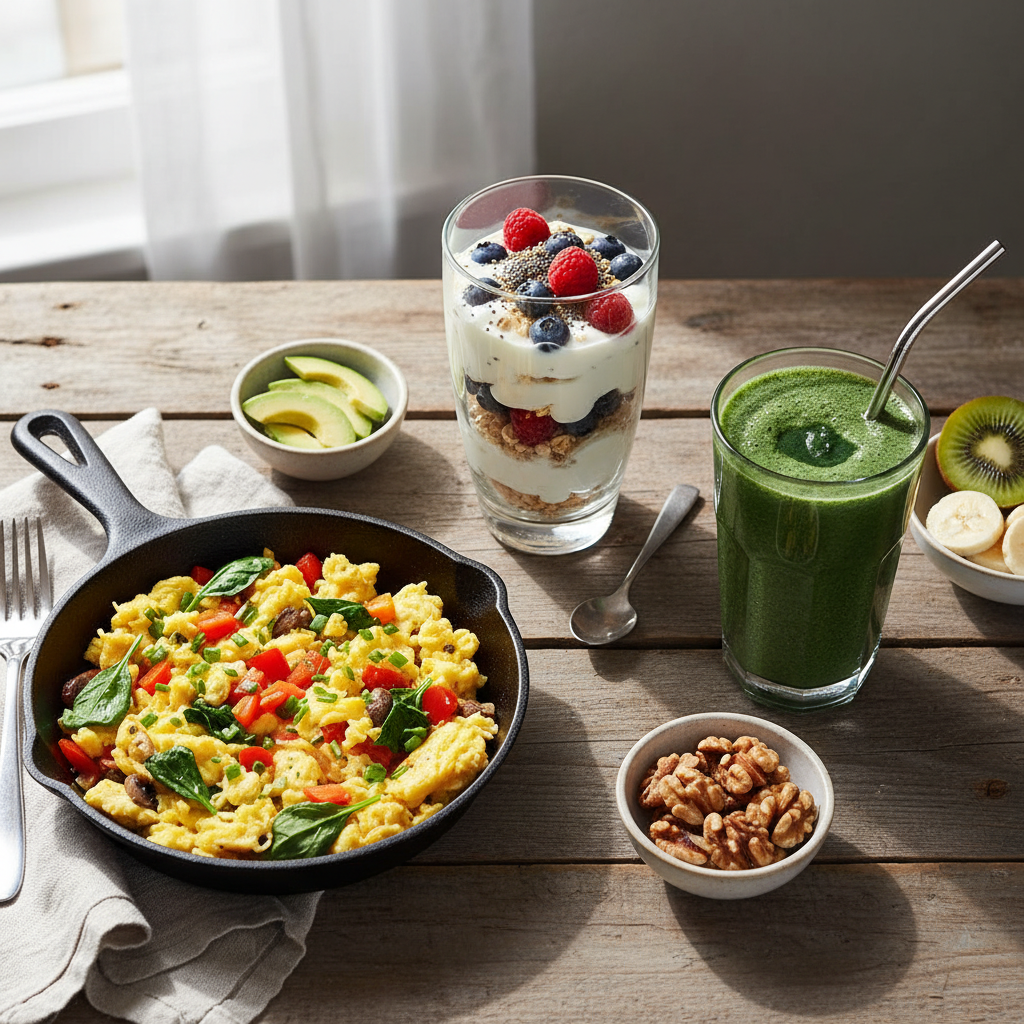
Aim for at least twenty to thirty grams of protein at breakfast. Good options include eggs, Greek yogurt, cottage cheese, or a protein smoothie. Pair your protein with fiber-rich foods like oatmeal or whole grain toast.
Quick Protein Breakfast Ideas
- Two scrambled eggs with spinach and whole wheat toast
- Greek yogurt parfait with berries and nuts
- Protein smoothie with banana and almond butter
- Overnight oats with protein powder and chia seeds
- Cottage cheese with sliced peaches and almonds
Daytime Habits That Accelerate Weight Loss
Your actions throughout the day matter just as much as your morning routine. Small consistent choices add up to significant results. These daytime habits help maintain your energy levels while supporting steady fat loss.
Stay Hydrated Throughout the Day
Water plays a crucial role in every aspect of weight loss. Proper hydration supports metabolism, reduces hunger, and improves exercise performance. Many people mistake thirst for hunger, leading to unnecessary snacking.
Aim to drink at least eight glasses of water daily. Carry a reusable water bottle everywhere you go. Set hourly reminders on your phone if you tend to forget. Drinking water before meals can also help reduce the amount of food you consume.
Pro tip: Drink a full glass of water twenty minutes before each meal. Studies show this simple habit can increase weight loss by up to forty-four percent.
Plan and Prepare Your Meals
Meal planning removes guesswork from your daily routine. It helps you make intentional food choices rather than impulsive decisions. People who plan meals in advance lose weight more successfully than those who do not.
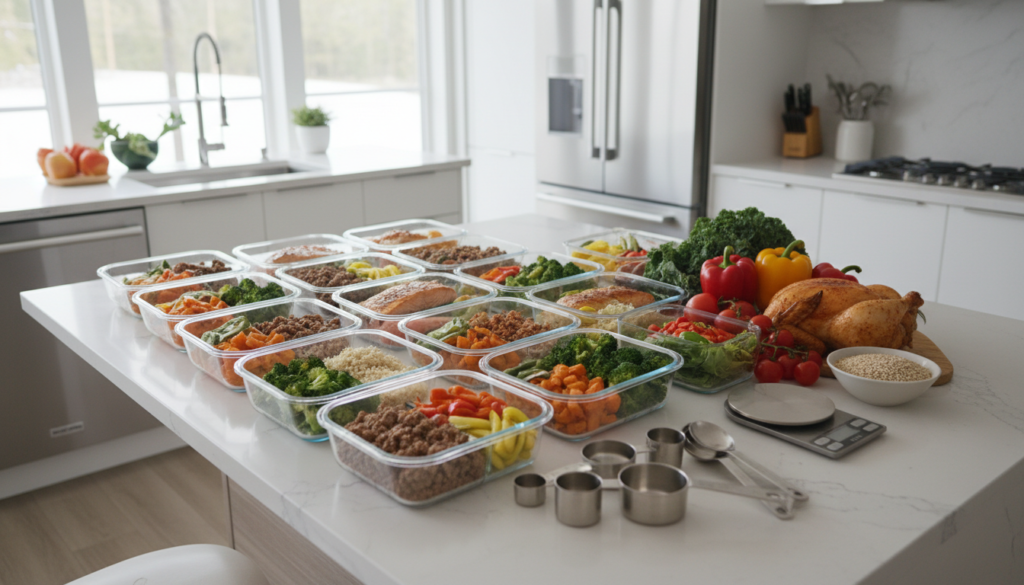
Dedicate time each week to plan your meals. Prepare ingredients in advance when possible. Cook larger batches of healthy proteins and vegetables to save time during the week. Keep healthy snacks readily available to avoid reaching for processed options.
Incorporate Movement Every Hour
Sitting for extended periods slows your metabolism. Standing up and moving every hour keeps your body active. These small bursts of activity add up over time to increase your total daily calorie burn.
Set a timer to remind yourself to move. Take the stairs instead of the elevator. Walk during phone calls. Do simple stretches or bodyweight exercises at your desk. Every bit of movement counts toward your weight loss goals.
Practice Mindful Eating at Every Meal
Mindful eating means paying full attention to your food. This practice helps you recognize true hunger and fullness signals. It prevents mindless overeating that sabotages weight loss efforts.
Eat without distractions like television or phones. Chew your food slowly and thoroughly. Put your fork down between bites. Notice the flavors, textures, and how your body feels. This awareness helps you eat less while enjoying food more.
- Eat slowly and chew thoroughly
- Use smaller plates and bowls
- Remove distractions during meals
- Stop eating when eighty percent full
- Appreciate food flavors and textures
- Listen to hunger and fullness cues
Mindful Eating Practices
- Eating while watching television
- Using oversized plates and portions
- Snacking directly from packages
- Eating until uncomfortably full
- Rushing through meals quickly
- Eating due to boredom or stress
Mindless Eating Triggers
Building Your Exercise Routine as a Beginner
Exercise is essential for sustainable weight loss and overall health. Physical activity burns calories, builds muscle, and boosts metabolism. The key is finding activities you enjoy and can maintain long-term.
You do not need to spend hours at the gym to see results. Consistency matters more than intensity when you are just starting out. Begin with manageable workout sessions and gradually increase duration and difficulty.

Start With Walking for Daily Activity
Walking is the perfect exercise for weight loss beginners. It requires no special equipment or training. Walking is low-impact, making it suitable for all fitness levels. Yet it still delivers significant health and weight loss benefits.
Aim to walk for at least thirty minutes most days of the week. Start with a comfortable pace and gradually increase your speed. Track your daily steps using a smartphone or fitness tracker. Work toward a goal of ten thousand steps per day.
Add Strength Training Two to Three Times Weekly
Strength training builds lean muscle mass. More muscle means your body burns more calories even at rest. This makes strength training one of the most effective tools for long-term weight management.
Begin with bodyweight exercises like squats, push-ups, and lunges. You do not need expensive equipment or a gym membership. Complete two to three strength training sessions per week. Allow at least one rest day between sessions for muscle recovery.
Beginner Bodyweight Workout Routine
Complete this circuit three times, resting sixty seconds between rounds.
- Bodyweight squats – fifteen repetitions
- Wall push-ups – twelve repetitions
- Walking lunges – ten repetitions per leg
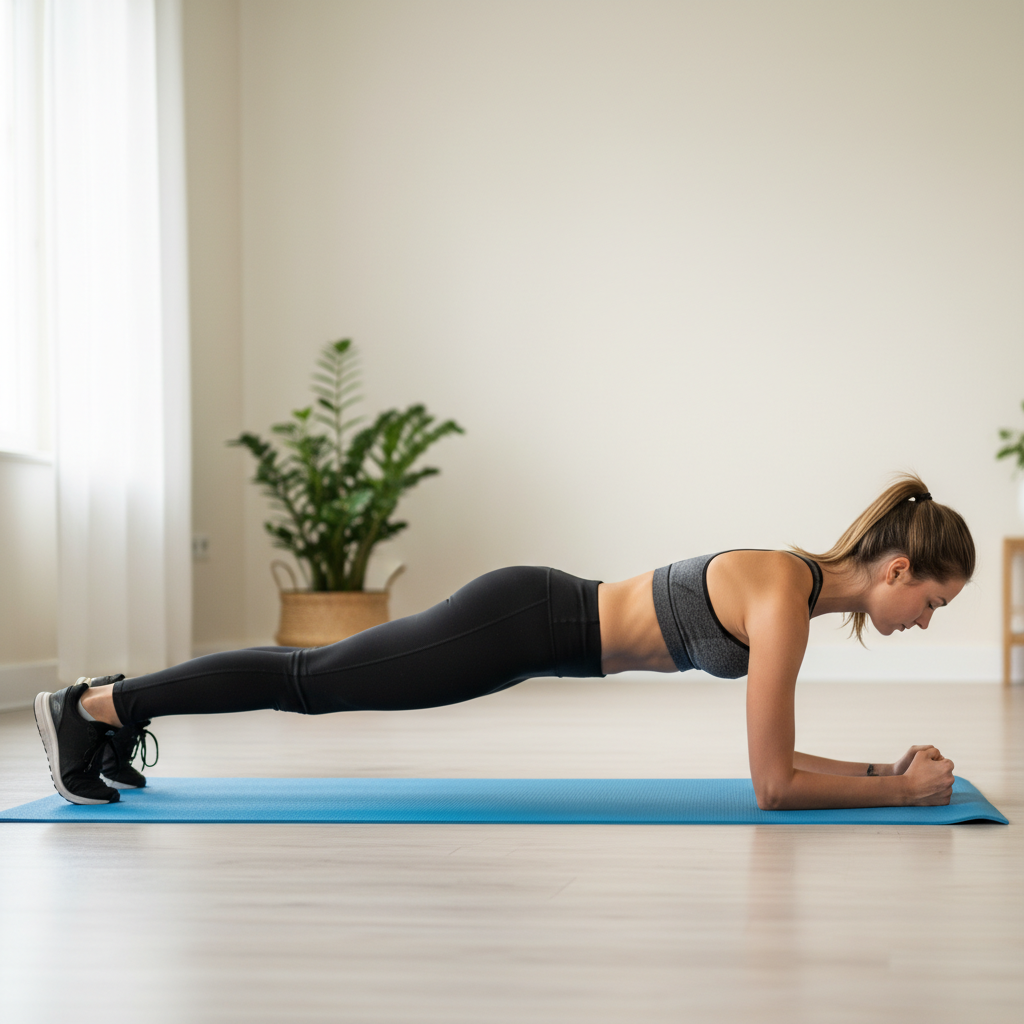
- Plank hold – twenty to thirty seconds
- Standing knee raises – fifteen per leg
- Arm circles – twenty repetitions each direction
Include Cardio for Heart Health and Calorie Burn
Cardiovascular exercise strengthens your heart and lungs. It also burns a significant number of calories during the activity itself. Cardio comes in many forms, so choose options you genuinely enjoy.
Good cardio choices include brisk walking, jogging, cycling, swimming, or dancing. Start with twenty to thirty minutes three times per week. Gradually increase frequency and duration as your fitness improves. Mix different activities to prevent boredom.
Rest and Recovery Are Essential
Your body needs time to recover from exercise. Rest days allow muscles to repair and grow stronger. Overtraining can actually hinder weight loss by increasing stress hormones and reducing performance.
Include at least one or two complete rest days each week. On rest days, focus on gentle activities like stretching or leisurely walks. Listen to your body and take extra rest when you feel overly fatigued or sore.
Nutrition Strategies for Sustainable Weight Loss
What you eat matters more than how much you exercise for weight loss. You cannot out-exercise a poor diet. Understanding basic nutrition principles helps you make better food choices that support your goals.
Focus on whole, minimally processed foods most of the time. These foods provide essential nutrients while naturally controlling calorie intake. Building balanced meals helps maintain steady energy levels throughout the day.
Understanding Calories and Portion Control
Weight loss requires consuming fewer calories than your body burns. This does not mean you need to count every calorie obsessively. However, understanding calorie density helps you make smarter choices.
Vegetables and fruits have low calorie density, meaning you can eat larger portions. Processed foods and oils have high calorie density, requiring smaller portions. Learning appropriate serving sizes prevents accidental overeating.
| Food Type | Serving Size | Approximate Calories | Notes |
| Lean Protein | 3-4 ounces | 120-180 | Palm-sized portion |
| Vegetables | 1-2 cups | 25-50 | Fill half your plate |
| Whole Grains | 1/2 cup cooked | 100-150 | Fist-sized portion |
| Healthy Fats | 1 tablespoon | 120-140 | Thumb-sized portion |
| Fruits | 1 medium piece | 60-100 | Baseball-sized portion |
Balance Your Macronutrients Properly
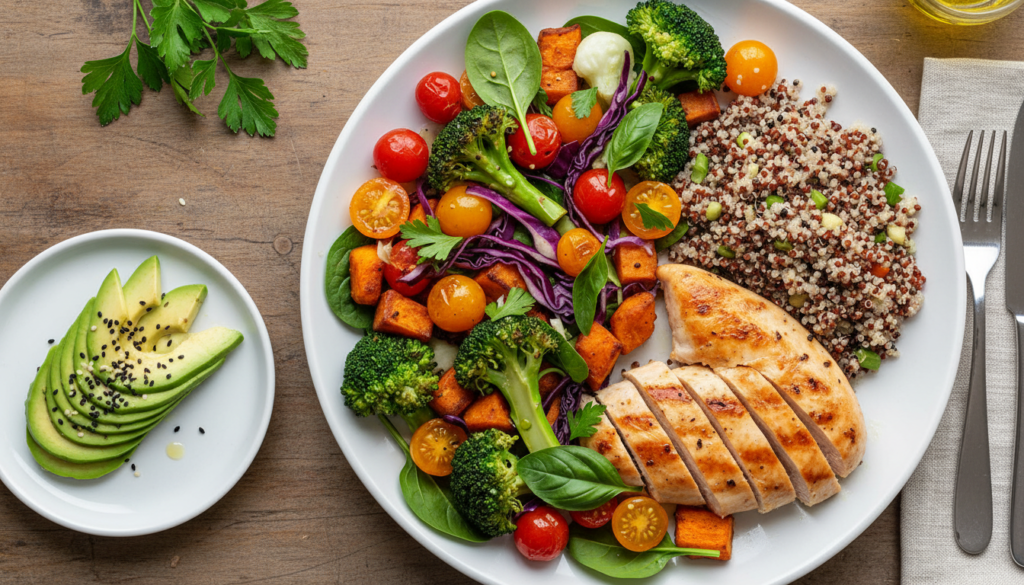
Your body needs three main macronutrients: protein, carbohydrates, and fats. Each plays a specific role in health and weight management. Balancing these nutrients optimizes energy, satiety, and fat loss.
Protein should make up about thirty percent of your daily calories. It helps preserve muscle mass during weight loss and keeps you feeling full. Carbohydrates provide energy for activity and brain function. Choose complex carbs like whole grains and vegetables over refined options.
Healthy fats support hormone production and nutrient absorption. Include sources like avocados, nuts, seeds, and olive oil. Do not fear dietary fat, but control portions since fats contain more calories per gram than protein or carbs.
Choose Nutrient-Dense Foods Over Empty Calories
Nutrient-dense foods provide vitamins, minerals, and other beneficial compounds along with calories. Empty-calorie foods offer energy but little nutritional value. Focusing on nutrient density helps you feel better while losing weight.
Prioritize vegetables, fruits, lean proteins, whole grains, and healthy fats. These foods nourish your body while supporting weight loss. Limit processed snacks, sugary drinks, and refined grains that provide calories without nutrition.
Plan for Occasional Treats Mindfully
Sustainable weight loss allows room for foods you love. Completely restricting favorite treats often leads to cravings and binge eating. The key is planning treats intentionally rather than eating them impulsively.
Follow the eighty-twenty rule. Eat nutritious whole foods eighty percent of the time. Enjoy less healthy favorites for the remaining twenty percent. This balance prevents feelings of deprivation while maintaining consistent progress.
Optimizing Your Metabolism for Maximum Fat Loss
Your metabolic rate determines how many calories your body burns daily. A faster metabolism makes weight loss easier and helps prevent regaining lost weight. Several factors influence metabolism, and many are within your control.
Understanding how metabolism works empowers you to make choices that support efficient fat burning. These strategies work together with your daily routine to maximize results from your efforts.
Build Lean Muscle Through Resistance Training
Muscle tissue burns more calories than fat tissue at rest. Adding just five pounds of muscle can increase your daily calorie burn by fifty to one hundred calories. This might seem small, but it adds up significantly over time.
Focus on progressive strength training to build muscle mass. Gradually increase the difficulty of your workouts by adding repetitions, sets, or resistance. Consume adequate protein to support muscle growth and repair.
Eat Enough Protein at Every Meal
Protein has the highest thermic effect of all macronutrients. Your body burns more calories digesting protein compared to fats or carbs. This process, called the thermic effect of food, can increase metabolism by fifteen to thirty percent temporarily.
Include a protein source at every meal and snack. This keeps your metabolism elevated throughout the day. Protein also preserves muscle mass during calorie restriction, protecting your metabolic rate.
Stay Active Beyond Structured Exercise
Non-exercise activity thermogenesis accounts for a significant portion of daily calorie burn. This includes all movement outside of formal workouts. Standing, fidgeting, walking, and doing household chores all count.
Look for opportunities to move more throughout your day. Take stairs instead of elevators. Park farther from store entrances. Stand while talking on the phone. These small actions compound to burn hundreds of extra calories weekly.
Enhance Your Body’s Natural Fat-Burning Potential
Your daily routine builds the foundation for weight loss success. Many beginners find that targeted nutritional support helps optimize their metabolism naturally. CitrusBurn provides research-backed ingredients that complement your exercise and nutrition efforts, helping your body burn fat more efficiently as you build healthy habits.
Manage Stress for Hormonal Balance
Chronic stress elevates cortisol levels in your body. High cortisol promotes fat storage, especially around the midsection. It also increases cravings for high-calorie comfort foods.
Incorporate stress management into your daily routine. Practice deep breathing exercises, meditation, or yoga. Spend time on hobbies you enjoy. Maintain social connections with supportive friends and family. Managing stress protects your metabolism and supports weight loss.

The Critical Role of Sleep in Weight Loss
Quality sleep is just as important as diet and exercise for weight loss. Poor sleep disrupts hormones that regulate hunger and metabolism. People who consistently get inadequate sleep struggle more with weight management.
During sleep, your body repairs tissues, balances hormones, and consolidates memories. Aim for seven to nine hours of quality sleep each night. Prioritizing rest supports all other aspects of your weight loss routine.
Establish a Consistent Sleep Schedule
Going to bed and waking at the same time daily regulates your circadian rhythm. This internal clock influences metabolism, hormone production, and appetite. Irregular sleep patterns disrupt these processes and make weight loss harder.
Choose a bedtime that allows for eight hours of sleep before your wake time. Stick to this schedule even on weekends. Your body will adapt, making it easier to fall asleep and wake naturally.
Create an Optimal Sleep Environment
Your bedroom environment significantly affects sleep quality. A cool, dark, quiet room promotes deeper, more restorative sleep. Small changes to your sleep space can dramatically improve rest.
Keep your bedroom temperature between sixty and sixty-seven degrees Fahrenheit. Use blackout curtains to block light. Remove electronic devices or use blue light filters. Consider white noise machines if outside sounds disturb your sleep.
Develop a Relaxing Bedtime Routine
A calming pre-sleep routine signals your body that it is time to wind down. This helps you transition from daytime alertness to nighttime rest. Consistent bedtime rituals improve both sleep quality and duration.
Start your routine thirty to sixty minutes before bed. Take a warm bath or shower. Read a physical book rather than using electronic devices. Practice gentle stretching or meditation. Avoid stimulating activities like intense exercise or work tasks.
Sleep-Promoting Evening Habits
- Dim lights two hours before bedtime
- Avoid caffeine after 2 PM
- Finish eating three hours before sleep
- Take a warm bath or shower
- Practice relaxation techniques
- Keep a gratitude journal
- Listen to calming music or sounds

How Poor Sleep Sabotages Weight Loss
Sleep deprivation increases ghrelin, the hormone that stimulates hunger. It also decreases leptin, which signals fullness. This hormonal imbalance makes you hungrier and less satisfied after eating.
Lack of sleep also impairs decision-making and willpower. You are more likely to choose unhealthy foods when tired. Energy levels drop, reducing motivation for physical activity. Protecting your sleep protects your weight loss progress.
Tracking Your Progress Effectively
What gets measured gets managed. Tracking your weight loss journey provides valuable feedback and keeps you accountable. However, the scale tells only part of the story about your progress.
Multiple metrics paint a complete picture of your transformation. Focus on trends over time rather than daily fluctuations. Celebrate all forms of progress, not just the number on the scale.
Use Multiple Measurement Methods
Body weight fluctuates daily due to water retention, food intake, and other factors. Weighing yourself provides one data point but does not show the full picture. Combining several measurement methods gives better insight into your progress.
Weigh yourself once weekly at the same time under the same conditions. Take body measurements with a tape measure monthly. Track how your clothes fit. Take progress photos every few weeks. Monitor fitness improvements like increased strength or endurance.
| Tracking Method | Frequency | Benefits | Considerations |
| Scale Weight | Weekly | Simple and objective | Fluctuates daily, misses body composition |
| Body Measurements | Monthly | Shows fat loss in specific areas | Requires consistency in measurement location |
| Progress Photos | Bi-weekly | Visual proof of changes | Requires consistent lighting and angles |
| Fitness Performance | Each workout | Shows strength and endurance gains | Progress may be gradual |
| How Clothes Fit | Weekly | Practical measure of size reduction | Subjective, varies by clothing brand |
Keep a Food and Exercise Journal
Writing down what you eat increases awareness of your choices. Food journals help identify patterns, triggers for overeating, and areas for improvement. Research shows people who track their food lose more weight than those who do not.
Record everything you eat and drink, including portion sizes. Note the time of day and how you felt when eating. Track your workouts, including type, duration, and intensity. Review your journal weekly to spot patterns and make adjustments.
Celebrate Non-Scale Victories
Weight loss brings many benefits beyond a lower number on the scale. Recognizing these victories keeps you motivated when progress seems slow. Non-scale victories often appear before significant weight changes.
Notice improvements in energy levels, sleep quality, mood, and confidence. Celebrate increased fitness abilities like running farther or lifting heavier. Appreciate compliments from others and how your clothes fit better. These wins matter just as much as pounds lost.

Overcoming Common Weight Loss Challenges
Every weight loss journey includes obstacles and setbacks. Expecting challenges and having strategies to overcome them prevents temporary difficulties from derailing your progress. Resilience matters more than perfection.
Breaking Through Weight Loss Plateaus
Weight loss plateaus are normal and frustrating. Your body adapts to new routines, and progress naturally slows over time. A plateau does not mean your routine stopped working or that you failed.
When weight loss stalls for more than two weeks, make small adjustments. Increase workout intensity or try new exercises. Reassess portion sizes to ensure you have not gradually increased intake. Sometimes patience is the answer, as your body may be recomposing even without scale movement.
Managing Hunger and Cravings
Feeling hungry when starting a weight loss routine is normal. However, constant intense hunger signals a problem with your approach. Sustainable weight loss should not leave you miserable and ravenous.
Increase protein and fiber intake to improve satiety. Drink more water throughout the day. Ensure you are not cutting calories too drastically. Get adequate sleep to regulate hunger hormones. Allow yourself small portions of foods you crave rather than complete restriction.
Dealing With Social Situations
Social events centered around food can challenge your routine. You might face pressure from others or temptation from available treats. Planning ahead helps you enjoy social occasions while staying on track.
Eat a healthy snack before attending events to avoid arriving hungry. Bring a nutritious dish to share. Focus on socializing rather than just eating. Allow yourself to enjoy special occasions without guilt, then return to your routine the next day.
Effective Plateau-Breaking Strategies
- Increase workout intensity gradually
- Add variety to exercise routine
- Reassess and adjust calorie intake
- Focus on strength training
- Ensure adequate sleep and recovery
- Track food intake more carefully
- Stay patient and consistent
What Not to Do During Plateaus
- Drastically cut calories further
- Over-exercise to compensate
- Give up on your routine entirely
- Try extreme fad diets
- Weigh yourself multiple times daily
- Compare your progress to others
- Lose faith in the process
Staying Motivated Long-Term
Initial motivation fades as the novelty wears off. Sustainable success requires building systems and habits that do not rely on motivation alone. Create an environment that makes healthy choices easier.
Set small weekly goals to maintain momentum. Find an accountability partner or join a support group. Remind yourself regularly why you started this journey. Focus on how good healthy habits make you feel rather than just appearance goals.
Tools and Supplements That Support Your Journey
While no supplement or tool replaces a solid routine, certain resources can enhance your efforts. These additions work best when combined with consistent nutrition and exercise habits. Choose tools that fit your lifestyle and genuinely help you.
Helpful Technology and Apps
Technology can simplify tracking and provide valuable insights. Fitness trackers monitor daily steps, activity levels, and sleep patterns. Food tracking apps make logging meals easier and provide nutritional information.
Popular options include MyFitnessPal for food logging and Fitbit or Apple Watch for activity tracking. Many apps offer free versions with useful features. Choose one or two tools that address your specific needs rather than overwhelming yourself with too many.
Kitchen Equipment for Meal Prep Success
Having the right kitchen tools makes healthy eating more convenient. You do not need expensive equipment, but a few key items help significantly. Invest in basics that make meal preparation faster and easier.
Essential items include food storage containers for meal prep, a food scale for accurate portions, and quality knives for vegetable preparation. A slow cooker or instant pot simplifies batch cooking. A blender helps create protein smoothies and vegetable-based soups.

Understanding Weight Loss Supplements
The supplement industry makes many bold claims about rapid fat loss. Most supplements provide minimal benefit without proper diet and exercise. However, some evidence-based options can offer modest support when used correctly.
Protein powder helps meet daily protein goals conveniently. Caffeine can slightly boost metabolism and exercise performance. Fiber supplements may improve satiety. Always research supplements thoroughly and consult healthcare providers before starting new products.
Natural Metabolism Support Options
Some natural compounds show promise for supporting metabolic function. Green tea extract contains catechins that may enhance fat oxidation. Certain minerals like chromium help regulate blood sugar levels. These work best as part of a comprehensive approach.
Quality matters more than quantity with supplements. Look for products with transparent ingredient lists and third-party testing. Avoid proprietary blends that hide exact amounts. Start with lower doses to assess tolerance before increasing.

Consider Natural Metabolic Support
As you build your daily routine for weight loss, you might benefit from targeted nutritional support. CitrusBurn combines research-backed natural ingredients that work synergistically with your healthy habits.
The formula includes compounds shown to support metabolic function, enhance fat oxidation, and help manage appetite naturally. Many beginners find it helps optimize their body’s response to diet and exercise changes.
CitrusBurn does not replace hard work, but it may enhance the results you earn through consistent effort. It is designed specifically for people starting their weight loss journey who want science-based support.
Building Habits That Last Beyond Weight Loss
Reaching your goal weight is just the beginning. Maintaining your results requires the same habits that got you there. Thinking beyond short-term weight loss helps you create sustainable lifestyle changes.
Focus on Identity-Based Habits
Instead of focusing only on outcomes, shift to identity-based thinking. Rather than saying you want to lose weight, become someone who lives healthily. This subtle mindset change creates lasting transformation.
Ask yourself what a healthy person would do in different situations. Make choices aligned with the identity you want to build. Over time, these consistent actions reinforce your new identity and make healthy habits feel natural.
Make Your Environment Support Success
Your surroundings significantly influence your behavior. Creating an environment that supports healthy choices makes success easier. Remove temptations and make nutritious options more accessible.
Keep healthy snacks visible and convenient. Store less healthy treats out of sight or do not buy them. Lay out workout clothes the night before. Keep a water bottle on your desk. Small environmental changes compound into major behavioral shifts.

Plan for Maintenance After Reaching Goals
Many people regain lost weight because they return to old habits after hitting their target. Successful maintenance requires an ongoing commitment to healthy behaviors. The habits that helped you lose weight must continue.
As you approach your goal weight, gradually increase calories to maintenance levels. Continue exercising regularly and tracking your food periodically. Weigh yourself weekly to catch small gains before they become large. Think of maintenance as a lifelong practice, not a finish line.
Keep Learning and Growing
Continuous learning helps you refine your approach over time. Stay curious about nutrition, exercise science, and behavioral psychology. As you learn more, you can make increasingly informed decisions about your health.
Read reputable books and articles about health topics. Listen to evidence-based podcasts. Consider working with professionals like registered dietitians or certified trainers. Knowledge empowers you to adapt your routine as your needs change.
Your Complete Sample Daily Schedule
Seeing how all these components fit together makes implementation easier. This sample schedule shows how to structure your day for weight loss success. Adjust timing based on your personal schedule and preferences.
| Time | Activity | Details | Duration |
| 6:00 AM | Wake Up | Consistent wake time, drink 16 oz water immediately | 5 minutes |
| 6:15 AM | Morning Movement | 10-minute walk or light stretching routine | 10 minutes |
| 6:30 AM | Breakfast | Protein-rich meal with vegetables or fruit | 20 minutes |
| 9:00 AM | Mid-Morning Snack | Greek yogurt or handful of nuts, 16 oz water | 10 minutes |
| 12:00 PM | Lunch | Balanced meal with lean protein, vegetables, whole grains | 30 minutes |
| 12:30 PM | Post-Lunch Walk | Light 10-minute walk to aid digestion | 10 minutes |
| 3:00 PM | Afternoon Snack | Apple with almond butter or protein shake | 10 minutes |
| 5:30 PM | Exercise Session | Strength training or cardio workout | 30-45 minutes |
| 6:30 PM | Dinner | Lighter meal with protein and lots of vegetables | 30 minutes |
| 7:30 PM | Evening Walk | Leisurely walk with family or alone for relaxation | 15-20 minutes |
| 9:00 PM | Begin Wind Down | Dim lights, avoid screens, prepare for bed | 60 minutes |
| 10:00 PM | Bedtime | Consistent sleep time for 7-8 hours of rest | 7-8 hours |
Remember: This schedule serves as a template. Adjust times and activities to fit your work schedule, family commitments, and personal preferences. Consistency matters more than perfection.
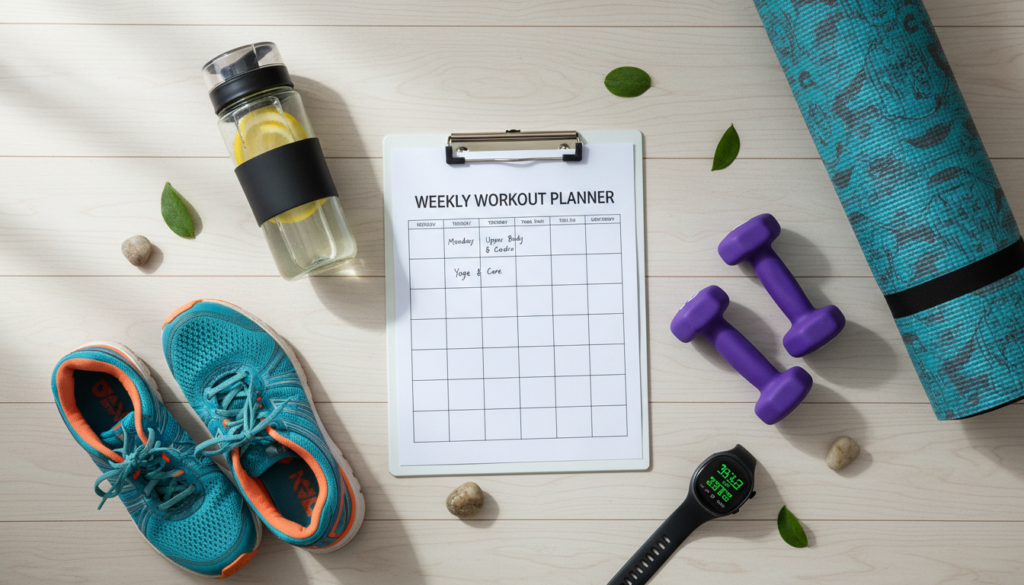
Your Complete Beginner Weekly Workout Plan
Having a structured workout plan removes guesswork from your routine. This beginner-friendly weekly schedule balances different exercise types while allowing adequate recovery. Follow this plan for four to six weeks before progressing to more advanced routines.
Monday: Full Body Strength
Duration: 30-40 minutes
- Warm-up: 5 minutes light cardio
- Bodyweight squats: 3 sets of 12
- Wall push-ups: 3 sets of 10
- Walking lunges: 3 sets of 10 per leg
- Plank hold: 3 sets of 20-30 seconds
- Standing knee raises: 3 sets of 15 per leg
- Cool-down: 5 minutes stretching
Tuesday: Cardio + Core
Duration: 30 minutes
- Brisk walking or light jogging: 20 minutes
- Bicycle crunches: 2 sets of 15
- Dead bug exercise: 2 sets of 10
- Side plank: 2 sets of 15 seconds per side
- Bird dog: 2 sets of 10 per side
- Stretching: 5 minutes
Wednesday: Active Recovery
Duration: 20-30 minutes
- Gentle yoga or stretching: 15 minutes
- Leisurely walk: 15 minutes
- Foam rolling or self-massage: 10 minutes
- Focus on mobility and flexibility
- Light movement only, no intense exercise
Thursday: Lower Body Focus
Duration: 30-40 minutes
- Warm-up: 5 minutes marching in place
- Squats: 3 sets of 15
- Step-ups: 3 sets of 12 per leg
- Glute bridges: 3 sets of 15
- Calf raises: 3 sets of 20
- Wall sit: 3 sets of 20-30 seconds
- Cool-down stretching: 5 minutes
Friday: Cardio Intervals
Duration: 25-30 minutes
- Warm-up walk: 5 minutes
- Interval pattern (repeat 5 times):
- Fast pace: 1 minute
- Moderate pace: 2 minutes
- Cool-down walk: 5 minutes
- Full body stretching: 5 minutes
Saturday: Upper Body + Core
Duration: 30-40 minutes
- Warm-up: arm circles and light cardio
- Push-ups (modified if needed): 3 sets of 8-10
- Dumbbell rows or resistance band rows: 3 sets of 12
- Shoulder press: 3 sets of 10
- Plank variations: 3 sets of 30 seconds
- Russian twists: 3 sets of 20
- Stretching: 5 minutes
Sunday: Complete Rest
Duration: N/A
- No structured exercise today
- Focus on gentle activities if desired
- Leisurely walking is acceptable
- Prioritize meal prep for the week ahead
- Plan your schedule and goals
- Ensure adequate sleep and recovery
Common Mistakes to Avoid as a Beginner
Learning from others’ mistakes helps you avoid unnecessary setbacks. Many beginners make similar errors that slow progress or lead to giving up entirely. Awareness of these pitfalls helps you navigate your journey more smoothly.
Setting Unrealistic Expectations
Expecting rapid dramatic results sets you up for disappointment. Weight loss advertisements often promise unrealistic outcomes. Healthy sustainable weight loss takes time and consistency.
Aim for one to two pounds of loss per week. Some weeks you may lose more, others less. Focus on the overall downward trend rather than weekly fluctuations. Patience and persistence win over quick fixes every time.
Making Too Many Changes at Once
Overhauling your entire life overnight rarely works long-term. Making too many simultaneous changes overwhelms you. This often leads to burnout and reverting to old habits.
Start with two or three key changes and build from there. Master these habits before adding more. Gradual sustainable changes beat dramatic unsustainable overhauls. Give yourself permission to progress slowly but steadily.
Eliminating Entire Food Groups
Unless you have medical reasons, eliminating whole food groups is unnecessary. Extreme restriction leads to cravings and eventual binges. All foods can fit into a healthy weight loss plan in appropriate amounts.
Focus on balance and moderation rather than elimination. Include foods you enjoy in controlled portions. This approach is far more sustainable than rigid restrictive diets that leave you feeling deprived.
Warning: Extremely low calorie diets (below 1200 calories for women or 1500 for men) can slow metabolism, cause muscle loss, and create nutritional deficiencies. Always ensure adequate calorie intake for health.
Ignoring the Importance of Strength Training
Many beginners focus exclusively on cardio for weight loss. While cardio burns calories, strength training builds muscle that increases metabolic rate. Combining both types of exercise produces superior results.
Include resistance training at least two to three times weekly. You do not need heavy weights initially. Bodyweight exercises provide an excellent starting point. As you get stronger, gradually add resistance.
Not Tracking Progress Properly
Relying solely on the scale for feedback misses important progress indicators. The scale does not distinguish between fat loss, muscle gain, and water weight changes. Multiple tracking methods provide better insight.
Measure multiple metrics including body measurements, how clothes fit, energy levels, and fitness improvements. Take progress photos monthly. These combined data points show your true transformation beyond just weight.
Get Started Today With Your New Routine
You now have a complete roadmap for creating an effective daily routine for weight loss beginners. Knowledge alone does not create results. Taking action and staying consistent with these practices transforms your body and health.
Remember that perfection is not required. Some days will be harder than others. What matters is getting back on track after setbacks. Every healthy choice you make moves you closer to your goals.
Your First Week Action Plan
Focus on implementing just these core habits during your first week. Building this foundation sets you up for long-term success. Do not worry about doing everything perfectly right away.
Building on Your Foundation
Once these initial habits feel natural, gradually add more components. Introduce strength training workouts. Improve your meal planning skills. Increase walking duration and intensity. Layer new habits onto your existing routine systematically.
Most habits take about sixty-six days to become automatic. Be patient with yourself during this process. The discomfort of new behaviors fades as they become part of your lifestyle. Trust the process and stay committed.

Finding Support for Your Journey
Weight loss becomes easier with support from others. Share your goals with supportive friends and family. Consider joining online communities of people with similar goals. Accountability partners significantly improve adherence to healthy habits.
You might also benefit from working with professionals. Registered dietitians provide personalized nutrition guidance. Certified personal trainers teach proper exercise form and create customized programs. These investments in yourself pay dividends in faster safer results.
Take the Next Step in Your Weight Loss Journey
You have learned the essential components of an effective daily routine for weight loss beginners. Now it is time to put this knowledge into action. While consistency with these habits forms your foundation, many successful beginners enhance their efforts with targeted nutritional support.
CitrusBurn is specifically formulated to work alongside the healthy habits you are building. Its science-backed ingredients support metabolic function, help manage appetite naturally, and optimize your body’s fat-burning processes. Think of it as a tool that amplifies the hard work you are already doing with diet and exercise.
Thousands of beginners have found that combining CitrusBurn with their new daily routine helps them see results faster and stay motivated during the challenging early weeks. The formula is designed for people just like you who are committed to changing their lifestyle but want additional support along the way.
Frequently Asked Questions About Weight Loss Routines
These common questions address concerns many beginners have when starting their weight loss journey. Understanding these answers helps you approach your routine with confidence and realistic expectations.
How long does it take to see results from a weight loss routine?
Most people notice initial changes within two to three weeks of consistent effort. You may experience improved energy levels and better sleep quality first. Visible physical changes typically appear after four to six weeks. The scale may show results within the first week, though initial weight loss often includes water weight. Sustainable fat loss averages one to two pounds weekly. Remember that everyone’s body responds differently based on starting weight, metabolism, and adherence to the routine.
Do I need to count calories to lose weight?
Counting calories is not absolutely necessary but can be helpful, especially initially. Tracking intake creates awareness of portion sizes and food choices. Many people successfully lose weight through intuitive eating and mindful habits without strict counting. However, if you hit a plateau or struggle to lose weight, tracking calories helps identify issues. Start with general awareness of portion sizes and food quality. If progress stalls, consider tracking more precisely for a few weeks to gather data.
Can I lose weight without exercising?
Weight loss is possible through diet alone since calorie deficit drives fat loss. However, exercise provides numerous benefits beyond calorie burning. Physical activity preserves muscle mass during weight loss, boosts metabolism, improves mood, and enhances overall health. People who combine diet and exercise lose more weight and maintain results better than those using diet alone. Even light activity like walking provides significant benefits. For best results and long-term health, include both nutrition improvements and regular movement.
What should I do if I am not losing weight despite following my routine?
First, ensure you have given your routine enough time, at least three to four weeks of consistent effort. If truly following the plan without results, several factors may be involved. You might be consuming more calories than estimated, especially if not measuring portions. Sleep deprivation, high stress levels, or certain medications can slow weight loss. Medical conditions like thyroid issues also affect metabolism. Consider tracking food more carefully, ensuring adequate sleep, and managing stress. If problems persist, consult a healthcare provider to rule out underlying issues.
How much water should I drink daily for weight loss?
General recommendations suggest at least eight glasses or sixty-four ounces daily as a baseline. Individual needs vary based on body size, activity level, climate, and diet. A better guideline is drinking half your body weight in ounces. For example, someone weighing 180 pounds should aim for 90 ounces daily. Increase intake during exercise or hot weather. Your urine color provides a good indicator: pale yellow suggests adequate hydration while dark yellow indicates you need more water. Drink a glass before each meal to aid portion control and support metabolism.
Is it normal to feel hungry when starting a weight loss routine?
Mild hunger is normal as your body adjusts to new eating patterns. However, intense persistent hunger signals a problem with your approach. Extreme hunger often means cutting calories too drastically or not eating enough protein and fiber. These nutrients promote satiety and prevent excessive hunger. Ensure you are not creating too large a calorie deficit. Aim for a moderate deficit of 500 to 750 calories daily maximum. Eat regular meals and snacks rather than long gaps between eating. If hunger persists despite adequate calories and macronutrients, consult a dietitian for personalized guidance.
Your Path Forward to Lasting Weight Loss Success
Creating an effective daily routine for weight loss beginners does not require perfection or extreme measures. Success comes from consistently implementing simple healthy habits that compound over time. The strategies outlined in this guide provide everything you need to start your transformation today.
Remember that sustainable weight loss is a journey, not a destination. Focus on progress rather than perfection. Celebrate small wins along the way. Build habits that you can maintain for life rather than following temporary quick fixes.
Your commitment to improving your health through better daily habits will transform not just your body but your entire life. Better energy, improved confidence, enhanced health markers, and increased quality of life all come from the consistent effort you invest in your routine.
Start today with just one or two changes. Build momentum gradually. Trust the process even when progress feels slow. The compound effect of small daily improvements will create remarkable results over time. Your future self will thank you for taking this first step toward lasting health and wellness.