

Losing Weight After 40: Understanding the Science Behind Your Changing Body
You’ve noticed something frustrating. The strategies that worked in your twenties and thirties don’t seem to help anymore. Despite eating carefully and staying active, the scale refuses to budge. You’re not alone in this struggle.
This Website contains affiliate links. That means I may earn a small commission if you purchase through my links, at no extra cost to you.
Weight management becomes significantly more complex after age 40. Your body undergoes fundamental changes that affect how you store fat, burn calories, and respond to diet and exercise. These shifts aren’t your fault, and they’re not permanent obstacles.
Understanding what happens inside your body after 40 is the first step toward effective weight loss. The right approach can help you work with your metabolism instead of against it.
Ready to Understand Your Body’s Changes?
Discover the science-backed approach that’s helping women over 40 achieve sustainable weight loss by working with their metabolism, not against it.
Why Your Body Responds Differently to Weight Loss After 40
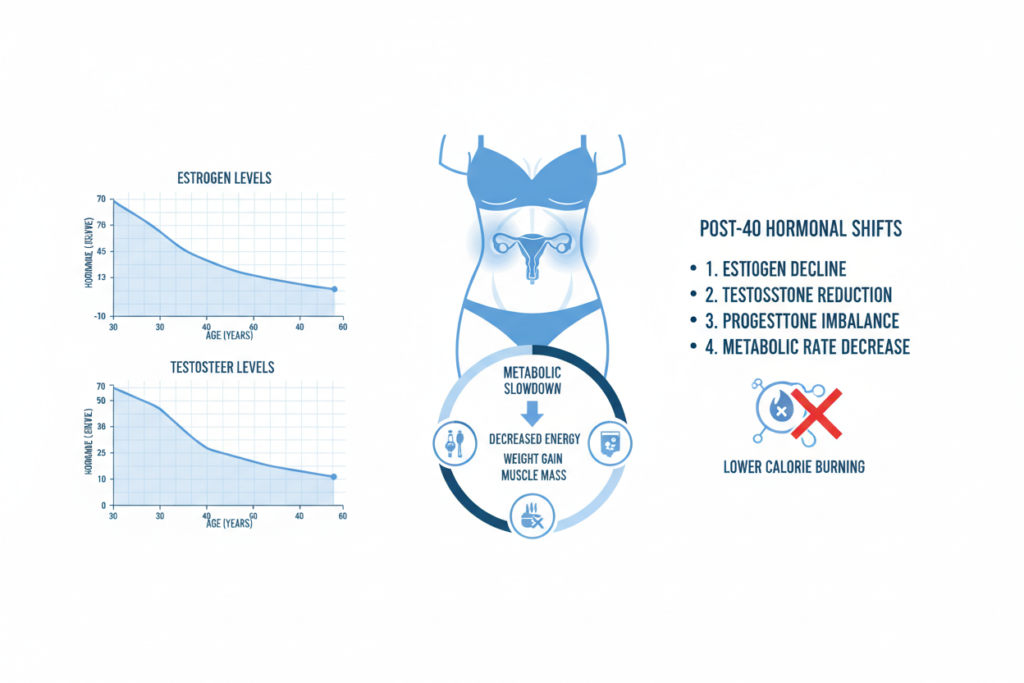
Your body transforms in profound ways during your forties. These biological shifts create a perfect storm that makes maintaining a healthy weight more challenging than ever before.
Multiple systems change simultaneously. Your hormones fluctuate, your muscle composition alters, and your metabolic rate decreases. Each factor contributes to weight gain and makes weight loss harder to achieve.
Hormonal Shifts That Contribute to Weight Gain
Estrogen levels begin declining as you approach menopause. This hormone plays a crucial role in how your body distributes and stores fat. Lower estrogen levels signal your body to store more fat around your midsection.
Testosterone levels also decrease with age. This hormone helps maintain muscle mass, which directly affects your metabolic rate. Less muscle means your body burns fewer calories at rest.
Thyroid function often slows down after 40. Your thyroid regulates metabolism throughout your body. A sluggish thyroid can reduce the number of calories you burn each day by several hundred.
Insulin sensitivity decreases as you get older. Your cells become less responsive to insulin, making blood sugar management more difficult. This change promotes fat storage and makes losing weight more challenging.
Metabolic Rate Changes and Muscle Loss
Your basal metabolic rate naturally declines with each passing decade. Research shows that metabolism slows by approximately 2-4% per decade after age 30. This means you burn fewer calories doing the same activities.
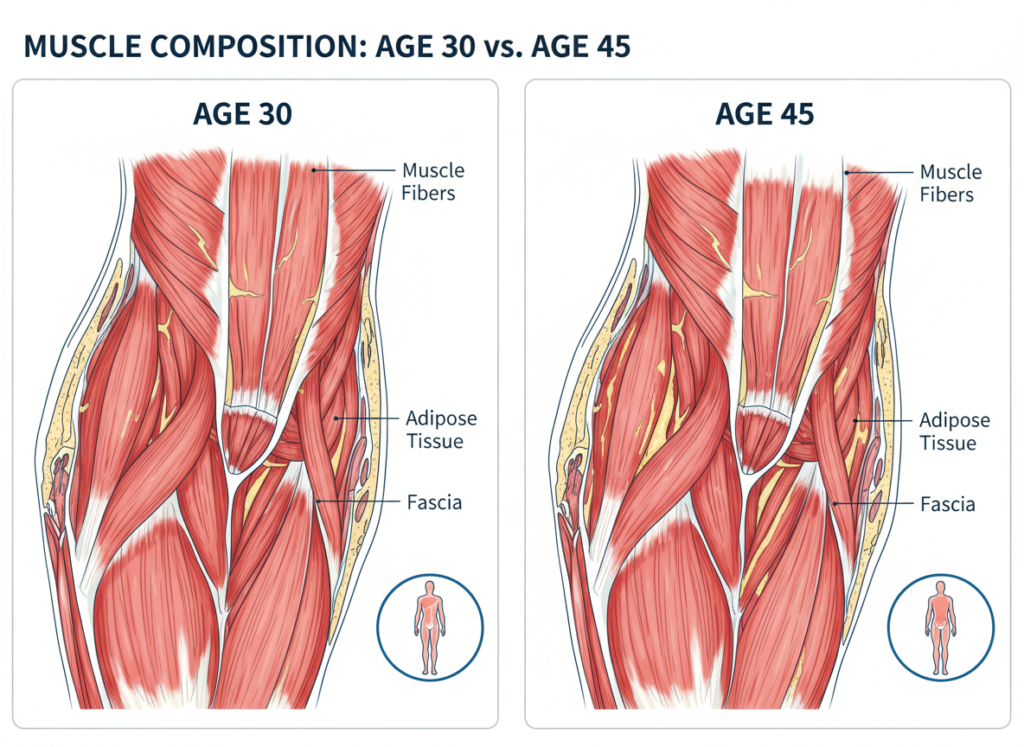
Muscle mass decreases at an accelerating rate after 40. Without targeted resistance training, you can lose up to 8% of muscle mass per decade. Since muscle tissue burns more calories than fat tissue, this loss significantly impacts your ability to maintain a healthy weight.
Body composition shifts even if your weight stays the same. You may replace lean muscle with body fat, changing your metabolic rate and overall health profile. This transformation happens gradually, making it hard to notice until the effects become pronounced.
Sleep Quality and Stress Impact on Body Weight
Sleep patterns often deteriorate in your 40s. Hormonal changes, particularly during perimenopause and menopause, disrupt sleep quality. Poor sleep increases cortisol levels and affects hormones that regulate hunger and fullness.
Chronic stress becomes more common during this life stage. Career demands, family responsibilities, and aging parents create constant pressure. Elevated cortisol promotes fat storage, especially around your abdomen, and increases cravings for high-calorie foods.
Sleep deprivation affects blood sugar regulation. Even one night of poor sleep can make your cells more insulin-resistant. Over time, this pattern contributes to weight gain and makes losing weight significantly harder.
Understanding Your Metabolism Is Just the Beginning
Learn how cutting-edge research has identified specific pathways to optimize your metabolism after 40, helping you achieve the results you deserve.
Health Implications of Weight Gain in Your 40s

Carrying excess body fat after 40 creates risks beyond appearance concerns. The health consequences become more serious as you age, affecting nearly every system in your body.
Cardiovascular Disease Risk Factors
Extra weight puts additional strain on your heart. Your cardiovascular system must work harder to pump blood throughout a larger body mass. This increased workload raises your risk of cardiovascular disease significantly.
Blood pressure often rises with weight gain. Excess body fat, particularly around your midsection, correlates with higher blood pressure readings. Hypertension damages your blood vessels and increases stroke risk over time.
Cholesterol levels tend to worsen with age and weight gain. Higher LDL cholesterol and lower HDL cholesterol create dangerous plaque buildup in your arteries. This combination dramatically increases your risk of heart attack and cardiovascular disease.
Blood Sugar and Diabetes Concerns
Type 2 diabetes risk increases substantially after 40. Excess body fat, especially visceral fat around your organs, makes your cells more resistant to insulin. This resistance forces your pancreas to work harder and can eventually lead to diabetes.
Blood sugar levels become harder to control as insulin sensitivity decreases. Even if you don’t develop full diabetes, prediabetes creates inflammation and damages your blood vessels. Managing blood sugar becomes critical for long-term health.
Weight loss of just 5-7% can significantly improve blood sugar control. This modest reduction helps your cells respond better to insulin and reduces your diabetes risk. Small changes create meaningful health improvements.
Joint Health and Mobility Issues
Every extra pound of body weight places additional stress on your joints. Your knees, in particular, bear four times your body weight with each step. This increased pressure accelerates joint wear and contributes to arthritis development.
Physical activity becomes more difficult as weight increases. Joint pain and reduced mobility create a challenging cycle. Less activity leads to more weight gain, which further limits movement and exercise capacity.
Maintaining a healthy weight protects your joints and preserves mobility. Reducing body fat decreases inflammation throughout your body, including in your joints. This improvement allows for more comfortable movement and better physical activity participation.
Evidence-Based Nutrition Strategies for Weight Management

Your nutritional needs evolve as you age. The diet that maintained your weight at 30 may contribute to weight gain at 45. Adjusting your eating patterns to match your changing metabolism is essential for successful weight management.
Protein Requirements and Muscle Preservation
Protein becomes increasingly important after 40. Your body needs more protein to maintain muscle mass as you age. Experts recommend consuming 1.2 to 1.6 grams of protein per kilogram of body weight daily.
Distributing protein throughout the day maximizes muscle preservation. Eating protein at each meal stimulates muscle protein synthesis more effectively than concentrating it in one meal. Aim for 25-30 grams of protein at breakfast, lunch, and dinner.
Quality protein sources support both muscle mass and weight loss. Lean meats, fish, eggs, legumes, and dairy provide essential amino acids. These foods also increase satiety, helping you feel fuller longer and reducing overall calorie intake.
Managing Carbohydrate Intake and Blood Sugar
Carbohydrate tolerance often decreases after 40. Your body doesn’t handle carbs as efficiently as it once did. Reducing refined carbs and focusing on complex carbohydrates helps stabilize blood sugar levels.
Choosing low-glycemic foods prevents blood sugar spikes. Vegetables, whole grains, and legumes release glucose slowly into your bloodstream. This steady release helps control hunger and reduces fat storage signals.
Timing your carbs strategically can enhance weight loss. Consuming most carbs around your workouts provides energy when needed while limiting carbs at other times may improve fat burning. This approach helps your body use carbs for fuel rather than storing them as fat.
Best Carb Choices After 40
- Leafy green vegetables
- Cruciferous vegetables (broccoli, cauliflower)
- Berries and low-sugar fruits
- Quinoa and other whole grains
- Sweet potatoes and squash
- Legumes and lentils
Carbs to Limit or Avoid
- White bread and refined grains
- Sugary cereals and pastries
- Processed snack foods
- Sweetened beverages
- Candy and desserts
- White rice and pasta
Healthy Fats and Hormone Balance
Dietary fat plays a crucial role in hormone production. Your body needs healthy fats to produce hormones that regulate metabolism and weight. Eliminating fat from your diet can worsen hormonal imbalances.
Omega-3 fatty acids reduce inflammation and support metabolic health. These essential fats improve insulin sensitivity and may help prevent fat storage. Sources include fatty fish, walnuts, flaxseeds, and chia seeds.
Avoiding trans fats and limiting saturated fats protects cardiovascular health. Focus on monounsaturated fats from olive oil, avocados, and nuts. These fats support healthy cholesterol levels while providing satiety and flavor to meals.
Important Note: Dietary changes should support your individual health needs. The most effective approach combines nutrition with other lifestyle factors to create sustainable weight loss. No single diet works for everyone, and personalization is key to long-term success.
Nutrition Is Just One Piece of the Puzzle
While diet matters, the most effective weight loss after 40 addresses your unique metabolic needs. Discover how a comprehensive, science-based approach can optimize your results.
Exercise Recommendations for Effective Weight Loss

Physical activity becomes even more critical for weight management after 40. Exercise helps counteract the natural decline in metabolic rate and preserves muscle mass. The right combination of activities creates optimal conditions for losing weight.
Resistance Training for Metabolic Health
Strength training provides unique benefits for weight loss after 40. Building and maintaining muscle mass directly increases your metabolic rate. Each pound of muscle burns approximately 6 calories per day at rest, while fat burns only 2 calories.
Resistance exercise triggers hormonal responses that support fat loss. Strength training increases growth hormone and testosterone, both of which decline with age. These hormones help build lean tissue and promote fat burning.
You don’t need hours in the gym to see results. Two to three sessions per week of full-body resistance training can significantly improve body composition. Focus on compound movements that work multiple muscle groups simultaneously for maximum efficiency.
Upper Body Exercises
- Push-ups (modified if needed)
- Dumbbell rows
- Chest press
- Shoulder press
- Bicep curls
- Tricep extensions
Lower Body Exercises
- Squats (bodyweight or weighted)
- Lunges
- Deadlifts
- Step-ups
- Leg press
- Calf raises
Core Exercises
- Planks
- Dead bugs
- Bird dogs
- Pallof press
- Russian twists
- Mountain climbers
Cardiovascular Exercise and Fat Burning
Cardio exercise burns calories during the activity and can boost metabolism for hours afterward. High-intensity interval training (HIIT) creates a significant afterburn effect, where your body continues burning extra calories during recovery.
Moderate-intensity steady-state cardio also plays an important role. Walking, cycling, or swimming at a comfortable pace for 30-45 minutes helps create the calorie deficit needed for weight loss. This type of exercise is sustainable and easy on your joints.
Variety prevents adaptation and keeps your body challenged. Alternating between different cardio activities and intensities prevents plateaus and reduces injury risk. Mix HIIT sessions, steady-state cardio, and active recovery throughout the week.
Flexibility and Recovery Practices
Recovery becomes increasingly important as you age. Your body needs adequate time to repair and adapt between workouts. Overtraining can increase cortisol levels and actually hinder weight loss efforts.
Flexibility work reduces injury risk and supports overall movement quality. Yoga, stretching, and mobility exercises help maintain range of motion. Better movement quality allows you to exercise more effectively and consistently.
Sleep is when your body rebuilds muscle and regulates hormones. Prioritize 7-9 hours of quality sleep each night to support your weight loss efforts. Poor sleep undermines even the best exercise and nutrition programs.
Lifestyle Factors That Impact Weight Management

Weight loss extends far beyond diet and exercise. Your daily habits, stress levels, and sleep quality significantly influence your ability to lose weight and maintain a healthy weight. Addressing these factors creates a foundation for sustainable results.
Sleep Optimization for Hormone Regulation
Quality sleep directly affects the hormones that control hunger and metabolism. Insufficient sleep increases ghrelin (the hunger hormone) and decreases leptin (the fullness hormone). This hormonal shift makes you hungier and less satisfied after eating.
Sleep deprivation impairs decision-making and willpower. When you’re tired, you’re more likely to choose convenience foods and skip exercise. Your brain craves quick energy from sugary foods, making healthy choices more difficult.
Creating a consistent sleep schedule supports your circadian rhythm. Going to bed and waking up at the same time each day helps regulate hormones throughout your body. This consistency improves sleep quality and supports weight management.
Sleep Improvement Strategies
- Keep your bedroom cool (65-68°F)
- Block all light sources completely
- Avoid screens 1-2 hours before bed
- Establish a relaxing bedtime routine
- Limit caffeine after 2 PM
- Avoid alcohol close to bedtime
- Consider magnesium supplementation
- Practice deep breathing exercises

Stress Management and Cortisol Control
Chronic stress keeps cortisol levels elevated throughout the day. High cortisol promotes fat storage, particularly around your midsection. This visceral fat increases health risks and proves especially difficult to lose.
Stress eating becomes more common during challenging times. Emotional eating provides temporary comfort but undermines weight loss efforts. Developing alternative coping strategies helps break this pattern.
Regular stress-reduction practices lower cortisol and support weight loss. Meditation, yoga, deep breathing, or spending time in nature all activate your parasympathetic nervous system. Even 10 minutes daily can make a significant difference.
Hydration and Its Role in Metabolism
Proper hydration supports every metabolic process in your body. Water helps transport nutrients, remove waste products, and regulate body temperature. Even mild dehydration can slow your metabolic rate by several percent.
Drinking water before meals may help reduce calorie intake. Studies show that people who drink 16 ounces of water before eating consume fewer calories. Water creates a sense of fullness and helps distinguish thirst from hunger.
Your water needs increase with age and activity level. Aim for at least 8-10 glasses per day, more if you exercise or live in a hot climate. Urine color provides a simple hydration indicator – pale yellow suggests adequate hydration.
Daily Hydration Tips
Start your day with a large glass of water. Keep water visible on your desk or counter. Set phone reminders to drink water throughout the day. Add lemon, cucumber, or herbs for flavor variation. Track your intake using a marked water bottle.
Overcoming Common Weight Loss Challenges After 40

Weight loss rarely follows a straight line, especially after 40. Understanding common obstacles and having strategies to overcome them increases your chances of long-term success. Persistence through challenges separates temporary results from lasting transformation.
Dealing with Weight Loss Plateaus
Plateaus frustrate nearly everyone trying to lose weight. Your body adapts to lower calorie intake by reducing metabolic rate. This adaptation, called metabolic adaptation, can slow or stop weight loss even when you maintain your diet and exercise routine.
Breaking through plateaus often requires changing your approach. Your body has adjusted to your current routine. Varying your exercise intensity, adjusting calorie intake, or modifying macronutrient ratios can restart progress.
Patience becomes essential during plateaus. Sometimes your body needs time to adjust before releasing more weight. Focus on non-scale victories like improved energy, better sleep, or increased strength while waiting for the scale to move again.
Managing Menopause-Related Weight Changes
Menopause brings significant hormonal shifts that affect weight management. Declining estrogen levels alter where your body stores fat, shifting storage to your abdomen. This change increases health risks and proves particularly stubborn.
Hot flashes and night sweats disrupt sleep quality during menopause. Poor sleep worsens hormone imbalances and makes weight loss more difficult. Addressing sleep issues becomes crucial for managing menopause weight gain.
Hormone replacement therapy may help some women manage weight during menopause. Consult your healthcare provider about whether HRT is appropriate for your situation. Bioidentical hormones or traditional HRT can help reduce menopause symptoms and support weight management.
Balancing Social Life and Weight Loss Goals
Social events and dining out create challenges for weight loss. Restaurant meals typically contain more calories, sodium, and unhealthy fats than home-cooked food. Planning ahead helps you make better choices without sacrificing social connections.
Alcohol adds empty calories and impairs decision-making around food. Your body prioritizes metabolizing alcohol, temporarily halting fat burning. Limiting alcohol consumption supports both weight loss and overall health.
Building a support system increases your success chances. Share your goals with friends and family who can encourage your efforts. Finding accountability partners or joining support groups provides motivation during difficult times.
You Don’t Have to Navigate These Challenges Alone
Thousands of women over 40 are discovering a science-backed approach that addresses the root causes of weight gain, making the journey easier and more effective.
Building Sustainable Habits for Long-Term Success

Temporary diets produce temporary results. Creating lasting change requires building habits you can maintain for years. Sustainable weight loss comes from small, consistent actions that become part of your daily routine.
Meal Planning and Preparation Strategies
Planning meals in advance removes decision-making when you’re tired or hungry. Knowing what you’ll eat reduces the temptation to grab convenient, unhealthy options. Set aside time each week to plan your meals and create a shopping list.
Batch cooking saves time and ensures healthy options are always available. Prepare large quantities of proteins, vegetables, and whole grains during one cooking session. Store portions in containers for easy grab-and-go meals throughout the week.
Keeping healthy snacks readily available prevents impulsive eating. Stock your kitchen with nutritious options like cut vegetables, hard-boiled eggs, nuts, and Greek yogurt. When healthy choices are convenient, you’re more likely to choose them.
- Meal planning weekly
- Cooking at home most days
- Eating mindfully without distractions
- Allowing occasional treats
- Staying hydrated throughout the day
- Getting adequate sleep consistently
- Moving your body daily
Sustainable Habits
- Extreme calorie restriction
- Eliminating entire food groups
- Following rigid meal plans
- Exercising excessively
- Using meal replacement shakes
- Relying on willpower alone
- Expecting rapid results
Unsustainable Approaches
Tracking Progress Without Obsession
Monitoring your progress helps maintain motivation and identify what works. However, obsessive tracking can become counterproductive and stressful. Finding balance between awareness and obsession supports mental health while pursuing weight loss.
The scale tells only part of the story. Weight fluctuates daily due to water retention, hormones, and digestive factors. Weighing yourself weekly rather than daily provides a more accurate picture of your progress without excessive focus on normal fluctuations.
Measurements and photos capture changes the scale might miss. You may lose inches and body fat while maintaining or even gaining weight as you build muscle. Taking monthly measurements and progress photos documents transformation beyond the number on the scale.
Adjusting Your Approach Based on Results
What works changes as your body changes. The strategy that kickstarts weight loss may need modification as you progress. Stay flexible and willing to adjust your approach based on results and how you feel.
Listen to your body’s signals about hunger, fullness, and energy. Extreme hunger or fatigue suggests your approach may be too restrictive. Sustainable weight loss should improve your energy levels, not deplete them.
Regular check-ins help you stay on track without becoming rigid. Assess your progress monthly, noting what’s working and what isn’t. Make small adjustments rather than overhauling your entire approach when results stall.
The Science of Metabolic Health and Weight Management
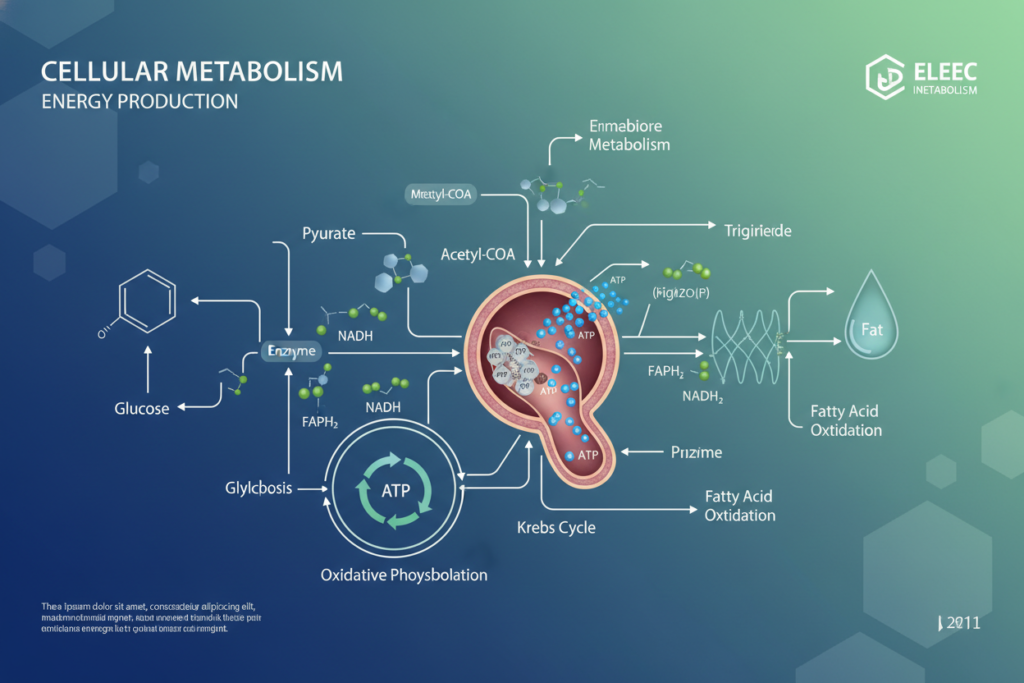
Your metabolism involves complex processes at the cellular level. Understanding these mechanisms helps explain why conventional weight loss advice often fails after 40. Recent research reveals new insights into optimizing metabolic health for effective weight management.
Cellular Energy Production and Fat Burning
Mitochondria generate energy in your cells through a process called cellular respiration. These tiny powerhouses convert nutrients into ATP, the energy currency your body uses. Healthy mitochondrial function is essential for efficient fat burning and energy production.
Mitochondrial function declines with age. Damaged or dysfunctional mitochondria produce less energy and generate more harmful byproducts. This decline contributes to fatigue, slower metabolism, and difficulty losing weight as you get older.
Supporting mitochondrial health can improve metabolic function. Specific nutrients and lifestyle practices enhance mitochondrial efficiency. Exercise, particularly high-intensity interval training, stimulates the creation of new mitochondria through a process called mitochondrial biogenesis.
Insulin Sensitivity and Glucose Metabolism
Insulin resistance develops gradually as cells become less responsive to insulin signals. Your pancreas produces more insulin to compensate, but this creates a vicious cycle. High insulin levels promote fat storage and make weight loss extremely difficult.
Improving insulin sensitivity unlocks fat-burning potential. When your cells respond properly to insulin, blood sugar remains stable and your body can access stored fat for energy. This metabolic flexibility is crucial for sustainable weight loss.
Several factors influence insulin sensitivity beyond diet. Sleep quality, stress levels, physical activity, and body composition all play important roles. Addressing multiple factors simultaneously creates the best results for improving insulin function.
Inflammation and Its Impact on Weight
Chronic low-grade inflammation interferes with normal metabolic function. Inflammatory signals disrupt hormone pathways and contribute to insulin resistance. This inflammatory state, common after 40, creates significant obstacles to weight loss.
Excess body fat, particularly visceral fat, produces inflammatory compounds. These substances create a feedback loop where inflammation promotes more fat storage, which generates more inflammation. Breaking this cycle requires addressing both weight and inflammation simultaneously.
Anti-inflammatory strategies support weight loss efforts. Certain foods, sleep improvements, stress reduction, and specific nutrients can lower inflammation levels. Reducing inflammation enhances metabolic function and makes losing weight easier.
Research Insight: Recent studies have identified specific compounds that support mitochondrial function, improve insulin sensitivity, and reduce inflammation. These discoveries are transforming our understanding of effective weight management after 40.
Breakthrough Approaches to Weight Loss After 40

Scientific advances are revealing new pathways to effective weight management. These evidence-based approaches target the underlying causes of weight gain rather than just addressing symptoms. Understanding these breakthroughs helps you make informed decisions about your weight loss strategy.
Targeting Root Causes, Not Just Symptoms
Traditional weight loss focuses on calories in versus calories out. While this equation matters, it oversimplifies the complex metabolic processes involved in weight regulation. Addressing hormonal balance, cellular function, and metabolic health creates more sustainable results.
Your body’s weight regulation system involves multiple feedback loops. Hormones like leptin, ghrelin, insulin, and cortisol all influence hunger, satiety, and fat storage. When these systems function properly, maintaining a healthy weight becomes significantly easier.
Comprehensive approaches address multiple factors simultaneously. Rather than focusing solely on diet or exercise, effective strategies optimize sleep, manage stress, support hormone balance, and enhance cellular function. This integrated approach produces better long-term outcomes.
The Role of Cellular Optimization
Optimizing function at the cellular level enhances whole-body metabolism. When your cells produce energy efficiently, you experience better energy levels, improved fat burning, and easier weight management. Supporting cellular health creates a foundation for sustainable weight loss.
Specific nutrients and compounds can enhance cellular function. Research has identified substances that support mitochondrial health, improve insulin sensitivity, and reduce cellular inflammation. These targeted interventions work with your body’s natural processes rather than against them.
Cellular optimization becomes increasingly important after 40. As cellular function naturally declines with age, targeted support becomes more valuable. Addressing metabolic health at the cellular level can partially reverse age-related metabolic slowdown.
Personalized Approaches Based on Individual Needs
No single approach works for everyone. Your genetics, hormone levels, lifestyle, and health history all influence how your body responds to different interventions. Personalized strategies that account for individual differences produce superior results.
Understanding your body’s unique needs helps you choose effective interventions. Some people respond better to lower-carb approaches, while others do well with balanced macronutrients. Some need more emphasis on stress management, while others benefit most from sleep optimization.
Advanced testing can reveal individual metabolic patterns. Blood work, hormone panels, and metabolic assessments provide insights into your specific challenges. This information guides personalized interventions for maximum effectiveness.
Why Personalization Matters
Research shows that individual responses to the same diet can vary dramatically. One person might lose weight easily on a particular plan while another gains weight following identical guidelines. This variation stems from differences in genetics, gut bacteria, hormone levels, and metabolic function.
A Science-Backed Solution for Weight Loss After 40

The challenges of losing weight after 40 require solutions grounded in solid scientific research. Recent advances in metabolic science have revealed new approaches that address the root causes of age-related weight gain. These evidence-based strategies work with your body’s biology rather than against it.
Understanding Metabolic Optimization
Metabolic optimization focuses on enhancing your body’s natural fat-burning processes. Instead of simply restricting calories, this approach supports the cellular mechanisms that regulate energy production and fat metabolism. When these systems work efficiently, weight loss becomes more achievable and sustainable.
Research has identified specific pathways that decline with age but respond to targeted support. Supporting mitochondrial function, improving insulin sensitivity, and reducing cellular inflammation all contribute to better metabolic health. These improvements create favorable conditions for losing weight and maintaining a healthy weight.
The most effective solutions combine multiple mechanisms of action. Rather than addressing just one aspect of metabolism, comprehensive approaches target several key pathways simultaneously. This multi-faceted strategy produces more significant and lasting results than single-mechanism interventions.
Evidence-Based Ingredients and Compounds
Scientific research has identified specific compounds that support metabolic health after 40. These substances work through various mechanisms to enhance fat burning, improve energy levels, and support healthy body composition. The research backing these ingredients provides confidence in their effectiveness.
Natural compounds can support mitochondrial function and energy production. When your cells generate energy more efficiently, you experience better overall metabolism and easier fat burning. These effects become particularly valuable as natural mitochondrial function declines with age.
Certain nutrients specifically target insulin sensitivity and blood sugar regulation. Improving how your cells respond to insulin helps prevent fat storage and enables your body to access stored fat for energy. This metabolic flexibility is crucial for effective weight loss after 40.
Key Metabolic Support Areas
- Mitochondrial function enhancement
- Insulin sensitivity improvement
- Cellular inflammation reduction
- Energy production optimization
- Fat metabolism support
- Hormone balance promotion
- Metabolic rate maintenance
- Cellular antioxidant protection

Why Traditional Approaches Often Fall Short
Many weight loss programs fail to address the metabolic changes that occur after 40. Simple calorie restriction can actually slow your metabolism further, making long-term success difficult. Your body adapts to lower food intake by reducing energy expenditure, creating a frustrating plateau.
Exercise alone often proves insufficient for significant weight loss after 40. While physical activity remains important, hormonal and metabolic factors play larger roles than they did when you were younger. Addressing these underlying issues creates better conditions for exercise to produce results.
Generic diet plans don’t account for age-related metabolic changes. The same strategies that worked in your twenties or thirties may actually work against you now. Understanding and addressing your body’s current needs leads to more effective and sustainable weight loss.
The Importance of Comprehensive Support
Successful weight loss after 40 requires addressing multiple factors simultaneously. Diet, exercise, sleep, stress management, and metabolic support all contribute to results. Neglecting any of these areas can limit your progress and make success more difficult to achieve.
Supporting your metabolism while making lifestyle changes enhances overall results. When your cells function optimally, the efforts you make with diet and exercise produce better outcomes. This synergy between metabolic support and healthy habits accelerates progress.
Consistency matters more than perfection. Sustainable changes you can maintain long-term create better results than extreme measures you abandon after a few weeks. Finding an approach that fits your life and supports your unique metabolic needs is essential for lasting success.
Discover the Scientific Approach That’s Transforming Weight Loss After 40
Thousands of women are experiencing real results by addressing the root causes of age-related weight gain. Learn how cutting-edge metabolic science can help you achieve the sustainable weight loss you deserve.
Practical Strategies to Get Started Today

Knowledge becomes valuable only when you apply it. Taking action, even small steps, creates momentum toward your weight loss goals. Starting with manageable changes increases your chances of building sustainable habits that produce lasting results.
Setting Realistic Goals and Expectations
Unrealistic expectations set you up for disappointment and failure. Healthy, sustainable weight loss occurs at a rate of 1-2 pounds per week. While slower than many programs promise, this pace allows your body to adapt and helps prevent metabolic slowdown.
Focus on behavior goals rather than just outcome goals. You control your actions, but many factors influence the number on the scale. Setting goals like “exercise four times this week” or “eat vegetables with every meal” gives you achievable targets within your control.
Celebrate non-scale victories along your journey. Improved energy, better sleep, reduced joint pain, and increased strength all indicate positive changes. These improvements enhance your quality of life regardless of what the scale shows.
Creating Your Action Plan
Start by identifying one or two changes you can implement immediately. Trying to overhaul everything at once usually leads to overwhelm and giving up. Small, consistent changes compound over time to create significant transformation.
Write down your specific action steps and timeline. Vague intentions like “eat better” rarely translate into results. Specific plans like “add protein to breakfast starting tomorrow” create clear, actionable steps you can actually follow.
Schedule your new habits into your existing routine. Linking new behaviors to established patterns makes them easier to maintain. For example, doing strength exercises right after your morning coffee creates a reliable trigger for your new habit.
Maintaining Motivation Through Challenges
Motivation naturally fluctuates over time. Building systems and habits reduces your reliance on motivation alone. When healthy behaviors become automatic routines, you’ll continue them even when motivation wanes.
Connect your weight loss goals to deeper values and aspirations. Understanding why health matters to you beyond appearance creates stronger motivation. Whether it’s playing with grandchildren, traveling comfortably, or reducing disease risk, linking goals to meaningful outcomes sustains effort.
Expect setbacks and plan for them. Everyone experiences difficult days, weeks, or even months. How you respond to challenges determines long-term success more than the challenges themselves. View setbacks as learning opportunities rather than failures.
Avoid Common Pitfalls
Don’t wait for the “perfect time” to start. There will always be holidays, events, or stressful periods. Beginning now, even imperfectly, beats waiting for ideal conditions that never arrive. Progress, not perfection, creates results.
Take Control of Your Weight Loss Journey Today

You now understand why losing weight after 40 presents unique challenges. Hormonal changes, metabolic slowdown, muscle loss, and lifestyle factors all contribute to weight gain and make weight loss more difficult. However, understanding these obstacles empowers you to address them effectively.
The science is clear: successful weight management after 40 requires a comprehensive approach. Diet and exercise remain important, but addressing sleep quality, stress levels, hormonal balance, and metabolic health creates the foundation for sustainable results. No single intervention works in isolation.
Your Next Steps Matter Most
Reading information changes nothing without action. The knowledge you’ve gained here becomes valuable only when you apply it to your life. Taking the first step, however small, starts your journey toward the healthy weight and vibrant health you deserve.
You don’t need to figure everything out alone. Thousands of women over 40 are successfully losing weight by working with their bodies’ natural processes instead of against them. Scientific advances have created new possibilities for effective, sustainable weight loss that weren’t available even a few years ago.
The approach that works addresses the root causes of weight gain, not just the symptoms. Supporting your metabolism at the cellular level while implementing healthy lifestyle habits creates optimal conditions for losing weight and keeping it off long-term.
Why Waiting Makes It Harder
Each passing year brings additional metabolic challenges. The hormonal changes, muscle loss, and cellular decline that contribute to weight gain accelerate as you age. Starting now gives you the best chance for success and prevents additional weight gain that makes the journey more difficult.
Extra body weight creates health risks that compound over time. The longer you carry excess fat, particularly around your midsection, the greater your risk of cardiovascular disease, diabetes, and other serious health conditions. Addressing weight concerns now protects your long-term health.
Your quality of life improves when you achieve and maintain a healthy weight. Beyond appearance, losing weight enhances energy levels, reduces joint pain, improves sleep, and boosts confidence. These benefits touch every aspect of your daily experience.

The Solution Is Closer Than You Think
Modern science has uncovered new pathways to effective weight management after 40. Research-backed approaches that optimize metabolic function, support cellular health, and work with your body’s natural processes are now available. These advances offer hope where traditional methods have failed.
You deserve a solution that acknowledges the unique challenges you face. Generic weight loss advice designed for younger people ignores the metabolic realities of your body after 40. Targeted approaches that address your specific needs produce better results with less frustration.
The most effective strategies combine scientific innovation with practical lifestyle changes. When you support your metabolism while making sustainable improvements to diet, exercise, sleep, and stress management, you create powerful synergy that accelerates results and makes maintaining them easier.
Start Your Science-Backed Weight Loss Journey Today
Don’t let another day pass struggling with approaches that weren’t designed for your body’s needs after 40. Discover the research-backed solution that’s helping women just like you achieve the sustainable weight loss they’ve been seeking. Your transformation starts with understanding the science behind what really works.
Every successful journey begins with a single step. The information you’ve learned here provides the foundation for making informed decisions about your health. The next move is yours – you can continue struggling with outdated approaches, or you can explore solutions designed specifically for the metabolic challenges you face after 40.
Your health, energy, and confidence are worth the investment. The time you spend understanding and addressing your body’s unique needs after 40 pays dividends in improved quality of life, reduced health risks, and the satisfaction of achieving goals that once seemed impossible.
Final Thoughts on Weight Management After 40
Losing weight after 40 requires understanding and working with your body’s changing biology. The hormonal shifts, metabolic slowdown, and cellular changes you experience aren’t character flaws or personal failures. They’re natural biological processes that affect everyone as they age.
Success comes from addressing these underlying factors rather than fighting against them. When you support your metabolism, balance your hormones, and optimize cellular function while implementing healthy lifestyle habits, weight loss becomes more achievable and sustainable.
The journey may challenge you, but the destination is worth every effort. Improved health, increased energy, greater confidence, and reduced disease risk await on the other side of the changes you make today. Your commitment to your health now shapes your quality of life for years to come.

Remember that progress, not perfection, creates lasting transformation. Small, consistent actions compound over time to produce remarkable results. Every healthy choice you make today contributes to the person you’re becoming and the life you’re creating.
You have the knowledge, and now you need only the commitment to act on it. Your healthiest, most vibrant years can still lie ahead if you make the decision to prioritize your wellbeing and pursue solutions designed for your body’s current needs.
The path forward is clear. Armed with understanding of what your body needs after 40 and access to science-backed solutions, you’re equipped to achieve the sustainable weight loss and lasting health you deserve. The question isn’t whether you can succeed – it’s whether you’ll take the first step today.