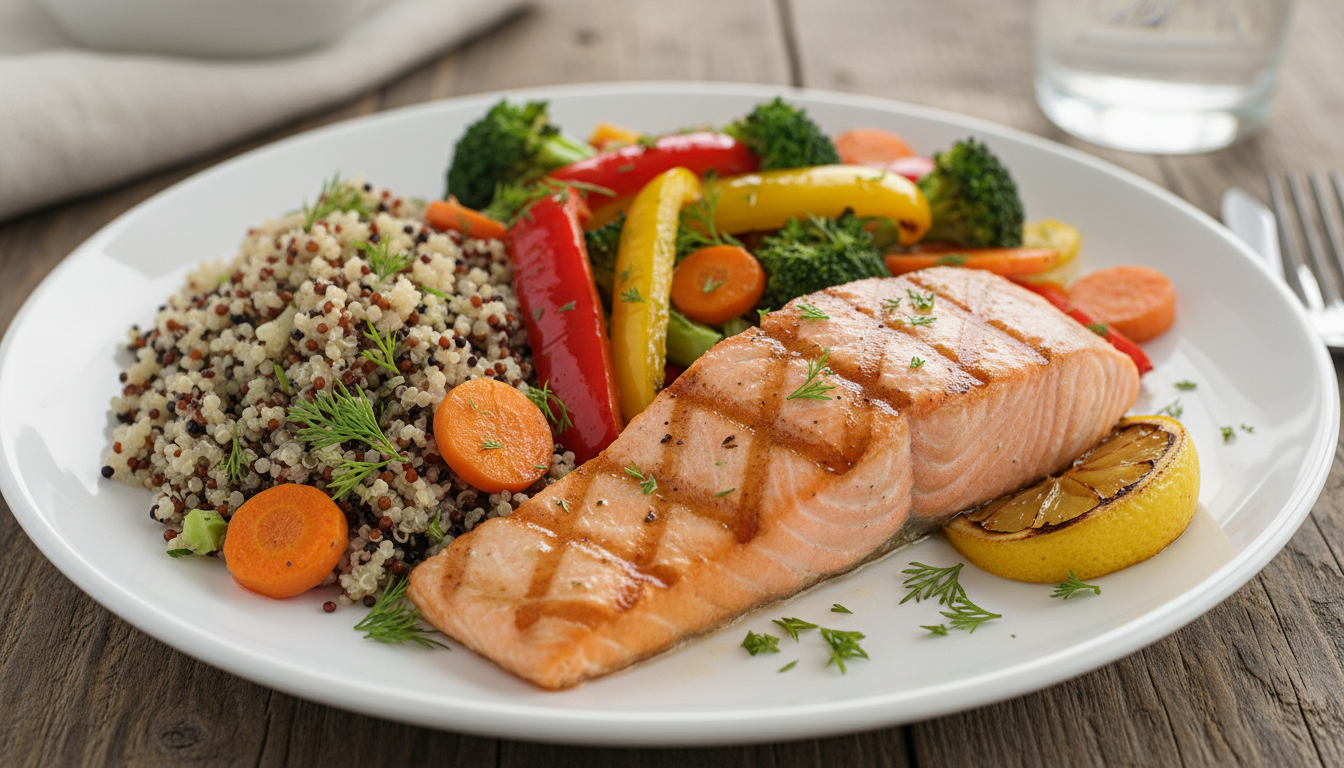
Healthy Recipes for Weight Losing: Transform Your Meals, Transform Your Body

Losing weight doesn’t mean sacrificing flavor or spending hours in the kitchen. The right healthy recipes for weight losing combine delicious taste with powerful nutrition that supports your goals. These meals work with your body’s natural processes to help you feel satisfied while creating the calorie deficit needed for sustainable weight loss.
This Website contains affiliate links. That means I may earn a small commission if you purchase through my links, at no extra cost to you.
This guide shares proven recipes that deliver results. Each dish includes complete nutrition information so you can track your progress. You’ll discover how to build satisfying meals around lean protein, fiber-rich vegetables, and smart carbohydrate choices that keep you energized throughout your journey.
Whether you’re planning weeknight dinners or meal prepping for the week ahead, these recipes fit seamlessly into busy schedules. Let’s explore how simple ingredient swaps and cooking techniques can transform ordinary meals into powerful weight loss tools.
Understanding the Nutrition Science Behind Weight Loss Recipes

Successful weight loss recipes share common nutritional characteristics. They prioritize protein per serving to maintain muscle mass during calorie restriction. Most effective recipes provide at least 25 grams protein per serving, which helps you feel full longer and supports your metabolism.
Fiber plays an equally important role in these recipes. High-fiber meals containing 8 or more grams per serving slow digestion and stabilize blood sugar levels. This prevents the energy crashes and cravings that derail many weight loss efforts.
Protein Power in Weight Loss
Protein requires more energy to digest than carbohydrates or fat. This thermic effect means your body burns calories just processing protein-rich meals. Each recipe in this collection emphasizes lean protein sources like chicken, fish, turkey, and plant-based options.
Grams protein per serving directly impact satiety hormones. When you consume adequate protein, your body releases peptides that signal fullness to your brain. This natural appetite regulation makes portion control easier without constant hunger.
The Fiber Advantage
Fiber adds volume to meals without adding significant calories. Vegetables, beans, and whole grains provide this essential nutrient. A single serving with high fiber content can contain the same calories as a small processed snack but keep you satisfied for hours.
Soluble fiber forms a gel in your digestive system that slows nutrient absorption. This steady release of energy prevents insulin spikes that trigger fat storage. Many recipes here combine both soluble and insoluble fiber for maximum benefit.

Calorie density matters when selecting recipes for weight loss. The best dishes provide large portions with moderate calories. A hearty vegetable soup might fill an entire bowl with just 200 calories, while a small cookie delivers the same amount. Volume eating leverages this principle throughout these recipes.
Metabolic Support Matters: While nutritious recipes form the foundation of weight loss, your metabolism plays a crucial role in how efficiently your body processes these nutrients. Understanding metabolic optimization can enhance your results. Discover the science behind metabolic support and how it complements healthy eating patterns.
High-Protein Chicken Recipes That Satisfy

Chicken provides exceptional protein per serving while remaining budget-friendly and versatile. These recipes transform simple chicken into exciting meals that support your weight loss goals. Each dish delivers 30 or more grams protein without excess fat or calories.
Lemon Herb Grilled Chicken with Roasted Vegetables
This classic recipe proves healthy dinner options don’t require complicated ingredients. Fresh lemon juice and herbs create a marinade that tenderizes the chicken while adding bright flavor. The key is allowing adequate marinating time for the acid to work its magic.
Roasted vegetables complement the chicken perfectly. Choose colorful options like bell peppers, zucchini, and cherry tomatoes. These veggies add fiber and nutrients while keeping total calories low. The combination creates a satisfying meal that feels indulgent.
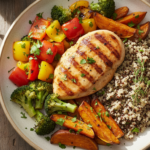
- Nutrition per serving: 320 calories, 35 grams protein, 7 grams fiber
- Prep time: 15 minutes plus 2 hours marinating
- Cook time: 25 minutes
- Protein source: Boneless skinless chicken breast

Baked Chicken Fajita Bowl

This recipe reimagines traditional fajitas as a nutrient-dense bowl. Strips of seasoned chicken cook alongside bell peppers and onions in a single pan. This one-dish approach saves time while delivering bold Mexican-inspired flavors.
Cauliflower rice replaces traditional rice to reduce calories and increase vegetable intake. The swap saves approximately 150 calories per serving while adding vitamin C and other nutrients. Fresh salsa and a squeeze of lime complete the dish without heavy cheese or sour cream.
Nutrition per serving: 285 calories, 32 grams protein, 9 grams fiber, 8 grams fat. This meal provides substantial protein per serving while keeping calories modest. The generous vegetable portion adds volume without significantly impacting the calorie count.
Asian-Inspired Chicken Lettuce Wraps

These wraps deliver maximum flavor with minimum calories. Ground chicken cooks quickly with garlic, ginger, and a light sauce made from low-sodium soy sauce and rice vinegar. The sauce adds depth without excess sugar or fat found in many Asian-inspired dishes.
Crisp lettuce leaves serve as the wrapper, eliminating refined carbohydrates entirely. This simple swap reduces calories while increasing crunch and freshness. Toppings like shredded carrots, cucumber, and fresh herbs add color, texture, and additional nutrients.
- Nutrition per serving: 195 calories, 28 grams protein, 4 grams fiber
- Perfect for meal prep – filling stays fresh for 4 days
- Customizable with different vegetables and toppings
- Ready in just 20 minutes from start to finish
Seafood Recipes Rich in Omega-3 Fatty Acids

Seafood provides unique benefits for weight loss beyond protein content. Fatty fish like salmon deliver omega-3 fatty acids that support metabolic health and reduce inflammation. These recipes showcase how to prepare fish in ways that preserve nutrients while maximizing taste.
Pan-Seared Salmon with Garlic Spinach
This elegant recipe feels restaurant-worthy but comes together in 15 minutes. A hot pan creates a crispy exterior on the salmon while keeping the interior moist and tender. The technique requires minimal oil, keeping fat content in check while delivering rich flavor.
Fresh spinach wilts quickly in the same pan used for the salmon. Garlic adds aromatic depth without calories. This simple vegetable side provides iron, vitamins, and fiber that complement the protein-rich fish perfectly.
Salmon naturally contains healthy fats that support hormone production and nutrient absorption. A 4-ounce serving provides approximately 25 grams protein along with beneficial omega-3s. The combination supports weight loss while nourishing your body.

Nutrition per serving: 310 calories, 34 grams protein, 3 grams fiber, 18 grams fat. While higher in fat than chicken recipes, the quality of those fats makes this an excellent choice. The omega-3 fatty acids in salmon have been linked to improved metabolic function.
Shrimp and Vegetable Stir-Fry

Shrimp cooks in minutes and absorbs flavors beautifully. This stir-fry combines protein-rich shrimp with a rainbow of vegetables. The high-heat cooking method preserves the crisp texture of veggies while developing complex flavors through caramelization.
A light sauce made from chicken broth, ginger, and a touch of cornstarch coats everything without adding excessive calories. Unlike heavy restaurant versions, this recipe contains minimal oil and no added sugar. The result is a satisfying meal with just 245 calories per serving.
- Nutrition per serving: 245 calories, 29 grams protein, 6 grams fiber
- Shrimp provides selenium and vitamin B12
- Vegetable variety ensures diverse micronutrients
- Low-carb option supports various eating styles
Baked Cod with Mediterranean Vegetables

Cod offers an economical seafood option with mild flavor that appeals to even fish skeptics. Baking in parchment paper with tomatoes, olives, and herbs creates a self-contained packet that steams the fish to perfection. This method requires zero added fat.
Mediterranean vegetables bring bold flavor through ingredients like kalamata olives, capers, and fresh basil. Small amounts of these intensely flavored foods deliver big taste without many calories. Cherry tomatoes add sweetness and lycopene, a powerful antioxidant.
Nutrition per serving: 220 calories, 31 grams protein, 4 grams fiber, 6 grams fat. The lean protein profile makes cod ideal for those prioritizing protein while limiting fat intake. The dish demonstrates how healthy eating can feel indulgent.
Plant-Based Protein Options for Variety

Plant-based meals provide fiber, phytonutrients, and protein without animal products. These recipes prove you don’t need meat to achieve adequate protein per serving. Each option delivers satisfying nutrition that supports weight loss goals.
Black Bean and Sweet Potato Burrito Bowl

This hearty bowl combines two nutritional powerhouses. Black bean provide complete protein when paired with rice, along with substantial fiber. One cup of black beans delivers 15 grams protein and 15 grams fiber, making them incredibly satiating.
Sweet potatoes add natural sweetness and beta-carotene. Roasting brings out their inherent sugars while creating crispy edges. The combination of textures and flavors creates a meal that feels special despite simple preparation.
Brown rice provides the base with more fiber than white rice. A modest portion keeps calories reasonable while offering sustained energy. Fresh toppings like salsa, diced tomatoes, and cilantro add brightness without fat.
- Nutrition per serving: 385 calories, 16 grams protein, 14 grams fiber
- Complete protein from bean and rice combination
- Rich in vitamins A and C from sweet potatoes
- Vegan and gluten-free naturally
Maximize Your Metabolic Potential
These nutrient-dense recipes provide the foundation for weight loss, but your metabolism determines how efficiently your body uses these nutrients. Scientific research shows that metabolic optimization can significantly enhance your results when combined with healthy eating patterns. Discover evidence-based strategies that work alongside your nutrition plan.
Lentil and Vegetable Soup

Soup makes an excellent weight loss meal because it combines high volume with low calories. This lentil soup provides a full bowl for under 250 calories. The liquid content helps you feel full before consuming excess calories.
Lentils cook faster than other legumes and require no pre-soaking. They absorb the flavors of aromatics like onions, garlic, and herbs beautifully. Red lentils break down to create a creamy texture, while green lentils hold their shape for more tooth.
| Ingredient | Protein (g) | Fiber (g) | Calories | Key Benefit |
| Lentils (1 cup cooked) | 18 | 16 | 230 | Complete plant protein |
| Carrots (1 cup) | 1 | 4 | 50 | Beta-carotene, sweetness |
| Celery (1 cup) | 1 | 2 | 16 | Volume, minerals |
| Tomatoes (1 cup) | 2 | 2 | 32 | Lycopene, acidity |
| Kale (1 cup) | 3 | 1 | 33 | Vitamins K, C, iron |
Vegetables like carrots, celery, and tomatoes add nutrients and flavor depth. Finishing with fresh kale provides vitamins and a pop of color. This soup freezes beautifully, making it perfect for batch cooking.
Nutrition per serving: 245 calories, 15 grams protein, 12 grams fiber, 2 grams fat. The exceptional fiber content makes this one of the most filling recipes in this collection. It’s proof that plant-based eating supports weight loss effectively.
Quinoa-Stuffed Bell Peppers

Bell peppers serve as edible bowls for this nutritious filling. Quinoa provides all nine essential amino acids, making it a complete protein. Combined with black beans and vegetables, this dish delivers impressive nutrition in an appealing package.
The peppers themselves add vitamin C and fiber with minimal calories. Choose different colors for visual appeal and slightly varied nutrient profiles. Roasting the peppers slightly before stuffing ensures they’re tender when the dish finishes baking.
- Nutrition per serving: 295 calories, 14 grams protein, 10 grams fiber
- Quinoa provides complete protein and iron
- Can be made ahead and reheated
- Vegetarian with vegan option available
Healthy Dinner Favorites That Feel Indulgent

These recipes prove healthy dinner options don’t require sacrifice. Each dish delivers comfort and satisfaction while supporting your weight loss journey. The key is using techniques and ingredients that maximize flavor without excess calories.
Cauliflower Crust Pizza with Vegetables
Pizza can fit into a weight loss plan with smart modifications. Cauliflower crust dramatically reduces calories and carbohydrates compared to traditional dough. The vegetable base adds nutrients while creating a surprisingly crispy foundation.
Load the pizza with colorful vegetables instead of high-fat meats. Mushrooms, onions, bell peppers, and tomatoes provide flavor and volume. A light hand with cheese keeps calories reasonable while still delivering that melted, gooey texture.

Fresh basil and a drizzle of balsamic glaze finish the pizza with restaurant-quality flair. These final touches add complexity without significant calories. The result is a meal that satisfies pizza cravings while keeping you on track.
Nutrition per serving: 220 calories, 18 grams protein per serving, 8 grams fiber. This represents a significant calorie savings compared to traditional pizza while providing more vegetables and protein.
Zucchini Noodle Pad Thai

Zucchini noodles replace traditional rice noodles in this Thai-inspired dish. The swap saves hundreds of calories while adding vitamins and moisture. Spiralizing zucchini creates long strands that mimic noodles convincingly.
A sauce made from tamarind paste, fish sauce, and a touch of natural sweetener delivers authentic flavor. Shrimp adds protein while cooking quickly in the same pan. Bean sprouts, carrots, and crushed peanuts provide crunch and nutrition.
- Nutrition per serving: 275 calories, 26 grams protein, 6 grams fiber
- Zucchini provides vitamin C and potassium
- Ready in 20 minutes for busy weeknights
- Sauce can be made ahead for quick assembly
Turkey and Vegetable Chili

Chili embodies comfort food but can be surprisingly diet-friendly. Ground turkey provides lean protein with less fat than beef. Beans add both protein and fiber, creating a meal that keeps you satisfied for hours.
A variety of vegetables bulks up the chili while adding nutrients. Bell peppers, onions, and tomatoes create the flavor base. Spices like cumin, chili powder, and oregano add depth without calories.
Benefits of Turkey Chili
- High protein content supports muscle maintenance
- Fiber from beans promotes digestive health
- Freezes perfectly for meal prep
- One pot meal saves cleanup time
- Flavors improve overnight
- Customizable spice levels
Considerations
- Sodium content can be high with canned beans
- Requires 45 minutes simmering time
- May need toppings to feel complete
- Some prefer beef flavor to turkey
Nutrition per serving: 310 calories, 32 grams protein, 11 grams fiber, 7 grams fat. This recipe demonstrates how traditional comfort foods can be modified to support weight loss goals without sacrificing satisfaction.
Quick Weeknight Meals Ready in 30 Minutes

Busy schedules demand efficient recipes that don’t compromise nutrition. These meals come together quickly using simple techniques and readily available ingredients. Speed doesn’t mean sacrificing flavor or the protein and fiber your body needs.
Sheet Pan Chicken and Vegetables

Sheet pan dinners minimize both prep and cleanup. Everything cooks on a single pan in the oven, allowing you to prepare other tasks while dinner roasts. The high heat caramelizes vegetables while keeping chicken moist.
Choose vegetables that roast well like Brussels sprouts, broccoli, and carrots. Cut everything into similar-sized pieces for even cooking. A simple seasoning of olive oil, garlic, and herbs is all you need for outstanding flavor.
Nutrition per serving: 340 calories, 36 grams protein, 7 grams fiber, 12 grams fat. The hands-off cooking method makes this perfect for busy evenings. Simply slide the pan in the oven and walk away.
Asian Salmon Packets

Cooking in parchment packets (en papillote) creates a sealed environment where fish steams in its own juices. This method produces incredibly moist salmon with no added fat. Each person gets their own packet, making portion control automatic.
Layer vegetables underneath the salmon so they cook in the flavorful juices. Snap peas, mushrooms, and scallions work beautifully. A sauce of ginger, garlic, soy sauce, and sesame oil infuses everything with flavor.
- Nutrition per serving: 295 calories, 32 grams protein, 4 grams fiber
- Packets can be assembled hours ahead
- Impressive presentation for guests
- No pan to scrub afterward
Ground Turkey Lettuce Tacos

These tacos eliminate the tortilla entirely, using crisp lettuce leaves as the shell. This simple swap saves calories while adding crunch and freshness. Butter lettuce or romaine work best for their sturdy yet flexible leaves.
Season ground turkey with cumin, chili powder, and paprika for authentic taco flavor. The lean meat cooks in minutes. Top with fresh salsa, a sprinkle of cheese, and cilantro for a complete meal.
Nutrition per serving: 235 calories, 28 grams protein, 3 grams fiber, 9 grams fat. These tacos prove that healthy eating can be fun and interactive. Set out toppings and let family members build their own.
Meal Prep Strategies for Weight Loss Success

Consistent meal prep removes decision fatigue from healthy eating. When nutritious meals are ready to eat, you’re less likely to make impulsive food choices. These strategies help you prepare multiple meals efficiently.
Batch Cooking Proteins
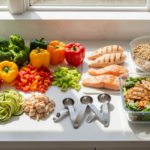
Cooking protein in bulk saves time throughout the week. Grill several chicken breasts or bake a large piece of salmon on Sunday. Store portions in containers for quick meal assembly later.
Each protein serves multiple purposes. Grilled chicken works in salads, wraps, or alongside different vegetables. Versatility keeps meals interesting despite using the same base ingredient.

Preparing Vegetables Ahead

Wash and chop vegetables when you bring them home from the store. This small effort makes adding veggies to meals effortless. Store different vegetables in separate containers to maintain freshness.
Some vegetables can be pre-cooked. Roast large batches of sweet potatoes, cauliflower, or Brussels sprouts. These keep well and can be reheated or eaten cold in salads.
- Pre-cut vegetables last 3-5 days when stored properly
- Roasted vegetables maintain quality for up to 4 days
- Layer paper towels in containers to absorb excess moisture
- Keep raw and cooked items separate to prevent cross-contamination
Building Mix-and-Match Meal Components
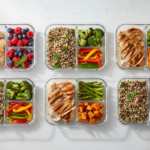
Create a system of interchangeable components. Prepare three proteins, three vegetable options, and two grain or starch choices. This gives you numerous meal combinations from just eight items.
Protein Options
- Grilled chicken breast
- Baked salmon
- Seasoned ground turkey
Vegetable Options
- Roasted broccoli
- Sautéed spinach
- Raw salad greens
Base Options
- Cauliflower rice
- Quinoa
- Sweet potatoes
Mix components differently each day to prevent boredom. Monday might feature chicken with broccoli and quinoa. Tuesday could combine salmon with spinach and sweet potatoes. The variety keeps meals interesting.
Enhance Your Results: While meal prep sets you up for success, your body’s metabolic efficiency determines how effectively it processes these nutrients. Research demonstrates that supporting your metabolism with evidence-based strategies can amplify weight loss results when combined with consistent nutrition. Natural metabolic support works synergistically with healthy eating patterns.
Satisfying Soups and Stews for Volume Eating

Soup represents one of the most effective tools for weight loss. The high water content means you can eat a large, satisfying portion without consuming excessive calories. These recipes leverage this principle while delivering substantial nutrition.
Chicken and Vegetable Soup

Classic chicken soup gets a nutrition upgrade with extra vegetables. This version includes carrots, celery, green beans, and zucchini for maximum vegetable variety. Each vegetable adds unique nutrients and flavors to the broth.
Use bone broth as the base for added protein and minerals. Shredded chicken breast provides lean protein throughout. The combination creates a soup that’s genuinely filling despite being light in calories.
Nutrition per serving: 180 calories, 22 grams protein, 5 grams fiber, 4 grams fat. A full bowl contains less than 200 calories but provides substantial protein per serving. This makes it perfect for lunch or a light dinner.
Spicy Black Bean Soup

This Mexican-inspired soup delivers bold flavors from cumin, chili powder, and chipotle peppers. Black bean provide protein and fiber while creating a thick, creamy texture when partially blended. The result is a soup that eats like a meal.
Tomatoes and peppers add acidity and sweetness that balance the earthy beans. A squeeze of fresh lime and cilantro brighten the dish. These finishing touches transform simple ingredients into something special.
- Nutrition per serving: 220 calories, 14 grams protein, 12 grams fiber
- Exceptional fiber content promotes satiety
- Vegan and naturally gluten-free
- Improves in flavor over several days
Moroccan Chickpea Stew

Warm spices like cinnamon, cumin, and turmeric create exotic flavor in this North African-inspired stew. Chickpeas provide protein and a satisfying texture. Sweet potatoes add natural sweetness and transform this into a complete meal.
Tomatoes create the base along with vegetable broth. Fresh spinach or kale wilts into the stew at the end, adding green vegetables. The combination of textures and flavors makes this stew incredibly satisfying despite being entirely plant-based.
Nutrition per serving: 265 calories, 11 grams protein, 10 grams fiber, 5 grams fat. This stew demonstrates how plant-based meals can be hearty and filling. The spices also boost metabolism slightly through thermogenesis.
Salads That Go Beyond Boring Greens

Salad can be a complete meal when built with the right components. These recipes transform simple greens into satisfying dishes that deliver protein, healthy fats, and diverse vegetables. The key is thinking beyond iceberg lettuce and ranch dressing.
Mediterranean Salmon Salad
This salad features flaked salmon over mixed greens with Mediterranean ingredients. Kalamata olives, cucumber, tomatoes, and red onion add crunch and tang. A simple lemon vinaigrette brings everything together without heavy calories.
Salmon provides omega-3 fatty acids and high-quality protein. The combination of healthy fats and lean protein makes this salad genuinely filling. You won’t be hungry an hour later like with traditional salads.

Nutrition per serving: 320 calories, 28 grams protein, 6 grams fiber, 18 grams fat. While higher in fat, the quality of those fats supports hormone production and nutrient absorption. This salad provides balanced nutrition in an appealing package.
Asian Chicken Crunch Salad

Shredded cabbage replaces lettuce for better nutrition and crunch. This sturdy vegetable holds up to dressing without wilting. Carrots, edamame, and mandarin oranges add color, protein, and sweetness.
Grilled chicken strips provide the main protein. A dressing made from rice vinegar, sesame oil, and ginger adds authentic Asian flavor without excessive sugar. Toasted sesame seeds garnish the salad with nutty flavor and healthy fats.
- Nutrition per serving: 285 calories, 31 grams protein, 8 grams fiber
- Cabbage provides vitamin C and K
- Edamame adds plant-based protein
- Can be prepped ahead and dressed before eating
Southwestern Black Bean Salad

This salad brings Mexican flavors to your plate with black beans, corn, and avocado. Romaine lettuce provides more nutrients than iceberg while maintaining satisfying crunch. The black bean deliver both protein and fiber.
Fresh salsa serves as part of the dressing, adding vegetables while reducing oil needs. A squeeze of lime and cilantro brighten the entire salad. Baked tortilla strips add crunch without the fat of fried chips.
Nutrition per serving: 295 calories, 13 grams protein, 11 grams fiber, 12 grams fat. The high fiber content makes this salad exceptionally filling. It works as a main course lunch or light dinner.
Vegetable-Forward Dishes That Satisfy

Vegetables should be the star of weight loss meals, not an afterthought. These recipes feature vegetables in creative ways that make them exciting rather than obligatory. Each dish proves that healthy eating can be genuinely delicious.
Spaghetti Squash with Turkey Marinara

Spaghetti squash creates natural noodle-like strands when cooked and shredded with a fork. This vegetable replacement saves hundreds of calories compared to pasta. The mild flavor works perfectly with bold marinara sauce.
Ground turkey makes a lean meat sauce with plenty of protein. Simmer the turkey with tomatoes, garlic, and Italian herbs for authentic flavor. The combination feels indulgent despite being diet-friendly.
Nutrition per serving: 245 calories, 24 grams protein, 6 grams fiber, 8 grams fat. This represents a massive calorie savings compared to traditional spaghetti and meat sauce. You can eat a generous portion without guilt.
Roasted Vegetable Buddha Bowl

Buddha bowls combine multiple components in a single bowl for a complete meal. This version features roasted sweet potatoes, chickpeas, and broccoli over quinoa. Each ingredient contributes different nutrients and textures.
A tahini-based dressing adds creaminess and healthy fats. The sesame paste provides calcium and minerals while creating a luxurious sauce. Fresh herbs and a sprinkle of seeds complete the bowl.
- Nutrition per serving: 380 calories, 16 grams protein, 13 grams fiber
- Complete plant-based protein from quinoa and chickpeas
- Rainbow of vegetables ensures diverse nutrients
- Components can be prepped ahead and assembled quickly
Eggplant Parmesan (Lightened)

Traditional eggplant parmesan involves frying, which adds excessive calories. This version bakes the eggplant instead, creating a crispy exterior without oil. The result delivers the same comfort with a fraction of the fat.
Slice eggplant, brush lightly with olive oil, and bake until golden. Layer with marinara sauce and a modest amount of mozzarella cheese. The cheese provides flavor while protein keeps you satisfied.
Nutrition per serving: 210 calories, 12 grams protein, 8 grams fiber, 9 grams fat. This lighter version proves you can enjoy Italian favorites while losing weight. Serve over zucchini noodles for an even lower-calorie meal.
Smart Carbohydrate Choices for Energy

Carbohydrates aren’t the enemy of weight loss when chosen wisely. Complex carbohydrates provide sustained energy and important nutrients. These recipes feature carbs that support your goals rather than hindering them.
Quinoa Fried Rice

Quinoa replaces white rice in this Asian-inspired dish. The swap increases protein and fiber while providing all essential amino acids. Cooked quinoa has a similar texture to rice, making the substitution seamless.
Classic fried rice vegetables like peas, carrots, and onions add color and nutrition. Scrambled egg provides additional protein. A small amount of soy sauce and sesame oil create authentic flavor without excess sodium or fat.
Nutrition per serving: 280 calories, 14 grams protein, 7 grams fiber, 8 grams fat. This demonstrates how traditional recipes can be modified to support weight loss. You get the satisfaction of fried rice with better nutrition.
Sweet Potato and Black Bean Tacos
Sweet potatoes provide complex carbohydrates with a lower glycemic impact than white potatoes. Roasted cubes develop crispy edges and caramelized sweetness. They create a hearty taco filling without meat.
Black beans add protein and fiber, making these tacos surprisingly filling. The combination of sweet potatoes and beans provides complete protein. Toppings like salsa, cilantro, and lime add brightness.

- Nutrition per serving: 320 calories, 12 grams protein, 11 grams fiber
- Sweet potatoes provide beta-carotene and potassium
- Naturally vegan and gluten-free option
- Great for meatless Monday dinners
Farro and Roasted Vegetable Bowl

Farro is an ancient grain with a nutty flavor and chewy texture. It provides more protein than rice while offering substantial fiber. This often-overlooked grain deserves a place in your rotation.
Roasted vegetables like Brussels sprouts, butternut squash, and red onions add seasonal flavors. The combination creates a satisfying bowl that works year-round with different vegetable choices. A tahini dressing adds creaminess.
Nutrition per serving: 310 calories, 11 grams protein, 9 grams fiber, 9 grams fat. The whole grain provides sustained energy without blood sugar spikes. This makes it ideal for lunch when you need afternoon energy.
Portion Control Strategies That Work

Even healthy recipes require appropriate portions for weight loss. These strategies help you eat satisfying amounts without overdoing calories. The goal is feeling satisfied, not deprived or stuffed.
Using Smaller Plates
Research shows people consume less when using smaller plates. A full small plate creates the visual perception of abundance. This psychological trick helps you feel satisfied with appropriate portions.
Choose 9-inch dinner plates instead of standard 12-inch plates. This simple change automatically reduces portion sizes by about 25 percent. Your brain registers a full plate regardless of actual plate size.

The Plate Method

Divide your plate into sections for easy portioning. Fill half with non-starchy vegetables, one quarter with protein, and one quarter with complex carbohydrates. This visual method eliminates the need for measuring while ensuring balanced nutrition.
The vegetable half should include at least two different colors for nutrient variety. The protein portion should be about the size of your palm. The carbohydrate section works for rice, potatoes, or whole grains.
- Half plate vegetables ensures fiber and volume
- Quarter plate protein supports muscle and satiety
- Quarter plate carbs provides energy without excess
- Method works for any cuisine or recipe style
Mindful Eating Practices
Slow down and pay attention while eating. It takes 20 minutes for fullness signals to reach your brain. Eating slowly allows these signals to arrive before you’ve overeaten. Put your fork down between bites and chew thoroughly.
Eliminate distractions during meals. Turn off the TV and put away your phone. Focus on the flavors, textures, and aromas of your food. This mindful approach increases satisfaction and helps you recognize fullness cues.
“When you eat mindfully, you often discover you need less food to feel satisfied. The quality of attention you bring to eating matters as much as the quality of the food itself.”
Adding Flavor Without Adding Calories

Bland food leads to diet failure. These techniques add tremendous flavor to recipes without significant calories. Master these approaches and you’ll never feel like you’re eating “diet food” again.
Fresh Herbs Transform Dishes

Fresh herbs contain negligible calories but pack intense flavor. Basil, cilantro, parsley, and mint each offer distinct taste profiles. Add them at the end of cooking to preserve their bright flavors and vibrant colors.
Growing herbs in your kitchen ensures constant access. Most herbs thrive on a sunny windowsill with minimal care. Fresh herbs cost less than buying packaged versions and taste significantly better.
Citrus Adds Brightness

Lemon, lime, and orange juice add acidity that balances rich flavors. A squeeze of citrus brightens soups, salads, and proteins without adding fat. The acidity also helps tenderize meat in marinades.
Citrus zest provides even more intense flavor than juice. The oils in the colored peel contain concentrated aromatics. Use a microplane to add zest to recipes for an extra flavor boost.
- Lemon pairs well with chicken, fish, and vegetables
- Lime enhances Mexican and Asian dishes
- Orange adds sweetness to marinades and dressings
- Citrus acids help your body absorb iron from plants
Spice Blends Create Complexity

Pre-made spice blends add instant flavor to simple recipes. Create your own blends to control sodium and avoid additives. Combine dried herbs and spices in jars for quick seasoning.
Italian blend: oregano, basil, thyme, rosemary, and garlic powder. Taco seasoning: cumin, chili powder, paprika, oregano, and cayenne. These homemade versions taste fresher and cost less than store-bought alternatives.
Spices also offer health benefits beyond flavor. Turmeric provides anti-inflammatory compounds. Cinnamon helps regulate blood sugar. Cayenne pepper may boost metabolism slightly. Season generously for maximum benefit.
Strategies for Dining Out While Losing Weight

Social dining doesn’t have to derail your progress. These strategies help you make smart choices at restaurants while enjoying the experience. The key is planning ahead and making intentional decisions.
Review Menus in Advance
Most restaurants post menus online. Review options before arriving so you’re not making decisions when hungry. Identify healthy choices ahead of time to avoid impulse ordering.
Look for grilled, baked, or steamed preparations. These cooking methods use less fat than fried or sautéed dishes. Keywords like “crispy,” “creamy,” or “battered” signal higher-calorie preparations.

Make Strategic Modifications

Don’t hesitate to request modifications. Ask for dressing on the side to control portions. Request vegetables instead of fries. Most restaurants accommodate reasonable requests without issue.
Specify cooking methods. Ask for fish grilled dry instead of in butter. Request steamed vegetables without added oil. These simple requests significantly reduce calories without affecting satisfaction.
- Order dressings and sauces on the side
- Request extra vegetables instead of starches
- Ask how dishes are prepared before ordering
- Choose appetizer portions as main courses
Navigate Different Cuisines
Every cuisine offers healthy options when you know what to choose. Italian restaurants serve grilled fish and chicken. Mexican restaurants offer fajitas with extra vegetables. Asian restaurants provide steamed dishes and broth-based soups.
Italian Dining
- Grilled fish or chicken
- Marinara-based sauces
- Side of vegetables
- Avoid cream sauces
Mexican Dining
- Fajitas with extra veggies
- Grilled fish tacos
- Side of black beans
- Skip chips and cheese
Asian Dining
- Steamed dishes
- Hot and sour soup
- Stir-fries with sauce on side
- Brown rice option
The ability to enjoy social dining without derailing progress creates sustainability. Weight loss shouldn’t mean isolation. These strategies prove you can participate in normal activities while pursuing your goals.
The Science of Metabolic Support and Weight Loss

While nutritious recipes form the foundation of weight loss, your metabolism determines how efficiently your body processes food. Understanding this connection helps you optimize results beyond simple calorie counting.
How Metabolism Affects Weight Loss
Your metabolic rate determines how many calories you burn at rest. Some people naturally have faster metabolisms, allowing them to eat more without gaining weight. Multiple factors influence metabolic rate including age, muscle mass, and hormonal balance.
As you lose weight, your metabolism naturally slows down. Your body requires fewer calories to maintain a smaller size. This adaptive response can create plateaus where weight loss stalls despite continued effort.

Protein and Metabolic Rate

Protein requires more energy to digest than other macronutrients. This thermic effect of food means you burn calories simply processing protein-rich meals. Consuming adequate protein per serving throughout the day supports metabolic function.
Protein also preserves muscle mass during weight loss. Since muscle tissue burns more calories than fat tissue, maintaining muscle supports a healthy metabolism. This is why these recipes emphasize grams protein per serving.
- Protein has a thermic effect of 20-30 percent
- Carbohydrates have a thermic effect of 5-10 percent
- Fats have a thermic effect of 0-3 percent
- Higher protein intake supports muscle preservation
Beyond Diet: Supporting Metabolic Health
Nutrition provides essential building blocks, but other factors influence metabolic efficiency. Sleep quality affects hormone levels that regulate metabolism. Stress impacts cortisol, which influences fat storage. Physical activity builds muscle that increases metabolic rate.
Some natural compounds have been studied for their potential metabolic support properties. While diet remains primary, research explores how certain ingredients might optimize metabolic function when combined with healthy eating patterns.
Discover Science-Backed Metabolic Support
The recipes in this guide provide nutritional excellence, but metabolic optimization can enhance your results significantly. Research-backed approaches that support your body’s natural fat-burning processes work synergistically with healthy eating. Explore the scientific evidence behind metabolic support and how natural ingredients can complement your nutrition plan for optimal weight loss results.
Common Weight Loss Recipe Mistakes to Avoid

Even with healthy recipes, certain mistakes can slow or prevent weight loss. Recognizing these common pitfalls helps you avoid them. Small changes in preparation and serving often make significant differences.
Underestimating Portion Sizes
Eyeballing portions leads to calorie creep. What looks like a serving often contains double or triple the intended amount. This is especially true for calorie-dense foods like nuts, cheese, and oils.
Measure portions initially to calibrate your eye. After several weeks of measuring, you’ll better estimate appropriate amounts. Periodically remeasure to ensure portions haven’t gradually increased.

Adding Hidden Calories

Cooking oils, dressings, and toppings add calories quickly. A tablespoon of olive oil contains 120 calories. That “light” salad dressing might have 100 calories per serving. These additions accumulate faster than you think.
Use oil spray instead of pouring oil. Measure dressings rather than pouring freely. Choose flavor-packed toppings like fresh herbs or citrus instead of cheese and nuts. These swaps maintain flavor while reducing calories.
- 1 tablespoon oil equals 120 calories
- 2 tablespoons salad dressing equals 100-150 calories
- 1/4 cup shredded cheese equals 110 calories
- 1/4 cup nuts equals 200 calories
Not Planning Ahead
Failing to plan meals leads to impulsive choices. When you’re hungry with nothing prepared, grabbing takeout becomes tempting. This single decision can consume an entire day’s worth of careful eating.
Warning: Studies show people who don’t plan meals consume 30-40% more calories on average. The few minutes spent planning each week directly correlates with weight loss success. Make meal planning non-negotiable for best results.
Drinking Your Calories

Beverages don’t trigger the same fullness signals as solid food. A 300-calorie smoothie might leave you as hungry as before drinking it. Meanwhile, 300 calories of solid food with protein and fiber keeps you satisfied for hours.
Stick to water, unsweetened tea, and black coffee. These hydrating options contain zero or minimal calories. If you enjoy smoothies, count them as meals rather than drinks and ensure they contain protein and fiber.
Adapting Recipes for Seasonal Ingredients

Seasonal eating enhances flavor while reducing costs. Fresh, in-season produce tastes better and contains more nutrients than out-of-season alternatives. These adaptations help you use what’s freshest throughout the year.
Spring: Light and Fresh

Spring brings tender vegetables perfect for light preparations. Asparagus, snap peas, and fresh greens need minimal cooking. Simple steaming or quick sautéing preserves their delicate flavors and crisp textures.
Fresh herbs explode in spring gardens. Incorporate basil, chives, and mint generously. Their bright flavors complement the season’s vegetables perfectly without adding calories.
Summer: Grilled Abundance

Summer’s bounty makes weight loss delicious. Tomatoes, zucchini, and bell peppers reach peak flavor. Grilling brings out their natural sweetness while adding smoky depth. The outdoor cooking method keeps your kitchen cool.
Stone fruits like peaches and plums make excellent additions to savory dishes. Grill peach halves to serve with chicken. Their natural sweetness balances savory flavors beautifully.
Fall: Hearty Comfort

Fall vegetables like butternut squash and Brussels sprouts provide comfort without excess calories. Roasting caramelizes their natural sugars, creating rich flavors. These substantial vegetables make satisfying meals as weather cools.
Apples and pears add natural sweetness to savory recipes. Diced apples complement pork dishes. Pears pair beautifully with salads and cheese. Use fruit to add interest without processed sugar.
Winter: Warming Soups and Stews

Winter demands warming, substantial meals. Root vegetables like carrots, parsnips, and turnips shine in slow-cooked dishes. Their earthy flavors develop beautifully with long cooking times.
Citrus fruits peak in winter, providing bright flavors when other fresh produce is limited. Use lemon and orange to brighten heavy winter dishes. The acidity cuts through rich flavors and adds vitamin C.
Real Results from These Recipes

These recipes work because they address the core principles of sustainable weight loss. Real people have achieved significant results by incorporating these meals into their routines. Their experiences provide motivation and practical insights.
Case Study: Sarah’s 40-Pound Journey
Sarah struggled with weight for years before discovering volume eating through recipes like those shared here. By focusing on high-protein, high-fiber meals, she lost 40 pounds over eight months without feeling deprived.
Her favorite recipes included the chicken and vegetable soup for lunch and various grilled protein with roasted vegetables for dinner. The ability to eat large portions while losing weight kept her motivated.

“I never felt hungry on this approach. The recipes are genuinely delicious, and I can eat until I’m satisfied. The protein per serving in each meal keeps me full between meals, which was impossible on previous diets.”
Michael’s Metabolic Transformation

Michael combined these recipes with attention to metabolic health. He focused on seafood recipes rich in omega-3s and plant-based meals with diverse nutrients. Adding metabolic support strategies accelerated his results significantly.
Within six months, Michael lost 35 pounds and noticed improved energy levels. He attributes success to the combination of nutrient-dense recipes and supporting his metabolism naturally. The sustainable approach means he’s maintained his weight loss for over a year.
- Lost 35 pounds in 6 months
- Improved energy and mental clarity
- Maintained weight loss for 12+ months
- Combined nutrition with metabolic support
Building Sustainable Habits for Long-Term Success

Temporary diets create temporary results. These recipes support lifelong habits that maintain your ideal weight permanently. The key is building systems that make healthy eating automatic rather than requiring constant willpower.
Start with One Meal
Overhauling your entire diet overnight leads to overwhelm and failure. Instead, master breakfast first. Spend two weeks eating protein-rich breakfasts before addressing other meals. This gradual approach builds confidence and momentum.
Once breakfast feels automatic, tackle lunch. After several weeks, dinner becomes easier because you’ve already developed skills and habits. This progressive approach creates lasting change rather than temporary compliance.

Develop Your Recipe Rotation

Most people eat the same 10-12 meals repeatedly. Accept this reality and make those meals nutritious. Choose your favorite recipes from this guide and rotate them. Familiarity makes shopping and cooking efficient.
Having a reliable rotation eliminates decision fatigue. You know these meals work for your goals and taste preferences. Occasionally try new recipes to add variety, but maintain your core rotation for consistency.
- Select 10-12 favorite recipes as your core rotation
- Master these recipes until preparation becomes automatic
- Create a standard grocery list for your rotation meals
- Try one new recipe monthly to gradually expand options
Plan for Challenges
Identify situations that typically derail your efforts. Do you struggle during work travel? Plan portable protein snacks. Do weekends present challenges? Prep weekend meals on Friday. Anticipating obstacles allows you to create solutions.
Building sustainable habits means creating a lifestyle you can maintain permanently. These recipes provide the nutritional foundation. Combine them with realistic planning, gradual implementation, and flexibility for long-term success.
Your Path Forward: Sustainable Weight Loss Through Smart Nutrition

The healthy recipes for weight losing shared throughout this guide provide more than meal ideas. They represent a sustainable approach to nutrition that supports your goals without deprivation. Each recipe emphasizes protein per serving, fiber content, and nutrient density that keeps you satisfied.
Success comes from consistency, not perfection. Choose recipes that appeal to your taste preferences and fit your schedule. Master a core rotation of 10-12 meals before expanding your repertoire. This focused approach builds confidence and creates lasting habits.
Key Principles to Remember
- Prioritize protein per serving in every meal for satiety and muscle preservation
- Maximize fiber through vegetables, legumes, and whole grains
- Use volume eating strategies to feel satisfied on fewer calories
- Focus on nutrient density rather than just calorie counting
- Develop sustainable habits through gradual implementation
- Plan meals ahead to avoid impulsive food decisions
- Support your metabolism through smart nutrition choices
These principles work whether you’re cooking chicken recipes, preparing seafood dishes, or enjoying plant-based meals. The common thread is thoughtful ingredient selection and preparation methods that enhance nutrition.

Beyond Recipes: Optimizing Your Results
While nutritious recipes form your foundation, metabolic efficiency determines how effectively your body processes these nutrients. Some individuals find that supporting their metabolism naturally enhances weight loss results when combined with healthy eating patterns.
Your metabolism influences how your body burns fat, processes protein, and manages energy. Research continues to explore how certain natural compounds might optimize these processes. Understanding the science behind metabolic support can help you make informed decisions about your approach.
Complete Your Weight Loss Strategy
You now have dozens of delicious, nutritious recipes that support weight loss. These meals provide the essential foundation of protein, fiber, and nutrients your body needs. But optimizing your metabolism can significantly enhance these results. Science-backed metabolic support strategies work synergistically with healthy eating to accelerate fat loss and improve energy levels. Discover how natural metabolic optimization complements the nutritional approach you’ve learned here.
The recipes in this guide prove that weight loss doesn’t require bland food or constant hunger. With proper planning, smart ingredient choices, and effective cooking techniques, you can enjoy delicious meals while achieving your goals. Each dinner, each salad, each soup brings you closer to your ideal weight.
Start with one recipe this week. Master it, then add another. Build your personal rotation of favorites. Before long, healthy eating becomes automatic rather than effortful. That’s when transformation becomes permanent.
Your journey toward sustainable weight loss begins with the next meal you prepare. Choose a recipe from this guide, gather fresh ingredients, and create something nourishing. Each meal is an opportunity to fuel your body properly while moving toward your goals. The path forward is clear – now it’s time to take the first step.