Foods Good for Gut Health: Transform Your Digestive Wellness Through Nutrition
Your gut does more than just digest food. It shapes your overall health in ways scientists are only beginning to understand. The trillions of bacteria living in your digestive system influence everything from your immune response to your mental clarity.
This Website contains affiliate links. That means I may earn a small commission if you purchase through my links, at no extra cost to you.
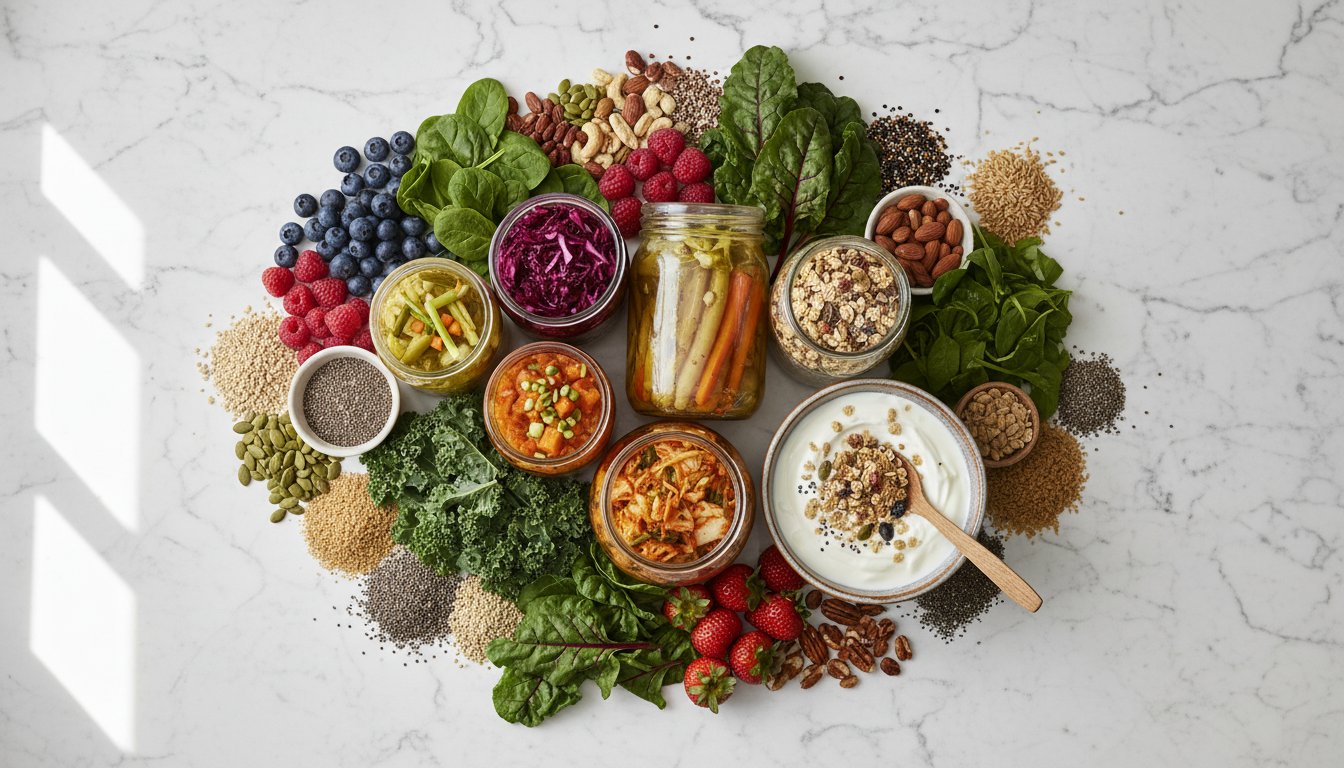
What you eat directly affects this complex ecosystem. The right foods can help beneficial bacteria thrive while the wrong choices can disrupt the delicate balance. This guide explores the most powerful dietary strategies for supporting your gut microbiome.
Understanding which foods support gut health gives you practical tools for improving digestion and wellness. Let’s examine the science-backed nutritional approaches that can transform your gut bacteria and improve your overall health.
Understanding Your Gut Microbiome and Digestive System
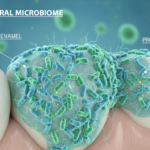
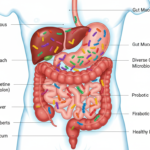
Your gut microbiome consists of trillions of microorganisms living throughout your digestive system. These bacteria, fungi, and other microbes play essential roles in breaking down food and producing vital nutrients your body needs.
The balance of bacteria in your gut affects far more than digestion. Research shows connections between your gut microbiome and immune function, inflammation levels, and even mental health. Scientists call the gut the “second brain” because of these extensive connections.
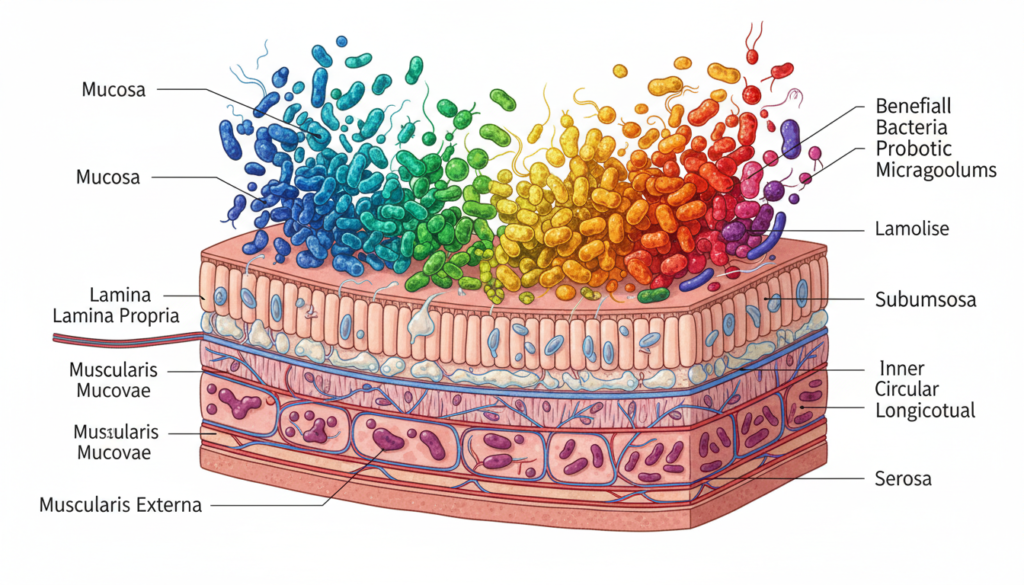
A healthy gut microbiome contains diverse bacterial species working together. When this diversity decreases or harmful bacteria overgrow, you may experience digestive problems, weakened immunity, or other health issues.
Your diet shapes this bacterial community every single day. The foods you choose either feed beneficial bacteria or promote harmful ones. Understanding this relationship helps you make better nutritional decisions.
Important to know: Your gut bacteria can change within 24 hours of dietary changes. However, building a truly healthy gut microbiome requires consistent dietary habits over weeks and months.
Signs of an Unhealthy Gut and Why It Matters
Recognizing signs of an unhealthy gut helps you take action before minor issues become major problems. Your digestive system sends clear signals when the bacterial balance is off.
Common Digestive Symptoms
- Frequent bloating or gas after meals
- Irregular bowel movements or constipation
- Stomach discomfort or cramping
- Acid reflux or heartburn
- Food sensitivities that develop suddenly
Systemic Health Indicators
- Unexplained fatigue or low energy
- Skin problems like acne or eczema
- Frequent infections or illness
- Mood changes or brain fog
- Unintentional weight changes
These signs of unhealthy gut function often improve when you make targeted dietary changes. However, persistent symptoms deserve professional medical evaluation to rule out underlying conditions.
The connection between gut health and physical mental health continues to emerge in research. Your gut bacteria produce neurotransmitters that affect mood and cognitive function. This explains why digestive issues often accompany anxiety or depression.
Fermented Foods: Natural Sources of Beneficial Bacteria
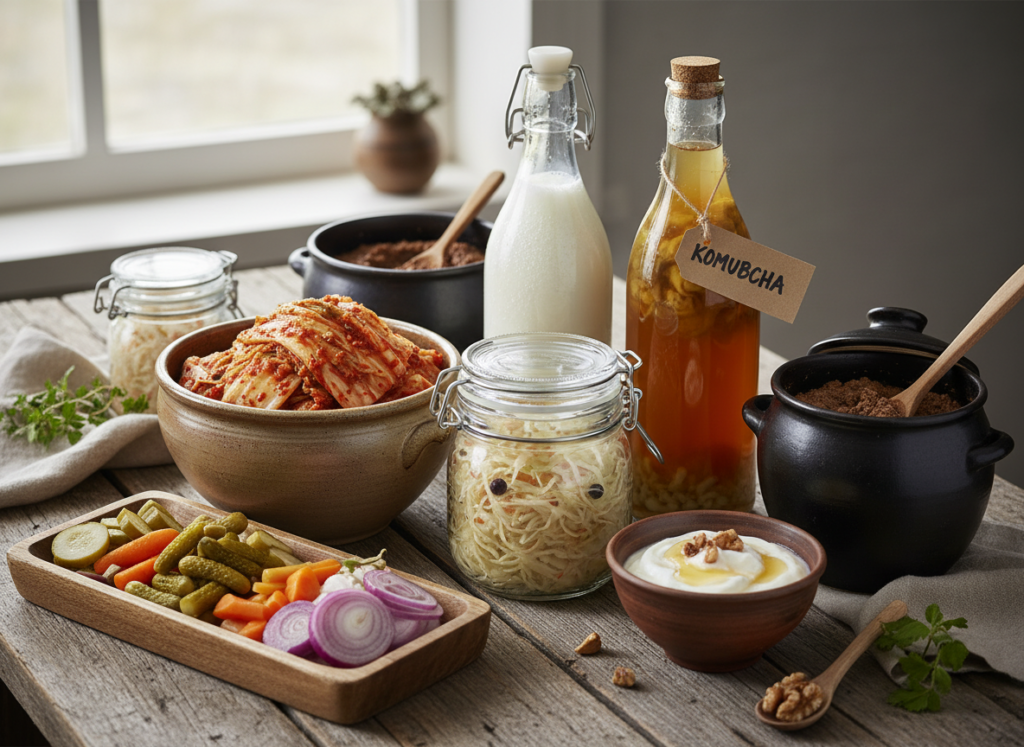
Fermented foods contain live beneficial bacteria that can directly improve gut health. These foods undergo a process where microorganisms break down sugars and starches, creating probiotics in the final product.
Adding fermented foods to your diet introduces diverse bacterial strains to your gut microbiome. Different fermented foods contain different bacterial species, so variety matters for building a healthy gut microbiome.
Top Fermented Foods for Gut Health
Yogurt and Kefir
These fermented milk products contain multiple probiotic strains. Kefir typically has more bacterial diversity than yogurt. Look for products labeled with live active cultures.
Sauerkraut and Kimchi
Fermented vegetables provide probiotics plus fiber that feeds gut bacteria. Choose unpasteurized versions for maximum bacterial benefits. The fermentation process also increases nutrient bioavailability.
Kombucha and Miso
This fermented milk drink and fermented soybean paste offer unique bacterial strains. Kombucha also provides organic acids that support digestion. Miso adds umami flavor while supporting the gut.
Start with small amounts of fermented foods if you’re new to them. Your digestive system may need time to adjust. Gradually increase portions as your gut bacteria adapt to the new beneficial strains.
While fermented foods support gut health, many people find dietary changes alone don’t fully address their gut concerns. The gut microbiome is complex, and modern lifestyles create challenges that simple food choices can’t always overcome.
Discover Advanced Gut Health Strategies
Learn how leading researchers approach gut microbiome restoration beyond basic dietary changes. Watch this free presentation on the science-backed method for rebuilding beneficial bacteria populations.
Fiber-Rich Foods That Feed Your Gut Bacteria
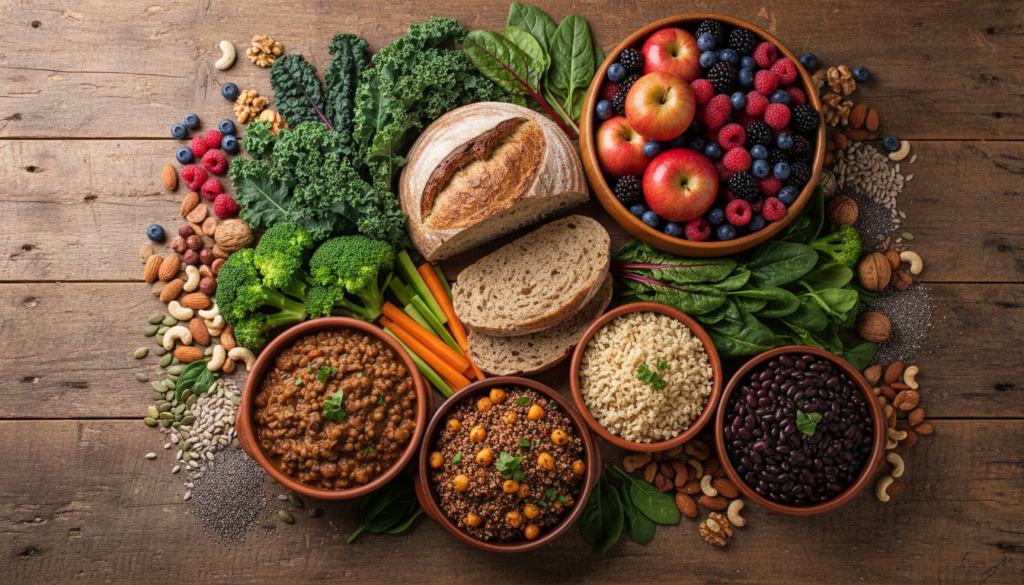
Dietary fiber acts as fuel for beneficial bacteria in your gut. While your body can’t digest fiber, your gut bacteria break it down and produce beneficial compounds in the process.
These bacterial byproducts include short-chain fatty acids that support the health of your intestinal lining. They also help reduce inflammation throughout your body and support overall health in multiple ways.
Essential Fiber Categories for Gut Health
Prebiotic Fiber Sources
Prebiotics are specific fiber types that selectively feed beneficial bacteria. These foods high in prebiotic content help good bacteria multiply:
- Garlic, onions, and leeks
- Asparagus and artichokes
- Bananas and apples
- Oats and barley
- Chicory root and dandelion greens
General Fiber for Digestive Health
All fiber supports gut function by promoting regular digestion and feeding diverse bacterial species. Include these daily:
- Whole grains like brown rice and quinoa
- Legumes including beans, lentils, and chickpeas
- Vegetables of all colors and types
- Fruits with edible skins and seeds
- Nuts and seeds in moderate amounts
Most people need 25 to 35 grams of fiber daily for optimal gut health. However, the average intake falls well below this level. Gradually increasing fiber prevents digestive discomfort as your gut bacteria adjust.
Drinking plenty of water becomes especially important when you increase fiber intake. Water helps fiber move through your digestive system smoothly and prevents constipation.
Vegetables That Support Your Gut Microbiome
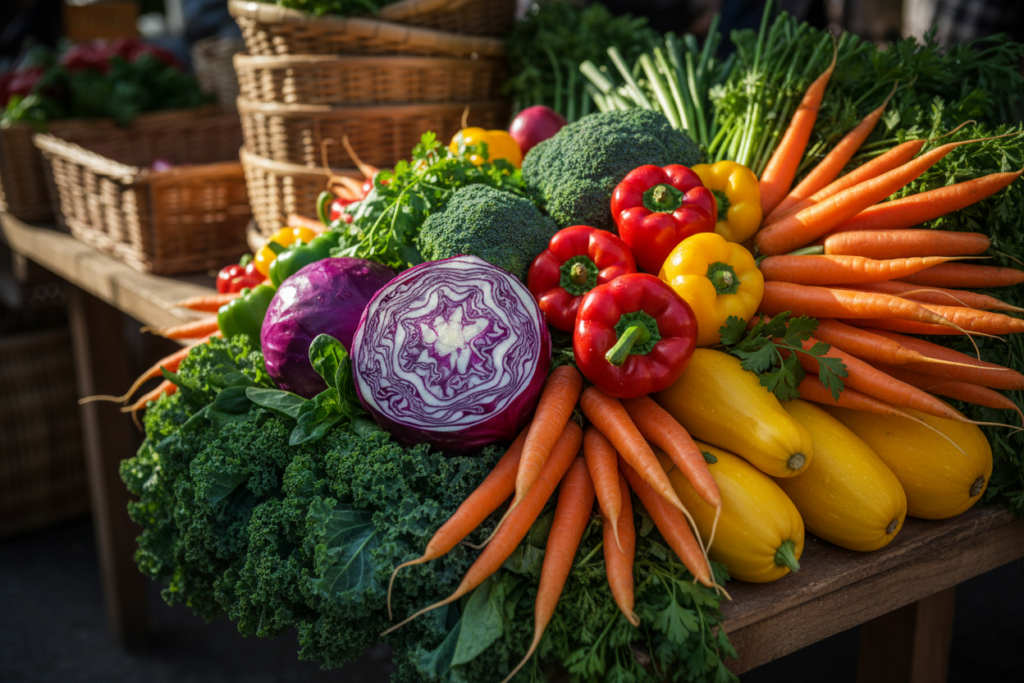
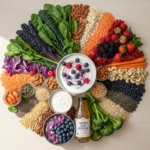
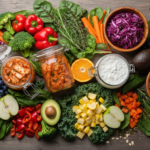
Vegetables provide fiber, nutrients, and plant compounds that all support gut health. Different colored vegetables contain unique phytonutrients that feed different bacterial species in your gut microbiome.
Leafy greens contain a special type of sugar that feeds specific beneficial bacteria. Cruciferous vegetables like broccoli and cabbage provide compounds that support both gut bacteria and the cells lining your digestive tract.
Vegetables With Maximum Gut Benefits
- Leafy greens: Spinach, kale, Swiss chard, and arugula contain sulfoquinovose, which feeds protective gut bacteria
- Cruciferous vegetables: Broccoli, cauliflower, Brussels sprouts, and cabbage support beneficial bacteria and detoxification
- Colorful peppers: Bell peppers and mild chilies provide vitamin C and fiber for gut support
- Root vegetables: Sweet potatoes, carrots, and beets offer prebiotic fiber and antioxidants
- Allium family: Onions, garlic, and shallots contain powerful prebiotic compounds
Eating vegetables raw, cooked, or fermented each provides different benefits. Raw vegetables contain the most nutrients, while cooking can make fiber easier to digest. Variety in preparation methods supports diverse gut bacteria.
Aim for at least five servings of vegetables daily, focusing on different colors and types. This variety ensures you feed many different beneficial bacteria species throughout your digestive system.
Foods That Harm Your Gut Bacteria Balance
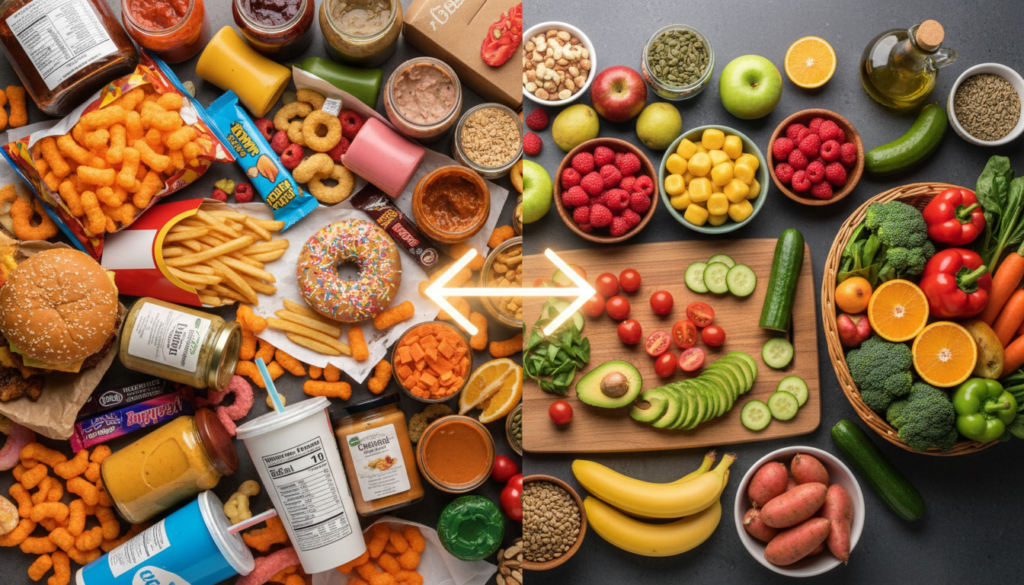
Just as certain foods support gut health, others can disrupt the bacterial balance in your digestive system. Understanding which foods to limit helps you protect your gut microbiome.
Foods That Disrupt Gut Health
Limit or avoid these:
- Processed foods with artificial additives: Emulsifiers and preservatives can damage the gut lining and reduce bacterial diversity
- Excessive sugar and refined carbohydrates: These feed harmful bacteria and yeast while starving beneficial species
- Artificial sweeteners: Research suggests they may alter gut bacteria composition negatively
- Highly processed meats: These often contain preservatives that harm gut bacteria
- Foods high in unhealthy fats: Trans fats and excessive saturated fats can promote inflammation in the digestive tract
Processed foods often lack the fiber and nutrients that beneficial bacteria need. They may also contain additives that directly harm your gut microbiome or intestinal lining.
Reducing these foods doesn’t mean complete elimination for most people. However, making them occasional treats rather than dietary staples gives your gut bacteria the best chance to thrive.
When you remove processed foods, replace them with whole foods that support gut health. This creates space in your diet for gut bacteria to flourish rather than just leaving a void.
Protein Sources and Healthy Fats for Gut Support
While fiber gets much attention for gut health, protein and healthy fats also play important roles. The key is choosing sources that support rather than harm your gut microbiome.
Gut-Friendly Protein Options
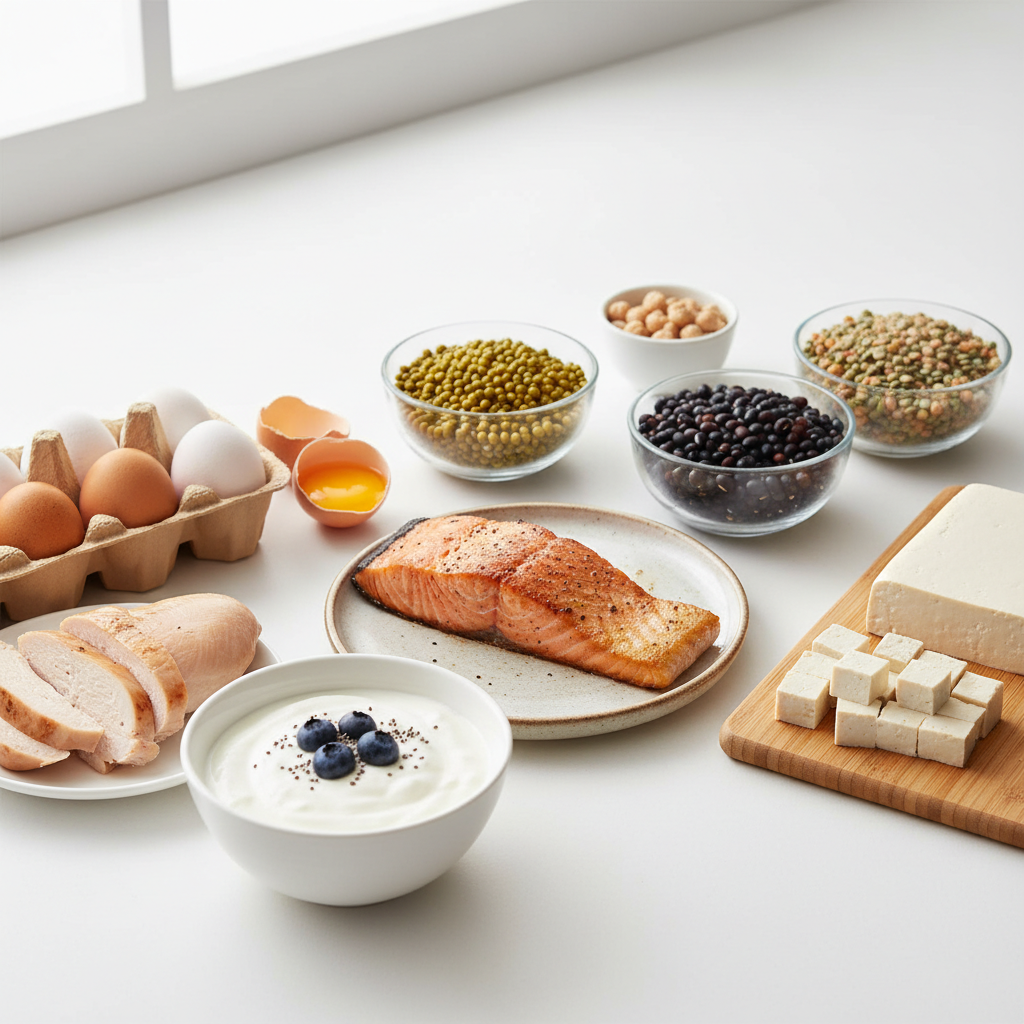
Quality protein sources support the gut lining and provide amino acids for tissue repair:
- Wild-caught fish rich in omega-3 fatty acids
- Organic poultry and eggs
- Legumes like beans, lentils, and chickpeas
- Fermented soy products like tempeh
- Grass-fed meats in moderation
Beneficial Fats for Gut Health

Healthy fats reduce inflammation and help absorb fat-soluble vitamins:
- Extra virgin olive oil
- Avocados and avocado oil
- Raw nuts and seeds
- Fatty fish like salmon and sardines
- Coconut oil in moderate amounts
The way you prepare proteins matters too. Grilling at very high temperatures can create compounds that harm gut bacteria. Gentler cooking methods like baking, steaming, or light sautéing preserve the gut-friendly qualities of your protein sources.
Balance is essential when it comes to fats and proteins. While these nutrients support overall health, they work best when combined with plenty of fiber-rich plant foods that directly feed beneficial bacteria.
Practical Meal Planning to Improve Gut Health
Understanding gut-healthy foods is one thing. Actually incorporating them into daily meals requires practical strategies that fit your lifestyle and preferences.

Building Gut-Healthy Meals
Each meal should include elements that support your gut microbiome. Follow this simple framework:
- Start with vegetables: Fill half your plate with colorful vegetables, both raw and cooked for variety
- Add quality protein: Include a palm-sized portion of gut-friendly protein at each meal
- Include fiber-rich carbohydrates: Choose whole grains, legumes, or starchy vegetables over refined options
- Add healthy fats: Drizzle olive oil, add avocado, or include nuts and seeds
- Consider fermented foods: Add a small serving of sauerkraut, kimchi, or yogurt to boost beneficial bacteria
Sample Day of Gut-Healthy Eating
Breakfast
Greek yogurt with berries, ground flaxseeds, and a drizzle of honey. Side of whole grain toast with avocado.
Lunch
Large salad with mixed greens, chickpeas, colorful vegetables, olive oil dressing. Small serving of kimchi on the side.
Dinner
Grilled salmon with roasted Brussels sprouts and sweet potato. Small portion of sauerkraut for added probiotics.
Meal planning and preparation make it easier to stick with gut-healthy choices. Preparing vegetables and grains in advance saves time during busy weekdays.
Keep gut-friendly snacks readily available. Cut vegetables with hummus, a handful of nuts, or fresh fruit with nut butter provide nutrients between meals without disrupting your gut bacteria balance.
Lifestyle Factors That Complement Your Gut-Healthy Diet
Diet forms the foundation of gut health, but other lifestyle factors significantly impact your gut microbiome. These elements work together with nutrition to support or harm your digestive system.
Sleep and Stress Management
Your gut bacteria follow circadian rhythms just like you do. Poor sleep disrupts these patterns and can alter gut bacteria composition. Chronic stress also changes gut bacteria balance and increases intestinal permeability.
Prioritize seven to nine hours of quality sleep nightly. Practice stress-reduction techniques like meditation, deep breathing, or gentle yoga to help keep your gut bacteria balanced.

Exercise and Movement
Regular physical activity improves gut bacteria diversity and supports digestive function. Exercise doesn’t need to be intense to benefit your gut. Even moderate daily walking positively affects your microbiome.
Movement stimulates contractions in your digestive tract that help keep things moving smoothly. This mechanical benefit combines with the direct effects exercise has on bacterial populations.
Hydration for Digestive Health
Drinking plenty of water supports the mucosal lining of your intestines and helps fiber work effectively in your digestive system. Adequate hydration is essential for optimal gut function.
Most people need eight to ten glasses of water daily, more if exercising or in hot weather. Herbal teas count toward this total and may provide additional gut benefits.
When Diet Alone Isn’t Enough: Advanced Gut Health Approaches
Many people make significant dietary improvements yet continue experiencing digestive issues or signs of unhealthy gut function. This frustrating reality reflects the complexity of the modern gut microbiome challenge.

Modern life creates unique stresses on gut bacteria that ancestral populations never faced. Antibiotic exposure, environmental toxins, chronic stress, and processed food exposure during childhood all leave lasting impacts on your gut microbiome.
These factors can deplete beneficial bacteria strains or create imbalances that dietary changes alone struggle to correct. The gut bacteria you’re trying to feed with healthy foods may not be present in sufficient numbers or diversity.
The Gut Restoration Gap
Research increasingly shows that rebuilding a damaged gut microbiome often requires more targeted approaches than diet modification alone. While eating gut-healthy foods prevents further damage, it may not actively restore depleted bacterial populations.
This explains why some people eat impeccably yet still struggle with digestive problems, inflammation, or other signs their gut microbiome isn’t functioning optimally. The foundation they’re building on needs repair before dietary improvements can show their full potential.
Important consideration: If you’ve been eating well for gut health but haven’t seen the improvements you expected, the issue may not be your diet. Your gut microbiome might need more comprehensive support to rebuild beneficial bacterial populations.
Advanced gut restoration approaches focus on reintroducing beneficial bacteria strains while creating the optimal environment for them to establish and thrive. This goes beyond simply eating probiotic foods or taking basic supplements.
Taking Action for Long-Term Gut Health
Supporting your gut health through foods good for gut health creates the foundation for better digestion and overall wellness. The diverse strategies covered in this guide give you practical tools to nourish your gut microbiome daily.
Remember that building a healthy gut microbiome takes time and consistency. Small daily choices compound into significant improvements over weeks and months. Focus on adding beneficial foods rather than obsessing over perfect elimination of everything potentially harmful.

Track how different foods affect your digestion and energy levels. Everyone’s gut microbiome is unique, so your optimal diet may differ slightly from general recommendations. Pay attention to what makes you feel best.
The connection between gut health and overall health continues to strengthen in scientific research. Investing in your gut microbiome through thoughtful food choices pays dividends across multiple aspects of physical and mental wellbeing.
While dietary improvements form the essential foundation, many people discover they need additional support to fully optimize their gut health. Understanding the full spectrum of gut restoration options helps you make informed decisions about your health journey.
Discover the Complete Gut Restoration System
Leading gut health researchers have developed a comprehensive approach that goes beyond basic dietary changes. This science-backed method addresses the root causes of gut microbiome imbalance and helps rebuild beneficial bacteria populations that diet alone may not restore. Watch this free presentation to learn the complete system for optimal gut health.
Your gut health journey is personal and ongoing. The knowledge and strategies you’ve gained here empower you to make choices that support your digestive system and overall vitality for life.