Best Foods for Gut Health: Transform Your Microbiome Naturally
Your gut contains trillions of microorganisms that influence everything from your immune system to your mental clarity. These tiny bacteria work around the clock to protect your body and maintain balance. Yet most people never think about feeding these essential microbes properly.
This Website contains affiliate links. That means I may earn a small commission if you purchase through my links, at no extra cost to you.
The foods you eat directly shape your gut microbiome. Research shows that diet creates rapid changes in bacterial diversity within just 24 hours. This means your next meal could start transforming your gut health immediately.
This guide reveals the best foods for gut health backed by scientific research. You’ll discover which foods feed beneficial bacteria, reduce inflammation, and strengthen your entire system naturally.
Important Discovery: Scientists have identified specific foods that can increase microbiome diversity by up to 25% in just weeks. Thousands of people are now using this research-backed approach to restore their gut balance naturally. Watch this free presentation to discover how personalized nutrition can transform your gut health.
Understanding Your Gut Microbiome and Overall Health
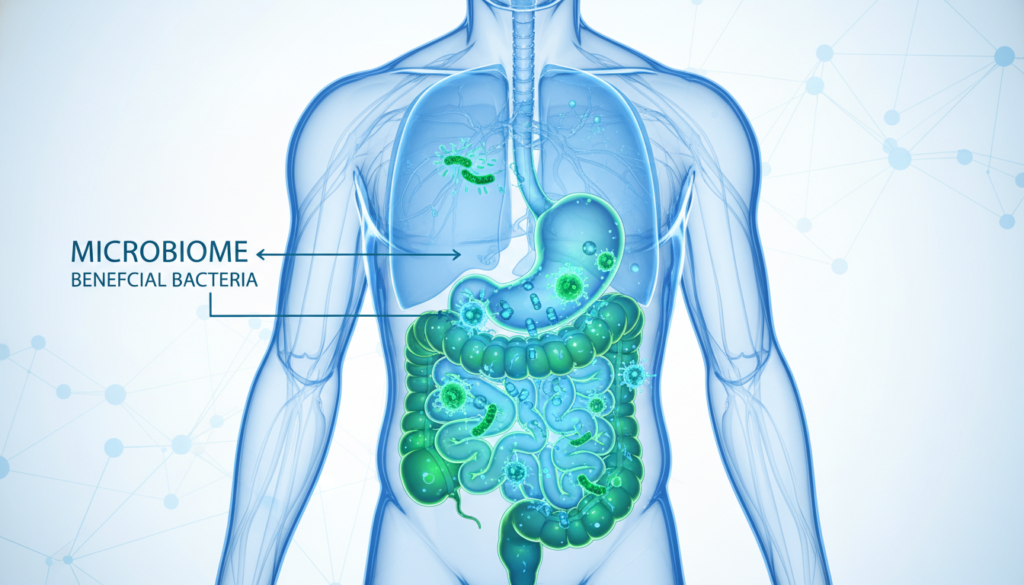
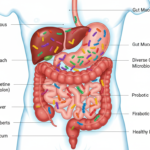
The gut microbiome consists of bacteria, viruses, fungi, and other microorganisms living in your intestines. This complex ecosystem contains over 100 trillion microbes from thousands of different species. Each person’s microbiome is as unique as their fingerprint.
These microorganisms perform critical functions that impact your overall health. They produce vitamins, regulate your immune system, and protect against harmful bacteria. They also communicate directly with your brain through what scientists call the gut-brain axis.
Research confirms that gut bacteria influence weight management, mood, inflammation, and disease risk. A diverse microbiome with many different bacterial species typically indicates better health. Conversely, low diversity links to various health conditions including obesity, diabetes, and inflammatory diseases.
How Gut Bacteria Affect Your Body
Beneficial bacteria create short-chain fatty acids when they digest fiber. These compounds reduce inflammation throughout your body and strengthen your intestinal barrier. This barrier prevents harmful substances from entering your bloodstream.
Your gut microbiome also produces neurotransmitters like serotonin and dopamine. In fact, about 90% of your body’s serotonin originates in the gut. This explains why gut health directly influences mental well-being and emotional balance.
Immune System Support
Your gut houses approximately 70% of your immune system. Beneficial bacteria train immune cells to distinguish between harmful invaders and harmless substances.
- Produces antimicrobial compounds that fight pathogens
- Regulates inflammatory responses throughout the body
- Strengthens intestinal barrier function
- Activates immune cells for faster pathogen response
Nutrient Production
Gut microbes manufacture essential nutrients that your body cannot produce independently. These microorganisms work as a supplemental organ system.
- Synthesizes vitamin K for blood clotting
- Produces B vitamins including B12 and folate
- Generates short-chain fatty acids for energy
- Enhances mineral absorption from food
Metabolic Regulation
The bacteria in your gut influence how your body processes food and stores energy. They affect metabolism at the cellular level.
- Regulates blood sugar levels and insulin sensitivity
- Influences fat storage and energy extraction
- Produces hormones that control appetite
- Affects cholesterol and lipid metabolism
Mental Health Connection
The gut-brain axis represents bidirectional communication between your digestive system and central nervous system. This connection affects mood and cognition.
- Produces neurotransmitters affecting mood and anxiety
- Influences stress response and cortisol production
- Affects memory and cognitive function
- Regulates sleep patterns through melatonin production
Fermented Foods: Nature’s Probiotic Powerhouses
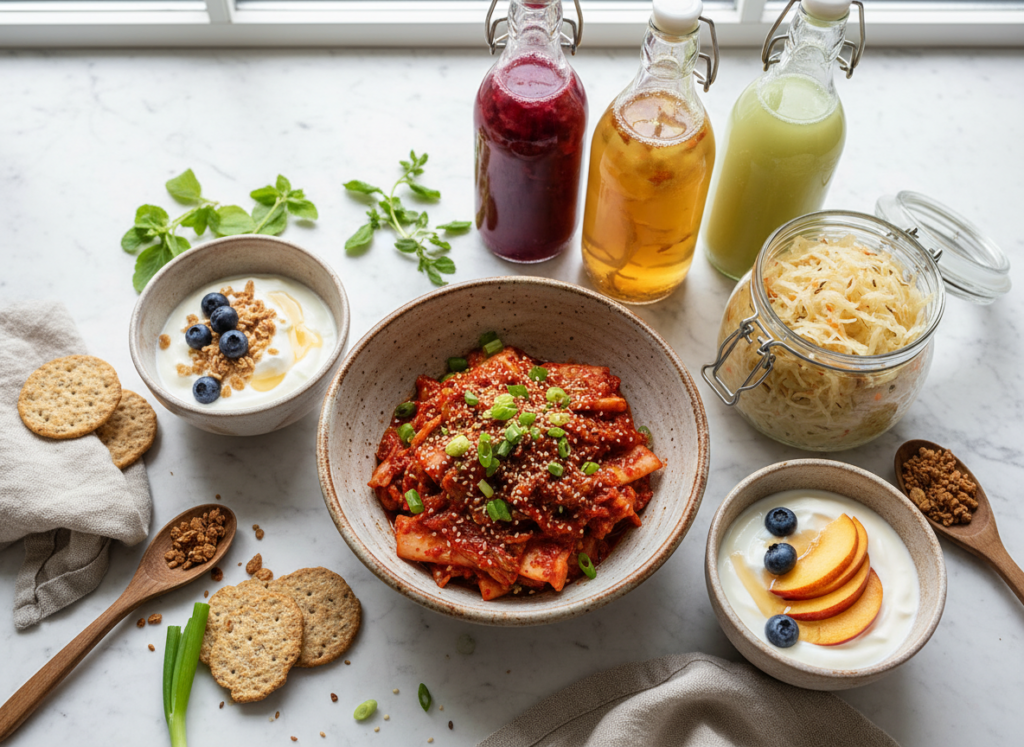
Fermented foods contain live beneficial bacteria that colonize your gut and enhance microbiome diversity. These traditional foods have supported human health for thousands of years across different cultures. The fermentation process creates probiotics naturally while increasing nutrient bioavailability.
When you consume fermented foods, you introduce billions of beneficial microorganisms into your digestive system. These probiotics help crowd out harmful bacteria and restore balance to your gut ecosystem. Research shows that people who eat fermented foods regularly have more diverse microbiomes.
Top Fermented Foods for Gut Health
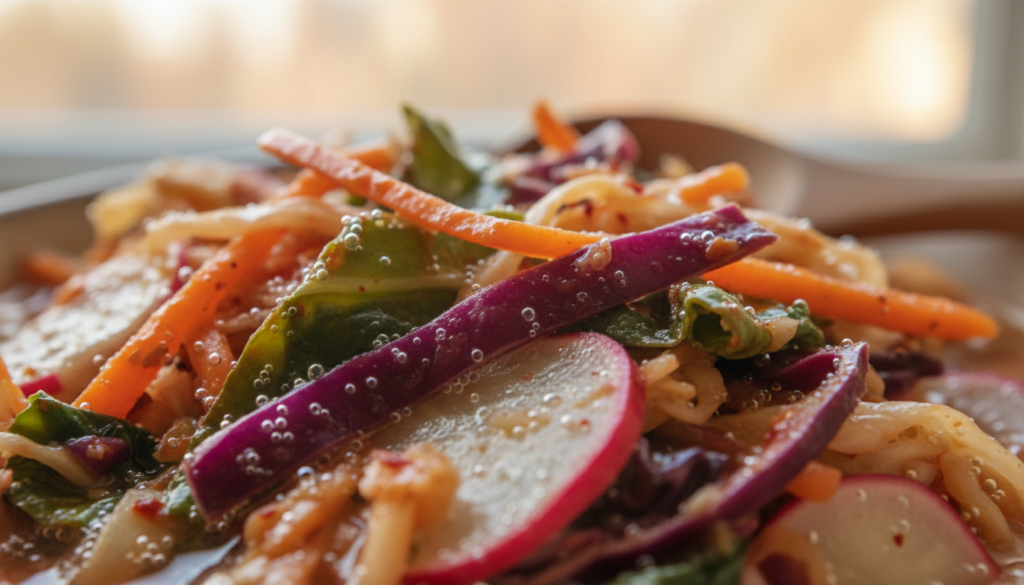
Different fermented foods provide distinct strains of beneficial bacteria. Yogurt contains Lactobacillus and Bifidobacterium species that support digestive health. Kefir offers even more diversity with up to 60 different bacterial strains plus beneficial yeasts.
Kimchi and sauerkraut deliver Lactobacillus plantarum along with high fiber content. This combination feeds existing gut bacteria while adding new beneficial strains. Studies indicate that consuming these foods daily can reduce inflammation markers within weeks.
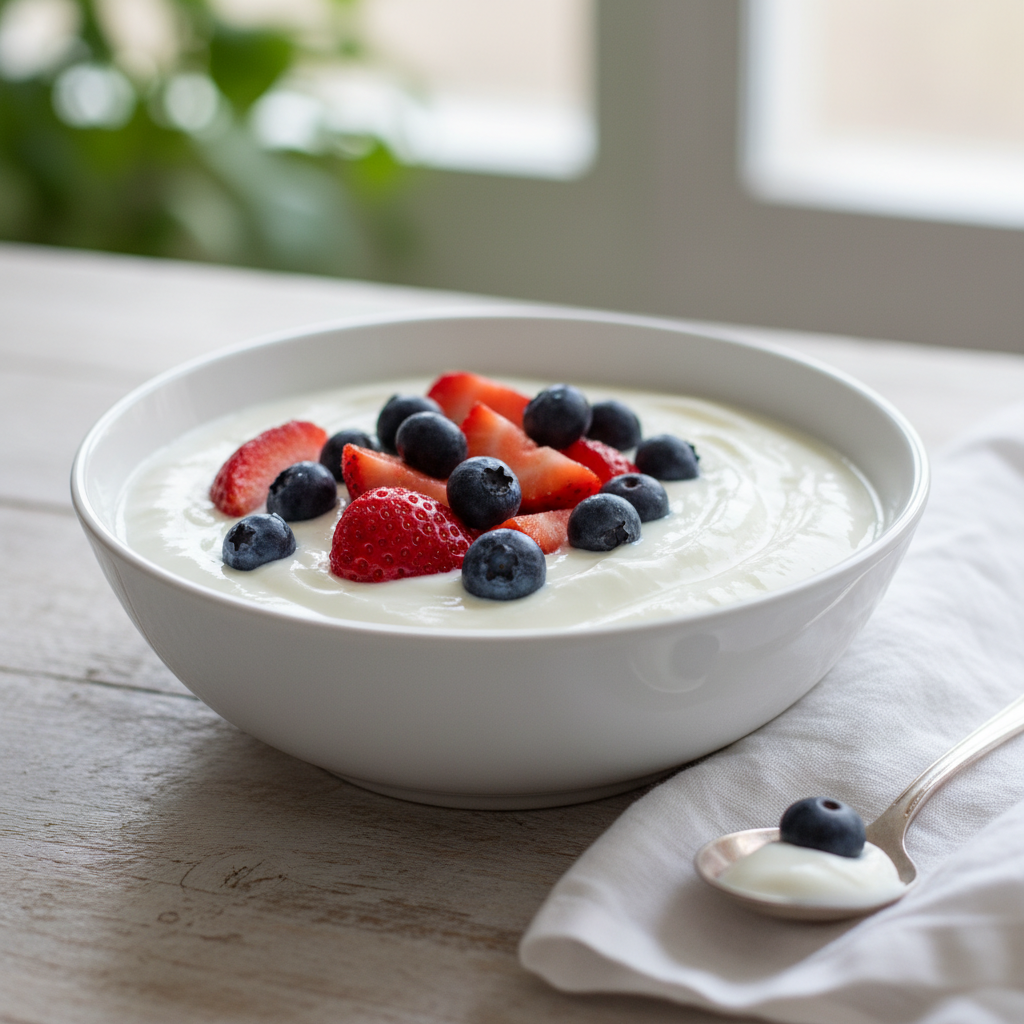
Yogurt and Kefir
These dairy ferments provide easily accessible probiotics that survive stomach acid to reach your intestines. Choose varieties with “live active cultures” on the label.
- Contains Lactobacillus and Bifidobacterium strains
- Supports lactose digestion even in sensitive people
- Provides calcium and protein alongside probiotics
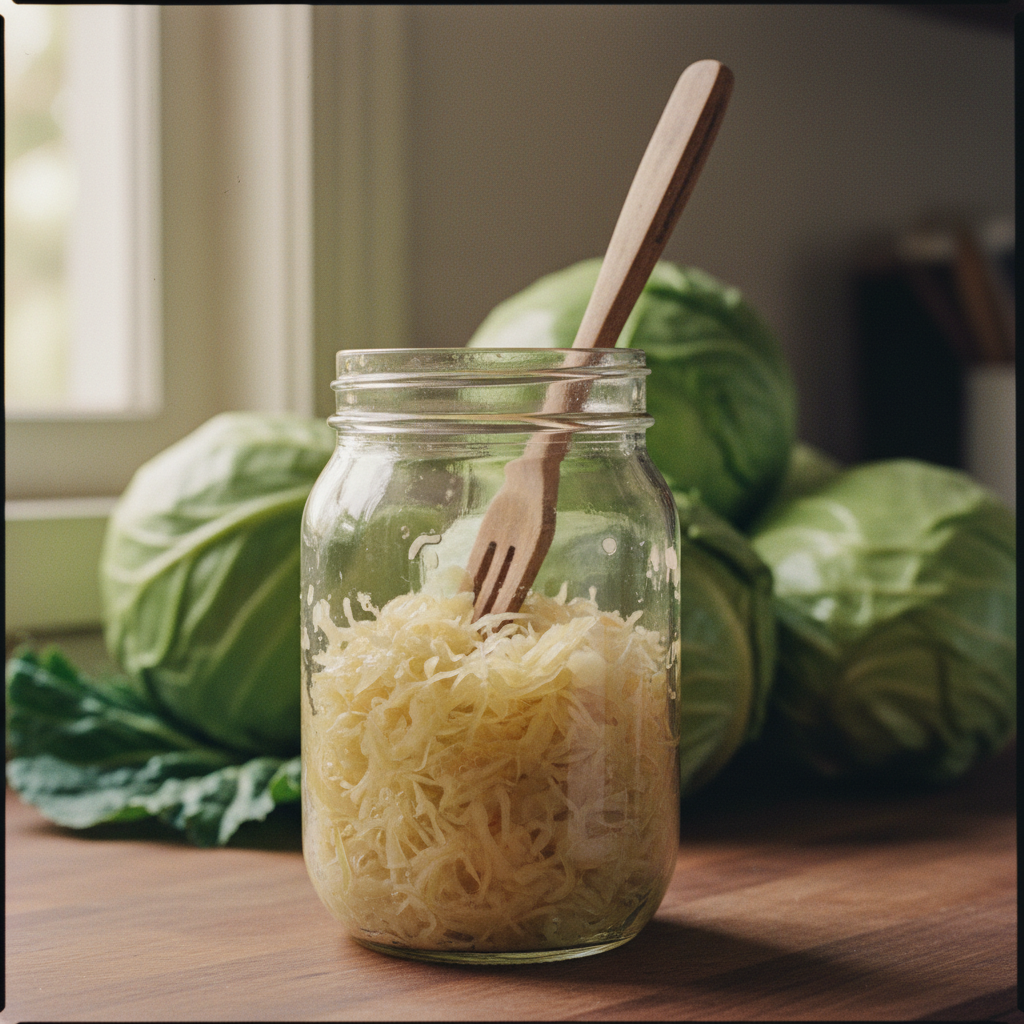
Sauerkraut and Kimchi
These fermented vegetables combine probiotics with high fiber content. The fiber acts as food for bacteria while the fermentation provides new beneficial strains.
- Rich in Lactobacillus plantarum for immune support
- Contains digestive enzymes from fermentation
- Provides vitamin C and antioxidants

Kombucha and Other Ferments
This fermented tea provides probiotics plus organic acids that support digestion. Other options include miso, tempeh, and naturally fermented pickles.
- Contains beneficial yeasts and bacteria
- Provides B vitamins produced during fermentation
- Offers organic acids that aid nutrient absorption
Start with small portions of fermented foods if you’re new to them. Your gut needs time to adjust to the influx of new bacteria. Gradually increase your intake over several weeks to avoid temporary digestive discomfort.
Fiber-Rich Foods That Feed Your Gut Bacteria
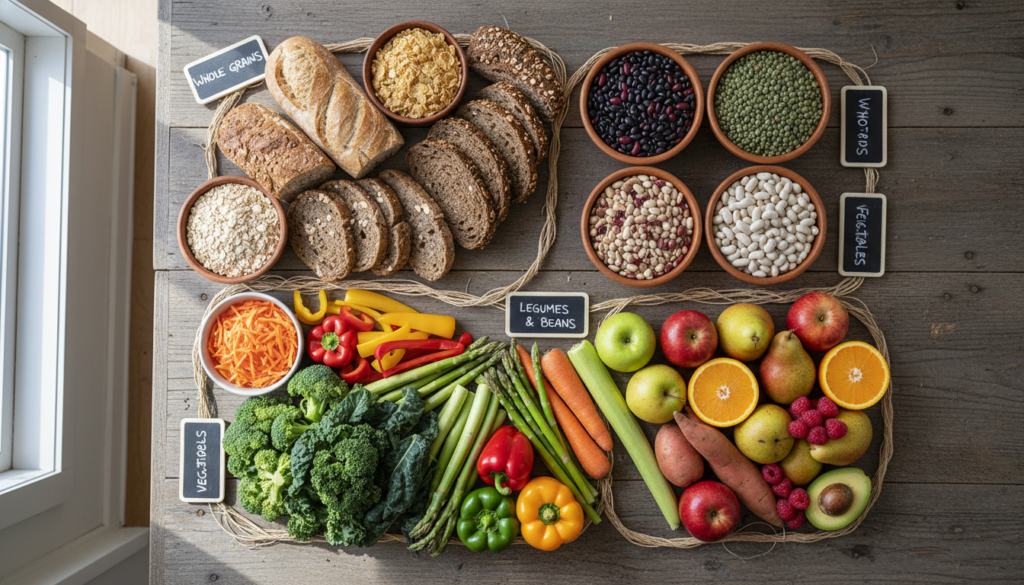
Fiber serves as the primary food source for beneficial gut bacteria. When you eat fiber, your body cannot digest it completely. Instead, gut bacteria ferment this fiber and produce beneficial compounds called short-chain fatty acids.
These fatty acids reduce inflammation, strengthen your intestinal barrier, and provide energy to colon cells. Research demonstrates that people who consume more dietary fiber have greater microbiome diversity and better overall health outcomes.
Prebiotic Foods High in Beneficial Fiber
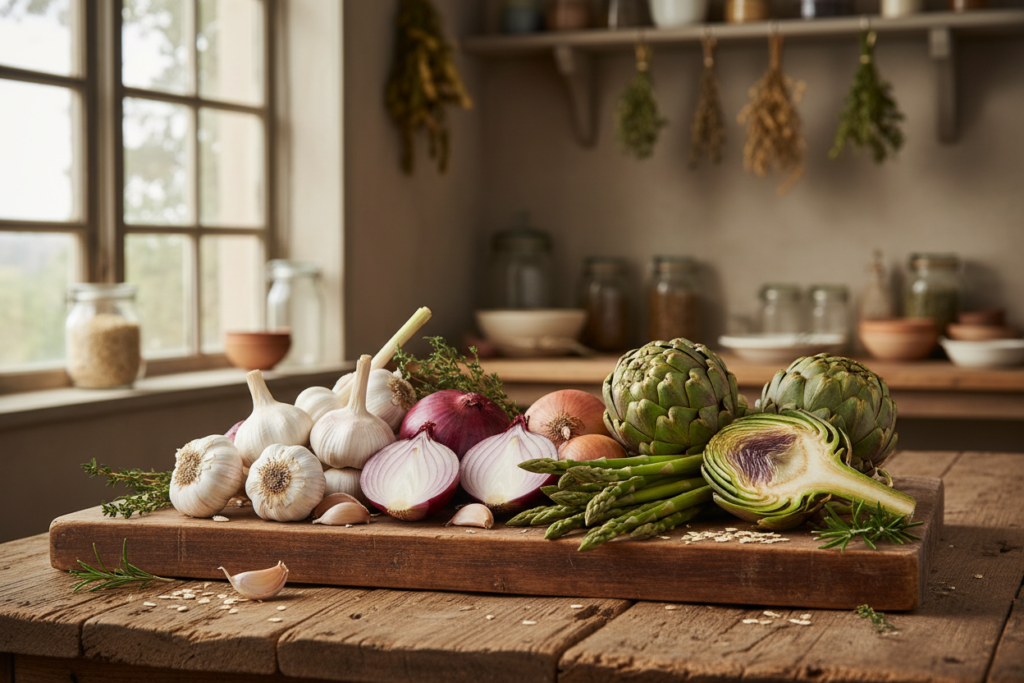
Prebiotics represent specific types of fiber that selectively feed beneficial bacteria. Foods high in prebiotics include chicory root, garlic, onions, leeks, asparagus, and bananas. These foods help existing good bacteria multiply and thrive.
Whole grains provide both soluble and insoluble fiber. Oats contain beta-glucan fiber that feeds specific beneficial bacteria while supporting healthy cholesterol levels. Barley, quinoa, and brown rice offer similar benefits with different nutrient profiles.
Soluble Fiber Sources
Soluble fiber dissolves in water and forms a gel-like substance. This type of fiber slows digestion and helps regulate blood sugar levels.
- Oats and oat bran
- Beans and lentils
- Apples and citrus fruits
- Carrots and sweet potatoes
- Psyllium husk
- Chia seeds and flax seeds
Insoluble Fiber Sources
Insoluble fiber doesn’t dissolve in water. It adds bulk to stool and helps food move through your digestive system efficiently.
- Whole wheat and wheat bran
- Brown rice and wild rice
- Nuts and seeds
- Cauliflower and broccoli
- Green beans and dark leafy vegetables
- Potato skins and root vegetables
Most plant foods contain both types of fiber in varying proportions. Aim for 25-35 grams of total fiber daily.
Resistant Starch for Microbiome Support
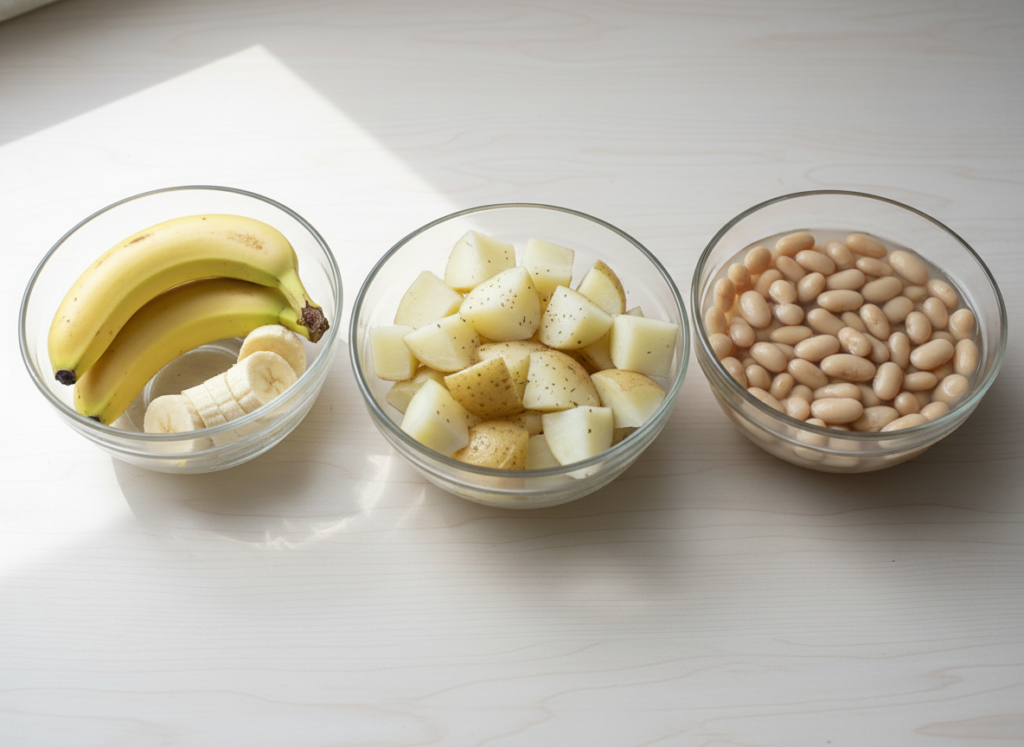
Resistant starch passes through your small intestine undigested and reaches your colon where bacteria ferment it. This process produces high amounts of butyrate, a short-chain fatty acid particularly beneficial for colon health.
Foods high in resistant starch include cooked and cooled potatoes, green bananas, cooked and cooled rice, and legumes. The cooling process after cooking increases resistant starch content significantly.
Struggling to Improve Your Gut Health Despite Eating Right?
Not all bodies respond the same way to fiber and prebiotics. Your unique microbiome might need a personalized approach. Discover the science-backed method that’s helped thousands identify exactly which foods their gut needs to thrive. This free presentation reveals research-proven strategies for optimizing your personal microbiome.
Polyphenol-Rich Foods That Transform Gut Health
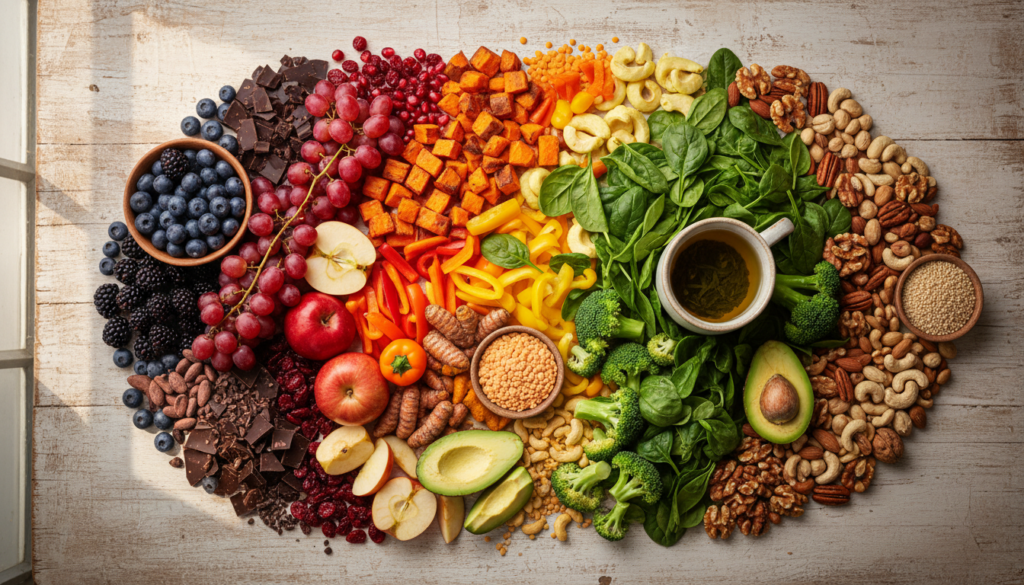
Polyphenols are plant compounds that provide powerful benefits for your gut microbiome. Your body absorbs only about 10% of polyphenols in your small intestine. The remaining 90% travel to your colon where gut bacteria transform them into beneficial metabolites.
These compounds act as prebiotics, selectively feeding beneficial bacteria while limiting harmful microbes. Research shows that polyphenol-rich diets increase populations of Bifidobacteria and Lactobacilli while reducing inflammatory bacteria species.
Best Polyphenol Sources for Your Microbiome
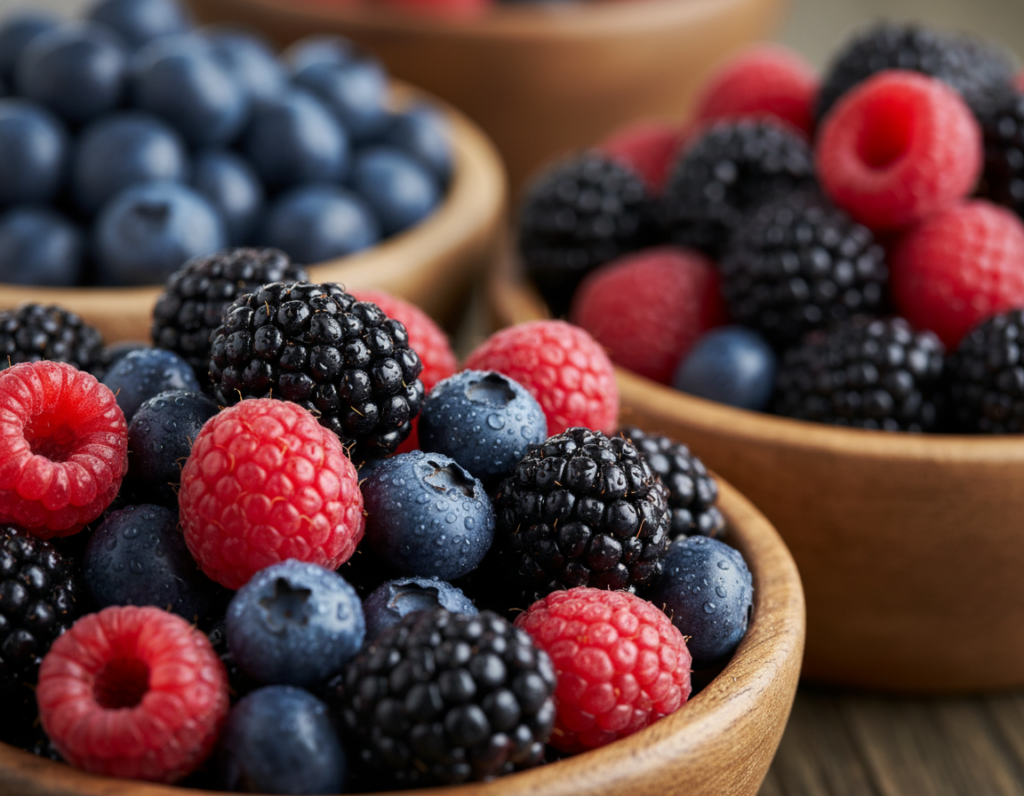
Berries contain particularly high concentrations of anthocyanins and other polyphenols. Blueberries, blackberries, strawberries, and raspberries all support microbiome diversity. Studies demonstrate that regular berry consumption increases beneficial bacteria within just weeks.
Green tea provides catechins that promote the growth of beneficial bacteria. These compounds also demonstrate anti-inflammatory properties throughout the body. Drinking 2-3 cups daily can positively influence your gut composition.
- Blueberries and blackberries
- Strawberries and raspberries
- Grapes and cherries
- Apples with skin
- Pomegranates
- Plums and prunes
Fruits High in Polyphenols
- Artichokes and asparagus
- Red onions and shallots
- Spinach and kale
- Broccoli and Brussels sprouts
- Red cabbage and radicchio
- Olives and olive oil
Vegetables Rich in Polyphenols
- Dark chocolate (70%+ cacao)
- Green and black tea
- Coffee
- Red wine (moderate amounts)
- Nuts, especially walnuts
- Herbs and spices
Other Polyphenol Sources
Dark chocolate with high cacao content provides flavanols that increase beneficial bacteria. Choose chocolate with at least 70% cacao and minimal added sugar. Even small amounts of 20-30 grams daily can influence your microbiome positively.
Omega-3 Fats and Their Impact on Gut Bacteria
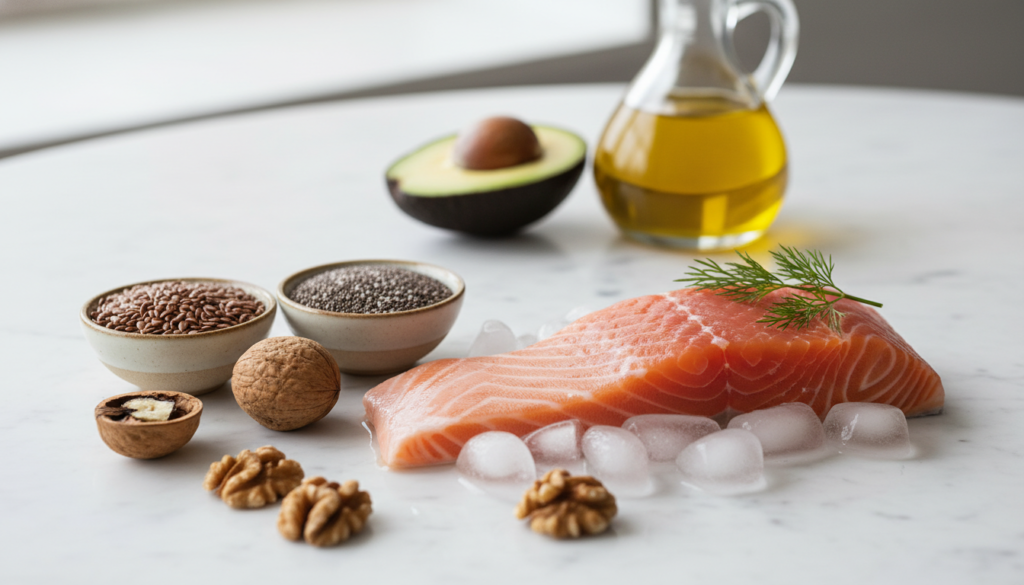
Omega-3 fatty acids support gut health by reducing inflammation and promoting microbiome diversity. Research indicates that people who consume more omega-3s have higher levels of beneficial bacteria that produce anti-inflammatory compounds.
These healthy fats also strengthen the intestinal barrier and reduce gut permeability. A strong intestinal barrier prevents harmful substances from leaking into your bloodstream, a condition sometimes called leaky gut syndrome.
Top Food Sources of Omega-3 Fatty Acids
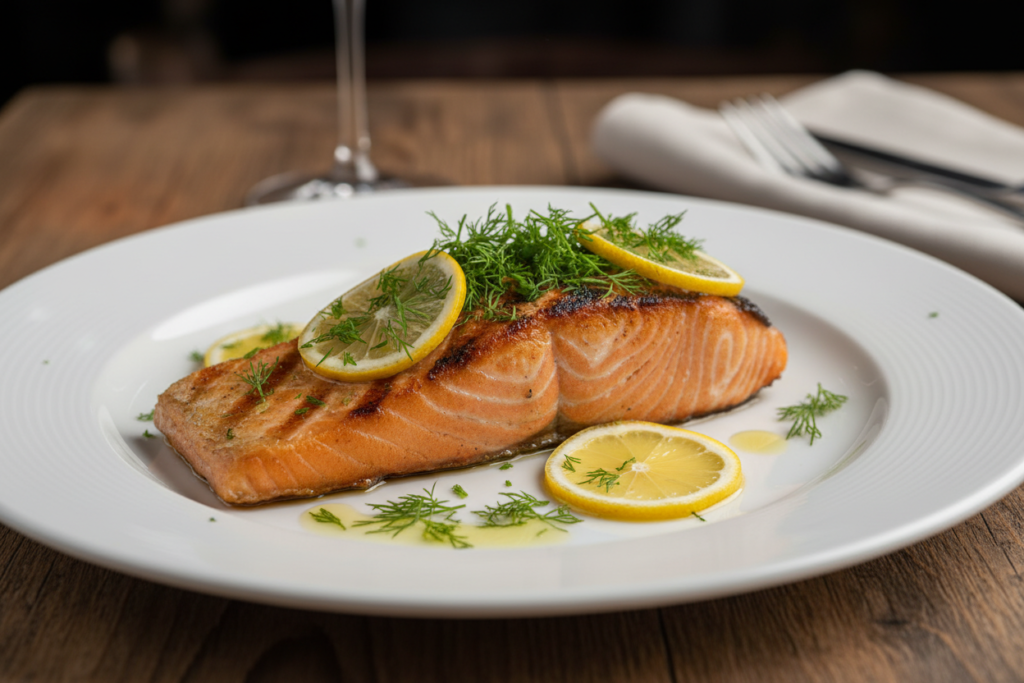
Fatty fish provide EPA and DHA, the most bioavailable forms of omega-3s. Salmon, mackerel, sardines, and anchovies offer high concentrations. Aim for 2-3 servings of fatty fish per week for optimal gut benefits.
Plant sources include walnuts, flaxseeds, chia seeds, and hemp seeds. These provide ALA omega-3s that your body converts to EPA and DHA, though less efficiently than from fish. Include both sources in your diet for comprehensive benefits.
Benefits of Omega-3 for Gut Health
- Increases production of anti-inflammatory compounds
- Promotes growth of beneficial Bifidobacteria
- Strengthens intestinal barrier function
- Reduces markers of systemic inflammation
- Supports immune system regulation
- May help prevent inflammatory bowel conditions
Considerations When Increasing Omega-3s
- Quality matters – choose wild-caught fish when possible
- Mercury concerns in some large fish species
- Plant omega-3s convert less efficiently
- Supplements may interact with blood thinners
- Proper storage needed to prevent rancidity
- Balance omega-3 to omega-6 ratio for best results
Foods That Harm Your Gut Microbiome

Certain foods disrupt your gut bacteria balance and reduce microbiome diversity. Understanding which foods to limit helps protect the beneficial bacteria you’re working to cultivate through healthy eating.
Sugar and Artificial Sweeteners
Excessive sugar consumption feeds harmful bacteria and yeast while starving beneficial microbes. High sugar intake correlates with reduced microbiome diversity and increased inflammation. Research shows that sugar promotes the growth of bacteria associated with metabolic disease.
Artificial sweeteners may damage gut bacteria even more than sugar. Studies demonstrate that saccharin, sucralose, and aspartame alter gut bacteria composition in ways that impair glucose metabolism. These changes can occur within just one week of regular consumption.
Processed and Ultra-Processed Foods
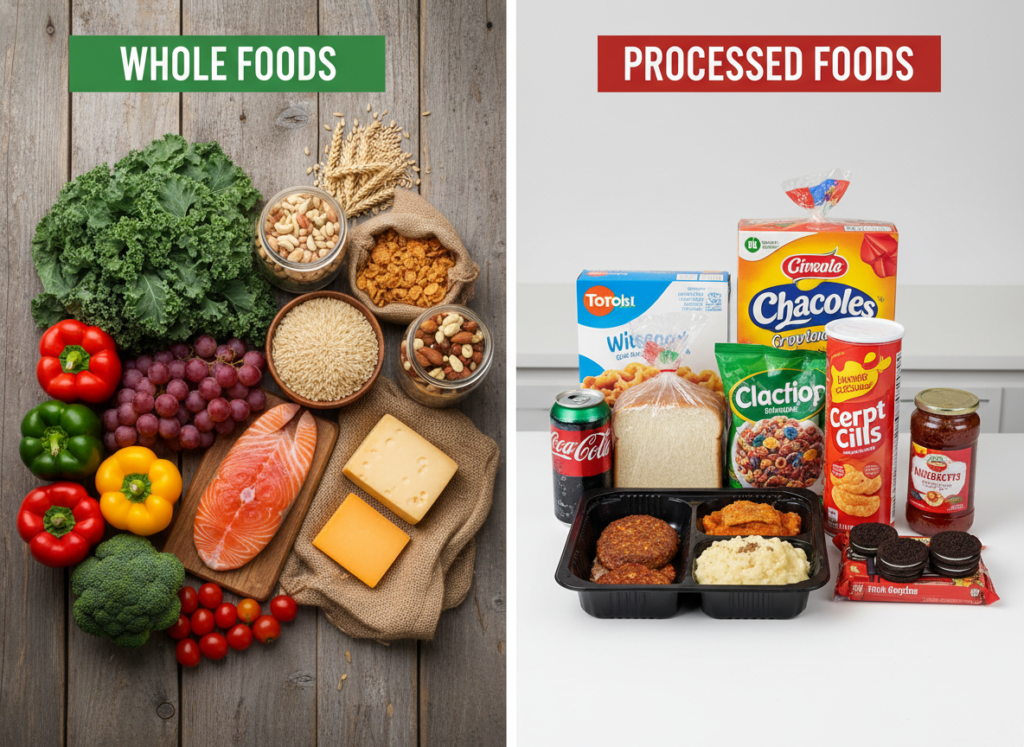
Ultra-processed foods contain emulsifiers, preservatives, and other additives that harm gut bacteria. These chemical compounds can thin the protective mucus layer in your intestines and increase inflammation. They also typically lack the fiber that beneficial bacteria need.
Emulsifiers commonly found in processed foods disrupt the gut barrier. Carboxymethylcellulose and polysorbate-80 have demonstrated particularly harmful effects on the microbiome in research studies. Reading ingredient labels helps you avoid these substances.
Foods That Reduce Microbiome Diversity
- Refined grains and white bread
- Sugary beverages and fruit juices
- Candy, cookies, and pastries
- Processed meats with preservatives
- Fast food and fried foods
- Products with artificial sweeteners
- Foods high in trans fats
- Highly processed cheese products
Healthier Alternatives to Choose
- Whole grain bread and brown rice
- Water with fresh fruit infusion
- Fresh or frozen fruits for sweetness
- Unprocessed meats or plant proteins
- Home-cooked meals with whole ingredients
- Natural sweetness from fruit or small amounts of honey
- Foods rich in omega-3 fats
- Aged cheeses with live cultures
Excessive Alcohol and Its Effects
Heavy alcohol consumption damages the intestinal barrier and reduces beneficial bacteria populations. Even moderate drinking can alter gut bacteria composition. The microbiome changes caused by alcohol contribute to inflammation and liver damage.
If you drink alcohol, limit intake to moderate levels and choose options with potential benefits. Red wine contains polyphenols that may partially offset negative effects. However, the gut health benefits of polyphenols are better obtained from non-alcoholic sources.
Lifestyle Factors That Support a Healthy Gut

Diet represents the primary factor influencing your gut microbiome, but other lifestyle choices also play significant roles. Sleep quality, stress levels, exercise habits, and medication use all affect your gut bacteria composition.
Exercise and Physical Activity
Regular exercise increases microbiome diversity independent of diet. Physical activity stimulates the production of beneficial metabolites and enhances gut barrier function. Research shows that athletes have more diverse gut bacteria than sedentary people with similar diets.

Aim for at least 150 minutes of moderate exercise weekly. Even light activities like walking provide benefits. The key is consistency rather than intensity for gut health improvements.
Sleep and Circadian Rhythms
Your gut bacteria follow circadian rhythms that sync with your sleep-wake cycle. Disrupted sleep patterns disturb these rhythms and reduce beneficial bacteria. Studies link poor sleep quality to decreased microbiome diversity and increased inflammation.
Prioritize 7-9 hours of quality sleep nightly. Maintaining consistent sleep and wake times supports both your circadian rhythm and your gut bacteria’s natural cycles. This synchronization optimizes digestive function and overall health.
Stress Management
Chronic stress directly alters gut bacteria composition through the gut-brain axis. Stress hormones change the gut environment in ways that favor harmful bacteria over beneficial species. This creates a cycle where poor gut health increases stress sensitivity.
Stress Reduction Techniques
- Meditation and mindfulness practices
- Deep breathing exercises
- Regular physical activity
- Adequate sleep prioritization
- Time in nature
- Social connection and support
Implementing stress management practices protects your gut bacteria from chronic stress damage. Even 10-15 minutes of daily meditation can positively influence your microbiome.
The gut-brain connection works bidirectionally. Just as stress affects your gut, improving gut health through diet and lifestyle can enhance your stress resilience and mental well-being.
Building Your Personalized Gut-Healthy Diet Plan

Creating a sustainable gut-healthy eating pattern requires gradual changes and personalization. Your unique microbiome responds differently to various foods based on your current bacterial composition, genetics, and lifestyle factors.
Starting Your Gut Health Transformation
Begin by adding one or two gut-friendly foods each week rather than overhauling your entire diet overnight. This gradual approach prevents digestive discomfort and allows your microbiome to adapt. Your gut bacteria need time to adjust to increased fiber and new food types.
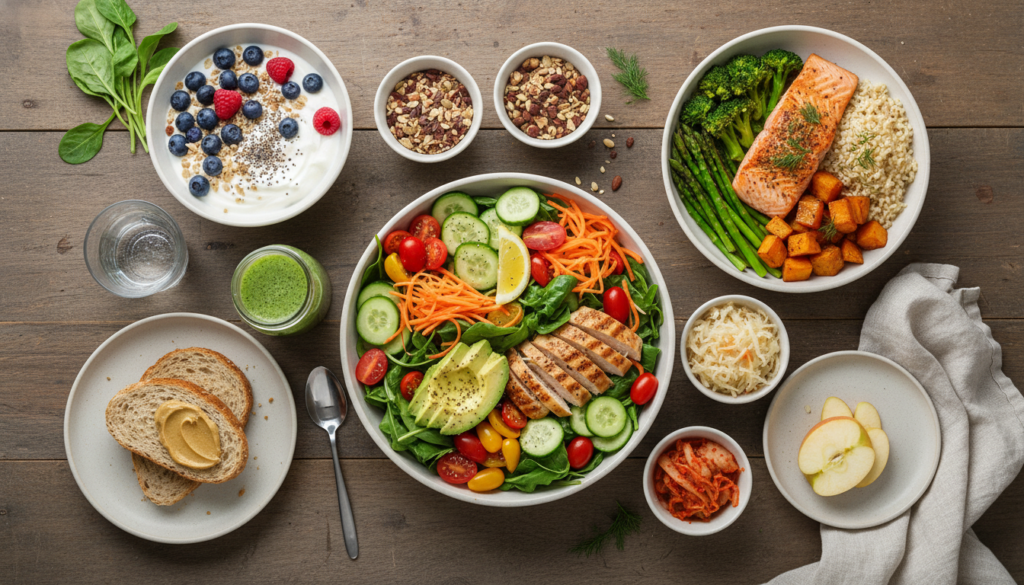
Sample Day of Gut-Healthy Eating
| Meal | Food Choices | Gut Health Benefits |
| Breakfast | Oatmeal with berries, walnuts, and kefir | Soluble fiber, polyphenols, probiotics, omega-3s |
| Mid-Morning Snack | Apple slices with almond butter | Prebiotic fiber, healthy fats, polyphenols |
| Lunch | Mixed green salad with chickpeas, vegetables, olive oil, and kimchi | Diverse fiber, probiotics, polyphenols, healthy fats |
| Afternoon Snack | Dark chocolate and green tea | Polyphenols, catechins, antioxidants |
| Dinner | Grilled salmon, roasted vegetables, quinoa, sauerkraut | Omega-3s, diverse fiber, probiotics, complete protein |
Tracking Your Progress
Pay attention to how you feel as you increase gut-healthy foods. Many people notice improvements in digestion, energy levels, and mental clarity within 2-4 weeks. However, significant microbiome changes typically require 3-6 months of consistent dietary patterns.
Common positive symptoms include more regular bowel movements, reduced bloating, improved energy, better sleep quality, and enhanced mood. If you experience persistent discomfort when adding certain foods, consider consulting a healthcare provider to rule out underlying conditions.
Important Note: While these general guidelines benefit most people, individual responses vary significantly. Your unique gut bacteria composition means that foods affecting your neighbor might influence you differently. Personalized nutrition based on your specific microbiome can accelerate results and eliminate guesswork.
Common Questions About Gut Health and Nutrition
How long does it take to improve gut health through diet?
Your gut microbiome begins responding to dietary changes within 24 hours. You can see measurable shifts in bacterial populations within 3-5 days of significant diet modifications. However, establishing a stable, diverse, healthy gut microbiome typically requires 3-6 months of consistent healthy eating patterns.
Some people notice improvements in symptoms like bloating or regularity within 2-3 weeks. More substantial changes in immune function, inflammation markers, and overall health usually become apparent after 2-3 months of sustained dietary improvements.
Can I take probiotic supplements instead of eating fermented foods?
Probiotic supplements can provide benefits, but whole fermented foods offer advantages that supplements cannot match. Fermented foods contain multiple bacterial strains, beneficial yeasts, vitamins, enzymes, and nutrients created during fermentation. They also provide the food matrix that helps bacteria survive stomach acid.
Research suggests that combining both approaches works best. Eat fermented foods daily for diverse bacterial exposure and consider targeted probiotic supplements for specific health goals under professional guidance. The bacteria in fermented foods also tend to colonize your gut more effectively than those in supplements.
What are the best foods for gut health if I’m lactose intolerant?
Many excellent gut-healthy options contain no lactose. Focus on non-dairy fermented foods like kimchi, sauerkraut, kombucha, miso, and tempeh. These provide probiotics without dairy. Plant-based yogurts made from coconut, almond, or soy milk with live cultures also offer benefits.
Interestingly, many lactose-intolerant people can tolerate kefir and yogurt because the fermentation process reduces lactose content. The probiotics in these foods also help digest the remaining lactose. Start with small amounts to test your tolerance if you’re interested in trying dairy ferments.
How much fiber should I eat daily for optimal gut health?
Most experts recommend 25-35 grams of fiber daily for adults, though many people consume only 10-15 grams. For optimal gut health and microbiome diversity, aim for the higher end of this range from varied sources. Include both soluble and insoluble fiber types.
Increase fiber intake gradually over several weeks to prevent gas and bloating. Sudden large increases in fiber can cause temporary digestive discomfort. Also ensure adequate water intake as you increase fiber, as fiber works best when properly hydrated.
Do antibiotics permanently damage gut bacteria?
Antibiotics significantly disrupt your gut microbiome by killing both harmful and beneficial bacteria. This disruption can last for months after completing antibiotic treatment. However, the damage is usually not permanent if you take steps to rebuild your microbiome.
Focus on fermented foods, prebiotic fiber, and diverse plant foods after antibiotic use. Some research suggests taking probiotics during and after antibiotic treatment may help preserve beneficial bacteria. Your microbiome can recover substantially within 3-6 months with proper dietary support, though some changes may persist longer.
Are all fermented foods equally beneficial for gut health?
Not all fermented foods provide the same benefits. Products that undergo pasteurization after fermentation, like most commercial pickles and sauerkraut, contain no live bacteria. Look for unpasteurized, refrigerated fermented foods with “live cultures” or “active cultures” on the label.
Different fermented foods also contain different bacterial strains. Yogurt provides mainly Lactobacillus and Bifidobacterium species, while kimchi offers Lactobacillus plantarum and other varieties. Consuming diverse fermented foods gives your gut a wider range of beneficial bacteria than eating only one type.
Transform Your Gut Health Starting Today

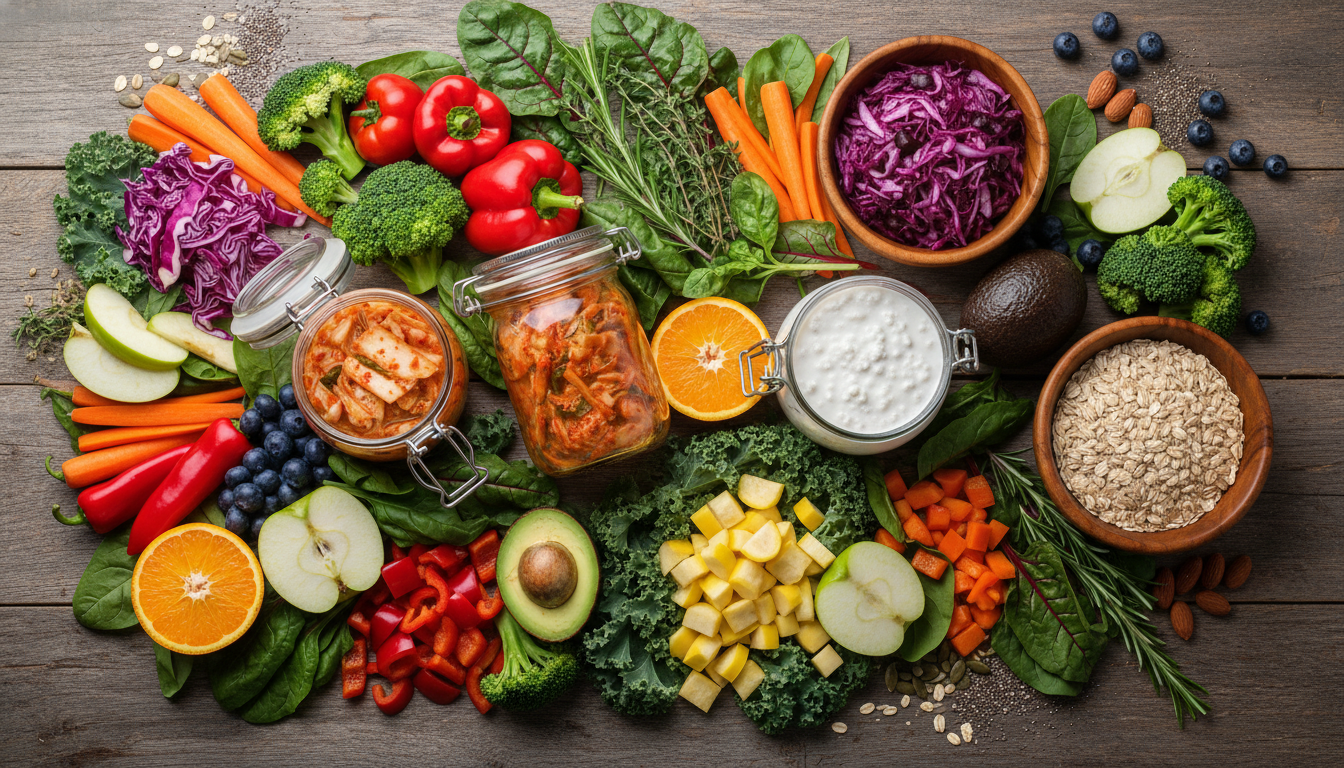
The best foods for gut health combine probiotics from fermented foods, prebiotics from fiber-rich vegetables and whole grains, polyphenols from colorful plant foods, and omega-3 fats from fish and seeds. These foods work together to create a diverse, balanced microbiome that supports your overall health.
Your gut bacteria respond quickly to dietary changes. Each meal represents an opportunity to feed beneficial microbes and reduce harmful ones. Small, consistent improvements in your food choices create compound effects over time.
Remember that gut health extends beyond diet alone. Quality sleep, regular exercise, stress management, and avoiding unnecessary antibiotics all contribute to a thriving microbiome. These lifestyle factors work synergistically with healthy eating patterns.
Your Next Step Toward Optimal Gut Health
While the foods discussed in this guide benefit most people, your gut microbiome is as unique as your fingerprint. What works optimally for one person may not produce the same results for another. This explains why some people thrive on certain diets while others see minimal improvement.
Recent scientific breakthroughs now allow personalized gut health optimization based on your specific bacterial composition. This approach eliminates the guesswork and accelerates results by identifying exactly which foods your unique microbiome needs.
Discover the Personalized Approach That’s Transforming Gut Health
Thousands of people have already discovered a science-backed method that identifies their unique gut needs and creates a personalized nutrition plan. This breakthrough approach has helped people resolve years of digestive struggles in just weeks by targeting their specific microbiome composition.
Stop guessing which foods will work for your body. This free video presentation reveals the research-proven system that analyzes your individual gut bacteria and provides customized recommendations. You’ll discover why generic nutrition advice often fails and how personalized gut health optimization can transform your digestion, energy, immunity, and overall well-being.
Join the thousands who’ve already taken control of their gut health with this personalized, science-based approach. Your gut microbiome is unique – isn’t it time your nutrition plan was too?