
How to Prevent Cavities Naturally: Science-Backed Methods for Healthy Teeth
Your teeth face constant attack from bacteria and acids every single day. Tooth decay affects nearly 90 percent of adults at some point in their lives. But what if you could protect your oral health using natural methods that work with your body instead of against it?
This Website contains affiliate links. That means I may earn a small commission if you purchase through my links, at no extra cost to you.
The truth is simple. Cavities form when harmful bacteria in your mouth produce acids that destroy tooth enamel. This process happens slowly over time. Most people rely solely on conventional dental care. Yet nature offers powerful solutions that address the root causes of decay.
Natural cavity prevention goes beyond just brushing your teeth. It involves understanding how your diet affects oral health. It means knowing which foods strengthen enamel and which ones feed harmful bacteria. This comprehensive approach has helped thousands of people maintain healthy teeth without relying exclusively on chemical treatments.
Modern research confirms what traditional cultures knew for generations. Your mouth contains a delicate ecosystem. When you support this ecosystem properly, your teeth become naturally resistant to decay. The methods you will discover here combine ancient wisdom with current scientific understanding.
Understanding Tooth Decay and Cavity Formation
Tooth decay represents a complex biological process. Your mouth hosts millions of bacteria. Some bacteria help maintain oral health. Others produce harmful acids that attack tooth enamel.
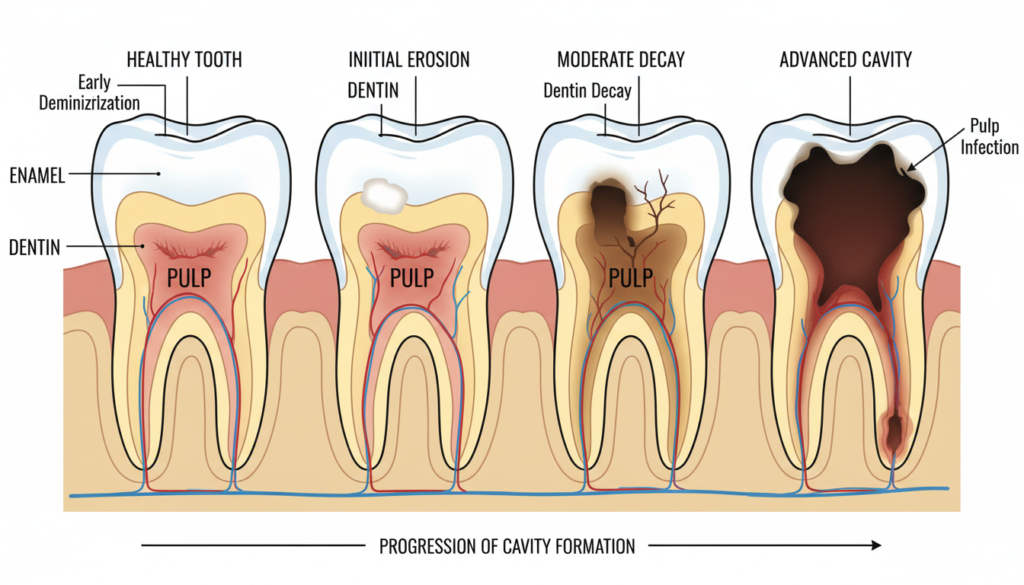
The cavity formation process happens in distinct stages. First, plaque accumulates on your teeth. This sticky film contains bacteria that feed on sugars from foods and drinks. As bacteria digest these sugars, they release acids.
These acids gradually dissolve minerals from your tooth enamel. This initial stage is called demineralization. Your enamel loses calcium and phosphate. The surface becomes weaker and more porous.
If demineralization continues unchecked, a cavity eventually forms. The damage penetrates through the enamel into the softer dentin layer beneath. At this point, the decay accelerates because dentin is less resistant to acid attack.
Understanding this process reveals something important. Cavity prevention is not just about killing bacteria. It involves creating conditions where harmful bacteria cannot thrive. It means supporting your body’s natural remineralization processes. It requires addressing the environmental factors that allow decay to progress.
Early Stage Decay
The initial phase when acids begin attacking enamel surfaces:
- White spots appear on teeth indicating mineral loss
- Enamel becomes slightly rough to the touch
- Damage remains reversible with proper intervention
- No pain or sensitivity occurs yet
Progressive Decay
The advancing phase when cavities penetrate deeper layers:
- Visible holes or pits develop in tooth surface
- Sensitivity to hot, cold, or sweet substances
- Discoloration becomes more pronounced
- Professional treatment becomes necessary
Risk Factors
Key elements that accelerate cavity development:
- Frequent consumption of sugary foods and drinks
- Poor oral hygiene habits and irregular brushing
- Dry mouth reducing protective saliva flow
- Acidic beverages eroding enamel protection
Protective Factors
Natural defenses your body uses against decay:
- Saliva neutralizes acids and provides minerals
- Healthy diet supports strong tooth structure
- Beneficial bacteria compete with harmful species
- Proper pH balance in mouth inhibits acid production
Your saliva plays a crucial role in this ongoing battle. It contains minerals that can repair early-stage damage. Saliva also neutralizes acids and washes away food particles. When saliva production decreases, your risk of cavities increases significantly.
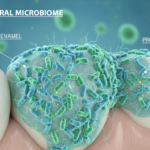
The bacteria in your mouth form complex communities called biofilms. These communities include both helpful and harmful species. The balance between these bacterial populations determines your cavity risk. Diet, oral hygiene, and overall health all influence this delicate balance.
Dietary Foundations for Preventing Cavities
What you eat directly impacts your oral health. Your diet determines whether bacteria produce destructive acids or remain relatively harmless. Certain foods strengthen teeth naturally while others create conditions for rapid decay.

Foods That Strengthen Tooth Enamel
Some foods actively rebuild and protect your teeth. These nutrient-dense options provide minerals your body needs to maintain strong enamel. Dairy products contain high levels of calcium and phosphates. These minerals help remineralize teeth naturally.
Cheese offers particular benefits for oral health. Studies show that eating cheese raises the pH level in your mouth. This alkaline environment protects against acid erosion. Cheese also stimulates saliva production, which further protects teeth.
Leafy green vegetables provide calcium without dairy. Kale, collards, and spinach contain minerals that support tooth health. They also require significant chewing, which increases saliva flow. This extra saliva helps clean teeth naturally.
Crunchy vegetables like carrots and celery act as natural tooth cleaners. Their fibrous texture scrubs teeth as you chew. These vegetables stimulate gums and increase saliva production. They contain vitamins that support overall oral health.
Tooth-Building Nutrients
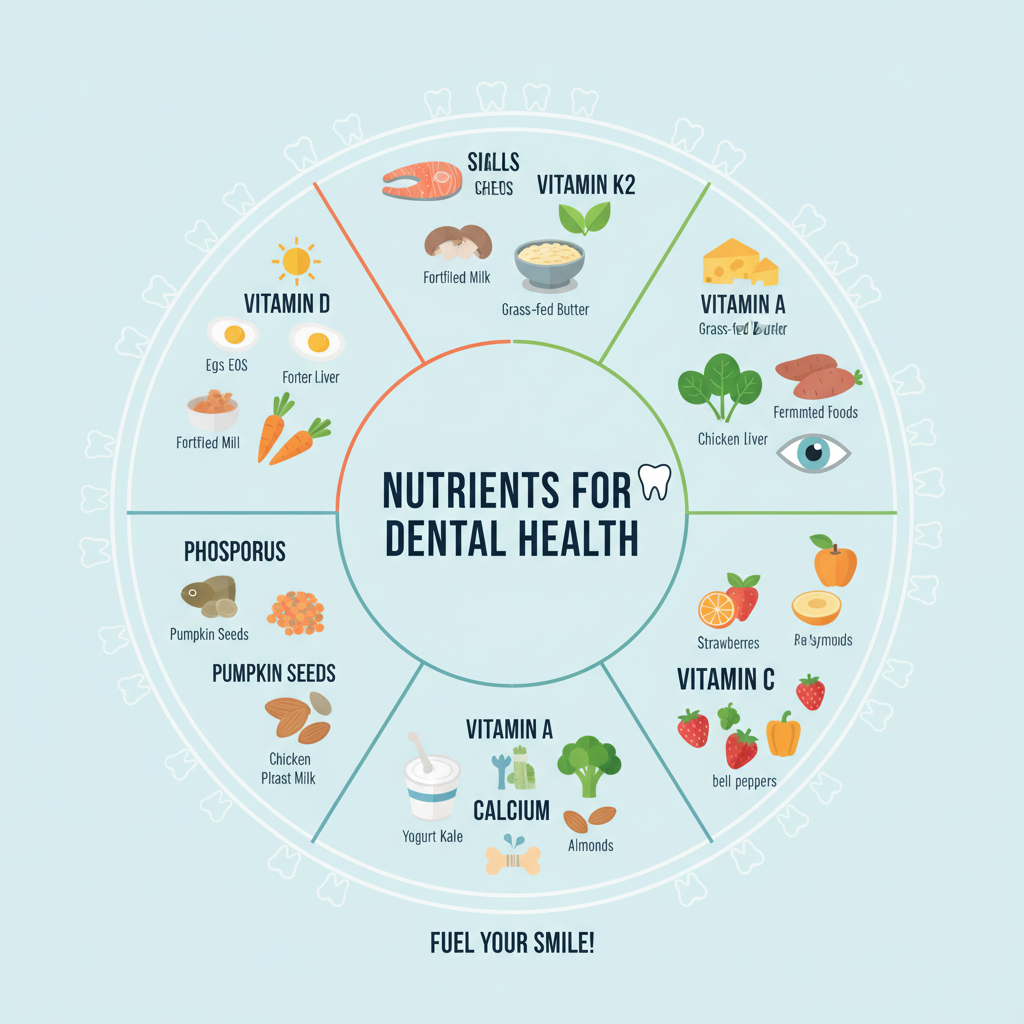
Essential vitamins and minerals protect against decay:
- Calcium builds and maintains tooth structure
- Phosphorus works with calcium for enamel strength
- Vitamin D helps body absorb calcium effectively
- Vitamin K2 directs calcium to teeth and bones
- Vitamin A supports healthy mucous membranes in mouth
- Vitamin C maintains healthy gums and connective tissue
Foods and Drinks to Limit or Avoid
Sugar represents the primary fuel for harmful bacteria. When bacteria consume sugar, they produce acids that attack enamel. Limiting sugar intake dramatically reduces your cavity risk. This applies to both obvious sugars and hidden sources.
Sodas and sweetened beverages create multiple problems. They bathe teeth in sugar while also providing acidity. The combination accelerates enamel erosion. Even diet sodas contain acids that weaken teeth over time.
Sticky, sugary foods pose particular danger. Dried fruits, candy, and pastries cling to teeth. This prolonged contact gives bacteria extended time to produce acids. The damage accumulates with each exposure.
Acidic foods and drinks erode enamel directly. Coffee, citrus fruits, and tomatoes all contain acids. While these foods offer health benefits, consuming them strategically matters. Rinsing with water after acidic foods helps minimize damage.
Important Timing Tip: When you eat matters as much as what you eat. Frequent snacking keeps your mouth in an acidic state. Bacteria produce acids for approximately 20 minutes after you eat. Limiting eating occasions to main meals gives your mouth time to recover between acid attacks.
The Role of pH Balance
Your mouth’s pH level determines whether demineralization or remineralization occurs. A pH below 5.5 allows acids to dissolve enamel. Above this threshold, saliva can deposit minerals back into teeth.
Alkaline foods help maintain healthy pH levels. Water is the best beverage for oral health. It rinses away food particles and dilutes acids. Green tea contains compounds that suppress harmful bacteria without affecting beneficial species.
Xylitol offers unique protective properties. This natural sweetener actually reduces cavity-causing bacteria. Studies show that xylitol helps maintain neutral pH levels in the mouth. It also stimulates saliva production naturally.
Discover the Complete Natural Dental Health System
While individual dietary changes help, implementing a comprehensive approach delivers the best results. Learn the proven framework that combines nutrition, oral care, and lifestyle strategies into one powerful system for lasting cavity prevention.
Natural Oral Hygiene Practices
Effective oral hygiene removes plaque before it causes damage. Natural methods can clean teeth thoroughly while supporting your mouth’s healthy bacterial balance. The key lies in consistency and proper technique.
Proper Brushing Technique
How you brush matters more than how often. Proper technique removes plaque effectively without damaging gums or enamel. Position your toothbrush at a 45-degree angle to your gums. Use gentle, circular motions rather than harsh scrubbing.
Brush for a full two minutes twice daily. Most people brush for less than one minute. This insufficient time leaves plaque undisturbed. Set a timer until the habit becomes automatic.
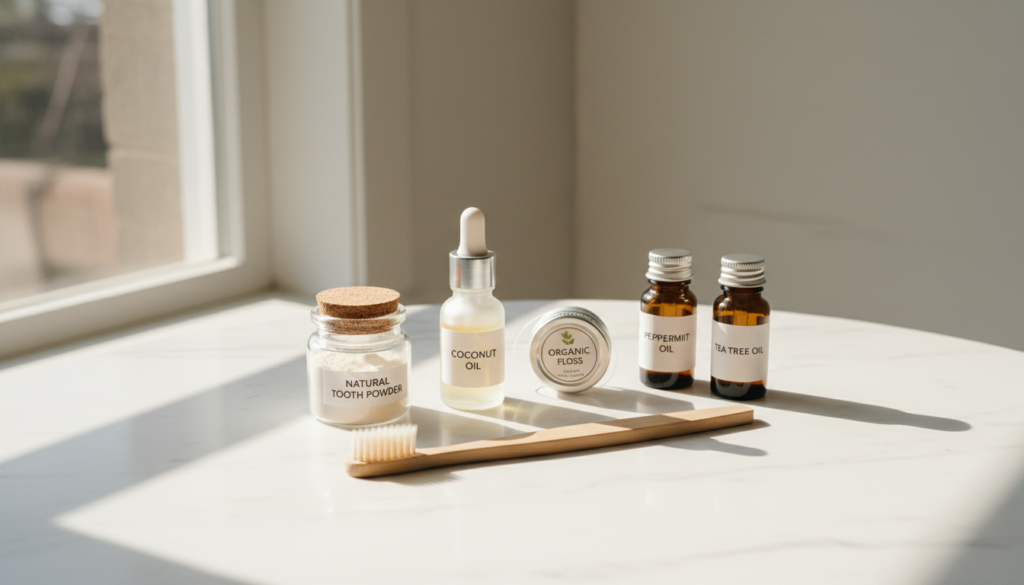
Replace your toothbrush every three months. Worn bristles lose effectiveness and can harbor bacteria. Natural bristle options work well for many people. Bamboo handles offer an eco-friendly alternative to plastic.
Electric toothbrushes can improve plaque removal. Studies show they reduce more plaque than manual brushing for some users. The key is finding a method you will use consistently with proper technique.
Natural Toothpaste Alternatives
Commercial toothpaste contains many synthetic ingredients. Natural alternatives can clean teeth effectively while avoiding chemicals. Baking soda neutralizes acids and gently polishes teeth. Mix it with water to form a paste.
Coconut oil pulling has gained attention recently. This ancient practice involves swishing oil in your mouth for 10 to 20 minutes. Research suggests it reduces harmful bacteria and supports gum health. The lauric acid in coconut oil has antimicrobial properties.
Homemade tooth powder offers another option. Combine baking soda, calcium powder, and xylitol. Add essential oils like peppermint or tea tree for flavor and additional antimicrobial benefits. This mixture effectively cleans without harsh abrasives.
Oil Pulling Method
- Use one tablespoon of coconut oil before breakfast
- Swish gently throughout mouth for 15 to 20 minutes
- Spit oil into trash, not sink, to avoid clogs
- Rinse mouth with warm water thoroughly
- Brush teeth normally after oil pulling session
Natural Tooth Powder Recipe
- Mix 4 tablespoons baking soda base ingredient
- Add 2 tablespoons calcium carbonate powder
- Include 1 tablespoon xylitol for sweetness
- Add 10 drops peppermint essential oil
- Store in glass jar away from moisture
The Importance of Flossing
Brushing alone misses approximately 40 percent of tooth surfaces. Flossing reaches areas between teeth where brushes cannot go. Bacteria and food particles accumulate in these tight spaces. Daily flossing prevents decay in these vulnerable areas.
Proper flossing technique requires care. Slide floss gently between teeth using a back-and-forth motion. Curve the floss around each tooth in a C-shape. Move it up and down against the tooth surface. Use fresh sections of floss for each gap.
Natural floss options include silk and biodegradable materials. These alternatives avoid the synthetic polymers in conventional floss. Some natural flosses come coated with beeswax for easier gliding.
Water flossers provide an alternative for people who struggle with traditional floss. These devices use pressurized water to clean between teeth. They work well for people with braces or dental work that makes traditional flossing difficult.
Optimizing Saliva Production for Natural Protection
Saliva serves as your mouth’s primary defense against cavities. This complex fluid neutralizes acids, provides minerals, and contains natural antibacterial compounds. Optimizing saliva production significantly reduces cavity risk.

Understanding Saliva’s Protective Functions
Saliva performs multiple protective roles simultaneously. It physically washes away food particles and bacteria. The minerals in saliva, particularly calcium and phosphate, actively repair early enamel damage through remineralization.
Your saliva maintains pH balance in your mouth. After eating, acids lower pH to dangerous levels. Saliva’s buffering capacity brings pH back to neutral. This process stops acid erosion and allows remineralization to begin.
Natural antibacterial proteins in saliva help control bacterial populations. These compounds include lysozyme, lactoferrin, and immunoglobulins. They limit the growth of harmful bacteria without destroying beneficial species.
Factors That Reduce Saliva Flow
Many common factors decrease saliva production. Dehydration is the most obvious cause. Your body needs adequate water to produce sufficient saliva. Drinking water throughout the day maintains healthy flow.
Medications represent another major cause of dry mouth. Over 400 medications list dry mouth as a side effect. Antihistamines, antidepressants, and blood pressure medications commonly reduce saliva. If you take these medications, extra preventive care becomes essential.
Breathing through your mouth instead of your nose dries oral tissues. This habit often develops during sleep. Addressing nasal congestion and using mouth tape during sleep can help maintain moisture.
Stress and anxiety reduce saliva production. The body’s stress response redirects resources away from digestive functions, including saliva production. Managing stress through relaxation techniques supports oral health.
Natural Ways to Increase Saliva
Several natural methods stimulate saliva production effectively. Chewing triggers increased saliva flow. Sugar-free gum containing xylitol offers dual benefits by stimulating saliva while fighting bacteria.
Staying well-hydrated is fundamental. Aim for eight glasses of water daily as a baseline. Increase intake during hot weather or exercise. Sipping water throughout the day works better than drinking large amounts at once.
Certain foods naturally stimulate saliva. Sour foods like lemons trigger strong salivary responses. While too much citrus acid can damage teeth, small amounts can boost saliva when needed. Apples and other crunchy fruits also stimulate flow while cleaning teeth.
Saliva-Boosting Strategies: Chew sugar-free xylitol gum for 5 minutes after meals. Drink water with fresh lemon juice once daily. Include crunchy vegetables with every meal. Consider a bedroom humidifier if you wake with dry mouth. These simple habits maintain healthy saliva flow naturally.
Essential Vitamins and Minerals for Tooth Health
Your teeth require specific nutrients to maintain strength and resist decay. Deficiencies in key vitamins and minerals directly increase cavity risk. Understanding these nutritional needs helps you make informed dietary choices.

Calcium and Phosphorus
Calcium forms the primary mineral component of tooth enamel. Your body constantly deposits and removes calcium from teeth. Adequate dietary calcium ensures your teeth can remineralize effectively. Without sufficient calcium, teeth weaken progressively.
Phosphorus works synergistically with calcium. Together, they form hydroxyapatite, the mineral crystal that makes up enamel. Phosphorus also helps your body absorb and use calcium efficiently. Most protein-rich foods provide phosphorus.
Dairy products offer the most concentrated sources of both minerals. Milk, cheese, and yogurt provide calcium and phosphorus in optimal ratios. For those avoiding dairy, fortified plant milks, leafy greens, and nuts provide alternatives.
Vitamin D: The Calcium Activator
Vitamin D determines how effectively your body uses calcium. Without adequate vitamin D, your body cannot absorb calcium from food. This vitamin also regulates the minerals that strengthen tooth enamel.
Sunlight exposure triggers vitamin D production in skin. Spending 15 to 30 minutes in sunlight several times weekly usually provides sufficient vitamin D. However, many factors limit sun exposure and production.
Food sources of vitamin D remain limited. Fatty fish like salmon and mackerel contain significant amounts. Egg yolks provide smaller quantities. Many people require supplementation to maintain optimal levels. Testing your vitamin D status helps determine your needs.
Vitamin K2: The Overlooked Protector
Vitamin K2 plays a crucial but often overlooked role in dental health. This vitamin activates proteins that direct calcium to teeth and bones. Without K2, calcium may deposit in soft tissues instead of strengthening teeth.
Fermented foods provide the best dietary sources of K2. Natto, a fermented soybean product, contains extremely high levels. Cheese, especially aged varieties, offers significant amounts. Egg yolks from pastured chickens also provide K2.
Vitamin K2 works in partnership with vitamins A and D. These three nutrients function as a team to support tooth mineralization. Getting adequate amounts of all three optimizes dental health.
Vitamin A for Healthy Mucous Membranes
Vitamin A maintains the health of mucous membranes throughout your mouth. These tissues form your first line of defense against bacteria. Vitamin A also supports saliva production and composition.
True vitamin A comes only from animal sources. Liver provides the highest concentration. Egg yolks, butter, and fish also contain vitamin A. Many vegetables contain beta-carotene, which your body converts to vitamin A, though conversion efficiency varies significantly.
Vitamin C for Gum Health
Vitamin C supports the connective tissue that holds teeth in place. Deficiency leads to bleeding gums and eventual tooth loss. This vitamin also supports immune function in your mouth.
Fresh fruits and vegetables provide abundant vitamin C. Citrus fruits are famous for this nutrient, but bell peppers, broccoli, and strawberries contain even higher amounts. Vitamin C degrades with heat, so raw or lightly cooked vegetables preserve maximum content.
Herbal Remedies and Natural Antimicrobials
Certain herbs and natural compounds fight the bacteria that cause cavities. These traditional remedies offer antimicrobial benefits without disrupting your mouth’s healthy bacterial balance. Modern research increasingly validates their effectiveness.

Tea Tree Oil
Tea tree oil demonstrates powerful antimicrobial properties. Studies show it effectively kills cavity-causing bacteria. The oil disrupts bacterial cell membranes, preventing bacteria from multiplying.
Never apply tea tree oil directly to teeth undiluted. The concentrated oil can irritate tissues. Add one or two drops to your toothpaste or mix with coconut oil for oil pulling. This dilution provides benefits while ensuring safety.
Clove Oil for Pain and Protection
Clove oil has served as a traditional dental remedy for centuries. It contains eugenol, a compound with both antimicrobial and pain-relieving properties. Dentists historically used eugenol as a disinfectant and anesthetic.
A diluted clove oil rinse can help reduce bacteria in the mouth. Mix two drops of clove oil in a quarter cup of water. Swish for one minute then spit out. This rinse also temporarily relieves tooth pain.
Neem for Comprehensive Oral Care
Neem has been used in traditional Indian medicine for oral care for thousands of years. The plant contains multiple compounds that fight bacteria and reduce inflammation. Research confirms neem effectively reduces plaque and gingivitis.
Neem is available in various forms. Neem twigs can be chewed as natural toothbrushes. Neem powder can be added to homemade toothpaste. Neem oil provides concentrated antimicrobial benefits.
Peppermint and Spearmint
Mint oils do more than freshen breath. They contain compounds that inhibit bacterial growth. Peppermint oil specifically shows effectiveness against bacteria that form plaque. The oils also have mild anesthetic properties that soothe gums.
Add a drop of peppermint oil to your toothbrush along with toothpaste. Alternatively, use peppermint tea as a mouth rinse. The polyphenols in the tea provide additional antimicrobial benefits.
- Target harmful bacteria effectively
- Provide natural antimicrobial compounds
- Support gum health and reduce inflammation
- Offer pain relief for sensitive teeth
- Work synergistically with conventional care
- Minimal side effects when used properly
Benefits of Herbal Remedies
- Always dilute essential oils before use
- Never swallow concentrated essential oils
- Test for allergic reactions on skin first
- Consult dentist before replacing conventional care
- Use as complement to regular dental visits
- Store oils safely away from children
Important Precautions
- Add drops to coconut oil for oil pulling
- Mix with water for antimicrobial rinse
- Combine with homemade toothpaste
- Apply diluted oil to specific problem areas
- Use herbal teas as gentle mouth rinses
- Incorporate into daily oral hygiene routine
Application Methods
Green Tea Extract
Green tea contains catechins, powerful antioxidants with antimicrobial effects. These compounds specifically target bacteria that cause cavities and gum disease. Regular consumption of green tea correlates with better oral health in population studies.
Drinking unsweetened green tea between meals provides benefits. The tea rinses your mouth while delivering protective compounds. Green tea extract supplements offer concentrated doses for those who prefer not to drink tea.
Lifestyle Factors That Impact Oral Health
Your daily habits and overall health significantly influence cavity risk. Factors beyond diet and brushing play important roles. Addressing these lifestyle elements creates a comprehensive prevention strategy.

The Connection Between Stress and Oral Health
Chronic stress damages oral health through multiple pathways. Stress hormones reduce saliva production, removing a key protective factor. Stress also suppresses immune function, making your mouth more vulnerable to bacterial overgrowth.
Many people grind their teeth when stressed. This habit, called bruxism, damages enamel and creates rough surfaces where bacteria accumulate. Stress management practices like meditation, yoga, or regular exercise help protect oral health indirectly.
Poor sleep often accompanies chronic stress. Sleep deprivation further impairs immune function and increases inflammation throughout your body, including your gums. Prioritizing seven to nine hours of quality sleep supports oral health.
Smoking and Oral Health
Tobacco use dramatically increases cavity risk and gum disease. Smoking reduces blood flow to gums, impairing their ability to fight infection. The chemicals in tobacco also reduce saliva production significantly.
Smokers have more harmful bacteria in their mouths. The altered oral environment favors decay-causing species. Quitting smoking represents one of the most impactful changes anyone can make for oral health.
Alcohol Consumption
Alcohol dries mouth tissues and reduces saliva flow. The effect persists for hours after drinking. Alcoholic beverages often contain sugars that feed harmful bacteria. The combination of dry mouth and sugar creates ideal conditions for decay.
Moderate alcohol consumption has less impact than heavy drinking. If you choose to drink, rinse your mouth with water afterward. Wait at least 30 minutes before brushing, as alcohol can temporarily soften enamel.
Exercise and Circulation
Regular physical activity improves circulation throughout your body, including your gums. Better blood flow delivers more nutrients and immune cells to oral tissues. Exercise also reduces inflammation and stress, both beneficial for oral health.
However, sports drinks commonly consumed during exercise contain high sugar and acid levels. These beverages cause significant tooth damage when consumed frequently. Water remains the best choice for hydration during physical activity.
Ready to Implement a Complete Natural Prevention Strategy?
You have learned individual techniques, but combining them into a systematic daily routine produces the best results. Discover the step-by-step framework that thousands have used to transform their oral health naturally and prevent cavities without relying exclusively on conventional treatments.
The Gut-Oral Health Connection
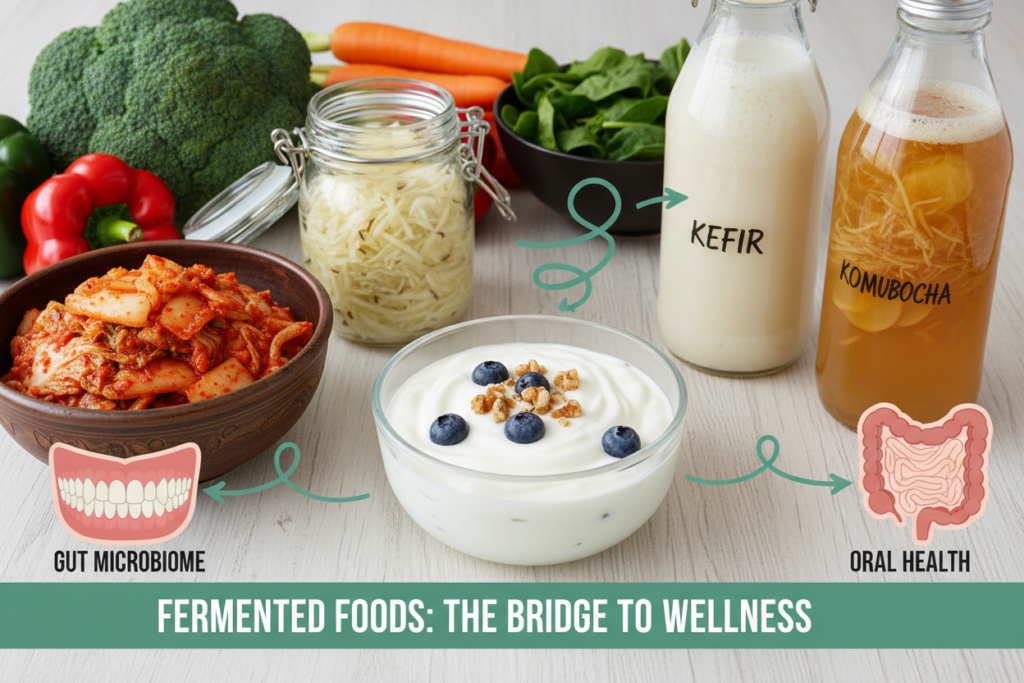
Your oral microbiome connects directly to your gut microbiome. The bacteria in your mouth influence digestive health, and digestive health affects oral bacteria. Understanding this connection reveals additional prevention strategies.
How Gut Health Affects Your Mouth
The health of your digestive system influences your entire body, including your mouth. Poor gut health often manifests as inflammation that extends to oral tissues. Digestive problems can alter your mouth’s bacterial composition.
Many nutrients critical for dental health require proper digestion and absorption. Even with an excellent diet, poor gut health prevents your body from utilizing these nutrients. Healing your digestive system supports stronger teeth and healthier gums.
Probiotics for Oral Health
Beneficial bacteria, or probiotics, play important roles in both gut and oral health. Certain probiotic strains specifically benefit oral health by competing with harmful bacteria. These good bacteria produce substances that inhibit cavity-causing species.
Research shows specific strains reduce plaque formation and gingivitis. Lactobacillus reuteri demonstrates particular promise for oral health. This strain reduces inflammation and inhibits harmful bacteria without disrupting healthy species.
Fermented foods naturally contain beneficial bacteria. Yogurt, kefir, sauerkraut, and kimchi provide live cultures. Regular consumption of these foods supports both digestive and oral health. Probiotic supplements offer concentrated doses of specific beneficial strains.
Prebiotic Fiber for Bacterial Balance
Prebiotics are types of fiber that feed beneficial bacteria. Your good bacteria ferment these fibers, producing compounds that support health throughout your body. A diet rich in prebiotic fiber promotes a healthy bacterial balance in both gut and mouth.
Vegetables, fruits, and whole grains provide prebiotic fiber. Onions, garlic, asparagus, and bananas contain particularly high amounts. These foods help beneficial bacteria thrive while limiting harmful species.
Understanding Fluoride: Natural Alternatives
Fluoride remains controversial in natural health circles. While conventional dentistry relies heavily on fluoride, natural approaches offer alternative methods for strengthening enamel. Understanding both perspectives helps you make informed decisions.
How Fluoride Works
Fluoride strengthens enamel by forming fluorapatite, a mineral more resistant to acid than natural hydroxyapatite. When present during remineralization, fluoride incorporates into the crystal structure. This makes teeth more resistant to future acid attacks.
Topical fluoride from toothpaste and rinses provides more benefit than ingested fluoride. The mineral works primarily through direct contact with teeth. Most cavity protection comes from this topical exposure rather than systemic effects.
Concerns About Fluoride
Critics raise several concerns about fluoride use. High doses of fluoride can cause dental fluorosis, a cosmetic condition that affects enamel appearance. Some question whether ingesting fluoride through water provides sufficient benefits to justify potential risks.
The debate continues regarding optimal fluoride levels. Many people prefer to avoid fluoride entirely and rely on natural alternatives. This choice requires careful attention to other preventive measures.
Natural Remineralization Alternatives
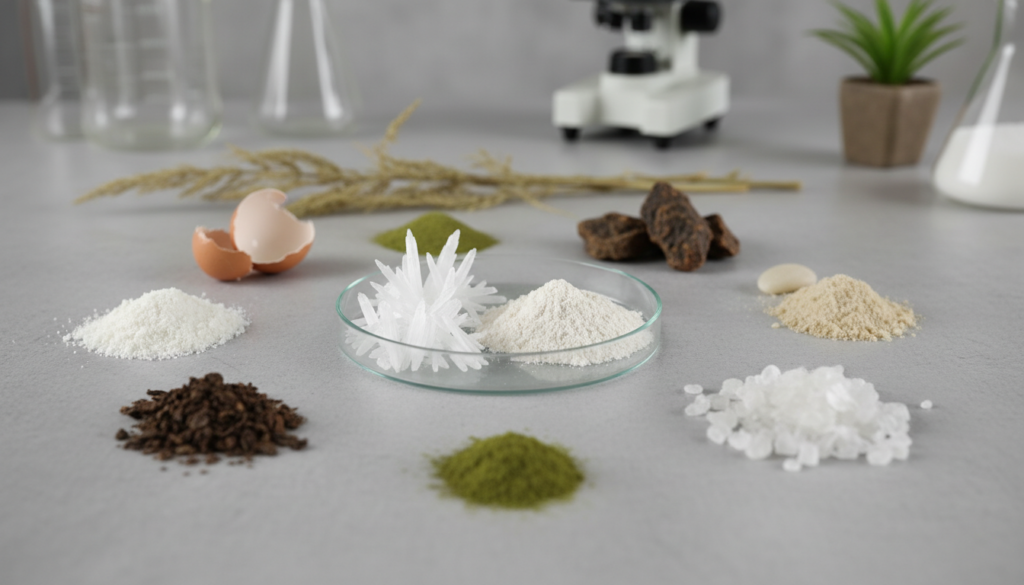
Hydroxyapatite offers a natural alternative to fluoride. This mineral already forms the primary component of tooth enamel. Toothpastes containing nano-hydroxyapatite help remineralize teeth without fluoride. Research shows hydroxyapatite effectively reduces sensitivity and strengthens enamel.
Calcium and phosphate ions naturally promote remineralization. Several products provide these minerals in forms that teeth readily absorb. Casein phosphopeptide-amorphous calcium phosphate, or CPP-ACP, delivers concentrated minerals to tooth surfaces.
Xylitol supports remineralization indirectly by reducing harmful bacteria and raising mouth pH. Combined with adequate calcium intake and proper oral hygiene, these natural approaches can effectively prevent decay.
| Method | Primary Benefit | Application | Evidence Level |
| Hydroxyapatite | Direct enamel remineralization | Toothpaste twice daily | Strong research support |
| Xylitol | Reduces harmful bacteria | Gum or mints after meals | Extensive studies |
| CPP-ACP | Provides calcium and phosphate | Specialized products as directed | Clinical evidence |
| Oil Pulling | Reduces plaque bacteria | Daily 15-20 minute swishing | Traditional use, emerging research |
| Green Tea | Antimicrobial catechins | Drink or rinse regularly | Multiple studies |
| Probiotics | Healthy bacterial balance | Foods or supplements daily | Growing research base |
Natural Cavity Prevention for Children
Children face unique cavity challenges. Their developing teeth require special attention. Natural prevention strategies adapted for children establish lifelong healthy habits.

Starting Oral Care Early
Oral care should begin before teeth appear. Wiping your baby’s gums with a soft cloth removes bacteria and establishes a routine. When teeth emerge, begin brushing gently twice daily.
Use a tiny smear of toothpaste for children under three. Children aged three to six need only a pea-sized amount. Supervise brushing until children develop the coordination to brush effectively alone, usually around age seven or eight.
Avoid putting babies to bed with bottles containing milk, formula, or juice. These sugary liquids pool around teeth during sleep, dramatically increasing decay risk. This practice causes “baby bottle tooth decay,” a severe form of early childhood cavities.
Diet Considerations for Children
Children’s diets significantly impact their cavity risk. Frequent snacking keeps their mouths in an acidic state constantly. Limiting snacks to scheduled times helps teeth recover between eating occasions.
Avoid giving children juice frequently. Even 100 percent fruit juice contains high sugar and acid levels. Whole fruits provide nutrition with fiber that slows sugar absorption. When children do drink juice, serve it with meals rather than throughout the day.
Encourage water as the primary beverage. Water rinses away food particles and dilutes acids without providing sugar to bacteria. Making water readily available helps children develop this healthy habit naturally.
Making Dental Care Fun
Children develop better habits when dental care feels enjoyable. Use colorful toothbrushes featuring their favorite characters. Play a two-minute song during brushing time. Create a sticker chart to reward consistent brushing.
Let children help choose their toothpaste flavor. Natural options come in child-friendly flavors like strawberry and watermelon. Allowing choice gives children a sense of control and increases cooperation.
Read books about dental health together. Many children’s books make tooth care exciting and understandable. These stories help children understand why dental care matters.
Effective Strategies for Kids
- Establish routines early in infancy
- Make brushing a fun family activity
- Limit sugary treats to mealtimes only
- Offer healthy snacks like cheese and vegetables
- Use positive reinforcement and rewards
- Schedule regular dental checkups from age one
- Model good oral hygiene habits yourself
Common Mistakes to Avoid
- Skipping dental care for baby teeth
- Allowing constant snacking throughout day
- Using poor technique or insufficient time brushing
- Giving juice or milk in bottles at bedtime
- Making dental care feel like punishment
- Delaying first dental visit until problems appear
- Neglecting to supervise brushing adequately
Integrating Natural Methods with Professional Dental Care
Natural prevention methods work best when combined with regular professional dental care. Dentists provide essential services that home care cannot replace. The key lies in finding the right balance.

The Role of Regular Checkups
Professional cleanings remove hardened plaque that brushing cannot eliminate. Once plaque calcifies into tartar, only professional instruments can remove it. These deposits harbor bacteria and increase cavity risk significantly.
Dentists detect problems in their earliest stages when treatment remains minimally invasive. Small cavities can often be remineralized or treated conservatively. Waiting until pain develops usually means more extensive damage requiring aggressive treatment.
Most adults benefit from checkups every six months. Some people with higher cavity risk need more frequent visits. Children should begin regular dental visits by their first birthday or when their first tooth appears.
Communicating Your Natural Approach
Inform your dentist about your natural prevention strategies. Many dentists support patients who take active roles in their oral health. A good dentist will work with you to create a comprehensive plan.
Some dentists specialize in holistic or biological dentistry. These practitioners emphasize natural approaches and biocompatible materials. They may offer additional natural treatment options alongside conventional care.
Ask questions about recommended treatments. Request the least invasive options when multiple treatments could address a problem. Good dentists appreciate informed patients who participate actively in treatment decisions.
When Professional Treatment Becomes Necessary
Natural methods excel at prevention but have limits. Once a cavity penetrates through enamel, professional treatment becomes necessary. Attempting to reverse advanced decay at home can lead to serious complications.
Modern dentistry offers minimally invasive treatments for small cavities. Air abrasion and laser therapy remove less healthy tooth structure than traditional drilling. These techniques preserve maximum tooth material while eliminating decay.
View professional treatment and natural prevention as complementary rather than competing approaches. Professional care addresses existing problems while natural methods prevent future issues. Together, they provide comprehensive oral health protection.
Creating Your Natural Cavity Prevention Routine
Success requires consistent daily habits. A comprehensive routine addresses all aspects of cavity prevention. The following framework integrates the strategies discussed into practical daily actions.

Morning Routine
Begin each morning with oil pulling if you have time. Swish coconut oil for 15 to 20 minutes while showering or preparing breakfast. Spit into trash and rinse with warm water.
Brush your teeth for two full minutes using proper technique. Use natural toothpaste or tooth powder containing hydroxyapatite or other remineralizing ingredients. Angle bristles toward gums and use gentle circular motions.
Clean your tongue with a tongue scraper or your toothbrush. Bacteria accumulate on the tongue overnight. Removing this coating reduces overall bacterial load in your mouth.
Eat a nutrient-dense breakfast that includes protein, healthy fats, and vegetables. Avoid sugary cereals and juice. If you drink coffee, add it to breakfast rather than sipping throughout the morning.
Throughout the Day
Drink water consistently throughout the day. Carry a water bottle to ensure adequate hydration. Take sips regularly rather than drinking large amounts at once.
Limit eating occasions to three main meals plus one or two planned snacks. Avoid constant grazing that keeps your mouth in an acidic state. When you do snack, choose tooth-friendly options like cheese, nuts, or vegetables.
Rinse your mouth with water after eating or drinking anything besides water. This simple habit washes away food particles and dilutes acids. Chew xylitol gum for five minutes after meals if you cannot brush.
Take your vitamin D supplement with a meal containing healthy fats. Fat improves vitamin D absorption significantly. If taking calcium supplements, split doses throughout the day for better absorption.
Evening Routine
Floss thoroughly before brushing at night. This sequence allows fluoride or remineralizing agents from toothpaste to reach areas between teeth. Take time to clean each gap properly.
Brush teeth again for two full minutes. Evening brushing is particularly important because saliva production decreases during sleep. Removing plaque before bed prevents overnight bacterial growth.
Consider using a natural mouth rinse. Swish with diluted tea tree oil or herbal tea. This additional step further reduces bacteria before sleep.
Avoid eating or drinking anything except water after brushing. Late-night snacks expose teeth to acids during sleep when saliva protection is minimal.
Weekly Enhancement Practices
- Oil pull for 20 minutes three to five times weekly
- Use remineralizing tooth powder twice weekly
- Apply diluted essential oil treatment once weekly
- Review and restock natural oral care supplies
- Prepare healthy snacks for the coming week
- Check vitamin and supplement levels

Monitoring Your Progress
Track your habits to ensure consistency. Use a simple calendar or app to check off daily tasks. Visual progress tracking increases motivation and reveals patterns.
Pay attention to changes in your oral health. Notice whether your teeth feel cleaner, whether sensitivity decreases, or whether gums appear healthier. These improvements confirm your routine is working.
Schedule regular dental checkups to monitor cavity development professionally. Your dentist can identify early changes before they become visible or symptomatic. Professional monitoring ensures problems get caught early.
Advanced Natural Strategies for Optimal Results
Once you have mastered basic prevention, additional strategies can further enhance results. These advanced techniques address specific issues and optimize your natural cavity prevention approach.

Customizing Your Mineral Intake
Individual mineral needs vary based on diet, genetics, and health status. Some people absorb nutrients efficiently while others require higher intakes. Testing can reveal your specific deficiencies.
A comprehensive mineral panel measures calcium, magnesium, phosphorus, and other minerals in your blood. This testing identifies deficiencies that may compromise tooth health. Your dentist or doctor can order these tests.
Vitamin D testing is particularly valuable. Many people have insufficient levels despite supplementation. Testing allows you to adjust your dose for optimal blood levels. Most experts recommend maintaining vitamin D levels between 40 and 60 nanograms per milliliter.
Targeted Probiotic Therapy
Specific probiotic strains offer targeted benefits for oral health. Lactobacillus reuteri Prodentis has been extensively studied for cavity prevention. This strain colonizes the mouth and produces antimicrobial substances.
Oral probiotic lozenges deliver bacteria directly where they are needed. Chew these tablets slowly, allowing the probiotics to coat your mouth. Use them after brushing at night for maximum colonization.
Some people benefit from rotating different probiotic strains. This approach prevents any single strain from dominating completely. Diversity in your oral microbiome provides broader protection against various pathogens.
pH Testing and Monitoring
Testing your mouth’s pH helps you understand your cavity risk. Simple pH test strips show whether your mouth tends toward acidity. Testing at various times reveals how different foods and drinks affect your pH.
Test your pH first thing in the morning before eating or drinking. This baseline measurement shows your resting pH. Test again 20 minutes after meals to see how foods affect acidity.
If tests consistently show low pH, focus on alkalizing strategies. Increase alkaline foods, drink more water, and use baking soda rinses. Improving pH balance reduces your cavity risk significantly.
Remineralizing Treatments
Concentrated remineralizing treatments can repair early decay. Apply these products after brushing when teeth are clean. The high mineral concentration promotes enamel repair.
Homemade remineralizing paste combines calcium carbonate, baking soda, xylitol, and coconut oil. Apply this paste to teeth for five minutes before rinsing. Use this treatment two to three times weekly.
Commercial products containing CPP-ACP provide professional-grade remineralization at home. These prescription-strength treatments offer concentrated calcium and phosphate. Dentists often recommend them for patients with high cavity risk.
Transform Your Oral Health with the Complete Natural System
You now understand the science and individual strategies for preventing cavities naturally. The next step is implementing everything systematically. Access the comprehensive program that shows you exactly how to combine these methods into a powerful daily routine that delivers lasting results. Join thousands who have successfully prevented cavities using this proven natural approach.
Troubleshooting Common Challenges
Even with diligent effort, you may encounter obstacles. Understanding common challenges and their solutions helps you stay on track with your natural prevention routine.

Dealing with Persistent Sensitivity
Tooth sensitivity can persist despite natural care efforts. This discomfort often indicates enamel erosion or exposed dentin. Several natural approaches can help reduce sensitivity while promoting enamel repair.
Increase your use of remineralizing toothpaste containing hydroxyapatite. This mineral helps seal exposed tubules in dentin that cause sensitivity. Apply extra paste to sensitive areas and leave it on for several minutes.
Avoid acidic foods and drinks until sensitivity improves. Even healthy acidic foods can aggravate sensitivity. When you do consume acidic items, rinse with water immediately afterward.
Consider whether you are brushing too hard. Aggressive brushing wears away enamel and causes gum recession that exposes sensitive root surfaces. Use a soft brush with gentle pressure.
When Natural Methods Seem Ineffective
If you follow natural prevention strategies but continue developing cavities, several factors may be interfering. Evaluate your approach systematically to identify the problem.
Hidden sugar consumption represents a common culprit. Review your diet carefully for unexpected sugar sources. Condiments, sauces, and processed foods often contain significant added sugars.
Inadequate brushing time or poor technique may leave plaque undisturbed. Have your dentist evaluate your brushing effectiveness. They can identify areas you consistently miss.
Some people produce less protective saliva naturally. If dry mouth persists despite hydration efforts, consult your doctor. Medical conditions and medications may require additional management.
Genetics influence cavity susceptibility significantly. Some people have naturally softer enamel or higher counts of cavity-causing bacteria. These individuals may need more intensive natural prevention or professional treatments.
Maintaining Motivation Long-Term
Initial enthusiasm often fades over time. Maintaining natural prevention habits requires ongoing motivation and commitment. Several strategies help sustain long-term adherence.
Set specific, measurable goals related to oral health. For example, aim to go 12 months without new cavities or reduce gum bleeding completely. Concrete goals provide clear targets to work toward.
Track your progress visually. Use a habit tracker app or calendar to mark successful days. Seeing your streak builds momentum and makes breaking the pattern harder.
Find an accountability partner interested in natural health. Share your goals and check in regularly. Supporting each other makes the journey less isolating.
Celebrate milestones along the way. When you reach six months of consistent habits or receive a positive dental report, acknowledge your achievement. Small rewards reinforce positive behaviors.
Why do I still get cavities despite brushing regularly?
Regular brushing alone may not prevent cavities if other risk factors are present. Diet plays an equally important role, particularly frequent sugar consumption or acidic beverages between meals. Brushing technique matters as much as frequency. You may be missing certain areas or brushing too lightly to remove plaque effectively. Additionally, some people produce less protective saliva or have genetic factors that increase cavity susceptibility. A comprehensive approach addressing diet, technique, saliva production, and mineral intake typically produces better results than brushing alone.
How long does it take to see results from natural cavity prevention methods?
Some improvements appear quickly while others require months. Reduced plaque and fresher breath often occur within days of improving oral hygiene. Decreased sensitivity may take two to four weeks as remineralization begins. Preventing new cavities requires consistent effort over at least six months before you can assess effectiveness at your next dental checkup. Reversing very early stage decay through remineralization may take three to six months of diligent natural care. Patience and consistency are essential, as tooth remineralization happens slowly compared to the rapid demineralization that creates cavities.
Can natural methods reverse existing cavities?
Natural methods can reverse only the very earliest stage of decay before a true cavity forms. When demineralization creates white spots on enamel but has not yet penetrated into dentin, aggressive remineralization may repair the damage. This requires removing all sugar from your diet, using remineralizing products, optimizing mineral intake, and maintaining perfect oral hygiene. Once decay penetrates through enamel into dentin, professional treatment becomes necessary. At this stage, the damage is too extensive for natural remineralization alone. However, natural methods remain valuable for preventing the cavity from growing larger and preventing new cavities from forming.
Are natural alternatives as effective as fluoride toothpaste?
Research shows that hydroxyapatite toothpaste performs comparably to fluoride for cavity prevention and remineralization. Multiple studies demonstrate similar effectiveness in strengthening enamel and reducing decay. Xylitol provides complementary benefits by reducing harmful bacteria rather than directly strengthening enamel. The combination of hydroxyapatite toothpaste, xylitol products, proper technique, and dietary changes can match or exceed the protection fluoride provides. However, natural methods require more comprehensive lifestyle changes rather than relying on toothpaste alone. The key is implementing multiple strategies consistently rather than depending on any single product.
How much does diet really affect cavity formation?
Diet represents one of the most powerful factors influencing cavity development. The frequency and type of carbohydrates you consume directly determine how much acid bacteria produce. Studies of isolated populations show that introducing refined sugars and processed foods causes dramatic increases in cavities. Conversely, traditional diets rich in whole foods, healthy fats, and minerals correlate with very low cavity rates. Your eating pattern matters as much as food choices. Frequent snacking maintains an acidic environment constantly, while limiting eating to meals allows remineralization between exposures. Most experts estimate that diet modifications could prevent 70 to 80 percent of cavities when combined with basic oral hygiene.
Should I avoid all sugars to prevent cavities?
Eliminating added sugars provides the most protection, but natural sugars from whole foods pose less risk. Fruit contains sugar but also provides fiber that slows absorption and minerals that support teeth. The key is avoiding frequent exposure to refined sugars and limiting natural sugars to mealtimes. Your mouth can handle occasional sugar exposure if you maintain proper oral hygiene and support remineralization between exposures. The timing and frequency matter more than occasional treats. Eating a dessert with dinner causes less damage than sipping a sugary beverage throughout the day. For maximum cavity prevention, reserve all sweets for special occasions and rinse thoroughly with water afterward.
Taking Control of Your Dental Health Naturally
Preventing cavities naturally requires understanding the underlying causes of tooth decay. Your teeth can remain strong and healthy throughout life when you support them properly. The methods outlined in this guide address all aspects of cavity formation.

Your diet forms the foundation of oral health. Nutrient-dense whole foods provide the minerals your teeth need for strength. Limiting sugar and acids reduces the destructive forces that cause decay. This nutritional approach works with your body’s natural repair mechanisms.
Consistent oral hygiene removes the bacteria that produce harmful acids. Natural products can clean effectively while supporting healthy bacterial balance. The key is proper technique and daily consistency rather than expensive products.
Supporting your overall health indirectly protects your teeth. Adequate sleep, stress management, and good digestion all contribute to oral health. Your mouth reflects your total body health in many ways.
Regular professional care remains important even with excellent home prevention. Dentists detect problems early and provide treatments that home care cannot replace. View professional and natural approaches as complementary strategies.
The comprehensive approach outlined here has helped thousands of people maintain cavity-free teeth naturally. Success requires patience and consistency. Changes happen gradually as your body remineralizes and strengthens teeth over time.
Begin implementing these strategies today. Start with the basic routine and add advanced techniques as you build consistency. Each positive change compounds over time, creating increasingly powerful protection against decay.
Your commitment to natural cavity prevention represents an investment in lifelong oral health. The habits you develop now will serve you for decades to come. Take action today to protect your smile naturally.