
How to Fix Bad Breath Permanently: Proven Solutions That Actually Work
Bad breath can destroy your confidence. You might avoid close conversations. Maybe you constantly chew gum or use mints. Perhaps you brush your teeth multiple times daily. Yet the problem persists.
This Website contains affiliate links. That means I may earn a small commission if you purchase through my links, at no extra cost to you.
The truth is most people address symptoms rather than root causes. This article reveals how to fix bad breath permanently by targeting what actually creates chronic halitosis. You’ll discover why standard approaches often fail and what genuinely works for lasting results.
Fresh breath isn’t about masking odors. It’s about eliminating the source. Let’s explore proven solutions that create permanent change.
Understanding Chronic Bad Breath and What Causes It
Halitosis affects nearly one in four people globally. The condition creates more than social discomfort. It signals underlying oral health issues that demand attention.
Bacteria in your mouth produce volatile sulfur compounds. These microscopic organisms thrive on food particles and dead cells. They create the unpleasant odors you notice.
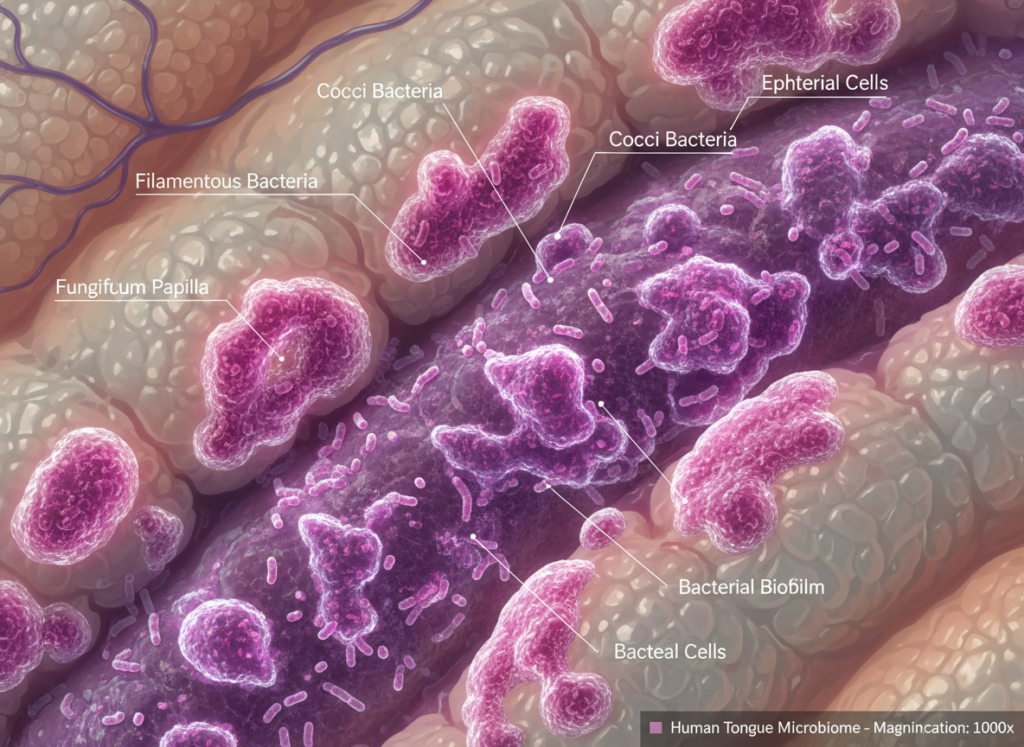
Most bad breath originates in your mouth. The tongue harbors about sixty percent of odor-causing bacteria. Your gums, teeth, and throat house the rest.
Primary Causes of Persistent Halitosis
Poor oral hygiene tops the list of causes. When you skip brushing or flossing, bacteria multiply rapidly. Food debris becomes their feast.
Gum disease represents another major factor. This condition creates pockets between teeth and gums where bacteria thrive. The infection produces distinctive foul odors.
Oral Health Factors
These issues directly affect breath quality through bacterial growth and tissue damage.
- Tooth decay and cavities that trap bacteria
- Gum disease and periodontal infections
- Poor oral hygiene habits and infrequent cleaning
- Tongue coating with dead cells and bacteria
Lifestyle Contributors
Daily habits that significantly impact saliva production and bacterial balance in your mouth.
- Smoking and tobacco use reducing saliva flow
- Dry mouth from medications or breathing patterns
- Certain foods like garlic, onions, and spices
- Low-carb diets producing ketone breath
Medical Conditions
Underlying health issues that manifest through chronic bad breath symptoms.
- Respiratory infections and sinus problems
- Diabetes affecting metabolism and breath
- Acid reflux disease from stomach acids
- Liver or kidney disease creating distinct odors
Environmental Factors
External elements and situations that temporarily or persistently affect breath freshness.
- Dehydration reducing saliva production
- Mouth breathing during sleep
- Stress affecting digestive processes
- Alcohol consumption drying oral tissues
Dry mouth deserves special attention. Saliva naturally cleanses your mouth and neutralizes acids. Without adequate saliva production, bacteria flourish unchecked. Many medications reduce saliva flow as a side effect.
Chronic bad breath that persists despite good oral hygiene may indicate underlying health conditions requiring professional evaluation. See a dentist or doctor if the issue continues beyond two weeks.
Why Temporary Solutions Don’t Fix Bad Breath Permanently
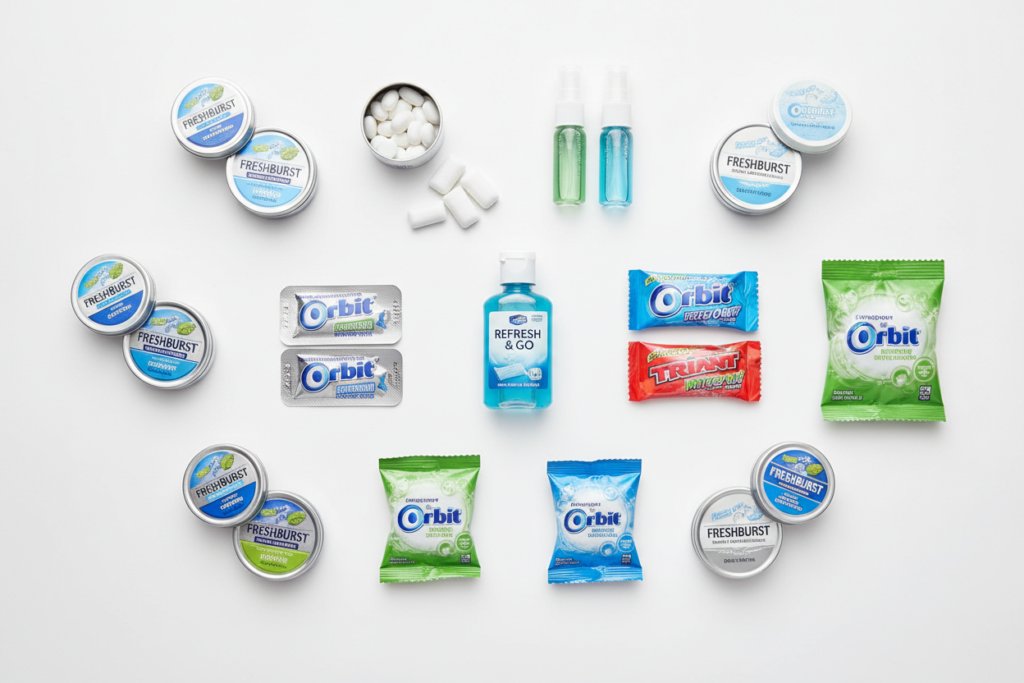
Mints and gum mask odors temporarily. They don’t eliminate bacteria or address root causes. You might feel fresh for thirty minutes. Then the problem returns.
Standard mouthwash kills some bacteria. However, many commercial products contain alcohol. This ingredient dries your mouth, which actually encourages bacterial growth after the initial freshness fades.
The Limitations of Common Approaches
Brushing twice daily helps significantly. Yet it’s not enough if you neglect your tongue. The bacteria residing on your tongue continue producing sulfur compounds between brushing sessions.
Many people brush their teeth but skip flossing. This leaves food particles and bacteria between teeth where your toothbrush cannot reach. These hidden areas become breeding grounds for odor-causing microorganisms.
Over-the-counter products provide temporary relief. They work on surface-level symptoms. The underlying bacterial imbalance remains unchanged. True permanent results require a comprehensive approach that addresses all contributing factors simultaneously.
Research shows that seventy-five percent of people with chronic bad breath have gum disease as a contributing factor. Addressing this condition becomes essential for permanent relief.
Essential Oral Hygiene Practices for Permanent Fresh Breath
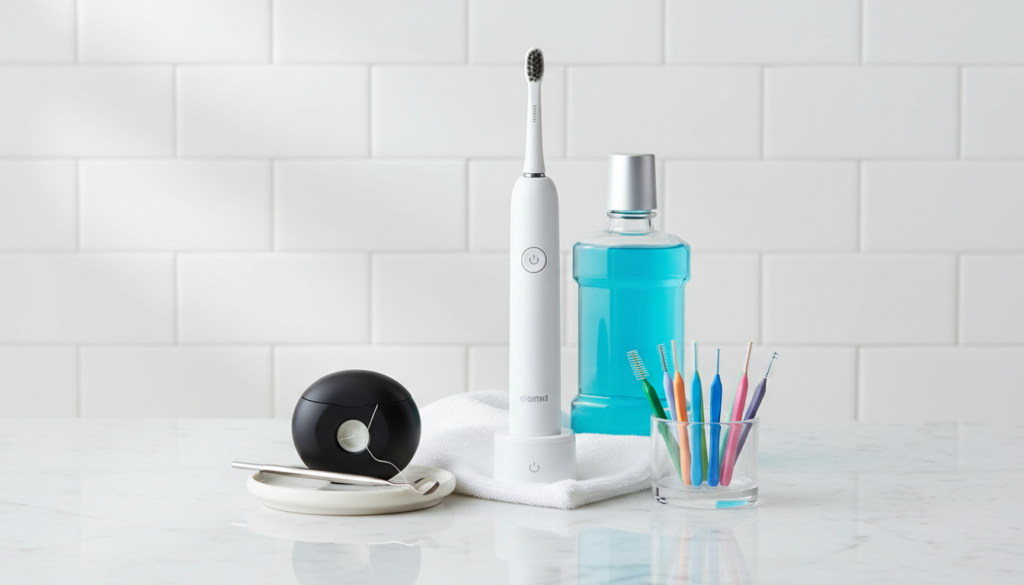
A proper oral hygiene routine forms the foundation for eliminating bad breath. This goes beyond basic brushing. You need a systematic approach that removes bacteria from all mouth surfaces.
The Complete Daily Care Routine
Start with proper brushing technique. Use a soft-bristled brush and fluoride toothpaste. Brush for two full minutes, covering all tooth surfaces. Pay special attention to the gum line where bacteria accumulate.
Tongue cleaning proves critical. Use a tongue scraper or your toothbrush to clean from back to front. This removes the bacterial coating that causes most bad breath. Do this every time you brush.
Flossing removes what brushing misses. Food particles trapped between teeth decay and create odors. Bacteria in these tight spaces contribute significantly to halitosis. Make flossing a non-negotiable part of your care routine.
Saliva production matters tremendously. Drink water throughout the day. Chew sugar-free gum to stimulate saliva flow. Saliva naturally washes away food particles and neutralizes acids that bacteria produce.
Advanced Cleaning Techniques
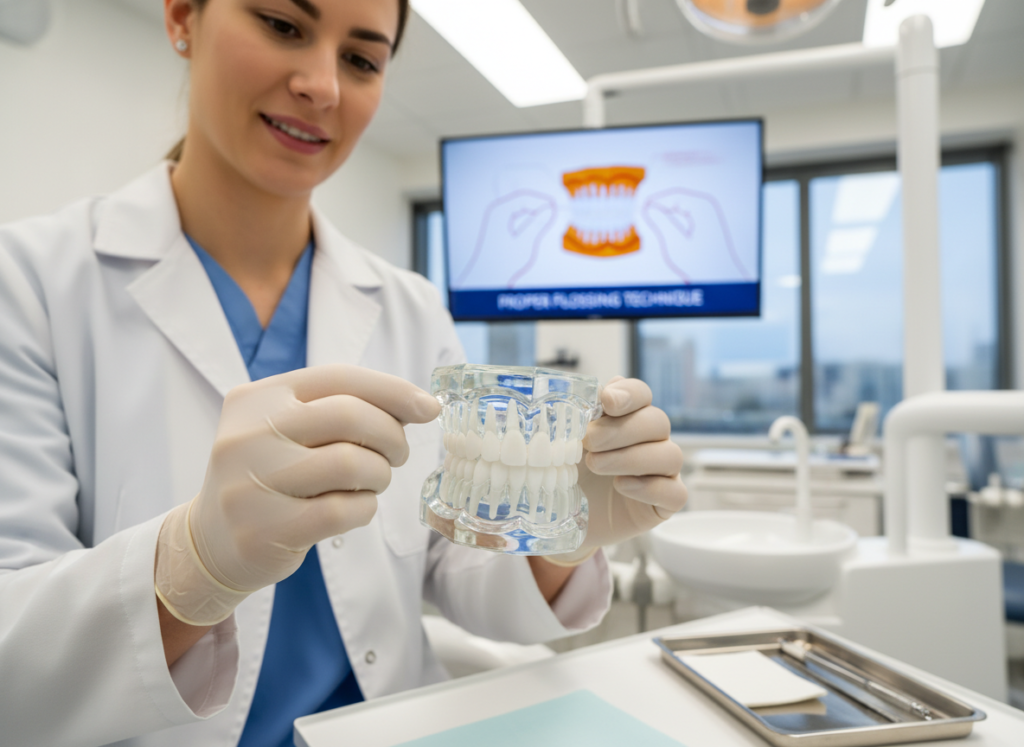
Consider using an electric toothbrush. Studies show these devices remove more plaque than manual brushing. The consistent motion reaches areas you might miss with manual brushing.
Interdental brushes work well for larger gaps between teeth. These small brushes clean where regular floss struggles to reach. They prove especially useful if you have dental work or orthodontics.
Water flossers offer another effective option. These devices use pressurized water to remove debris. They work well for people who find traditional flossing difficult or uncomfortable.
Addressing Gum Disease to Eliminate Chronic Halitosis
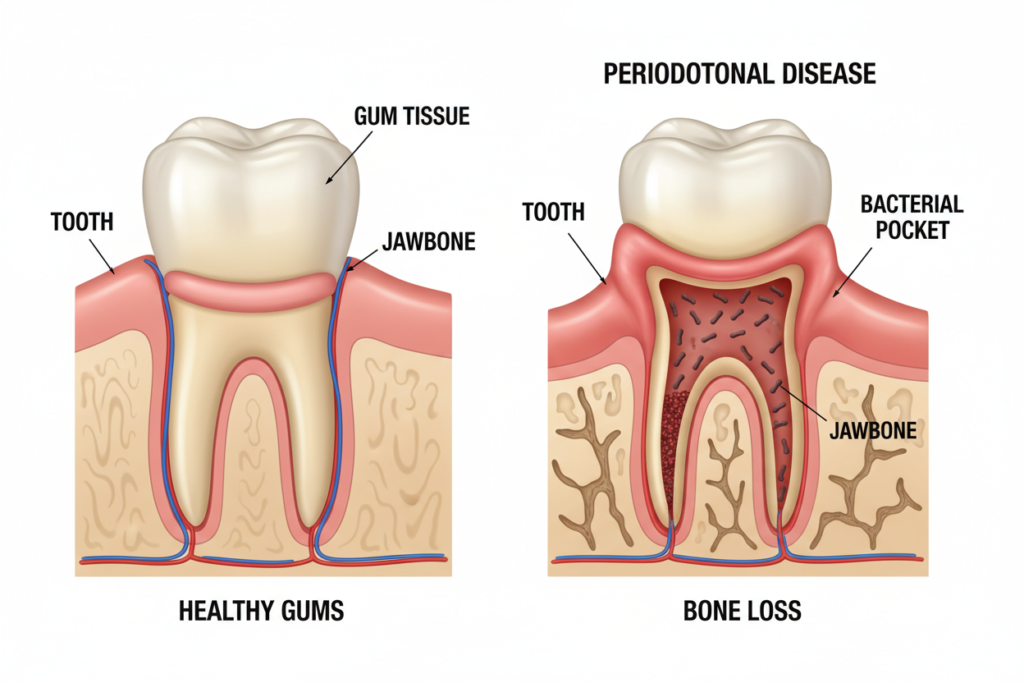
Gum disease creates persistent bad breath that regular brushing cannot fix. The condition develops when bacteria infect the tissues supporting your teeth. Without treatment, it worsens over time.
Early gum disease, called gingivitis, makes gums red and swollen. They might bleed when you brush. At this stage, improved oral hygiene can reverse the condition completely.
Recognizing and Treating Periodontal Issues
Advanced gum disease, or periodontitis, damages bone and tissue. Deep pockets form between teeth and gums. Bacteria thrive in these pockets, producing severe odors. Professional treatment becomes necessary at this stage.
Your dentist can perform deep cleaning procedures. Scaling removes tartar from below the gum line. Root planing smooths tooth roots so gums can reattach. These treatments eliminate bacterial hiding places.
Untreated gum disease can lead to tooth loss and may increase risks for heart disease and diabetes complications. See your dentist promptly if you notice persistent gum bleeding, swelling, or recession.
Some cases require antibiotic treatment. Your dentist might prescribe antimicrobial mouth rinses or oral antibiotics. These medications help control bacterial infections that cause both gum disease and bad breath.
Regular dental cleanings prevent gum disease from developing. Most people need professional cleaning every six months. Those with gum disease history may need more frequent visits to maintain oral health and prevent recurrence.
Ready to Eliminate Bad Breath for Good?
Discover the comprehensive system that addresses all causes of chronic halitosis. Get access to proven methods that create permanent results, not temporary fixes.
Dietary Factors That Affect Your Breath

What you eat directly impacts breath quality. Certain foods create odors that persist for hours or days. Others actually help fight bad breath naturally.
Garlic and onions top the list of problem foods. These vegetables contain sulfur compounds that enter your bloodstream. Your lungs expel these compounds when you breathe, creating characteristic odors that brushing cannot eliminate.
Foods That Cause Bad Breath
Strong-smelling foods leave lasting effects. Coffee creates dry mouth and has a distinctive odor. Alcohol also dries oral tissues while adding its own scent.
High-protein, low-carb diets can cause bad breath. When your body burns fat for fuel, it produces ketones. These chemicals create a fruity or acetone-like breath odor that many find unpleasant.
Sugary foods feed bacteria in your mouth. These microorganisms metabolize sugar and produce acids and odors. Frequent snacking on sweets creates continuous bacterial activity between brushing sessions.
Foods That Promote Fresh Breath
Crunchy fruits and vegetables act as natural cleansers. Apples, carrots, and celery scrub your teeth and stimulate saliva production. They help remove food particles and bacteria mechanically.
Yogurt with active cultures reduces hydrogen sulfide in your mouth. This compound contributes significantly to bad breath. Regular yogurt consumption may lower bacteria levels that cause halitosis.
Foods to Avoid
- Garlic and onions with persistent sulfur compounds
- Coffee that dries mouth tissues
- Alcohol reducing saliva flow
- Sugary snacks feeding oral bacteria
- Acidic foods damaging tooth enamel
Foods That Help
- Crunchy vegetables cleaning teeth naturally
- Plain yogurt reducing sulfur compounds
- Fresh herbs like parsley neutralizing odors
- Green tea containing antibacterial compounds
- Water maintaining saliva production
Green tea contains polyphenols with antibacterial properties. These compounds help control bacteria that produce bad breath. Drinking green tea regularly may reduce oral bacteria populations significantly.
Fresh herbs like parsley and mint contain chlorophyll. This compound helps neutralize odors naturally. Chewing fresh herbs after meals provides temporary freshness while supporting overall oral health through natural antimicrobial properties.
Medical Conditions That Contribute to Chronic Halitosis
Sometimes bad breath signals health issues beyond your mouth. Various medical conditions produce distinctive breath odors. Recognizing these connections helps you address underlying problems.

Respiratory and Sinus Conditions
Sinus infections create postnasal drip. Mucus from infected sinuses drips down your throat. Bacteria feed on this mucus, producing foul odors. Chronic sinusitis can cause persistent bad breath that oral care alone cannot fix.
Tonsil stones develop in the crevices of your tonsils. These small, calcified formations contain bacteria, dead cells, and food debris. They create extremely unpleasant odors. Many people don’t realize they have tonsil stones until they cause persistent halitosis.
Lung infections and bronchitis affect breath quality. These respiratory conditions allow bacteria to thrive in airways. The resulting odors emerge when you exhale or speak.
Digestive System Issues
Acid reflux, or GERD, allows stomach contents to flow backward. Stomach acids and partially digested food reach your throat and mouth. This creates sour breath that intensifies after meals or when lying down.
H. pylori bacterial infections in the stomach cause bad breath. This bacterium contributes to ulcers and gastritis. It produces waste products that affect breath odor. Treatment requires antibiotics prescribed by a doctor.
Diabetes can cause breath that smells fruity or sweet due to ketones in the bloodstream. If you notice this distinctive odor along with other diabetes symptoms, see a healthcare provider immediately for evaluation.
Systemic Health Conditions
Kidney disease creates breath that smells like urine or fish. When kidneys fail to filter waste properly, these compounds accumulate in blood. They’re expelled through your lungs, affecting breath odor distinctively.
Liver disease produces sweet, musty breath. The failing liver cannot process toxins effectively. These substances build up and create characteristic odors that emerge in breath.
Diabetes affects breath in multiple ways. High blood sugar provides fuel for bacteria. Ketoacidosis produces fruity-smelling breath. Diabetics also experience dry mouth more frequently, which worsens halitosis through reduced saliva production.
Lifestyle Changes for Maintaining Fresh Breath Long-Term

Permanent fresh breath requires sustainable lifestyle modifications. Small daily changes create significant long-term improvements. These habits support oral health while eliminating bad breath causes.
Quit Smoking and Tobacco Use
Smoking creates multiple breath problems. Tobacco smoke leaves particles in your mouth and lungs. These particles produce lingering odors that persist for hours.
Tobacco reduces saliva production. Dry mouth allows bacteria to multiply unchecked. Smokers face higher risks for gum disease, which further worsens bad breath significantly.
Quitting tobacco improves breath quality within weeks. Your mouth produces more saliva. Gum tissue begins healing. The persistent tobacco odor gradually disappears as your body clears accumulated toxins.
Stay Properly Hydrated
Water consumption directly affects breath quality. Adequate hydration maintains saliva production. Saliva naturally cleanses your mouth and controls bacterial populations.
Aim for eight glasses of water daily. Drink more during exercise or hot weather. Sip water throughout the day rather than consuming large amounts at once for consistent saliva flow.
Morning breath occurs because saliva production decreases during sleep. Breathing through your mouth while sleeping worsens this effect. Using a humidifier and staying hydrated before bed can help reduce morning halitosis.
Manage Stress Effectively
Stress affects your digestive system and oral health. Anxious people often experience dry mouth. Stress hormones can alter bacterial balance in your mouth and gut.
Practice stress reduction techniques. Regular exercise, meditation, and adequate sleep support overall health. These habits indirectly improve breath quality by promoting better bodily functions.
Stress also causes teeth grinding and jaw clenching. These habits can damage teeth and create areas where bacteria accumulate. Managing stress protects both oral health and breath freshness simultaneously.
Professional Treatments for Persistent Halitosis
Some bad breath cases require professional intervention. Despite excellent home care, certain conditions need expert diagnosis and treatment. Knowing when to see a dentist or doctor proves essential.
When to See a Dentist
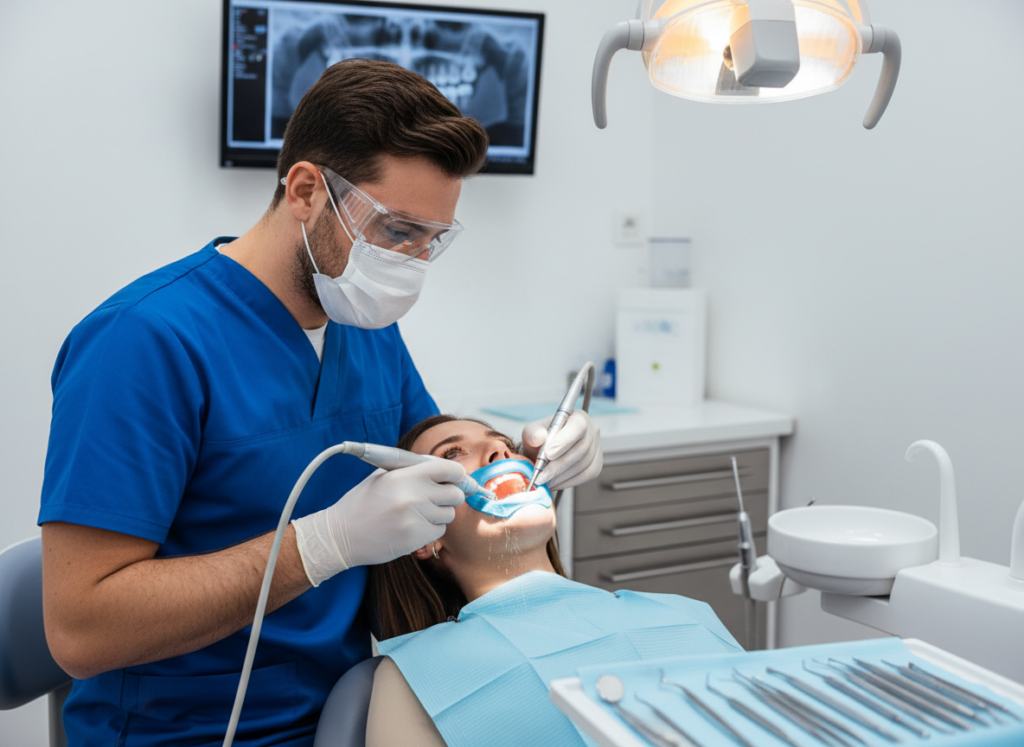
Visit your dentist if bad breath persists beyond two weeks. Professional evaluation identifies problems you cannot see or address yourself. Your dentist examines teeth, gums, and oral tissues thoroughly.
Regular dental checkups prevent many breath problems. Professional cleaning removes tartar that home brushing cannot eliminate. Your dentist also screens for gum disease, cavities, and infections early.
Advanced treatments include deep scaling and root planing for gum disease. Laser therapy can eliminate bacteria in periodontal pockets. Some dentists offer specialized halitosis clinics with comprehensive diagnostic approaches.
Medical Evaluation for Underlying Conditions
See your doctor if dental treatment doesn’t resolve halitosis. Medical conditions require different approaches than oral health issues. Your doctor can order tests to identify systemic causes.
Blood tests reveal diabetes, kidney problems, or liver disease. These conditions require medical management. Treating the underlying disease often resolves associated bad breath completely.
Gastroenterologists treat digestive issues causing halitosis. They can diagnose and treat acid reflux, H. pylori infections, and other stomach problems. Ear, nose, and throat specialists address sinus infections and tonsil stones effectively.
Transform Your Oral Health Starting Today
Stop struggling with temporary fixes that don’t work. Access the complete step-by-step system that thousands have used to eliminate bad breath permanently and regain their confidence in social situations.
Natural Remedies for Supplementing Your Oral Care

Natural remedies complement professional care and good hygiene. These approaches use ingredients with proven antibacterial properties. They provide additional support for maintaining fresh breath naturally.
Effective Natural Solutions
Baking soda neutralizes acids in your mouth. Mix half a teaspoon with water to create a mouth rinse. This solution helps balance pH levels and reduce bacterial activity naturally.
Oil pulling involves swishing coconut or sesame oil for fifteen minutes. This ancient practice reduces bacteria and improves gum health. Many people report fresher breath after regular oil pulling sessions.
Tea tree oil has strong antimicrobial properties. Add one drop to your toothpaste or dilute it in water for rinsing. This essential oil fights bacteria that cause bad breath and gum disease.
Baking Soda Rinse
Mix one-half teaspoon of baking soda in a glass of warm water. Swish for thirty seconds after brushing to neutralize mouth acids and freshen breath naturally.
Oil Pulling Method
Swish one tablespoon of coconut oil in your mouth for ten to fifteen minutes before breakfast. Spit it out and rinse with water to reduce oral bacteria significantly.
Herbal Mouth Rinse
Steep fresh mint, sage, or tea tree leaves in hot water. Cool and use as a natural antibacterial rinse twice daily for fresher breath and healthier gums.
Probiotics support healthy bacterial balance. Certain strains reduce volatile sulfur compounds in your mouth. Look for supplements containing Streptococcus salivarius K12 or similar beneficial bacteria.
Cloves contain eugenol, a natural antiseptic. Chewing whole cloves or using clove oil helps kill bacteria. This spice provides immediate freshness while fighting underlying bacterial problems.
Cinnamon has antimicrobial properties that combat bad breath. Chewing cinnamon sticks or using cinnamon tea as a rinse reduces bacteria naturally. The pleasant flavor provides an added benefit over other remedies.
The Comprehensive Solution for Permanent Results
Fixing bad breath permanently requires addressing all contributing factors simultaneously. No single approach works alone. Success comes from combining proper oral hygiene, lifestyle changes, professional care, and targeted treatments.

Understanding your specific situation matters most. Some people need more attention to gum disease. Others must address dry mouth or dietary factors. Identifying your primary causes allows you to create an effective personalized plan.
Consistency proves essential for permanent results. Daily oral care routines must become automatic habits. Regular dental visits prevent problems before they develop. Lifestyle modifications need to stick long-term.
Taking Action for Lasting Change
Start with a thorough dental examination. This establishes your baseline oral health status. Your dentist identifies existing problems requiring immediate attention before you begin preventive measures.
Implement a comprehensive daily routine. Brush twice, floss once, clean your tongue, and use appropriate mouth rinses. Stay hydrated and make dietary adjustments that support oral health consistently.
Monitor your progress over several weeks. Notice improvements in breath freshness. Pay attention to how your mouth feels. Adjust your approach based on results and continue refining your routine.
Consider professional guidance for stubborn cases. Specialized programs address chronic halitosis through systematic approaches. These comprehensive systems tackle all aspects of bad breath simultaneously for permanent relief.
Studies show that combining professional dental care with improved home hygiene eliminates bad breath in over ninety percent of cases within three months. Consistency with your oral care routine determines long-term success.
Your Journey to Permanent Fresh Breath Starts Now
Bad breath doesn’t have to control your life. You now understand the causes and solutions. Permanent results come from addressing root problems rather than masking symptoms temporarily.
The path forward requires commitment to better oral hygiene. It demands lifestyle changes that support mouth health. Professional care provides essential foundation. Natural remedies offer supplementary support.

Most importantly, you need a proven system that brings all these elements together. Random attempts often fail because they miss critical components. Comprehensive approaches succeed because they address every factor systematically.
Thousands of people have eliminated chronic bad breath permanently. They regained confidence in social situations. Their relationships improved. Their professional lives benefited from renewed self-assurance.
The same transformation awaits you. Take action today rather than continuing to struggle with temporary fixes that never solve the real problem.
Get the Complete System for Eliminating Bad Breath Permanently
Stop letting halitosis hold you back. Access the proven, step-by-step program that addresses every cause of chronic bad breath. Join thousands who’ve achieved permanent fresh breath and transformed their confidence. This comprehensive system gives you everything you need for lasting results, not just temporary relief.
Fresh breath creates opportunities. Confidence flows naturally when you know your breath is fresh. Close conversations become comfortable again. You stop worrying and start living fully.
The solution exists. The path is clear. Your permanent freedom from bad breath begins with one decision. Make that choice now and experience the transformation that comes with truly fresh breath every single day.