Natural Cure for Bad Breath and Gum Disease: Your Complete Guide to Fresh Breath
Bad breath affects millions of people every day. It creates embarrassing moments during conversations and important meetings. Many people struggle with this condition despite brushing their teeth regularly.
This Website contains affiliate links. That means I may earn a small commission if you purchase through my links, at no extra cost to you.
Gum disease often accompanies bad breath. The bacteria in your mouth produce sulfur compounds that cause unpleasant odors. These same bacteria can damage your gums and lead to serious oral health problems.
Natural remedies offer a gentle yet effective path to fresher breath. They work with your body instead of masking symptoms. You deserve to smile confidently without worrying about your breath.
Important: While natural remedies can significantly improve bad breath and gum health, persistent symptoms may indicate underlying health conditions. Consult your dentist if problems continue beyond two weeks of consistent natural treatment.
Understanding the Root Causes of Bad Breath and Gum Disease
Your mouth hosts billions of bacteria every day. Most of these bacteria are harmless and necessary for digestion. However, certain bacteria produce volatile sulfur compounds that create foul odors.
These harmful bacteria thrive in specific conditions. They multiply rapidly when your mouth becomes dry or when food particles remain trapped between teeth. Poor oral hygiene allows these bacteria to form plaque on your teeth and gums.
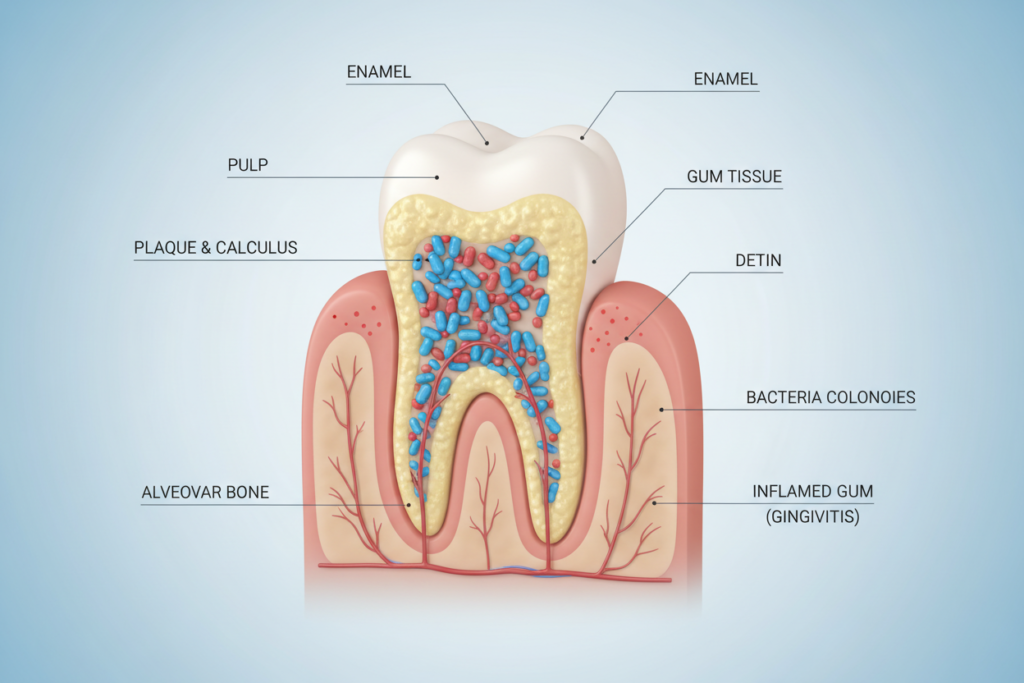
Gum disease develops in stages. It begins with gingivitis, where gums become red and swollen. Without treatment, gingivitis progresses to periodontitis. This advanced stage can lead to tooth decay and even tooth loss.
The bacteria mouth connection explains why breath problems persist. These microorganisms release waste products as they break down food particles. The tongue’s surface provides an ideal breeding ground for bacteria, especially toward the back.
Several factors contribute to bacterial growth. Smoking reduces saliva production and creates a dry environment. Certain medications also decrease saliva flow. Foods high in sugar feed harmful bacteria and accelerate their growth.
Did you know? Your mouth produces less saliva during sleep. This explains why many people experience morning breath. Breathing through your mouth at night worsens this condition by further drying oral tissues.
Common Bad Breath Triggers
- Dry mouth from medications or dehydration
- Foods like garlic, onions, and spicy dishes
- Tobacco products and smoking
- Poor dental hygiene practices
- Bacterial coating on the tongue
Gum Disease Warning Signs
- Red, swollen, or bleeding gums
- Persistent bad taste in mouth
- Receding gum lines exposing teeth
- Loose teeth or changes in bite
- Pus between teeth and gums
Powerful Natural Remedies for Fresher Breath
Nature provides numerous solutions for combating bad breath and supporting gum health. These remedies have been used for centuries across different cultures. Modern research now confirms many of their traditional benefits.

Baking Soda: The Multi-Purpose Oral Health Solution
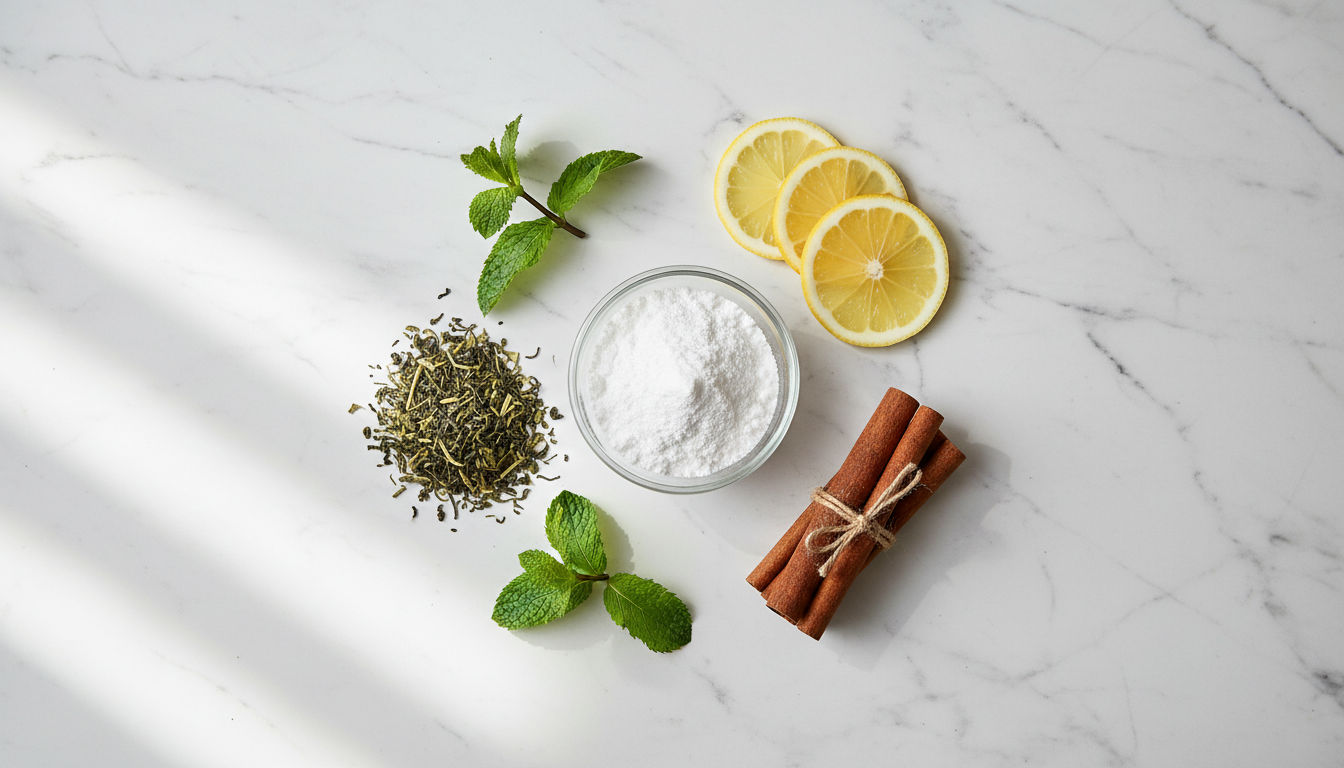
Baking soda offers remarkable benefits for oral hygiene. This simple ingredient, also known as sodium bicarbonate, neutralizes acids in your mouth. It creates an environment where harmful bacteria cannot thrive.
The alkaline nature of baking soda balances your mouth’s pH levels. This helps fight bad breath at its source rather than just covering it up. Regular use can reduce plaque buildup significantly.
You can use baking soda in multiple ways. Mix one teaspoon with water to create a simple mouth rinse. Swish this solution around your mouth for thirty seconds before spitting it out. Some people brush their teeth directly with baking soda paste.
Simple Baking Soda Mouth Rinse Recipe: Dissolve one teaspoon of baking soda in one cup of warm water. Use this solution twice per day after brushing. The sodium bicarbonate works immediately to neutralize odor-causing acids.
Another effective method combines baking soda with other ingredients. Mix equal parts baking soda and salt for enhanced antibacterial properties. Add a few drops of peppermint oil for fresh breath benefits.
Green Tea: Ancient Remedy for Modern Oral Problems
Green tea contains powerful compounds called polyphenols. These natural substances fight bacteria growth in your mouth. Research shows green tea can significantly reduce volatile sulfur compounds responsible for bad breath.

Drinking green tea regularly supports overall oral health. The catechins in tea help reduce inflammation in gum tissue. They also inhibit the growth of bacteria that cause gum disease and tooth decay.
For best results, drink two to three cups of green tea each day. Unsweetened tea works better than sweetened versions. You can also use cooled green tea as a mouth rinse after meals.
The antibacterial properties of tea extend beyond just freshening breath. Studies demonstrate that green tea can reduce plaque formation. This makes it an excellent complement to your regular oral hygiene routine.
Apple Cider Vinegar: Nature’s Antimicrobial Mouthwash
Apple cider vinegar possesses strong antimicrobial properties. It kills many types of harmful bacteria while supporting beneficial oral flora. The acetic acid in vinegar breaks down plaque and removes stubborn food particles.
Never use apple cider vinegar undiluted in your mouth. The high acidity can damage tooth enamel over time. Always dilute one tablespoon of apple cider vinegar in one cup of water before using.
Gargle with this diluted solution for fifteen to twenty seconds. Do this once daily, preferably before bedtime. Rinse your mouth with plain water afterward to protect your tooth enamel.
Some people prefer adding honey to their apple cider vinegar rinse. This improves the taste while adding additional antimicrobial benefits. However, remember to rinse thoroughly with water after use.
Ready to Transform Your Oral Health Naturally?
While individual remedies help, a comprehensive natural system delivers faster, longer-lasting results. Discover the proven method thousands have used to eliminate bad breath and restore healthy gums permanently.
Essential Home Treatment Methods for Gum Disease
Home remedies provide effective support for gum health when used consistently. These natural treatments reduce inflammation and promote healing. They work best when combined with proper oral hygiene practices.

Salt Water Rinse: Simple Yet Powerful
Salt water creates an inhospitable environment for harmful bacteria. This ancient remedy reduces inflammation and promotes healing of damaged gum tissue. The solution draws out infection and soothes irritated gums.
Prepare your rinse by dissolving half a teaspoon of salt in warm water. Use about one cup of water for each rinse. Swish the solution around your mouth for thirty seconds, focusing on affected areas.
Repeat this treatment two to three times per day. Morning and evening rinses work particularly well. The salt helps reduce swelling and supports the natural healing process.
Oil Pulling with Coconut Oil
Oil pulling is an ancient Ayurvedic practice gaining modern recognition. This technique involves swishing oil around your mouth to remove bacteria and toxins. Coconut oil works especially well due to its antimicrobial properties.
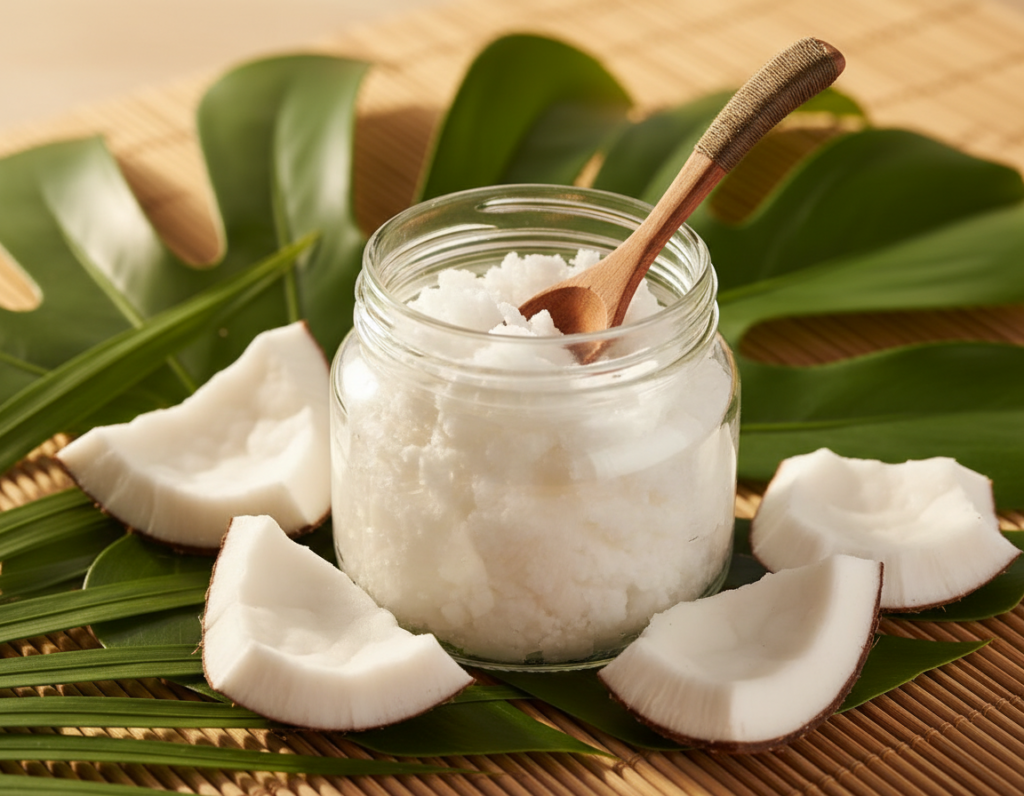
Take one tablespoon of coconut oil first thing in the morning. Swish it gently around your mouth for ten to fifteen minutes. The oil pulls bacteria and debris from between your teeth and gums.
Spit the oil into a trash can, never down the sink. The used oil contains bacteria and toxins you’ve removed from your mouth. Rinse with warm water and brush your teeth normally afterward.
Practice oil pulling three to four times per week for best results. Many people notice fresher breath within days. Continued use supports healthier gums and reduces plaque buildup.
Aloe Vera Gel Application
Aloe vera provides soothing relief for inflamed gums. Its anti-inflammatory compounds reduce swelling and promote tissue repair. The gel also possesses antibacterial properties that fight harmful bacteria.
Use pure aloe vera gel directly from the plant when possible. Apply it gently to your gums using clean fingers or a soft brush. Leave it on for ten minutes before rinsing with water.
Commercial aloe vera gels work too if they contain minimal additives. Look for products with at least ninety-five percent pure aloe. Apply the gel twice daily for optimal healing benefits.
Turmeric Paste for Gum Health
Turmeric contains curcumin, a powerful anti-inflammatory compound. This bright yellow spice has been used in traditional medicine for thousands of years. It reduces gum inflammation and fights bacteria that cause gum disease.

Create a simple paste by mixing one teaspoon of turmeric powder with water. Add enough water to form a thick consistency similar to toothpaste. Apply this paste directly to your gums.
Leave the turmeric paste on for ten minutes before rinsing. Your gums may temporarily appear slightly yellow, but this fades quickly. Use this treatment once daily until you notice improvement.
Daily Oral Hygiene Checklist
- Brush teeth twice daily for two minutes
- Floss between all teeth once per day
- Scrape tongue to remove bacterial coating
- Rinse with natural mouthwash solution
- Stay hydrated throughout the day
- Avoid foods that promote bacterial growth
Foods That Support Oral Health
- Crunchy vegetables like celery and carrots
- Fresh parsley and mint leaves
- Plain yogurt with active cultures
- Apples that stimulate saliva production
- Foods rich in vitamin C
- Water throughout the day
Additional Natural Solutions to Fight Bad Breath
Beyond the primary remedies, several other natural approaches effectively combat bad breath. These solutions address different aspects of oral health. Incorporating variety strengthens your overall treatment strategy.
Herbs and Spices That Freshen Breath
Many common herbs possess natural breath-freshening properties. Parsley contains chlorophyll, which neutralizes odor-causing compounds. Chewing fresh parsley after meals provides immediate relief from bad breath.

Fennel seeds work similarly to parsley. These small seeds have been used as a natural mouth freshener for centuries. Simply chew half a teaspoon of fennel seeds after eating. The essential oils freshen your breath naturally.
Cloves offer powerful antimicrobial benefits. They kill bacteria while leaving a pleasant taste in your mouth. Chew one or two whole cloves for a few minutes, or use clove oil diluted in water as a rinse.
Cinnamon contains essential oils that fight bacteria. It also stimulates saliva production, which helps cleanse your mouth naturally. Add cinnamon to your tea or chew on a small cinnamon stick.
Hydration and Saliva Production
Water plays a crucial role in maintaining fresh breath. Adequate hydration ensures proper saliva production throughout the day. Saliva naturally cleanses your mouth and neutralizes acids produced by bacteria.
Drink at least eight glasses of water daily. Sip water regularly rather than consuming large amounts at once. This maintains consistent moisture levels in your mouth.

Dry mouth significantly contributes to bad breath problems. When your mouth lacks sufficient moisture, bacteria multiply rapidly. They produce more sulfur compounds that cause unpleasant odors.
Chewing sugar-free gum stimulates saliva flow between meals. Choose gum sweetened with xylitol, which actually inhibits bacterial growth. This provides dual benefits for your oral health.
Probiotics for Oral Health
Beneficial bacteria can help balance your oral microbiome. Probiotics introduce helpful microorganisms that compete with harmful bacteria. This natural approach supports long-term oral health.
Consume probiotic-rich foods like plain yogurt and kefir. These fermented foods contain live cultures that benefit your mouth. Eat them daily for sustained improvements in breath freshness.
Probiotic supplements designed for oral health are also available. These typically contain specific strains that target mouth bacteria. Follow the manufacturer’s directions for best results.
Tongue Scraping Technique
The tongue harbors more bacteria than any other part of your mouth. A white or yellow coating on your tongue indicates bacterial buildup. Regular tongue scraping removes this coating effectively.

Use a tongue scraper each morning before brushing your teeth. Gently pull the scraper from back to front several times. Rinse the scraper between passes to remove collected debris.
This simple practice dramatically reduces the bacteria mouth connection. Many people notice immediate improvements in breath freshness. The entire process takes less than thirty seconds.
Creating Your Natural Oral Care Routine
Consistency matters more than complexity when treating bad breath and gum disease naturally. Start with these foundational steps and build gradually.
- Morning: Tongue scraping, oil pulling, regular brushing
- After meals: Rinse with water, chew herbs or sugar-free gum
- Evening: Brush, floss, natural mouthwash rinse
- Weekly: Deep cleaning with baking soda treatments
Preventing Bad Breath and Gum Disease from Returning
Natural remedies work wonderfully for immediate relief. However, long-term success requires consistent prevention strategies. Understanding how to maintain results ensures lasting oral health improvements.
Dietary Adjustments for Better Oral Health
Your diet directly impacts your breath quality and gum health. Certain foods promote bacterial growth while others naturally cleanse your mouth. Making smart food choices supports your natural treatment efforts.

Reduce your intake of sugary foods and beverages. Sugar feeds harmful bacteria, allowing them to multiply rapidly. These bacteria produce acids that damage teeth and create foul odors.
Eat crunchy fruits and vegetables throughout the day. Apples, carrots, and celery act as natural toothbrushes. They scrub your teeth while stimulating saliva production.
Include vitamin C-rich foods in your diet regularly. This nutrient strengthens gum tissue and supports healing. Citrus fruits, bell peppers, and strawberries provide excellent vitamin C sources.
Limit coffee and alcohol consumption. Both substances dry out your mouth, creating favorable conditions for bacteria. If you consume them, drink extra water to compensate.
Lifestyle Habits That Support Fresh Breath
Several lifestyle factors influence your oral health significantly. Addressing these areas creates a foundation for lasting improvements. Small changes accumulate into major benefits over time.
Quit smoking and tobacco use completely. Tobacco products severely dry your mouth and stain your teeth. They also dramatically increase your risk of gum disease and tooth decay.
Quick Tip: Keep a reusable water bottle with you throughout the day. Taking frequent small sips maintains mouth moisture better than occasional large drinks. Add fresh mint or cucumber slices for natural flavor and additional breath-freshening benefits.
Manage stress levels through regular exercise and relaxation techniques. Stress reduces saliva production and can worsen gum inflammation. Activities like yoga, meditation, or walking support overall oral health.
Get adequate sleep each night. Your body repairs and regenerates tissues during sleep. This includes healing damaged gum tissue and maintaining healthy oral bacteria balance.
Regular Monitoring and Maintenance
Pay attention to changes in your breath or gum condition. Early detection of problems allows for prompt treatment. This prevents minor issues from becoming serious health concerns.
Check your gums regularly in a mirror. Healthy gums appear pink and firm. They should not bleed during normal brushing or flossing.

Visit your dentist for regular checkups even while using natural remedies. Professional cleanings remove hardened plaque that home care cannot address. Your dentist can also identify potential problems early.
Keep a simple journal tracking your oral health progress. Note which remedies work best for you. This helps you refine your routine over time for optimal results.
Benefits of Natural Treatments
- No harsh chemicals or artificial ingredients
- Cost-effective compared to commercial products
- Addresses root causes, not just symptoms
- Minimal side effects when used properly
- Supports overall health beyond oral care
- Sustainable and environmentally friendly
Limitations to Consider
- Requires consistent daily application
- Results may take longer than chemical treatments
- Some remedies have strong tastes
- Not suitable for all medical conditions
- May need professional care for severe cases
When Natural Remedies Need Professional Support
Natural treatments effectively address most cases of bad breath and gum disease. However, certain situations require professional dental intervention. Knowing when to seek help prevents serious complications.
Warning Signs That Require Dentist Attention
Some symptoms indicate problems beyond what home remedies can treat. Persistent issues despite consistent natural treatment warrant professional evaluation. Your dentist can identify underlying conditions causing your symptoms.

Bleeding gums that continue for more than two weeks need examination. While some bleeding is normal initially, persistent bleeding suggests advanced gum disease. This condition requires professional treatment to prevent tooth loss.
Loose teeth or changes in your bite indicate serious gum problems. These symptoms mean the disease has affected the bone supporting your teeth. Immediate dental care becomes essential at this stage.
Severe pain in your teeth or gums requires urgent attention. Pain signals infection or advanced decay that natural remedies cannot resolve. Your dentist can provide appropriate treatment and pain relief.
Pus or abscesses in your mouth always require professional treatment. These infections can spread to other parts of your body. Antibiotics and drainage may be necessary alongside natural supportive care.
Combining Natural and Professional Care
Natural remedies work excellently alongside professional dental treatment. Many dentists now recognize the value of holistic approaches. Discuss your natural health routine with your dental care provider.
Professional cleanings remove tartar buildup that brushing cannot eliminate. Schedule cleanings every six months even when using natural remedies. This combination provides comprehensive oral health protection.
Your dentist can identify problems in early stages when treatment is easiest. Regular checkups catch issues before they become serious. Natural remedies then support and maintain the improvements professional care provides.
Experience Complete Oral Health Transformation
Thousands have already discovered the power of combining proven natural remedies into one comprehensive system. Stop struggling with temporary solutions. Get the complete natural cure guide that addresses bad breath and gum disease at their source.
Your Journey to Lasting Fresh Breath Starts Today
Natural remedies offer powerful solutions for bad breath and gum disease. These time-tested approaches work with your body’s natural healing processes. They address root causes rather than simply masking symptoms.

Success comes from consistent application of these natural treatments. Start with the remedies that appeal most to you. Build your routine gradually, adding new elements as you become comfortable.
Baking soda, green tea, and salt water rinses form an excellent foundation. These simple, affordable remedies deliver impressive results. Combined with proper oral hygiene, they transform your oral health.
Remember that your mouth reflects your overall health. The natural remedies discussed here support more than just fresh breath. They contribute to your total wellness and vitality.
Patience and persistence bring lasting results. Most people notice improvements within the first week of consistent natural treatment. Continued practice builds on these early gains for permanent change.
Your confidence grows as your breath freshens and your gums heal. No more worrying about close conversations or important meetings. Natural solutions restore the fresh, clean mouth you deserve.
Take Action Now for Fresher Breath Tomorrow
You now have the knowledge to naturally cure bad breath and gum disease. The question is: will you take action? Every day you wait is another day living with embarrassment and discomfort.
The comprehensive natural system combines all these proven remedies into one easy-to-follow program. It eliminates the guesswork and provides step-by-step guidance for complete oral health transformation.
Join thousands who have already experienced life-changing results. Your journey to confident, fresh breath begins with a single decision.
Fresh breath and healthy gums are within your reach. Natural solutions work when applied consistently with commitment. Your future self will thank you for taking action today.