
Foods That Burn Fat While Sleeping: Science-Backed Nighttime Nutrition
Your body never stops working. Even during sleep, your metabolism continues burning calories and processing nutrients. The foods you eat before bed can either support or hinder this natural fat-burning process.
This Website contains affiliate links. That means I may earn a small commission if you purchase through my links, at no extra cost to you.
Most people believe eating before sleep causes weight gain. Research tells a different story. Strategic food choices before bedtime can actually boost metabolism and support fat loss during those crucial nighttime hours.
This guide explores specific foods that burn fat while sleeping. You’ll discover which nutrients optimize nighttime metabolism and how to time your evening intake for maximum benefit. While proper nutrition forms the foundation, combining these foods with targeted supplements can amplify your results even further.
How Your Body Burns Fat During Sleep

Sleep represents your body’s primary recovery and restoration period. During these hours, numerous metabolic processes occur that directly impact weight and body composition.
Your body enters different sleep stages throughout the night. Each stage affects hormone production and energy expenditure differently. Deep sleep stages trigger growth hormone release, which supports fat breakdown and muscle preservation.
The duration and quality of sleep significantly influence these processes. Studies show that poor sleep disrupts hunger hormones, increasing cravings and calorie intake the following day. Proper sleep combined with strategic nutrition creates optimal conditions for fat loss.
The Role of Protein in Overnight Fat Burning
Protein requires more energy to digest compared to carbohydrates or fats. This thermic effect means your body burns extra calories just processing protein-rich foods.
Consuming protein before bed provides amino acids throughout the night. These building blocks support muscle maintenance and repair. Since muscle tissue burns more calories than fat tissue, preserving muscle mass keeps your metabolism elevated even during rest.
Research indicates that nighttime protein consumption doesn’t cause fat storage. Instead, it enhances overnight muscle protein synthesis and can improve morning metabolism.
Blood Sugar Stability and Sleep Quality
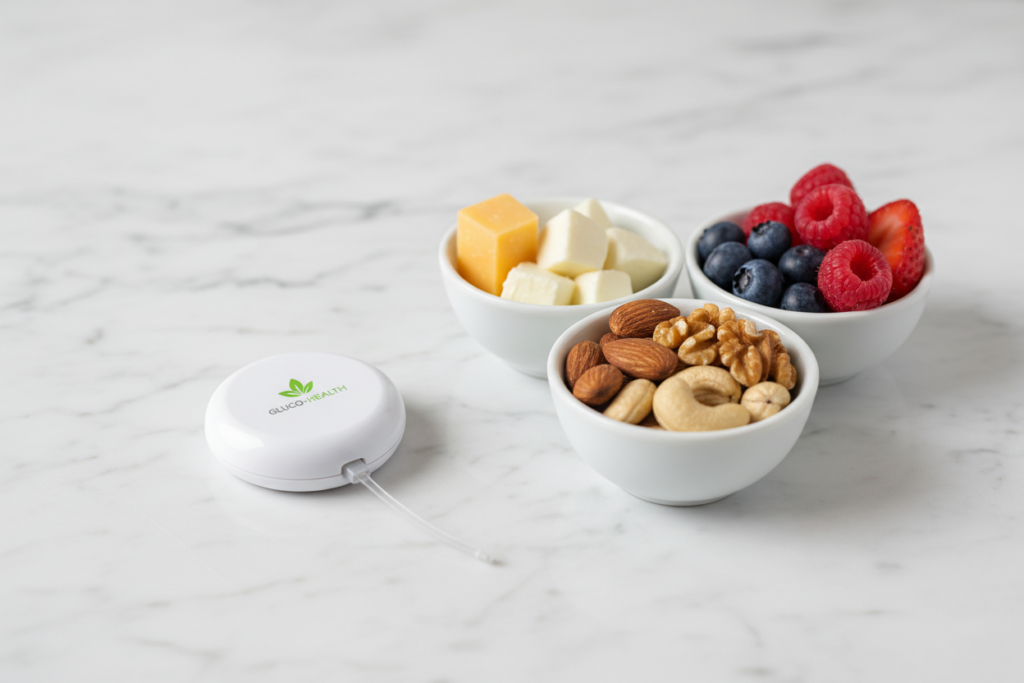
Stable blood sugar levels throughout the night prevent sleep disruptions and support fat burning. When blood sugar drops too low during sleep, your body releases stress hormones like cortisol.
These stress hormones can interrupt sleep cycles and trigger early morning hunger. They also promote fat storage, particularly around the midsection. Choosing foods with balanced nutrients helps maintain steady blood sugar levels.
The right bedtime snack prevents blood sugar spikes and crashes. This stability allows your body to focus on repair and fat metabolism rather than managing glucose fluctuations.
Top Foods That Burn Fat While Sleeping
Specific foods provide nutrients that support nighttime metabolism and fat burning. These options combine protein, healthy fats, and essential vitamins to optimize overnight processes.
Each food offers unique benefits for metabolism, sleep quality, and hunger management. Understanding how these foods work helps you make strategic choices for your evening nutrition.
Greek Yogurt: Protein-Packed Sleep Support
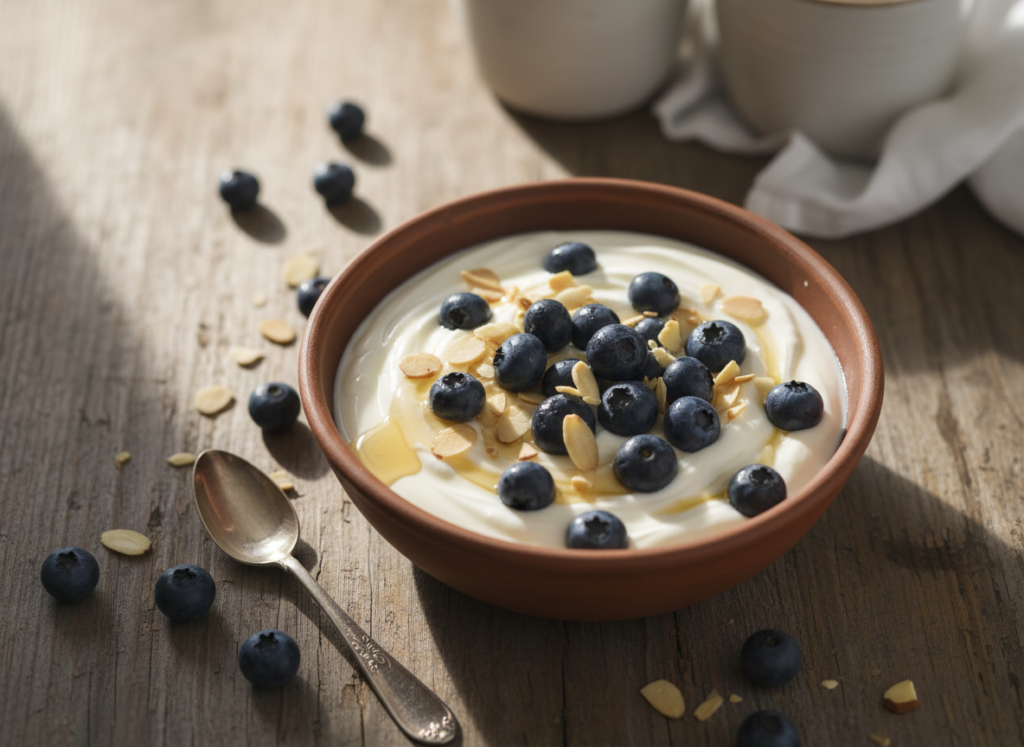
Greek yogurt stands out as an exceptional bedtime food. A single cup contains approximately 15-20 grams of protein, providing sustained amino acid delivery throughout the night.
The high protein content in greek yogurt triggers muscle protein synthesis during sleep. This process burns calories while repairing and building lean muscle tissue. Greek yogurt also contains calcium, which research links to improved fat metabolism.
Choose plain, unsweetened varieties to avoid added sugars that could spike blood sugar. The probiotics in yogurt support digestive health, which plays a crucial role in nutrient absorption and metabolism. Add a small handful of nuts or seeds for healthy fats that further slow digestion.
Studies demonstrate that people who consume greek yogurt before bed experience better appetite control the following morning. This effect helps reduce overall calorie intake without conscious restriction.
Cottage Cheese: Slow-Release Protein Source
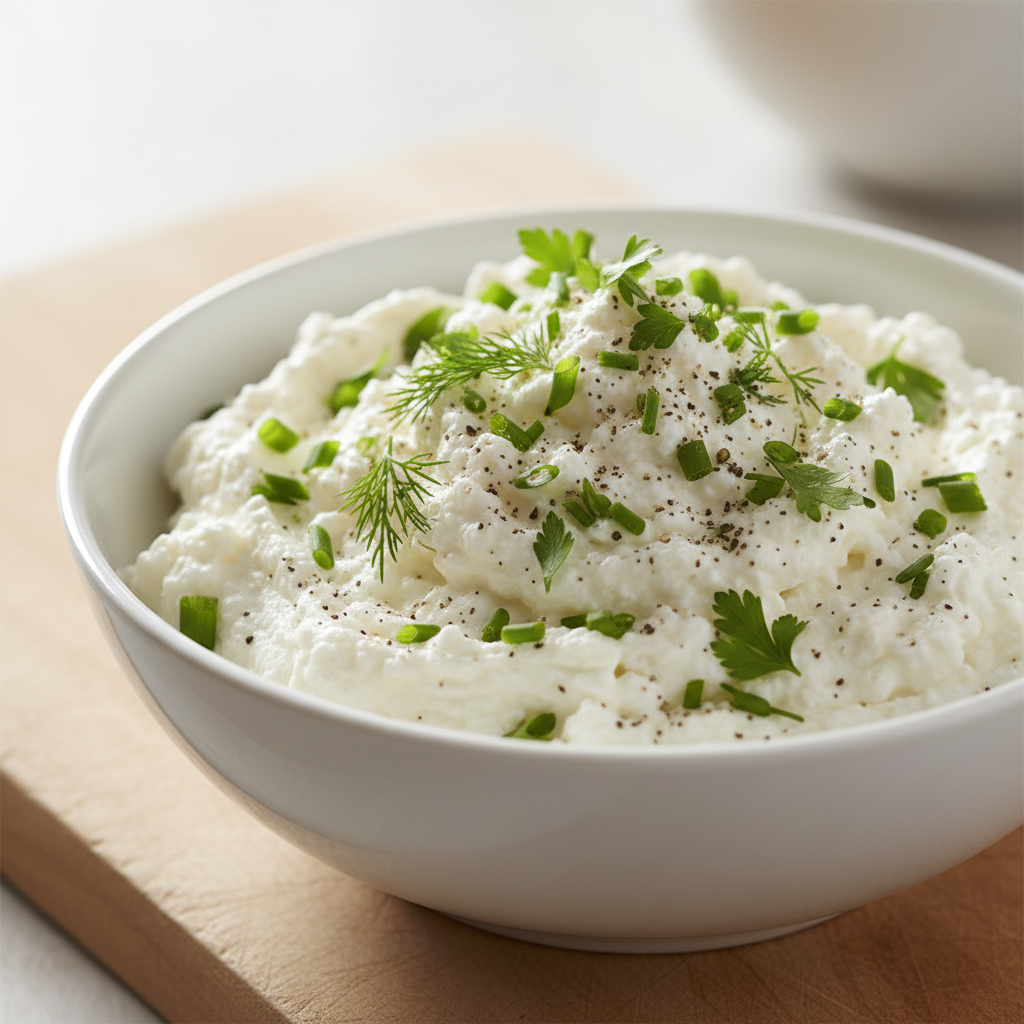
Cottage cheese provides casein protein, which digests more slowly than other protein types. This slow release delivers amino acids steadily throughout your sleep hours.
A half-cup serving of cottage cheese contains roughly 12-15 grams of protein with minimal carbohydrates. This macronutrient profile makes it ideal for maintaining stable blood sugar while supporting muscle maintenance.
The calcium content in cottage cheese may enhance fat breakdown. Research suggests calcium influences how your body stores and processes fat cells. Cottage cheese also contains tryptophan, an amino acid that converts to serotonin and melatonin.
These sleep-promoting compounds improve sleep quality, which directly impacts weight management. Better sleep means better hormone balance and reduced stress eating. Choose low-fat or full-fat varieties based on your overall calorie needs and dietary preferences.
Maximize Your Nighttime Fat-Burning Potential
While these foods provide essential nutrients for overnight metabolism, combining them with a science-backed supplement can amplify your results. CitrusBurn works synergistically with your healthy eating habits to optimize fat burning during sleep hours.
Nuts and Seeds: Healthy Fats for Sustained Energy
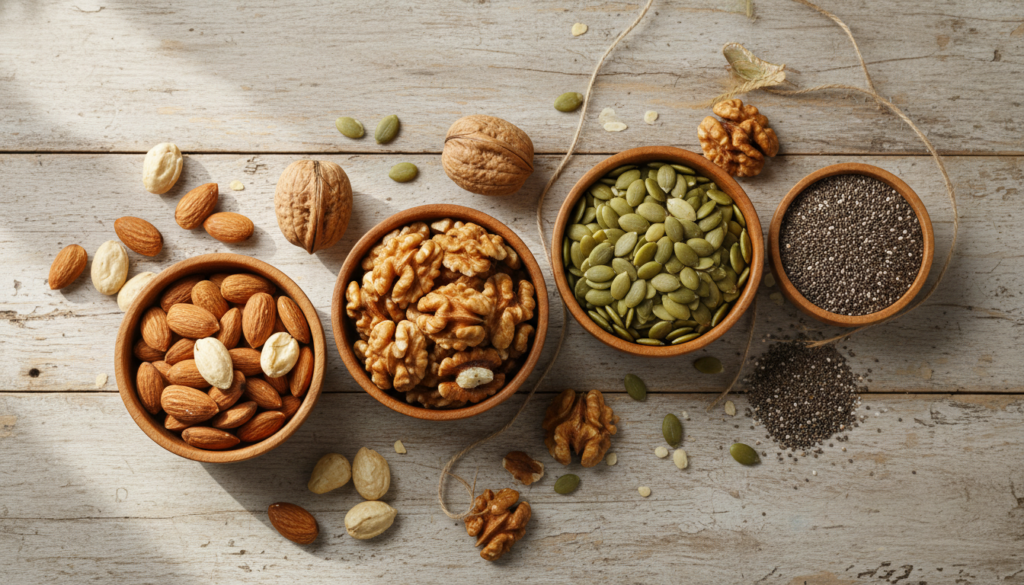
Almonds, walnuts, and various seeds offer healthy fats that support hormone production. Hormones like testosterone and growth hormone play vital roles in fat metabolism and muscle maintenance.
A small handful (about 1 ounce) of nuts provides protein, fiber, and healthy fats. This combination slows digestion and provides steady energy throughout the night. Nuts also contain magnesium, which many people lack in their diet.
Magnesium supports better sleep quality by regulating neurotransmitters and calming the nervous system. Improved sleep directly correlates with better weight management and reduced stress hormones. The fiber content in nuts also supports digestive health and feelings of fullness.
Choose raw or dry-roasted nuts without added oils or salt. Portion control matters here, as nuts are calorie-dense. Chia seeds and flaxseeds offer similar benefits with added omega-3 fatty acids that reduce inflammation.
Lean Turkey: Tryptophan for Better Sleep
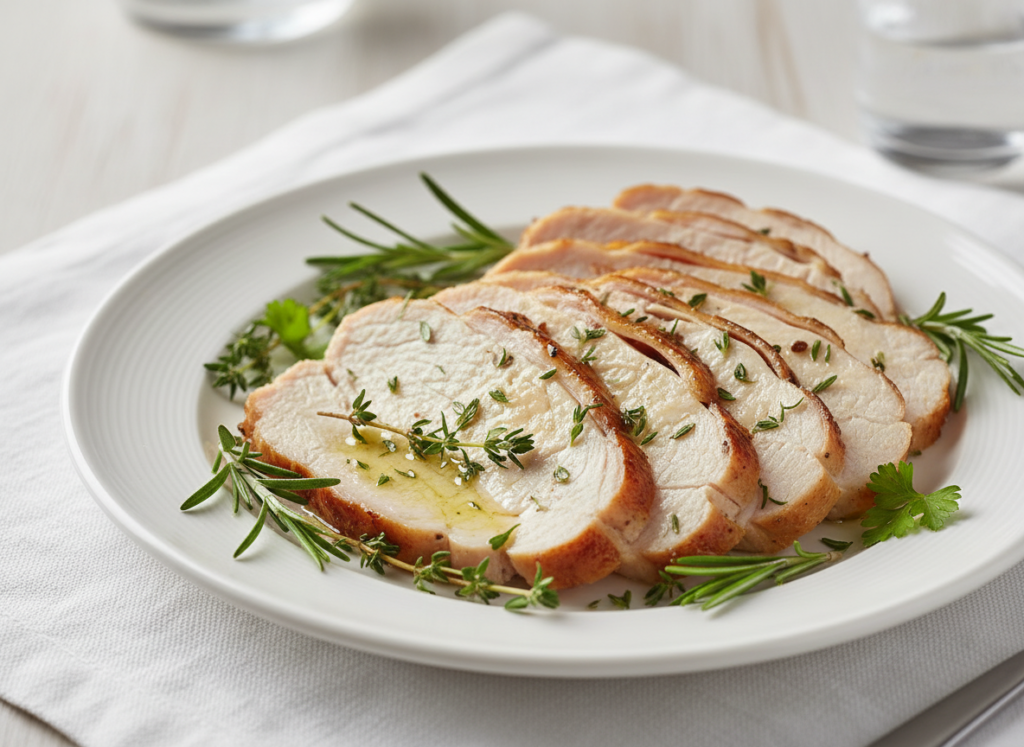
Turkey contains high amounts of tryptophan alongside quality protein. This combination supports both muscle maintenance and improved sleep quality.
A 3-ounce serving of lean turkey provides approximately 25 grams of protein with minimal fat. This lean protein source won’t overload your digestive system before bed. The tryptophan converts to serotonin and then melatonin in your body.
This natural melatonin production helps you fall asleep faster and achieve deeper sleep stages. During deep sleep, your body releases growth hormone, which actively breaks down fat for energy. Turkey also provides B vitamins that support energy metabolism.
Pair turkey with a small portion of complex carbohydrates to enhance tryptophan absorption. This could be whole grain crackers or vegetables. Avoid heavy sauces or fried preparations that add unnecessary calories and fats.
More Nighttime Metabolism Boosters
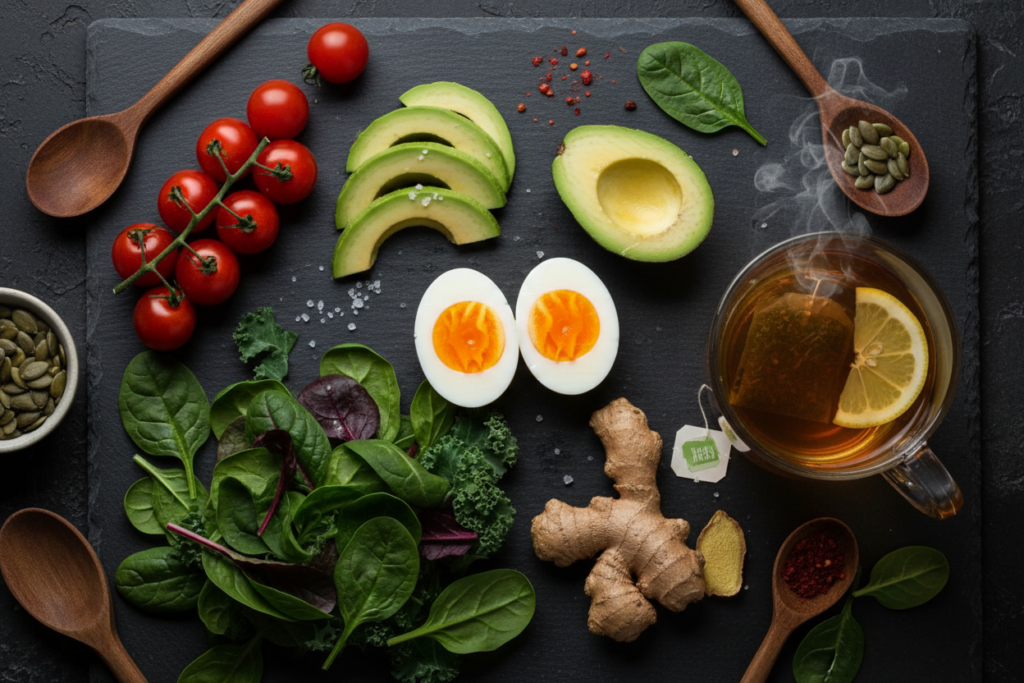
Beyond the primary options, several other foods support nighttime fat burning. These choices provide diverse nutrients while keeping calorie intake controlled.
Eggs: Complete Protein Package
Eggs offer all essential amino acids your body needs for overnight repair. One large egg contains about 6 grams of protein with healthy fats and vitamins.
The nutrients in eggs support thyroid function, which regulates your metabolic rate. Eggs also contain choline, which helps your body break down fat for energy. Hard-boiled eggs make convenient evening snacks that require no preparation time.
The protein in eggs increases satiety more effectively than carbohydrate-based snacks. This means you’ll feel satisfied with fewer calories. Studies show that people who eat eggs regularly tend to have better body composition than those who avoid them.
Avocado: Healthy Fats and Fiber
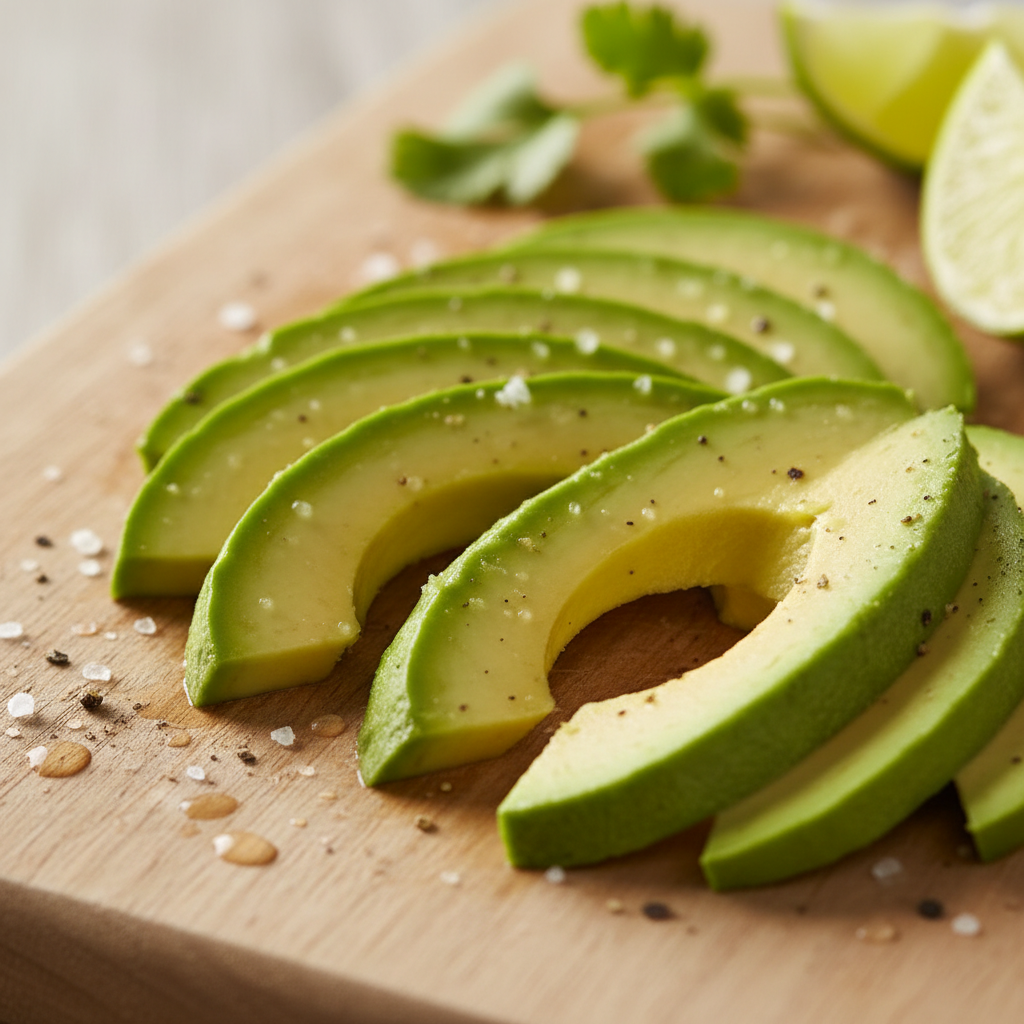
Avocados provide monounsaturated fats that support heart health and hormone production. A quarter to half avocado before bed supplies healthy fats without excessive calories.
The fiber content in avocado slows digestion and helps maintain stable blood sugar overnight. Avocados also contain potassium, which supports muscle function and may reduce nighttime muscle cramps. The healthy fats signal your body that you’re well-fed, reducing late-night hunger signals.
Combine avocado with vegetables or a small portion of whole grain toast. This pairing provides balanced nutrition that supports overnight metabolism without feeling heavy.
Cherry Tomatoes and Vegetables

Low-calorie vegetables provide volume and nutrients without significantly impacting your calorie budget. Cherry tomatoes, cucumber, and bell peppers offer fiber and water content that promote fullness.
These vegetables contain various vitamins and minerals that support metabolic processes. The fiber feeds beneficial gut bacteria, which research increasingly links to weight management. A healthy gut microbiome influences how your body extracts and stores energy from food.
Pair raw vegetables with a small amount of protein like hummus or greek yogurt dip. This combination provides balanced nutrition with minimal calorie density.
Protein Intake and Nighttime Recovery
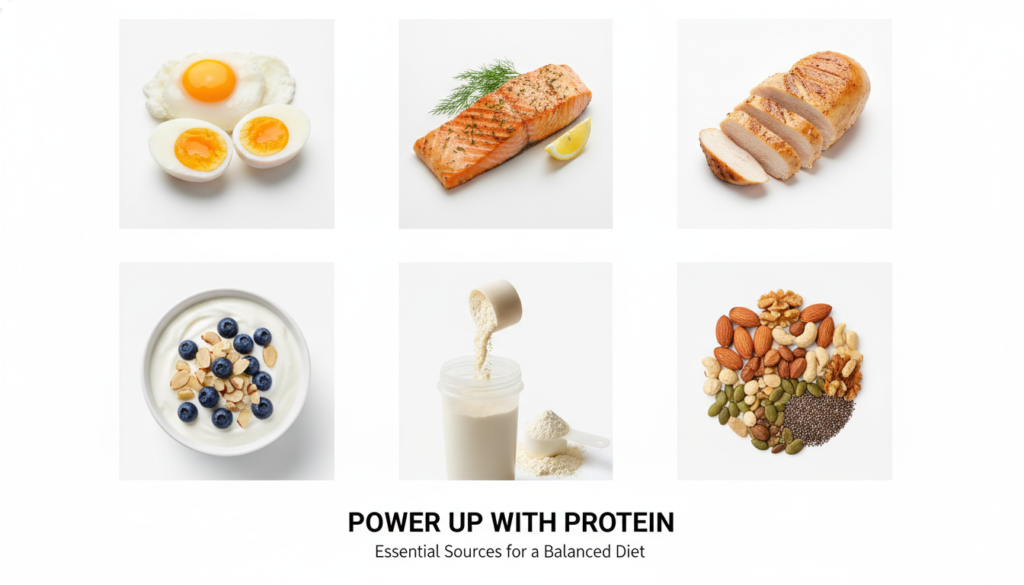
Timing protein intake throughout the day, including before bed, optimizes muscle maintenance and fat loss. Research shows that distributing protein across meals beats consuming it all in one or two sittings.
Consuming 20-30 grams of protein before sleep supports overnight muscle protein synthesis. This process requires energy, meaning your body burns calories while you sleep. The thermic effect of protein means your metabolism stays slightly elevated during digestion.
Athletes and active individuals particularly benefit from nighttime protein intake. However, even sedentary people experience improved body composition when they include protein in their evening routine. The key is choosing lean sources that won’t disrupt sleep through digestive discomfort.
How Much Protein Before Bed
Individual protein needs vary based on body weight, activity level, and goals. A general guideline suggests 0.25-0.4 grams of protein per kilogram of body weight before sleep.
For a 150-pound person, this translates to roughly 15-25 grams of protein. This amount provides sufficient amino acids without overloading your digestive system. Sources like greek yogurt, cottage cheese, or a small portion of lean meat fit this range perfectly.
Listen to your body’s signals. Some people tolerate larger portions before bed, while others prefer lighter options. The goal is supporting metabolism without causing discomfort that interrupts sleep.
Foods to Avoid Before Sleep
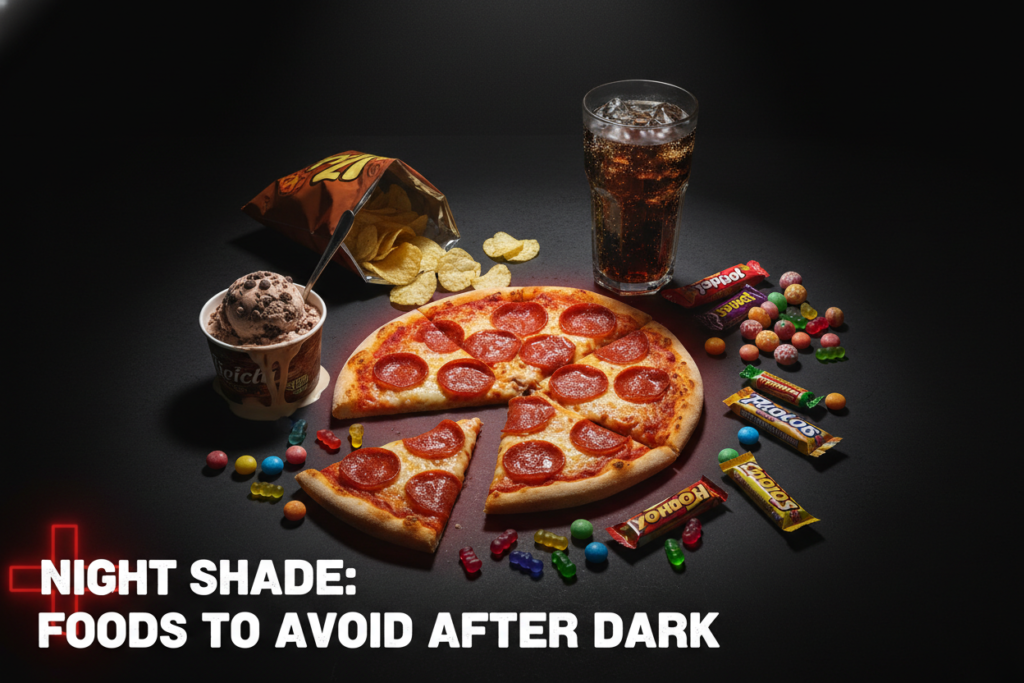
Certain foods disrupt sleep quality and interfere with nighttime fat burning. Understanding what to avoid helps you make better choices for your evening nutrition.
High-sugar foods cause rapid blood sugar spikes followed by crashes. These fluctuations can wake you during the night and trigger stress hormone release. Sugary snacks also provide empty calories that contribute to fat storage rather than supporting metabolism.
Heavy and Fatty Meals
Large, fatty meals require extended digestion time. This digestive effort can interfere with sleep quality by keeping your body in active digestion mode. Fried foods, heavy cream sauces, and large portions of red meat fall into this category.
The discomfort from a heavy meal can cause restlessness and reduced sleep quality. Poor sleep disrupts hormone balance, particularly affecting leptin and ghrelin. These hormones regulate hunger and fullness signals.
When sleep suffers, these hormones become imbalanced. This leads to increased hunger and cravings the next day. Keep evening meals moderate in size and choose lighter preparation methods.
Caffeine and Stimulants

Caffeine remains in your system for 6-8 hours after consumption. Evening coffee, tea, or chocolate can significantly impact sleep quality. Even if you fall asleep, caffeine reduces deep sleep stages where growth hormone release occurs.
Without adequate deep sleep, your body misses crucial fat-burning opportunities. Caffeine also increases cortisol production, which promotes fat storage when elevated chronically. Switch to herbal teas or water in the evening hours.
Some people are more sensitive to caffeine than others. If you struggle with sleep, eliminate caffeine after noon and observe the impact on your rest quality.
Alcohol’s Impact on Sleep and Metabolism
While alcohol may help you fall asleep initially, it severely disrupts sleep quality. Alcohol prevents you from reaching deep sleep stages and causes frequent nighttime awakenings.
Your body prioritizes processing alcohol over other metabolic functions. This means fat burning takes a backseat while your liver works to clear alcohol from your system. Alcohol also contains empty calories that contribute to weight gain without providing nutrients.
The dehydration caused by alcohol can lead to poor sleep and reduced morning energy. This creates a cycle of fatigue that affects food choices and activity levels the following day.
Optimal Timing for Evening Nutrition

When you eat matters almost as much as what you eat. Strategic meal timing supports your body’s natural circadian rhythms and metabolic patterns.
Most research suggests eating your last substantial meal 2-3 hours before bed. This duration allows initial digestion to complete while still providing nutrients during sleep. Your body can then focus on repair and fat burning rather than heavy digestive work.
Individual schedules vary, but the principle remains consistent. Allow sufficient time between eating and sleeping for comfort and optimal metabolic function. A light snack 30-60 minutes before bed works well for those who get hungry after dinner.
Listening to Your Hunger Signals
True hunger differs from boredom or habit-driven eating. Learning to recognize genuine hunger helps you make better evening food choices.
Physical hunger builds gradually and accepts various foods. Emotional or habitual eating typically involves cravings for specific items, usually sweet or salty snacks. Before eating at night, ask yourself if you’re truly hungry or responding to stress or boredom.
Drinking water first can help determine if you’re actually thirsty rather than hungry. Many people confuse thirst signals for hunger. If you’re genuinely hungry, choose one of the nutrient-dense options discussed earlier.
Hydration and Nighttime Fat Burning

Proper hydration supports all metabolic processes, including fat burning. Water helps transport nutrients, remove waste products, and maintain cellular function.
Mild dehydration slows metabolic rate and can interfere with fat breakdown. Drinking adequate water throughout the day, including evening hours, supports optimal metabolism. However, timing matters to avoid nighttime bathroom trips that disrupt sleep.
Focus on consistent hydration during the day. Taper water intake in the hour before bed to minimize sleep interruptions. Some people benefit from a small glass of water if they wake during the night.
Herbal Teas for Sleep and Metabolism

Certain herbal teas support both sleep quality and metabolism. Chamomile tea contains compounds that promote relaxation and may reduce stress hormones. Lower stress supports better sleep and reduced cortisol-driven fat storage.
Green tea, consumed earlier in the evening, provides antioxidants that support metabolism. The small amount of caffeine in green tea is usually tolerable several hours before bed. Peppermint tea aids digestion and can reduce late-night bloating or discomfort.
These teas provide hydration without calories while offering additional health benefits. They make excellent alternatives to calorie-containing beverages in the evening.
Sleep Quality and Weight Management Connection

The relationship between sleep and weight management extends beyond simple calorie burning. Sleep quality affects hunger hormones, energy levels, and food choices.
Studies consistently show that people who sleep less than 7 hours per night have higher obesity rates. Sleep deprivation increases ghrelin (hunger hormone) and decreases leptin (fullness hormone). This hormonal shift creates increased hunger and reduced satisfaction from meals.
Poor sleep also affects insulin sensitivity. When your cells become less responsive to insulin, your body stores more energy as fat. Prioritizing sleep quality supports better metabolic function and easier weight management.
Creating a Sleep-Supportive Environment
Your bedroom environment significantly impacts sleep quality. Keep your room cool, ideally between 60-67 degrees Fahrenheit. This temperature range supports your body’s natural temperature drop during sleep.
Darkness promotes melatonin production. Use blackout curtains or an eye mask to block light. Remove electronic devices that emit blue light, which suppresses melatonin. Create a consistent bedtime routine that signals your body to prepare for sleep.
These environmental factors combined with strategic nutrition create optimal conditions for nighttime fat burning and recovery.
Lifestyle Factors That Support Nighttime Metabolism
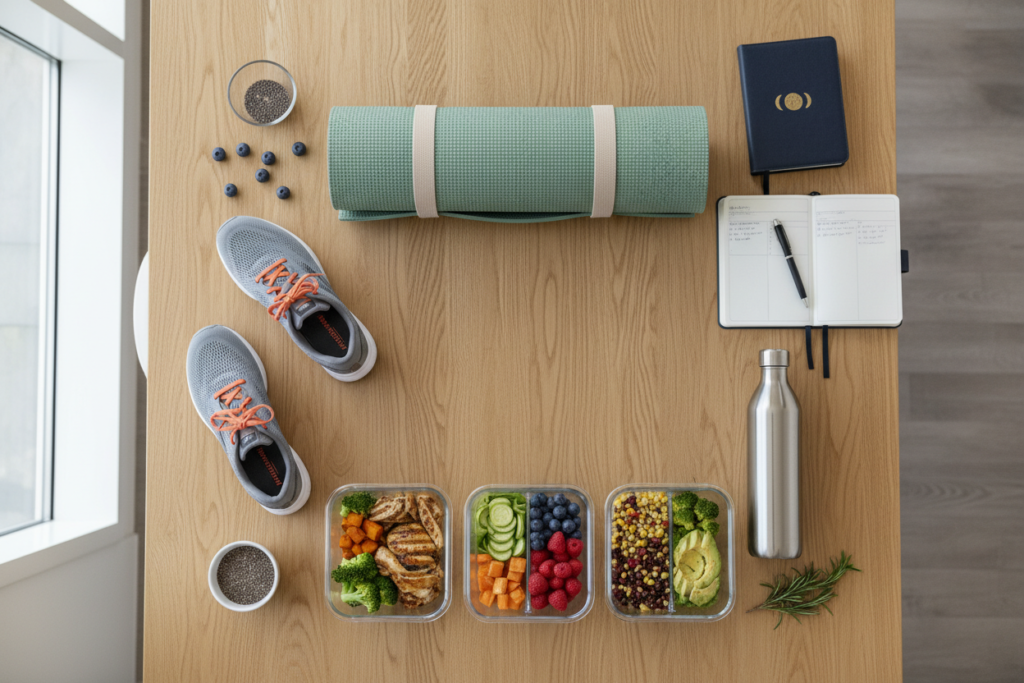
Nutrition alone doesn’t determine metabolic success. Several lifestyle factors interact with dietary choices to influence fat burning and weight management.
Regular physical activity increases muscle mass and metabolic rate. Exercise also improves sleep quality and insulin sensitivity. You don’t need intense workouts every day. Consistent moderate activity provides significant metabolic benefits.
Stress management plays a crucial role in weight regulation. Chronic stress elevates cortisol, which promotes fat storage, particularly around the midsection. Finding effective stress-reduction techniques supports better metabolism and sleep.
Movement and Evening Activity

Light activity after dinner aids digestion and can improve sleep quality. A gentle walk helps regulate blood sugar and promotes relaxation. Avoid intense exercise close to bedtime, as it can interfere with sleep for some people.
The movement doesn’t need to be structured exercise. Simple activities like walking your dog or doing light housework provide benefits. The goal is avoiding prolonged sitting immediately after eating.
This gentle activity supports better nutrient distribution and prevents the sluggish feeling that comes from large meals followed by inactivity.
Creating Your Evening Nutrition Plan

Success with evening nutrition requires planning and preparation. Having healthy options readily available makes good choices easier when hunger strikes.
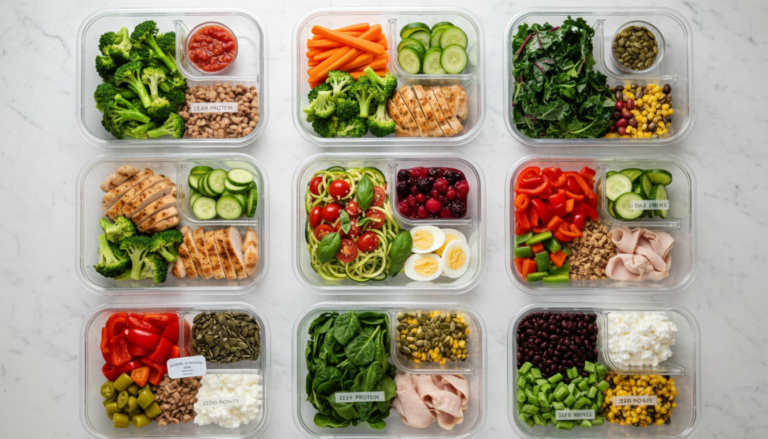
Prepare snack portions in advance. Divide nuts into single servings, pre-cut vegetables, or portion greek yogurt into containers. This preparation removes decision fatigue and ensures you don’t overconsume even healthy foods.
Keep a variety of options available to prevent boredom. Rotate between different protein sources and pair them with various vegetables or small portions of healthy fats. This variety ensures you get diverse nutrients while maintaining interest in your food choices.
Sample Evening Snack Combinations
High-Protein Options
These combinations provide substantial protein for overnight muscle support and metabolism.
- Greek yogurt with berries and almonds
- Cottage cheese with cucumber and cherry tomatoes
- Hard-boiled eggs with avocado slices
- Turkey roll-ups with bell pepper strips
Balanced Nutrient Mixes
These pairings offer protein, healthy fats, and fiber for stable overnight blood sugar.
- Apple slices with almond butter
- Celery sticks with cottage cheese
- Small portion of nuts with dark chocolate
- Hummus with vegetable sticks
Light and Refreshing
Perfect for those who want minimal calories while still supporting metabolism.
- Herbal tea with a small handful of nuts
- Bone broth with vegetables
- Protein smoothie with spinach
- Berries with a dollop of greek yogurt
Warming Comfort Foods
Satisfying options that promote relaxation while supporting fat burning.
- Warm milk with cinnamon and protein powder
- Baked egg cups with vegetables
- Turkey and avocado on whole grain crackers
- Chia seed pudding with berries
Common Evening Eating Mistakes to Avoid
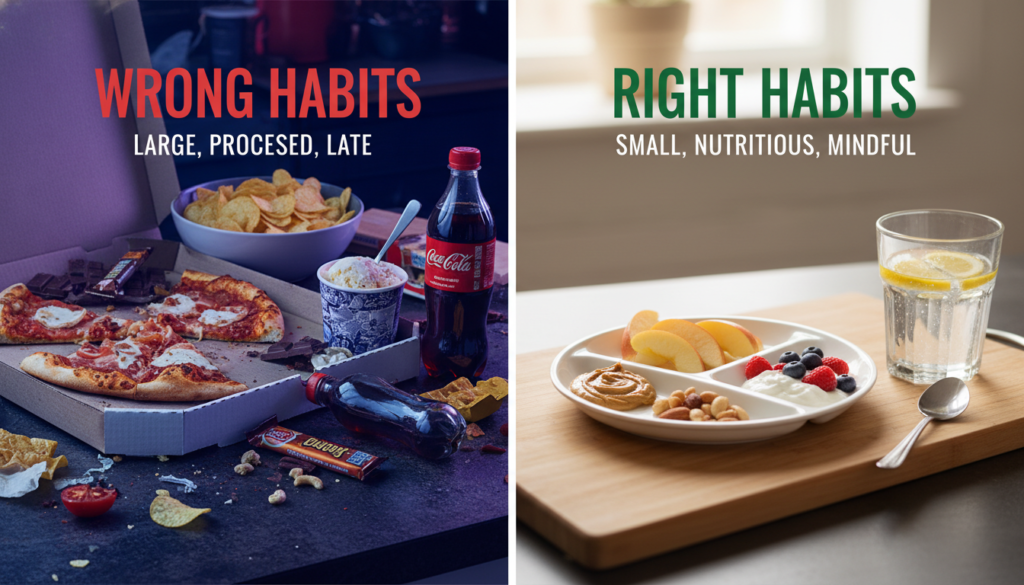
Even with good intentions, certain patterns can sabotage nighttime fat burning. Recognizing these mistakes helps you avoid them.
Eating too close to bedtime often leads to discomfort and disrupted sleep. While a light snack 30-60 minutes before sleep works for most people, large meals need more digestion time. Give yourself at least 2-3 hours after substantial meals before lying down.
Portion Control Challenges
Healthy foods still contain calories. Eating excessive portions, even of nutritious options, can prevent weight loss. Nuts particularly require careful portioning due to their calorie density.
Use measuring tools or pre-portioned containers until you develop accurate portion awareness. This practice prevents mindless overeating while watching television or reading before bed. Visual cues help maintain appropriate serving sizes.
Remember that evening snacks should complement your daily nutrition, not add excessive calories beyond your needs.
Ignoring Individual Tolerance

People respond differently to evening food intake. Some individuals sleep better with a small snack, while others prefer going to bed on a lighter stomach.
Pay attention to how different foods affect your sleep quality and morning energy. Keep a brief journal noting what you ate, when, and how you slept. Patterns will emerge that help you optimize your personal evening nutrition strategy.
Your ideal approach might differ from general recommendations. Trust your body’s signals while following evidence-based principles.
Enhancing Results with Targeted Support

While whole foods provide the foundation for nighttime fat burning, certain supplements can enhance these natural processes. The right supplementation works synergistically with your nutrition to optimize metabolic function during sleep.
Quality supplements contain concentrated forms of nutrients that support fat metabolism. They don’t replace healthy eating but rather amplify the benefits of your nutritional choices. Look for products with natural ingredients that complement your body’s overnight processes.
Supplements designed for nighttime use often include ingredients that support both sleep quality and metabolic function. This dual approach addresses the interconnected nature of rest and weight management. When choosing supplements, prioritize those with research-backed ingredients and transparent formulations.
The Role of Metabolic Support Supplements
Metabolic support supplements typically combine ingredients that enhance fat oxidation and promote restful sleep. These formulations recognize that optimal fat burning requires both active metabolic processes and quality recovery time.
Natural compounds derived from citrus fruits, green tea, and other botanicals can support your body’s fat-burning mechanisms. These ingredients work alongside the nutrients from your food choices to create comprehensive metabolic support. The best supplements enhance what you’re already doing right with your nutrition.
Consider supplements as the optimization layer on top of solid nutritional habits. They provide the most benefit when combined with the strategic food choices outlined in this guide.
Start Burning Fat While You Sleep Tonight
You now understand how strategic food choices support nighttime fat burning. Take the next step by combining these nutritional strategies with CitrusBurn, a natural supplement designed to optimize your metabolism during sleep. Thousands of users have enhanced their results by adding this science-backed formula to their healthy eating routine.
Frequently Asked Questions About Nighttime Fat Burning
Will eating before bed make me gain weight?
Eating before bed doesn’t automatically cause weight gain. What matters is your total calorie intake versus expenditure throughout the day. Strategic food choices before sleep can actually support fat burning by providing nutrients for overnight metabolism and muscle maintenance.
The key is choosing nutrient-dense, protein-rich foods in appropriate portions rather than high-sugar or heavily processed options. Studies show that protein consumption before bed supports muscle protein synthesis without causing fat storage.
How long before bed should I stop eating?
Most people benefit from eating their last substantial meal 2-3 hours before bed. This timing allows initial digestion to occur while still providing nutrients during sleep. A light, protein-rich snack 30-60 minutes before bed is generally well-tolerated and can support overnight metabolism.
Individual tolerance varies. Some people sleep better with a small snack closer to bedtime, while others prefer more time between eating and sleeping. Pay attention to how different timing affects your sleep quality.
What’s the best protein source before sleep?
Cottage cheese and greek yogurt rank among the best choices due to their casein protein content, which digests slowly and provides steady amino acid release throughout the night. Other excellent options include lean turkey, eggs, and small portions of fish.
The ideal choice depends on your preferences and dietary restrictions. All these sources provide quality protein that supports muscle maintenance and metabolic function during sleep hours.
Can I lose weight by only changing my nighttime eating habits?
While improving evening nutrition supports weight loss, overall daily eating patterns matter most. Nighttime habits work best when combined with balanced nutrition throughout the day, adequate sleep, regular physical activity, and stress management.
That said, many people find that fixing poor evening eating habits provides significant improvements. Eliminating late-night junk food and replacing it with nutrient-dense options often reduces total calorie intake and improves sleep quality, both supporting weight loss.
Do foods really burn fat while I sleep?
Certain foods support your body’s natural fat-burning processes during sleep rather than directly burning fat themselves. Protein-rich foods increase thermogenesis, meaning your body burns calories digesting them. Foods that stabilize blood sugar prevent hormone disruptions that promote fat storage.
Your body continuously burns calories during sleep for basic functions. Strategic food choices help optimize this process by supporting hormone balance, muscle maintenance, and metabolic efficiency throughout the night.
How much should I eat before bed for weight loss?
A light snack containing 150-250 calories works well for most people. This typically means 15-25 grams of protein with some healthy fats or fiber. Examples include a cup of greek yogurt with berries, a small handful of nuts with cheese, or cottage cheese with vegetables.
Portion size should reflect your total daily calorie needs and hunger levels. If you ate a substantial dinner, you might need less. Listen to genuine hunger signals rather than eating out of habit.
Does sleep quality really affect weight loss?
Sleep quality significantly impacts weight management through multiple mechanisms. Poor sleep disrupts hunger hormones, increasing ghrelin (hunger) and decreasing leptin (fullness). This hormonal imbalance leads to increased food intake and cravings, particularly for high-calorie foods.
Inadequate sleep also reduces insulin sensitivity, promotes cortisol elevation, and decreases growth hormone release. All these factors interfere with fat burning and promote fat storage. Prioritizing sleep quality is essential for successful weight management.
Taking Control of Your Nighttime Metabolism

Your body works tirelessly during sleep to repair, recover, and burn fat. The foods you choose before bed either support or hinder these natural processes.
Strategic evening nutrition doesn’t require complicated meal plans or expensive ingredients. Simple choices like greek yogurt, cottage cheese, lean proteins, nuts, and vegetables provide the nutrients your metabolism needs to function optimally overnight.
Focus on protein-rich options that digest slowly and stabilize blood sugar. Avoid heavy meals, excessive sugars, and stimulants in the evening hours. Pay attention to portion sizes and timing to maximize benefits while promoting quality sleep.
Remember that nighttime nutrition represents just one piece of successful weight management. Combine these strategies with overall balanced eating, regular physical activity, adequate sleep, and stress management for comprehensive results.
The connection between sleep quality and weight loss cannot be overstated. Prioritize both restful sleep and strategic nutrition to create optimal conditions for fat burning and metabolic health.
Start implementing these changes gradually. Choose one or two new habits to adopt this week. As they become routine, add additional strategies. Consistency matters more than perfection.
Your journey toward better health and weight management benefits from every positive choice. Each nutritious evening snack, each quality night of sleep, and each day of balanced eating moves you closer to your goals. Take action today to support your body’s natural fat-burning potential.