Good Bacteria for Oral Health: The Science Behind Your Oral Microbiome
Your mouth contains trillions of microorganisms that form a complex ecosystem. This oral microbiome plays a critical role in maintaining dental health and preventing disease. Understanding good bacteria for oral health represents a fundamental shift in how we approach dental care.
This Website contains affiliate links. That means I may earn a small commission if you purchase through my links, at no extra cost to you.
Recent research has revealed that not all bacteria in your mouth are harmful. Many bacterial species actually protect your teeth and gums from disease.
The balance between beneficial and harmful microorganisms determines your oral health outcomes. When good bacteria thrive, they create an environment that resists tooth decay and gum disease.
The Oral Microbiome: A Complex Bacterial Ecosystem
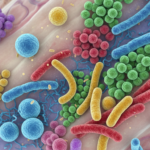
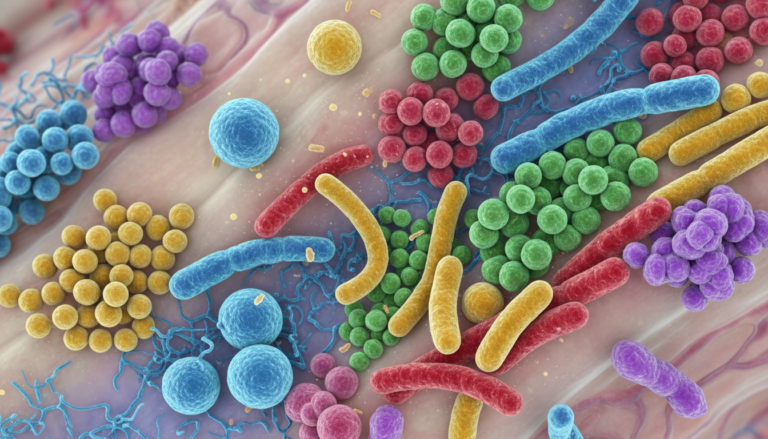
The oral cavity harbors over 700 different species of bacteria, fungi, viruses, and other microorganisms. This diverse community forms what scientists call the oral microbiome. Each species occupies specific niches within your mouth.
Research indicates that the oral microbiome is the second most diverse microbial community in the body after the gut. These microorganisms colonize various surfaces including teeth, gums, tongue, cheeks, and throat.
Bacterial Habitats in Your Mouth
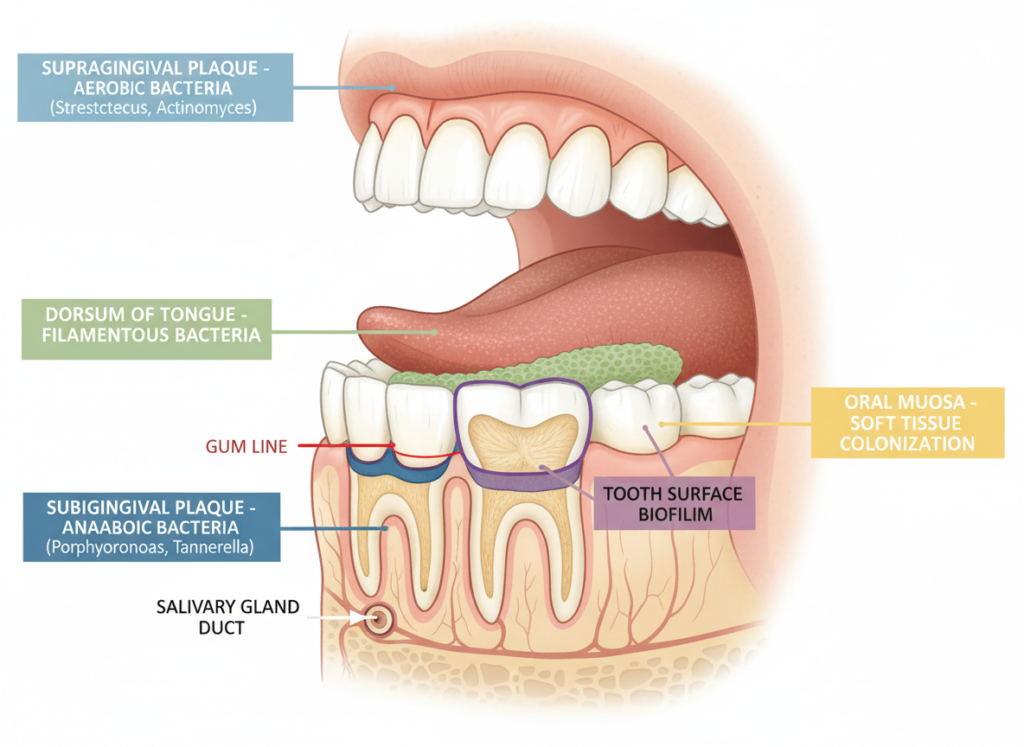
Different oral surfaces support distinct bacterial communities. Hard surfaces like teeth favor certain species, while soft tissues host different microorganisms.
- Tooth enamel surfaces harbor acid-resistant bacteria
- Gum pockets contain anaerobic species that thrive without oxygen
- The tongue surface supports diverse bacterial populations
- Saliva carries planktonic bacteria throughout the mouth
The composition of your oral microbiome changes based on numerous factors. Diet, oral hygiene practices, genetics, medications, and overall health status all influence which bacterial species dominate.
Studies show that maintaining microbial diversity supports better health outcomes. A balanced microbiome prevents any single harmful species from becoming too numerous.
How the Microbiome Develops
Your oral microbiome begins forming at birth. Bacterial colonization starts immediately as you encounter microorganisms from your environment and caregivers.
During infancy and childhood, the oral microbiome undergoes significant changes. Tooth eruption, dietary transitions, and immune system development all shape bacterial communities.
By adulthood, most people establish a relatively stable core microbiome. However, this balance remains dynamic and responds to lifestyle changes, health conditions, and environmental factors throughout life.
Scientific Discovery: Research has identified specific beneficial bacterial strains that actively protect against tooth decay and gum disease. Discover how targeted probiotic formulations support your oral microbiome.
Key Beneficial Bacterial Species for Oral Health
Several bacterial species provide significant health benefits when present in adequate numbers. These good bacteria for oral health perform protective functions that prevent disease and maintain tissue integrity.
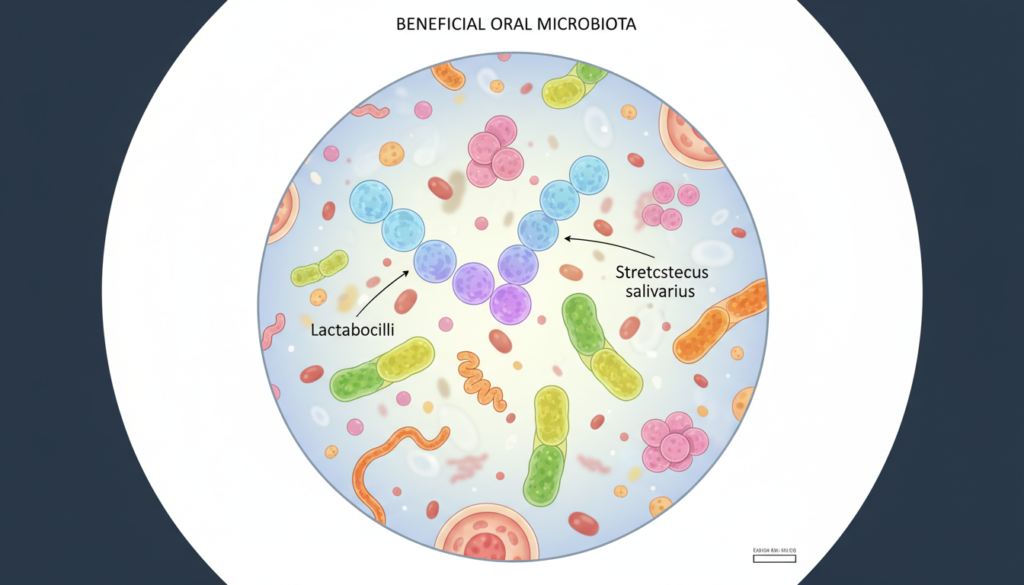
Streptococcus Salivarius: The Protective Guardian
Streptococcus salivarius represents one of the most abundant and beneficial bacteria in a healthy mouth. This species colonizes oral surfaces within hours of birth and remains throughout life.
Research demonstrates that certain strains of Streptococcus salivarius produce antimicrobial compounds called bacteriocins. These substances inhibit the growth of harmful bacteria including Streptococcus mutans, the primary cause of tooth decay.
Studies indicate that S. salivarius strains also modulate immune responses in the mouth. They help reduce inflammation and support healthy gum tissue by interacting with immune cells.
- Produces hydrogen peroxide that inhibits pathogenic bacteria
- Competes with harmful species for attachment sites on oral surfaces
- Supports immune function in oral tissues
- Helps maintain neutral pH levels in the mouth
Lactobacillus Species: Acid Fighters
Various Lactobacillus species contribute to oral health through multiple mechanisms. These bacteria produce lactic acid and other antimicrobial substances that suppress harmful microorganisms.
Certain Lactobacillus strains demonstrate particular effectiveness against periodontal pathogens. Clinical trials have shown that specific strains reduce gum inflammation and bleeding when used as oral probiotics.
Despite producing acid, beneficial Lactobacillus species help prevent tooth decay by inhibiting the growth of more harmful acid-producing bacteria. They also produce enzymes that break down bacterial biofilms.
Lactobacillus reuteri
This species shows strong antimicrobial effects against periodontal pathogens. Research indicates it reduces gum inflammation and improves periodontal health markers.
Lactobacillus rhamnosus
Studies demonstrate this strain’s ability to inhibit Streptococcus mutans growth. It also supports gum health and may reduce cavity formation in children.
Streptococcus Oralis and Other Protective Species
Streptococcus oralis belongs to the group of commensal bacteria that normally inhabit the mouth without causing disease. This species produces hydrogen peroxide and occupies ecological niches that might otherwise harbor pathogens.
Research shows that S. oralis and similar species contribute to a balanced oral microbiome by competing with harmful bacteria for nutrients and attachment sites. Their presence helps prevent colonization by more virulent species.
Other beneficial species include certain strains of Veillonella, Actinomyces, and Neisseria. Each contributes to the complex ecosystem that maintains oral health when properly balanced.
The ratio of beneficial to harmful bacteria matters more than absolute numbers. A diverse microbiome rich in protective species creates resilience against disease-causing organisms.
Balance Between Good and Harmful Bacteria
Oral health depends on maintaining an appropriate balance between beneficial and potentially harmful microorganisms. This balance, called eubiosis, creates conditions that favor health over disease.
When the balance shifts toward harmful bacteria, a state called dysbiosis develops. This imbalance increases the risk of tooth decay, gum disease, and other oral health problems.
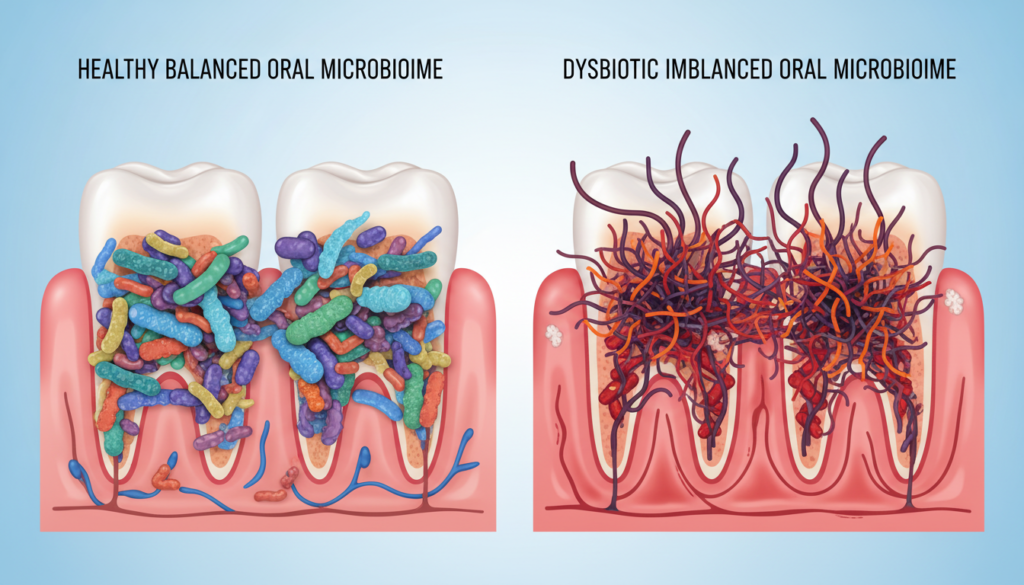
Harmful Bacteria Species
Several bacterial species are strongly associated with oral disease when they become too numerous. Understanding these organisms helps explain why promoting good bacteria for oral health is so important.
Streptococcus mutans is the primary bacterial species responsible for tooth decay. This organism produces large amounts of lactic acid from dietary sugars, creating an acidic environment that dissolves tooth enamel.
Studies show that S. mutans forms thick biofilms on tooth surfaces called dental plaque. Within these biofilms, the bacteria produce acid and create conditions that prevent enamel remineralization.
- Porphyromonas gingivalis drives periodontal disease progression
- Tannerella forsythia contributes to gum inflammation and tissue destruction
- Treponema denticola damages periodontal tissues through various mechanisms
- Prevotella intermedia associates with gingivitis and advanced gum disease
How Balance Shifts Toward Disease
Multiple factors can disrupt the delicate balance of the oral microbiome. Understanding these factors helps explain how to maintain beneficial bacterial populations.
Frequent sugar consumption provides excessive fuel for acid-producing bacteria. This dietary pattern favors the growth of S. mutans and other cariogenic species while creating conditions that harm beneficial bacteria.
Poor oral hygiene allows bacterial biofilms to accumulate and mature. As plaque thickens, oxygen levels decrease, creating an environment favorable for anaerobic pathogens associated with gum disease.
Factors That Promote Harmful Bacteria
- High sugar and refined carbohydrate intake
- Infrequent or inadequate brushing and flossing
- Dry mouth from medications or medical conditions
- Smoking and tobacco use
- Antibiotic use that disrupts bacterial balance
Factors That Support Good Bacteria
- Balanced diet rich in fiber and nutrients
- Regular mechanical plaque removal
- Adequate saliva production and flow
- Use of oral probiotics and prebiotics
- Avoidance of antimicrobial overuse
Medications, particularly antibiotics, can significantly alter the oral microbiome. While targeting harmful bacteria, antibiotics also reduce beneficial species, creating opportunities for pathogenic organisms to proliferate.
Research indicates that chronic stress, poor sleep, and systemic health conditions also influence oral bacterial balance. The mouth reflects overall health status through its microbial composition.
Restore Your Oral Microbiome Balance
Research shows that targeted probiotic strains can help restore beneficial bacteria populations and support lasting oral health. Discover the scientifically-validated approach to balancing your mouth’s ecosystem.
How Good Bacteria Prevent Tooth Decay
Tooth decay develops when acid-producing bacteria demineralize tooth enamel faster than it can repair itself. Good bacteria for oral health combat this process through several protective mechanisms.
Beneficial bacteria compete directly with cariogenic species like Streptococcus mutans for nutrients and attachment sites on tooth surfaces. When protective bacteria occupy these spaces, harmful bacteria cannot establish colonies as easily.
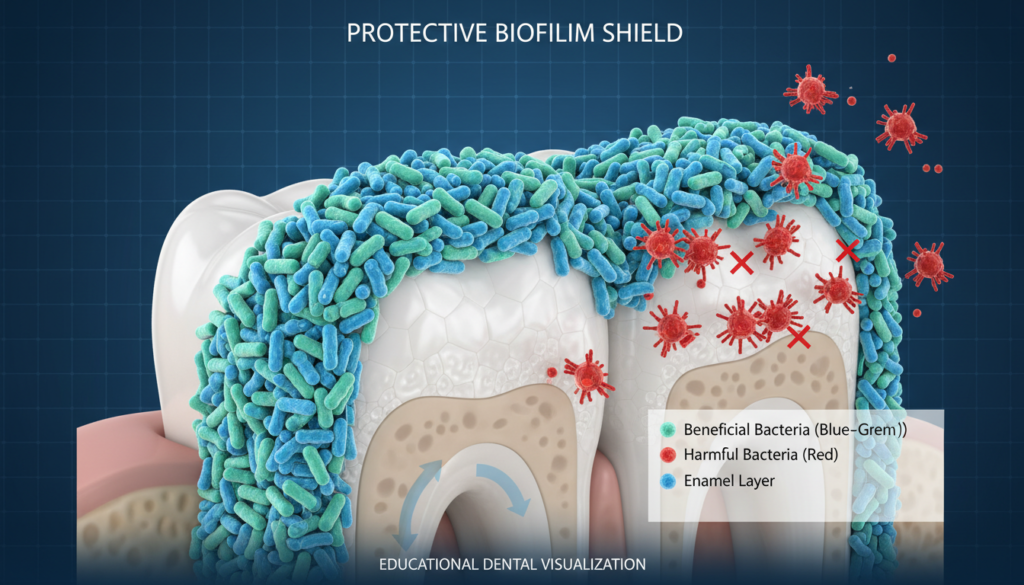
pH Regulation and Acid Neutralization
The pH level in your mouth critically affects enamel health. When pH drops below 5.5, tooth enamel begins to demineralize. Beneficial bacteria help maintain a more neutral pH environment.
Certain bacterial species produce enzymes that break down urea and other compounds into ammonia and other alkaline substances. These products neutralize acids produced by harmful bacteria, protecting tooth enamel from decay.
Research demonstrates that people with more diverse oral microbiomes rich in beneficial bacteria experience less severe pH drops after consuming sugary foods. Their mouths return to neutral pH more quickly.
Production of Antimicrobial Compounds
Many beneficial bacterial species produce natural antimicrobial substances that inhibit the growth of decay-causing organisms. These compounds include hydrogen peroxide, organic acids, and specialized proteins called bacteriocins.
Studies show that Streptococcus salivarius strains produce multiple bacteriocins that specifically target S. mutans. These antimicrobial proteins attach to harmful bacteria and disrupt their cell membranes, preventing their growth.
Some lactobacilli produce hydrogen peroxide in amounts that inhibit pathogenic bacteria without harming the host tissues. This selective antimicrobial effect helps maintain a healthy bacterial balance.
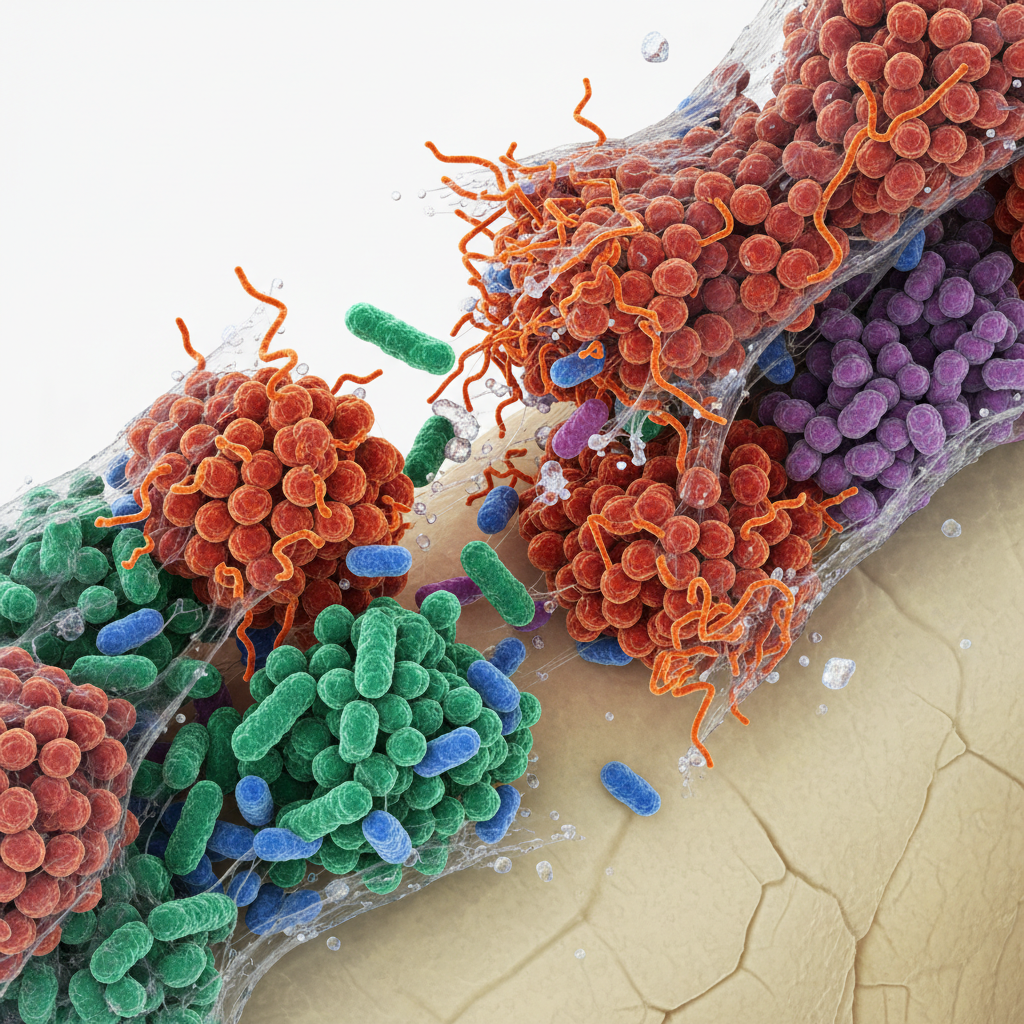
Biofilm Disruption
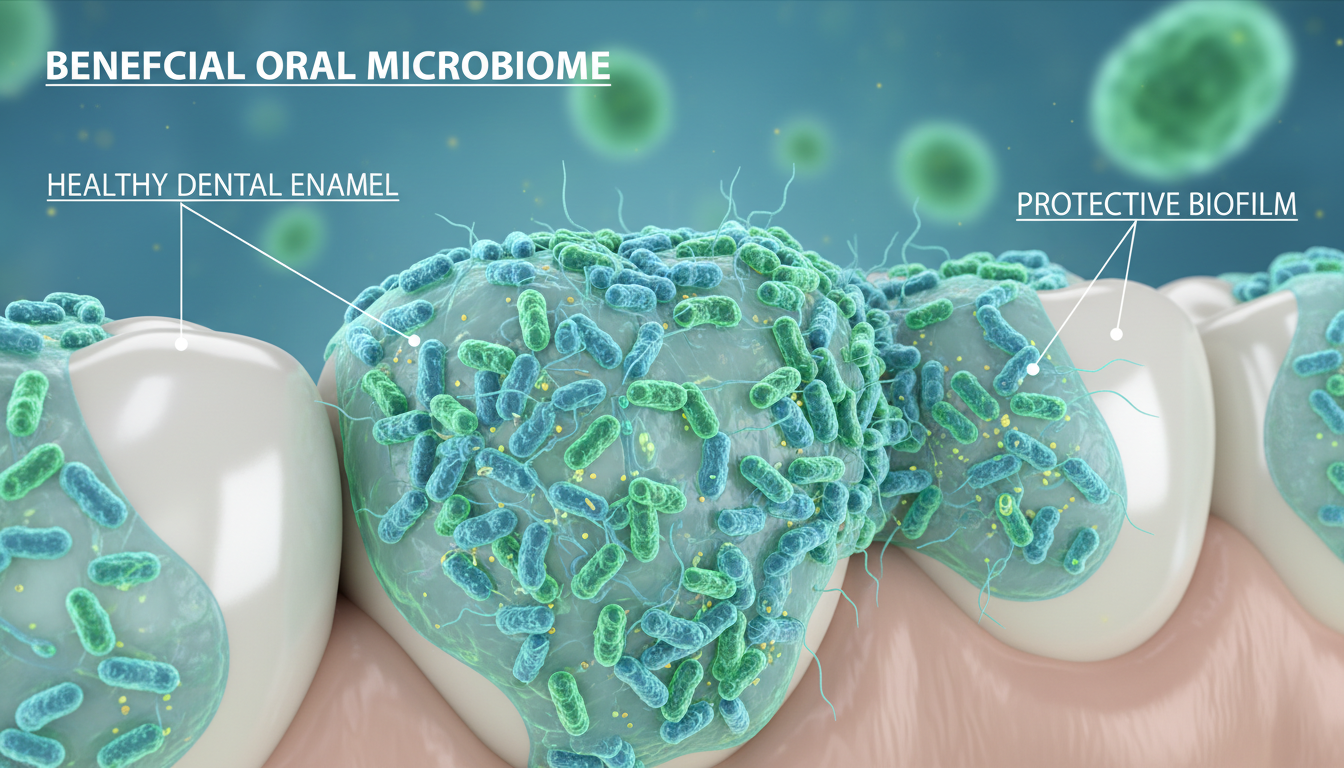
Dental plaque is a complex biofilm structure where bacteria adhere to tooth surfaces and to each other. Beneficial bacteria can interfere with harmful biofilm formation.
- Some species produce enzymes that break down biofilm matrices
- Beneficial bacteria compete for biofilm attachment sites
- Certain strains prevent harmful bacteria from aggregating
- Protective species alter biofilm architecture to reduce pathogenicity
Supporting Enamel Remineralization
Tooth enamel undergoes constant cycles of demineralization and remineralization. Beneficial bacteria support the remineralization process that repairs early decay damage.
By maintaining higher pH levels and reducing acid production, good bacteria create conditions favorable for calcium and phosphate ions to redeposit into enamel. This process reverses early decay before cavities form.
Research indicates that certain bacterial species may produce substances that actively promote mineral deposition. While more studies are needed, initial findings suggest beneficial bacteria might directly enhance enamel repair mechanisms.
Protection Against Gum Disease
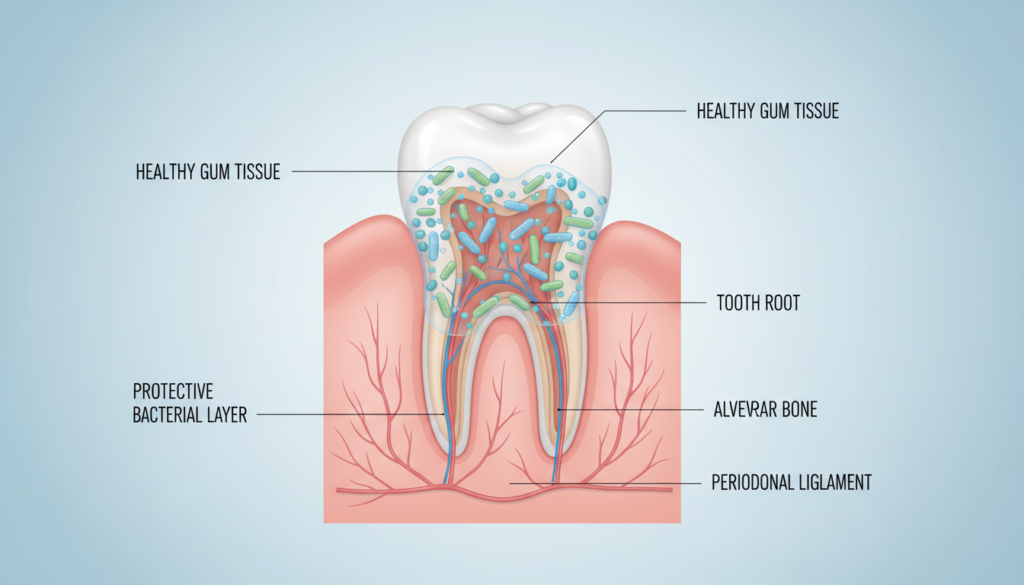
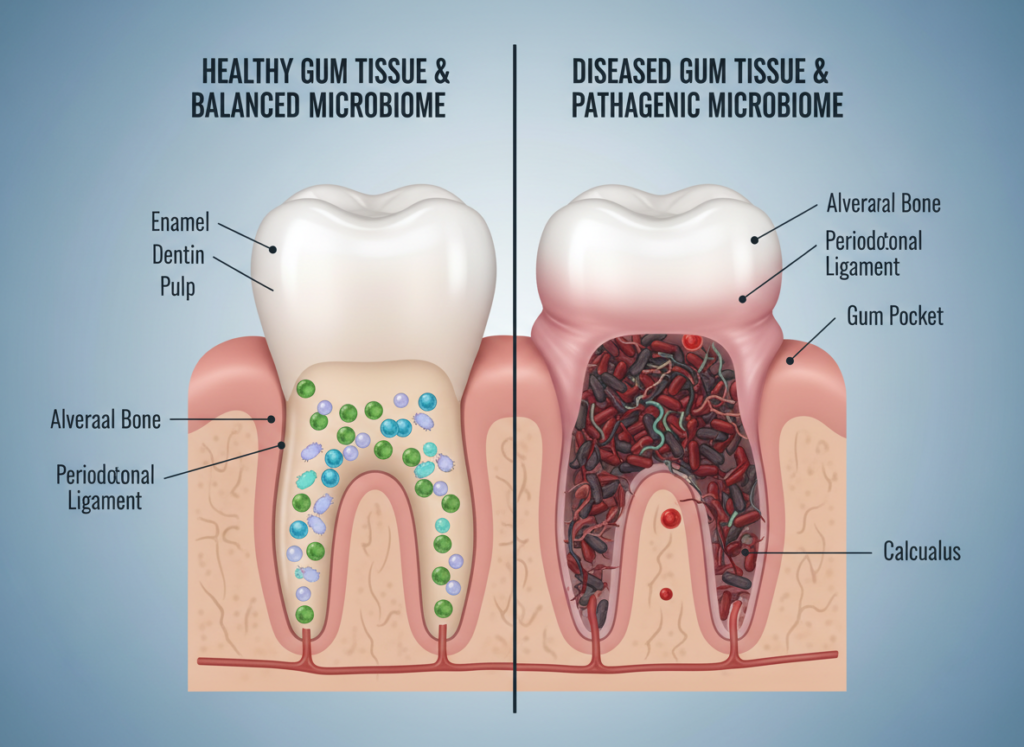
Periodontal disease affects the tissues surrounding and supporting teeth. This inflammatory condition results from dysbiosis in the subgingival microbiome—the bacterial community below the gum line.
Good bacteria for oral health protect against gum disease through immune modulation, competitive exclusion of pathogens, and production of anti-inflammatory compounds. Understanding these mechanisms reveals why maintaining beneficial bacteria matters for gum health.
Immune System Modulation
Beneficial bacteria interact with immune cells in gum tissues, helping to calibrate immune responses. These interactions train the immune system to tolerate helpful microorganisms while remaining vigilant against pathogens.
Studies show that certain probiotic strains reduce pro-inflammatory cytokine production in gum tissues. These signaling molecules normally trigger inflammation when periodontal pathogens are present.
By modulating immune responses, beneficial bacteria help prevent the excessive inflammation that characterizes gum disease. They promote a balanced immune response that protects tissues without causing damage.
- Beneficial bacteria stimulate production of anti-inflammatory compounds
- They enhance the gum tissue barrier function
- Protective species promote regulatory immune cell activity
- Good bacteria reduce oxidative stress in gum tissues
Suppression of Periodontal Pathogens
Specific bacterial species drive periodontal disease progression. Porphyromonas gingivalis, Tannerella forsythia, and Treponema denticola form a pathogenic consortium strongly associated with severe gum disease.
Beneficial bacteria compete with these periodontal pathogens for nutrients and attachment sites in the subgingival environment. Some produce antimicrobial substances that directly inhibit pathogen growth.
Research demonstrates that oral probiotic therapy with specific Lactobacillus and Streptococcus strains can reduce the numbers of periodontal pathogens in gum pockets. Clinical trials show corresponding improvements in gum health markers.
Clinical Evidence
Multiple clinical trials have examined the effects of oral probiotics on gum disease. Results consistently show that certain bacterial strains provide measurable benefits.
Studies report reductions in gum bleeding, pocket depth, and inflammatory markers when patients use specific probiotic strains alongside conventional periodontal therapy.
Research indicates that probiotic effects are strain-specific. Not all bacterial species or strains provide equal benefits for periodontal health.
Reduction of Gum Inflammation
Chronic inflammation damages the tissues that support teeth, including gums, periodontal ligament, and alveolar bone. Beneficial bacteria help reduce this inflammatory burden through several mechanisms.
Certain species produce short-chain fatty acids and other metabolites with anti-inflammatory properties. These compounds modulate immune cell activity and reduce tissue-damaging inflammation.
By maintaining a balanced microbiome, good bacteria prevent the dysbiosis that triggers excessive inflammatory responses. This protective effect helps preserve gum tissue integrity over time.
Combat Gum Disease with Beneficial Bacteria
Clinical research validates specific probiotic strains for supporting gum health and reducing inflammation. These targeted formulations work alongside your oral care routine to promote lasting periodontal wellness.
Oral Probiotics: Science and Clinical Evidence
Probiotics are defined as live microorganisms that, when administered in adequate amounts, confer a health benefit on the host. Oral probiotics specifically target the oral microbiome to support dental and periodontal health.
The concept of using beneficial bacteria to improve health extends back over a century, but oral probiotic research has accelerated significantly in recent decades. Numerous studies now demonstrate the potential of specific bacterial strains to support oral health.
Mechanisms of Oral Probiotic Action
Oral probiotics work through multiple mechanisms to support oral health. Understanding these mechanisms helps explain why certain strains show effectiveness in clinical trials while others do not.
The primary mechanism involves competitive exclusion—beneficial bacteria occupy ecological niches and consume nutrients, limiting the resources available for pathogenic species. This competition helps maintain a balanced microbiome.
Production of antimicrobial substances represents another key mechanism. Many oral probiotic strains produce hydrogen peroxide, bacteriocins, organic acids, and other compounds that inhibit pathogen growth.
Adhesion and Colonization
Effective oral probiotic strains must adhere to oral surfaces and temporarily colonize the mouth. Strains with strong adhesion properties compete more effectively with pathogens for attachment sites.
Immune Modulation
Oral probiotics interact with immune cells in oral tissues, promoting balanced immune responses. This modulation reduces excessive inflammation while maintaining protective immunity against pathogens.
Biofilm Modification
Certain probiotic strains alter the structure and composition of dental biofilms, making them less pathogenic. This modification reduces the disease-causing potential of plaque.
Clinical Trial Evidence
Numerous clinical trials have evaluated oral probiotic efficacy for various dental conditions. Research quality varies, but well-designed studies provide evidence supporting specific applications.
A systematic review of clinical trials found that certain Lactobacillus and Streptococcus strains significantly reduce Streptococcus mutans levels in saliva and plaque. This reduction correlates with decreased cavity risk.
Studies examining gum disease show that specific probiotic strains reduce gum bleeding, inflammation, and pocket depth when used as adjuncts to conventional periodontal therapy. Effect sizes are generally modest but clinically meaningful.
| Study Type | Probiotic Strain | Condition Studied | Key Findings |
| Randomized Controlled Trial | Lactobacillus reuteri | Periodontal Disease | Reduced gum bleeding and inflammation markers |
| Clinical Study | Streptococcus salivarius K12 | Oral Health | Decreased S. mutans colonization |
| Meta-Analysis | Multiple Lactobacillus strains | Dental Caries | Modest reduction in cavity formation |
| Randomized Trial | L. rhamnosus GG | Childhood Caries | Lower caries rates in probiotic group |
Strain-Specific Effects
Not all probiotic bacteria provide equal benefits for oral health. Research demonstrates that effects are highly strain-specific—even different strains within the same bacterial species show varying efficacy.
Streptococcus salivarius K12, for example, produces specific bacteriocins that effectively inhibit S. mutans and other pathogens. Other S. salivarius strains without these properties show minimal oral health benefits.
Studies emphasize the importance of using clinically validated strains rather than generic probiotics. The specific genetic characteristics of individual strains determine their therapeutic potential.
- Lactobacillus reuteri strains show strong evidence for periodontal benefits
- Specific S. salivarius strains reduce pathogen colonization
- Certain L. rhamnosus strains demonstrate anti-caries effects
- Bifidobacterium strains show promise but require more research
Duration and Dosage Considerations
Clinical trials indicate that oral probiotics require regular use to maintain benefits. Effects typically diminish within weeks of discontinuing probiotic supplementation.
Research suggests that probiotic bacteria temporarily colonize the mouth but do not permanently establish in most cases. Continued supplementation maintains therapeutic bacterial levels.
Optimal dosing varies by strain, but most successful clinical trials use doses ranging from one billion to ten billion colony-forming units (CFU) daily. Higher doses do not necessarily produce better results.
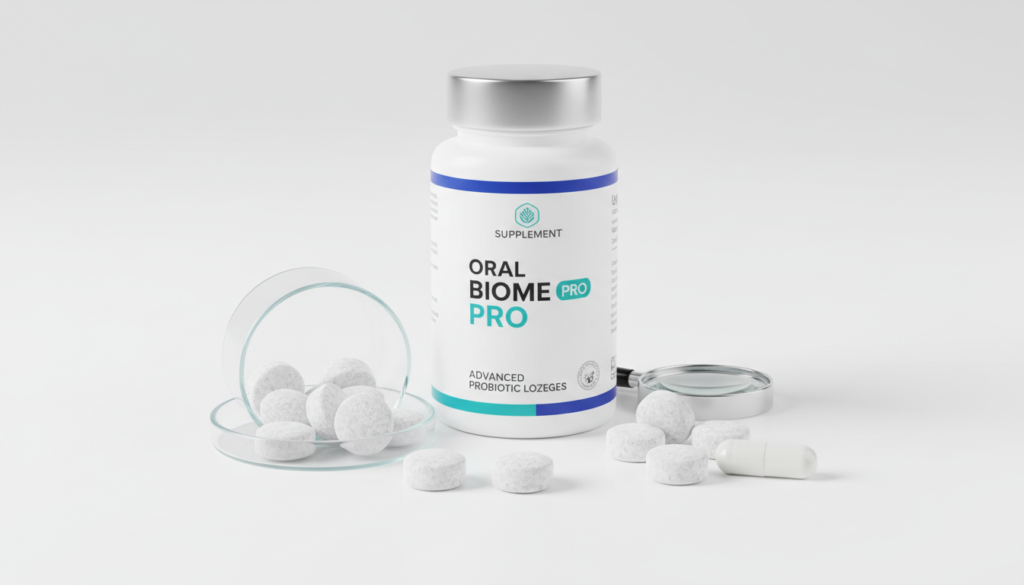
The delivery format matters for oral probiotics. Lozenges, chewable tablets, and other formats that allow prolonged contact with oral tissues generally show better efficacy than swallowed capsules designed for gut health.
Prebiotics and Their Role in Oral Health
Prebiotics are non-digestible food components that selectively promote the growth and activity of beneficial microorganisms. In the oral context, prebiotics provide nutrients that support good bacteria for oral health while offering less benefit to harmful species.
While probiotic research in oral health has advanced significantly, prebiotic applications remain less studied. However, emerging research suggests that certain compounds may help maintain a beneficial oral microbiome.
Types of Oral Prebiotics
Several compounds show potential as oral prebiotics based on preliminary research. These substances selectively support beneficial bacteria while having minimal effect on pathogenic species.
Arginine, an amino acid found in many protein-rich foods, has received significant research attention. Studies show that arginine promotes the growth of bacteria that raise oral pH, helping to neutralize acid and prevent tooth decay.
Research demonstrates that arginine metabolism by certain oral bacteria produces ammonia, which neutralizes acids produced by S. mutans and other cariogenic species. This effect helps protect tooth enamel from demineralization.
Promising Prebiotic Compounds
- Arginine supports alkaline-producing bacteria
- Xylitol inhibits S. mutans while supporting beneficial species
- Inulin and fructooligosaccharides may promote beneficial bacteria
- Certain polyphenols support a balanced microbiome
Mechanisms of Action
- Selective nutrition for beneficial species
- pH modulation through bacterial metabolism
- Enhanced biofilm composition
- Support for probiotic colonization
Xylitol: A Special Case
Xylitol, a sugar alcohol found naturally in many fruits and vegetables, demonstrates unique properties that support oral health. While technically not a prebiotic by strict definition, it selectively affects oral bacteria.
Studies show that Streptococcus mutans cannot metabolize xylitol for energy. When S. mutans attempts to process xylitol, the resulting metabolic futile cycle depletes the bacteria’s energy reserves and inhibits its growth.
Beneficial oral bacteria are less affected by xylitol, giving them a competitive advantage when xylitol is present. Regular xylitol exposure shifts the oral microbiome toward a less cariogenic composition.
Research indicates that regular xylitol use significantly reduces S. mutans levels in plaque and saliva. Multiple studies demonstrate reduced cavity formation in populations using xylitol gum or other xylitol-containing products.
Dietary Sources and Applications
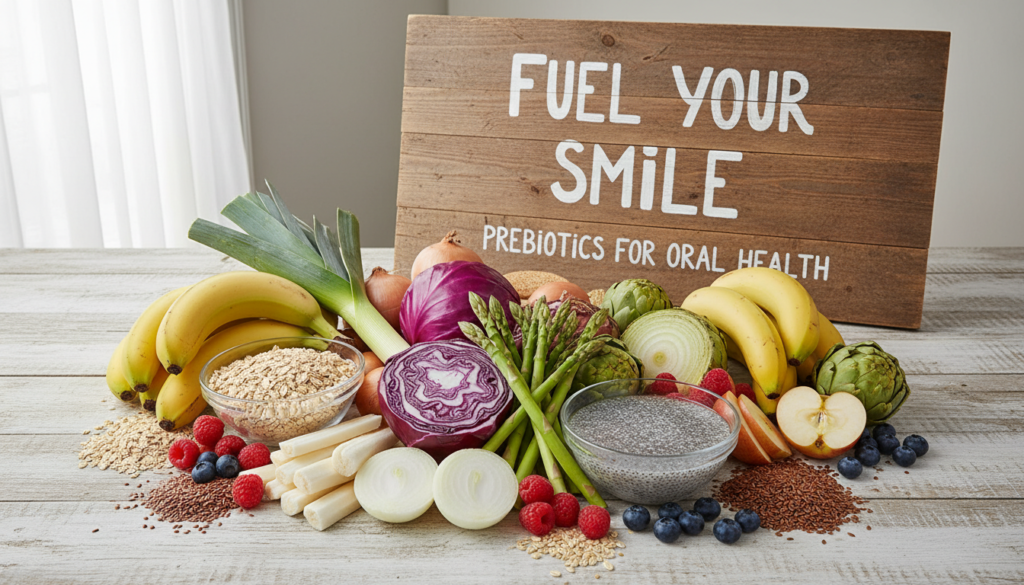
Many foods naturally contain prebiotic compounds that may support oral health. Incorporating these foods into your diet provides nutrients that beneficial bacteria can utilize.
Fiber-rich vegetables, legumes, and whole grains contain various prebiotic compounds. While most research focuses on gut health benefits, these foods likely influence the oral microbiome as well.
The oral cavity is the first point of contact for food, and chewing fibrous foods may provide immediate prebiotic benefits to oral bacteria. Additionally, the mechanical action of chewing these foods helps clean teeth surfaces.
Combining probiotics and prebiotics creates a synbiotic approach that may enhance oral health benefits. Prebiotics support the colonization and activity of supplemented probiotic strains.
Factors That Influence Your Oral Microbiome
The composition and balance of your oral microbiome results from complex interactions between genetics, environment, diet, hygiene practices, and various health factors. Understanding these influences helps you support beneficial bacteria populations.
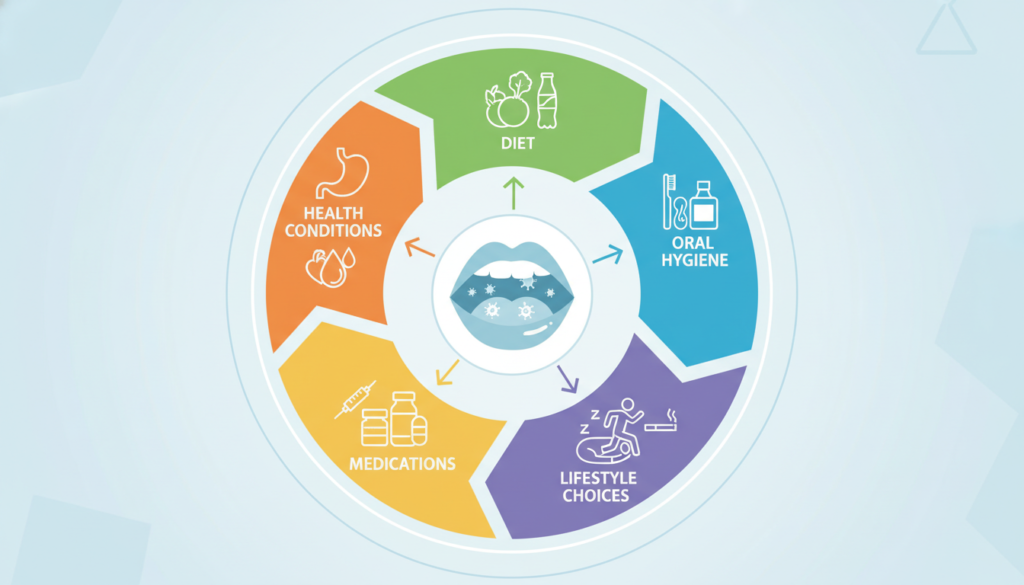
Diet and Nutrition
Dietary patterns profoundly affect which bacterial species thrive in your mouth. The nutrients you consume provide fuel and building blocks for oral microorganisms.
High sugar consumption, particularly frequent exposure to sucrose and other fermentable carbohydrates, selectively promotes acid-producing bacteria like Streptococcus mutans. These bacteria rapidly metabolize sugars into acids that damage teeth and create an environment favorable for their growth.
Research shows that diets high in processed foods and refined carbohydrates correlate with less diverse, more pathogenic oral microbiomes. Conversely, diets rich in fiber, vegetables, and whole foods support greater microbial diversity.
- Frequent sugar exposure shifts microbiome toward cariogenic species
- Acidic beverages alter pH and bacterial composition
- Protein-rich foods provide arginine for beneficial bacteria
- Fermented foods may contribute beneficial microorganisms
- Fiber stimulates saliva production and supports diverse bacteria
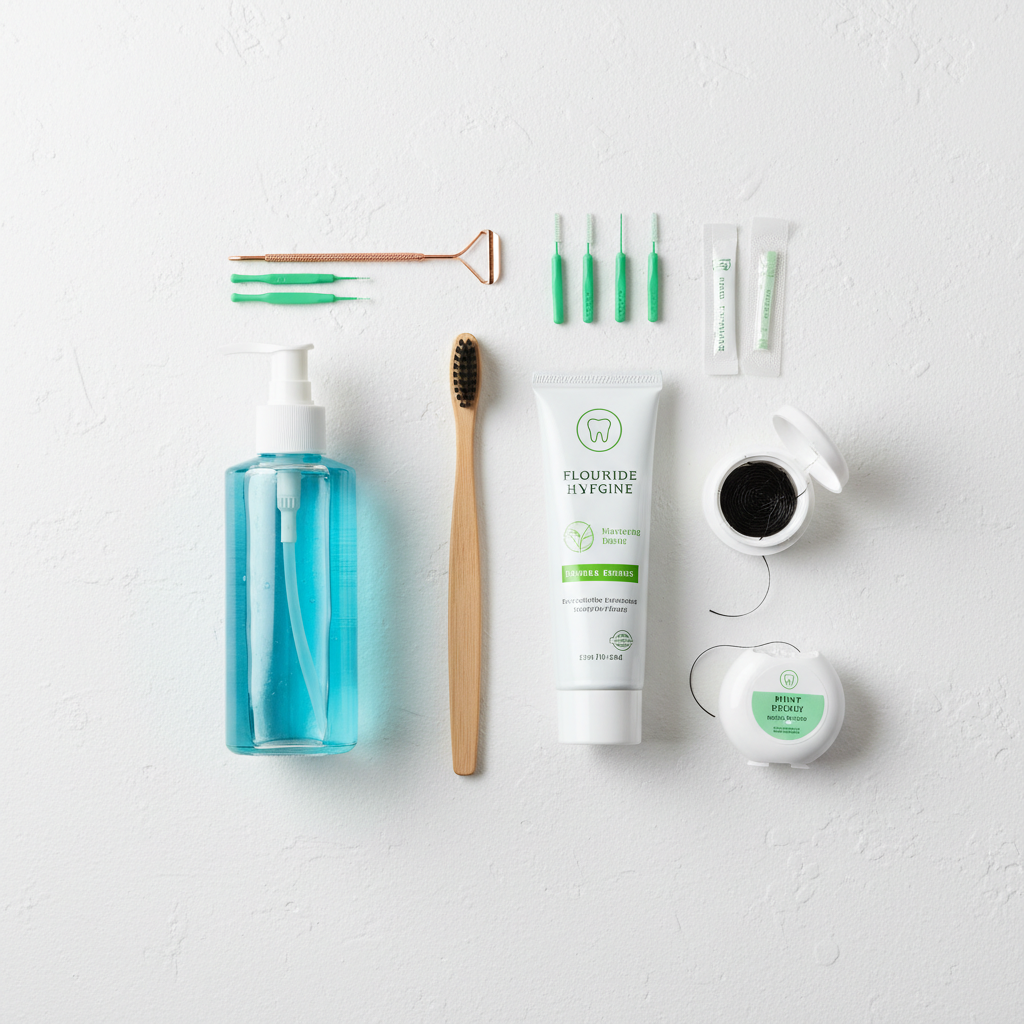
Oral Hygiene Practices
Brushing, flossing, and other cleaning methods mechanically remove bacterial biofilms from tooth surfaces. While necessary for preventing disease, these practices also influence microbiome composition.
Regular tooth brushing prevents biofilm accumulation and removes food particles that feed bacteria. However, overly aggressive cleaning or excessive use of antimicrobial products may disrupt beneficial bacteria along with harmful species.
Studies indicate that mechanical plaque removal alone, without antimicrobial rinses, effectively reduces pathogen levels while maintaining beneficial bacteria populations. This approach supports a balanced microbiome.
Antimicrobial Products
Many oral care products contain antimicrobial agents designed to kill bacteria. While these ingredients reduce pathogens, they may also affect beneficial species.
Chlorhexidine, a common antimicrobial in prescription mouthwashes, effectively kills bacteria but shows limited selectivity. Regular use can disrupt the oral microbiome balance.
Research suggests using antimicrobial products judiciously, primarily for treating active infections rather than daily prevention, helps maintain a diverse beneficial microbiome.
Medications and Health Conditions
Numerous medications affect oral bacteria populations. Antibiotics represent the most direct impact, reducing both harmful and beneficial species throughout the body, including the mouth.
Research shows that even a single course of broad-spectrum antibiotics can alter the oral microbiome for months. Repeated antibiotic use may create lasting changes that increase disease susceptibility.
Many common medications cause dry mouth as a side effect. Reduced saliva flow creates conditions favorable for pathogenic bacteria while harming beneficial species that require adequate moisture.
Medications Affecting Oral Microbiome
- Antibiotics disrupt bacterial balance
- Antihistamines reduce saliva production
- Blood pressure medications often cause dry mouth
- Antidepressants may decrease saliva flow
Health Conditions
- Diabetes alters oral bacterial composition
- Autoimmune diseases affect microbiome
- Cancer treatments disrupt bacterial balance
- Stress impacts oral microbial communities
Lifestyle Factors
- Smoking dramatically alters oral bacteria
- Alcohol consumption affects microbiome
- Sleep quality influences oral health
- Stress hormones modify bacterial populations
Age and Life Stage
The oral microbiome changes significantly throughout life. Understanding these age-related patterns helps explain susceptibility to different oral diseases at various life stages.
Infants acquire their initial oral bacteria from their mothers and environment. The microbiome evolves rapidly during early childhood as teeth erupt and diet transitions from milk to solid foods.
Studies show that elderly individuals often have distinct oral microbiomes compared to younger adults. Changes in saliva production, medication use, systemic health, and tooth loss all contribute to these differences.
Hormonal changes during puberty, pregnancy, and menopause can affect oral bacteria composition. These shifts may explain increased cavity and gum disease risk during certain life periods.
Current Research on Oral Microbiome and Probiotics
Scientific research into the oral microbiome and probiotic therapy has expanded dramatically over the past two decades. Advanced molecular techniques now allow researchers to identify and study bacterial species that cannot be grown in laboratory cultures.
This research revolution has revealed the extraordinary complexity of oral microbial communities and identified specific bacterial species and strains with particular health effects. Studies continue to uncover new insights into how good bacteria for oral health function.
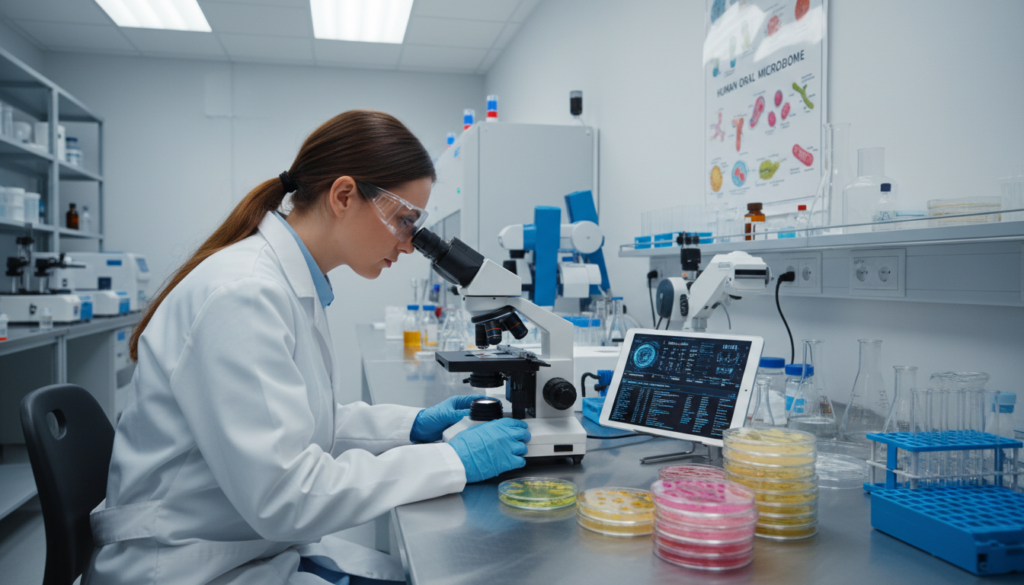
Genomic and Metagenomic Studies
Modern DNA sequencing technologies allow researchers to identify all bacterial species present in oral samples without requiring cultivation. This metagenomic approach has revolutionized understanding of oral microbial diversity.
Research using these techniques has identified over 700 bacterial species in the oral cavity, many of which had never been previously characterized. These studies reveal that each individual harbors a unique microbial signature.
Genomic analysis of specific beneficial strains helps scientists understand exactly which genes and metabolic pathways contribute to oral health benefits. This knowledge guides the selection of probiotic strains for therapeutic applications.
Clinical Trials and Systematic Reviews
Numerous clinical trials have tested oral probiotic efficacy for various conditions. Systematic reviews and meta-analyses synthesize findings from multiple studies to draw broader conclusions.
A 2023 systematic review examining probiotics for dental caries found that certain Lactobacillus strains significantly reduce Streptococcus mutans counts. However, the review noted that cavity reduction outcomes showed more variable results across studies.
Research on probiotics for periodontal disease shows more consistent positive effects. Multiple systematic reviews conclude that specific probiotic strains, particularly Lactobacillus reuteri, provide meaningful adjunctive benefits for gum disease treatment.
| Research Area | Key Findings | Number of Studies | Evidence Quality |
| Probiotics for Caries Prevention | Reduced S. mutans; modest cavity reduction | 30+ clinical trials | Moderate |
| Probiotics for Periodontal Disease | Reduced inflammation and bleeding; improved pocket depth | 25+ clinical trials | Moderate to High |
| Oral Microbiome Composition | 700+ species identified; individual variation high | 100+ studies | High |
| Arginine as Prebiotic | Promotes pH-raising bacteria; reduces caries | 15+ studies | Moderate |
Mechanisms Research
Understanding how beneficial bacteria exert their effects requires detailed mechanistic studies. Researchers investigate the specific compounds produced by bacteria, how they interact with human cells, and their effects on pathogenic species.
Recent research has identified specific bacteriocins produced by Streptococcus salivarius strains that selectively kill S. mutans. Scientists have characterized the molecular structure of these antimicrobial proteins and how they work.
Studies examining immune modulation show that certain probiotic bacteria interact with dendritic cells and other immune cells in oral tissues. These interactions influence cytokine production and inflammatory responses in ways that promote tissue health.
Research into biofilm dynamics reveals how beneficial bacteria integrate into dental plaque structures and modify their pathogenic potential. Some strains produce enzymes that alter biofilm architecture, making plaque less harmful.
Emerging Research Directions
Current research explores several promising new directions that may further advance oral probiotic applications and microbiome understanding.
Scientists are investigating engineered probiotic strains designed to produce enhanced levels of beneficial compounds. These modified bacteria might offer superior therapeutic effects compared to naturally occurring strains.
Research into personalized oral microbiome therapy aims to tailor probiotic recommendations based on individual bacterial profiles. This precision approach might improve treatment outcomes by addressing specific imbalances.
- Microbiome-based diagnostic tools to predict disease risk
- Combination probiotic-prebiotic formulations optimized for oral health
- Novel delivery systems for enhanced colonization
- Connections between oral and gut microbiomes
- Role of fungi and viruses in the oral ecosystem
Access Research-Validated Oral Probiotics
Decades of clinical research have identified specific bacterial strains with proven oral health benefits. These scientifically-validated formulations bring laboratory discoveries to your daily oral care routine, supporting your microbiome with evidence-based precision.
How to Use Oral Probiotics Effectively
Successfully incorporating oral probiotics into your health routine requires understanding proper selection, dosing, timing, and integration with existing oral care practices. Research provides guidance on maximizing probiotic benefits.

Choosing the Right Probiotic Strains
Not all probiotics provide oral health benefits. Selecting products that contain clinically validated strains for oral applications gives you the best chance of experiencing positive effects.
Look for products containing Lactobacillus reuteri strains, particularly those tested in clinical trials for periodontal health. Streptococcus salivarius K12 shows strong evidence for reducing pathogenic bacteria and supporting overall oral health.
Research indicates that multi-strain formulations may offer advantages over single-strain products. Different strains work through complementary mechanisms, potentially providing broader benefits.
Evidence-Based Strain Selection
- Lactobacillus reuteri (specific strains for gum health)
- Streptococcus salivarius K12 (pathogen inhibition)
- Lactobacillus rhamnosus GG (caries reduction)
- Lactobacillus plantarum (inflammation reduction)
- Bifidobacterium strains (emerging evidence)
Product Quality Considerations
- CFU count appropriate to research (1-10 billion)
- Strains identified to species and strain level
- Third-party testing for quality verification
- Proper storage requirements listed
- Expiration dates indicating viable bacteria
Proper Dosing and Timing
Clinical trials typically use doses ranging from one billion to ten billion CFU per day. Most successful studies administer probiotics once or twice daily.
For oral probiotics, timing relative to other oral care activities matters. Research suggests taking probiotics after brushing and using mouthwash, since antimicrobial products can reduce probiotic bacteria viability.
Studies indicate that evening administration may be particularly effective. During sleep, saliva flow decreases, allowing probiotic bacteria more time to adhere to oral surfaces without being washed away.
Delivery Format Considerations
The product format affects how well probiotic bacteria contact oral tissues and establish temporary colonization. Different delivery systems show varying efficacy.
Lozenges and chewable tablets designed to dissolve slowly in the mouth allow prolonged contact between probiotic bacteria and oral surfaces. Studies show these formats generally outperform swallowed capsules for oral applications.
Research indicates that probiotic bacteria must come into direct contact with oral tissues to exert local effects. Products that bypass the mouth and go straight to the stomach provide minimal oral health benefits.
Usage Tip: Allow oral probiotic lozenges or chewables to dissolve slowly in your mouth rather than chewing and swallowing quickly. This extended contact time enhances bacterial adhesion to oral surfaces.
Integration with Oral Hygiene Routine
Oral probiotics work best as part of a comprehensive oral care routine, not as replacements for brushing and flossing. Combining probiotics with proper mechanical cleaning provides synergistic benefits.
Regular plaque removal creates opportunities for beneficial bacteria to colonize tooth surfaces. Without mechanical cleaning, biofilms become too thick and mature for probiotics to penetrate effectively.
Studies suggest spacing probiotic use at least 30 minutes after using antimicrobial mouthwashes. This interval allows antimicrobial agents to dissipate, protecting probiotic bacteria from destruction.
- Brush teeth twice daily with fluoride toothpaste
- Floss daily to remove interdental plaque
- Use antimicrobial rinses only when clinically indicated
- Take oral probiotics after completing other oral care
- Avoid eating or drinking for 30 minutes after probiotic use
Duration of Use and Expectations
Clinical trials typically evaluate probiotic effects over weeks to months. Most studies show measurable changes in bacterial composition within two to four weeks of regular use.
Research indicates that probiotic benefits diminish within weeks of discontinuing use. For sustained effects, ongoing supplementation appears necessary in most cases.
Set realistic expectations based on research findings. Probiotics provide modest but meaningful benefits when used consistently. They complement but do not replace conventional dental care and professional treatment.
Studies show that individuals with more severe oral disease may experience more noticeable improvements. Those with already-healthy mouths might see subtler benefits, primarily in disease prevention.
The Oral-Systemic Health Connection
The mouth does not exist in isolation from the rest of the body. Research increasingly demonstrates connections between oral microbiome composition and various systemic health conditions. Understanding these links reveals why oral health matters beyond just teeth and gums.
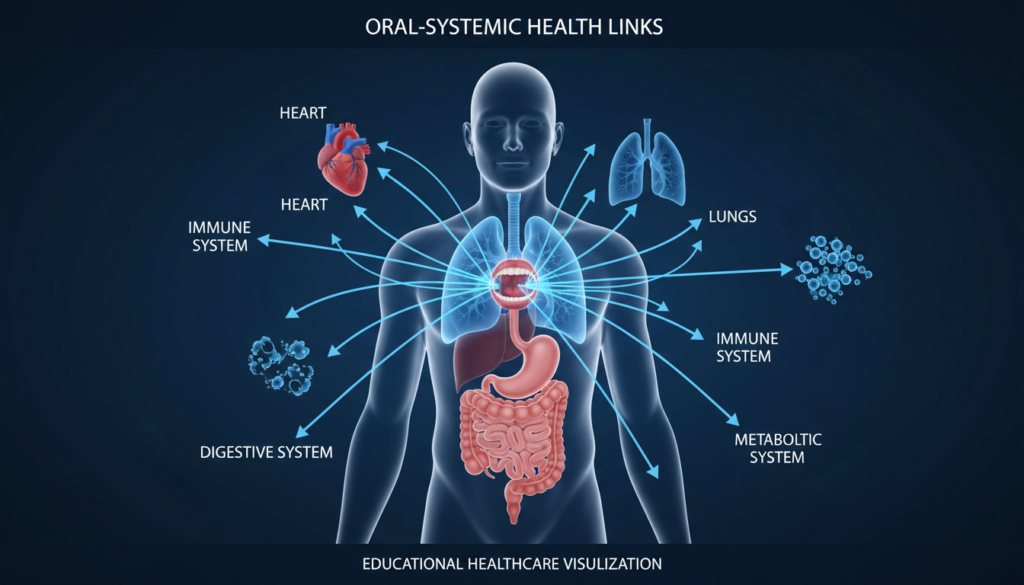
Cardiovascular Disease
Numerous studies have identified associations between periodontal disease and cardiovascular conditions including heart disease and stroke. While research continues to clarify these relationships, several mechanisms may explain the connection.
Periodontal pathogens can enter the bloodstream through diseased gum tissue. Studies have detected oral bacteria in atherosclerotic plaques removed from arteries, suggesting direct bacterial involvement in cardiovascular disease.
Research indicates that chronic inflammation from gum disease may contribute to systemic inflammation that promotes cardiovascular problems. Inflammatory molecules from oral tissues can circulate throughout the body, affecting blood vessels and heart tissue.
Good bacteria for oral health may indirectly support cardiovascular wellness by preventing gum disease and the associated inflammatory burden. Maintaining a balanced oral microbiome could represent one component of heart disease prevention.
Diabetes
The relationship between diabetes and oral health operates bidirectionally. Diabetes increases risk for gum disease, while periodontal disease makes blood sugar control more difficult.
Studies show that people with diabetes have altered oral microbiomes compared to non-diabetic individuals. Elevated blood sugar levels affect bacterial composition and increase susceptibility to periodontal pathogens.
Research demonstrates that treating gum disease can improve glycemic control in diabetic patients. This finding suggests that maintaining oral health through balanced bacteria populations may help manage diabetes.
Respiratory Health
Oral bacteria can be aspirated into the lungs, particularly in elderly or hospitalized individuals. This aspiration may contribute to respiratory infections including pneumonia.
Studies in nursing homes show that improved oral hygiene and potentially probiotic use reduce pneumonia rates. Maintaining beneficial oral bacteria might help prevent respiratory disease in vulnerable populations.

Digestive Health and the Gut-Mouth Axis
The oral microbiome represents the beginning of the digestive tract. Oral bacteria transit to the gut with each swallow, potentially influencing intestinal microbial communities.
Research reveals bidirectional communication between oral and gut microbiomes. Disturbances in gut bacteria can affect oral bacterial composition, while oral dysbiosis may influence intestinal health.
Studies suggest that some oral pathogens can colonize the gut and contribute to inflammatory bowel conditions. Conversely, maintaining beneficial oral bacteria might support digestive wellness through the gut-mouth connection.
Pregnancy Outcomes
Pregnant women with periodontal disease face increased risk for adverse pregnancy outcomes including preterm birth and low birth weight babies. Multiple studies have documented these associations.
Research indicates that periodontal bacteria and inflammatory molecules from infected gums can reach the placenta and amniotic fluid. This bacterial translocation might trigger premature labor or restrict fetal growth.
Maintaining good bacteria for oral health during pregnancy could help prevent gum disease and potentially reduce risks to the developing baby. Some studies suggest oral probiotic use might benefit pregnant women, though more research is needed.
Cognitive Function
Emerging research explores connections between oral health and cognitive decline. Some studies suggest associations between periodontal disease and increased dementia risk, though causation remains unclear.
Certain periodontal pathogens have been detected in brain tissue from Alzheimer’s patients. Research continues to investigate whether these oral bacteria directly contribute to neurodegeneration or simply correlate with disease.
Studies propose that chronic oral inflammation might affect brain health through systemic inflammatory pathways. Maintaining a balanced oral microbiome could theoretically support cognitive wellness as part of overall health maintenance.
Natural Ways to Support Your Oral Microbiome
Beyond oral probiotic supplements, numerous lifestyle practices and natural approaches can help maintain beneficial bacteria populations. These methods work synergistically with probiotics to optimize oral health.

Dietary Approaches
Food choices profoundly influence which bacteria thrive in your mouth. Adopting dietary patterns that support beneficial species while limiting nutrients for harmful bacteria can shift your microbiome toward health.
Reducing sugar and refined carbohydrate consumption represents the single most important dietary change for oral health. These foods selectively feed acid-producing bacteria that cause tooth decay and create acidic conditions harmful to beneficial species.
Research shows that increasing consumption of fiber-rich vegetables, legumes, and whole grains supports a more diverse oral microbiome. These foods require thorough chewing, which stimulates saliva production and mechanically cleans teeth.
- Minimize added sugars and sweetened beverages
- Choose whole grains over refined grain products
- Eat plenty of fibrous vegetables and fruits
- Include fermented foods like yogurt and kefir
- Limit acidic foods and drinks that lower oral pH
- Stay well hydrated to support saliva production
Saliva Enhancement
Adequate saliva flow is essential for maintaining beneficial bacteria and controlling harmful species. Saliva provides nutrients, buffers acids, and contains antimicrobial compounds that regulate bacterial populations.
Many factors can reduce saliva production including medications, aging, dehydration, and certain medical conditions. Taking steps to enhance saliva flow supports a healthier oral microbiome.
Studies indicate that chewing sugar-free gum, particularly products containing xylitol, significantly increases saliva production. This enhanced flow helps rinse away bacteria and food particles while neutralizing acids.
Natural Saliva Stimulation
- Chew sugar-free gum after meals
- Drink water throughout the day
- Eat crunchy, fibrous foods
- Use a humidifier if air is dry
- Avoid mouth-breathing when possible
Foods That Stimulate Saliva
- Crisp apples and pears
- Celery and carrots
- Sugar-free citrus flavors
- Cheese (also provides calcium)
- Green tea (contains beneficial compounds)
Gentle Oral Care Products
Choosing oral care products that clean effectively without disrupting beneficial bacteria helps maintain microbiome balance. Not all products affect the oral ecosystem equally.
Research suggests that fluoride toothpaste provides cavity protection without significantly disrupting the oral microbiome when used appropriately. Fluoride strengthens enamel and makes the tooth surface less favorable for bacterial colonization.
Studies indicate that natural antimicrobial agents like essential oils may affect oral bacteria differently than synthetic compounds. Some research shows tea tree oil and other plant-derived antimicrobials selectively inhibit pathogens while having less impact on beneficial species.
Stress Management
Chronic stress affects the oral microbiome through multiple mechanisms. Stress hormones alter immune function, reduce saliva production, and may directly influence bacterial composition.
Research demonstrates that students under examination stress show altered oral microbiomes with increased pathogenic bacteria. This suggests that managing stress could help maintain beneficial bacterial populations.
Practices like adequate sleep, regular exercise, meditation, and stress-reduction techniques support overall health including oral microbial balance. These lifestyle factors create conditions favorable for good bacteria to thrive.
Avoiding Microbiome Disruptors
Certain substances and behaviors harm beneficial oral bacteria while promoting pathogenic species. Minimizing exposure to these disruptors helps maintain a healthy microbiome.
Smoking dramatically alters the oral microbiome, reducing beneficial species diversity and increasing periodontal pathogens. Studies show that smoking cessation allows partial recovery of a healthier bacterial balance over time.
Excessive alcohol consumption, particularly frequent exposure to high-alcohol mouthwashes, can disrupt oral bacteria populations. Research suggests limiting alcohol-containing products to reduce microbiome disruption.
Optimize Your Oral Microbiome Today
While lifestyle changes support oral health, targeted probiotic supplementation provides specific beneficial strains at therapeutic doses. Combine natural approaches with research-backed probiotic formulations for comprehensive oral microbiome support.
Oral Probiotics for Special Populations
Certain groups may experience particular benefits from oral probiotic use or require special considerations when implementing these therapies. Research has examined probiotic applications across different populations and life stages.

Children and Adolescents
The oral microbiome develops during childhood, making this period critical for establishing healthy bacterial patterns. Early intervention with probiotics might influence lifelong oral health outcomes.
Research shows that children’s oral microbiomes are more flexible and responsive to intervention than adult microbiomes. Probiotic therapy during childhood may produce more substantial and lasting changes in bacterial composition.
Several clinical trials have tested oral probiotics in children for cavity prevention. Studies using Lactobacillus rhamnosus and other strains show reduced Streptococcus mutans levels and, in some cases, fewer cavities over follow-up periods.
- Probiotic milk or yogurt may reduce childhood caries risk
- Chewable probiotic supplements offer age-appropriate delivery
- Early microbiome optimization may provide lasting benefits
- Parental oral health influences children’s bacterial colonization
Pregnant and Nursing Women
Pregnancy brings hormonal changes that affect the oral microbiome and increase susceptibility to gum disease. Maintaining beneficial bacteria during pregnancy benefits both mother and developing baby.
Studies indicate that pregnant women can safely use oral probiotics, and some research suggests potential benefits for preventing pregnancy gingivitis. However, women should consult healthcare providers before starting any supplements during pregnancy.
Research shows that mothers transfer oral bacteria to infants during early life. Maintaining a healthy maternal oral microbiome may help establish beneficial bacterial patterns in newborns.
Elderly Individuals
Aging affects the oral microbiome through multiple mechanisms including medication use, reduced saliva production, systemic health changes, and altered immune function.
Studies show that elderly populations experience greater oral microbial diversity changes and increased risk for dysbiosis. Oral probiotic therapy might help counteract some age-related microbiome alterations.
Research in nursing home populations demonstrates that probiotics may reduce respiratory infections by maintaining healthier oral bacterial composition and preventing pathogen overgrowth.

Individuals with Compromised Immune Systems
People with weakened immune systems from medical conditions or treatments may be more susceptible to oral infections. However, they also require careful consideration before using probiotics.
While probiotics are generally safe, rare cases of infections have occurred in severely immunocompromised individuals. Anyone with significant immune suppression should consult their healthcare provider before using probiotic supplements.
Research suggests that for many immunocompromised patients, probiotics may help prevent oral infections when used appropriately. The benefits must be weighed against potential risks on an individual basis.
Orthodontic Patients
Braces and other orthodontic appliances create additional surfaces for bacterial attachment and make thorough cleaning more difficult. These factors increase cavity and gum disease risk during orthodontic treatment.
Studies have examined oral probiotics as adjuncts to orthodontic care. Research shows that certain strains reduce Streptococcus mutans levels and gum inflammation in patients wearing braces.
Probiotic lozenges may be particularly useful for orthodontic patients since they can dissolve slowly and reach areas around brackets and wires that are difficult to clean mechanically.
People Undergoing Cancer Treatment
Radiation therapy to the head and neck and certain chemotherapy regimens can severely damage the oral microbiome. These treatments often cause dry mouth, oral mucositis, and increased infection risk.
Research indicates that oral probiotics might help reduce oral complications in cancer patients. Some studies show decreased severity of mucositis and lower infection rates with probiotic use during treatment.
Cancer patients should work closely with their oncology team when considering probiotics, as immune status and treatment protocols must be carefully considered.
The Future of Oral Probiotic Therapy
Research into oral probiotics and microbiome modulation continues to advance rapidly. Emerging technologies and scientific insights promise to enhance the precision and effectiveness of probiotic applications for oral health.

Personalized Probiotic Therapy
Advances in microbiome testing technology are making personalized oral health approaches increasingly feasible. Future treatments may be tailored to each individual’s unique bacterial profile.
Research demonstrates substantial variation in oral microbiome composition between individuals. This variation suggests that one-size-fits-all probiotic recommendations may be less effective than personalized approaches.
Studies are developing algorithms that analyze an individual’s oral microbiome composition and recommend specific probiotic strains to address their particular imbalances. This precision approach might improve treatment outcomes.
Engineered Probiotic Strains
Scientists are exploring genetically modified bacteria designed to produce enhanced levels of beneficial compounds or target specific pathogens more effectively than naturally occurring strains.
Research has created engineered Streptococcus mutans strains that produce antimicrobial compounds against wild-type S. mutans while being unable to produce acid themselves. These modified bacteria might replace pathogenic strains in the mouth.
While promising, engineered probiotics face regulatory hurdles and public acceptance challenges. Extensive safety testing will be required before such products reach consumers.
Targeted Delivery Systems
New delivery technologies aim to enhance probiotic survival and colonization. Microencapsulation protects bacteria during storage and release them at optimal oral sites.
Combination Therapies
Future treatments may combine probiotics with prebiotics, postbiotics, and other agents for synergistic effects. These multi-component approaches might provide superior benefits.
Diagnostic Integration
Point-of-care microbiome testing could guide probiotic selection and monitor treatment effectiveness. Real-time feedback might optimize therapy adjustments.
Prevention-Focused Dental Care
The microbiome perspective is shifting dental care toward prevention through bacterial balance rather than solely treating disease after it develops. This paradigm change could transform oral healthcare.
Research supports viewing the mouth as an ecosystem requiring balance rather than sterility. Future dental care may emphasize maintaining beneficial bacteria populations as a primary preventive strategy.
Studies suggest that early microbiome intervention, possibly beginning in infancy, could prevent the establishment of disease-causing bacterial patterns. This approach might reduce lifetime cavity and gum disease incidence.
Integration with Systemic Health Management
Growing recognition of oral-systemic health connections may lead to integration of oral microbiome management into broader health maintenance strategies.
Research indicates that oral health affects cardiovascular disease, diabetes, pregnancy outcomes, and other conditions. Future healthcare may address oral bacteria as part of comprehensive disease prevention.
Studies are exploring whether oral probiotic therapy could provide systemic health benefits beyond the mouth. Early research suggests potential, but more investigation is needed to confirm effects.
The future of oral health care will likely emphasize working with your body’s natural microbial ecosystem rather than against it. Good bacteria for oral health represent allies in maintaining wellness throughout life.
Common Questions About Oral Probiotics and Good Bacteria
Understanding how to use oral probiotics effectively and what to expect requires addressing common questions and concerns. Research provides evidence-based answers to frequently asked questions about good bacteria for oral health.

How long does it take to see results from oral probiotics?
Clinical trials show that measurable changes in oral bacterial composition typically occur within two to four weeks of regular probiotic use. However, noticeable improvements in symptoms like gum bleeding or bad breath may take longer.
Research indicates that consistent, long-term use produces the best results. Most studies showing clinical benefits evaluate probiotic use over periods of one to three months.
Individual response varies based on starting oral health status, probiotic strain used, dosage, and consistency of use. People with more severe dysbiosis may notice improvements sooner than those with already-healthy mouths.
Can oral probiotics replace brushing and flossing?
No. Oral probiotics complement but do not replace mechanical plaque removal through brushing and flossing. Research consistently shows that probiotics work best when combined with proper oral hygiene practices.
Studies demonstrate that mechanical cleaning removes bacterial biofilms and creates opportunities for beneficial bacteria to colonize tooth surfaces. Without regular plaque removal, biofilms become too established for probiotics to modify effectively.
Think of probiotics as an additional tool in your oral care routine rather than a replacement for established preventive practices.
Are there any side effects from oral probiotics?
Oral probiotics have excellent safety records in research studies. Most people experience no adverse effects when using products containing well-studied strains at recommended doses.
Rarely, some individuals report minor digestive upset when starting probiotics. This effect typically resolves within a few days as the body adjusts.
People with severely compromised immune systems should consult healthcare providers before using probiotics. While rare, infections have occurred in immunocompromised individuals.
Do oral probiotics need refrigeration?
Storage requirements depend on the specific product and strains used. Some probiotic formulations remain stable at room temperature, while others require refrigeration to maintain bacterial viability.
Research shows that modern freeze-drying and encapsulation technologies can create shelf-stable probiotic products that don’t require refrigeration. However, these products still have expiration dates beyond which bacterial counts decline.
Always follow storage instructions on the product label. Improper storage can reduce the number of live bacteria, potentially decreasing effectiveness.
Can children safely use oral probiotics?
Clinical trials have tested oral probiotics in children with excellent safety records. Research indicates that children can safely use probiotic products formulated for pediatric use.
Studies show that childhood may be an optimal time for probiotic intervention, as the oral microbiome is still developing and more responsive to beneficial bacteria supplementation.
Choose products appropriate for the child’s age and follow dosing recommendations. Consult a pediatric dentist or physician if you have concerns about probiotic use in children.
Will antibiotics interfere with oral probiotics?
Antibiotics can kill probiotic bacteria along with pathogenic species. Research suggests spacing antibiotic and probiotic doses by at least two hours to maximize probiotic survival.
Studies show that using probiotics during and after antibiotic therapy may help restore beneficial bacteria more quickly. Some research indicates this approach reduces antibiotic-associated side effects.
Continue probiotic use for several weeks after completing antibiotic treatment to support microbiome recovery.
Understanding Realistic Expectations
While research supports oral probiotic benefits, maintaining realistic expectations based on scientific evidence helps avoid disappointment and guides appropriate use.
Studies show that probiotics provide modest but meaningful benefits when used consistently. They represent one tool among several for maintaining oral health, not a miracle cure for established disease.
Research indicates that probiotics work best for prevention and early intervention rather than treating advanced oral disease. Severe tooth decay or periodontal disease requires professional dental treatment.
- Probiotics reduce pathogenic bacteria but don’t eliminate them
- Benefits require ongoing use; effects diminish after discontinuation
- Individual response varies based on multiple factors
- Probiotics complement professional dental care
- Strain selection matters—not all products are equally effective
Take Control of Your Oral Microbiome
Armed with scientific knowledge about good bacteria for oral health, you’re ready to take the next step. Access clinically-validated probiotic strains that support your mouth’s natural defenses and promote lasting dental wellness.
Embracing the Power of Beneficial Bacteria
Understanding good bacteria for oral health transforms how we think about dental care. Rather than viewing all bacteria as enemies to be eliminated, science reveals that many microorganisms serve as allies in maintaining oral wellness.
The oral microbiome represents a complex ecosystem where balance determines health outcomes. When beneficial species thrive, they create an environment that resists disease while supporting tissue health and immune function.

Research has identified specific bacterial strains with proven benefits for preventing tooth decay, reducing gum disease, and supporting overall oral health. These discoveries enable targeted interventions through oral probiotic supplementation.
The future of dental care emphasizes prevention through microbiome balance. Working with your body’s natural bacterial ecosystem rather than against it offers a sustainable path to lifelong oral health.
Combining proper oral hygiene, balanced nutrition, lifestyle factors that support beneficial bacteria, and evidence-based probiotic supplementation creates a comprehensive approach to oral wellness. Each element reinforces the others for optimal results.
The mouth reflects overall health status through its microbial composition. By nurturing good bacteria for oral health, you support not only your teeth and gums but potentially your entire body’s wellness.
Your oral microbiome is unique to you, shaped by genetics, environment, diet, and habits. Small, consistent actions to support beneficial bacteria can create lasting improvements in oral health and quality of life.
Science continues to uncover new insights into the oral microbiome and refine probiotic applications. Staying informed about research developments helps you make evidence-based decisions for your oral care.
Take action today to support your oral microbiome. Whether through dietary changes, improved hygiene practices, or targeted probiotic supplementation, every step toward bacterial balance moves you closer to optimal oral health.
Discover how research-backed probiotic formulations can support your journey toward lasting oral wellness. Your teeth, gums, and body will thank you for nurturing the beneficial bacteria that protect your health every day.