
How to Train Your Brain for Success: Transform Your Mind and Achieve Your Goals
Your brain holds unlimited potential for growth and transformation. Every thought, habit, and action shapes your neural pathways in ways that either move you toward success or keep you stuck in old patterns. The good news is that neuroscience has proven your brain can change at any age.
This Website contains affiliate links. That means I may earn a small commission if you purchase through my links, at no extra cost to you.
People who achieve remarkable success in life share a common trait. They understand how to train their brain for success through deliberate practice and consistent effort. This ability to reshape your thinking patterns isn’t reserved for a select few. Anyone can develop these skills with the right approach.
Modern psychology and neuroscience research reveals powerful techniques that help you rewire your mind. These methods go beyond positive thinking or simple motivation. They tap into your brain’s natural ability to form new neural connections throughout your life. This process, called neuroplasticity, gives you the power to transform your thoughts, habits, and ultimately your success.
Understanding Your Brain’s Potential for Change
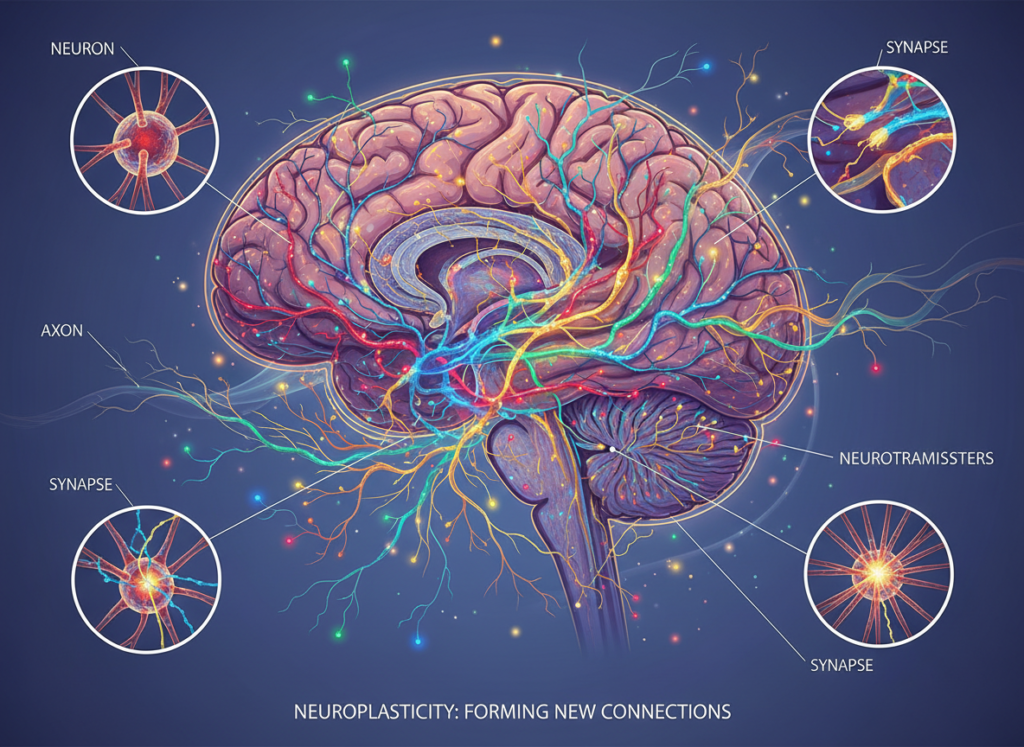
The human brain contains approximately 86 billion neurons. Each neuron can form thousands of connections with other brain cells. This vast network creates an almost infinite capacity for learning, adaptation, and growth throughout your entire life.
Neuroplasticity represents your brain’s ability to reorganize itself by forming new neural connections. This process happens constantly in response to your experiences, thoughts, and behaviors. When you practice new thinking patterns consistently, your brain physically changes its structure to support these patterns.
Research in psychology demonstrates that focused mental training can produce measurable changes in brain structure within weeks. Studies using brain imaging technology show that people who engage in regular mental practice develop stronger neural pathways in areas related to their focus. This scientific evidence proves that training your mind for success isn’t just metaphorical.
Traditional Brain Beliefs
- Brain development stops in adulthood
- Intelligence is fixed at birth
- Old habits cannot be changed
- Success depends on natural talent
- Personality traits remain constant
Modern Neuroscience Facts
- Brain changes throughout your lifetime
- Intelligence can be developed and grown
- Neural pathways can be rewired with practice
- Skills develop through consistent effort
- Mindset and behavior can transform completely
Your brain operates on a “use it or lose it” principle. Neural connections that you use frequently become stronger, while those you neglect gradually weaken. This means every moment presents an opportunity to strengthen the mental patterns that support your success or to weaken the patterns holding you back.
Ready to Unlock Your Brain’s Full Potential?
Discover the scientifically-proven brain training system that has helped thousands transform their mindset and achieve breakthrough success. This comprehensive program combines cutting-edge neuroscience with practical daily exercises you can start using today.
The Power of Mindset in Brain Training
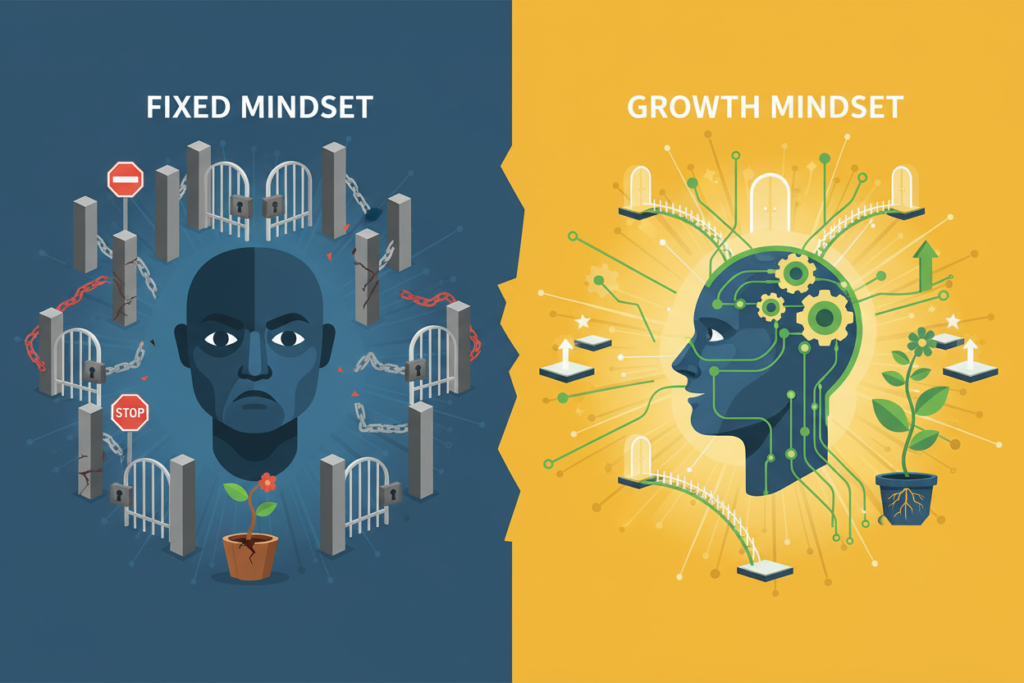
Your mindset serves as the foundation for all brain training efforts. Psychology research identifies two primary mindset types that profoundly impact your ability to train your brain for success. The first is a fixed mindset, where people believe their abilities cannot change. The second is a growth mindset, where individuals understand that skills develop through practice and effort.
People with a growth mindset approach challenges as opportunities to strengthen their brain. They view setbacks as temporary and see effort as the path to mastery. This perspective activates neural pathways associated with learning and adaptation. In contrast, a fixed mindset triggers stress responses that actually inhibit your brain’s ability to form new connections.
The way you think about your potential directly influences your brain’s physical development. When you believe you can improve, your brain releases neurochemicals that enhance learning and memory formation. This creates a positive feedback loop where belief in growth actually facilitates growth.
Core Principles of Growth-Oriented Thinking
Embrace Challenges
View difficult situations as opportunities to build mental strength. Your brain grows most when pushed beyond its comfort zone. Each challenge you face and work through creates new neural pathways that make future challenges easier to handle.
Learn from Criticism
Feedback provides valuable information for improvement. Rather than taking criticism personally, use it as data to refine your approach. This perspective shift activates learning centers in your brain rather than defensive stress responses.
Celebrate Others’ Success
Finding inspiration in others’ achievements expands your sense of possibility. When you genuinely appreciate the success of others, your brain recognizes that similar accomplishments are achievable. This mental pattern strengthens motivation and persistence.
Developing a growth mindset requires consistent practice. Each time you catch yourself thinking in limiting ways, you have an opportunity to choose a different thought pattern. This process of consciously redirecting your thoughts gradually rewires your brain’s default thinking patterns.
Practical Brain Training Techniques That Work

Specific mental practices have been scientifically validated to enhance brain function and support success. These techniques work by strengthening particular neural networks while building your brain’s overall capacity for focus, creativity, and resilience.
Mindfulness and Present-Moment Awareness
Mindfulness training teaches your brain to focus on the present moment rather than dwelling on past regrets or future anxieties. This practice strengthens the prefrontal cortex, the area of your brain responsible for executive function, decision-making, and emotional regulation.
Research shows that people who practice mindfulness for just 10 minutes per day experience measurable changes in brain structure within eight weeks. These changes include increased gray matter density in regions associated with learning, memory, and emotional control. The practice also reduces activity in the amygdala, the brain’s stress center.
To practice mindfulness effectively, focus your attention on your breath or bodily sensations. When your mind wanders, gently return your focus without judgment. This simple act of noticing and redirecting trains your brain to maintain better control over where you place your attention throughout the day.
Visualization and Mental Rehearsal

Your brain cannot fully distinguish between a vividly imagined experience and a real one. This phenomenon allows you to train your brain for success by mentally rehearsing desired outcomes. Athletes, performers, and successful business people have used this technique for decades to enhance performance.
When you visualize yourself succeeding at a specific task, you activate the same neural networks that fire during actual performance. This mental practice strengthens those pathways, making successful performance more likely when you encounter the real situation. The key is creating detailed, multi-sensory mental imagery that engages your brain fully.
Cognitive Reframing Exercises
The way you interpret events dramatically impacts your brain’s stress response and learning capacity. Cognitive reframing involves consciously choosing to view situations from more empowering perspectives. This practice doesn’t mean ignoring reality or pretending problems don’t exist. Instead, it trains your brain to find opportunities and solutions rather than dwelling on obstacles.
For example, instead of thinking “This is impossible,” you might reframe to “This will require me to develop new skills.” This subtle shift activates different neural networks. The first statement triggers stress and shutdown responses. The second engages problem-solving and growth-oriented brain regions.
Daily Practice Tip: Set aside 15 minutes each day to practice one or more of these techniques. Consistency matters more than duration when training your brain. Regular practice creates lasting neural changes that compound over time, leading to significant improvements in thinking patterns and mental health.
Building Neural Pathways Through Success Habits

Habits represent automated neural pathways that your brain follows without conscious effort. When you repeat a behavior consistently, your brain creates stronger connections that make that behavior easier to execute. This process explains why good habits feel effortless once established, while new behaviors require significant mental energy.
The key to training your brain for success lies in deliberately building habits that support your goals. Each time you practice a desired behavior, you strengthen the neural pathway associated with that action. After sufficient repetition, the behavior becomes your brain’s default response in specific situations.
The Habit Formation Process
- Identify a specific behavior that supports your success goals
- Link the new habit to an existing routine or trigger
- Start with a version so simple you cannot fail
- Practice the behavior consistently for at least 30 days
- Gradually increase the difficulty as the habit becomes automatic
- Celebrate small wins to reinforce the neural pathway
Your brain rewards habit formation through dopamine release. When you complete a beneficial behavior, your brain registers this as positive and releases neurochemicals that create feelings of satisfaction. This biological feedback system helps cement new habits into your neural architecture.
Essential Success Habits for Brain Training
Morning Routine Optimization
The way you start each day sets your brain’s pattern for hours to come. A structured morning routine reduces decision fatigue and establishes a success-oriented mindset.
- Wake at a consistent time daily
- Practice gratitude for three minutes
- Review your goals and intentions
- Engage in brief physical movement
Evening Reflection Practice
Reflecting on your day helps your brain process experiences and consolidate learning. This practice strengthens memory formation and supports continuous improvement.
- Review accomplishments and lessons learned
- Identify growth opportunities from challenges
- Plan priorities for the next day
- Practice gratitude before bed
Continuous Learning Commitment
Regular exposure to new information keeps your brain flexible and adaptive. Learning activates neuroplasticity and builds cognitive reserve.
- Read for 20 minutes daily
- Learn one new concept each week
- Engage with diverse perspectives
- Apply new knowledge immediately
Physical Exercise Integration
Physical activity directly enhances brain function by increasing blood flow and promoting neurogenesis. Movement is essential for optimal cognitive performance.
- Exercise for 30 minutes most days
- Include both cardio and strength training
- Take movement breaks every hour
- Practice mind-body exercises like yoga
The compound effect of consistent habits transforms your brain over time. Small daily actions might seem insignificant in the moment, but they create powerful neural changes when practiced consistently. Think of each repetition as one more vote for the person you want to become.
Overcoming Mental Barriers and Limiting Beliefs

Mental barriers represent deeply ingrained neural patterns formed through past experiences and repeated thoughts. These limiting beliefs create automatic thought patterns that can sabotage your success without conscious awareness. Training your brain for success requires identifying and systematically dismantling these barriers.
Your brain tends to seek evidence that confirms existing beliefs through a process called confirmation bias. If you believe you cannot succeed at something, your mind will naturally focus on experiences and information that support that belief while filtering out contradictory evidence. This creates a self-fulfilling prophecy that reinforces the limiting pattern.
Common Limiting Beliefs That Block Success
Perfectionism Paralysis
The belief that things must be perfect before taking action prevents many people from starting. This pattern keeps your brain stuck in analysis mode rather than engaging in the active learning that comes from doing.
Comparison Trap
Constantly measuring yourself against others activates stress responses in your brain. This pattern diverts mental energy away from your own growth and progress toward feelings of inadequacy.
Failure Fear
Viewing failure as a personal deficiency rather than a learning opportunity limits your brain’s willingness to take necessary risks. This pattern keeps you in your comfort zone where little growth occurs.
Strategies to Rewire Limiting Beliefs
Changing limiting beliefs requires more than positive affirmations. You must actively create new neural pathways while weakening old ones. This process takes time and consistent effort, but produces lasting changes in how your brain processes information about your capabilities.
Start by identifying specific limiting beliefs that affect your success. Write them down explicitly. The act of naming these patterns reduces their unconscious power over your thinking. Then, for each limiting belief, collect evidence that contradicts it. Your brain needs proof that alternative perspectives are valid before it will adopt new patterns.
Evidence Collection Exercise: Choose one limiting belief and spend the next week actively looking for evidence that contradicts it. Write down every example you notice, no matter how small. This focused attention teaches your brain to recognize possibilities it previously filtered out.
Practice thought replacement techniques when limiting beliefs arise. Rather than trying to suppress negative thoughts, which often backfires, acknowledge them and then consciously choose a more empowering alternative. This process gradually shifts your brain’s default patterns toward more supportive thinking.
Transform Your Brain and Your Life Starting Today

You’ve learned the science behind brain training and the techniques that work. Now it’s time to put this knowledge into practice with a proven system designed specifically to rewire your brain for lasting success.
This comprehensive brain training program combines all the methods you’ve read about into one structured, easy-to-follow system. You’ll receive:
- Step-by-step daily exercises that take just 15 minutes
- Scientifically-validated techniques used by top performers
- Guided visualizations and mental rehearsal sessions
- Habit-building frameworks that make change effortless
- Progress tracking tools to measure your brain’s transformation
- Lifetime access to all materials and future updates
Over 50,000 people have already used this system to overcome limiting beliefs, develop empowering habits, and achieve goals they once thought impossible. The program comes with a complete satisfaction guarantee, so you can explore it risk-free.
Putting Neuroplasticity into Daily Practice

Understanding neuroplasticity means little without consistent application. Your brain requires regular stimulation and challenge to maintain its plasticity and continue developing new capabilities. The following practices help you harness neuroplasticity in practical ways that fit into everyday life.
Daily Neuroplasticity Practices
Start each day with a brief session of focused mental work. This might include meditation, journaling, or reviewing your goals. Morning represents an optimal time for brain training because your mind is fresh and your prefrontal cortex is fully engaged. Even five minutes of deliberate practice in the morning sets a positive neural pattern for the entire day.
Throughout your day, actively seek opportunities to do things differently. Your brain forms new connections most rapidly when encountering novel situations. Take a different route to work, use your non-dominant hand for routine tasks, or learn a new skill. These small variations keep your brain flexible and adaptive.
End each day with reflection and gratitude practice. This evening ritual helps your brain process the day’s experiences and consolidate learning. Gratitude specifically activates reward centers in your brain, creating positive associations with growth and progress. Over time, this pattern trains your mind to naturally focus on opportunities and possibilities rather than problems.
Creating a Neuroplasticity-Friendly Environment
Environmental Factors That Enhance Brain Training
- Minimize distractions during focused work periods
- Ensure adequate sleep for memory consolidation
- Maintain proper nutrition to support brain health
- Stay hydrated throughout the day
- Create physical spaces dedicated to specific activities
- Surround yourself with growth-oriented people
- Limit exposure to negative news and media

Your physical environment significantly impacts your brain’s ability to form new neural pathways. Clutter and chaos in your surroundings create cognitive load that reduces your brain’s capacity for focused training. Creating organized, intentional spaces for different activities helps your brain associate those environments with specific mental states.
Maintaining Long-Term Brain Health and Performance
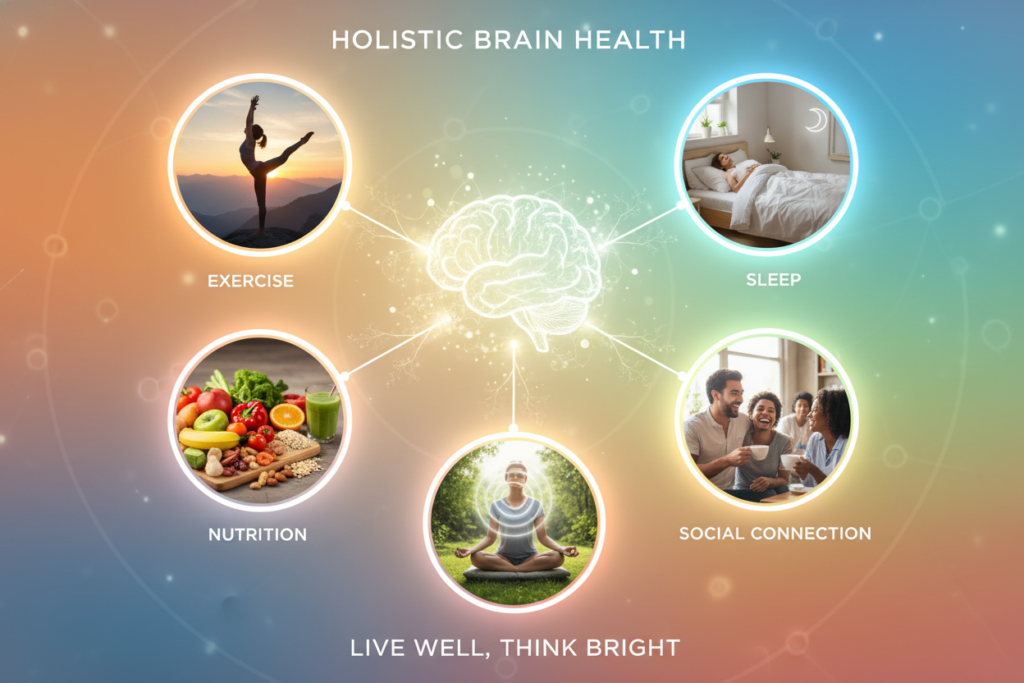
Training your brain for success isn’t a one-time project but an ongoing commitment to mental fitness. Just as physical fitness requires consistent effort to maintain, your brain needs regular stimulation and care to preserve its capabilities and continue growing throughout your life.
Essential Elements of Brain Health
Sleep plays a fundamental role in brain health and learning. During sleep, your brain consolidates memories, clears metabolic waste, and strengthens neural connections formed during the day. Adults need seven to nine hours of quality sleep for optimal brain function. Inadequate sleep impairs your ability to train your brain effectively and can reverse progress made during waking hours.
Nutrition directly affects brain performance and neuroplasticity. Your brain requires specific nutrients to build and maintain neural connections. Omega-3 fatty acids support neural membrane health. Antioxidants protect brain cells from oxidative stress. B vitamins facilitate neurotransmitter production. A diet rich in whole foods provides the raw materials your brain needs for optimal function.
Physical exercise enhances brain health through multiple mechanisms. Cardiovascular activity increases blood flow to the brain, delivering more oxygen and nutrients. Exercise also stimulates the production of brain-derived neurotrophic factor, a protein that promotes the growth of new neurons and connections. Regular physical activity represents one of the most powerful interventions for brain health.
Social Connection and Mental Health
Human brains evolved for social interaction. Meaningful connections with others stimulate complex neural networks that support emotional regulation, empathy, and cognitive function. Isolation and loneliness, conversely, have measurable negative effects on brain health and increase stress hormones that impair neuroplasticity.
Prioritize relationships that support your growth and wellbeing. Surround yourself with people who encourage your development and challenge you to expand your thinking. These social connections provide emotional support during difficult times and celebrate your progress, reinforcing positive neural patterns.
Your mental health directly impacts your brain’s ability to change and adapt. Chronic stress, anxiety, and depression can impair neuroplasticity and make brain training more difficult. If you’re struggling with mental health challenges, seeking support from therapy or counseling can be an important step in optimizing your brain’s capacity for growth.
Important Note: While brain training techniques offer powerful benefits, they are not a substitute for professional mental health treatment. If you experience persistent symptoms of anxiety, depression, or other mental health concerns, consult with a qualified healthcare provider or therapist for appropriate support.
Tracking Your Brain Training Progress

Measuring progress in brain training helps maintain motivation and allows you to identify which techniques work best for you. Unlike physical training where results are easily visible, changes in brain function often manifest subtly. Developing awareness of these changes reinforces your commitment to the process.
Indicators of Successful Brain Training
Cognitive Improvements
- Enhanced focus and concentration
- Improved memory and recall
- Faster problem-solving abilities
- Greater mental clarity
- Reduced mental fatigue
Emotional Changes
- Better emotional regulation
- Reduced anxiety and stress
- Increased resilience to setbacks
- More consistent positive mood
- Greater sense of wellbeing
Behavioral Shifts
- New habits forming more easily
- Improved decision-making quality
- Greater consistency in actions
- Enhanced productivity levels
- Better relationship quality
Keep a journal to document your experiences with brain training. Record which techniques you practice each day and note any changes you observe in your thinking patterns, mood, or behavior. Over time, patterns will emerge that show you which methods produce the strongest results for your specific goals.
Review your progress regularly, but avoid obsessing over daily fluctuations. Brain training produces cumulative effects that become apparent over weeks and months rather than days. Trust the process and maintain consistency even when immediate results aren’t obvious. The neural changes happening beneath the surface will eventually manifest in noticeable improvements.
Your Brain Transformation Starts Now
You’ve discovered the science-backed methods for training your brain for success. You understand how neuroplasticity works, which techniques produce results, and how to maintain long-term brain health. The only question remaining is: when will you take action?
Every day you wait is another day your old neural patterns grow stronger. But today can be the moment everything changes. The comprehensive brain training system waiting for you provides everything you need to transform your thinking patterns, overcome limiting beliefs, and achieve the success you deserve.

This proven program has helped thousands of people just like you break through mental barriers and create lasting change. You’ll receive instant access to all training materials, lifetime updates, and a complete satisfaction guarantee. There’s absolutely no risk in exploring how this system can work for you.
What You’ll Receive Immediately:
- Complete brain training curriculum with daily exercises
- Guided audio sessions for visualization and mindfulness
- Habit-building workbooks and progress trackers
- Scientific research supporting each technique
- Community access for support and accountability
- Bonus materials on sleep optimization and nutrition
- 100% money-back guarantee for 60 days
The brain you have tomorrow depends on the choices you make today. Every moment of delay allows old patterns to persist. But right now, in this moment, you have the opportunity to begin rewiring your brain for the success and fulfillment you’ve always wanted. Take the first step now.
Your Journey to Mental Mastery Begins Today
Training your brain for success represents one of the most valuable investments you can make in yourself. Unlike external resources that can be lost or taken away, the mental capabilities you develop stay with you for life. Each day you dedicate to strengthening your mind compounds, creating exponential returns over time.
The neuroscience is clear: your brain can change at any age. The techniques work when applied consistently. The only variable that determines your success is your commitment to the process. Start with small, manageable practices and build from there. Progress happens through consistent effort over time, not through dramatic one-time changes.
Remember that brain training is a journey, not a destination. Your mind will continue evolving throughout your entire life based on how you use it. Embrace this ongoing process of growth and development. Celebrate small wins along the way. Be patient with yourself during challenging moments. Trust that every effort you make is creating real, lasting changes in your brain.
The possibilities for your life expand as your brain develops new capabilities. Skills that once seemed impossible become achievable. Goals that felt out of reach come within grasp. Your potential is limited only by the effort you’re willing to invest in training your mind. The power to transform your success starts with a single decision to train your brain differently starting today.