Daily Oral Care Routine for Healthy Teeth: Your Complete Guide
Your smile deserves more than a quick brush twice a day. A comprehensive daily oral care routine for healthy teeth protects against cavities, gum disease, and serious health complications. Most people miss critical steps that dentists know make all the difference.
This Website contains affiliate links. That means I may earn a small commission if you purchase through my links, at no extra cost to you.
Research shows that oral health directly impacts overall health. Bacteria from gum disease can enter your bloodstream and affect your heart. Poor dental care increases risks of stroke and diabetes complications. Your mouth is the gateway to your body.
This guide reveals the complete routine that dental professionals recommend. You will discover techniques that go beyond basic brushing. These methods protect your teeth and gums while preventing costly dental procedures down the road.
Why Your Oral Hygiene Routine Matters More Than You Think
Oral hygiene affects far more than your smile. The American Dental Association confirms that bacteria in your mouth can travel throughout your body. This creates serious health risks that many people never consider.
Gum disease affects nearly half of adults over age thirty. The condition starts with inflammation along the gum line. Without proper care, it progresses to bone loss and tooth damage. The bacteria causing this disease also contribute to heart problems.
Health Risks of Poor Oral Care
- Heart disease and stroke from oral bacteria entering bloodstream
- Diabetes complications due to inflammation from gum disease
- Respiratory infections when bacteria reach lungs
- Pregnancy complications including premature birth
- Cognitive decline linked to chronic inflammation
Benefits of Proper Dental Care
- Prevention of cavities and tooth decay
- Healthy gums that protect tooth roots
- Fresh breath and confident social interactions
- Lower healthcare costs over lifetime
- Reduced risk of systemic diseases
Studies link gum disease to increased stroke risk. The inflammation damages blood vessels over time. People with severe gum disease face higher rates of heart attack. Your dentist sees warning signs during regular checkups.
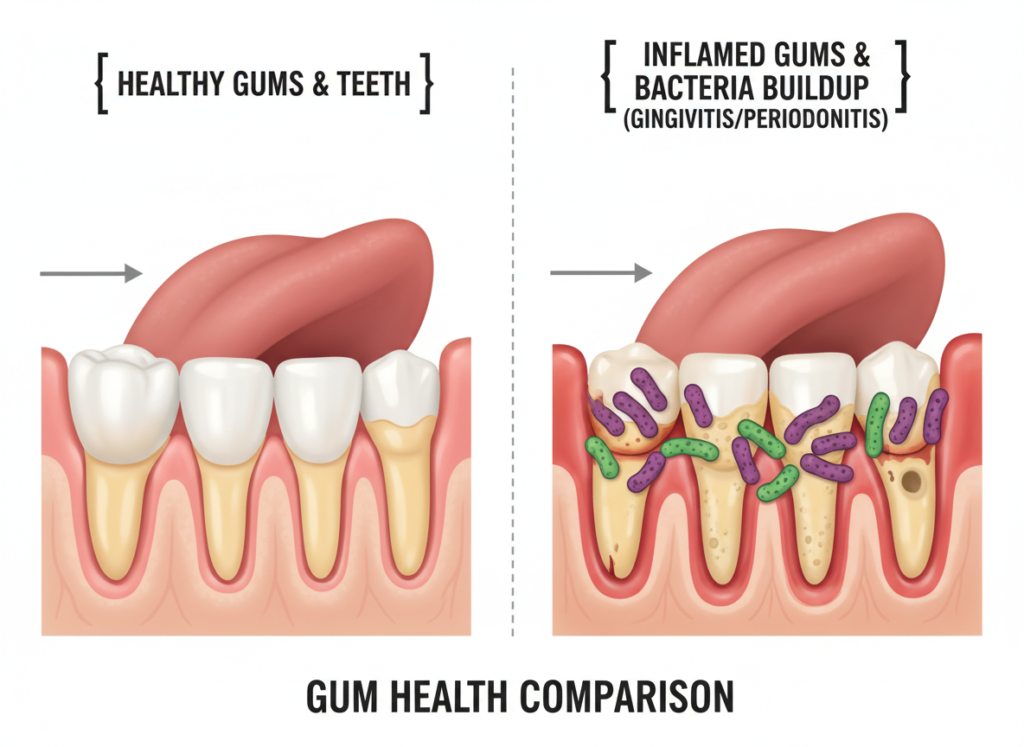
The connection between oral health and overall health continues to strengthen in research. Diabetes patients struggle with gum disease more than others. The relationship works both ways. Poor blood sugar control worsens gum problems while gum disease makes diabetes harder to manage.
The Essential Daily Oral Care Routine for Healthy Teeth
Building an effective routine requires understanding each step. The American Dental Association recommends specific techniques that most people miss. These methods remove plaque and bacteria that cause dental problems.
Morning Routine Foundation
Your morning routine sets the foundation for daily oral health. Start before breakfast to remove bacteria that accumulated overnight. Your mouth produces less saliva while sleeping. This allows bacteria to multiply on teeth and gums.
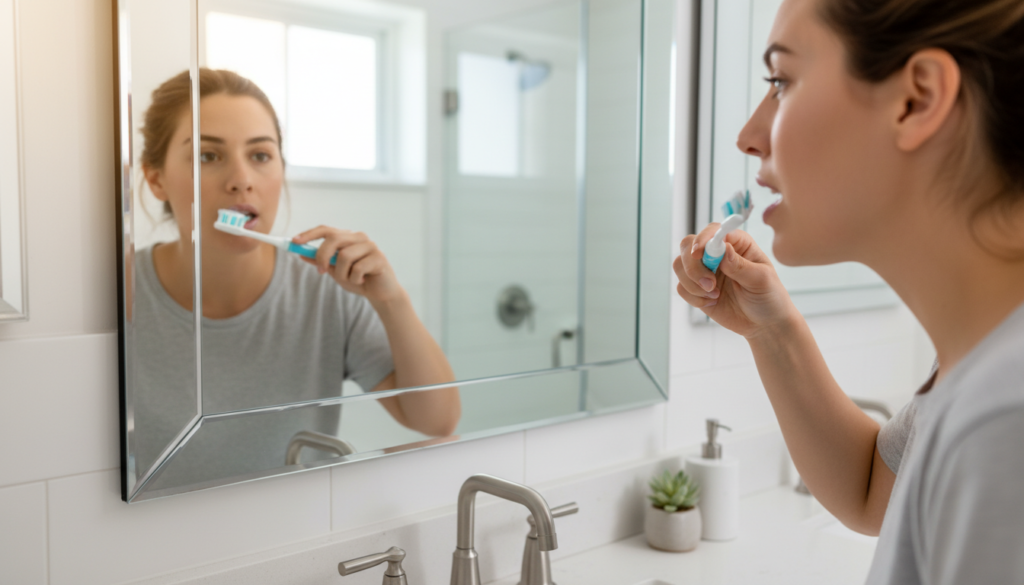
- Rinse mouth with water to loosen debris and wake up taste buds
- Brush teeth for two minutes using proper technique described below
- Clean between teeth with floss or interdental brushes
- Scrape tongue to remove bacteria coating
- Rinse with mouthwash if recommended by your dentist
Evening Routine for Maximum Protection
Evening care removes food particles and bacteria from the entire day. This routine proves even more critical than morning care. Bacteria feed on food debris all night without proper cleaning.
Complete your evening routine at least thirty minutes after eating. Acids from food temporarily soften enamel. Brushing too soon can damage this protective layer. Give your saliva time to neutralize acids first.

Complete Evening Care Steps
- Floss first to remove food between teeth before brushing
- Brush all tooth surfaces for full two minutes
- Clean along gum line where bacteria accumulate
- Use tongue scraper from back to front
- Rinse with water or therapeutic mouthwash
- Avoid eating or drinking after final cleaning
Mastering Proper Brushing Technique
Most people brush incorrectly despite doing it twice a day. Proper technique matters more than frequency. The American Dental Association provides clear guidelines that protect teeth and gums when followed correctly.
Choosing the Right Toothbrush
Your toothbrush type affects cleaning effectiveness. Soft bristles work best for most people. Hard bristles can damage gum tissue and wear away enamel over time. Replace your toothbrush every three months or when bristles fray.
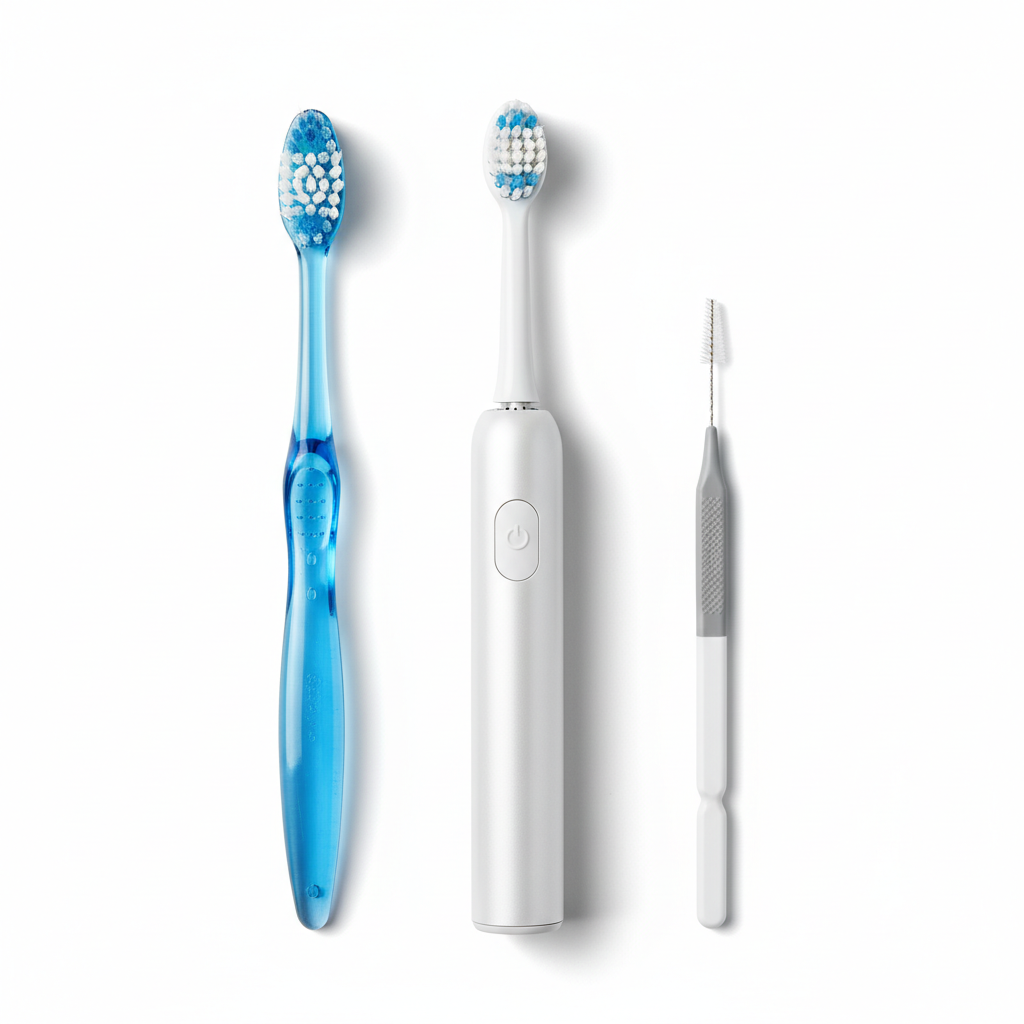
Electric toothbrushes often clean more effectively than manual brushing. The rotating or vibrating bristles remove more plaque in less time. Many people find electric brushes easier to use with correct technique. Built-in timers help ensure you brush for two full minutes.
Step-by-Step Brushing Method
Outer Tooth Surfaces
Hold your brush at a forty-five degree angle to your gum line. Use gentle circular motions rather than harsh scrubbing. Move from tooth to tooth systematically. Cover all outer surfaces of upper teeth, then lower teeth.
Inner Tooth Surfaces
Tilt brush vertically for front teeth inner surfaces. Use gentle up-and-down strokes. Pay special attention to back molars where food often gets trapped. These areas require extra care to prevent decay.
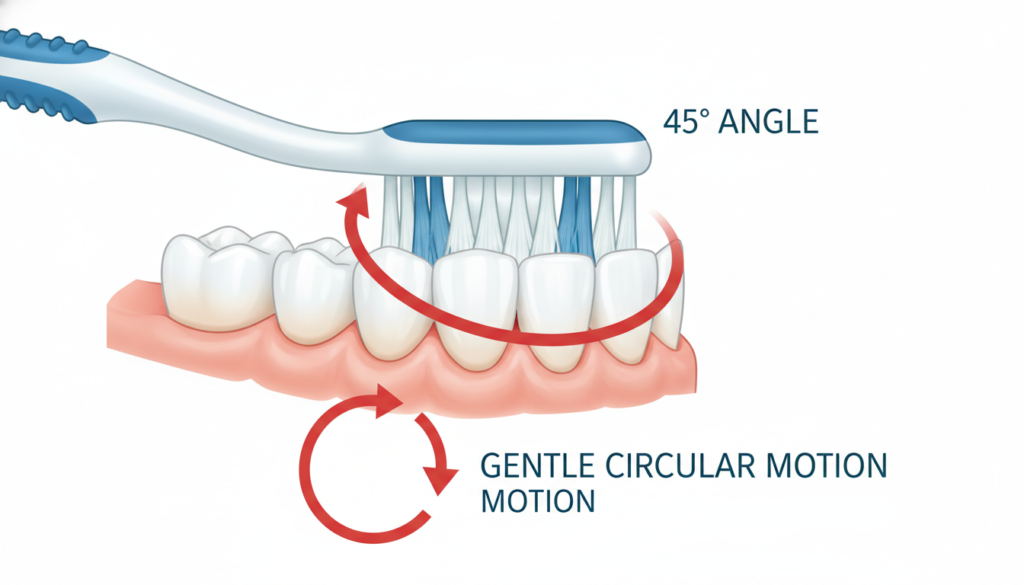
Brush chewing surfaces using gentle back-and-forth strokes. These flat surfaces collect food particles easily. Spend adequate time on molars where cavities often develop. The entire brushing process should take two full minutes.
Important: Brushing too hard damages gums and wears enamel. If your toothbrush bristles splay within a month, you press too hard. Gentle pressure with proper technique cleans better than aggressive scrubbing.
Common Brushing Mistakes to Avoid
- Rushing through brushing in less than two minutes
- Missing back molars and inner tooth surfaces
- Ignoring the gum line where plaque accumulates
- Using worn toothbrush with splayed bristles
- Brushing immediately after acidic foods or drinks
- Storing wet toothbrush in closed container where bacteria grow
Why Flossing Matters for Teeth and Gums
Flossing removes plaque and food particles from places your toothbrush cannot reach. The tight spaces between teeth harbor bacteria that cause gum disease and cavities. Brushing alone cleans only about sixty percent of tooth surfaces.
Research confirms that people who floss regularly have healthier gums. They experience less bleeding and inflammation. Their dentist visits involve less intensive cleaning. The few minutes spent flossing each day prevent hours in the dental chair later.
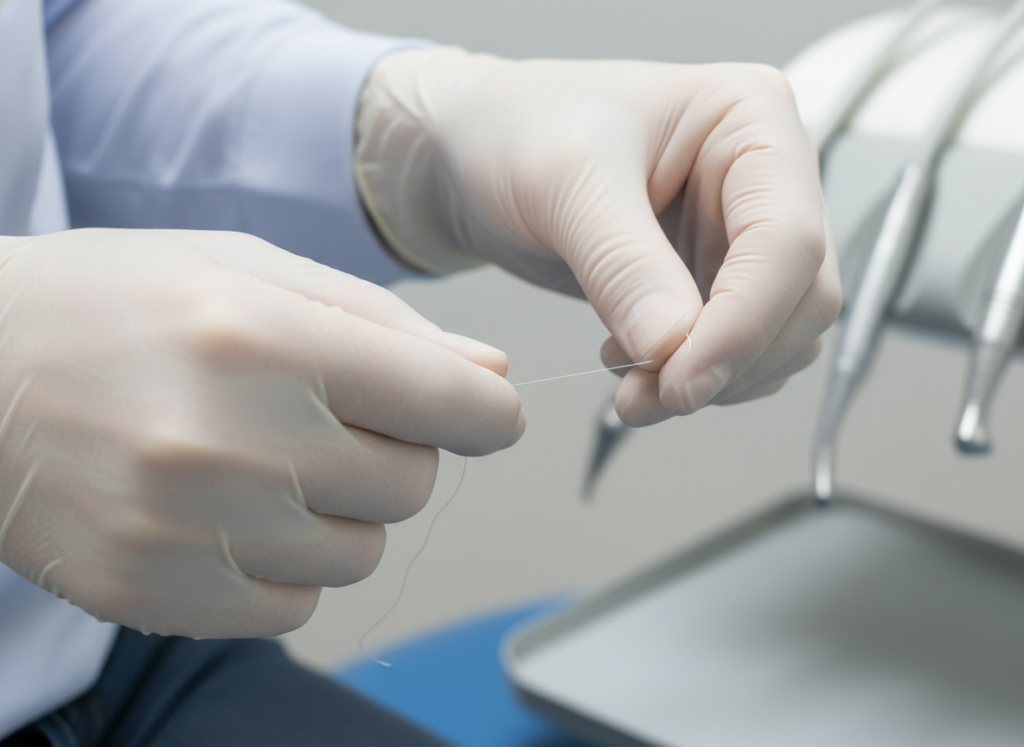
Proper Flossing Technique
Use about eighteen inches of floss wound around your middle fingers. Leave one to two inches to work with. This allows you to use fresh sections for each tooth. Slide floss gently between teeth using a back-and-forth motion.
Curve floss into a C-shape against each tooth. Slide it beneath the gum line gently. Move floss up and down against the tooth surface. This removes plaque hiding below gums where brushing cannot reach.
- Break off adequate floss length and wind around middle fingers
- Hold floss taut between thumbs and forefingers
- Guide floss between teeth using gentle sawing motion
- Curve floss into C-shape against one tooth
- Slide beneath gum line and move up and down
- Repeat C-shape technique on adjacent tooth
- Use fresh floss section for each tooth pair
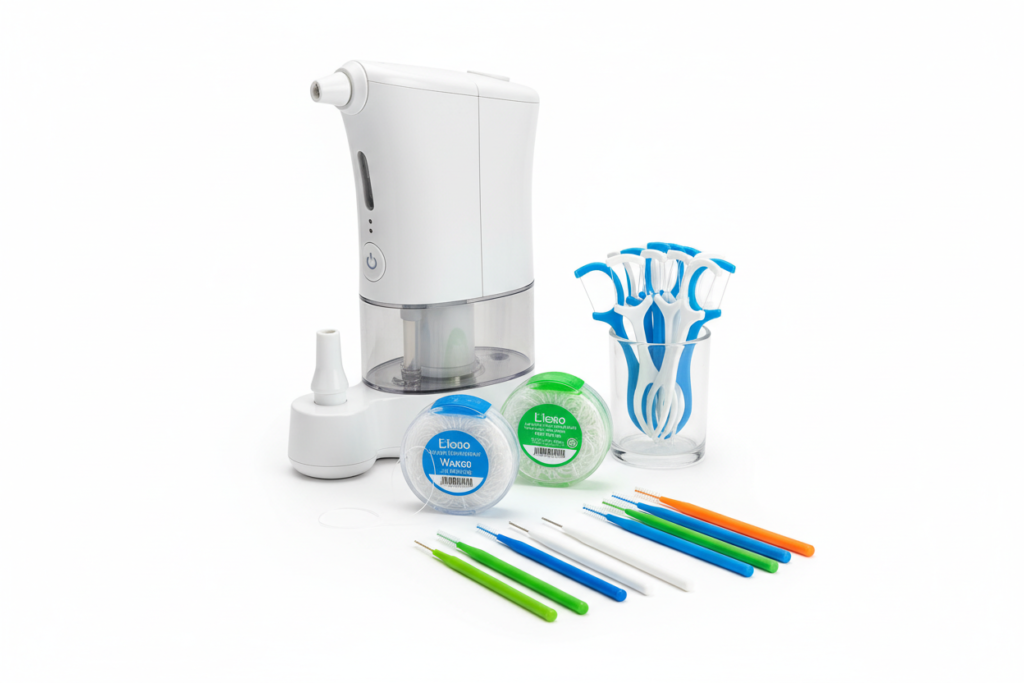
Flossing Alternatives
Some people struggle with traditional floss. Interdental brushes work well for larger gaps between teeth. Water flossers use pressurized water to clean between teeth and along gums. These tools prove especially helpful for people with braces or dental work.
Floss picks offer convenience for travel or quick cleaning. However, using the same pick section for all teeth spreads bacteria. Fresh traditional floss remains the gold standard recommended by dentists for thorough cleaning.
The Often-Forgotten Step: Tongue Cleaning
Your tongue harbors millions of bacteria that cause bad breath and affect oral health. The rough surface traps food particles and dead cells. Bacteria thrive in this environment and can reinfect teeth even after brushing.
Tongue cleaning removes this bacterial coating. Studies show it significantly reduces bad breath. The practice also decreases bacteria that contribute to tooth decay and gum disease. Many people notice fresher breath immediately after adding tongue scraping to their routine.
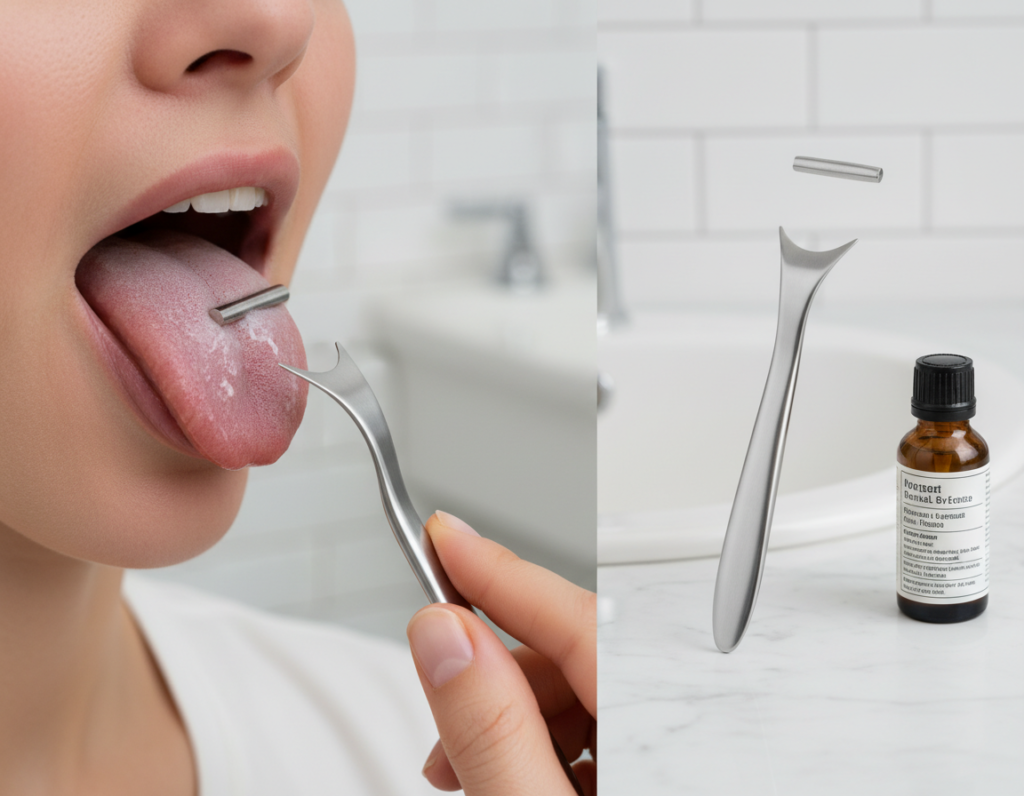
How to Clean Your Tongue Properly
Use a tongue scraper or the back of your toothbrush. Start at the back of your tongue and pull forward gently. Rinse the scraper between strokes. Repeat several times until you remove visible coating.
Some people gag when cleaning their tongue. Start farther forward and gradually work backward over several days. Breathing through your mouth helps reduce gag reflex. The discomfort decreases as you make it part of your daily routine.
Benefits of Regular Tongue Cleaning
- Eliminates bacteria causing bad breath
- Reduces plaque accumulation on teeth
- Improves taste sensation
- Decreases risk of oral infections
- Enhances overall mouth freshness
Understanding Mouthwash in Your Dental Care Routine
Mouthwash serves different purposes depending on its type. Some freshen breath temporarily. Others contain therapeutic ingredients that fight bacteria and strengthen enamel. Understanding the difference helps you choose products that genuinely improve oral health.
The American Dental Association evaluates mouthwash products for effectiveness. Look for their seal of acceptance. Therapeutic mouthwashes contain active ingredients like fluoride, chlorhexidine, or essential oils that provide health benefits beyond fresh breath.

Types of Mouthwash
Cosmetic Mouthwash
Cosmetic rinses temporarily mask bad breath. They contain flavoring and alcohol but lack therapeutic ingredients. These products provide short-term freshness without addressing underlying oral health issues. They work well before social situations but do not prevent disease.
Therapeutic Mouthwash
Therapeutic mouthwashes contain active ingredients approved by dental associations. Fluoride rinses strengthen enamel and prevent cavities. Antibacterial formulas reduce plaque and fight gum disease. Your dentist may recommend specific types for your needs.
Use mouthwash after brushing and flossing for maximum benefit. Swish vigorously for thirty to sixty seconds. Avoid eating or drinking for thirty minutes afterward. This allows active ingredients time to work on teeth and gums.
Alcohol-based mouthwashes can dry your mouth over time. Saliva protects against bacteria and decay. Consider alcohol-free options if you experience dry mouth. People with certain health conditions should avoid alcohol-based products entirely.
When Mouthwash Is Not Enough
Mouthwash cannot replace brushing and flossing. It supplements mechanical cleaning but does not remove plaque effectively on its own. Some people rely too heavily on mouthwash while neglecting proper brushing technique. This leads to dental problems despite regular rinsing.
How Your Diet Affects Teeth and Gums
Everything you eat and drink impacts your oral health. Sugar feeds bacteria that produce acids attacking enamel. Acidic foods and beverages erode tooth surfaces directly. Your diet choices either strengthen or weaken your teeth over time.
Frequent snacking exposes teeth to constant acid attacks. Each time you eat, bacteria produce acid for about twenty minutes. Snacking all day means your teeth never get a break. This continuous acid exposure increases cavity risk significantly.

Foods That Harm Oral Health
- Sugary snacks and candies that feed harmful bacteria
- Sticky foods that cling to teeth between brushing
- Acidic beverages like soda and citrus juice
- Dried fruits with concentrated sugars
- Starchy foods that break down into sugars
- Hard candies that expose teeth to sugar for extended time
Foods That Support Dental Health
Certain foods actively protect teeth and gums. Crunchy vegetables stimulate saliva production. Saliva neutralizes acids and washes away food particles. Cheese and dairy products provide calcium that strengthens enamel.

Water remains the best beverage for oral health. It rinses food particles without adding sugar or acid. Drinking water throughout the day maintains saliva flow. Fluoridated water provides additional protection against decay.
Calcium-Rich Foods
- Milk and yogurt
- Cheese varieties
- Leafy green vegetables
- Almonds
Crunchy Vegetables
- Carrots and celery
- Apples
- Broccoli
- Cucumbers
Common Oral Care Mistakes That Damage Teeth and Gums
Even people who care about dental health make critical mistakes. These errors undermine otherwise good oral hygiene routines. Recognizing and correcting these mistakes protects your investment in daily care.
Brushing Too Hard
Aggressive brushing damages gums and wears enamel. Many people believe harder pressure cleans better. The opposite proves true. Gentle circular motions with soft bristles remove plaque effectively without causing harm.
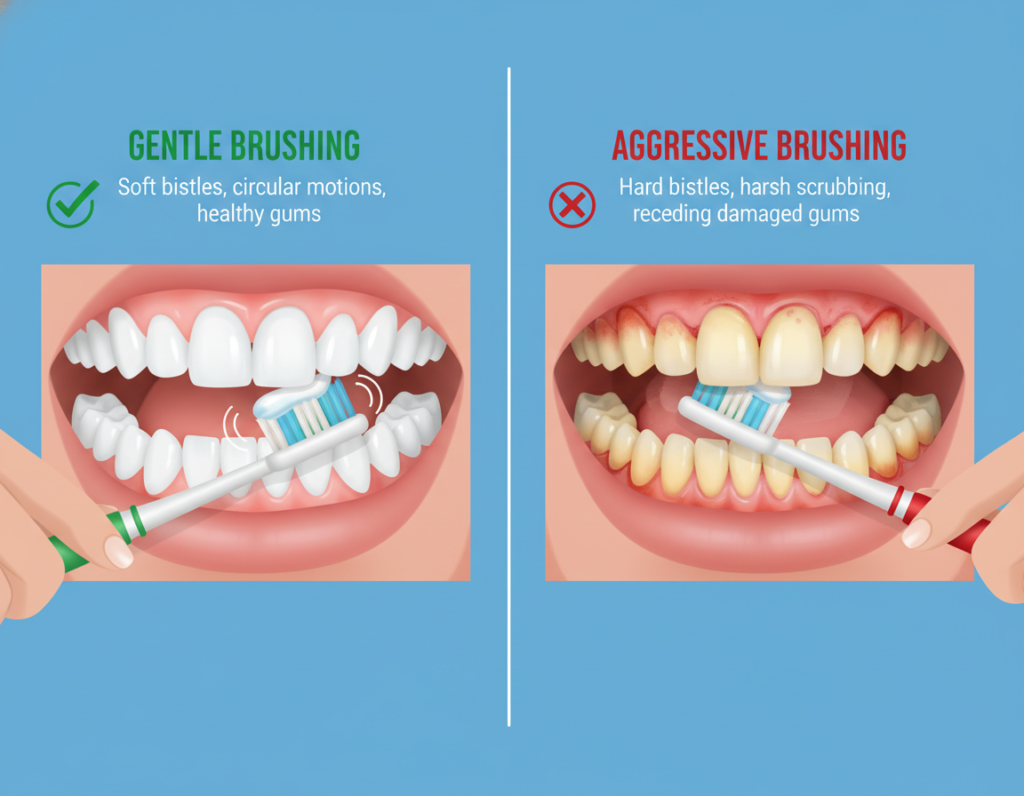
Gum recession from hard brushing exposes tooth roots. These areas lack protective enamel and become sensitive. Root surfaces are more vulnerable to decay. The damage accumulates slowly over years of aggressive brushing.
Skipping Dental Checkups
Regular dental visits detect problems early when treatment is simpler. Your dentist sees warning signs you cannot notice. Professional cleaning removes hardened plaque that brushing cannot eliminate. Most people should visit their dentist every six months.
Many dental problems develop without pain initially. By the time you feel discomfort, significant damage may exist. Preventive care costs far less than treating advanced disease. Dental insurance typically covers preventive visits completely.
Using the Wrong Products
Not all dental products provide equal benefits. Some whitening toothpastes contain abrasives that damage enamel over time. Certain mouthwashes with high alcohol content dry your mouth. This reduces natural protection from saliva.
Product Selection Mistakes
- Choosing hard bristle toothbrushes that damage gums
- Using expired or ineffective toothpaste
- Relying on cosmetic mouthwash without therapeutic benefits
- Buying whitening products without dentist guidance
- Ignoring American Dental Association seal of approval
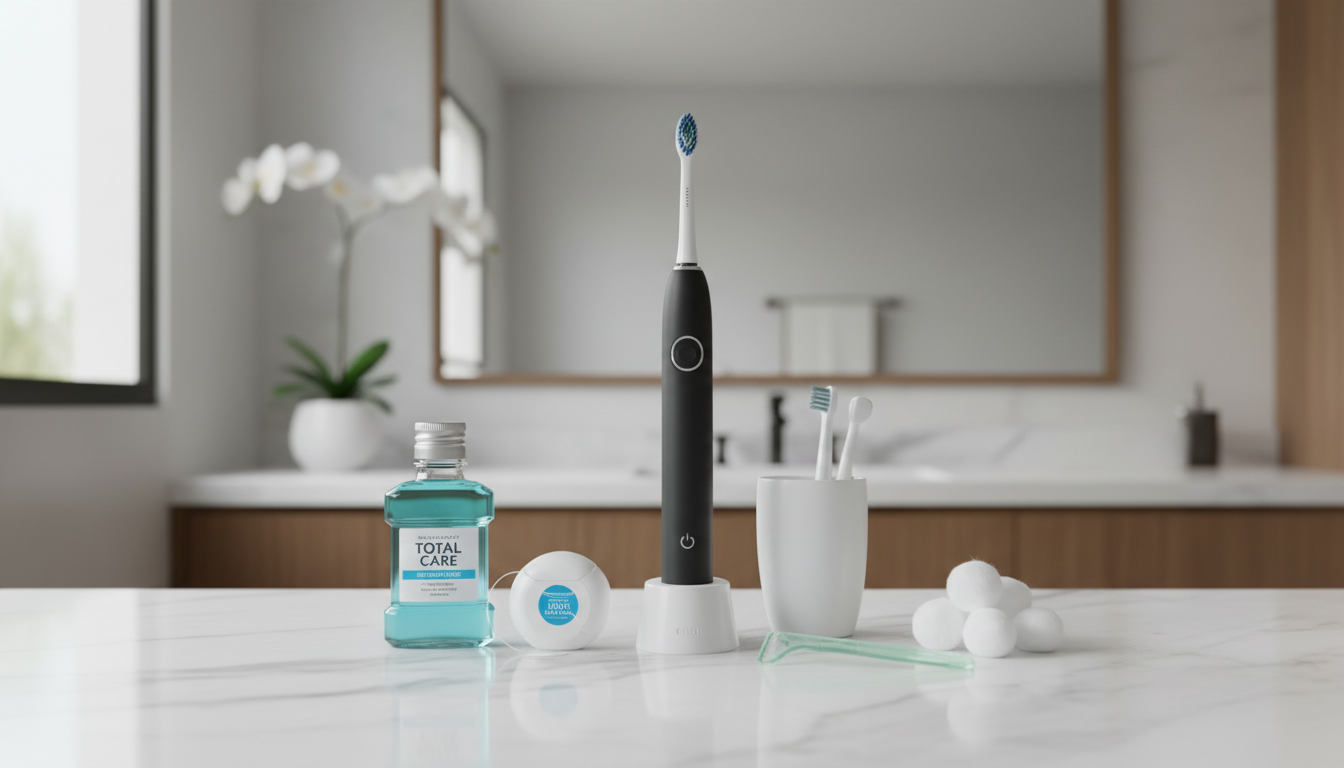
Professional-grade products deliver superior results compared to basic drugstore options. The right tools make proper technique easier and more effective.
Neglecting Gum Health
Many people focus only on teeth while ignoring gum health. Gum disease destroys the foundation supporting teeth. Healthy gums do not bleed during brushing or flossing. Any bleeding indicates inflammation requiring attention.
Early gum disease reverses with improved home care. Advanced gum disease requires professional treatment. The condition progresses silently until significant damage occurs. Regular attention to gum line cleaning prevents most problems.
Advanced Techniques for Optimal Oral Health
Basic brushing and flossing form the foundation. Advanced techniques take your oral hygiene routine to the next level. These methods address specific concerns and provide enhanced protection against dental disease.
Interdental Cleaning Tools
Spaces between teeth vary in size. Traditional floss works for tight contacts. Larger gaps benefit from interdental brushes. These tiny brushes slide between teeth and clean along gum line effectively.
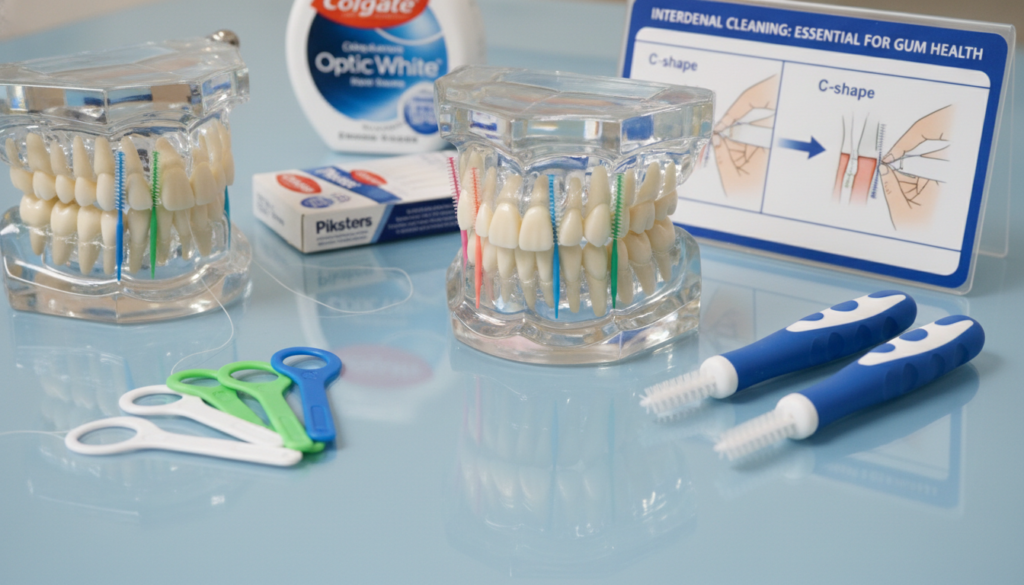
Water flossers combine water pressure and pulsation to clean between teeth. They prove especially effective for people with braces, implants, or bridges. The pressurized water reaches areas traditional floss cannot access. Many dentists recommend water flossers as supplements to regular flossing.
Fluoride Treatments
Professional fluoride treatments strengthen enamel beyond what toothpaste provides. Your dentist applies concentrated fluoride gel or varnish. This treatment helps prevent cavities and can reverse early decay.
Prescription-strength fluoride toothpaste contains higher concentrations than over-the-counter options. People with high cavity risk benefit from these products. Your dentist determines whether prescription fluoride suits your needs.
Professional Care Benefits
- Deep cleaning below gum line
- Removal of hardened tartar
- Early disease detection
- Customized treatment plans
- Professional fluoride application
At-Home Enhancement
- Electric toothbrush efficiency
- Water flosser convenience
- Prescription-strength products
- Customized cleaning tools
- Targeted problem area treatment
Managing Sensitive Teeth
Tooth sensitivity affects millions of people. Exposed dentin or worn enamel causes sharp pain from hot, cold, or sweet stimuli. Special toothpastes for sensitive teeth block pain signals over time.
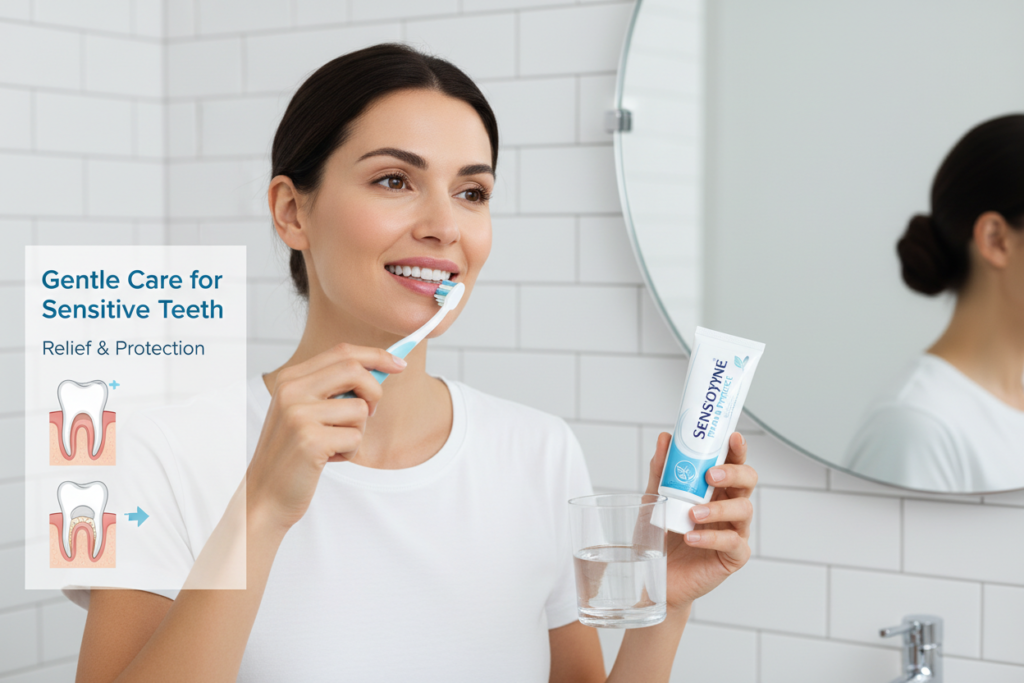
Avoid acidic foods and aggressive brushing if you have sensitive teeth. Use a soft-bristled brush with gentle pressure. Fluoride treatments from your dentist strengthen enamel and reduce sensitivity. Severe cases may require dental procedures to protect exposed areas.
Comparing Basic and Optimized Oral Care Routines
Understanding the difference between basic care and optimized care helps you make informed decisions. Basic routines prevent many problems. Enhanced routines provide superior protection and address specific concerns.
- Standard manual toothbrush with basic technique
- Brushing twice daily for ninety seconds
- Occasional flossing when food gets stuck
- Cosmetic mouthwash for fresh breath only
- Drugstore toothpaste without specific benefits
- Dental visits only when problems arise
- No tongue cleaning or interdental care
- Reactive approach to dental health
Basic Routine Limitations
- Electric toothbrush with proper technique guidance
- Full two-minute brushing with timer
- Daily flossing plus interdental cleaning
- Therapeutic mouthwash with active ingredients
- Professional-grade products targeting specific needs
- Regular preventive dental checkups
- Complete tongue cleaning and gum care
- Proactive approach preventing disease
Optimized Routine Benefits
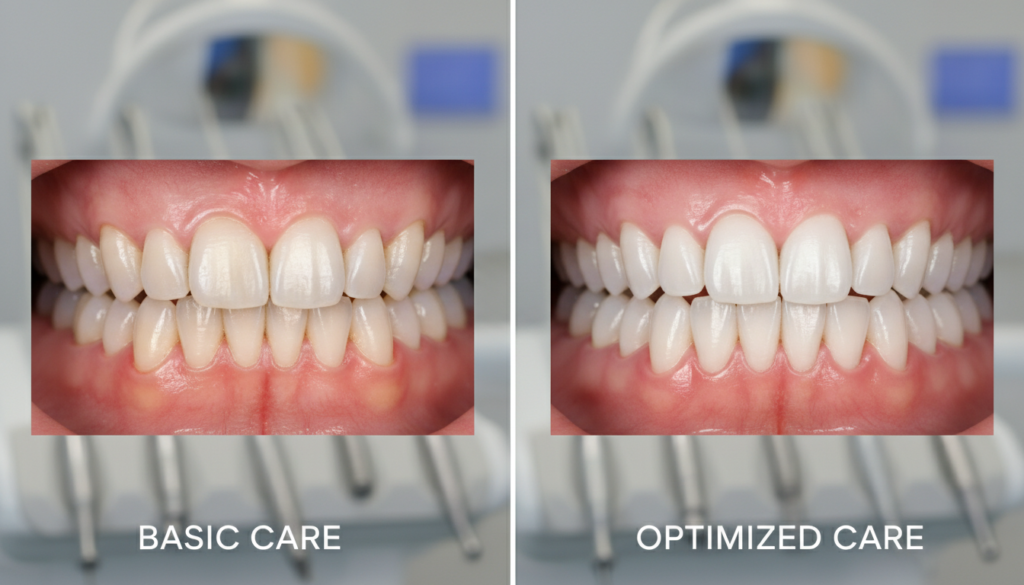
The enhanced routine requires minimal additional time. Most improvements come from technique rather than duration. Investing in quality tools makes proper care easier and more effective. The results appear in healthier gums, fewer cavities, and reduced dental expenses.
Key Insight: Professional-grade oral care systems combine the most effective tools and techniques. They remove guesswork from product selection while ensuring comprehensive protection. Many people achieve dramatic improvements by upgrading from basic to optimized care.
Your Path to Professional-Level Oral Health
Achieving optimal oral health requires the right combination of knowledge, technique, and tools. This guide has provided the knowledge and techniques. The final piece involves accessing professional-grade products that deliver superior results.
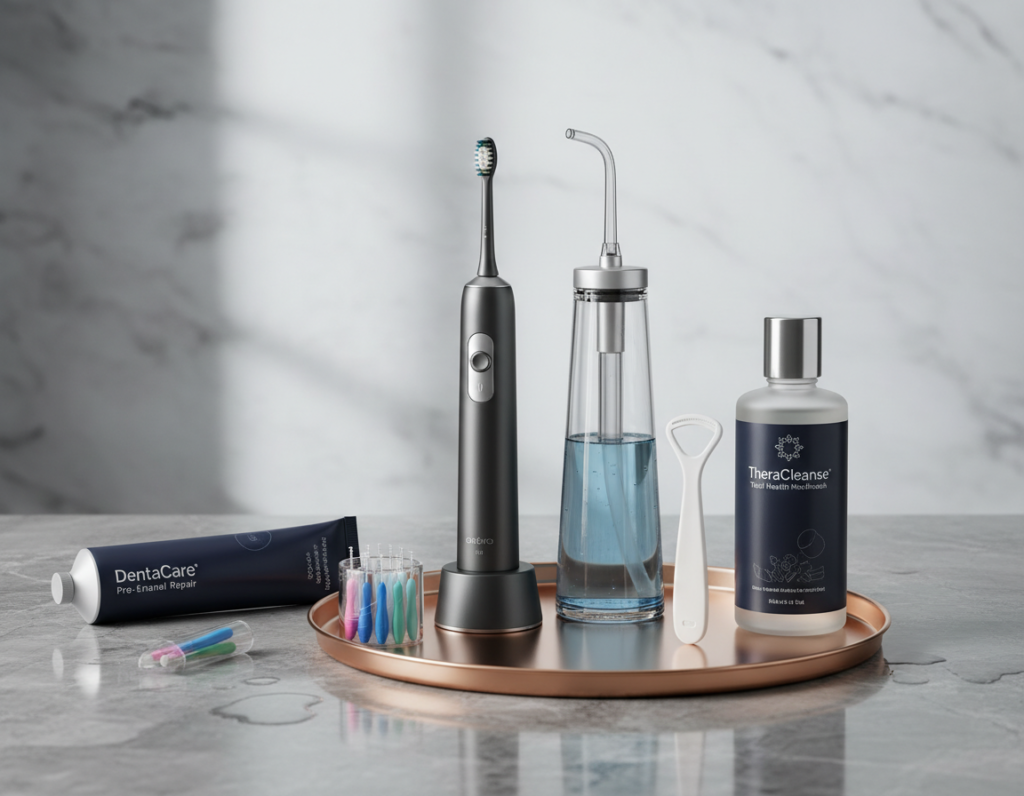
Thousands of people have transformed their oral health by upgrading their daily routine. They report healthier gums, whiter teeth, and greater confidence. Dentists notice significant improvements during checkups. Many patients reduce or eliminate painful procedures through consistent preventive care.
Ready to Transform Your Oral Health?
Stop settling for basic care that leaves gaps in protection. Discover the complete dental care system trusted by thousands for achieving professional-level results at home. This comprehensive solution combines all the tools and techniques discussed in this guide.
Take control of your oral health today. Your teeth and gums deserve the best possible care. The investment in proper tools pays for itself through healthier smiles and lower dental costs.
Additional Prevention Strategies
Beyond daily cleaning, several lifestyle factors influence oral health. These prevention strategies complement your hygiene routine. Implementing them provides comprehensive protection against dental disease.
Managing Dry Mouth
Saliva protects teeth by neutralizing acids and washing away bacteria. Certain medications, health conditions, and aging reduce saliva production. Dry mouth increases cavity risk significantly.

Stay hydrated by drinking water throughout the day. Chew sugar-free gum to stimulate saliva flow. Avoid alcohol-based mouthwashes that worsen dryness. Your dentist can recommend saliva substitutes or medications to help.
Protecting Teeth From Grinding
Many people grind their teeth during sleep without realizing it. This condition called bruxism wears down enamel and damages dental work. Grinding also causes jaw pain and headaches.
Custom night guards from your dentist protect teeth during sleep. These devices cushion teeth and prevent grinding damage. Over-the-counter guards work for some people. Stress management techniques reduce grinding frequency in many cases.
Avoiding Tobacco Products
Tobacco use devastates oral health. Smoking and chewing tobacco cause gum disease, tooth loss, and oral cancer. Tobacco reduces blood flow to gums. This impairs healing and increases infection risk.
Quitting tobacco dramatically improves oral health. Gums begin healing within weeks. The risk of oral cancer decreases over time. Your dentist and doctor can provide resources for tobacco cessation.
Warning: Oral cancer kills thousands annually. Early detection greatly improves survival rates. Regular dental exams include oral cancer screening. Report any mouth sores lasting more than two weeks to your dentist immediately.
Taking Control of Your Oral Health Journey
Your daily oral care routine for healthy teeth forms the foundation of lifelong dental health. The techniques and knowledge in this guide empower you to prevent disease rather than react to problems. Consistency matters more than perfection.
Start implementing these strategies today. Begin with proper brushing and flossing technique. Add tongue cleaning and appropriate mouthwash. Schedule your next dental checkup if overdue. Small improvements compound into significant results over time.
Remember that oral health connects to overall health. Protecting your teeth and gums reduces risks of heart disease, diabetes complications, and stroke. The few minutes invested daily prevent years of health problems and expensive treatments.
Your smile reflects your health and confidence. Give it the care it deserves. Professional-grade tools and techniques make optimal oral hygiene achievable for everyone. The path to healthier teeth and gums starts with your next brushing.