Your mind deserves the same attention you give your body. Every day, countless people experience moments of forgetfulness or struggle to maintain focus during important tasks. These challenges affect work performance, relationships, and overall quality of life.
This Website contains affiliate links. That means I may earn a small commission if you purchase through my links, at no extra cost to you.
The good news is that your brain possesses remarkable plasticity. This means it can form new neural connections throughout your entire life. Scientific research demonstrates that specific mental activities can strengthen cognitive function and protect against age-related decline.
This comprehensive guide explores proven brain exercises for memory and concentration. You will discover practical techniques backed by neuroscience, understand how different activities benefit your mind, and learn to create a personalized routine that fits your lifestyle.
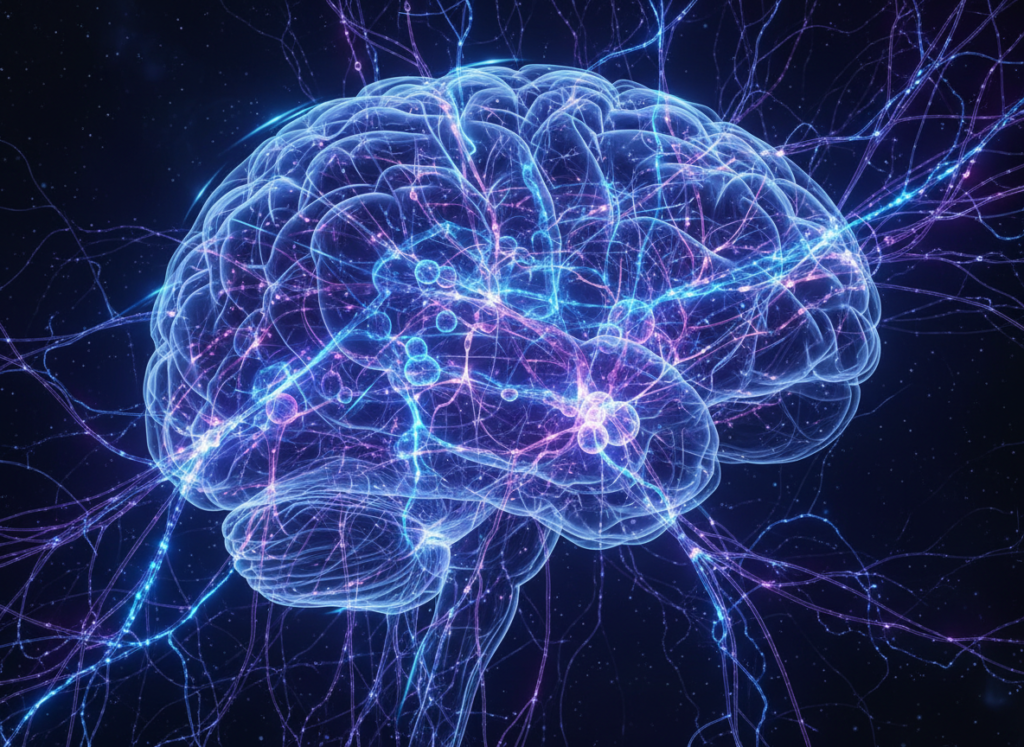
Your brain contains approximately 86 billion neurons. These specialized cells communicate through electrical and chemical signals. When you engage in mental activities, you strengthen existing neural pathways and create new connections.
This process, called neuroplasticity, continues throughout your entire life. Research published in neuroscience journals shows that adults who regularly challenge their minds maintain better cognitive function as they age. The brain literally rewires itself based on how you use it.
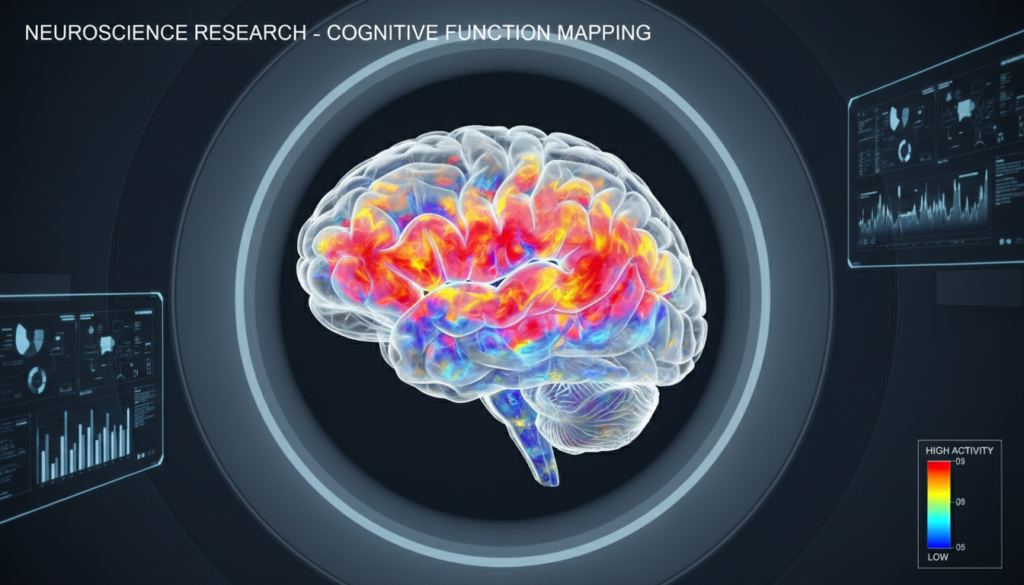
Different types of mental activities stimulate various brain regions. Memory exercises activate the hippocampus, while concentration tasks engage the prefrontal cortex. Understanding this relationship helps you target specific cognitive improvements.
The key to effective brain training lies in consistency and variety. Your mind adapts quickly to repeated tasks, so introducing new challenges prevents plateaus. This principle guides the selection of exercises in the following sections.
Powerful Memory Enhancement Techniques
Visualization and Mental Imagery
Your brain processes visual information more efficiently than abstract concepts. This natural ability makes visualization one of the most effective memory tools available. When you create vivid mental images, you engage multiple brain regions simultaneously.
The method of loci, used by memory champions worldwide, demonstrates this power. You mentally place items you want to remember in specific locations within a familiar environment. Walking through this mental space later retrieves the information effortlessly.
Practice this technique daily. Start with simple lists like grocery items. Create unusual, exaggerated mental images for each item. The more bizarre and detailed your visualizations, the better they stick in memory.
The Chunking Method
Your working memory holds limited information at one time. Chunking overcomes this limitation by grouping related items together. This technique explains why phone numbers use dashes and spaces rather than continuous digits.
Apply chunking to various learning situations. When memorizing a long number, break it into smaller segments. For complex information, identify patterns and categories. Your brain processes grouped data more efficiently than isolated facts.
Spaced Repetition Systems
Timing matters when building long-term memories. Spaced repetition involves reviewing information at increasing intervals. This approach aligns with how your brain naturally consolidates memories over time.
Research shows that spacing out study sessions produces better retention than cramming. Review new information after one day, then three days, then one week. This schedule strengthens neural pathways while requiring less total study time.
Short-Term Memory Exercises
Number sequence recall starting with 4 digits
Word list memorization with 7-10 items
Object arrangement games that test spatial memory
Story detail retention from brief passages
Long-Term Memory Building
Daily journaling to record experiences
Language learning with vocabulary retention
Historical fact memorization through stories
Personal timeline creation with detailed events
Concentration-Boosting Activities for Mental Focus
Mindfulness Meditation Practice
Meditation trains your attention like weights train your muscles. Studies using brain imaging reveal that regular meditation increases gray matter in regions associated with focus and emotional regulation. Even brief daily sessions produce measurable benefits.
Start with five minutes per day. Sit comfortably and focus on your breath. When your mind wanders, gently return attention to breathing. This simple practice strengthens your ability to direct and sustain attention throughout the day.
The benefits extend beyond meditation sessions. Regular practitioners report improved focus during work, better emotional control, and reduced mental distractions. These changes reflect actual structural improvements in brain networks controlling attention.
Deep Work Sessions
Your concentration muscle grows stronger through deliberate practice. Deep work involves focusing intensely on cognitively demanding tasks without distraction. This practice builds your capacity for sustained attention.
Schedule specific time blocks for deep work. Remove all potential interruptions. Start with 25-minute sessions and gradually extend duration. Your brain adapts to longer focus periods with consistent practice.
Attention Switching Exercises
Modern life requires flexible attention. The ability to switch focus deliberately differs from distraction. Practice controlled attention shifting to improve this valuable skill without compromising concentration depth.
Set a timer for focused work on one task. When the timer sounds, consciously shift to a different activity. This deliberate switching strengthens executive function while maintaining attention quality during each focus period.
Ready to Supercharge Your Mental Performance?
Access a scientifically-designed brain training program that combines memory enhancement and concentration techniques. Thousands have already experienced remarkable improvements in mental clarity and cognitive function.
Cognitive Games and Puzzles That Strengthen Your Mind
The Power of Jigsaw Puzzles
Jigsaw puzzles engage multiple cognitive processes simultaneously. Your brain must analyze shapes, colors, and patterns while maintaining the overall image in working memory. This activity provides a comprehensive mental workout.
Research indicates that regular puzzle solving may help protect against cognitive decline. The challenge requires visual-spatial reasoning, problem-solving, and patience. Start with puzzles matching your current skill level and gradually increase complexity.
Dedicate time several times per week to puzzle activities. The mental engagement provides both immediate enjoyment and long-term cognitive benefits. Many people find this activity relaxing while simultaneously challenging their minds.
Strategic Card Games
Card games like bridge, poker, and solitaire variations offer excellent brain exercise. These activities demand attention, strategic thinking, and memory. Players must track cards already played while planning future moves.
Social card games add interpersonal dynamics to cognitive challenge. Reading opponents, managing probability, and adjusting strategy creates a rich mental environment. Regular players often maintain sharp minds well into advanced age.
Chess and Strategy Board Games
Chess represents one of the most studied cognitive activities. Players must visualize multiple moves ahead, recognize patterns, and adapt strategies. This ancient game continues to fascinate neuroscientists studying expertise and mental performance.
You don’t need to become a master to benefit. Playing at any level stimulates cognitive function. Online platforms make finding opponents easy. Even 15 minutes of strategic play several times weekly provides measurable brain benefits.
Puzzle Benefits
Enhanced visual-spatial reasoning
Improved pattern recognition
Better attention to detail
Increased problem-solving ability
Game Advantages
Strategic thinking development
Memory system activation
Social engagement opportunities
Mental flexibility improvement
Word Game Perks
Vocabulary expansion
Language processing enhancement
Quick thinking encouragement
Creative problem-solving boost
Word Games and Crosswords
Language-based puzzles activate different brain regions than spatial games. Crossword puzzles, word searches, and games like Scrabble challenge vocabulary, pattern recognition, and retrieval processes. Regular engagement with word puzzles supports language abilities throughout life.
These activities prove particularly valuable because language skills often decline with age. Daily word game practice helps maintain verbal fluency and vocabulary access. Many people incorporate these puzzles into morning routines for mental activation.
Learning New Skills to Expand Cognitive Capacity
Musical Instrument Mastery
Few activities engage the brain as comprehensively as learning music. Playing an instrument requires coordination between motor skills, auditory processing, visual reading, and memory. Musicians show enhanced connectivity between brain hemispheres.
Research comparing musicians to non-musicians reveals structural differences in brain regions controlling movement, hearing, and executive function. The good news is that starting at any age provides benefits. Adult learners show measurable cognitive improvements within months of beginning music lessons.
Choose an instrument that interests you. Dedicate 20-30 minutes daily to practice. The consistency matters more than the duration. As you progress, your brain forms new neural pathways supporting coordination, memory, and attention.
Language Acquisition
Learning new languages ranks among the most powerful brain exercises available. Bilingual individuals show enhanced executive function, better attention control, and delayed onset of age-related cognitive decline. The mental gymnastics of switching between languages strengthens cognitive reserves.
Modern technology makes language learning accessible. Apps, online courses, and conversation exchange platforms provide structured pathways. Start with languages that interest you personally. The motivation from genuine interest sustains the effort required for fluency.
The learning process itself delivers benefits beyond the language acquired. Your brain develops enhanced pattern recognition, improved memory systems, and greater mental flexibility. These advantages transfer to other cognitive domains.
Physical Skills and Hand-Eye Coordination
Physical activities requiring precision and coordination provide excellent cognitive exercise. Learning to juggle, practicing martial arts forms, or mastering dance steps engages brain regions controlling movement while challenging memory and attention.
The hand-brain connection is particularly powerful. Activities like knitting, drawing, or playing instruments requiring fine motor control stimulate brain areas simultaneously. This dual physical-cognitive challenge produces robust neuroplastic changes.
Key Insight: The most effective brain exercises combine novelty, challenge, and complexity. Learning new skills forces your brain to create fresh neural pathways rather than reinforcing existing ones. This process maximizes cognitive benefits.
The Physical Exercise and Cognitive Function Connection
Aerobic Exercise for Brain Health
Physical activity benefits your mind as much as your body. Aerobic exercise increases blood flow to the brain, promotes new neuron growth, and releases compounds supporting neural health. Regular exercisers show better memory, faster processing speed, and improved executive function.
Activities like brisk walking, swimming, cycling, or dancing all qualify. Aim for 150 minutes of moderate aerobic activity weekly. This recommendation from health organizations reflects extensive research linking physical fitness to cognitive performance.
The cognitive benefits appear quickly. Studies show improved memory and attention after just a single exercise session. Long-term practitioners experience more profound changes, including increased brain volume in areas critical for memory and learning.
Mind-Body Practices
Activities combining physical movement with mental focus offer unique advantages. Yoga, tai chi, and similar practices require attention to body position, breathing, and movement sequences. This integrated approach exercises mind and body simultaneously.
Research on mind-body practices reveals improvements in attention, emotional regulation, and stress management. Practitioners report better mental clarity and enhanced ability to concentrate. The meditative aspects complement the physical benefits.
Strength Training and Cognitive Function
Resistance exercise contributes to brain health through multiple mechanisms. Strength training improves insulin sensitivity, reduces inflammation, and promotes growth factors supporting neural health. Studies show cognitive improvements from regular resistance training programs.
Incorporate strength exercises two to three times weekly. The physical challenge combined with learning proper form and tracking progress engages cognitive processes while building physical strength. This combination maximizes overall health benefits.
Nutrition Strategies for Optimal Cognitive Performance
Brain-Boosting Foods
Your diet directly impacts brain function. Certain nutrients support neural health, neurotransmitter production, and protection against oxidative stress. Understanding these relationships helps you make food choices supporting cognitive performance.
Omega-3 fatty acids from fish, walnuts, and flaxseeds provide building blocks for brain cell membranes. Antioxidant-rich berries protect neurons from damage. Leafy greens supply vitamins essential for neurotransmitter synthesis. These foods form the foundation of a brain-healthy diet.
Essential Brain Nutrients
Omega-3 fatty acids for membrane health and inflammation control
B vitamins supporting neurotransmitter production and energy metabolism
Antioxidants protecting against oxidative damage and aging
Protein providing amino acids for neurotransmitter synthesis
Complex carbohydrates delivering steady glucose for brain fuel
Hydration and Mental Performance
Your brain consists of approximately 75% water. Even mild dehydration impairs cognitive function. Studies show that fluid loss of just 2% of body weight reduces attention, memory, and motor skills. Maintaining proper hydration supports optimal mental performance.
Drink water consistently throughout the day. Individual needs vary based on activity level, climate, and body size. Monitor hydration through urine color and thirst signals. Adequate hydration provides an easy way to support brain function.
Timing and Meal Patterns
When you eat affects cognitive performance as much as what you eat. Blood sugar fluctuations impact attention and mental energy. Stable glucose levels through balanced meals support consistent cognitive function throughout the day.
Include protein, healthy fats, and complex carbohydrates in meals. This combination provides sustained energy release. Avoid excessive refined sugars causing blood sugar spikes and crashes. Your brain performs best with steady fuel delivery.
Sleep plays a critical role in memory formation. During sleep, your brain processes and consolidates information from the day. Neural connections strengthen, and memories transfer from temporary to long-term storage. Quality sleep directly impacts how well you remember and learn.
Research using brain imaging shows that specific sleep stages support different memory types. Deep sleep consolidates factual memories, while REM sleep processes emotional experiences and procedural learning. Both stages prove essential for optimal cognitive function.
Adults need seven to nine hours of quality sleep nightly. Consistent sleep schedules support circadian rhythms regulating brain function. Prioritizing sleep provides one of the most powerful interventions for cognitive performance.
Sleep Hygiene Practices
Creating conditions for quality sleep enhances cognitive benefits. Your environment, routines, and habits before bed all influence sleep quality. Small adjustments produce significant improvements in rest and mental restoration.
Maintain a cool, dark, quiet bedroom. Avoid screens for one hour before bed, as blue light disrupts melatonin production. Establish relaxing pre-sleep routines signaling your body that rest approaches. These practices optimize restorative sleep supporting memory and concentration.
Napping for Cognitive Performance
Strategic napping provides cognitive benefits beyond nighttime sleep. Brief naps of 10-20 minutes improve alertness and performance without causing grogginess. Longer naps of 60-90 minutes support memory consolidation and creative problem-solving.
Time naps appropriately to avoid interfering with nighttime sleep. Early afternoon works best for most people. Even brief rest periods refresh mental resources and improve subsequent cognitive performance.
Stress Management for Mental Clarity
Understanding Stress Effects on Cognition
Chronic stress harms brain function through multiple pathways. Elevated cortisol damages neurons, particularly in memory-critical regions. Stress impairs attention, reduces working memory capacity, and interferes with decision-making. Managing stress protects cognitive health.
Acute stress temporarily sharpens focus, an evolutionary advantage. However, prolonged stress produces opposite effects. Understanding this distinction helps you recognize when stress levels require intervention for mental health and cognitive performance.
Effective Stress Reduction Methods
Multiple evidence-based approaches reduce stress and protect brain function. Regular meditation practice lowers cortisol and strengthens stress resilience. Physical exercise provides both immediate stress relief and long-term adaptation. Social connections buffer against stress impacts.
Identify stress management techniques matching your preferences and lifestyle. Consistency matters more than specific method selection. Daily stress management practices preserve cognitive function and support overall mental health throughout life.
Time Management and Mental Load
Poor time management creates unnecessary cognitive stress. Your brain has limited attentional resources. Overwhelming mental load from poor organization wastes cognitive capacity and increases stress. Effective planning preserves mental energy for important tasks.
Use external systems for tracking tasks and information. Write things down rather than trying to remember everything. This approach frees working memory for active thinking rather than storage. Organized systems reduce cognitive load and associated stress.
Professional Tip: Combine multiple brain health strategies for synergistic effects. Physical exercise, quality sleep, stress management, and mental challenges work together to optimize cognitive function. A comprehensive approach produces better results than isolated interventions.
Social Engagement and Cognitive Benefits
The Brain-Social Connection
Social interaction provides powerful cognitive exercise. Conversations require attention, memory, language processing, and perspective-taking. These complex mental processes engage multiple brain regions simultaneously, creating a comprehensive cognitive workout.
Research consistently links social engagement to better cognitive outcomes. People with rich social networks show slower cognitive decline and reduced dementia risk. The mental stimulation from social interaction appears protective against age-related changes.
Meaningful Connections and Mental Health
Quality matters more than quantity in social relationships. Deep, meaningful connections provide greater cognitive and emotional benefits than superficial interactions. Relationships involving mutual support, shared activities, and regular communication strengthen both mental health and cognitive function.
Invest time in relationships that energize and challenge you mentally. Engaging conversations, collaborative activities, and shared learning experiences all provide cognitive benefits while enriching life quality. Social connections serve multiple aspects of wellbeing.
Group Activities and Collaborative Learning
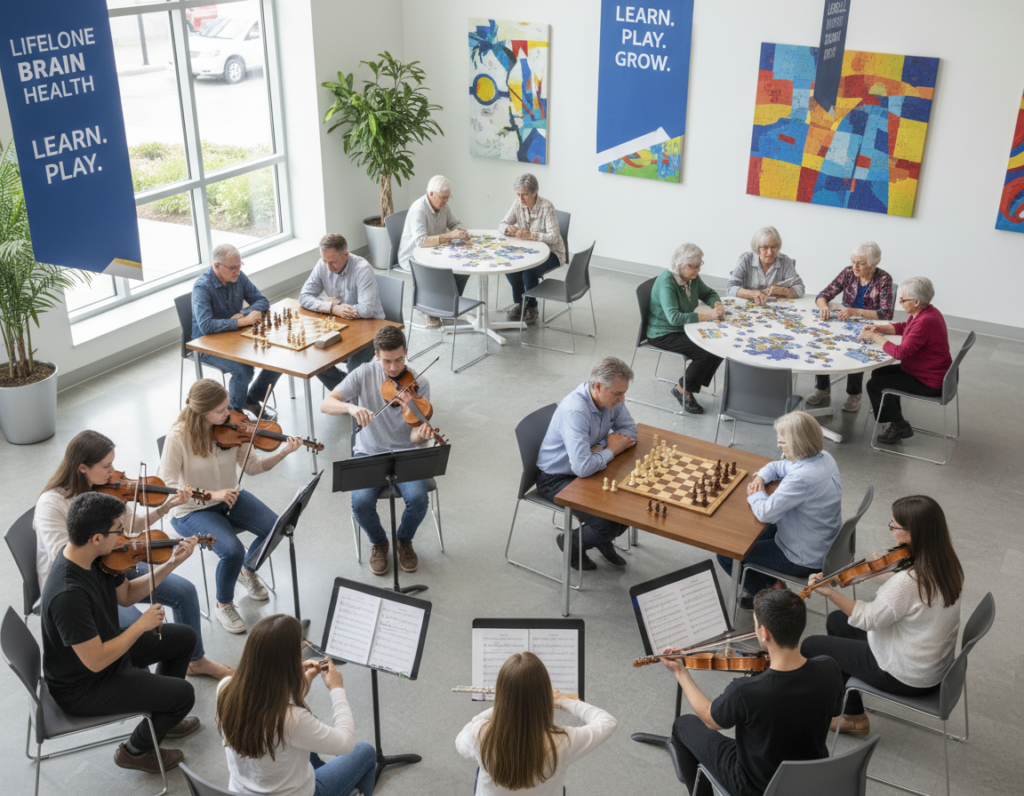
Participating in group activities combines social engagement with cognitive challenge. Book clubs, discussion groups, team sports, or volunteer organizations provide mental stimulation through social interaction. The collaborative aspect adds complexity beyond solitary activities.
These activities often introduce new information and perspectives. Learning from others, explaining your thoughts, and engaging in friendly debate all exercise cognitive abilities. The social accountability also helps maintain consistent engagement with brain-healthy activities.
Technology Tools for Brain Training
Digital Brain Training Platforms
Technology offers convenient access to structured cognitive exercises. Brain training apps provide games targeting specific mental abilities. These platforms often adapt difficulty based on performance, maintaining appropriate challenge levels for continued improvement.
Research on digital brain training shows mixed results. Some studies demonstrate transfer to real-world cognitive tasks, while others find benefits limited to trained tasks. The most effective programs incorporate variety, adaptive difficulty, and engagement with meaningful activities beyond screens.
Balancing Screen Time and Cognitive Health
Technology serves as both tool and potential distraction. Excessive passive screen time reduces opportunities for cognitively enriching activities. Balance technology use by prioritizing active engagement over passive consumption. Choose digital activities requiring attention and problem-solving.
Set boundaries around recreational screen time. Allocate periods for reading, face-to-face interaction, physical activity, and hands-on hobbies. This balanced approach maximizes technology benefits while preserving time for diverse brain-healthy activities.
Tracking Progress and Motivation
Technology enables tracking cognitive improvements over time. Apps can monitor performance metrics, creating visible progress records. This feedback provides motivation and helps identify areas needing additional focus. Data-driven approaches support consistent practice.
Avoid becoming overly focused on scores rather than genuine improvement. Use metrics as guides rather than definitive measures. Real-world cognitive function matters more than app performance. Technology works best as one component of comprehensive brain health strategy.
Creating Your Personalized Brain Exercise Routine
Assessing Current Cognitive Strengths
Begin by identifying your current cognitive profile. Notice which mental tasks feel easy versus challenging. Some people excel at memory but struggle with sustained concentration. Others find the opposite pattern. Understanding your starting point guides effective practice selection.
Consider your daily activities and cognitive demands. Your job, hobbies, and responsibilities all exercise certain mental abilities while leaving others less developed. A personalized routine addresses gaps while building on existing strengths for balanced cognitive development.
Building a Sustainable Practice Schedule
Consistency outperforms intensity in brain training. Daily brief practice produces better results than occasional marathon sessions. Your brain responds to regular stimulation by strengthening neural pathways through repeated activation.
Morning Routine Ideas
10 minutes of meditation for focus preparation
Crossword puzzle with breakfast
Memory exercise reviewing previous day
Learning session for new language vocabulary
Evening Activities
Strategic game practice for 20 minutes
Reading challenging material before bed
Journaling to consolidate daily experiences
Music practice or listening actively
Start with 15-20 minutes daily dedicated to structured brain exercises. Gradually increase duration as the habit solidifies. Choose times matching your natural energy peaks for optimal engagement and benefit.
Incorporating Variety and Challenge
Your brain adapts quickly to repeated activities. Novel challenges create stronger neuroplastic responses than familiar tasks. Rotate different exercise types to maintain cognitive stimulation and prevent habituation.
Progressively increase difficulty as skills improve. When an activity becomes easy, introduce variations or advance to harder versions. This progressive challenge principle drives continued cognitive development rather than mere maintenance.
Complete Brain Training System Benefits
A structured program eliminates guesswork from brain training. Professional-designed systems provide:
Scientifically-sequenced exercises targeting memory and concentration
Progressive difficulty ensuring continuous challenge and improvement
Proven techniques used by cognitive enhancement experts
Structured routine removing the need for daily planning
Support materials and guidance throughout your journey
Tracking Progress and Adjusting
Monitor your cognitive improvements through both formal and informal methods. Notice changes in daily life like improved work focus, better name recall, or enhanced problem-solving. These real-world improvements matter most.
Keep a simple journal noting exercises completed and observations about mental performance. Review monthly to identify patterns and progress. Adjust your routine based on results, emphasizing activities producing noticeable benefits.
Overcoming Common Obstacles
Motivation fluctuates naturally over time. Prepare for periods of reduced enthusiasm by establishing habits and environmental cues. Place puzzle books in visible locations. Schedule specific times for brain exercises. Make cognitive practice as automatic as brushing teeth.
Connect brain exercises to existing habits through habit stacking. Practice memory techniques while commuting. Listen to language lessons during exercise. Integration into daily life reduces friction and supports consistency despite motivation changes.
Age-Specific Considerations for Brain Exercise
Brain Training for Younger Adults
Adults in their twenties through forties benefit from cognitive exercises building reserves. This life stage often involves intense learning demands from career development, skill acquisition, and complex problem-solving. Brain exercises enhance performance and establish protective habits.
Focus on exercises developing expertise and expanding capabilities. Learning new languages, musical instruments, or complex skills creates cognitive advantages extending throughout life. The neuroplasticity of younger adulthood allows rapid skill development.
Middle-Age Cognitive Maintenance
The forties through sixties represent a critical period for brain health investment. Cognitive changes may begin subtly during these decades. Proactive brain exercise slows decline and maintains mental sharpness despite aging processes.
Emphasize variety and novel challenges. Try activities outside your comfort zone. The mental stretch from learning unfamiliar skills provides powerful cognitive benefits. Combine intellectual challenges with social engagement for comprehensive brain health support.
Senior Brain Health Strategies
Older adults gain substantial benefits from regular cognitive exercise. Research demonstrates that mental activity reduces dementia risk and maintains independence. Brain exercises remain effective throughout the lifespan, with seniors showing measurable improvements from training.
Choose activities matching physical abilities while providing mental challenge. Card games, puzzles, reading groups, and gentle learning activities all support cognitive function. Social components become increasingly important, as isolation accelerates decline.
Consistency matters more than intensity for older adults. Regular moderate cognitive engagement protects brain health better than sporadic intense efforts. Enjoyable activities promote adherence, making pleasure an important selection criterion alongside cognitive benefit.
Measuring Your Cognitive Improvements
Subjective Progress Indicators
Personal observations provide valuable feedback about cognitive changes. Notice improvements in daily tasks requiring memory or concentration. Remembering names more easily, following complex conversations without effort, or maintaining focus during long work sessions all indicate progress.
Ask trusted friends or family members if they notice changes. External perspectives sometimes identify improvements you might miss. Comments about sharper thinking, better memory, or improved attention validate your brain training efforts.
Objective Performance Metrics
Periodic formal assessment tracks quantifiable improvements. Many brain training programs include built-in metrics. You can also use free cognitive tests available online. Consistent testing conditions ensure valid comparisons over time.
Focus on trends rather than single test results. Cognitive performance varies day-to-day based on sleep, stress, and other factors. Monthly or quarterly assessments reveal meaningful patterns while avoiding fixation on normal fluctuations.
4.7
Overall Cognitive Improvement Potential
Memory Enhancement
4.6/5
Concentration Improvement
4.7/5
Processing Speed
4.4/5
Mental Flexibility
4.8/5
Long-Term Maintenance
4.5/5
Real-World Application Testing
The ultimate measure of cognitive improvement appears in daily life. Set specific challenges testing real-world applications. Memorize shopping lists without writing them down. Focus on complex work projects without breaks. Learn new information relevant to your interests or career.
Document these challenges and outcomes. Concrete examples of improved performance provide motivation and validation. Real-world success confirms that brain exercises translate beyond practice sessions into meaningful life improvements.
Common Mistakes to Avoid in Brain Training
Insufficient Challenge Level
Many people choose exercises that feel comfortable rather than challenging. Your brain grows through appropriate difficulty that stretches current abilities. Too-easy activities waste time without producing cognitive benefits. Push slightly beyond your comfort zone consistently.
Recognize the difference between frustration and productive challenge. Mild difficulty engages learning mechanisms. Overwhelming difficulty causes stress without benefit. Find the sweet spot where tasks feel achievable with focused effort.
Lack of Variety
Repeating identical exercises produces diminishing returns. Your brain adapts quickly, making familiar tasks easier but less beneficial. Rotate activities targeting different cognitive domains. This variety prevents plateaus and develops well-rounded mental abilities.
Within each activity type, introduce variations. If you enjoy crosswords, alternate between different puzzle styles and difficulty levels. This approach maintains engagement while continuing to challenge your brain in new ways.
Inconsistent Practice Patterns
Sporadic intensive efforts produce less benefit than regular moderate practice. Your brain responds to consistent stimulation through structural changes requiring time. Daily brief sessions build stronger neural pathways than weekly marathon practices.
Build habits supporting regular practice. Tie brain exercises to existing routines. Practice at consistent times. These strategies help maintain the frequency necessary for optimal cognitive development despite busy schedules.
Important Consideration: While brain exercises provide significant benefits, they complement rather than replace healthy lifestyle factors. Adequate sleep, regular physical exercise, nutritious diet, and stress management remain fundamental to cognitive health. A comprehensive approach produces the best outcomes.
Scientific Evidence Supporting Brain Exercise
Research on Cognitive Training
Extensive scientific literature examines brain exercise effectiveness. Studies using randomized controlled designs demonstrate improvements in trained abilities. More importantly, research shows transfer effects where cognitive training benefits untrained tasks sharing similar mental processes.
Large-scale studies following thousands of participants over years reveal that cognitive activity associates with reduced dementia risk. While correlation doesn’t prove causation, the consistent pattern across multiple studies suggests genuine protective effects from mental engagement.
Neuroplasticity Evidence
Brain imaging studies reveal structural changes from cognitive training. Increased gray matter volume, enhanced connectivity between brain regions, and improved neural efficiency all appear in regular practitioners. These physical brain changes explain observed performance improvements.
The neuroplasticity research demonstrates that cognitive exercise works through biological mechanisms, not just improved test-taking skills. Your brain literally changes structure and function in response to mental challenges, regardless of age.
Limitations and Realistic Expectations
Scientific honesty requires acknowledging brain training limitations. Not all programs deliver advertised benefits. Transfer effects sometimes prove smaller than hoped. Individual responses vary considerably based on baseline abilities, genetics, and other factors.
Set realistic expectations based on current evidence. Brain exercises help boost memory and concentration for most people. Benefits appear most robust when exercises challenge you appropriately and you practice consistently. Dramatic transformations remain rare, but meaningful improvements prove achievable.
Integrating All Lifestyle Factors for Maximum Benefit
The Holistic Brain Health Approach
Cognitive exercise works best within comprehensive brain health strategy. Sleep, nutrition, physical activity, stress management, and social engagement all interact with mental training. These factors work synergistically, each amplifying others’ benefits.
Consider your entire lifestyle when optimizing cognitive function. Adequate sleep allows memory consolidation from daily brain exercises. Good nutrition provides raw materials for neural growth. Physical exercise increases brain blood flow, enhancing mental training effectiveness.
Creating Sustainable Lifestyle Changes
Gradual changes stick better than dramatic overhauls. Choose one or two brain health behaviors to modify initially. Once these become habitual, add additional improvements. This approach prevents overwhelm while building comprehensive healthy lifestyle.
Focus on changes you genuinely enjoy. Sustainable habits align with your preferences and values. If you hate running, choose different aerobic activities. If crosswords bore you, try other puzzles. Personal fit ensures long-term adherence.
Long-Term Commitment to Brain Health
Brain health requires lifelong attention rather than short-term projects. Cognitive exercise delivers maximum benefits through years of consistent practice. View brain training as permanent lifestyle component, not temporary program.
This perspective shifts focus from quick fixes to sustainable practices. Choose activities enriching your life beyond cognitive benefits. Enjoyable brain exercises become natural parts of your routine rather than obligations requiring willpower.
Taking Action for Better Memory and Concentration
You now understand how brain exercises for memory and concentration can transform your cognitive performance. The scientific evidence clearly demonstrates that your brain retains plasticity throughout life. Regular mental challenges create measurable improvements in memory, focus, and overall cognitive function.
The key lies in taking consistent action. Information alone produces no benefits. You must implement these strategies through regular practice. Start today with simple exercises matching your current abilities and interests. Build from there as your cognitive fitness improves.
Remember that cognitive improvement requires time and patience. Your brain changes gradually through repeated stimulation. Trust the process and maintain consistency even when immediate results aren’t obvious. The cumulative effects of daily practice produce remarkable transformations over months and years.
The investment in your cognitive health pays dividends across all life areas. Sharper memory improves work performance and relationships. Better concentration enhances productivity and learning. Mental clarity supports better decision-making and problem-solving throughout your day.
Transform Your Cognitive Performance Starting Today
Access a comprehensive, scientifically-designed brain training system that takes the guesswork out of cognitive improvement. This proven program provides structured exercises, progressive challenges, and expert guidance to help boost memory and concentration effectively. Join thousands who have already experienced remarkable mental clarity and cognitive enhancement.
Your mind represents your most valuable asset. Protecting and enhancing cognitive function through brain exercises ensures you maintain mental sharpness regardless of age. The strategies outlined in this guide provide everything you need to start your journey toward better memory and concentration.
Take the first step today. Choose one or two exercises that appeal to you and commit to daily practice. Track your progress and celebrate small improvements. Your future self will thank you for the investment you make in cognitive health right now.
A cluttered closet can make your entire morning routine frustrating. You know the feeling when you cannot find what you need because everything is piled together without proper organization.This Website contains affiliate links. That means I may earn a small commission if you purchase through my links, at no extra cost to you. Building a…
Finding the perfect valentines day gifts for him can feel like navigating a minefield of clichés and predictable choices. But this year, let’s break away from the ordinary and discover gifts that truly speak to his heart, interests, and personality. Whether you’re shopping for your boyfriend, husband, or that special guy in your life, this…
Every transformation begins with a single moment. That moment when you look in the mirror and decide enough is enough. The stories you’re about to discover aren’t about perfection. They’re about real people who faced real struggles and found real solutions.This Website contains affiliate links. That means I may earn a small commission if you…
Reaching the 10-year milestone in your marriage is truly something to celebrate. A decade of shared memories, growth, and love deserves to be honored with a gift that’s as meaningful as the journey you’ve taken together. Whether you’re looking for a traditional tin anniversary gift or something more modern, finding the perfect way to say…
Losing weight can feel like an uphill battle. You start each week with good intentions, but by Wednesday, you find yourself at the drive-through again. The problem isn’t your willpower. It’s that you haven’t set yourself up for success.This Website contains affiliate links. That means I may earn a small commission if you purchase through…
Your smile deserves more than a quick brush twice a day. A comprehensive daily oral care routine for healthy teeth protects against cavities, gum disease, and serious health complications. Most people miss critical steps that dentists know make all the difference.This Website contains affiliate links. That means I may earn a small commission if you…























Social Engagement and Cognitive Benefits
The Brain-Social Connection
Social interaction provides powerful cognitive exercise. Conversations require attention, memory, language processing, and perspective-taking. These complex mental processes engage multiple brain regions simultaneously, creating a comprehensive cognitive workout.
Research consistently links social engagement to better cognitive outcomes. People with rich social networks show slower cognitive decline and reduced dementia risk. The mental stimulation from social interaction appears protective against age-related changes.
Meaningful Connections and Mental Health
Quality matters more than quantity in social relationships. Deep, meaningful connections provide greater cognitive and emotional benefits than superficial interactions. Relationships involving mutual support, shared activities, and regular communication strengthen both mental health and cognitive function.
Invest time in relationships that energize and challenge you mentally. Engaging conversations, collaborative activities, and shared learning experiences all provide cognitive benefits while enriching life quality. Social connections serve multiple aspects of wellbeing.
Group Activities and Collaborative Learning
Participating in group activities combines social engagement with cognitive challenge. Book clubs, discussion groups, team sports, or volunteer organizations provide mental stimulation through social interaction. The collaborative aspect adds complexity beyond solitary activities.
These activities often introduce new information and perspectives. Learning from others, explaining your thoughts, and engaging in friendly debate all exercise cognitive abilities. The social accountability also helps maintain consistent engagement with brain-healthy activities.