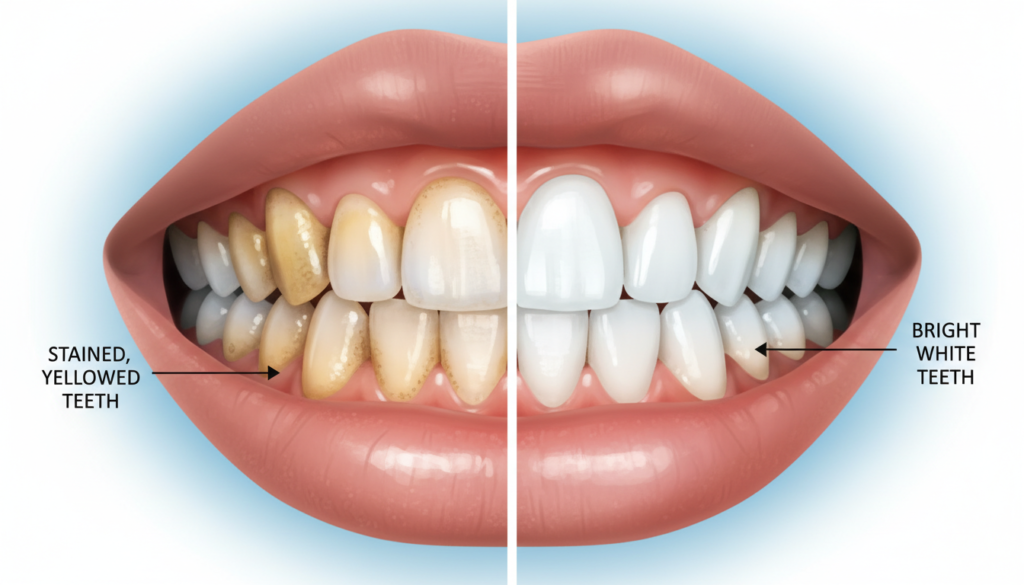
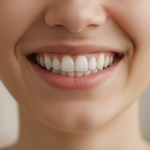
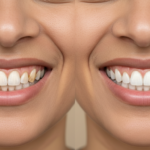
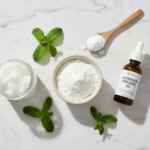
Your smile speaks before you do. Yellow or stained teeth can affect your confidence in social situations and professional settings. The good news is you don’t need expensive dental treatments to achieve a brighter smile.
This Website contains affiliate links. That means I may earn a small commission if you purchase through my links, at no extra cost to you.
Many people spend thousands on professional whitening. But effective solutions exist right in your home. These methods can help whiten teeth naturally and safely.
This guide explores proven techniques that work. You’ll discover natural ingredients and safe practices. Plus, you’ll learn about advanced solutions that deliver professional results without leaving your house.
Understanding What Causes Tooth Discoloration
Tooth discoloration happens for several reasons. Understanding these causes helps you prevent future staining. It also guides you toward the most effective whitening methods.
Surface stains develop from daily habits. Coffee, tea, and red wine are common culprits. These beverages contain pigments that stick to tooth enamel over time.
Tobacco products stain teeth quickly. Smoking or chewing tobacco causes stubborn yellow and brown discoloration. These stains teeth more aggressively than food or drinks.
Internal Versus External Staining
External stains affect only the outer enamel layer. These respond well to home whitening treatments. Regular brushing and whitening products can remove surface stains effectively.
Internal staining occurs within the tooth structure. Certain medications, aging, and trauma cause this type. Internal stains require different approaches than surface discoloration.
Reversible Stain Factors
Coffee and tea consumption
Red wine and dark sodas
Berries and tomato-based foods
Poor oral hygiene habits
Tobacco use
Permanent Stain Factors
Natural aging process
Certain antibiotic medications
Excessive fluoride exposure
Dental trauma or injury
Genetic enamel conditions
The enamel on your teeth acts like a protective shield. When enamel wears thin, the yellowish dentin underneath shows through. This makes teeth appear darker even without external staining.
The Power of Baking Soda for Teeth Whitening
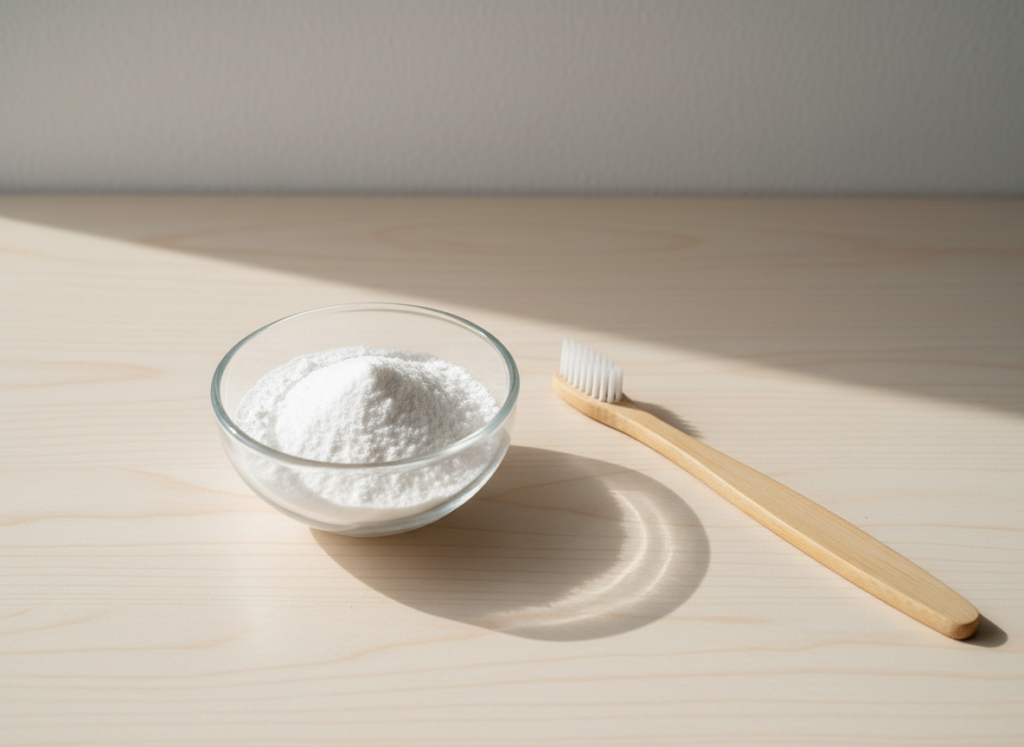
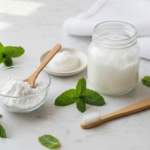
Baking soda stands as one of the most popular natural whitening agents. This common household ingredient offers gentle yet effective stain removal. Many commercial toothpaste brands include baking soda in their formulas.
The mild abrasive properties of baking soda help scrub away surface stains. It creates an alkaline environment in your mouth. This environment helps prevent bacteria growth that can darken teeth.
How to Use Baking Soda Safely
Mix a small amount of baking soda with water to form a paste. The consistency should resemble regular toothpaste. Apply this paste to your toothbrush and brush gently for two minutes.
Use this baking soda treatment only a few times per week. Daily use might damage your enamel over time. The abrasive nature requires moderation for safety.
Pro Tip: Combine one teaspoon of baking soda with two teaspoons of water. This ratio creates the perfect paste consistency for effective cleaning without excess grittiness.
Research shows baking soda effectively removes plaque. It also helps neutralize acids that erode enamel. This dual action supports both whitening and overall oral health.
Some people add a drop of peppermint oil to their baking soda paste. This improves the taste and freshens breath. Just ensure any added ingredients are safe for oral use.
Baking Soda with Hydrogen Peroxide
Combining baking soda with hydrogen peroxide creates a powerful whitening treatment. Mix equal parts of each ingredient to form a paste. This combination tackles stubborn stains more effectively.
The hydrogen peroxide acts as a bleaching agent. Meanwhile, baking soda provides gentle scrubbing action. Together, they help whiten teeth faster than either ingredient alone.
Apply this mixture carefully around your mouth. Avoid swallowing the paste. Rinse thoroughly with water after brushing for two minutes.
Hydrogen Peroxide: A Powerful Whitening Agent
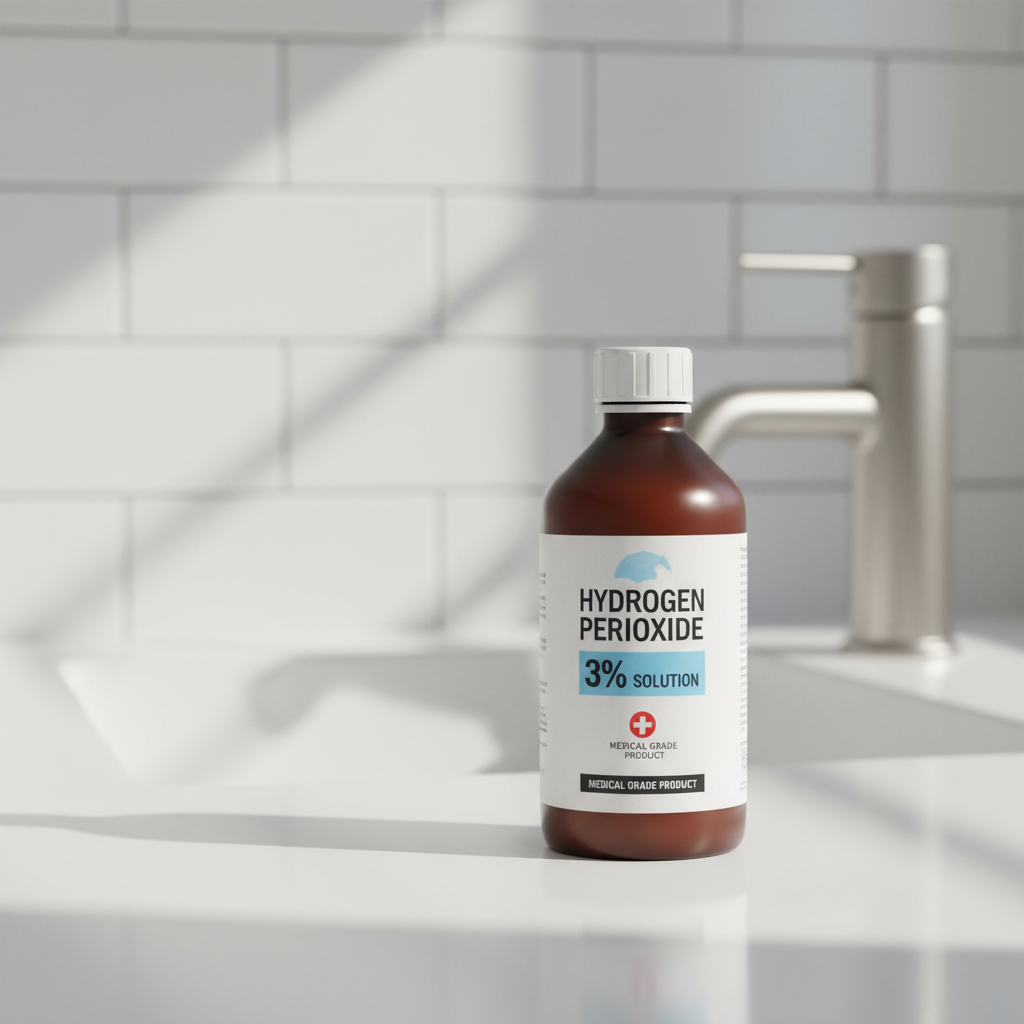
Hydrogen peroxide works as an effective bleaching agent for teeth. Dentists use higher concentrations in professional treatments. Lower concentrations available at drugstores work well for home use.
This clear liquid breaks down stain molecules on tooth surfaces. It penetrates enamel to reach deeper discoloration. Many whitening products contain hydrogen peroxide as their active ingredient.
Safe Usage Guidelines
Only use hydrogen peroxide solutions of 3% or less. Higher concentrations can damage gum tissue and enamel. Always dilute the peroxide with equal parts water before use.
Swish the diluted solution around your mouth for 30 seconds to one minute. Spit it out completely and rinse with plain water. Never swallow hydrogen peroxide solutions.
Important: Using hydrogen peroxide too frequently can increase tooth sensitivity. Limit treatments to 2-3 times per week. Stop immediately if you experience pain or irritation.
Some people experience temporary sensitivity when using hydrogen peroxide. This usually subsides after stopping treatment. If sensitivity persists, consult a dental professional.
You can also use hydrogen peroxide as a pre-brush rinse. This method is gentler than direct application. It still provides whitening benefits while reducing sensitivity risks.
Natural Methods to Help Whiten Teeth
Beyond baking soda and hydrogen peroxide, several natural methods can help whiten teeth. These approaches use common foods and household items. They offer gentle alternatives for sensitive teeth.
Oil Pulling with Coconut Oil
Oil pulling is an ancient practice gaining modern popularity. Coconut oil pulling involves swishing oil in your mouth for 10-20 minutes. This practice may reduce bacteria and promote oral hygiene.
Take one tablespoon of coconut oil in your mouth. Swish it gently between teeth and around gums. Spit the oil into a trash can after the session ends.
The lauric acid in coconut oil fights bacteria. Reducing bacteria helps prevent plaque buildup that yellows teeth. Many users report fresher breath and cleaner-feeling teeth.
Practice oil pulling in the morning before eating. Do this on an empty stomach for best results. Regular sessions may gradually help whiten teeth naturally over time.
Apple Cider Vinegar Rinse
Apple cider vinegar contains acetic acid that can remove stains. However, its acidic nature requires careful use. Dilute it heavily to protect your enamel.
Mix one part apple cider vinegar with four parts water. Swish this solution for 30 seconds maximum. Rinse immediately with plain water afterward.
Use this method sparingly – only once or twice per week. Excessive exposure to acid weakens enamel. This can make teeth more susceptible to staining.
Strawberry and Baking Soda Treatment
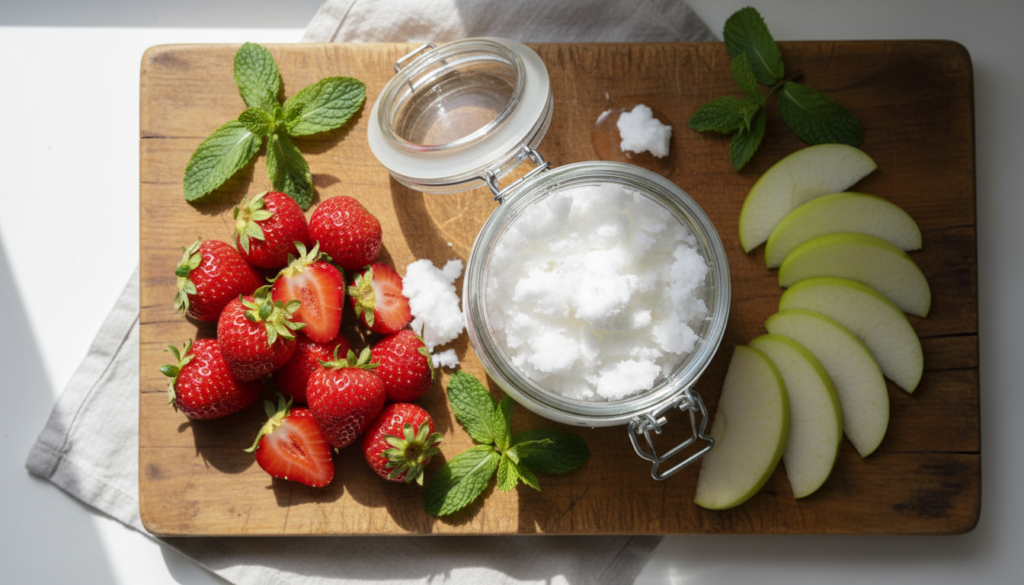
Strawberries contain malic acid, which may help remove surface stains. Mash one ripe strawberry and mix it with half a teaspoon of baking soda. Apply this mixture to teeth using your finger or a soft brush.
Leave the paste on for five minutes. Rinse thoroughly and brush with regular toothpaste. The combination provides gentle whitening action.
Limit this treatment to occasional use. The fruit acids and sugars can harm enamel if overused. Once weekly application offers benefits without risks.
Coconut Oil Pulling
Reduces harmful bacteria
Improves oral hygiene
Freshens breath naturally
Gentle on sensitive teeth
Activated Charcoal
Binds to surface stains
Natural detoxifying effect
Removes plaque buildup
Quick visible results
Fruit Enzyme Methods
Contains natural acids
Breaks down stain molecules
Provides vitamin benefits
Pleasant tasting option
Essential Oral Hygiene for Whiter Teeth
Good oral hygiene forms the foundation of teeth whitening success. No whitening method works well without proper dental care. Daily habits prevent new stains from forming.
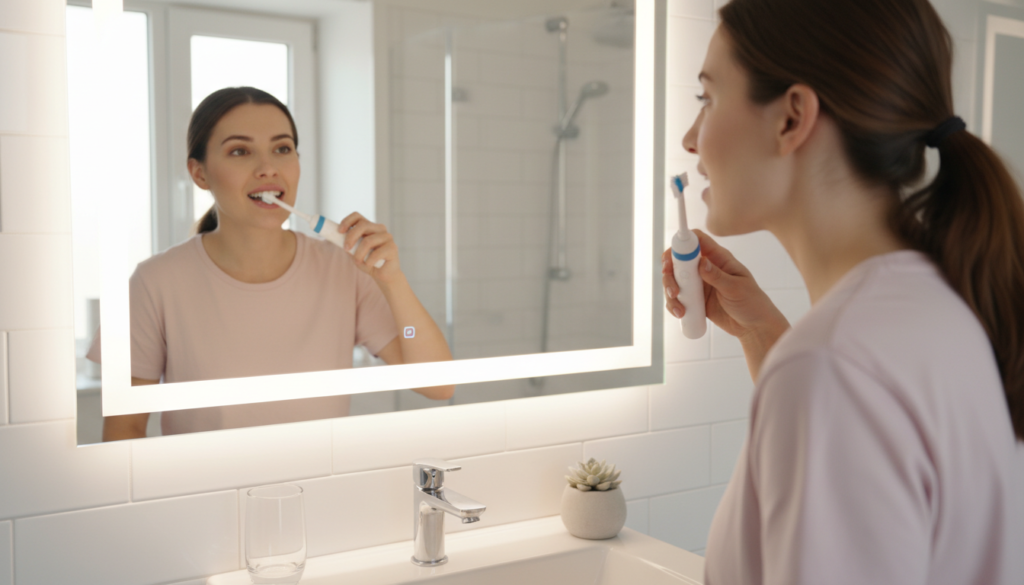
Brush your teeth at least twice daily. Use a soft-bristled toothbrush to protect enamel. Brush for two full minutes each session using gentle circular motions.
Choosing the Right Toothpaste
Whitening toothpaste contains mild abrasives and gentle chemicals. These help remove surface stains during regular brushing. Look for products approved by dental associations.
Some whitening toothpaste includes hydrogen peroxide or baking soda. These ingredients boost stain-removing power. Use these products consistently for gradual whitening results.
Sensitive teeth require special consideration. Choose toothpaste formulated for tooth sensitivity if you experience discomfort. These products still offer whitening benefits without causing pain.
Flossing and Interdental Cleaning
Floss daily to remove plaque between teeth. This prevents yellowing in hard-to-reach areas. Regular flossing also promotes healthy gums and fresh breath.
Water flossers offer an alternative to traditional string floss. These devices use pressurized water to clean between teeth. They work especially well for people with braces or dental work.
Don’t skip flossing even when using whitening treatments. Clean interdental spaces prevent partial discoloration that makes teeth appear uneven.
Regular Dental Checkups
Visit your dentist for professional cleanings twice yearly. Hygienists remove tartar buildup that home brushing cannot eliminate. These cleanings help maintain your whitening results.
Dentists can also identify oral health issues early. Addressing cavities and gum disease protects your overall dental health. Healthy teeth respond better to whitening treatments.
Foods That Affect Tooth Color
Your diet significantly impacts tooth color. Certain foods and drinks cause staining. Others naturally help clean and protect teeth.
Foods and Drinks to Limit
Dark beverages top the list of stain-causing culprits. Coffee, black tea, and red wine contain chromogens. These pigmented molecules attach to enamel and cause discoloration.
Acidic foods and drinks weaken enamel temporarily. This makes teeth more vulnerable to staining. Citrus fruits, sodas, and sports drinks fall into this category.
Dark sauces like soy sauce and balsamic vinegar stain teeth. Berries, though healthy, also contain staining pigments. Curry and tomato-based sauces can discolor teeth over time.
Stain-Causing Foods
Coffee and dark teas
Red wine and dark sodas
Blueberries and blackberries
Tomato sauce and marinara
Soy sauce and balsamic vinegar
Curry and turmeric dishes
Teeth-Friendly Foods
Crunchy apples and carrots
Celery and raw broccoli
Cheese and dairy products
Strawberries (in moderation)
Nuts and seeds
Plain water throughout the day
Protective Eating Habits
Rinse your mouth with water after consuming staining foods. This simple step prevents pigments from settling on enamel. Swish water around your mouth for 30 seconds.
Use a straw when drinking dark beverages. This minimizes contact between the liquid and your front teeth. The straw directs liquid toward the back of your mouth.
Wait 30 minutes after eating acidic foods before brushing. Immediate brushing can damage softened enamel. Let your saliva neutralize acids first for enamel protection.
Crunchy fruits and vegetables naturally clean teeth. Apples, carrots, and celery act like natural toothbrushes. They stimulate saliva production that washes away food particles.
Dairy products strengthen teeth and help prevent stains. Cheese increases saliva production and contains calcium. These benefits support both health and whiteness.
Managing Tooth Sensitivity During Whitening
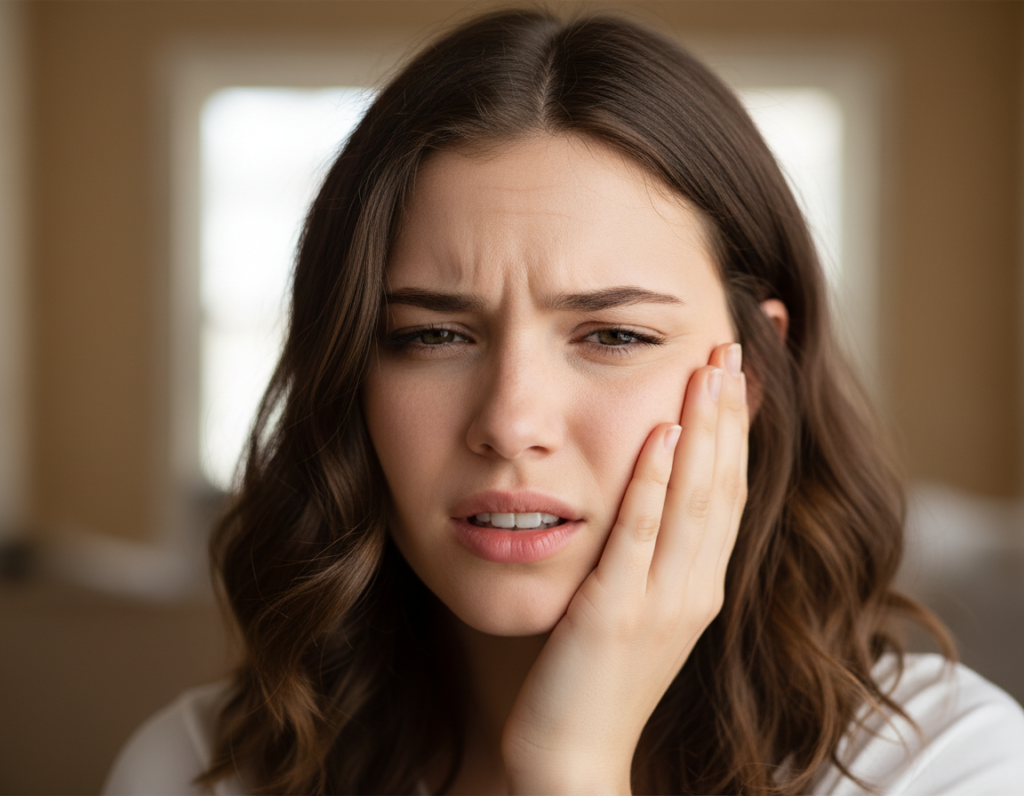
Tooth sensitivity is a common side effect of whitening treatments. Many people experience temporary discomfort. Understanding how to manage sensitivity ensures comfortable whitening.
Sensitivity occurs when whitening agents penetrate enamel. They can temporarily irritate the nerves inside teeth. This causes sharp pain when consuming hot, cold, or sweet items.
Reducing Sensitivity Risks
Start with shorter treatment times. Gradually increase duration as your teeth adjust. This approach minimizes shock to sensitive teeth.
Use products specifically designed for sensitive teeth. Many brands offer gentle formulations. These contain potassium nitrate or fluoride to reduce discomfort.
Take breaks between whitening sessions. Allow your teeth to recover fully. Spacing treatments prevents cumulative irritation.
Sensitivity Solution: Apply a desensitizing gel or toothpaste before whitening. This creates a protective barrier that reduces nerve irritation during treatment.
Avoid extremely hot or cold foods during whitening periods. Stick to room temperature items. This prevents triggering sensitive nerves unnecessarily.
If sensitivity becomes severe, stop whitening treatments immediately. Consult a dentist if pain persists beyond a few days. Professional guidance ensures you don’t damage your teeth.
Strengthening Enamel
Use fluoride treatments to strengthen enamel. Stronger enamel resists sensitivity better. Fluoride rinses or gels provide this protection.
Consider remineralizing toothpaste between whitening sessions. These products help rebuild enamel structure. They contain calcium and phosphate compounds.
Advanced At-Home Whitening Solutions
While natural methods offer benefits, advanced solutions deliver faster results. Professional-grade home whitening systems bridge the gap between DIY methods and dental office treatments.
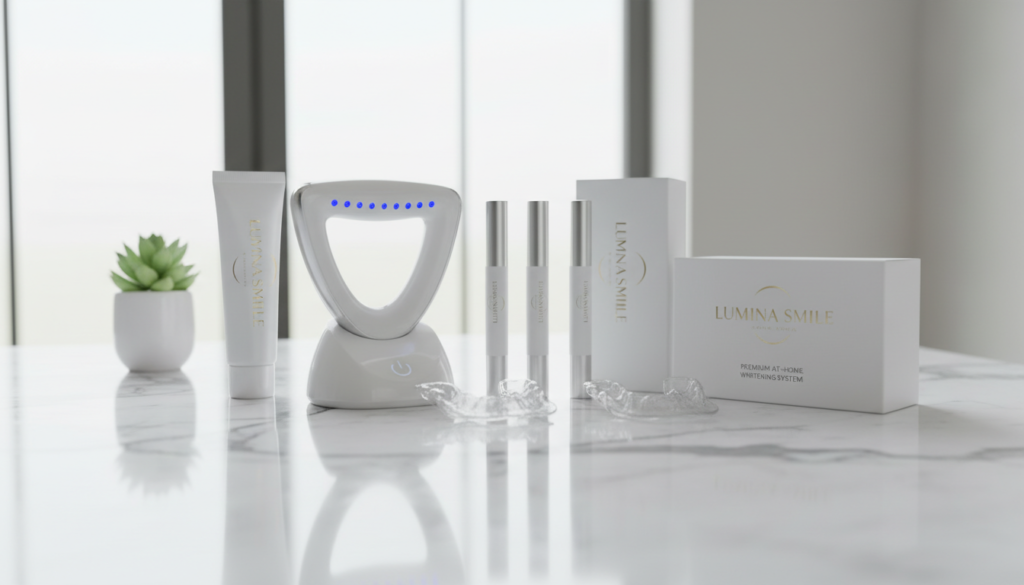
These systems use concentrated whitening agents safely. They include custom-fitted trays or advanced LED technology. Results often match professional treatments at a fraction of the cost.
Why Advanced Systems Work Better
Professional-grade whitening products contain higher peroxide concentrations. These formulations penetrate deeper into enamel. They target stubborn stains that natural methods cannot remove.
Advanced systems include protective ingredients. These minimize sensitivity while maximizing results. The balanced formulations ensure safety and effectiveness.
LED accelerator lights enhance whitening power. They activate peroxide molecules for faster stain breakdown. This technology reduces treatment time significantly.
Discover Professional-Grade Whitening at Home
Thousands have transformed their smiles using advanced whitening systems. Get the bright, confident smile you deserve without expensive dental visits. See what professional-grade solutions can do for you.
Custom trays ensure even coverage across all teeth. This prevents patchy results common with strips. Proper gel distribution leads to uniform whitening.
Many advanced systems include desensitizing agents. These protect your teeth during treatment. You get powerful results without the discomfort.
How to Maintain Your Bright Smile
Achieving whiter teeth is just the beginning. Maintaining results requires ongoing care and smart choices. Follow these strategies to keep your smile brilliant.
Daily Maintenance Routine
Continue your oral hygiene practices consistently. Brush twice daily with whitening toothpaste. This removes new stains before they set.
Rinse with water after consuming staining beverages. This simple habit prevents gradual discoloration. Make it automatic after coffee or wine.
Consider using a whitening pen for touch-ups. These portable products target specific stains. They work well for maintaining results between treatments.
Periodic Refresher Treatments
Plan occasional whitening sessions to maintain brightness. Once monthly touch-ups often suffice. This keeps stains from accumulating.
Monitor your teeth color regularly. Notice when brightness begins fading. Early intervention prevents significant discoloration.
Do These
Brush after meals when possible
Use a straw for dark drinks
Rinse with water frequently
Schedule regular dental cleanings
Touch up whitening monthly
Eat crunchy fruits and vegetables
Avoid These
Smoking or tobacco use
Excessive coffee consumption
Skipping dental hygiene
Acidic foods without rinsing
Overusing whitening products
Neglecting professional checkups
Professional cleanings remove stubborn buildup. Schedule these appointments every six months. Hygienists reach areas home care misses.
Common Teeth Whitening Mistakes to Avoid
Many people make errors that sabotage whitening efforts. Understanding these mistakes helps you avoid them. Learn what not to do for better results.
Overusing Whitening Products
More is not always better with whitening treatments. Excessive use damages enamel and increases sensitivity. Follow product instructions carefully.
Some people use whitening products daily indefinitely. This weakens teeth over time. Limit intensive treatments to recommended durations.
Combining multiple whitening methods simultaneously seems logical. However, this approach overwhelms teeth. Stick to one method at a time.
Ignoring Oral Health Issues
Whitening cannot fix underlying dental problems. Cavities, gum disease, and enamel erosion need professional treatment. Address these issues before whitening.
Whitening damaged teeth can worsen problems. The chemicals penetrate through cracks and cavities. This causes severe pain and complications.
Expecting Instant Results
Natural whitening methods work gradually. Expecting overnight transformation leads to disappointment. Patience produces the best results.
Some teeth whiten faster than others. Genetics and initial color affect outcomes. Set realistic expectations based on your starting point.
How long does home teeth whitening take to show results?
Natural methods like baking soda and oil pulling show gradual results over 2-4 weeks. Advanced whitening systems often produce noticeable changes within 3-7 days. Consistency matters more than speed.
Can whitening damage my tooth enamel?
When used correctly, whitening products are safe. Overuse or misuse can damage enamel. Follow instructions carefully and take breaks between treatments to protect your teeth.
Why do my teeth feel sensitive after whitening?
Whitening agents temporarily open enamel pores. This exposes nerve endings, causing sensitivity. The discomfort usually subsides within 48 hours. Use desensitizing toothpaste to minimize this effect.
Home Whitening Versus Professional Treatments
Understanding the differences helps you make informed decisions. Both approaches have merits depending on your needs and budget.
Benefits of Home Whitening
Home treatments cost significantly less than professional procedures. You save hundreds or thousands of dollars. Budget-conscious individuals prefer this option.
Convenience ranks as another major advantage. Whiten teeth on your own schedule. No appointments or travel required.
Privacy appeals to many people. Some feel self-conscious about dental visits. Home treatments provide comfortable privacy.
When Professional Treatment Makes Sense
Severe discoloration may require professional intervention. Dentists use stronger concentrations safely. They achieve dramatic results faster.
Custom supervision ensures safety. Professionals monitor your teeth health. They adjust treatments based on your response.
Internal staining needs professional diagnosis. Home methods cannot address these issues. Dentists determine the best approach.
Home Whitening
Affordable solutions using natural ingredients or advanced kits. Gradual results with flexible scheduling and complete privacy.
Lower cost investment
Convenient scheduling
Comfortable privacy
Gradual gentle results
Professional Treatment
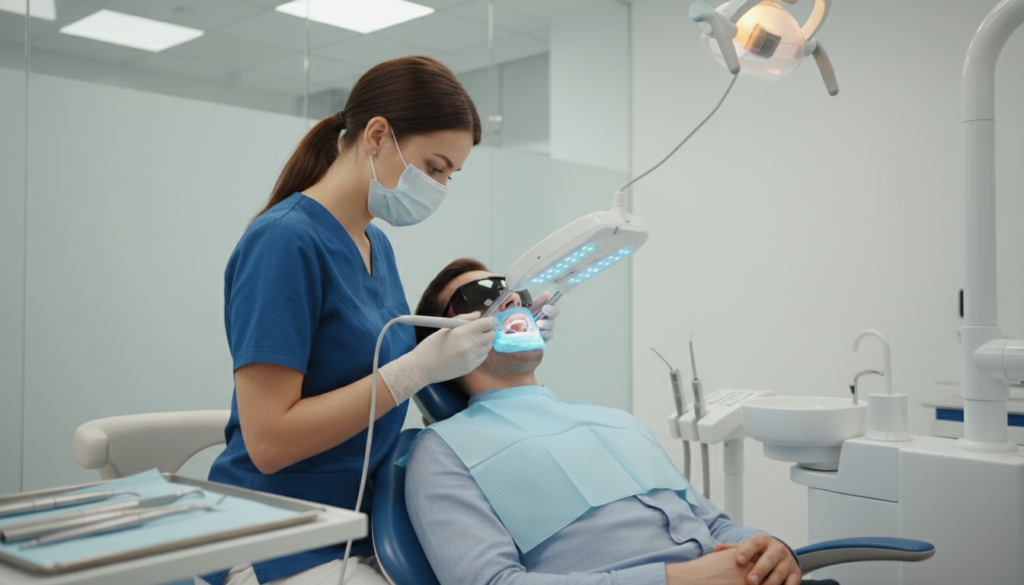
Clinical procedures using high-concentration formulas. Fast dramatic results with professional supervision and custom trays.
Immediate dramatic results
Professional supervision
Handles severe staining
Custom fitted trays
Hybrid Approach
Combination of professional guidance with at-home maintenance. Professional-grade products used in the comfort of home.
Best of both worlds
Professional consultation
Home convenience
Optimized results
Many people start with home methods. They upgrade to professional treatment if needed. This approach saves money while achieving goals.
Your Teeth Whitening Journey Timeline
Understanding realistic timelines helps maintain motivation. Different methods produce results at different rates. Here’s what to expect.
Week One: Foundation Building
Focus on establishing good oral hygiene habits. Brush twice daily and floss consistently. Begin incorporating one natural whitening method.
You might not see dramatic changes yet. Your teeth adjust to new products. Lay the groundwork for future results.
Weeks Two to Four: Visible Progress
Surface stains begin lifting noticeably. Your smile looks brighter in photos. Friends may comment on the improvement.
Continue consistent treatments without increasing frequency. Gradual progress ensures safety. Patience pays off during this phase.
Month Two: Enhanced Results
Whitening becomes more pronounced. Your confidence grows with your brighter smile. Maintain your routine for continued improvement.
Natural methods provide a good start, but advanced solutions deliver the dramatic transformation you’re looking for. Join thousands who have discovered professional-grade whitening from home. Get the confident, brilliant smile you deserve faster than you thought possible.
After achieving desired whiteness, shift to maintenance mode. Monthly touch-ups preserve results. Good habits prevent regression.
Regular dental checkups support your efforts. Professional cleanings remove buildup home care misses. This keeps your smile brilliant.
Achieving Your Brightest Smile at Home
You now have comprehensive knowledge about how to whiten teeth at home. Natural methods like baking soda and hydrogen peroxide offer safe starting points. They remove surface stains gently and affordably.
Good oral hygiene forms the foundation of whitening success. Brushing, flossing, and smart dietary choices protect your investment. These habits prevent new stains from forming.
Managing tooth sensitivity ensures comfortable treatments. Use desensitizing products and follow recommended guidelines. Take breaks between intensive whitening sessions.
Advanced home whitening systems deliver professional results. They bridge the gap between natural methods and dental office treatments. These solutions work faster and more effectively than DIY approaches.
Your smile transformation journey starts with the first step. Whether you choose natural methods or advanced systems, consistency brings results. The confidence that comes with a brighter smile is worth the effort.
Don’t let yellowed or stained teeth hold you back any longer. You deserve to smile confidently in every situation. Take action today to begin your whitening journey.
Finding the perfect birthday gift for your boyfriend can be a challenge. You want something thoughtful, personal, and memorable—something that shows how well you know him. Gift baskets offer the perfect solution, combining multiple treats tailored to his interests in one impressive package. Whether he’s a foodie, sports enthusiast, or self-care aficionado, there’s a gift…
Building your own table transforms your living space while saving hundreds of dollars. Custom furniture lets you choose exact dimensions, wood species, and finish colors. Many beginners worry about complex joinery or expensive mistakes. The right diy table plans eliminate guesswork and material waste.This Website contains affiliate links. That means I may earn a small…
Reaching your 5-year anniversary is a significant milestone worth celebrating in a meaningful way. The traditional gift for this special occasion is wood, symbolizing the strength and durability of your relationship that has grown deep roots over the years. Finding the perfect 5 year anniversary gift ideas for him can be challenging, but it’s an…
Creating beautiful things with your own hands brings unmatched satisfaction. Small wood projects offer the perfect entry point into woodworking without requiring expensive tools or years of experience. Whether you want to personalize your home, craft unique gifts, or simply explore a rewarding hobby, these accessible projects deliver impressive results.This Website contains affiliate links. That…
Your brain deserves the best care possible. Many people search for ways to increase brain power without supplements because they want natural solutions that work with their body’s systems. The good news is that research shows numerous effective methods to enhance cognitive function naturally.This Website contains affiliate links. That means I may earn a small…
Losing weight quickly feels like an impossible challenge. You have tried countless diet plans and exercise routines. Yet the scale refuses to budge in the direction you want.This Website contains affiliate links. That means I may earn a small commission if you purchase through my links, at no extra cost to you. Many people share…