Bright Smile Tips: Your Complete Guide to a Radiant, Confident Smile
Your smile is often the first thing people notice about you. It can open doors, create connections, and boost your confidence in ways you never imagined. Yet many of us hide our smiles because we feel self-conscious about tooth discoloration or stains.
This Website contains affiliate links. That means I may earn a small commission if you purchase through my links, at no extra cost to you.
The good news? Achieving a bright, healthy smile is more accessible than you might think. You don’t need to spend thousands on treatments right away. With the right approach and consistent habits, you can dramatically improve your smile’s appearance.
This guide shares proven bright smile tips that deliver real results. You’ll discover what causes tooth discoloration, how to prevent new stains, and which methods actually work for whitening teeth. Let’s transform your smile together.
Understanding What Dulls Your Smile
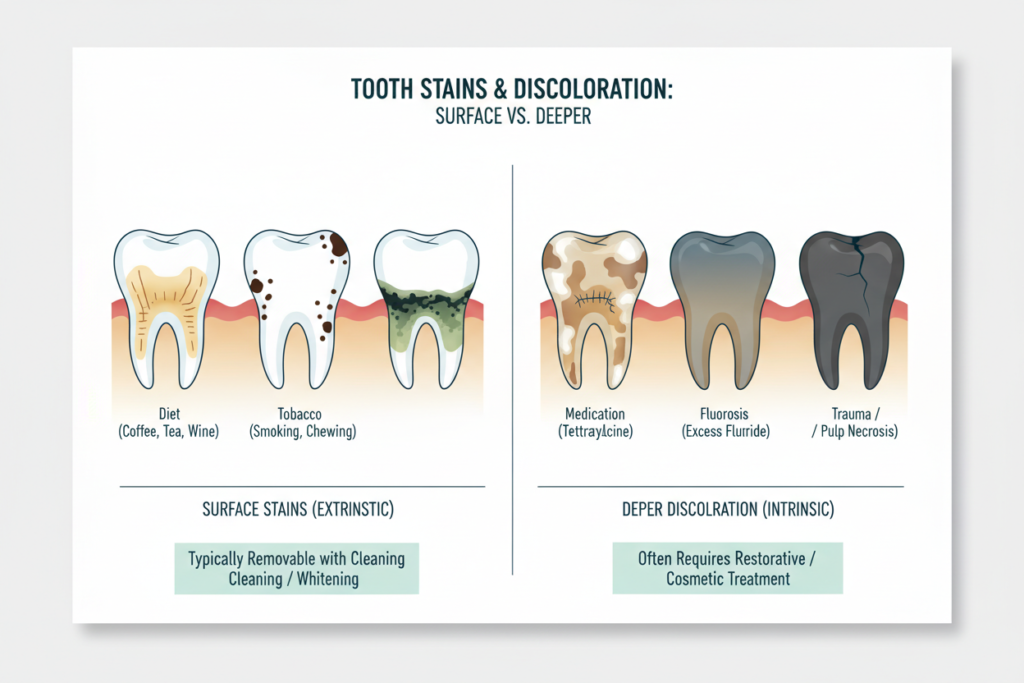
Before diving into solutions, it’s essential to understand why teeth lose their natural brightness. Your tooth enamel is porous, which means it absorbs substances from foods and drinks over time.
Surface stains develop when colored compounds accumulate on your tooth enamel. Common culprits include coffee, tea, red wine, and certain foods. These external stains respond well to basic whitening approaches.
Deeper intrinsic discoloration occurs within the tooth structure itself. This can result from aging, certain medications, or excessive fluoride during tooth development. These stains require more intensive treatments to address effectively.
Common Stain-Causing Foods and Drinks
High-Risk Beverages
- Coffee and black tea contain tannins that bind to enamel
- Red wine has both tannins and chromogens that stain teeth
- Dark sodas combine acids and colorants that damage enamel
- Sports drinks often contain acids that erode protective enamel
Staining Foods
- Berries contain intense pigments despite health benefits
- Tomato-based sauces are highly acidic and deeply colored
- Soy sauce and balsamic vinegar leave dark residue
- Curry and turmeric stain teeth with repeated exposure
Understanding these causes helps you make informed choices. You don’t need to eliminate these foods entirely. Smart consumption habits and proper oral hygiene can minimize their impact on your smile.
Essential Daily Habits for a Brighter Smile
Master Your Brushing Technique
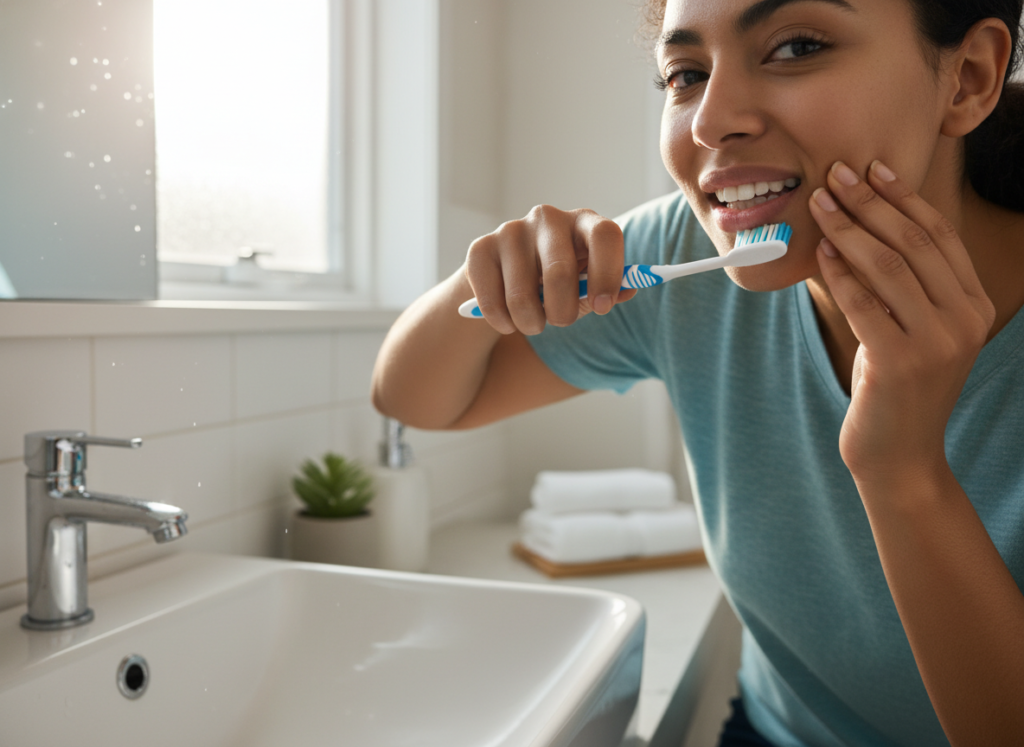
Brushing twice a day forms the foundation of oral health, but technique matters more than frequency. Use a soft-bristled toothbrush to avoid damaging your gums and enamel.
Hold your toothbrush at a 45-degree angle to your gums. Use gentle circular motions rather than harsh back-and-forth scrubbing. Spend at least two minutes covering all surfaces of your teeth.
Replace your toothbrush every three to four months. Worn bristles become less effective at removing plaque and surface stains. Electric toothbrushes can be more effective for many people at removing debris.
Choose the Right Toothpaste
Whitening toothpaste contains mild abrasives that help remove surface stains. Look for products with the ADA Seal of Acceptance to ensure safety and effectiveness.
Some whitening toothpaste includes chemical agents that break down stains. These work gradually over several weeks of consistent use. Manage expectations—toothpaste alone won’t dramatically change tooth color but prevents new stains.
Don’t Skip Flossing
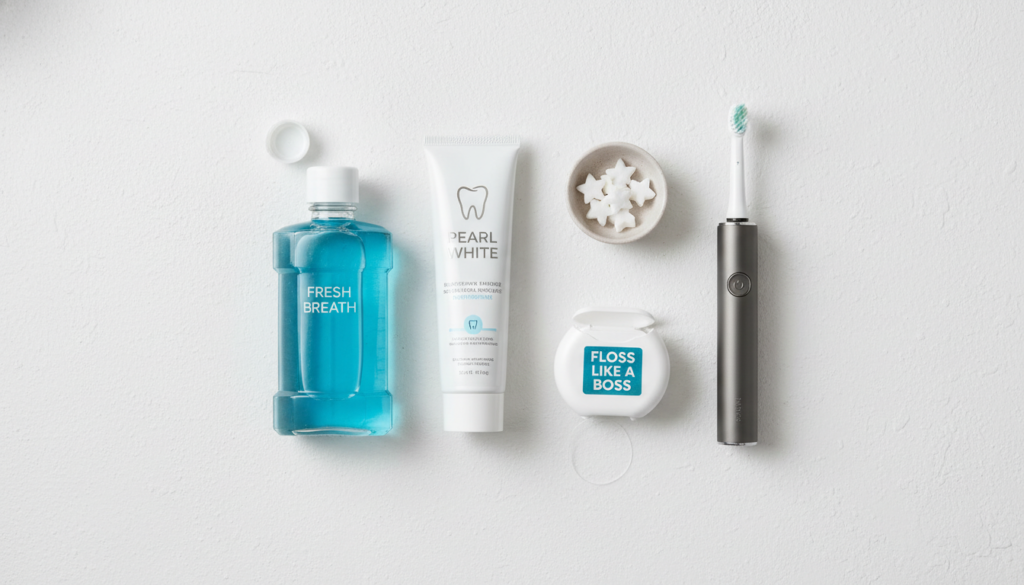
Flossing removes plaque and food particles from between teeth where your toothbrush can’t reach. This prevents yellowing between teeth that makes your entire smile look duller.
Use about 18 inches of floss, winding most around your middle fingers. Gently slide it between teeth using a back-and-forth motion. Curve the floss around each tooth in a C-shape to clean below the gum line.
Floss at least once per day, preferably before bedtime. This removes the day’s accumulation of bacteria and food particles before they can cause damage overnight.
Rinse Your Mouth with Water
One of the simplest bright smile tips is rinsing your mouth with water after eating or drinking stain-causing substances. This quick habit washes away residue before it can set into enamel.
Swish water vigorously for about 30 seconds after consuming coffee, tea, wine, or acidic foods. This neutralizes acids and removes surface particles that cause discoloration.
Keep a water bottle handy throughout the day. Staying hydrated also promotes saliva production, which naturally cleanses your mouth and protects against bacteria.
Professional Insight: While these daily habits create a strong foundation for oral health, many people achieve dramatically faster and more noticeable results by combining them with professional-grade whitening treatments designed for home use. The right system can accelerate your progress while you maintain these healthy practices.
Dietary Strategies That Protect Your Smile

Foods That Naturally Whiten Teeth
Certain foods actually help clean your teeth as you eat them. Crunchy fruits and vegetables act like natural toothbrushes, scrubbing away plaque and surface stains.
Apples, carrots, and celery stimulate saliva production while their fibrous texture cleans tooth surfaces. Strawberries contain malic acid, which may help remove surface stains naturally when consumed regularly.
Dairy products like cheese and yogurt contain calcium and phosphates that strengthen tooth enamel. They also help balance pH levels in your mouth, reducing acid damage that leads to discoloration.
Timing Your Beverages Wisely
How and when you consume staining drinks significantly impacts their effect on your teeth. Using a straw positions liquid past your front teeth, minimizing contact with enamel.
Drink your coffee or tea in one sitting rather than sipping throughout the day. Continuous exposure gives stains more time to penetrate enamel. Rinse your mouth with water immediately afterward.
Avoid brushing teeth immediately after consuming acidic drinks. Acid temporarily softens enamel, and brushing can cause damage. Wait at least 30 minutes before brushing to allow enamel to reharden.
Smile-Friendly Foods
- Crunchy vegetables that scrub teeth naturally
- Dairy products that strengthen enamel with calcium
- Nuts that stimulate saliva production
- Water that rinses away food particles constantly
Foods to Enjoy Mindfully
- Berries packed with antioxidants but high in pigments
- Tomatoes acidic yet nutritious when consumed properly
- Citrus fruits healthy but enamel-softening
- Dark beverages like coffee that require immediate rinsing
The Power of Water Throughout Your Day
Water serves as your mouth’s natural cleanser. It washes away food particles, dilutes acids, and promotes continuous saliva production that protects your teeth and gums.
Aim to drink water throughout the day, especially after meals. This simple habit prevents debris from sitting on your teeth where bacteria can convert it into plaque.
Fluoridated tap water provides the additional benefit of strengthening tooth enamel. This makes your teeth more resistant to stains and decay over time.
Professional Whitening Treatments That Deliver Results
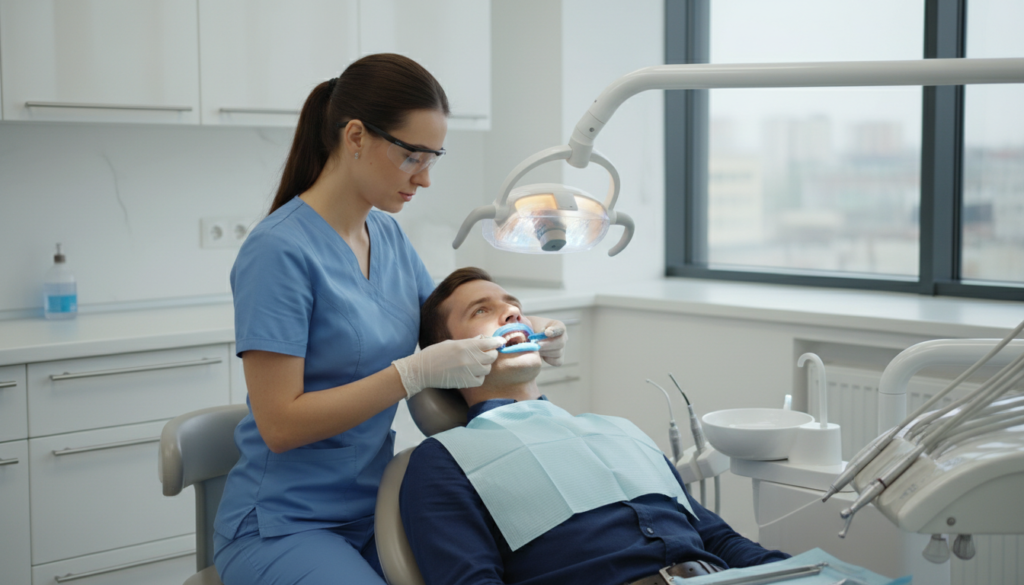
In-Office Whitening Procedures
Professional whitening treatments at your dentist office deliver the most dramatic and immediate results. These procedures use high-concentration bleaching agents activated by special lights or lasers.
A typical session lasts 60 to 90 minutes and can lighten teeth several shades in one visit. Your dentist protects your gums and soft tissue before applying the whitening gel to your teeth.
Results typically last from several months to a few years, depending on your habits. These treatments cost significantly more than at-home options but provide professional supervision and faster results.
Custom Tray Whitening Systems
Your dentist can create custom-fitted trays that hold whitening gel against your teeth. You wear these trays for specified periods over several weeks at home.
Custom trays fit precisely, ensuring even coverage and preventing gel from irritating your gums. The whitening concentration is lower than in-office treatments but still professional-grade and highly effective.
This option provides more gradual results that many people find more natural-looking. The custom fit and professional guidance ensure safety and effectiveness throughout the whitening process.
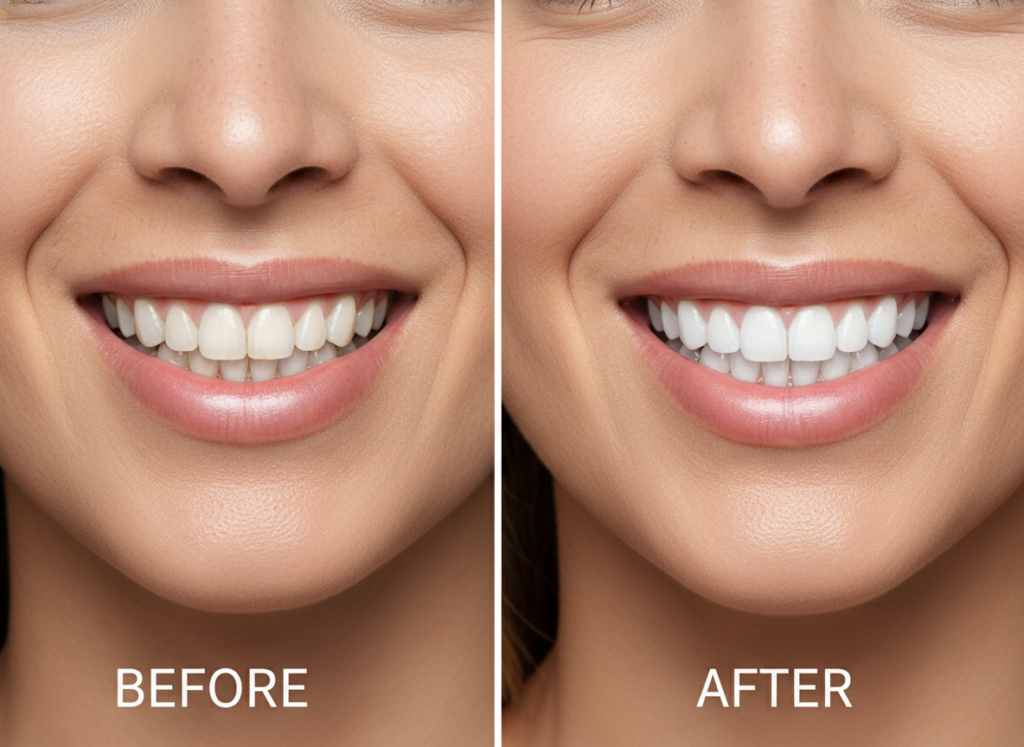
The Convenience of Professional-Grade Home Systems
Advanced at-home whitening systems now bridge the gap between professional treatments and over-the-counter products. These dentist-recommended solutions deliver impressive results without the high cost of office visits.
Quality home systems use professional-strength formulas in convenient application methods. They combine the effectiveness of professional treatments with the flexibility and affordability of at-home use.
Many people achieve results comparable to in-office treatments by following the system instructions consistently. The best systems include enamel-protecting ingredients and are designed to minimize sensitivity.
Worth Considering: If you’re serious about achieving professional-level whitening results at home, combining your daily oral hygiene habits with a proven, dentist-recommended whitening system can dramatically accelerate your progress. Many users report seeing visible improvements within days while avoiding the expense and inconvenience of multiple dental office visits.
Advanced Bright Smile Tips for Long-Term Success
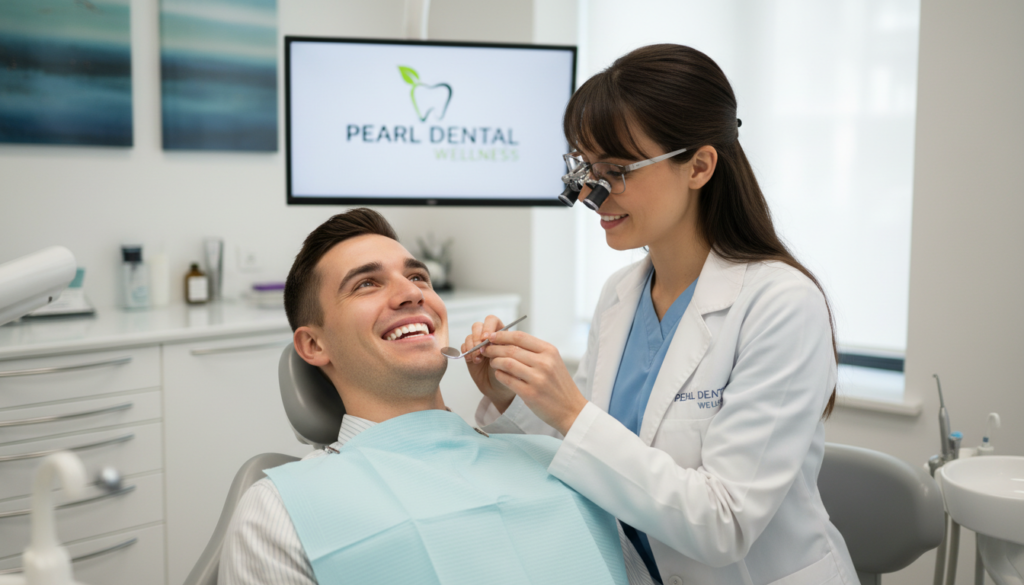
Visit Your Dentist Regularly
Professional dental cleanings remove hardened plaque and tartar that brushing and flossing can’t eliminate. These deposits trap stains and make your teeth appear dull and discolored.
Schedule cleanings every six months to maintain optimal oral health. Your dental hygienist uses specialized tools to polish your teeth and remove surface stains that have accumulated.
Regular checkups also catch potential problems early, from cavities to gum disease. Healthy teeth and gums form the foundation for any whitening efforts and contribute to your overall confidence.
Address Tooth Sensitivity Proactively
Some people experience sensitivity during or after whitening treatments. This temporary discomfort occurs when whitening agents penetrate enamel to reach discolored molecules beneath the surface.
Use toothpaste designed for sensitive teeth for several weeks before starting whitening treatments. This helps block pathways to tooth nerves and reduces discomfort during the whitening process.
If sensitivity persists, reduce the frequency of whitening treatments or consult your dentist. They can recommend products with lower concentrations or desensitizing treatments to use alongside whitening.
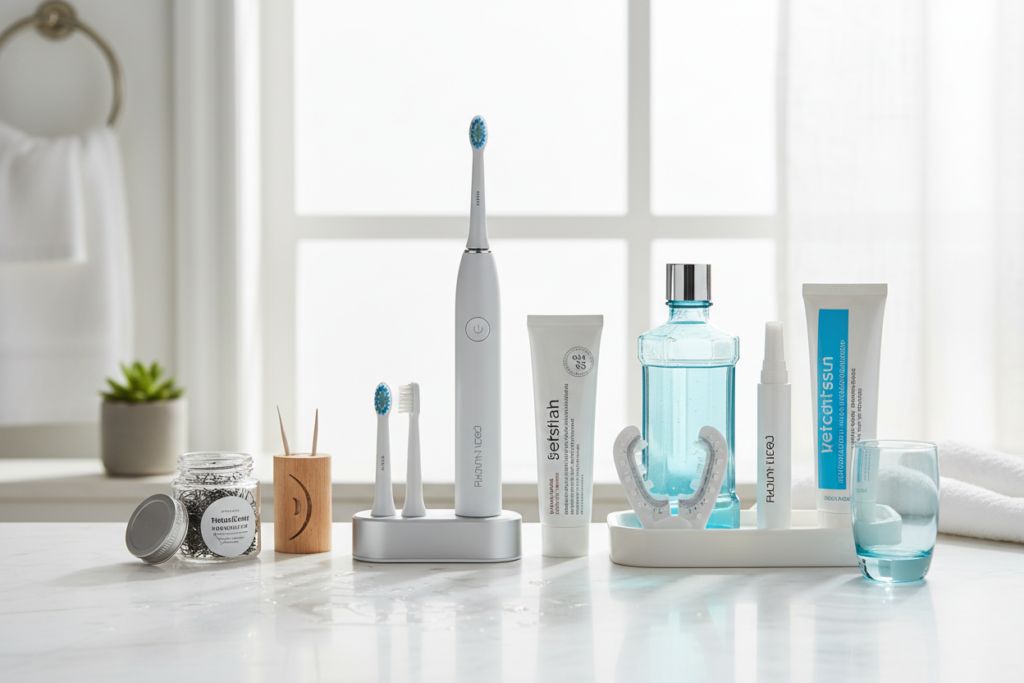
Maintain Results with Consistent Habits
Achieving a bright smile represents just the beginning. Maintaining your results requires ongoing commitment to good oral hygiene and smart lifestyle choices.
Touch-up treatments every few months help maintain your desired brightness level. How frequently you need these depends on your diet, oral hygiene, and the whitening method you originally used.
Continue rinsing your mouth with water after consuming staining foods and drinks. This simple habit prevents new discoloration from undoing your whitening progress over time.
Consider Your Overall Oral Health
A truly beautiful smile extends beyond just white teeth. Healthy pink gums, fresh breath, and well-aligned teeth all contribute to an attractive, confident smile.
Address any gum disease promptly, as inflamed or receding gums detract from even the whitest teeth. Good oral health practices protect both the appearance and function of your smile.
If you have concerns about tooth alignment or other structural issues, consult your dentist about comprehensive treatment options. Sometimes addressing these underlying issues enhances your smile more than whitening alone.
Daily Maintenance
- Brush teeth twice daily using proper technique
- Floss once per day minimum
- Rinse mouth with water after meals
- Use whitening toothpaste consistently
Weekly Habits
- Deep clean with electric toothbrush
- Avoid excessive staining foods
- Use mouthwash for bacteria control
- Check for any oral health concerns
Long-Term Care
- Schedule dental cleanings every six months
- Plan periodic touch-up treatments
- Monitor and adjust dietary habits
- Consult dentist about ongoing care
Lifestyle Factors That Impact Your Smile

Quit Smoking for Dramatic Improvement
Tobacco use causes severe tooth discoloration that penetrates deep into enamel. Nicotine and tar create stubborn yellow and brown stains that resist basic whitening methods.
Quitting smoking not only improves your smile aesthetics but dramatically enhances your overall oral health. Former smokers often notice their teeth gradually lighten even without whitening treatments.
If you smoke, speak with your healthcare provider about cessation programs. The positive effects on your teeth, gums, and general health make this one of the most impactful changes you can make.
Manage Stress for Better Oral Health
Chronic stress affects oral health in surprising ways. Many people grind their teeth at night when stressed, which can wear down enamel and make teeth appear darker.
Stress also weakens your immune system, making you more susceptible to gum disease. Inflamed gums can make even white teeth look less attractive and undermine your confidence.
Practice stress-reduction techniques like meditation, exercise, or therapy. Your dentist can provide a nightguard if teeth grinding becomes a significant problem affecting your smile.
Protect Your Investment
After investing time and effort into brightening your smile, protect your results with smart choices. Wear a mouthguard during sports to prevent chips and damage that compromise appearance.
Be mindful of using your teeth as tools to open packages or bottles. These habits can cause cracks and chips that trap stains and require costly cosmetic dentistry to repair.
Consider how medications affect your oral health and tooth color. Some antibiotics and antihistamines can cause discoloration. Discuss concerns with your dentist and physician to explore alternatives when possible.
Natural Remedies and DIY Approaches
Oil Pulling for Oral Hygiene
Oil pulling involves swishing coconut or sesame oil in your mouth for 15 to 20 minutes. This ancient practice may reduce bacteria and promote overall oral health.
While research on whitening effects remains limited, many practitioners report improvements in gum health and fresher breath. These benefits contribute to an overall healthier-looking smile over time.
Practice oil pulling in the morning before eating or drinking. Spit the oil into a trash can rather than your sink to avoid plumbing issues. Brush your teeth normally afterward.
Baking Soda—Use with Caution
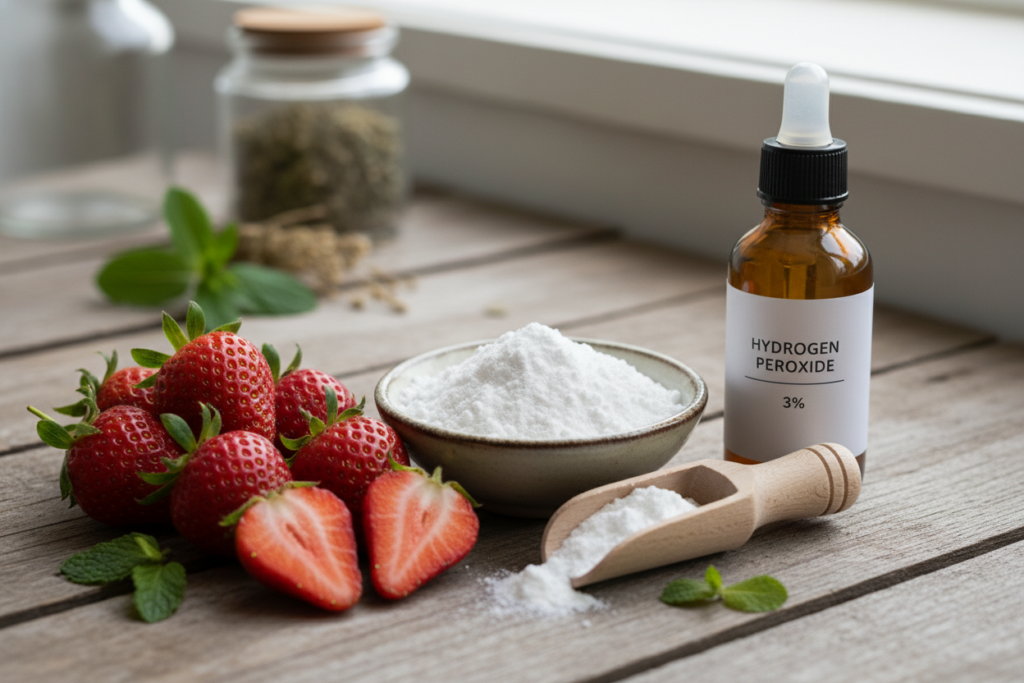
Baking soda is mildly abrasive and can help remove surface stains when used occasionally. Many whitening toothpastes include it as an active ingredient for this reason.
Mix a small amount with water to create a paste, then brush gently. Limit this practice to once or twice per week, as excessive use can wear down enamel over time.
Never use baking soda as a replacement for regular toothpaste. It lacks fluoride and other ingredients essential for comprehensive oral health and cavity prevention.
Understanding the Limits of Natural Methods
Natural remedies can support oral health and provide modest improvements in tooth brightness. However, they cannot match the effectiveness of professional whitening treatments for significant color change.
Be skeptical of dramatic claims about lemon juice, apple cider vinegar, or activated charcoal. Some of these methods can actually damage enamel despite popular internet claims.
View natural approaches as complementary to—not replacements for—proven dental hygiene practices and professional whitening options when you desire noticeable results.
Your Journey to a Brighter, More Confident Smile

Your smile holds incredible power to transform how you feel about yourself and how others perceive you. The bright smile tips shared throughout this guide provide a comprehensive roadmap to achieving the radiant smile you deserve.
Start with the fundamentals—proper brushing technique, daily flossing, and smart dietary choices. These habits form the foundation that makes any whitening treatment more effective and helps maintain your results for months or years to come.
Remember that consistency matters more than perfection. Small daily actions compound over time to create dramatic transformations in your smile’s appearance and your overall oral health.
Whether you choose professional treatments at your dentist office, invest in a quality home whitening system, or focus primarily on prevention and maintenance, you now have the knowledge to make informed decisions about your oral care.
The confidence that comes with a bright, healthy smile extends far beyond aesthetics. It affects how you present yourself in professional settings, social situations, and even how you see yourself in the mirror each day.
Ready to Take Your Smile to the Next Level?
You’ve learned the fundamentals of achieving and maintaining a bright smile. Now discover the professional-grade whitening system that dentists recommend for achieving dramatic results in the comfort of your home. This proven approach combines safety, effectiveness, and convenience—delivering the confident smile you’ve been working toward.
Your journey to a brighter smile begins with a single decision to prioritize your oral health and appearance. The rewards—increased confidence, better first impressions, and improved self-image—make every effort worthwhile.
Take what you’ve learned here and apply it consistently. Your future self will thank you every time you smile without hesitation, knowing your teeth look their absolute best.