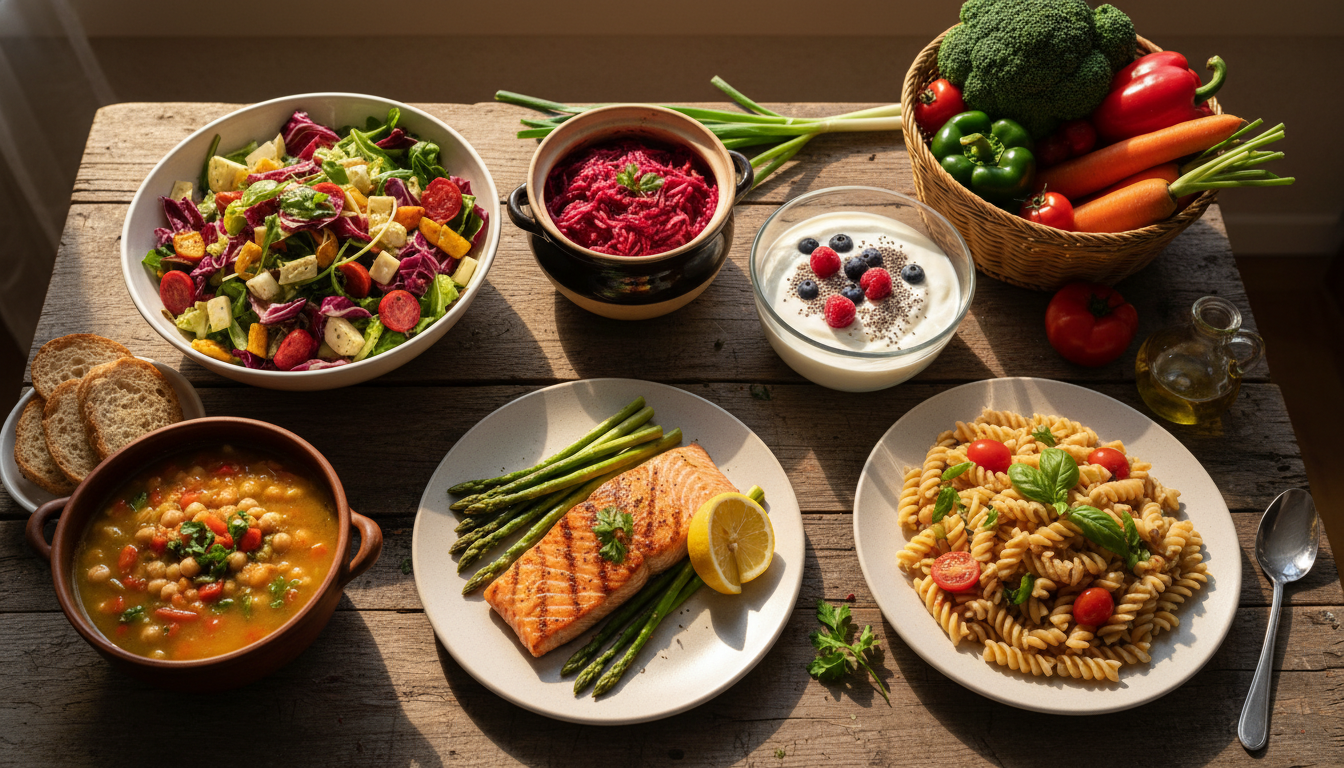
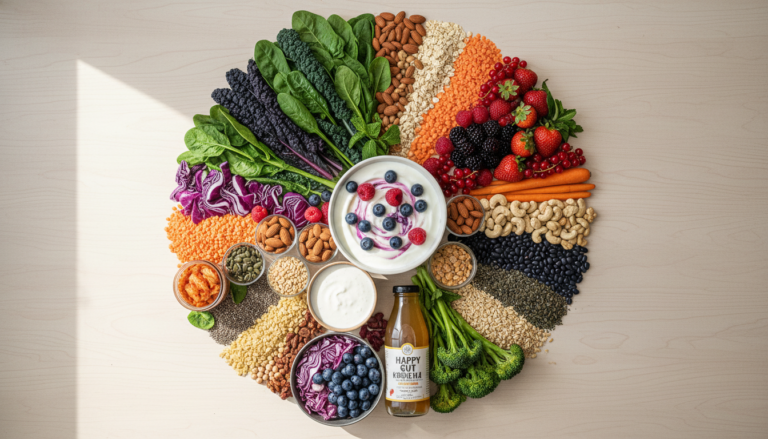
Your gut does more than just digest food. It influences your immune system, mental clarity, energy levels, and overall health. The meals you choose can either support or hinder this complex digestive system. Creating gut healthy meals doesn’t require complicated ingredients or hours in the kitchen.
This Website contains affiliate links. That means I may earn a small commission if you purchase through my links, at no extra cost to you.
Most people experience digestive discomfort at some point. Bloating, irregular digestion, and low energy often stem from poor gut health. The good news is that simple dietary changes can make a remarkable difference.
This guide explores practical recipes and ingredients that support your digestive system. You’ll discover quick meal ideas that taste delicious while nourishing your gut microbiome.
Why Gut Health Matters More Than You Think
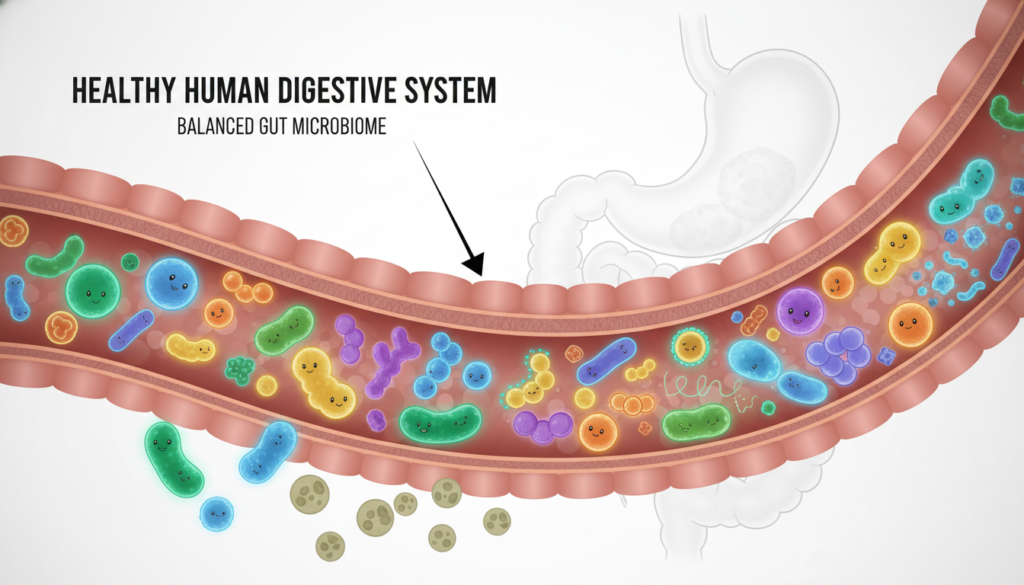
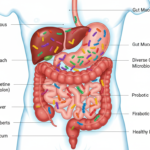
Your gut contains trillions of bacteria that form your microbiome. These microorganisms help break down food, produce vitamins, and protect against harmful pathogens. When your gut bacteria are balanced, your entire body functions better.
Research shows that gut health impacts mood, weight management, and disease prevention. An unhealthy gut can lead to inflammation, nutrient deficiencies, and chronic health issues. The right meals can restore balance and promote healing.
Three key factors influence gut health: fiber intake, probiotic consumption, and anti-inflammatory foods. Each meal is an opportunity to support your digestive system. Small changes add up to significant improvements over time.
Building gut-friendly recipes starts with understanding which ingredients provide the most benefit. Certain foods naturally support digestive health through fiber, probiotics, or anti-inflammatory compounds.
Fiber-Rich Foundations
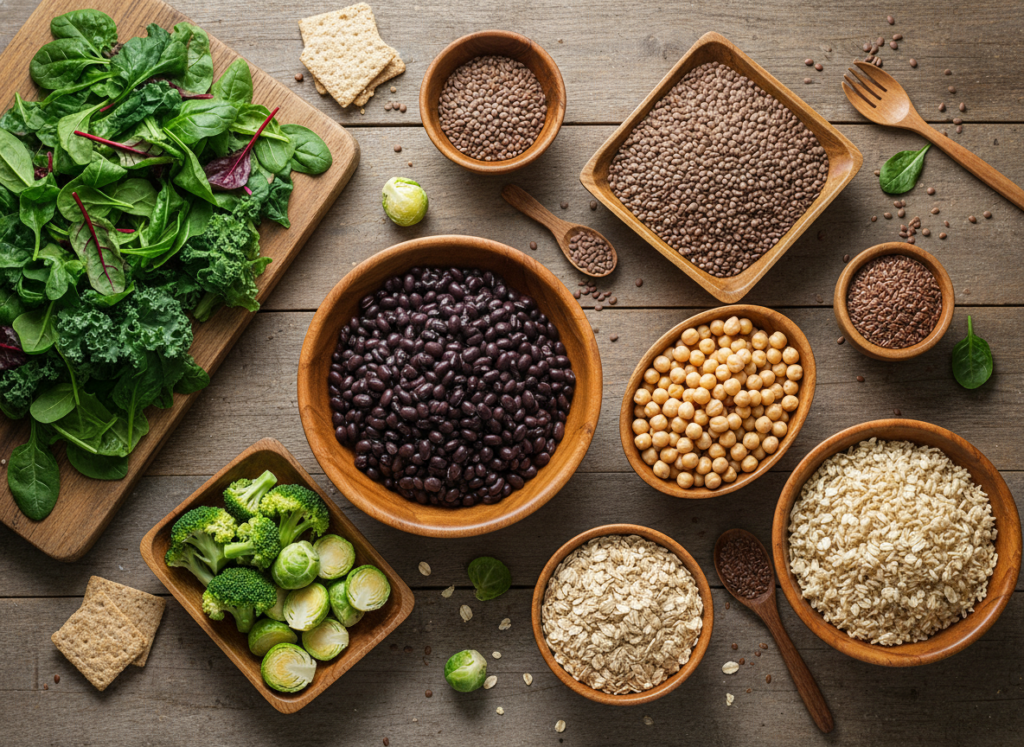
Fiber feeds beneficial gut bacteria and promotes regular digestion. Soluble fiber dissolves in water and creates a gel-like substance that slows digestion. Insoluble fiber adds bulk and helps food move through your system.
Beans provide exceptional fiber content. One cup of black beans contains 15 grams of fiber. Chickpeas offer similar benefits and work well in salads, soups, and side dishes. Both varieties support digestive health while keeping you full.
Whole grains like brown rice and oats contain fiber that feeds good bacteria. These ingredients also provide steady energy without blood sugar spikes. Incorporating whole grains into your meals improves gut function.
Probiotic Powerhouses
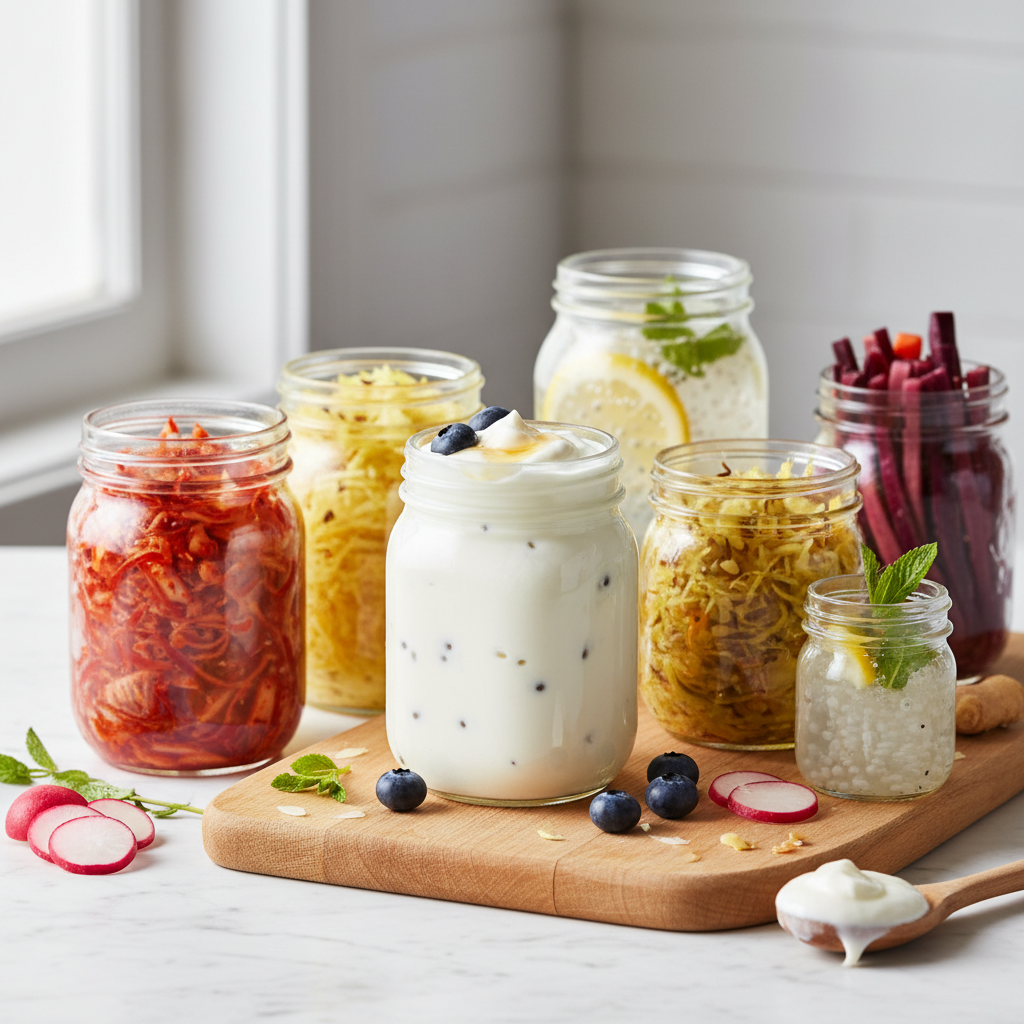
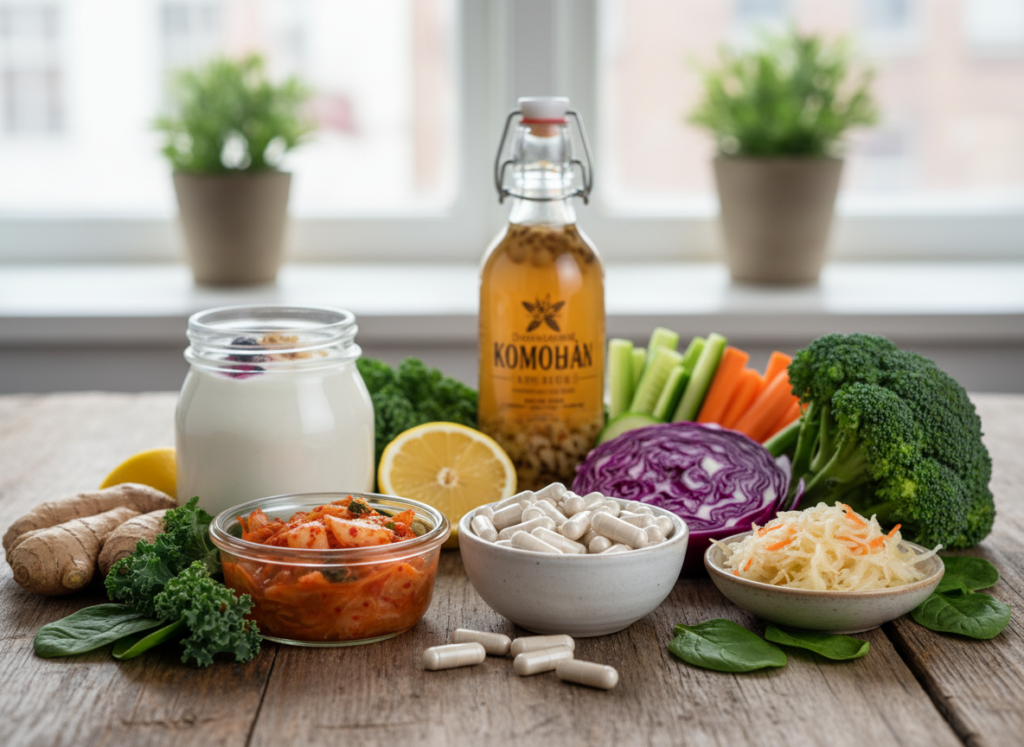
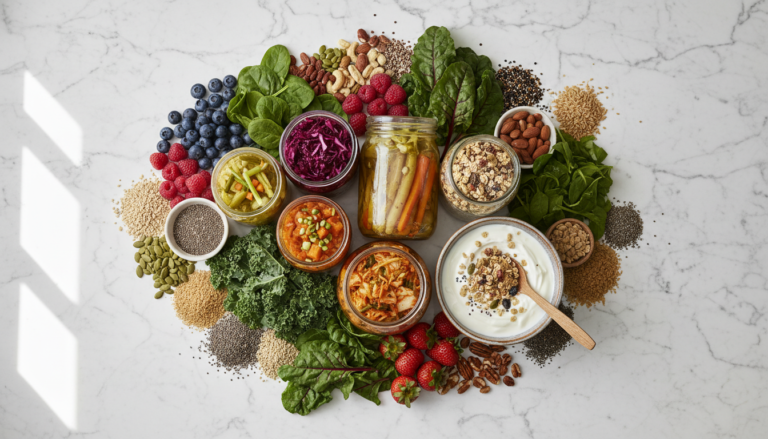
Probiotics are live beneficial bacteria found in fermented foods. These microorganisms colonize your gut and crowd out harmful bacteria. Regular consumption of probiotic foods strengthens your digestive system.
Yogurt stands as one of the most accessible probiotic sources. Choose varieties with live active cultures and minimal added sugar. Greek yogurt provides extra protein along with digestive benefits.
Fermented vegetables like cabbage-based kimchi and sauerkraut contain diverse bacterial strains. These tangy additions enhance flavor while supporting gut health. Just a small serving provides billions of beneficial bacteria.
Anti-Inflammatory Ingredients
Chronic inflammation damages gut lining and disrupts bacterial balance. Anti-inflammatory foods help heal and protect your digestive system. These ingredients reduce irritation and support overall health.
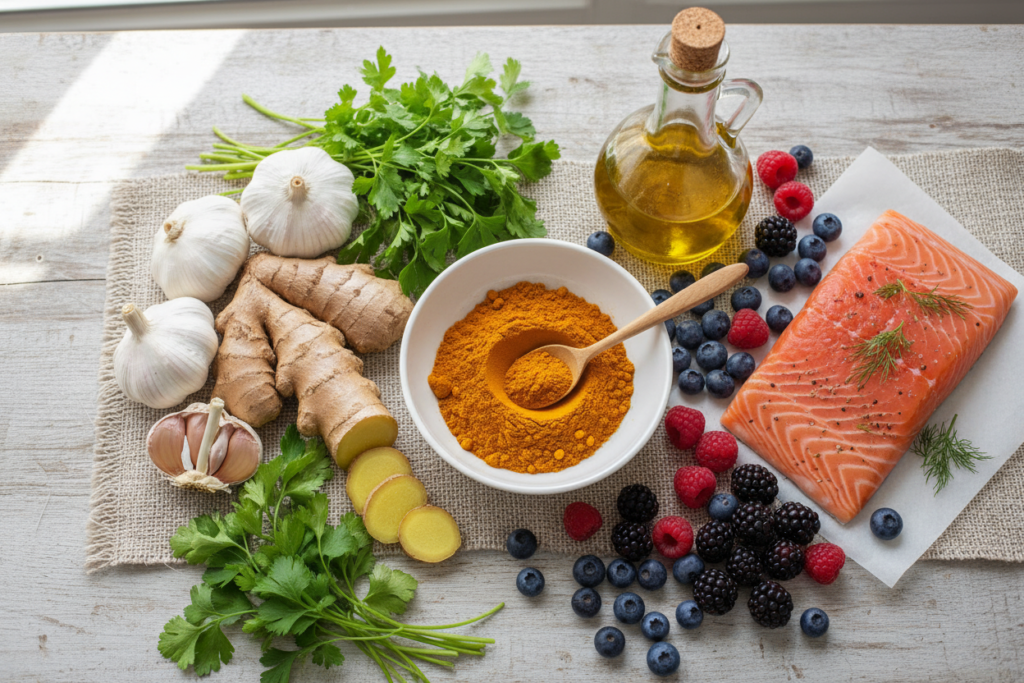
Olive oil contains polyphenols that fight inflammation. Using olive oil as your primary cooking fat benefits your gut. Drizzle it over salads or use it for low-heat cooking to maximize its health properties.
Garlic and ginger both possess powerful anti-inflammatory properties. Garlic supports beneficial bacteria growth while fighting harmful pathogens. Fresh ginger soothes digestive upset and reduces gut inflammation. These aromatic ingredients add flavor and therapeutic benefits.
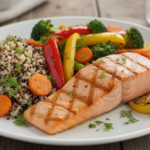
Fatty fish like salmon provide omega-3 fatty acids that reduce inflammation throughout your body. These healthy fats also support the gut lining. Aim for two servings of fatty fish per week for optimal benefits.
Quick Gut Healthy Meals Ready in Minutes
Creating nutritious gut-friendly meals doesn’t require extensive time or culinary expertise. These recipes combine beneficial ingredients into satisfying dishes you can prepare quickly.
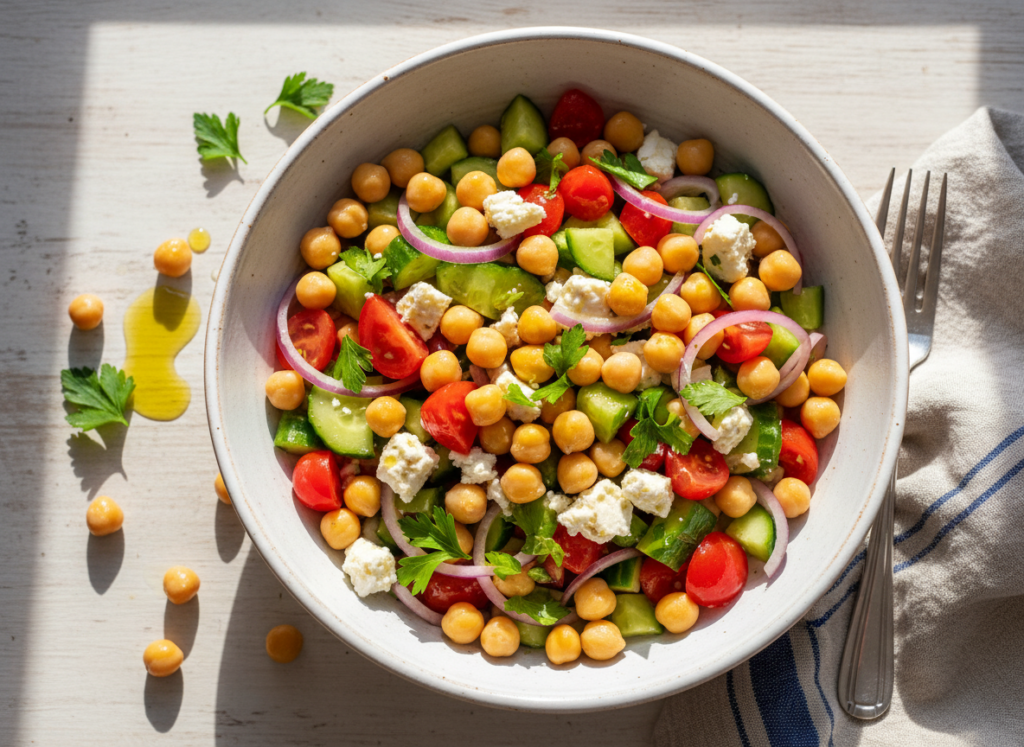
Mediterranean Chickpea Salad
This refreshing salad delivers fiber, probiotics, and anti-inflammatory compounds. It takes just 15 minutes to prepare and tastes even better the next day. The combination of chickpeas and vegetables creates a complete meal.
Start with canned chickpeas for convenience. Drain and rinse them thoroughly. Combine chickpeas with diced tomatoes, cucumber, and red onion. Add crumbled cheese for extra flavor and protein.
Dress the salad with olive oil, lemon juice, and minced garlic. Fresh herbs like parsley or basil add brightness. This dish provides excellent fiber while the olive oil and garlic reduce inflammation.
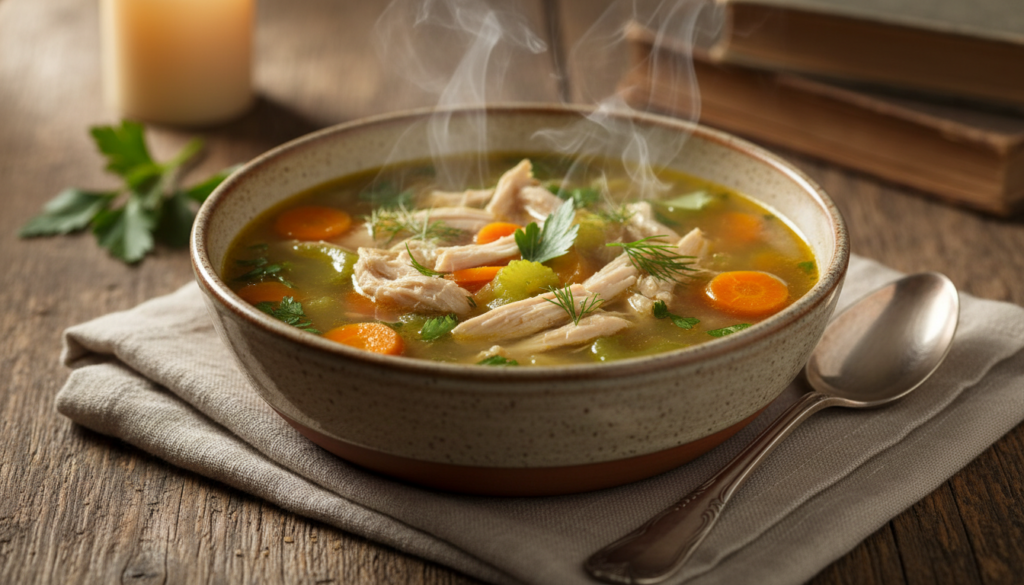
Gut-Healing Chicken Soup
This comforting soup combines bone broth, vegetables, and herbs. It soothes the digestive system while providing essential nutrients. The recipe serves four and takes about 30 minutes from start to finish.
Use store-bought or homemade bone broth as your base. Add diced chicken, carrots, and celery. Season with garlic, ginger, and turmeric for anti-inflammatory benefits. Simmer until vegetables are tender.
The gelatin from bone broth helps heal and seal the gut lining. This makes soup an excellent choice for digestive health. Add spinach or kale in the final minutes of cooking for extra nutrients.
Discover the Complete Gut Health Solution
While these meals support digestive health, lasting transformation requires a comprehensive approach. Watch this free presentation to learn the science-backed system that addresses gut health at its root cause.
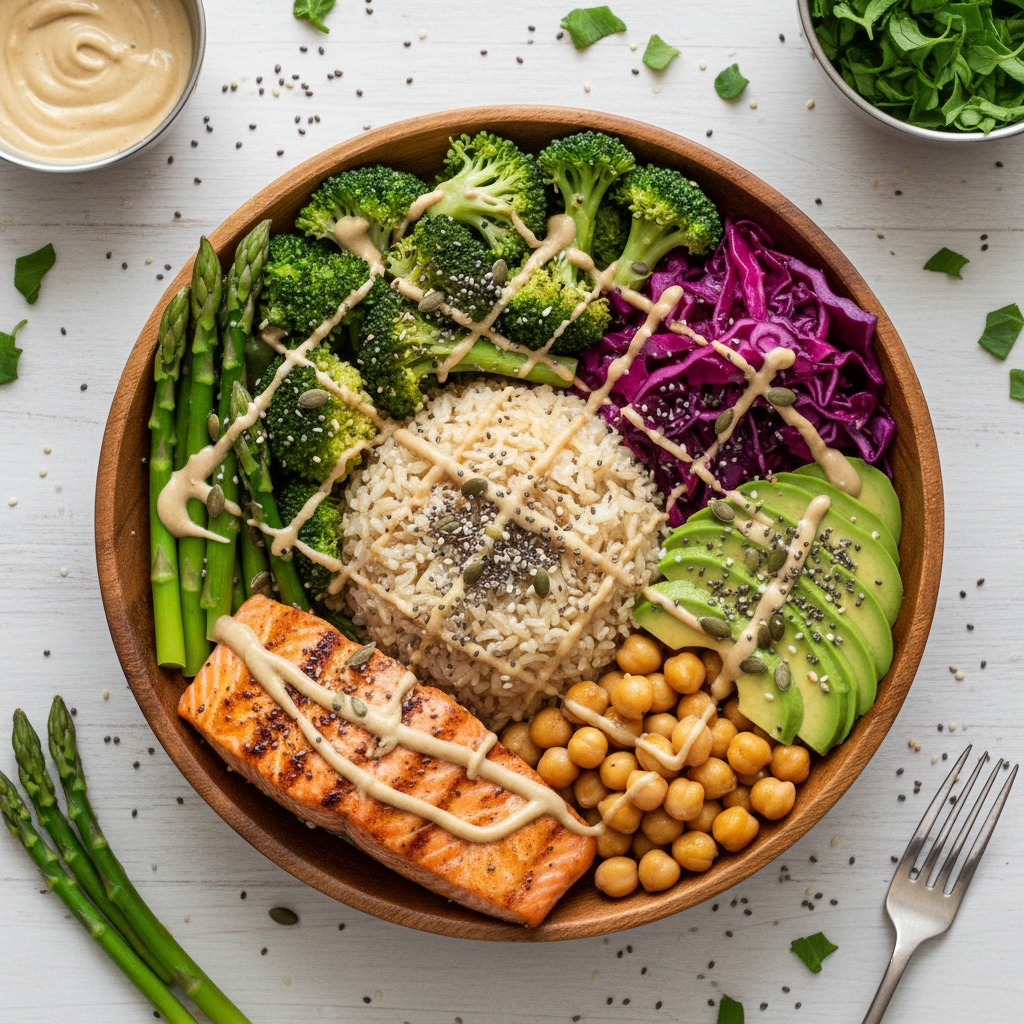
This nutrient-dense bowl combines probiotics, fiber, and healthy fats. It works equally well for lunch or dinner. The recipe is endlessly customizable based on your preferences and what’s in your kitchen.
Begin with a base of cooked brown rice or quinoa. Top with grilled salmon for omega-3 fatty acids. Add steamed vegetables like broccoli and asparagus for fiber.
Include a generous spoonful of fermented vegetables like sauerkraut or kimchi. These provide probiotics that colonize your gut. Add sliced avocado for healthy fats and creamy texture.
Drizzle with a sauce made from yogurt, olive oil, lemon juice, and garlic. This addition provides extra probiotics and anti-inflammatory compounds. The combination creates a satisfying meal that supports digestive health.
Bean and Spinach Pasta
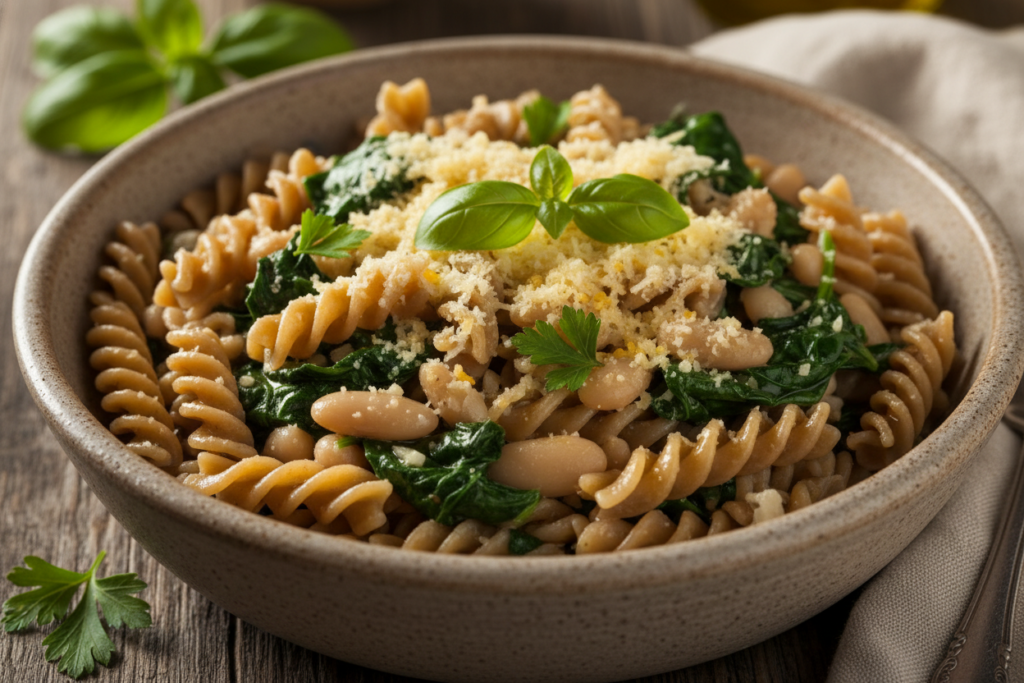
This simple pasta dish delivers impressive fiber content. White beans and spinach combine with whole grain pasta for a filling meal. It’s ready in under 20 minutes, making it perfect for busy weeknights.
Cook whole grain pasta according to package directions. In the final two minutes, add fresh spinach to the pasta water. Drain and return to the pot. Stir in canned white beans, minced garlic, and olive oil.
Season with salt, pepper, and red pepper flakes. The fiber from beans and whole grain pasta feeds beneficial gut bacteria. Garlic and olive oil reduce inflammation. Top with a sprinkle of cheese if desired.
Smart Meal Prep for Consistent Gut Health
Consistency matters more than perfection when it comes to gut health. Preparing components ahead of time makes it easier to create nutritious meals throughout the week. These strategies save time while ensuring you always have gut-friendly options available.
Batch Cooking Basics
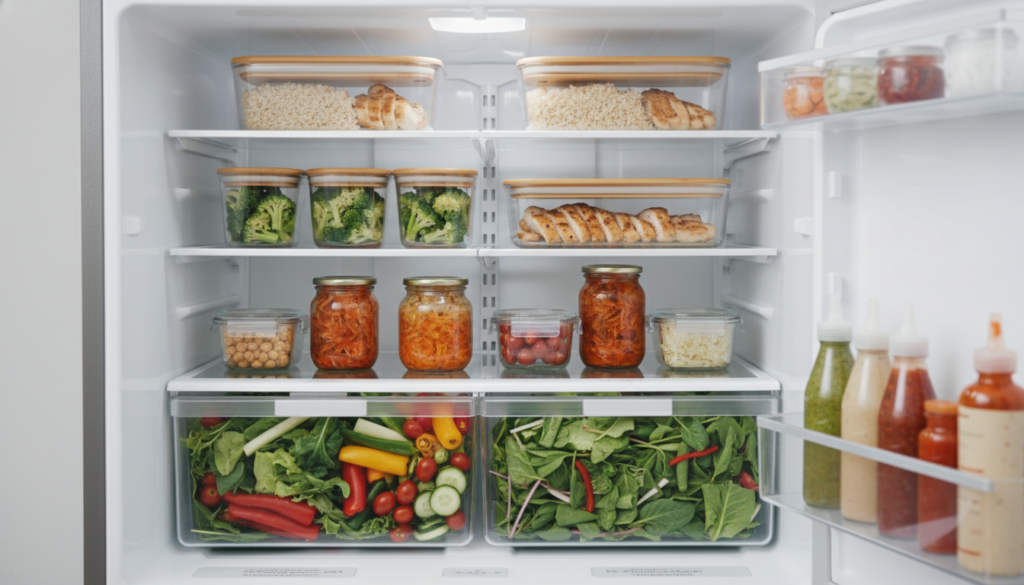
Dedicate one or two hours each week to preparing staple ingredients. Cook large batches of brown rice, quinoa, or other whole grains. These keep well in the refrigerator for up to five days. Having cooked grains ready makes meal assembly quick and effortless.
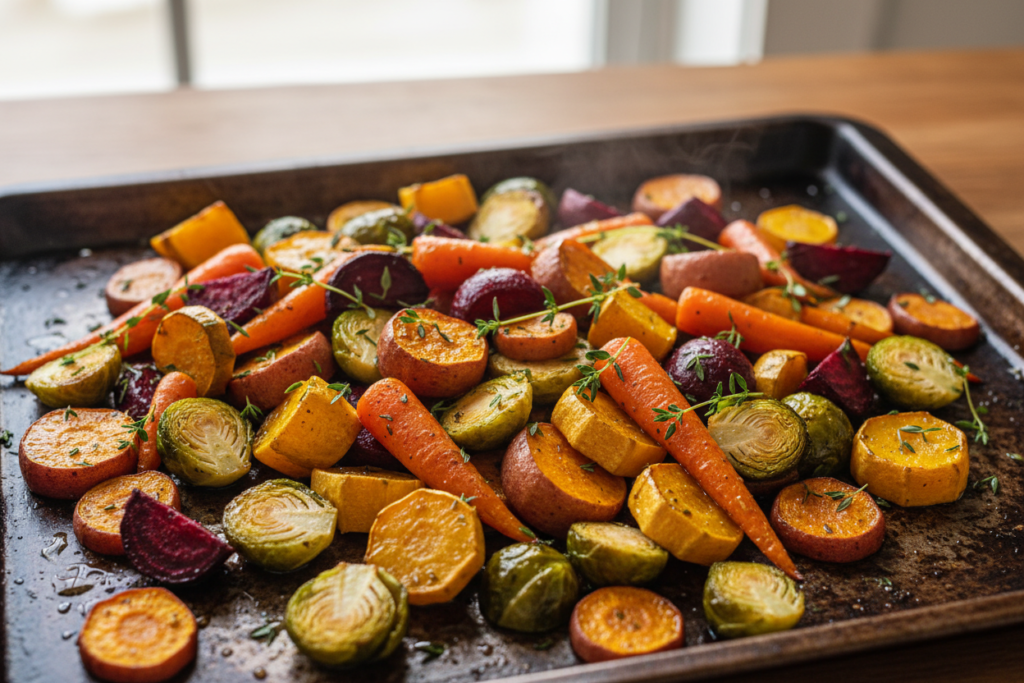
Prepare several proteins at once. Bake multiple chicken breasts or salmon fillets. Roast a large pan of vegetables with olive oil and garlic. These components can be mixed and matched throughout the week to create different meals.
Wash and chop vegetables as soon as you bring them home. Store them in containers for easy access. Having vegetables ready to use removes barriers to creating healthy meals. This simple step significantly increases your vegetable consumption.
Building Versatile Bases
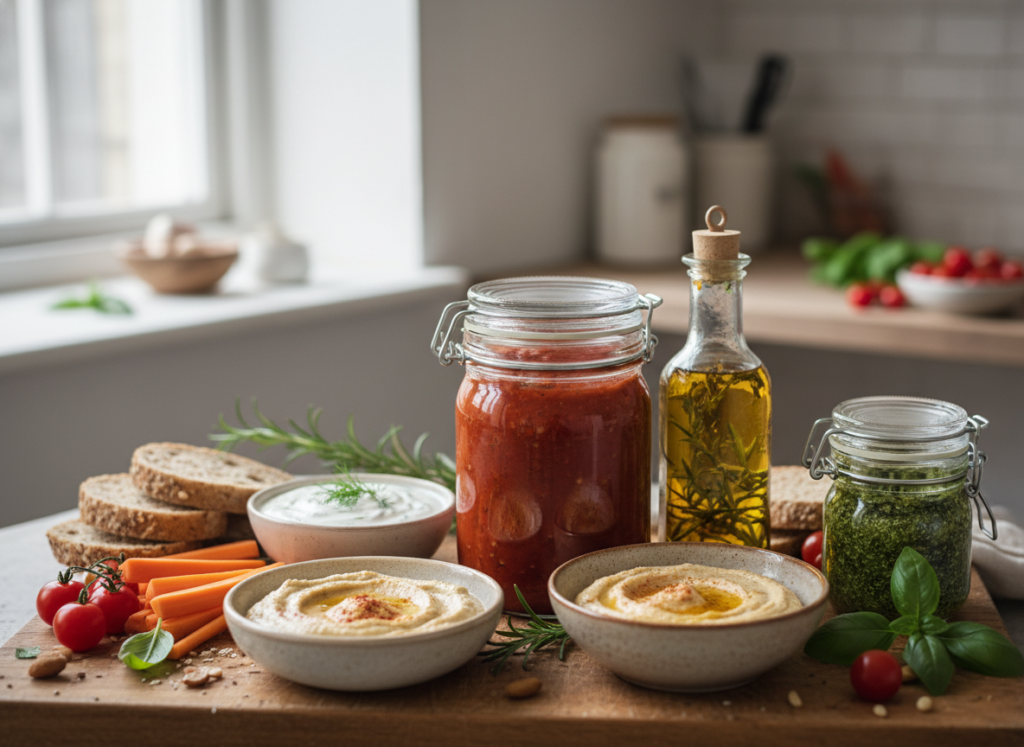
Create flexible foundations that work for multiple dishes. A big pot of bean soup can become tomorrow’s pasta sauce or a filling for wraps. Cooked chickpeas work in salads, grain bowls, or blended into hummus.
Make a large batch of homemade sauce using tomatoes, garlic, and olive oil. This sauce enhances pasta, serves as a base for soup, or tops baked potatoes. The garlic and olive oil provide anti-inflammatory benefits regardless of how you use the sauce.
Prepare yogurt-based dressings and dips in advance. Combine yogurt with herbs, garlic, and lemon juice. This probiotic-rich addition works as a salad dressing, vegetable dip, or sauce for grain bowls. It stays fresh for up to a week.
Seasonal Gut Healthy Meals Throughout the Year
Eating seasonally provides variety while ensuring you get diverse nutrients. Different seasons offer unique ingredients that support gut health in various ways. Embracing seasonal produce keeps meals interesting and often more affordable.
Spring Renewal Recipes
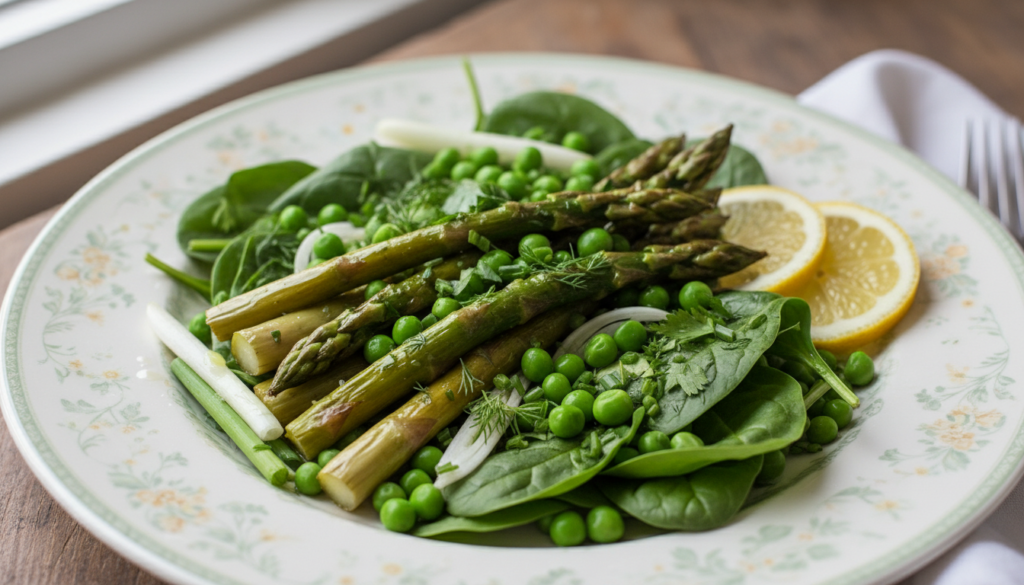
Spring brings tender vegetables perfect for light meals. Asparagus contains prebiotic fiber that feeds beneficial gut bacteria. This vegetable pairs beautifully with salmon for an anti-inflammatory dinner.
Fresh peas add natural sweetness and fiber to spring dishes. Toss them into pasta with olive oil and garlic. Add spring greens to salads for a nutrient boost. These young vegetables are easier to digest than their mature counterparts.
Spring cabbage is milder and more tender than fall varieties. Use it to make a quick sauerkraut or add it raw to salads. The prebiotic fiber in cabbage supports beneficial bacteria growth. Its mild flavor works well in many different recipes.
Summer Abundance
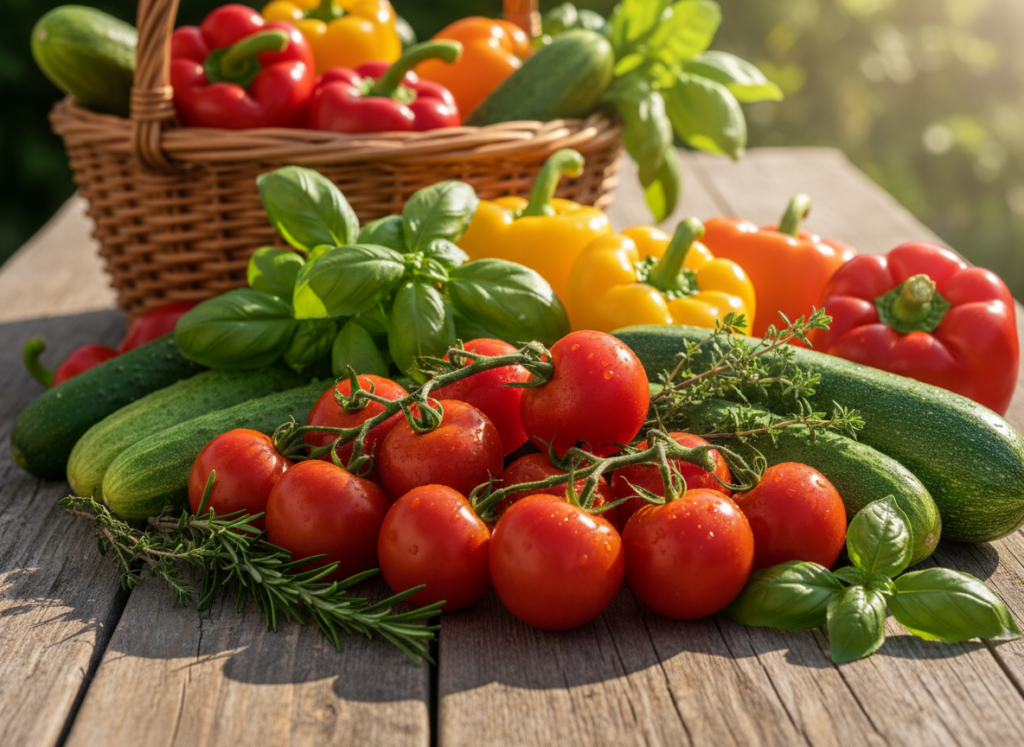
Summer tomatoes reach peak flavor and provide lycopene, an anti-inflammatory compound. Create simple tomato salads with olive oil, garlic, and fresh herbs. The combination supports gut health while celebrating seasonal produce.
Prepare cold soup using fresh vegetables. Blend tomatoes, cucumber, and garlic with olive oil and yogurt. This refreshing dish provides probiotics and anti-inflammatory ingredients. It’s perfect for hot summer days when heavy meals feel unappealing.
Summer beans are tender and quick-cooking. Add them to salads or serve as a side dish with olive oil and lemon. Green beans provide fiber while being gentle on the digestive system. Their mild flavor appeals to most palates.
Fall Comfort Foods
Fall vegetables like potatoes and winter squash provide comfort while supporting gut health. Roasted sweet potatoes offer prebiotic fiber and anti-inflammatory compounds. Their natural sweetness satisfies cravings without refined sugar.
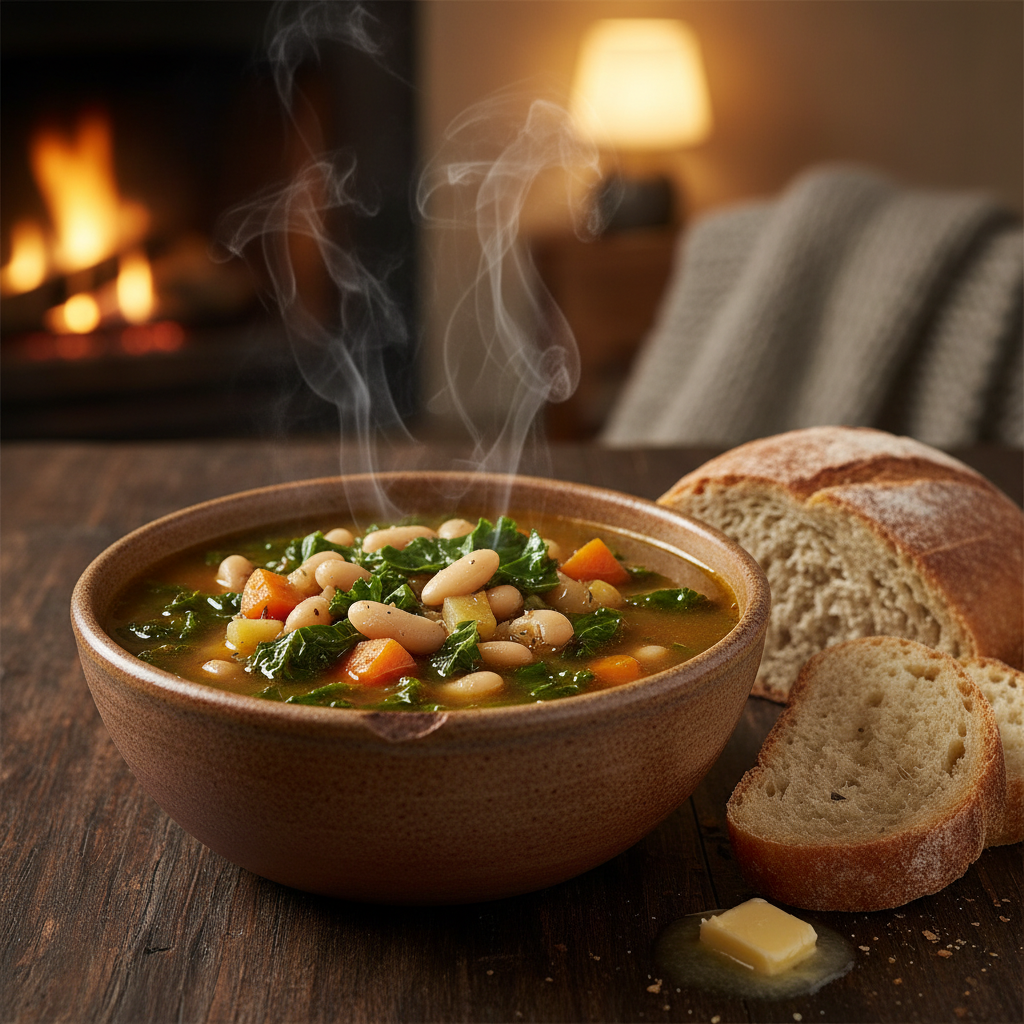
Create hearty soups using fall vegetables, beans, and bone broth. These warming meals support digestion during cooler weather. The longer cooking time breaks down vegetables, making them easier to digest. Add cabbage in the final minutes for extra fiber.
Fall is ideal for batch cooking. Make large pots of bean-based chili or vegetable soup. These filling dishes freeze well and provide gut-healthy options for busy days. The combination of beans, vegetables, and spices creates meals that support digestive health.
Winter Nourishment
Winter calls for warming, nourishing meals. Root vegetables like potatoes and carrots store well and provide essential fiber. Roast them with olive oil and garlic for a simple side dish that supports gut health.
Winter is perfect for slow-cooked meals. Prepare bean and vegetable stews that simmer for hours. The long cooking time enhances flavors and makes ingredients more digestible. These one-pot meals simplify cooking while maximizing nutrition.
Incorporate fermented vegetables into winter meals. The probiotics in sauerkraut and kimchi boost your immune system during cold season. Add these tangy ingredients to grain bowls or serve them as a side dish with roasted vegetables.
Remember: Seasonal eating provides natural variety that supports diverse gut bacteria. Different vegetables feed different bacterial strains, promoting a healthy, balanced microbiome.
Addressing Common Digestive Challenges
Even with gut-healthy meals, some people experience digestive discomfort. Understanding common issues and their solutions helps you optimize your meal choices. Small adjustments often make a significant difference in how you feel.
Managing Bloating
Bloating can occur when introducing more fiber into your diet. Your gut bacteria need time to adjust to increased fiber intake. Start with smaller portions of high-fiber foods and gradually increase amounts over several weeks.
Cooking vegetables thoroughly can reduce bloating. Raw vegetables contain more fiber and may be harder to digest initially. Steaming, roasting, or sautéing breaks down cell walls and makes vegetables easier on your system. Gradually reintroduce raw vegetables as your digestion improves.
Drink plenty of water throughout the day. Water helps fiber move through your digestive system efficiently. Aim for at least eight glasses daily. Proper hydration prevents constipation and reduces bloating.
Dealing with Food Sensitivities
Some gut-healthy ingredients may trigger sensitivities in certain individuals. Pay attention to how different foods make you feel. Keep a food journal to identify patterns between meals and symptoms.
Dairy products benefit many people but cause issues for others. If yogurt or cheese triggers discomfort, try lactose-free alternatives. Coconut yogurt provides probiotics without dairy. Many people with lactose intolerance tolerate fermented dairy better than fresh milk.
Beans sometimes cause gas, especially when you’re not used to eating them. Soaking dried beans overnight and discarding the soaking water reduces compounds that cause gas. Canned beans tend to be easier to digest. Start with small portions and increase gradually.
Garlic and onions are highly beneficial but can bother sensitive digestive systems. Cook these ingredients thoroughly rather than eating them raw. Cooking breaks down compounds that may cause irritation. If problems persist, try using garlic-infused olive oil for flavor without the problematic compounds.
Important Note: Persistent digestive issues may indicate an underlying condition requiring professional evaluation. While gut-healthy meals support overall wellness, they don’t replace medical treatment when needed.
The Complete Picture: Beyond Just Meals
While nutritious meals form the foundation of gut health, other factors significantly impact your digestive system. A comprehensive approach addresses all elements that influence your microbiome and overall wellness.
Lifestyle Factors That Matter
Stress directly affects gut health through the gut-brain connection. Chronic stress disrupts bacterial balance and increases inflammation. Practice stress management techniques like deep breathing, meditation, or gentle exercise. These activities support both mental health and digestive function.
Sleep quality influences gut bacteria diversity. Aim for seven to nine hours of quality sleep each night. Establish a consistent sleep schedule and create a relaxing bedtime routine. Better sleep supports better digestion and overall health.
Regular physical activity promotes healthy digestion. Movement stimulates intestinal contractions and helps food move through your system. You don’t need intense workouts. A daily walk provides significant digestive benefits. Find activities you enjoy and can maintain consistently.
When Diet Alone Isn’t Enough
Sometimes, dietary changes don’t fully resolve digestive issues. Years of poor nutrition, antibiotic use, or chronic stress can severely damage gut bacteria. Rebuilding a healthy microbiome may require additional support beyond food alone.
Modern life presents challenges to gut health that our ancestors never faced. Processed foods, environmental toxins, and chronic stress create an uphill battle. While gut-healthy meals provide essential nutrition, they might not address all underlying imbalances.
Many people discover that targeted probiotic supplementation accelerates their healing journey. The right strains at therapeutic doses can restore bacterial balance more quickly than food alone. This doesn’t mean meals aren’t important. Rather, it acknowledges that comprehensive solutions often work better than single approaches.
If you’ve been eating gut-healthy meals without seeing the improvements you expected, you’re not alone. Many people need a more systematic approach that combines nutrition with targeted bacterial support. The good news is that effective solutions exist when you understand the complete picture.
Transform Your Gut Health with a Proven System
You’ve learned valuable information about gut-healthy meals. Now discover the comprehensive approach that addresses the root causes of digestive issues. This free presentation reveals the science-backed system that has helped thousands restore their gut health and reclaim their vitality.
Maintaining gut-healthy eating habits requires practical strategies that fit into real life. Perfection isn’t the goal. Consistency over time creates lasting results. These tips help you stay on track without feeling overwhelmed.
The 80/20 Approach
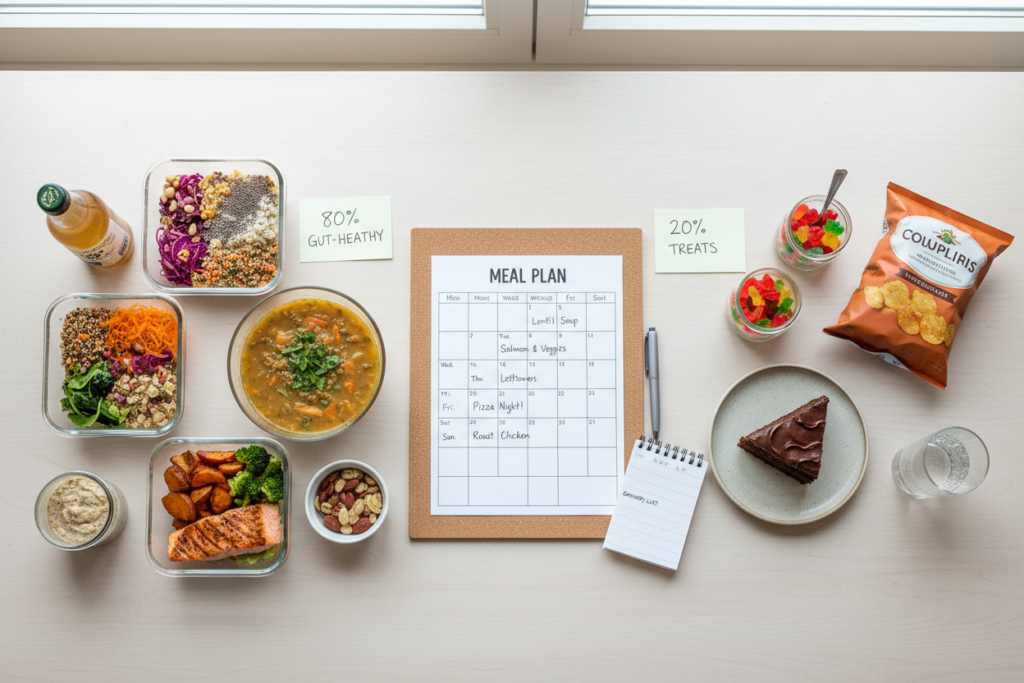
Aim to make gut-healthy choices 80% of the time. This approach allows flexibility while maintaining overall dietary quality. You don’t need to follow strict rules at every meal. Focus on progress rather than perfection.
Plan your core meals around gut-healthy ingredients. Stock your kitchen with beans, whole grains, vegetables, and probiotic foods. When these items are readily available, healthy choices become easier. Save treats for special occasions without guilt.
Restaurant and Social Situations
Eating out doesn’t mean abandoning gut health. Most restaurants offer options that support digestion. Look for dishes featuring vegetables, whole grains, and lean proteins. Ask for olive oil-based dressings and sauces on the side.
Choose grilled or baked preparations over fried options. Request extra vegetables and substitute beans or salad for less healthy sides. Many restaurants accommodate dietary requests. Don’t hesitate to ask for modifications that support your health goals.
At social gatherings, contribute a gut-healthy dish to share. This ensures you have nutritious options available. Fill your plate primarily with vegetables, salads, and proteins. Enjoy small portions of other offerings without overthinking every choice.
Building Sustainable Habits
Start with small, manageable changes rather than overhauling your entire diet overnight. Add one new gut-healthy recipe to your rotation each week. Gradually replace processed snacks with whole food options. Small steps create lasting transformation.
Create systems that support your goals. Designate a specific day for meal prep each week. Keep a running grocery list of gut-healthy staples. When you run out of an item, add it to the list immediately. These simple habits remove decision fatigue and streamline healthy eating.
Track your progress and how you feel rather than focusing solely on outcomes. Notice improvements in energy, digestion, and overall wellbeing. Celebrate these wins. They reinforce positive habits and motivate continued effort. Your body will thank you for consistent care.
Benefits of Gut-Healthy Eating
Improved digestion and reduced bloating
Enhanced immune function and disease resistance
Better mood and mental clarity
Increased energy throughout the day
Support for healthy weight management
Reduced inflammation throughout body
Common Challenges
Initial adjustment period with increased fiber
Requires more meal planning and preparation
Some specialty ingredients can be expensive
May need to try different foods to find what works
Social situations can present temptations
Results may take time to become noticeable
Your Journey to Better Gut Health Starts Now
You now have practical knowledge about creating gut healthy meals. These recipes and strategies provide a solid foundation for supporting your digestive system. The ingredients you choose at each meal either support or hinder your gut bacteria.
Remember that gut health is a journey, not a destination. Small consistent changes create remarkable results over time. Focus on adding beneficial foods rather than restricting everything you enjoy. This positive approach leads to sustainable habits.
Start with one or two recipes from this guide. Master them before adding more variety. Stock your kitchen with gut-healthy staples so nutritious choices become convenient. Meal prep when possible to remove barriers during busy weeks.
While the meals you’ve learned about provide excellent nutritional support, some people need additional help restoring optimal gut balance. If you’ve struggled with persistent digestive issues despite dietary improvements, a more comprehensive approach may accelerate your progress.
The science of gut health has advanced dramatically in recent years. Researchers now understand which specific bacterial strains produce the most significant benefits. They’ve identified the exact dosages needed for therapeutic effects. This knowledge has led to breakthrough approaches that complement healthy eating.
Ready to Experience Complete Gut Transformation?
You’ve taken the first step by learning about gut-healthy meals. Now discover the complete system that addresses every factor affecting your digestive health. This free video presentation reveals the science-backed approach that has helped thousands achieve lasting gut health transformation. Watch it now and start your journey to optimal digestive wellness.
Your gut health influences every aspect of your wellbeing. The time and effort you invest in nourishing your digestive system pays dividends in energy, immunity, and quality of life. Take action today. Your future self will thank you for the care you’re showing your body right now.
Wood crafts bring warmth and character to any space. The beauty of working with wood lies in its versatility and accessibility. Whether you have leftover boards from previous projects or picked up some inexpensive lumber, you can create functional and decorative pieces in just a few hours.This Website contains affiliate links. That means I may…
Your smile deserves more than a quick brush twice a day. A comprehensive daily oral care routine for healthy teeth protects against cavities, gum disease, and serious health complications. Most people miss critical steps that dentists know make all the difference.This Website contains affiliate links. That means I may earn a small commission if you…
Your gut does more than just digest food. It shapes your overall health in ways scientists are only beginning to understand. The trillions of bacteria living in your digestive system influence everything from your immune response to your mental clarity.This Website contains affiliate links. That means I may earn a small commission if you purchase…
Brown stains on teeth can destroy your confidence. Whether you avoid smiling in photos or cover your mouth when laughing, tooth discoloration affects millions of people every day.This Website contains affiliate links. That means I may earn a small commission if you purchase through my links, at no extra cost to you. The good news…
Your gut holds trillions of microscopic organisms that control far more than digestion. These bacteria influence your immune system, mental clarity, energy levels, and even your mood throughout the day. The gut microbiome serves as a command center for overall health.This Website contains affiliate links. That means I may earn a small commission if you…
Your smile is often the first thing people notice about you. It can open doors, create connections, and boost your confidence in ways you never imagined. Yet many of us hide our smiles because we feel self-conscious about tooth discoloration or stains.This Website contains affiliate links. That means I may earn a small commission if…