
Simple Fat Loss Routine: Your Complete Guide to Sustainable Weight Loss
Starting a weight loss journey feels overwhelming when you face countless complicated programs and conflicting advice. The truth is simpler than you think. A simple fat loss routine focuses on sustainable habits that fit into your daily life without demanding hours at the gym or extreme dietary restrictions.
This Website contains affiliate links. That means I may earn a small commission if you purchase through my links, at no extra cost to you.
This guide breaks down everything you need to know about creating an effective fat loss plan. You will discover practical exercises, understand how your body burns calories, and learn strategies that produce real results. The best part? These methods work for beginners and experienced fitness enthusiasts alike.
Your body responds to consistent effort over time. Small changes in physical activity and nutrition create powerful transformations when maintained week after week. Let’s explore how to build a routine that works for your schedule and goals.
Understanding How Fat Loss Actually Works
Fat loss happens when your body burns more energy than it consumes. This calorie deficit forces your system to tap into stored body fat for fuel. Your metabolic rate determines how many calories you burn at rest, while physical activity increases your total energy expenditure.
Many people believe weight loss requires extreme measures. Research shows that moderate changes produce better long-term results than drastic approaches. Your body composition improves gradually as you lose fat while maintaining muscle mass through proper training.
Metabolic Rate Factors
Your metabolism operates continuously, burning calories even during sleep. Several factors influence how efficiently your body processes energy throughout the day.
- Muscle tissue burns more calories than fat tissue at rest
- Age affects metabolic rate, with gradual decline after 30
- Genetics play a role but do not determine your fate
- Hormones regulate hunger, energy storage, and fat burning
- Sleep quality impacts metabolic function and hunger hormones
Creating Calorie Deficit
Achieving weight loss requires burning more calories than you consume. This deficit can come from increased activity, reduced food intake, or a combination of both approaches.
- Track your current eating habits for one week
- Reduce daily intake by 300 to 500 calories
- Increase activity to burn an additional 200 to 300 calories
- Monitor progress and adjust as needed
- Maintain consistency for at least four weeks
Understanding these basics helps you make informed decisions about your fat loss strategy. Your body weight fluctuates daily due to water retention, food volume, and other factors. Focus on weekly trends rather than daily numbers for accurate progress assessment.
The most effective approach combines moderate calorie reduction with increased physical activity. This preserves muscle mass while targeting body fat for energy.
Best Exercises for Your Simple Fat Loss Routine

Exercise selection determines how efficiently you burn calories and build lean muscle. The best exercises for fat loss combine cardiovascular work with strength training to maximize results. Your workout plan should include both types of activity throughout the week.
Strength training builds muscle tissue that elevates your metabolic rate permanently. Meanwhile, cardio burns immediate calories and improves cardiovascular health. Together, they create a powerful combination for sustainable weight loss.
Strength Training Essentials
Resistance training forms the foundation of effective fat loss programs. These exercises build muscle mass while burning calories during and after your workout session.
Upper Body Exercises
- Push-ups target chest, shoulders, and triceps
- Dumbbell rows strengthen back muscles
- Overhead press builds shoulder strength
- Bicep curls shape arm muscles
Lower Body Exercises
- Squats engage largest muscle groups
- Lunges improve balance and leg strength
- Deadlifts work posterior chain effectively
- Step-ups activate glutes and quads
Core Exercises
- Planks strengthen entire midsection
- Mountain climbers combine cardio and core
- Russian twists target obliques
- Leg raises build lower abdominal strength
Perform strength training three times per week on non-consecutive days. This schedule allows adequate rest for muscle recovery and growth. Each session should last 30 to 45 minutes and include exercises from all major muscle groups.
Cardiovascular Activities
Cardio workouts burn calories quickly and improve heart health. Choose activities you enjoy to maintain consistency over time. Variety prevents boredom and challenges your body in different ways.

Walking
Walking provides low-impact cardio suitable for all fitness levels. This activity burns calories while minimizing joint stress and injury risk.
- Start with 20 minutes daily
- Gradually increase to 45 minutes
- Maintain brisk pace for better results
- Add hills for increased intensity
Swimming
Swimming works the entire body while supporting your joints in water. This full-body workout burns significant calories per session.
- Swim for 30 minutes three times per week
- Alternate between different strokes
- Use water resistance for strength
- Perfect for those with joint issues
Cycling
Cycling builds leg strength while providing excellent cardiovascular benefits. Indoor or outdoor cycling both deliver effective workouts.
- Ride for 30 to 60 minutes per session
- Vary intensity with intervals
- Adjust resistance for challenge
- Track distance and speed progress
Aim for 150 minutes of moderate cardio per week spread across multiple days. This amount aligns with health recommendations while supporting steady fat loss. You can break this into shorter sessions if needed for schedule flexibility.
Accelerate Your Fat Loss Results
While exercise forms the foundation of weight loss, many people discover that natural support helps them achieve goals faster. Explore science-backed solutions that complement your workout efforts.
Creating Your Weekly Workout Schedule
Organization transforms good intentions into consistent results. A structured weekly plan ensures you balance different training types while allowing proper recovery time. Your body needs rest days to repair muscle tissue and prevent burnout.
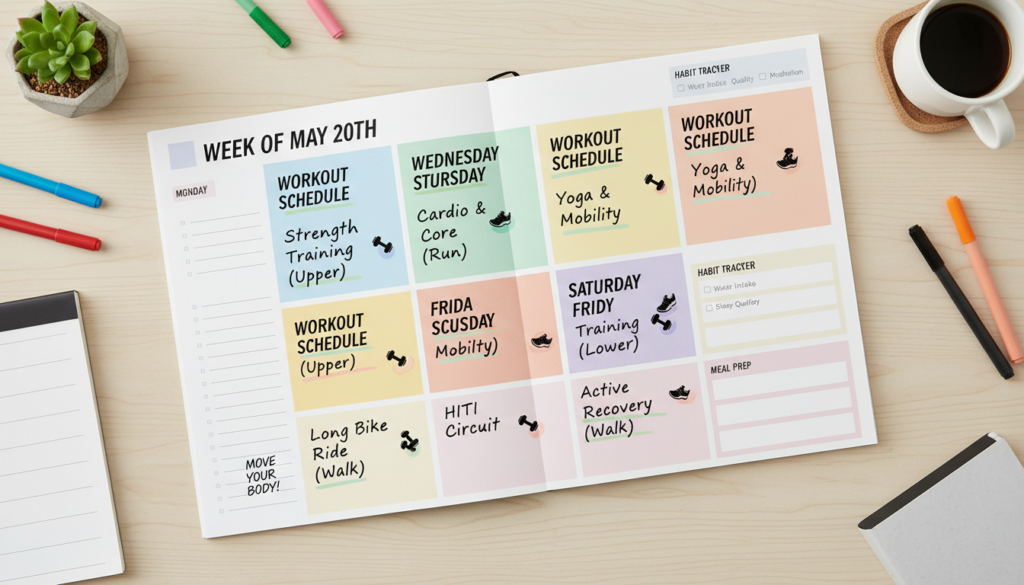
The ideal schedule alternates between strength training and cardio sessions. This approach prevents overtraining specific muscle groups while maintaining daily activity levels. Rest days remain active with light movement rather than complete inactivity.
| Day | Activity Type | Duration | Focus Area |
| Monday | Strength Training | 40 minutes | Upper body and core |
| Tuesday | Cardio | 30 minutes | Moderate intensity walking or cycling |
| Wednesday | Strength Training | 40 minutes | Lower body and core |
| Thursday | Active Recovery | 20 minutes | Light walking or stretching |
| Friday | Strength Training | 40 minutes | Full body workout |
| Saturday | Cardio | 45 minutes | Swimming or longer walk |
| Sunday | Rest | Variable | Light activity and recovery |
This schedule provides structure while remaining flexible for your lifestyle. Swap days as needed to accommodate work schedules or family commitments. The key is maintaining the overall balance of training types throughout each week.
Progression Strategies
Your body adapts to exercise over time, requiring gradual increases in challenge. Progressive overload ensures continued results as you become stronger and fitter.
- Add five minutes to cardio sessions every two weeks
- Increase training weight by small amounts when exercises feel easy
- Reduce rest time between strength training sets
- Add one extra set to exercises after four weeks
- Incorporate new exercise variations monthly
- Track workout performance in a journal or app
Monitor how you feel during workouts and adjust intensity accordingly. Some days require lighter effort due to stress, sleep quality, or recovery needs. Listen to your body while maintaining overall consistency week to week.
Nutrition Fundamentals for Weight Loss Success

Exercise alone cannot overcome poor nutrition choices. Your diet provides the raw materials your body needs for energy, recovery, and fat burning. A balanced approach focuses on whole foods rather than restrictive fad diets.
Creating a sustainable eating plan requires understanding macronutrients and how they affect your body composition. Protein supports muscle maintenance, carbohydrates fuel activity, and healthy fats support hormone production. Balance these elements based on your activity level and goals.
Protein Requirements
Protein intake becomes especially important during weight loss. This macronutrient helps preserve muscle mass while your body burns fat for energy. Adequate protein also increases satiety, reducing hunger between meals.
Daily Protein Targets
- Aim for 0.7 to 1 gram per pound of body weight
- Distribute protein across all meals evenly
- Include protein in post-workout nutrition
- Choose lean sources to control calories
Quality Protein Sources
- Chicken breast and turkey provide lean options
- Fish offers protein plus healthy omega-3 fats
- Eggs deliver complete amino acid profiles
- Greek yogurt combines protein with probiotics
Managing Calorie Intake
Weight loss fundamentally requires consuming fewer calories than you burn. However, severe restriction backfires by slowing your metabolic rate and triggering extreme hunger. Moderate deficits produce better results over time.
Calculate your maintenance calories using an online calculator, then reduce by 300 to 500 calories for steady fat loss. This creates a deficit of one to two pounds per week, which research identifies as optimal.
Track your food intake for at least two weeks to understand current eating patterns. Many people underestimate consumption by 20 to 30 percent without awareness. Apps and food journals provide accountability and reveal hidden calories.
Meal Timing and Frequency
When you eat matters less than what and how much you consume. Some people thrive on three larger meals, while others prefer five smaller portions throughout the day. Choose the pattern that controls your hunger best.
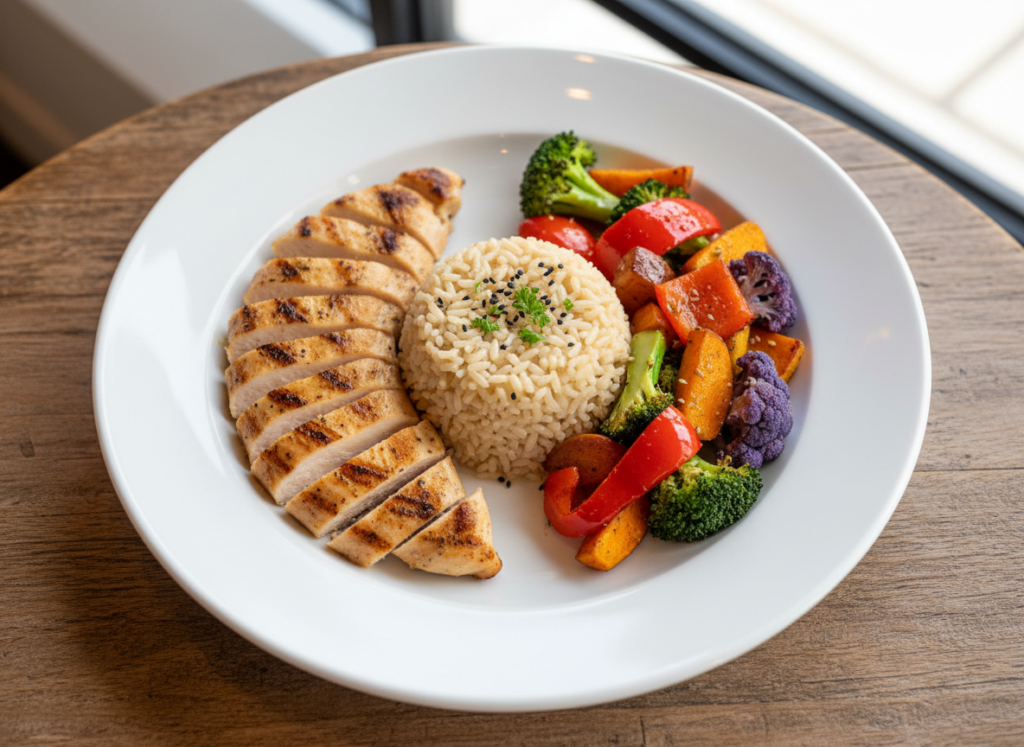
Focus on whole, minimally processed foods that provide nutrition and satiety. Vegetables, fruits, whole grains, lean proteins, and healthy fats form the foundation of effective fat loss nutrition. These foods deliver vitamins, minerals, and fiber that support overall health.
Effective Eating Habits
- Meal planning prevents impulsive food choices
- Cooking at home controls ingredients and portions
- Eating slowly improves digestion and satisfaction
- Drinking water before meals reduces calorie intake
- Including vegetables at every meal adds volume
Common Diet Mistakes
- Eliminating entire food groups unnecessarily
- Drinking calories through sodas and juices
- Skipping meals leads to overeating later
- Restricting too severely triggers binges
- Ignoring portion sizes even with healthy foods
Allow flexibility for occasional treats within your calorie budget. Rigid restriction often leads to abandoning your plan entirely. The 80/20 rule works well, where 80 percent of your diet consists of nutritious whole foods while 20 percent allows for enjoyment.
Lifestyle Factors That Influence Fat Loss
Exercise and nutrition form the foundation, but other lifestyle elements significantly impact your results. Sleep quality, stress management, and daily movement patterns all affect how your body processes energy and stores fat.

Sleep and Recovery
Your body performs essential repair work during sleep. Inadequate rest disrupts hormones that regulate hunger and metabolism, making weight loss significantly harder. Most adults need seven to nine hours per night for optimal health and body composition.
Poor sleep increases cortisol levels, which promotes fat storage, especially around the midsection. It also reduces leptin, the hormone that signals fullness, while increasing ghrelin, which triggers hunger. This combination creates powerful cravings for high-calorie foods.
- Establish consistent sleep and wake times daily
- Create a dark, cool bedroom environment
- Avoid screens one hour before bed
- Limit caffeine after 2 PM
- Practice relaxation techniques before sleep
Stress Management
Chronic stress elevates cortisol continuously, promoting fat storage and muscle breakdown. This hormone also increases appetite and cravings for sugary, fatty foods. Managing stress becomes essential for successful fat loss.
Stress Reduction Techniques
- Practice daily meditation or deep breathing
- Engage in enjoyable hobbies regularly
- Spend time outdoors in nature
- Maintain social connections and support
- Set boundaries around work and obligations
Physical Stress Relief
- Gentle yoga reduces tension and anxiety
- Walking clears your mind while burning calories
- Stretching releases muscle tightness
- Massage therapy promotes relaxation
- Progressive muscle relaxation calms the nervous system
Daily Movement Beyond Exercise
Formal workouts represent a small portion of your day. Non-exercise activity thermogenesis, or NEAT, describes all movement outside structured exercise. These daily activities burn substantial calories cumulatively.

People with active jobs burn hundreds more calories daily than those with sedentary work. However, you can increase NEAT regardless of occupation through conscious choices throughout the day.
- Take stairs instead of elevators whenever possible
- Park farther from building entrances
- Stand or walk during phone calls
- Set hourly reminders to move and stretch
- Do household chores with extra energy
- Play actively with children or pets
- Walk to nearby destinations instead of driving
These small actions compound over weeks and months. An extra 200 to 300 calories burned daily through increased NEAT accelerates fat loss without requiring additional formal exercise sessions.
Optimize Your Fat Loss Journey
Combining proper exercise, nutrition, and lifestyle habits creates powerful results. However, many successful people enhance their efforts with targeted support that addresses metabolic function and energy levels. Natural solutions can help your body burn fat more efficiently while maintaining the energy needed for consistent workouts.
- Support healthy metabolic rate throughout the day
- Maintain energy levels for better workout performance
- Reduce cravings that derail nutrition plans
- Enhance your body’s natural fat-burning processes
Tracking Progress and Staying Motivated
Measuring results keeps you accountable and reveals what works for your body. However, the scale tells an incomplete story. Multiple metrics provide a fuller picture of your transformation over time.

Effective Progress Metrics
Body weight fluctuates daily due to water retention, food volume, and hormonal changes. Weekly averages provide more accurate trends than single weigh-ins. Combine scale data with other measurements for comprehensive tracking.
Body Measurements
Tape measurements reveal fat loss even when weight remains stable. Muscle weighs more than fat by volume, so you may lose inches while the scale stays constant.
- Measure waist at belly button
- Track hips at widest point
- Monitor chest and thigh circumference
- Record measurements every two weeks
Progress Photos
Visual documentation shows changes that numbers cannot capture. Take photos in consistent lighting, clothing, and poses every four weeks.
- Use same location and time of day
- Wear fitted clothing for comparison
- Capture front, side, and back views
- Compare photos monthly for motivation
Performance Markers
Fitness improvements indicate positive changes regardless of weight. Track workout performance to see strength and endurance gains.
- Record weights lifted and reps completed
- Note cardio duration and intensity
- Track how you feel during workouts
- Celebrate non-scale victories regularly
Setting Realistic Goals
Unrealistic expectations lead to frustration and abandonment of your plan. Sustainable fat loss occurs at a rate of one to two pounds per week. Faster loss often includes muscle and water rather than pure fat.
Avoid comparing your progress to others or social media transformations. Your genetics, starting point, and circumstances differ from everyone else. Focus on becoming better than you were last month.
Break larger goals into smaller milestones that feel achievable. Celebrate reaching each checkpoint rather than only focusing on the final destination. This approach maintains motivation throughout your journey.
Overcoming Plateaus
Weight loss rarely progresses in a straight line. Plateaus occur when your body adapts to your current routine and calorie intake. These stalls frustrate many people but represent normal physiology rather than failure.
- Reassess calorie intake as body weight decreases
- Change your workout routine every six to eight weeks
- Increase training intensity or add extra sessions
- Ensure adequate sleep and stress management
- Consider a diet break at maintenance calories for one week
- Review food tracking for hidden calories or portion creep
Patience proves essential during plateaus. Continue your habits consistently for two to three weeks before making changes. Many apparent stalls resolve themselves as water weight fluctuations normalize.
Common Mistakes to Avoid
Learning from others’ errors saves time and frustration. Many people sabotage their results through well-intentioned but counterproductive approaches. Avoiding these pitfalls accelerates your progress significantly.
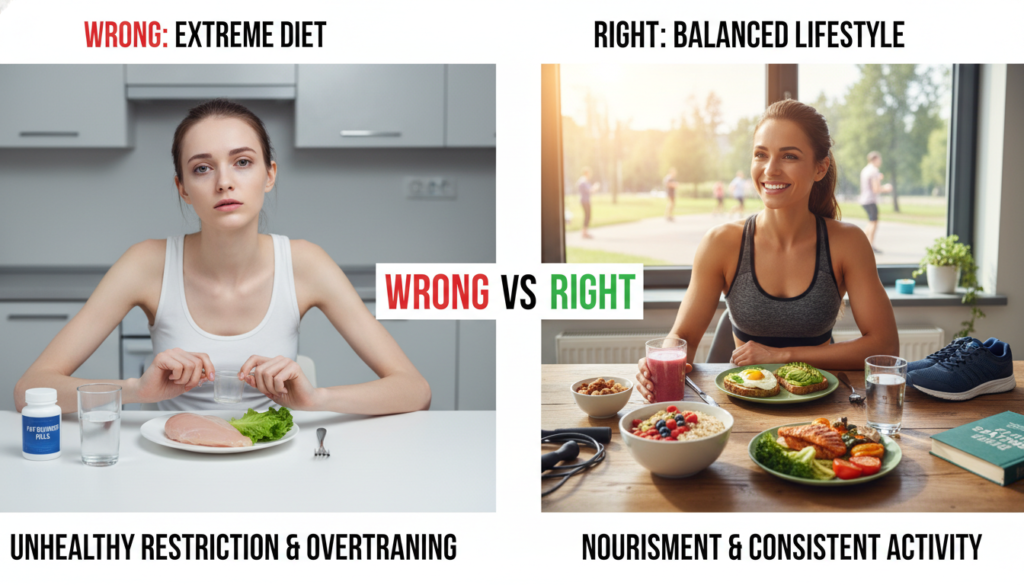
Doing Too Much Too Soon
Enthusiasm often leads beginners to overtrain and under-eat simultaneously. This combination increases injury risk, causes extreme fatigue, and proves unsustainable beyond a few weeks. Your body needs time to adapt to new demands.
Start with manageable changes that fit your current fitness level. Build gradually over months rather than attempting dramatic transformations overnight. This approach develops lasting habits instead of temporary bursts of effort.
Neglecting Strength Training
Many people focus exclusively on cardio for fat loss. While cardio burns immediate calories, strength training builds muscle that increases your metabolic rate permanently. The combination delivers superior results compared to either alone.
Cardio-Only Approach
- Burns calories during activity only
- May lead to muscle loss with calorie deficit
- Can reduce metabolic rate over time
- Requires increasing duration for continued results
Balanced Training Approach
- Builds muscle that burns calories at rest
- Preserves lean tissue during weight loss
- Maintains or increases metabolic rate
- Creates athletic, toned appearance
Inconsistent Effort
Weekend indulgences that erase weekday discipline prevent progress. Your body responds to average behavior over time rather than perfect days followed by poor choices. Consistency matters more than occasional perfection.
Plan for social events and treats within your weekly calorie budget. This flexibility allows enjoyment without derailing results. The person who maintains good habits 80 percent of the time outperforms someone who alternates between perfection and abandonment.
Ignoring Recovery Needs
More exercise does not always produce better results. Your body requires rest to repair muscle tissue and replenish energy stores. Overtraining leads to elevated cortisol, poor sleep, increased hunger, and eventual burnout.
- Include at least one complete rest day per week
- Vary training intensity throughout the week
- Listen to persistent fatigue or soreness signals
- Prioritize sleep as essential rather than optional
- Reduce training volume when life stress increases
Recovery represents when your body actually improves, not during the workout itself. Training provides the stimulus, but rest delivers the adaptation. Balance both elements for optimal results.
Strategies for Long-Term Success
Initial motivation fades after the first few weeks. Sustainable fat loss requires systems and habits that function regardless of how you feel on any given day. Building these structures ensures continued progress when enthusiasm wanes.

Building Sustainable Habits
Habits form through repetition until actions become automatic. Focus on process goals rather than only outcome goals. Process goals specify behaviors you control, while outcome goals depend on results.
- Exercise four times this week
- Eat protein at every meal
- Drink eight glasses of water daily
- Go to bed by 10 PM on weeknights
- Prepare meals on Sunday
Process Goals
- Lose 20 pounds total
- Reach target body fat percentage
- Fit into specific clothing size
- Achieve particular scale weight
- Look a certain way in photos
Outcome Goals
Process goals create daily wins that maintain motivation. They also build the habits that eventually produce outcome goals as a natural result. Focus your energy on actions within your control.
Finding Your Why
Surface-level motivation fades quickly under stress or inconvenience. Deep reasons connected to your values and identity sustain effort through challenges. Identify why fat loss truly matters to you personally.
People who connect their health goals to core values like being present for family, modeling good habits for children, or maintaining independence as they age show greater long-term adherence than those motivated purely by appearance.
Write down your reasons and review them when motivation decreases. Visualize how achieving your goals will improve daily life beyond just changing how you look. This connection to deeper purpose carries you through difficult moments.
Creating Environmental Support
Your environment either supports or sabotages your efforts. Small changes to your surroundings reduce reliance on willpower, which depletes throughout the day under stress and decision fatigue.
- Keep workout clothes visible as a reminder
- Stock your kitchen with healthy, prepared foods
- Remove tempting junk food from your home
- Pack your gym bag the night before
- Schedule workouts as non-negotiable appointments
- Find a workout partner for accountability
- Join communities of people pursuing similar goals
Make desired behaviors easier and undesired behaviors harder through environmental design. This reduces the number of decisions required daily and preserves willpower for unexpected challenges.
Frequently Asked Questions
How long does it take to see results from a simple fat loss routine?
Most people notice initial changes within two to three weeks of consistent effort. These early results include improved energy, better sleep, and clothing fitting differently. Visible physical changes typically appear after four to six weeks. The scale may show progress sooner, but remember that initial weight loss often includes water weight. Sustainable fat loss occurs at a rate of one to two pounds per week, so expect meaningful transformation over a period of several months rather than days.
Can I lose weight without going to a gym?
Absolutely. Many people achieve excellent results training at home with minimal equipment. Body weight exercises like push-ups, squats, lunges, and planks build strength effectively. Add a set of dumbbells or resistance bands to expand exercise options. Walking, jogging, cycling, or swimming provide cardio without gym membership. The key is consistent effort and progressive challenge, which you can accomplish anywhere. Gyms offer convenience and equipment variety, but they are not necessary for fat loss success.
Should I do cardio or strength training first?
Perform strength training before cardio when doing both in the same session. You need full energy and focus for proper lifting form and maximum effort. Cardio performed first depletes glycogen stores and causes fatigue that compromises strength training quality. However, many people prefer separating these training types into different sessions or days. This approach allows maximum effort for each workout type and may produce better overall results than combined sessions.
What should I eat before and after workouts?
Eat a small meal containing carbohydrates and protein one to two hours before exercise. This provides energy for your workout without causing digestive discomfort. Good options include oatmeal with banana, Greek yogurt with berries, or a small turkey sandwich. After training, consume protein within two hours to support muscle recovery. A meal with protein and carbohydrates replenishes energy stores and promotes repair. Post-workout nutrition becomes especially important after strength training sessions.
How much water should I drink during fat loss?
Aim for at least eight glasses of water per day, increasing during exercise or hot weather. Adequate hydration supports metabolic function, helps control appetite, and improves workout performance. Many people mistake thirst for hunger, leading to unnecessary calorie consumption. Drinking water before meals can reduce calorie intake by promoting fullness. Your urine color provides a simple hydration indicator – pale yellow suggests adequate hydration, while dark yellow indicates you need more water.
Is it normal for weight loss to slow down over time?
Yes, this represents completely normal physiology. As your body weight decreases, your metabolic rate reduces because you have less mass to support. This means you burn fewer calories at rest and during activity. Additionally, your body adapts to become more efficient at exercise over time. To continue progress, gradually reduce calorie intake slightly or increase activity levels. These adjustments maintain the calorie deficit necessary for ongoing fat loss as your body composition changes.
Taking Action on Your Fat Loss Journey

You now understand the essential components of a simple fat loss routine that produces real results. Success comes from combining regular exercise, balanced nutrition, quality sleep, and stress management into sustainable daily habits. These elements work together to create the calorie deficit and metabolic environment necessary for losing body fat while maintaining muscle mass.
Remember that transformation takes time and consistency. Quick fixes and extreme approaches rarely produce lasting results. Instead, focus on making small improvements each week that compound into significant changes over months. Your body responds to patient, persistent effort far better than dramatic but temporary interventions.
The most important step is starting today with one simple action. Choose a realistic workout schedule, prepare healthy meals for the week, or establish a consistent sleep routine. Each positive choice builds momentum and confidence for the next decision. Progress creates motivation more effectively than motivation creates progress.
Many people find that strategic support enhances their natural fat-loss efforts. While exercise and nutrition form the foundation, targeted solutions can optimize metabolic function and energy levels. Natural supplements designed to support healthy weight management complement your hard work in the gym and kitchen.
Start Your Transformation Today
Your simple fat loss routine becomes even more effective with the right support. Discover science-backed solutions that work with your body’s natural processes to enhance fat burning, boost energy, and help you achieve results faster. Take the next step in your journey toward a healthier, stronger you.
Your health represents an investment that pays dividends throughout your entire life. The effort you invest today creates energy, confidence, and vitality that improve every aspect of your daily experience. Start building your simple fat loss routine now, stay consistent with your plan, and trust the process to deliver the transformation you seek.