How to Rebuild Tooth Enamel Naturally

This Website contains affiliate links. That means I may earn a small commission if you purchase through my links, at no extra cost to you.
Your tooth enamel stands as the hardest substance in your body. This protective layer shields your teeth from daily wear and tear. Yet millions of people face enamel erosion every day.
When enamel wears away, your teeth become vulnerable. Sensitivity to hot and cold drinks increases. Your smile loses its natural brightness.
The good news is that you can take action today. Natural methods exist to support enamel health and strengthen your teeth. This guide reveals proven strategies to rebuild tooth enamel naturally and restore your dental confidence.

Understanding Tooth Enamel and Its Vital Role

Tooth enamel forms the outer protective layer of each tooth. This hard mineral substance contains calcium phosphate crystals arranged in a precise structure. The enamel protects the sensitive inner layers of your teeth from bacteria and acid attacks.
Your enamel performs multiple critical functions each day. It guards against tooth decay by forming a barrier against harmful bacteria. The layer also provides structural strength for chewing and biting.
Unlike other body tissues, enamel cannot regenerate once lost. Your body produces this substance only during tooth development. This fact makes enamel protection and restoration crucial for long-term dental health.

The Mineral Composition of Enamel
Enamel consists primarily of hydroxyapatite crystals. These minerals contain calcium and phosphate in specific ratios. The crystalline structure provides exceptional hardness and durability.
Small amounts of other minerals also contribute to enamel strength. Fluoride can integrate into the crystal structure. This integration creates an even more acid-resistant substance called fluorapatite.

How Enamel Protects Your Teeth
The enamel layer acts as your tooth’s first line of defense. It blocks acids from reaching the softer dentin beneath. This protective barrier prevents sensitivity and decay from developing.
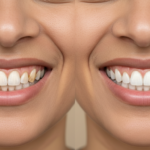
Strong enamel also maintains the shape and appearance of teeth. It provides the white, smooth surface that creates an attractive smile. When enamel thins, teeth may appear yellow or translucent at the edges.

Common Causes of Tooth Enamel Erosion

Enamel erosion happens through several mechanisms. Understanding these causes helps you protect your teeth effectively. Many daily habits contribute to gradual enamel loss over time.
Acidic foods and drinks pose the greatest threat to enamel. Citrus fruits, sodas, and wine contain acids that soften the mineral structure. Sports drinks and energy beverages also create an acidic environment in your mouth.
Dietary Factors That Damage Enamel
Sugar consumption feeds harmful bacteria in your mouth. These bacteria produce acid as a waste product. The acid then attacks tooth enamel throughout the day.
Frequent snacking creates repeated acid attacks. Each time you eat, acid levels rise in your mouth. This cycle prevents natural remineralization from occurring between meals.

Acidic drinks cause direct erosion of tooth enamel. The low pH of these beverages dissolves mineral content from enamel. Regular consumption weakens the protective layer significantly.
Medical Conditions and Enamel Loss
Acid reflux disease exposes teeth to stomach acid. This powerful acid can erode enamel rapidly. People with chronic reflux often experience accelerated enamel loss.

Dry mouth conditions reduce saliva production. Saliva naturally neutralizes acids and aids remineralization. Without adequate saliva, enamel becomes more vulnerable to decay and erosion.
Certain medications also contribute to enamel problems. Antihistamines and some blood pressure drugs decrease saliva flow. This side effect increases the risk of enamel erosion over time.
Lifestyle Habits That Harm Enamel
Aggressive tooth brushing wears away enamel mechanically. Hard-bristled brushes and excessive pressure cause abrasion. This damage accumulates slowly over many years of incorrect brushing habits.

Teeth grinding during sleep creates enormous pressure on enamel. The constant friction wears down the protective layer. Many people grind their teeth unconsciously without realizing the damage.
Using teeth as tools damages enamel instantly. Opening packages or biting hard objects creates chips and cracks. These structural weaknesses allow bacteria and acids to penetrate deeper layers.

Recognizing the Warning Signs of Enamel Damage

Early detection of enamel erosion allows for timely intervention. Several visible and physical signs indicate enamel problems. Paying attention to these symptoms helps prevent further damage.
Tooth sensitivity represents one of the earliest warning signs. You may notice discomfort when consuming hot or cold items. Sweet or acidic foods might also trigger sensitivity as enamel thins.
Visual Indicators of Enamel Loss
Discoloration often signals enamel thinning. Teeth may appear more yellow as the dentin layer shows through. The natural white color of enamel fades with progressive mineral loss.

Transparency at tooth edges indicates advanced erosion. The tips of front teeth may look translucent or glass-like. This appearance develops as enamel becomes extremely thin.
Small cracks or chips appear more easily in weakened enamel. The edges of teeth may become rough or irregular. These structural changes affect both appearance and function.
Physical Symptoms of Enamel Erosion
Increased sensitivity to temperature changes affects daily life. Hot coffee or ice-cold water may cause sharp pain. This discomfort occurs because exposed dentin contains nerve endings.

Rough or uneven tooth surfaces develop with enamel loss. Your tongue may detect texture changes on tooth surfaces. Smooth enamel gives way to a rougher feeling as erosion progresses.
Dents or cups may form on chewing surfaces. These indentations indicate significant enamel wear. The condition can progress to expose the softer dentin layer beneath.

The Hidden Costs of Enamel Erosion

Enamel loss creates a cascade of dental problems. The consequences extend beyond simple sensitivity issues. Understanding these risks motivates proactive enamel protection and restoration.
Increased tooth decay risk develops as enamel thins. Bacteria gain easier access to vulnerable tooth layers. Cavities form more rapidly in teeth with compromised enamel protection.
Long-Term Dental Health Implications
Structural weakness increases with progressive enamel loss. Teeth become more prone to chips and fractures. Simple activities like eating hard foods pose greater risks to damaged teeth.

Root canal issues may develop from deep decay. When bacteria reach the tooth pulp, infection occurs. This serious condition requires extensive dental intervention and treatment.
Tooth loss becomes a real possibility with severe erosion. Advanced enamel damage compromises tooth structure completely. Some teeth may require extraction despite restoration attempts.
Impact on Quality of Life
Chronic pain and sensitivity affect daily activities. Eating and drinking become sources of discomfort. Many people with enamel erosion avoid certain foods entirely.

Aesthetic concerns impact self-confidence and social interactions. Discolored or damaged teeth affect smile appearance. Some individuals become self-conscious about showing their teeth in public.
The financial burden of extensive dental work adds stress. Treating advanced enamel erosion requires significant investment. Prevention and early intervention cost far less than restorative procedures.

Discover a Comprehensive Natural Solution
While basic tips help protect enamel, a complete system delivers real transformation. Thousands have successfully restored their tooth enamel using a proven natural protocol. This science-backed approach goes far beyond simple dietary changes.
The method combines advanced remineralization techniques with lifestyle modifications. You get step-by-step guidance for rebuilding enamel strength naturally. Stop settling for temporary relief and access the complete restoration system today.

The Natural Remineralization Process Explained

Your body possesses natural mechanisms for tooth repair. The remineralization process can restore lost minerals to enamel. Understanding this process helps you support and enhance it effectively.
Saliva plays a central role in enamel remineralization. This natural fluid contains calcium and phosphate ions. When pH levels normalize, these minerals redeposit into weakened enamel.
How Saliva Aids Remineralization
Saliva production increases in response to chewing. The mechanical action stimulates salivary glands throughout your mouth. More saliva means better mineral delivery to tooth surfaces.

The mineral content of saliva directly supports enamel repair. Calcium phosphate molecules integrate into existing enamel structure. This natural process strengthens teeth continuously throughout the day.
Saliva also neutralizes harmful acids in your mouth. The buffering capacity prevents prolonged acid attacks on enamel. This protective action creates conditions favorable for remineralization.
Optimizing Your Body’s Repair Mechanisms
Adequate hydration maintains healthy saliva production. Drinking water throughout the day supports salivary flow. Dehydration reduces this natural protective mechanism significantly.

Time between meals allows remineralization to occur. Your mouth pH returns to neutral during fasting periods. This recovery time enables minerals to redeposit into enamel.
Certain nutrients enhance the remineralization process. Vitamin D helps your body absorb calcium effectively. Vitamin K2 directs minerals to teeth and bones where needed.

Dietary Strategies to Strengthen Tooth Enamel

Your diet directly influences enamel strength and health. Specific foods provide minerals essential for tooth structure. Strategic nutritional choices support natural enamel restoration and protection.
Calcium-rich foods supply the primary building block of enamel. Dairy products offer highly bioavailable calcium sources. Milk, cheese, and yogurt contribute to daily calcium intake effectively.
Foods That Promote Enamel Health
Leafy green vegetables provide calcium and other vital minerals. Kale, spinach, and collard greens support overall oral health. These foods also contain vitamins that aid mineral absorption.

Fatty fish delivers vitamin D and phosphate. Salmon and sardines support calcium absorption in your body. Regular consumption strengthens bones and teeth simultaneously.
Nuts and seeds offer minerals and healthy fats. Almonds provide calcium while Brazil nuts supply selenium. These nutrient-dense snacks support enamel remineralization between meals.

Beverages That Support Oral Care
Plain water remains the best beverage choice for teeth. Water rinses away food particles and acids. It also maintains saliva production throughout the day.
Green tea contains compounds that fight bacteria. The polyphenols in tea reduce acid production by harmful microbes. Unsweetened green tea supports oral hygiene without damaging enamel.

Milk provides calcium and casein proteins. These proteins form a protective film on teeth. Drinking milk after acidic foods helps neutralize pH levels quickly.
Foods to Limit or Avoid
Sugary foods feed harmful bacteria in your mouth. Candy, pastries, and sweetened drinks create acid attacks. Limiting sugar intake protects enamel from bacterial acid damage.

Acidic foods and drinks require moderation. Citrus fruits, tomatoes, and vinegar soften enamel temporarily. Consuming these items with meals rather than alone reduces damage.
Sticky foods cling to teeth for extended periods. Dried fruits and caramels create prolonged acid exposure. These foods provide sustained fuel for decay-causing bacteria.

Essential Oral Hygiene Practices for Enamel Protection

Proper oral care routines protect and strengthen tooth enamel. Daily hygiene habits determine long-term dental health outcomes. Implementing correct techniques prevents unnecessary enamel damage.
Gentle brushing with soft-bristled brushes preserves enamel. Hard brushes and aggressive scrubbing cause abrasion over time. A soft touch effectively removes plaque without damaging tooth surfaces.
Correct Brushing Techniques
Brush teeth at a 45-degree angle to the gum line. Small circular motions clean effectively without excess pressure. This technique removes bacteria while protecting enamel integrity.

Wait at least thirty minutes after eating acidic foods before brushing. Acids temporarily soften enamel during this period. Immediate brushing can remove softened mineral content from teeth.
Replace your toothbrush every three to four months. Worn bristles lose their effectiveness and may damage gums. Fresh bristles clean more thoroughly and gently.
Choosing the Right Toothpaste
Fluoride toothpaste strengthens enamel against acid attacks. This mineral integrates into enamel structure during brushing. Regular use provides proven protection against tooth decay.

Hydroxyapatite toothpaste offers an alternative remineralizing agent. This substance mirrors the natural composition of enamel. Some studies show comparable benefits to fluoride for cavity prevention.
Avoid whitening toothpastes if enamel is already compromised. Many contain abrasive particles that wear enamel faster. Choose gentle formulations designed for sensitive teeth instead.
The Role of Flossing in Enamel Health
Daily flossing removes bacteria from between teeth. These areas escape toothbrush bristles during regular brushing. Bacteria in these spaces produce acids that damage adjacent enamel.

Flossing prevents gum disease that can expose tooth roots. Healthy gums protect the lower portions of teeth. Gum recession leaves these areas vulnerable to decay and sensitivity.
Use gentle pressure when flossing to avoid gum injury. Slide the floss carefully between teeth with a sawing motion. Curve it around each tooth in a C-shape for thorough cleaning.

Fluoride and Natural Alternatives for Enamel Strength

Fluoride has long been recognized for enamel protection benefits. This mineral helps prevent tooth decay and strengthens enamel. Understanding both fluoride and natural alternatives allows informed choices.
Fluoride works by creating a more acid-resistant enamel surface. It replaces hydroxyl groups in hydroxyapatite crystals with fluoride ions. The resulting fluorapatite withstands acid attacks more effectively.
How Fluoride Strengthens Enamel
Topical fluoride application occurs through toothpaste and mouthwash. These products deliver fluoride directly to tooth surfaces. The mineral incorporates into enamel during regular use.

Community water fluoridation provides systemic fluoride exposure. Low-level fluoride in drinking water reaches teeth continuously. This approach has reduced cavity rates significantly in many areas.
Professional fluoride treatments offer concentrated applications. Dentists apply higher-strength fluoride gels or varnishes. These treatments benefit people at high risk for tooth decay.
Natural Remineralization Alternatives
Hydroxyapatite occurs naturally in teeth and bones. Toothpaste containing nano-hydroxyapatite supports remineralization directly. This biomimetic approach repairs enamel with its own mineral composition.

Calcium phosphate products deliver minerals in bioavailable forms. These formulations provide building blocks for enamel repair. The minerals integrate into existing tooth structure naturally.
Xylitol in sugar-free gum reduces harmful bacteria activity. This natural sweetener inhibits acid production by decay-causing microbes. Chewing xylitol gum also stimulates beneficial saliva flow.

Making Informed Choices
Consider your individual risk factors when choosing products. People prone to cavities may benefit more from fluoride. Those with lower decay risk can explore natural alternatives successfully.
Consult dental professionals about your specific needs. Professional guidance helps optimize your enamel care routine. Personalized recommendations account for your unique oral health condition.

Lifestyle Modifications to Preserve Tooth Enamel

Daily habits significantly impact enamel health over time. Small changes in routine create substantial benefits. Adopting enamel-friendly practices protects your smile for years to come.
Drinking water throughout the day rinses away acids and food debris. Water consumption also maintains optimal saliva production. Make water your primary beverage choice for dental health.
Managing Acidic Beverage Consumption
Use a straw when drinking acidic beverages. This technique directs liquid away from tooth surfaces. The reduced contact time minimizes enamel exposure to harmful acids.

Limit sipping acidic drinks over extended periods. Continuous exposure prevents pH normalization in your mouth. Consuming acidic beverages quickly reduces total acid contact time.
Rinse your mouth with water after consuming acids. This simple step helps neutralize pH levels faster. Water rinsing removes residual acid from tooth surfaces immediately.
Protecting Teeth During Sleep
Wear a night guard if you grind your teeth. Custom-fitted guards prevent enamel wear from grinding. This protective device absorbs the tremendous forces generated during sleep.

Avoid eating or drinking anything except water before bed. Nighttime food consumption leaves residue on teeth for hours. Bacteria feed on this material throughout the night, producing acid.
Keep your mouth hydrated during sleep when possible. Dry mouth increases overnight decay risk substantially. A bedroom humidifier can help maintain moisture levels.
Stress Management for Dental Health
High stress levels often lead to teeth grinding. Chronic stress also reduces immune function and healing capacity. Managing stress protects both mental health and tooth enamel.

Practice relaxation techniques to reduce unconscious grinding. Meditation, deep breathing, and progressive relaxation help. These methods decrease muscle tension in the jaw.
Regular exercise reduces overall stress and promotes better sleep. Physical activity benefits your entire body including oral health. Consistent exercise routines support multiple aspects of wellness.

Nutritional Supplements Supporting Enamel Restoration

Targeted supplementation can support natural remineralization efforts. Specific nutrients enhance your body’s ability to restore tooth enamel. Understanding these supplements helps optimize your oral care strategy.
Calcium supplementation ensures adequate mineral availability for teeth. Many adults fail to meet daily calcium requirements through diet alone. Supplements bridge this nutritional gap effectively.
Key Vitamins for Enamel Health
Vitamin D enables calcium absorption in your digestive system. Without sufficient vitamin D, calcium passes through unabsorbed. This fat-soluble vitamin proves essential for enamel remineralization.

Most people require vitamin D supplementation during winter months. Limited sun exposure reduces natural vitamin D production. Daily supplementation maintains optimal levels year-round.
Vitamin K2 directs calcium to bones and teeth. This nutrient prevents calcium from depositing in soft tissues. K2 supplementation ensures minerals reach tooth enamel where needed.

Mineral Supplements for Remineralization
Magnesium works synergistically with calcium for bone and tooth health. This mineral helps convert vitamin D to its active form. Magnesium deficiency can impair calcium utilization significantly.
Phosphorus combines with calcium to form hydroxyapatite crystals. Most diets provide adequate phosphorus from protein sources. Supplementation rarely becomes necessary for this mineral.

Trace Minerals and Enamel Strength
Trace minerals like zinc support immune function and healing. These nutrients contribute to overall oral health maintenance. A comprehensive mineral supplement may benefit those with deficiencies.
Always consult healthcare providers before starting new supplements. Individual needs vary based on health status and diet. Professional guidance ensures safe and effective supplementation.

Ready to Go Beyond Basic Tips?
Individual tips help, but a complete system transforms results. The proven natural protocol combines all these elements into one comprehensive approach. You receive expert guidance on diet, supplements, oral care routines, and advanced remineralization techniques.
This is not guesswork or trial and error. The system provides a clear roadmap based on scientific research and real-world success. Thousands have already rebuilt their tooth enamel strength naturally using this exact method.
Stop piecing together random advice from multiple sources. Access the complete enamel restoration system that addresses every aspect of natural tooth repair. Your stronger, healthier smile awaits.

Professional Dental Treatments for Enamel Support

Professional dental care complements natural enamel restoration efforts. Dentists offer treatments that accelerate remineralization processes. Regular professional care monitors enamel health and prevents serious issues.
Dental cleanings remove hardened plaque that brushing cannot eliminate. This professional service prevents bacterial acid production at the source. Regular cleanings every six months maintain optimal oral hygiene.
In-Office Remineralization Treatments
Fluoride varnish applications provide concentrated mineral therapy. Dentists paint high-strength fluoride directly onto tooth surfaces. This treatment strengthens enamel significantly in a single visit.

Calcium phosphate treatments deliver minerals in professional-grade formulations. These products contain higher concentrations than over-the-counter options. Professional application ensures optimal coverage and effectiveness.
Prescription-strength toothpaste may be recommended for severe cases. These formulations contain higher mineral concentrations than regular products. Using them as directed accelerates natural remineralization significantly.
Protective Dental Procedures
Dental sealants protect vulnerable tooth surfaces from decay. Thin plastic coatings cover deep grooves in back teeth. Sealants prevent bacteria and acids from attacking enamel in these areas.

Bonding can repair minor enamel damage cosmetically. Tooth-colored resin covers defects and protects exposed dentin. This procedure restores both appearance and function quickly.
Custom night guards protect teeth from grinding damage. Professionally fitted guards distribute bite forces evenly. They prevent the accelerated wear that destroys enamel over time.

Monitoring Your Enamel Restoration Progress

Tracking enamel health changes helps maintain motivation and adjust strategies. Several indicators reveal whether your efforts produce results. Regular monitoring allows timely modifications to your care routine.
Decreased tooth sensitivity signals improving enamel health. You may notice reduced discomfort with hot and cold items. This improvement demonstrates successful remineralization and enamel strengthening.
Visual Changes to Monitor
Improved tooth color indicates enamel thickening. Teeth may appear whiter and more opaque over time. This visual change reflects increased mineral content in enamel.

Smoother tooth surfaces develop as enamel rebuilds. Run your tongue over teeth to detect texture changes. Rough areas gradually become smoother with successful remineralization.
Regular dental check-ups provide professional assessment. Dentists can measure enamel thickness and identify improvements. Professional monitoring complements your self-assessment efforts.
Functional Improvements
Greater comfort while eating indicates stronger enamel. You should be able to consume a wider variety of foods. This functional improvement significantly enhances quality of life.

Reduced plaque accumulation suggests healthier tooth surfaces. Smoother enamel provides fewer places for bacteria to adhere. This change makes daily oral hygiene more effective.
Keep a simple journal tracking your symptoms and improvements. Note sensitivity levels, visual changes, and dietary tolerance. This record helps identify which strategies work best for you.

Long-Term Prevention Strategies for Enamel Health

Preventing future enamel damage ensures lasting results. Sustainable habits protect your investment in enamel restoration. Building these practices into daily routines creates permanent positive change.
Establish consistent oral hygiene routines that become automatic. Brush twice daily and floss once without exception. Consistency matters more than perfection in maintaining enamel health.
Creating Sustainable Dietary Habits
Build meals around tooth-healthy whole foods. Emphasize vegetables, proteins, and dairy products regularly. These foods naturally support enamel while providing overall nutrition.

Limit acidic and sugary treats to occasional indulgences. When consuming them, do so with meals rather than alone. This timing reduces the duration and severity of acid attacks.
Develop the habit of drinking water after every meal and snack. This simple practice rinses away debris and neutralizes acids. Water consumption throughout the day becomes second nature quickly.
Regular Professional Care
Schedule dental check-ups every six months without fail. Early detection prevents minor issues from becoming major problems. Consistent professional monitoring protects your enamel investment.

Follow through with recommended treatments promptly. Delaying necessary care allows problems to worsen significantly. Timely intervention preserves enamel and prevents extensive damage.
Ask your dentist about personalized prevention strategies. Individual risk factors may require specific approaches. Professional guidance optimizes your long-term enamel protection plan.
Educating Family Members
Share enamel health knowledge with family members. Children especially benefit from early prevention education. Teaching good habits now prevents problems for decades to come.

Model healthy oral care behaviors for those around you. Your commitment to enamel health inspires others. Families that prioritize dental health together achieve better outcomes.
Make dental health a positive topic rather than a source of fear. Emphasize the benefits of strong teeth and confident smiles. Positive associations encourage lifelong healthy habits.

Common Myths About Tooth Enamel Restoration

Misinformation about enamel health creates confusion and unrealistic expectations. Separating fact from fiction helps you make informed decisions. Understanding the truth empowers effective enamel care strategies.
Many people believe enamel can fully regenerate like other tissues. While remineralization strengthens existing enamel, complete regeneration remains impossible. Your body cannot create entirely new enamel after teeth form.
Debunking Popular Misconceptions
Some claim brushing harder cleans better and strengthens enamel. This belief causes significant damage through abrasion over time. Gentle brushing with proper technique provides superior results safely.

The myth that whitening always damages enamel persists widely. Professional whitening under dental supervision proves safe for healthy enamel. However, overuse of harsh products can cause problems.
Many believe natural remedies work instantly for enamel restoration. Remineralization requires consistent effort over weeks and months. Patience and persistence deliver real results, not quick fixes.
Understanding Realistic Expectations
Severe enamel loss cannot be fully reversed naturally. Advanced damage requires professional restorative procedures. Natural methods work best for prevention and mild-to-moderate issues.

No single food or supplement miraculously rebuilds enamel overnight. Comprehensive approaches combining multiple strategies produce best outcomes. Sustainable lifestyle changes trump any single intervention.
Genetics influence enamel strength, but lifestyle choices matter more. Even people with thin enamel can maintain healthy teeth. Proper care compensates for genetic predispositions effectively.

Special Considerations for Different Age Groups

Enamel care needs vary across different life stages. Age-specific strategies optimize protection and restoration efforts. Understanding these differences ensures appropriate care for everyone.
Children require special attention during tooth development. Primary teeth guide permanent tooth positioning and development. Protecting baby teeth prevents problems with adult teeth later.
Enamel Care for Children
Limit sugary snacks and drinks for young children. Early dietary habits establish patterns affecting lifelong dental health. Teaching moderation now prevents decay and enamel damage.

Supervise brushing until children develop proper technique. Most children need assistance until age seven or eight. Proper habits established early become lifelong protective behaviors.
Consider dental sealants for permanent molars as they emerge. These protective coatings prevent decay in vulnerable areas. Sealants provide years of protection during cavity-prone years.
Adult Enamel Maintenance
Adults face enamel challenges from years of wear and tear. Accumulated damage requires consistent restorative efforts. Prevention becomes even more critical with existing enamel thinning.

Hormonal changes during pregnancy affect oral health significantly. Increased acid from morning sickness threatens enamel integrity. Pregnant women need extra vigilance in enamel protection.
Medications common in adulthood may reduce saliva production. Dry mouth increases cavity risk and enamel erosion. Adults on multiple medications should discuss oral health impacts with doctors.
Senior Oral Health Concerns
Seniors often experience increased enamel wear from decades of use. Gum recession exposes vulnerable root surfaces to decay. Enhanced protection strategies become essential in later years.

Many seniors take medications causing dry mouth conditions. Saliva substitutes and increased water intake help compensate. Regular dental visits become even more important with age.
Declining manual dexterity may affect oral hygiene effectiveness. Electric toothbrushes and floss holders assist with proper cleaning. Adaptive devices ensure thorough care despite physical limitations.

Transform Your Smile with the Proven Natural Method
You have learned essential information about natural enamel restoration. Now take the next step toward lasting transformation. The comprehensive system combines everything you need in one clear protocol.
This is not another collection of generic tips. You receive the exact step-by-step process used by thousands to successfully rebuild tooth enamel naturally. The method addresses diet, supplements, oral care, and advanced remineralization techniques in proper sequence.
Stop struggling with incomplete information and uncertain results. Join the growing community of people who have restored their enamel strength and regained their confident smile. Your transformation begins today.

Taking Control of Your Enamel Health Today

Understanding how to rebuild tooth enamel naturally empowers you to protect your smile. The strategies outlined here provide a comprehensive foundation for enamel restoration. Consistent application of these principles delivers real, measurable results.
Remember that enamel care requires ongoing commitment, not temporary effort. Small daily actions accumulate into significant long-term benefits. Your teeth will serve you for decades with proper attention and care.
Start implementing these strategies today rather than waiting. Every day of delay allows further enamel damage to occur. Begin with simple changes and build momentum over time.

Your commitment to natural enamel restoration reflects broader dedication to health. The discipline required for dental health benefits your entire body. Invest in your smile and invest in your future wellbeing.
Seek professional guidance when questions or concerns arise. Dentists and dental hygienists support your natural restoration efforts. Their expertise complements your daily enamel care routine perfectly.

Share this knowledge with others concerned about enamel health. Helping friends and family protects the smiles you care about. Together, we can build communities committed to natural dental wellness.
Your journey to stronger tooth enamel begins with a single step. That step is making the decision to prioritize your dental health. Take action now and enjoy the benefits for years to come.