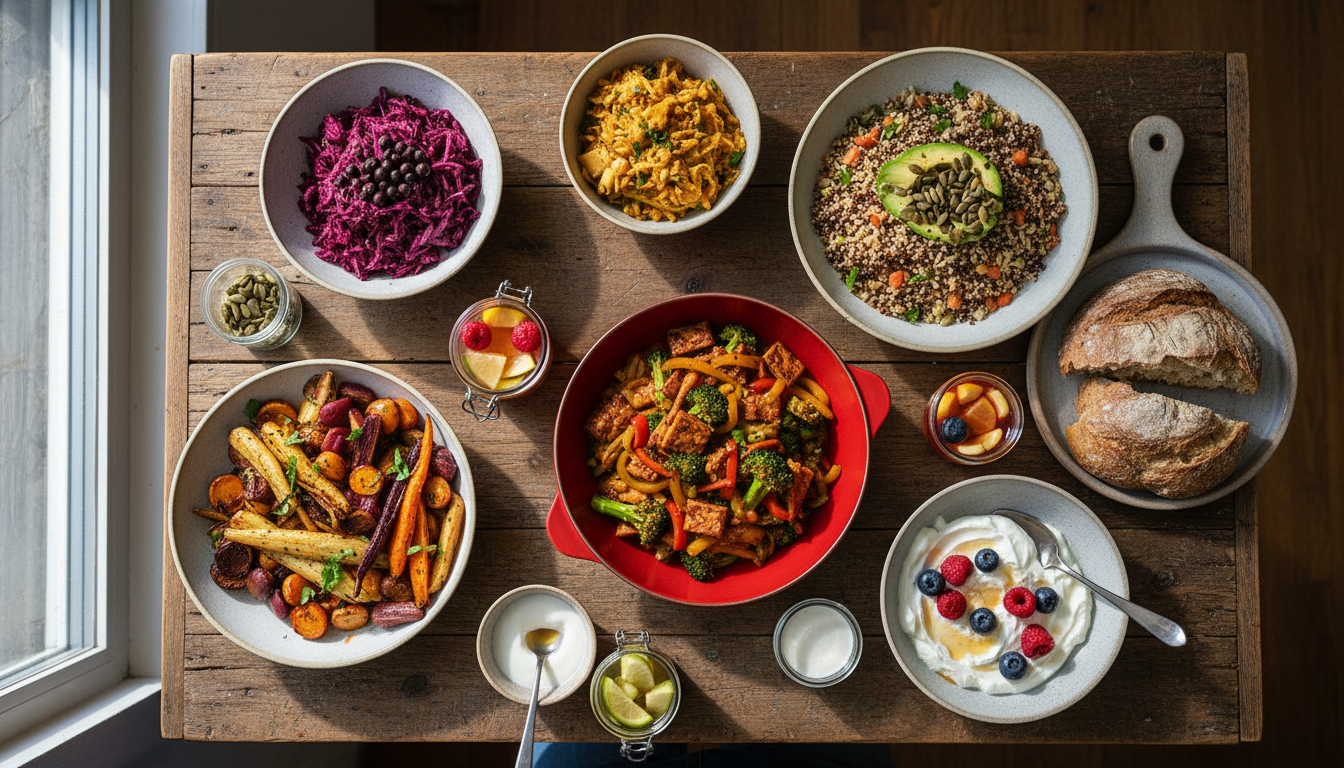
Meals for Gut Health: Transform Your Digestive Wellness Through Food
Your gut does more than digest food. It influences your immune system, mental clarity, and overall wellness. The digestive system houses trillions of bacteria that either support or hinder your health.
This Website contains affiliate links. That means I may earn a small commission if you purchase through my links, at no extra cost to you.
What you eat directly shapes this internal ecosystem. The right meals can restore balance, while poor choices create problems. Understanding which foods nurture beneficial gut bacteria gives you power over your wellbeing.
This guide explores practical meal strategies that support digestive health. You’ll discover specific ingredients and simple combinations that work with your body’s natural processes.
Why Your Gut Health Matters More Than You Think
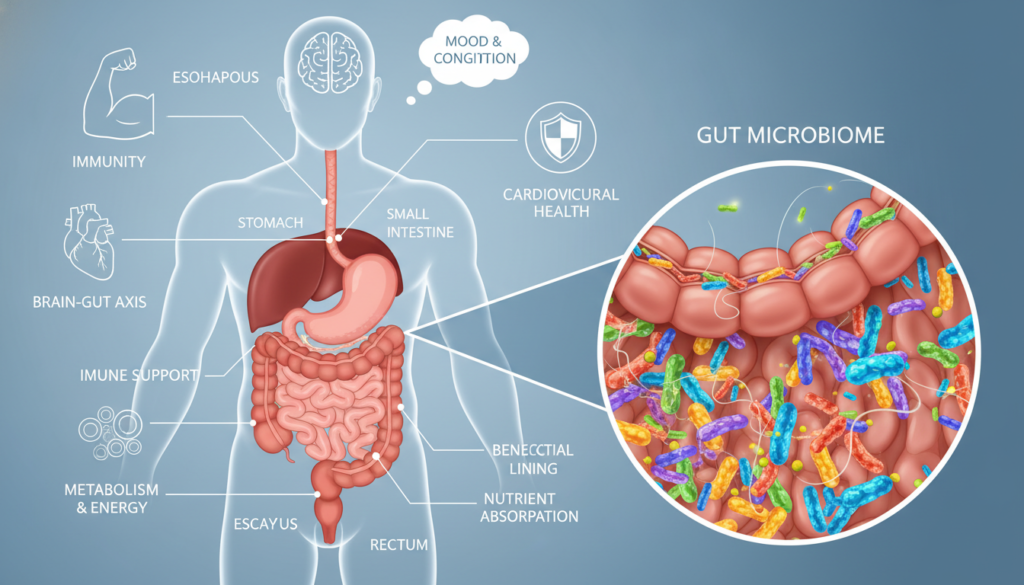
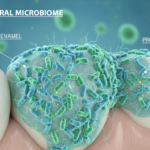
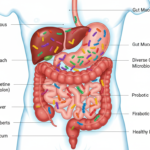
The gut contains approximately 100 trillion microorganisms. These bacteria, fungi, and other microbes form a complex community called the microbiome. This system affects digestion, immunity, mood, and disease resistance.
When gut bacteria maintain proper balance, they produce vitamins, protect against harmful organisms, and regulate inflammation. An imbalanced gut contributes to digestive discomfort, weakened immunity, and chronic health issues.
The Gut-Brain Connection
Your digestive system communicates constantly with your brain through the vagus nerve. This connection explains why gut problems often accompany stress, anxiety, or mood changes. Supporting gut health means supporting mental wellness too.
Good gut bacteria produce neurotransmitters including serotonin. Nearly 90 percent of your body’s serotonin originates in the digestive system. This explains the profound link between what you eat and how you feel.
Foundation Foods That Support Good Gut Health
Fiber: The Essential Nutrient for Gut Bacteria
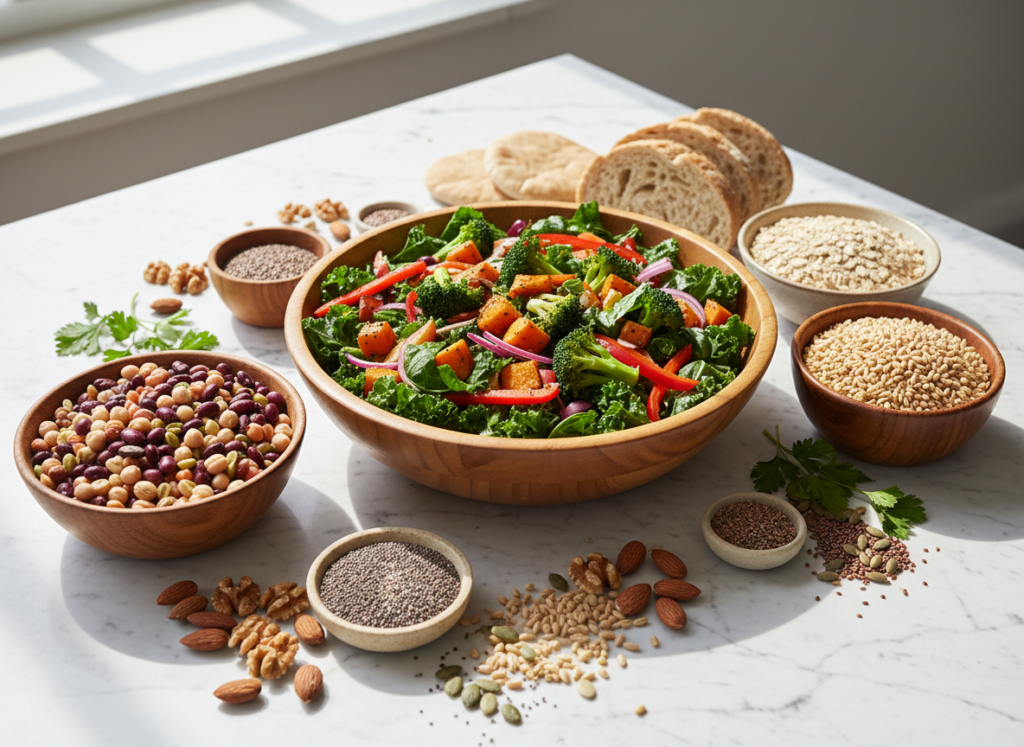
Dietary fiber feeds beneficial bacteria in your digestive system. These organisms ferment fiber into short-chain fatty acids that reduce inflammation and strengthen the intestinal barrier. Most people consume far less fiber than their gut needs.
Two types of fiber serve different purposes. Soluble fiber dissolves in water and forms a gel-like substance that slows digestion. Insoluble fiber adds bulk and helps food move through your system efficiently.
Soluble Fiber Sources
- Oats and barley
- Beans and lentils
- Apples and citrus fruits
- Carrots and sweet potatoes
- Flaxseeds and chia seeds
Insoluble Fiber Sources
- Whole wheat and brown rice
- Nuts and seeds
- Cauliflower and broccoli
- Green beans and dark leafy greens
- Potato skins
Combining both soluble and insoluble fiber creates the best environment for gut bacteria. Aim for variety rather than relying on single sources. Different fibers support different bacterial species.
Fermented Foods: Nature’s Probiotic Powerhouses
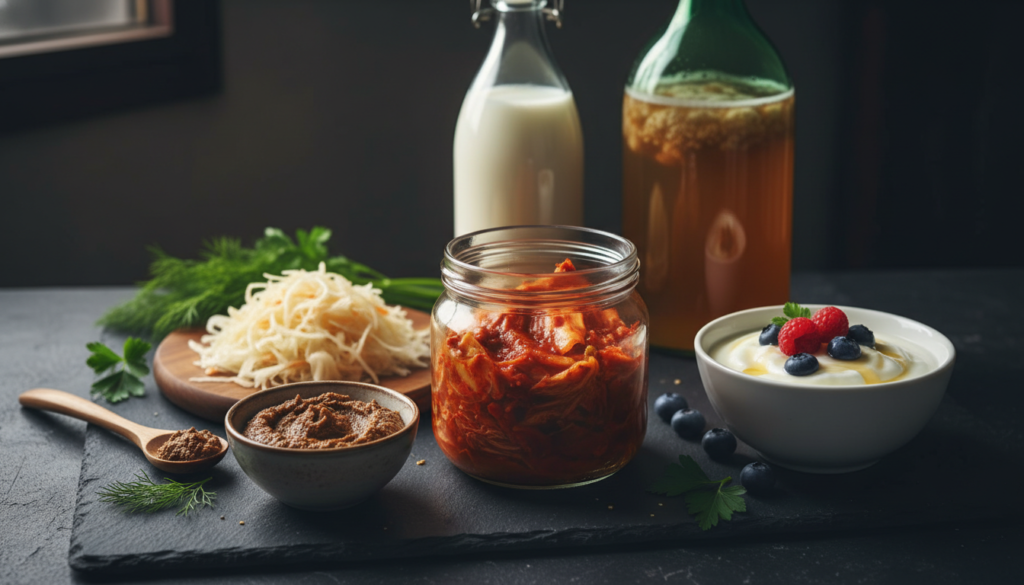
Fermented foods contain live probiotics that directly add beneficial bacteria to your gut. The fermentation process also creates enzymes that aid digestion and increase nutrient availability. These foods have supported human health for thousands of years.
Yogurt and Kefir
Yogurt provides accessible probiotics for most people. Look for labels stating “live active cultures” to ensure you get beneficial bacteria. Greek yogurt offers higher protein content while maintaining probiotic benefits.
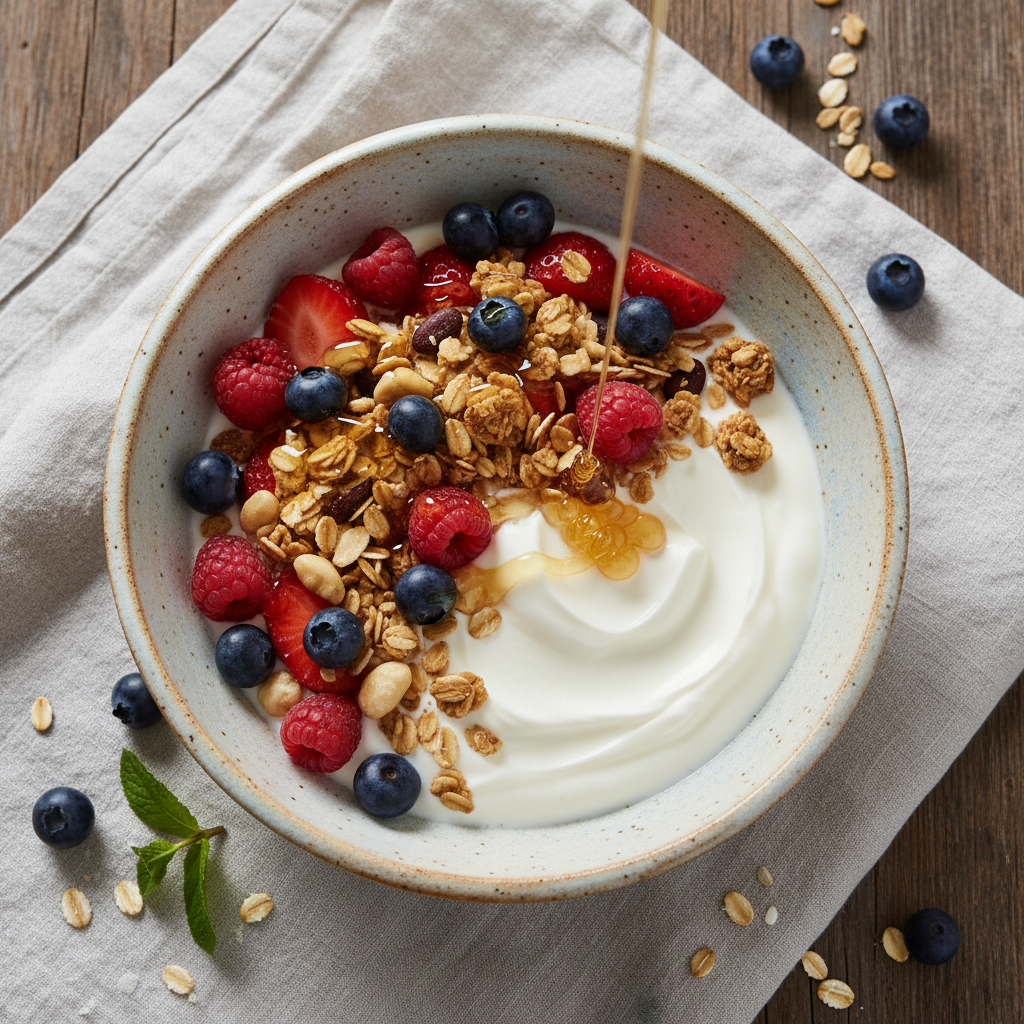
Kefir contains even more diverse bacterial strains than yogurt. This tangy drink supports gut bacteria while providing calcium and vitamins. Starting with small amounts helps your system adjust to the concentrated probiotics.
Miso and Its Versatile Applications
Miso paste delivers probiotics along with umami flavor. This fermented soybean product contains beneficial bacteria that survive the fermentation process. Adding miso to cooking creates depth while supporting digestive health.
A simple miso dressing transforms salads into gut-supporting meals. Mix miso with rice vinegar, a touch of honey, and sesame oil. This combination provides probiotics and enhances nutrient absorption from vegetables.

Miso soup offers comfort and nourishment. Avoid boiling miso directly, as high heat kills beneficial bacteria. Instead, add miso paste after removing soup from heat. Combine with tofu, seaweed, and spring onions for a complete gut-friendly meal.
Kimchi and Sauerkraut
These fermented vegetables provide fiber and probiotics simultaneously. The fermentation process increases vitamin content while creating beneficial acids. Both foods add bold flavors to meals without requiring cooking.
Kimchi contains garlic, ginger, and chili peppers alongside fermented cabbage. These ingredients offer additional compounds that support gut health. The spicy kick makes kimchi a flavorful addition to rice bowls and eggs.
Prebiotic Foods That Feed Your Gut Bacteria
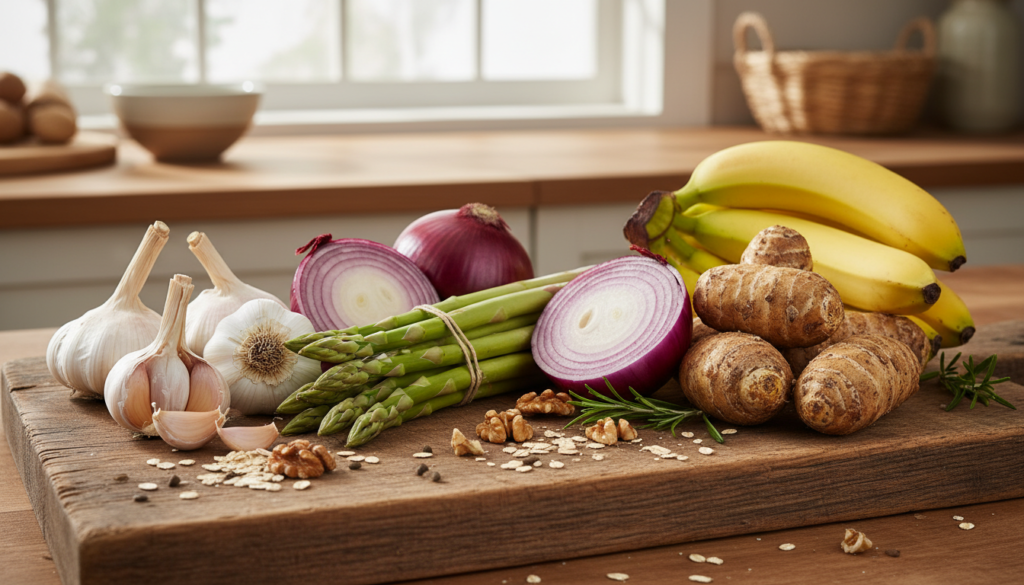
Prebiotics are specialized plant fibers that nourish beneficial gut bacteria. Unlike probiotics, which add new bacteria, prebiotics feed the bacteria already living in your digestive system. This targeted nutrition helps good bacteria thrive and multiply.
Garlic and Onions
Garlic contains inulin, a powerful prebiotic fiber. Raw garlic provides the most benefits, though cooked garlic still offers value. Adding fresh garlic to dressings or as a final touch to dishes preserves more of its prebiotic properties.
Onions deliver similar prebiotic benefits with a milder flavor profile. Both spring onions and regular onions support gut bacteria. Incorporating these aromatics into daily cooking naturally boosts your prebiotic intake.
Potatoes and Resistant Starch

Potatoes contain resistant starch, especially when cooked and then cooled. This type of starch resists digestion in the small intestine and reaches the colon intact. There, it feeds beneficial bacteria and produces helpful fatty acids.
Making potato salad or enjoying leftover roasted potatoes gives you more resistant starch than eating hot potatoes. This simple trick increases the gut health benefits without changing the basic recipe. Sweet potatoes offer similar advantages plus additional vitamins.
Bananas and Asparagus
Slightly green bananas provide resistant starch and prebiotic fiber. As bananas ripen, the resistant starch converts to simple sugars. Choosing bananas with some green coloring maximizes gut health benefits.
Asparagus contains inulin along with vitamins and minerals. This versatile vegetable works in salads, pasta dishes, or as a simple side. Light cooking preserves more of the prebiotic fiber than heavy roasting.
Healthy Fats That Protect Your Digestive System
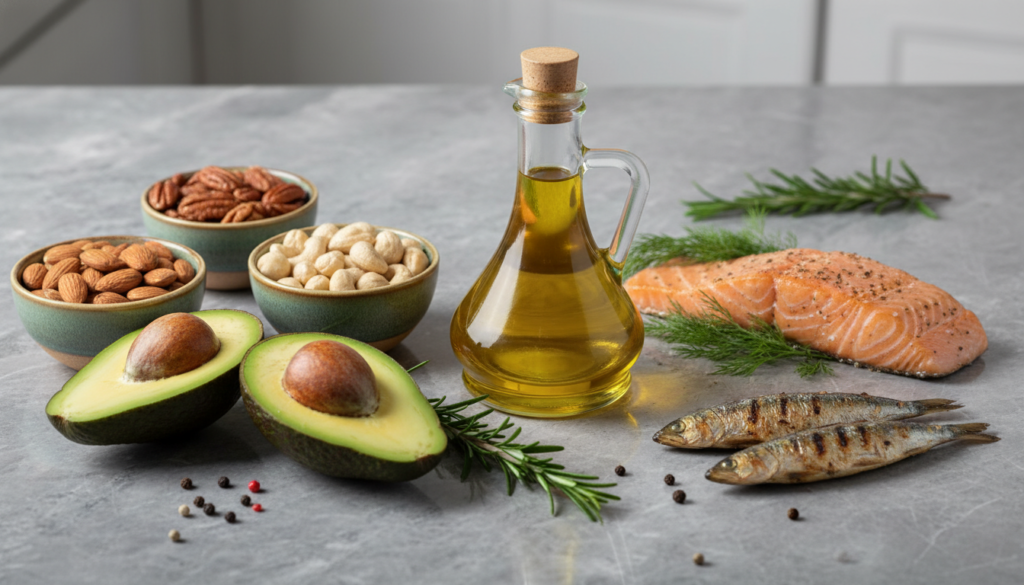
Certain fats support the intestinal lining and reduce inflammation throughout the digestive system. These beneficial fats help your body absorb vitamins while providing steady energy. Quality matters more than quantity when choosing dietary fats.
Olive Oil and Its Protective Properties
Extra virgin olive oil contains polyphenols that benefit gut bacteria. These compounds reduce harmful bacteria while supporting beneficial species. The fatty acids in olive oil also strengthen the intestinal barrier.
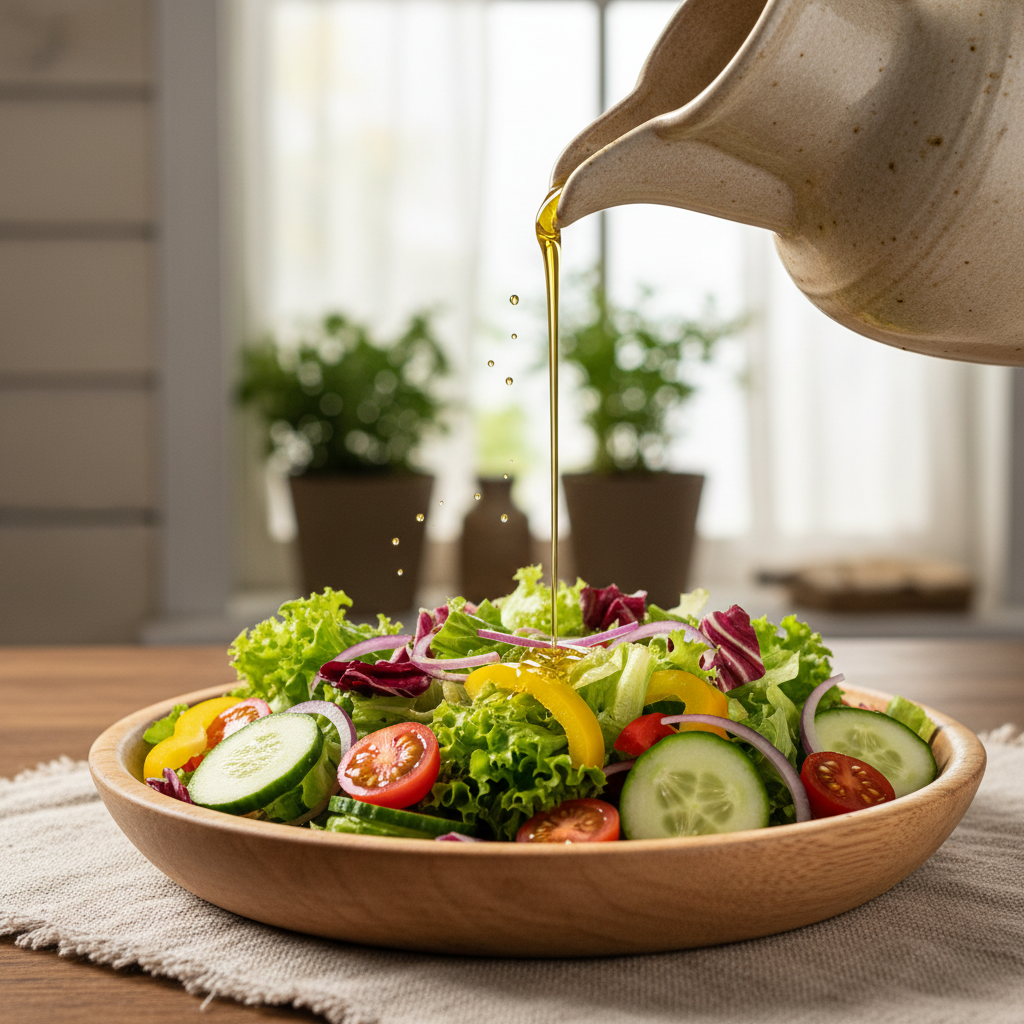
Using olive oil as your primary cooking fat provides consistent gut health support. Drizzling it over finished dishes preserves more polyphenols than high-heat cooking. A simple dressing of olive oil, lemon, and herbs enhances both flavor and nutrition.
Omega-3 Fatty Acids from Fish and Seeds
Fatty fish deliver omega-3 fatty acids that reduce intestinal inflammation. Salmon, mackerel, and sardines provide these beneficial fats along with protein. Including fish twice weekly supports both gut health and overall wellness.
Plant sources like flaxseeds and walnuts offer omega-3s for those avoiding fish. Ground flaxseed adds nutty flavor to smoothies while delivering fiber and healthy fats. Storing ground flaxseed in the refrigerator prevents oxidation.
Gut-Friendly Protein Sources for Balanced Meals
Eggs and Their Digestive Benefits
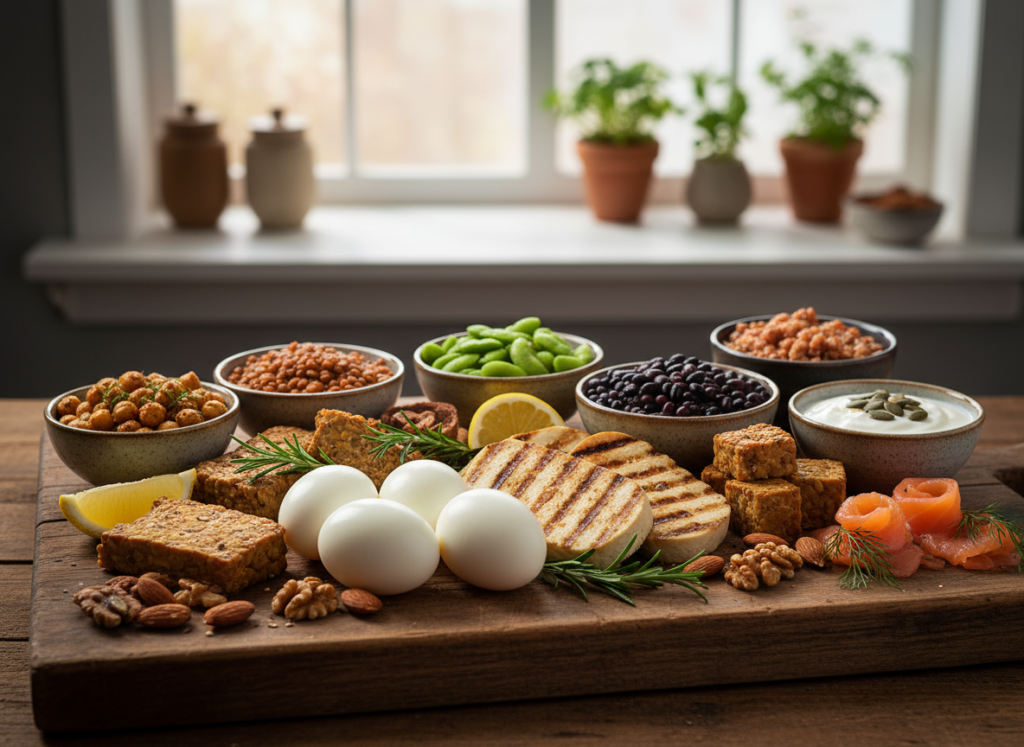
Eggs provide complete protein that’s easy to digest. They contain nutrients that support the gut lining, including choline and selenium. Cooking methods affect digestibility, with soft-boiled or poached eggs being gentlest on the system.
Adding eggs to meals increases satiety without burdening digestion. Scrambled eggs with vegetables create a simple gut-friendly breakfast. The combination of protein, fiber, and healthy fats from added olive oil supports sustained energy.
Tofu and Fermented Soy Products
Tofu offers plant-based protein that’s gentle on the digestive system. When choosing tofu, look for organic varieties made with traditional methods. Firm tofu works well in stir-fries, while silken tofu blends into smoothies.
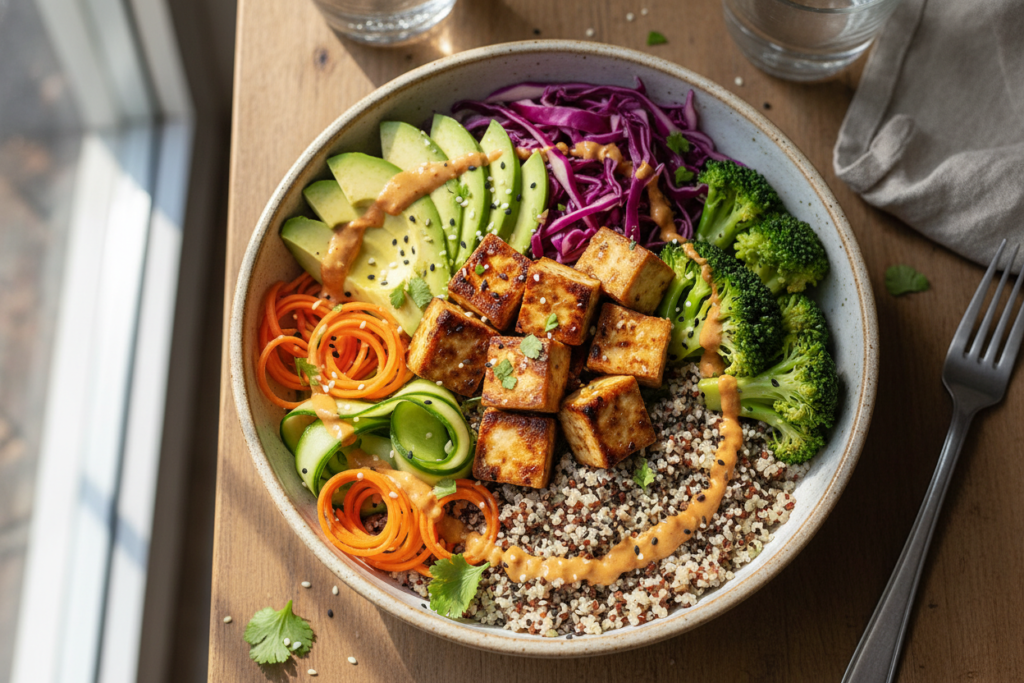
Tempeh provides probiotics along with protein. This fermented soy product contains beneficial bacteria that survived the fermentation process. Marinating tempeh before cooking enhances flavor while maintaining its gut health benefits.
Legumes: Fiber and Protein Combined
Beans and lentils deliver both protein and prebiotic fiber. This combination feeds gut bacteria while providing building blocks for tissue repair. Starting with smaller portions helps your system adjust to increased fiber intake.
Soaking dried beans before cooking reduces compounds that can cause digestive discomfort. Adding herbs like bay leaves or cumin during cooking further aids digestion. Canned beans offer convenience while still providing gut health benefits.
Simple Meal Ideas That Support Gut Health
Breakfast Options to Start Your Day Right
A kefir smoothie combines probiotics, fiber, and nutrients in one glass. Blend kefir with berries, banana, and ground flaxseed. This quick breakfast feeds good bacteria while providing sustained energy through the morning.
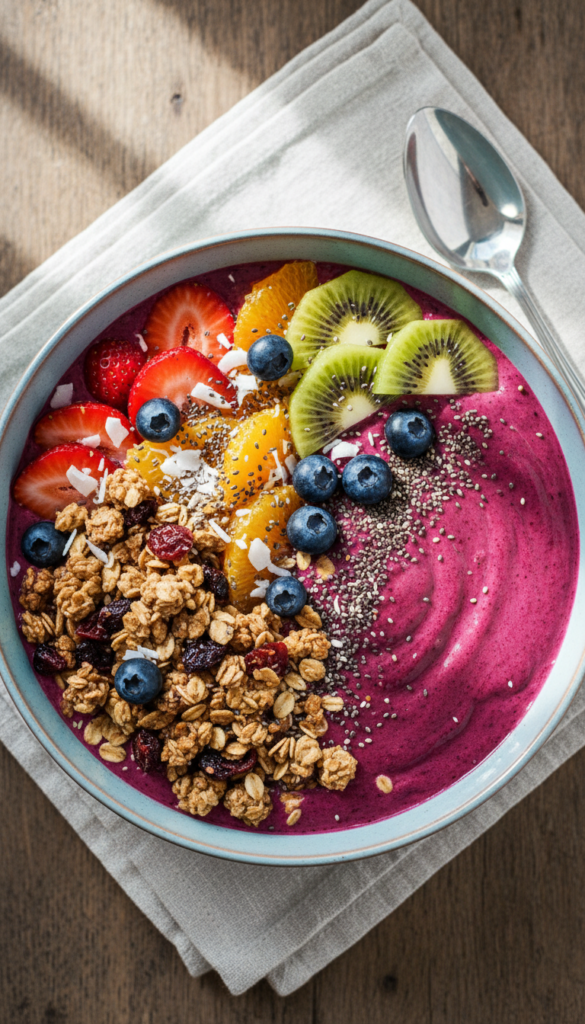
Overnight oats soaked in yogurt create another probiotic-rich breakfast. Add chia seeds, nuts, and fresh fruit for additional fiber and nutrients. Preparing this meal the night before saves morning time while maximizing gut health benefits.
Lunch Bowls That Nourish Your Gut
Build a grain bowl with brown rice, roasted vegetables, and a protein source. Top with kimchi and a miso dressing for layers of gut-supporting ingredients. This combination provides fiber, probiotics, and complete nutrition.
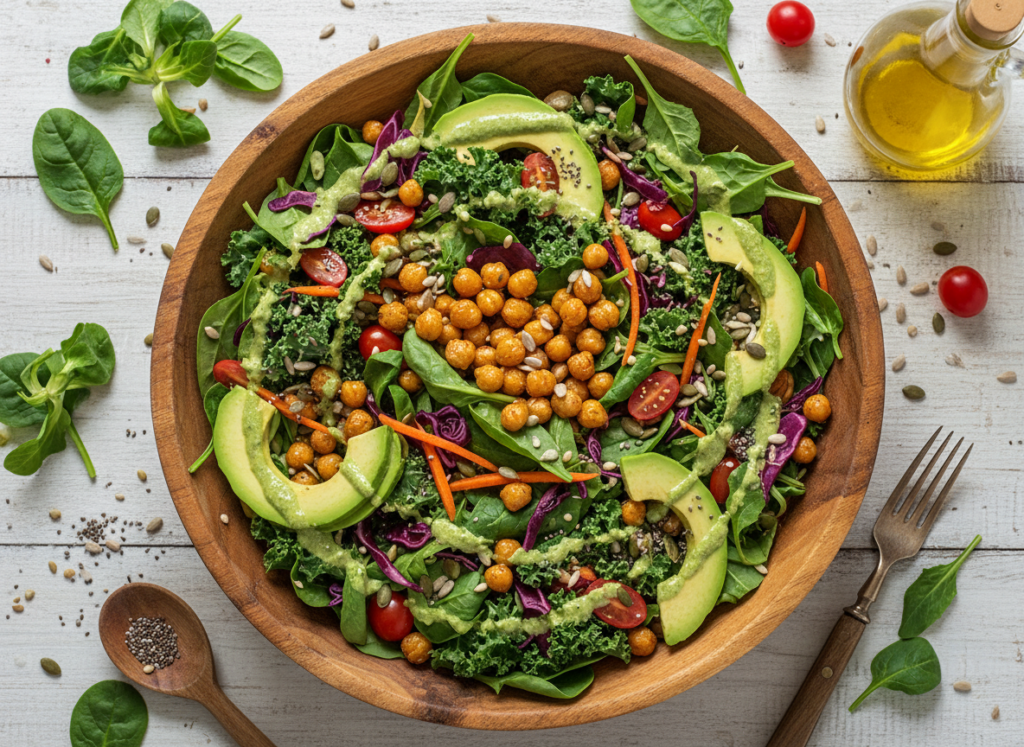
A simple salad becomes a gut health powerhouse with the right additions. Start with dark leafy greens and add chickpeas, avocado, and fermented vegetables. Dress with olive oil and lemon, then sprinkle with pumpkin seeds for extra nutrients.
Dinner Recipes for Digestive Wellness
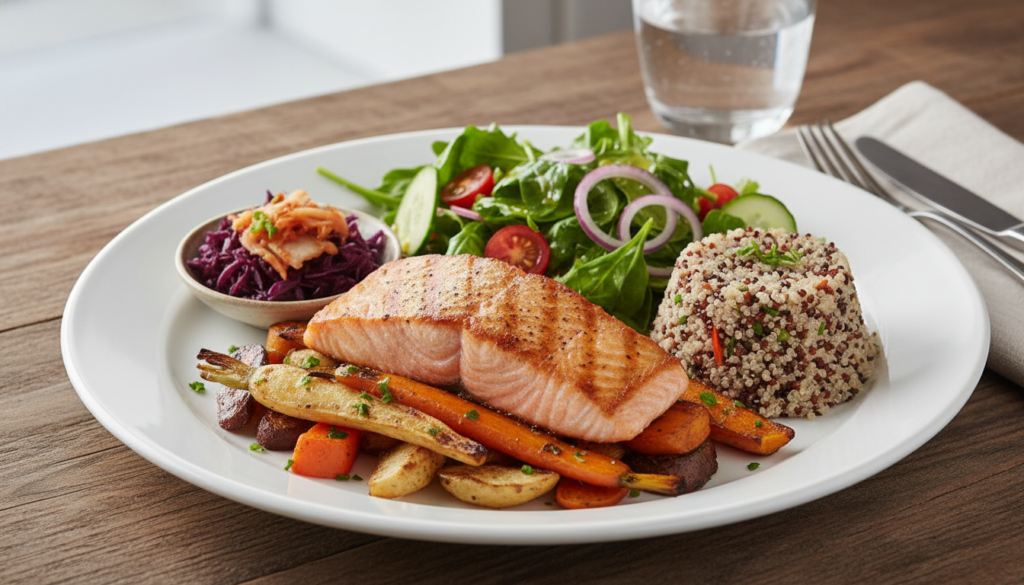
Miso-glazed salmon with roasted sweet potatoes offers omega-3s, probiotics, and resistant starch. The combination supports gut bacteria while providing anti-inflammatory benefits. Serve with steamed greens dressed in garlic and olive oil for additional prebiotic fiber.
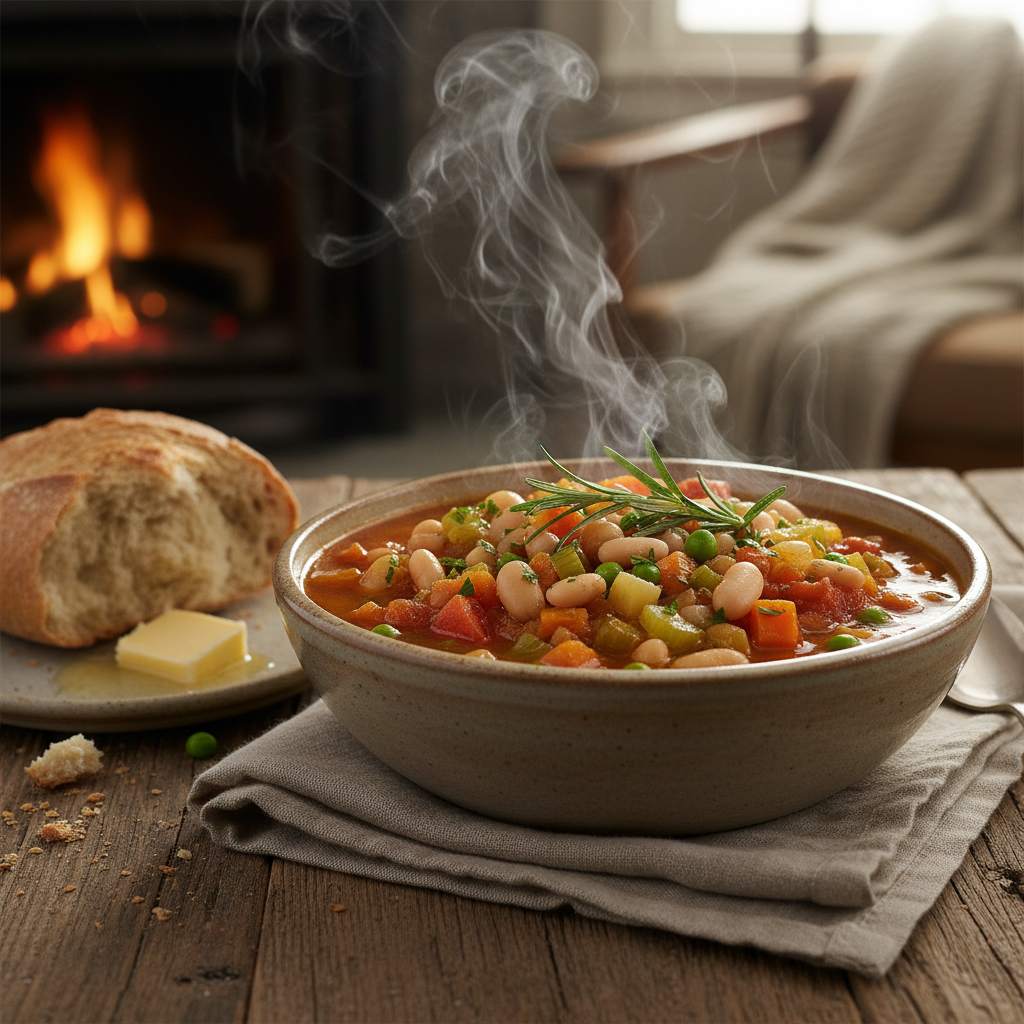
A hearty vegetable soup made with bone broth supports the gut lining. Add plenty of vegetables, beans, and fresh ginger for a complete meal. Finish with a spoonful of miso after cooking to preserve beneficial bacteria.
Snacks That Support Between-Meal Hunger
Yogurt with berries and a handful of nuts makes a satisfying snack. This combination provides probiotics, antioxidants, and healthy fats. Choose plain yogurt and add your own fruit to control sugar intake.
Apple slices with peanut butter deliver both soluble fiber and protein. The prebiotic fiber in apples feeds gut bacteria, while peanut butter provides staying power. This classic combination remains popular for good reason.
Foods That May Disrupt Gut Balance
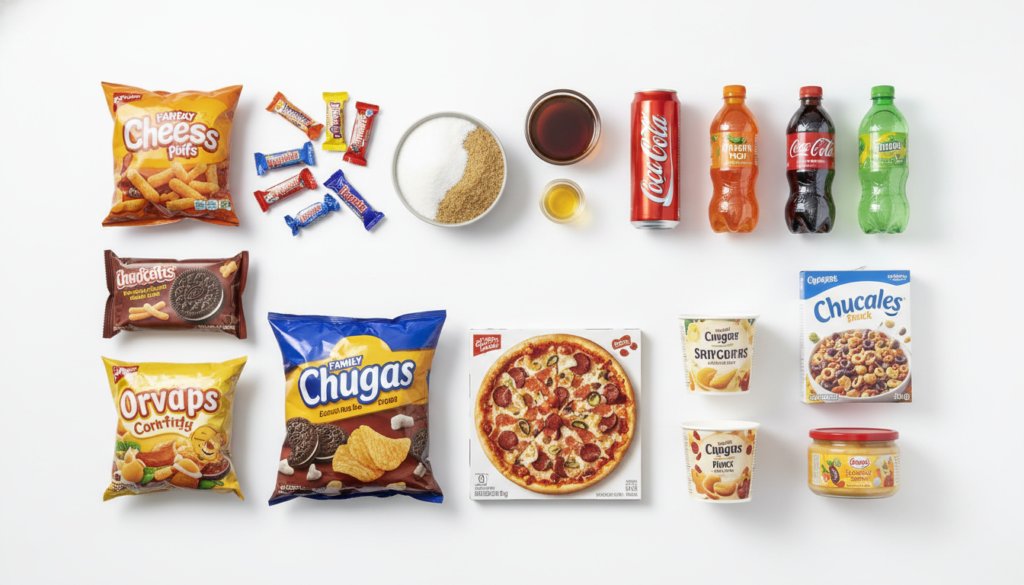
While focusing on beneficial foods, understanding potential disruptors helps maintain gut health. Some foods encourage harmful bacteria or damage the intestinal lining. Awareness allows you to make informed choices about occasional indulgences versus daily habits.
Excess Sugar and Refined Carbohydrates
High sugar intake feeds harmful bacteria while starving beneficial species. These bacteria produce inflammatory compounds that damage the gut lining. Refined carbohydrates behave similarly to sugar in the digestive system.
Reducing added sugar doesn’t mean eliminating all sweetness. Natural sugars from whole fruits come packaged with fiber that moderates their impact. Choosing whole grains over refined options provides sustained energy without disrupting gut balance.
Highly Processed Foods
Ultra-processed foods often contain additives that alter gut bacteria composition. Emulsifiers, artificial sweeteners, and preservatives can damage the protective mucus layer in your intestines. Choosing whole foods most of the time protects your microbiome.
Reading ingredient lists helps identify heavily processed items. Foods with long lists of unfamiliar ingredients typically offer less support for gut health. Simple, recognizable ingredients indicate better choices for your digestive system.
Excessive Alcohol
Alcohol disrupts the gut barrier and alters bacterial balance. Occasional moderate consumption causes less harm than regular heavy drinking. Supporting your gut with beneficial foods becomes even more important if you choose to drink alcohol.
Beyond Food: Lifestyle Factors for Gut Health

Stress Management and Digestive Health
Chronic stress directly impacts gut bacteria composition and digestive function. The gut-brain connection means mental stress creates physical digestive consequences. Managing stress through meditation, exercise, or other techniques supports overall gut health.
Mindful eating practices reduce stress during meals. Taking time to chew thoroughly and eat without distractions improves digestion. This simple habit allows your body to properly process and absorb nutrients from gut-healthy foods.
Sleep and the Microbiome
Poor sleep disrupts gut bacteria balance and weakens the intestinal barrier. Your microbiome follows circadian rhythms just like the rest of your body. Prioritizing consistent sleep schedules supports both gut health and overall wellness.
Movement and Digestive Function
Regular physical activity increases beneficial bacteria diversity. Exercise also promotes healthy digestion and regular bowel movements. Even gentle walking after meals aids digestive function and gut health.
Creating Sustainable Gut Health Habits
Transforming gut health requires consistency rather than perfection. Small, sustainable changes accumulate into significant improvements over time. Starting with one or two new habits prevents overwhelm while building momentum.
Start With Simple Additions
Adding one probiotic food daily creates a manageable first step. Whether it’s yogurt at breakfast or kimchi at lunch, this single change begins shifting your gut bacteria. Once this becomes routine, add another beneficial food or practice.
Increasing fiber gradually prevents digestive discomfort. Your gut bacteria need time to adjust to dietary changes. Adding an extra serving of vegetables each day allows your system to adapt naturally.
Meal Planning for Success
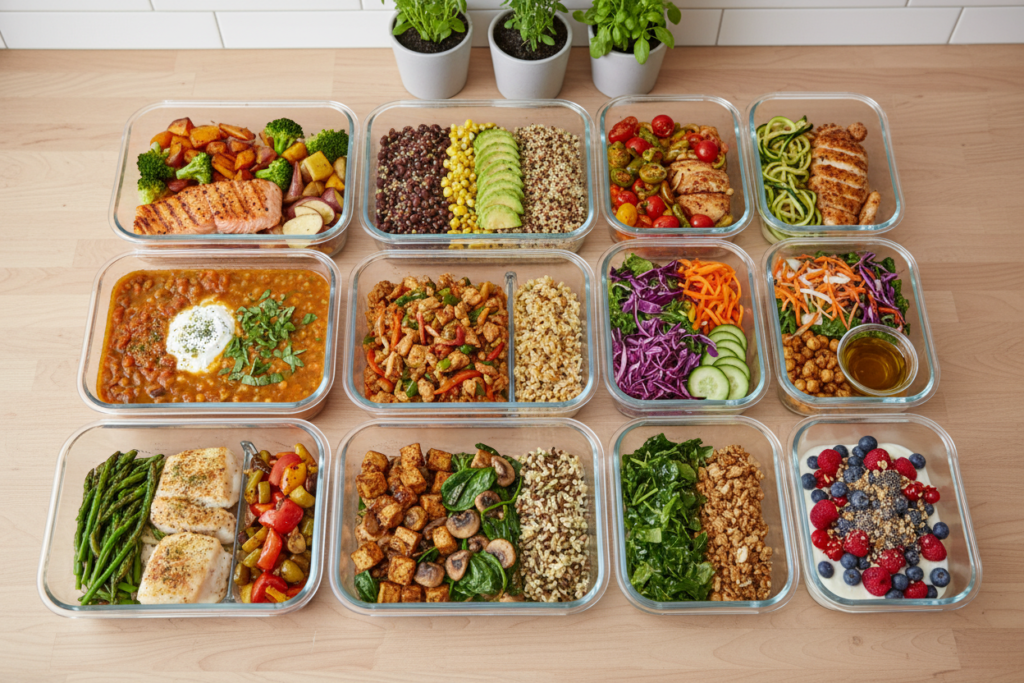
Planning meals around gut-healthy ingredients simplifies daily choices. Keeping staples like olive oil, garlic, yogurt, and frozen vegetables ensures you always have options. Batch cooking grains and beans saves time while supporting consistent habits.
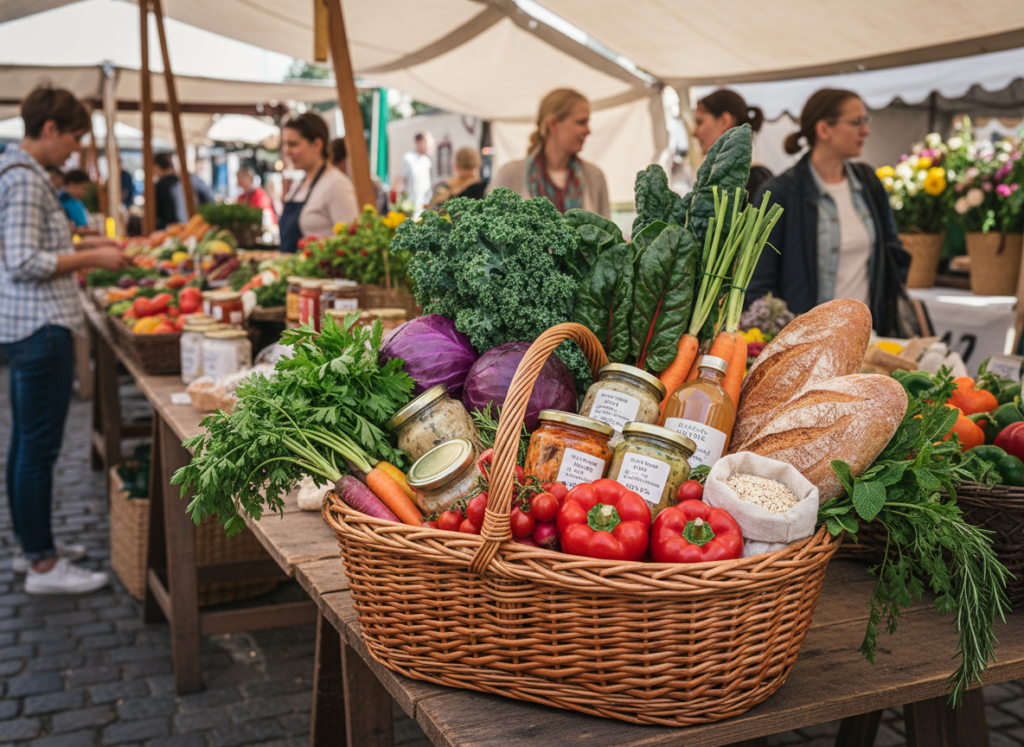
Shopping with a list focused on whole foods prevents impulse purchases of gut-disrupting items. Filling your cart with vegetables, fruits, whole grains, and quality proteins sets you up for success. Having the right ingredients available makes healthy choices easier.
Tracking Your Progress
Paying attention to how foods make you feel provides valuable feedback. Some people thrive on certain fermented foods while others respond better to different options. Your unique microbiome means personalization improves results.
Keeping a simple food journal helps identify patterns between meals and digestive comfort. Note energy levels, mood, and any digestive symptoms. This information guides you toward foods that work best for your specific needs.
Discover the Complete Approach to Restoring Gut Health
While eating the right meals provides essential support for your digestive system, many people find that diet alone doesn’t fully resolve their gut health challenges. You’ve learned about beneficial foods and meal strategies, but there’s more to the story of achieving optimal gut balance.
Watch this free presentation to discover the surprising science behind complete gut restoration. You’ll learn about the specific strains of beneficial bacteria that research shows make the biggest difference, and why most approaches miss critical elements of digestive wellness.
Your Path Forward to Better Digestive Wellness

Supporting your gut health through food represents one of the most powerful choices you can make for overall wellness. The meals you choose directly influence the trillions of bacteria working to keep your digestive system functioning optimally.
Every ingredient discussed in this guide offers specific benefits. Fiber feeds beneficial bacteria. Fermented foods introduce helpful probiotics. Healthy fats protect your intestinal lining. Together, these elements create an environment where good gut bacteria thrive.
Starting small leads to lasting change. Adding one probiotic food, increasing vegetables by one serving, or choosing whole grains over refined options begins shifting your internal ecosystem. These simple changes compound over time into significant improvements.
Remember that gut health extends beyond individual meals. Stress management, adequate sleep, and regular movement all contribute to a balanced microbiome. Addressing these lifestyle factors alongside dietary choices creates the most comprehensive support for your digestive system.
Your journey toward better gut health deserves the most effective tools and knowledge available. The food strategies outlined here provide a strong foundation, but understanding the complete picture of gut restoration helps you achieve faster, more lasting results.
The power to transform your digestive wellness sits on your plate at every meal. Choose foods that nourish beneficial bacteria, and your gut will reward you with improved digestion, stronger immunity, and enhanced overall health. Your path to better gut health starts with the very next meal you prepare.