

Morning Routine for Mental Clarity: Transform Your Day Before It Starts
The first hour of your day determines everything that follows. While most people stumble through their morning routine in a fog, those who understand the power of intentional morning habits wake up to mental clarity that transforms their entire life. Your brain is most receptive to positive changes in the morning, making this the perfect time to set the foundation for mental well-being.
This Website contains affiliate links. That means I may earn a small commission if you purchase through my links, at no extra cost to you.
Starting your day with purpose changes how you think, feel, and respond to stress throughout the day. The world moves fast, and without a solid morning routine, you’re simply reacting instead of taking control. This isn’t about waking up at dawn or spending hours in complicated rituals. It’s about understanding which habits create lasting mental clarity and how to implement them effectively.
Today, you’ll discover the science-backed strategies that successful people use to maintain focus, reduce anxiety, and boost their mood from the moment they wake up. These aren’t theoretical concepts but practical steps you can start implementing tomorrow morning.
Why Your Morning Routine Holds the Key to Mental Clarity

Your brain operates differently in the morning than any other time during the day. Research shows that cortisol levels peak within 30 minutes of waking, creating a natural window for mental alertness. This biological rhythm provides a unique opportunity to shape your mental state before external stressors take over.
Mental health professionals consistently point to morning habits as predictors of overall well-being. When you establish an intentional morning routine, you’re not just organizing your time. You’re training your brain to respond to stress with resilience rather than anxiety. The tone you set in those first moments ripples through every interaction and decision you make.
People who skip their morning routine often report feeling like they’re constantly playing catch-up. They experience higher stress levels and lower mood stability. The brain craves structure, and providing it first thing in the morning creates a sense of control that reduces depression and anxiety throughout the day.
The benefits extend beyond just feeling good. A consistent morning routine enhances cognitive function, improves memory retention, and sharpens decision-making abilities. Your mind processes information more efficiently when it starts the day with clarity rather than chaos.
Ready to Experience True Mental Clarity?
Discover the proven system that thousands have used to transform their mornings and reclaim their mental clarity. This step-by-step blueprint eliminates guesswork and shows you exactly what works.
The Science Behind Morning Routines and Brain Function
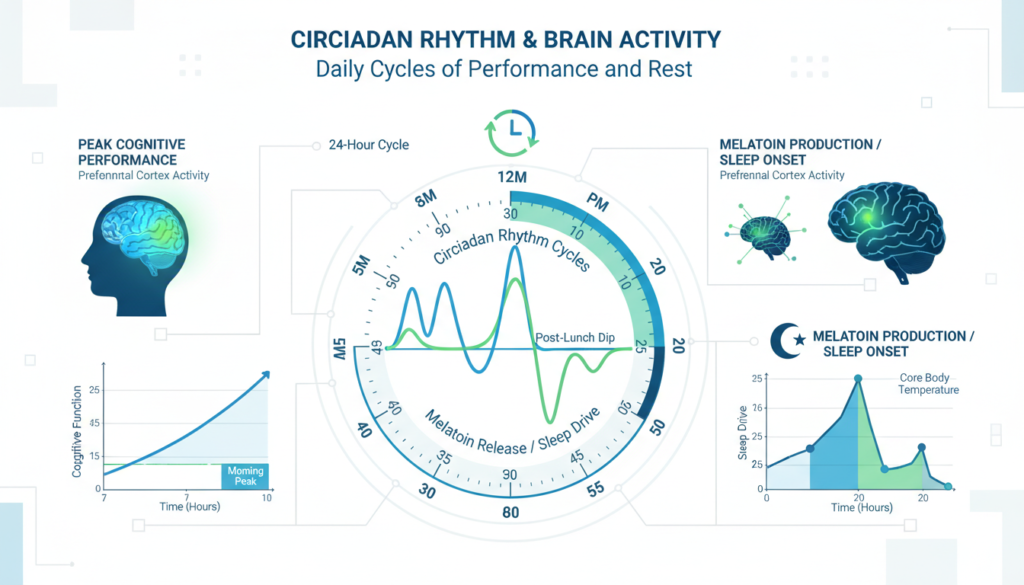
Neuroscience reveals fascinating insights about how morning habits rewire the brain for mental clarity. The prefrontal cortex, responsible for complex thinking and decision-making, functions at peak capacity during morning hours. This makes it the ideal time to establish positive behavior patterns that become automatic over time.
Studies on neuroplasticity demonstrate that consistent morning practices create new neural pathways. Each time you repeat a habit at the same time every day, you strengthen these connections. Within weeks, behaviors that once required conscious effort become effortless, freeing up mental energy for more important tasks.
The role of dopamine in morning routines cannot be overstated. Completing small, meaningful tasks first thing in the morning triggers dopamine release. This neurochemical creates feelings of accomplishment and motivation that cascade throughout the day. Your brain literally becomes addicted to starting well.

How Morning Exercise Impacts Mental Clarity
Physical movement in the morning floods your brain with oxygen and nutrients. Even light exercise increases blood flow to the prefrontal cortex, enhancing focus and mental sharpness. This isn’t about intense workouts but simple movement that awakens your body and mind.
Exercise also regulates stress hormones like cortisol and adrenaline. While these hormones are naturally elevated in the morning, movement helps balance them. This prevents the anxiety and overwhelm that many people experience when they skip their morning routine.
Sleep quality directly influences morning mental clarity. People who maintain consistent sleep schedules experience better cognitive performance in the morning. The brain consolidates memories and processes emotions during sleep, making the transition from sleep to wakefulness crucial for mental health.
Temperature regulation plays a surprising role in mental clarity. Your core body temperature drops during sleep and rises upon waking. Activities that support this natural temperature increase, like cold water exposure or warm beverages, signal to your brain that it’s time for alertness and focus.
Essential Components of a Mental Clarity Morning Routine

Building an effective morning routine requires understanding which components deliver the most significant impact on mental clarity. Not every habit serves everyone equally, but certain foundational practices consistently produce results across different lifestyles and schedules.
Hydration: The First Step to Mental Clarity
Your brain is 73 percent water, and even mild dehydration impairs cognitive function. Drinking water first thing in the morning rehydrates your brain after hours of sleep. This simple habit improves concentration, reduces brain fog, and jumpstarts your metabolism.
Many people reach for coffee before water, creating a cycle of dehydration and dependency. While caffeine has its place, starting with water ensures your brain has the resources it needs to function optimally. Add lemon for vitamin C and digestive benefits.

Mindfulness and Meditation Practices
Meditation in the morning trains your brain to maintain focus throughout the day. Studies show that just five minutes of mindfulness practice reduces stress hormones and increases activity in brain regions associated with emotional regulation. You don’t need extensive experience to benefit from this practice.
Starting with breath awareness creates immediate calm. Focus on your breathing pattern, noticing the inhale and exhale without trying to change it. This anchors your attention to the present moment, reducing anxiety about the day ahead and rumination about yesterday.

Journaling for Mental Organization
Writing in a journal each morning clears mental clutter before the day begins. This practice creates space for new thoughts and ideas by externalizing worries, goals, and reflections. Many successful people credit journaling as their most valuable morning habit.
Gratitude journaling specifically improves mood and mental health. Writing three things you’re grateful for rewires your brain to notice positive aspects of life. Over time, this simple practice combats depression and creates a more optimistic outlook on the world.
Movement and Physical Activity
Exercise doesn’t require a gym membership or hour-long sessions. Simple stretching, yoga, or a brief walk around your neighborhood delivers significant mental health benefits. Movement releases endorphins, natural mood elevators that reduce stress and anxiety.
The key is consistency over intensity. Your brain benefits more from daily moderate activity than sporadic intense workouts. Find movement that feels enjoyable rather than punishing, and your morning routine becomes something you look forward to instead of dread.
Struggling to Make These Habits Stick?
The difference between knowing what to do and actually doing it comes down to having the right system. Get access to a proven framework that makes these essential habits automatic and effortless.
Step-by-Step Guide to Building Your Morning Routine
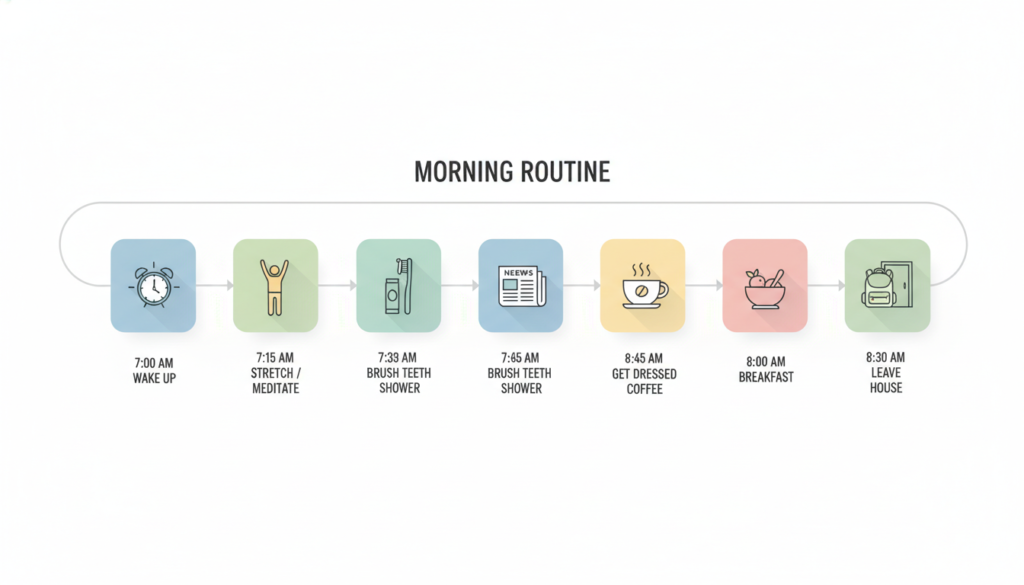
Creating a morning routine that enhances mental clarity doesn’t happen overnight. The process requires intentional design, gradual implementation, and patience with yourself as new habits take root. Here’s exactly how to build a routine that works for your unique lifestyle and schedule.
Starting Small: The First Week
Begin with just one habit for the first seven days. Trying to change everything at once overwhelms your brain and leads to failure. Pick the single practice that resonates most with you, whether that’s hydration, five minutes of meditation, or a brief journaling session.
Set your alarm fifteen minutes earlier than usual. This small time investment prevents the feeling of being rushed, which defeats the purpose of starting your day with clarity. Those fifteen minutes create space for mindfulness rather than chaos.

Week Two: Adding Layers
Once your first habit feels automatic, add a second practice. Stack this new habit onto the existing one by creating a sequence. For example, if you started with water upon waking, add five minutes of stretching immediately after drinking. This habit stacking technique leverages existing routines to build new ones.
Track your progress in a simple calendar or app. Seeing consecutive days of completion activates the reward centers in your brain. This visual representation of your commitment reinforces the behavior and motivates you to maintain your streak.
Building to Your Complete Routine
By week three or four, you can expand to a full routine that might look like this example:
- Wake up at your chosen time (no snooze button)
- Drink a full glass of water with lemon
- Five to ten minutes of meditation or deep breathing
- Journal for five minutes (gratitude or free writing)
- Ten to fifteen minutes of physical movement
- Healthy breakfast that includes protein and healthy fats
- Review your top three priorities for the day
This entire sequence takes about 45 minutes to an hour. Remember, this is time invested in your mental health, not time lost. The clarity and focus you gain returns that investment many times over throughout the day.

Customizing for Your Lifestyle
No single routine works for everyone. Parents with young children need different strategies than people living alone. Shift workers require flexibility that traditional morning routines don’t address. The key principles remain the same, but the implementation must fit your reality.
If you can’t do a full routine every day, maintain a shortened version for busy mornings. Even five minutes of intentional practice preserves the neural pathways you’ve built. Consistency matters more than perfection or duration.
Dealing with Weekends and Off Days
Many people abandon their morning routine on weekends, thinking it’s a reward for their hard work. This actually disrupts your circadian rhythm and makes Monday mornings harder. Maintain similar wake times and at least a modified version of your routine.
You can sleep an extra hour on weekends if needed, but avoid drastically different wake times. Your brain thrives on consistency. The more regular your schedule, the better your sleep quality and morning mental clarity become over time.
Common Mistakes That Sabotage Your Morning Routine

Understanding what doesn’t work proves just as important as knowing what does. These common pitfalls derail even well-intentioned people. Recognizing them helps you avoid wasted time and frustration as you build your intentional morning routine.
The Snooze Button Trap
Hitting snooze fragments your sleep cycles and creates grogginess that lasts for hours. Each time you fall back asleep, your brain begins a new sleep cycle it can’t complete. This leaves you more tired than if you had simply gotten up at the first alarm.
The solution involves placing your alarm across the room, forcing physical movement to turn it off. By the time you’ve stood up and walked, your body has initiated the waking process. Combine this with going to bed earlier, ensuring adequate sleep that makes morning waking easier.
Checking Your Phone First Thing
Scrolling through emails, news, or social media immediately upon waking floods your brain with other people’s priorities and problems. This triggers stress hormones and shifts your mental state from calm to reactive. Your first thoughts should be your own, not messages from the world.
Keep your phone out of the bedroom or in airplane mode overnight. Use a traditional alarm clock instead. This single change dramatically improves morning mental clarity by protecting the crucial first minutes of your day from digital chaos.

Skipping Breakfast or Poor Food Choices
Your brain requires glucose to function optimally, and breakfast provides the fuel needed for mental clarity. Skipping this meal or choosing sugary, processed options creates blood sugar crashes that impair focus and increase irritability by mid-morning.
A balanced breakfast should include protein, healthy fats, and complex carbohydrates. This combination provides sustained energy and stable blood sugar. Examples include eggs with vegetables, Greek yogurt with nuts and berries, or oatmeal with nut butter and fruit.
Overcomplicating Your Routine
Some people design elaborate morning routines that require an hour or more of specialized equipment and complex steps. While ambition is admirable, complexity becomes the enemy of consistency. If your routine feels like a chore, you won’t maintain it long-term.
Simplicity wins. Choose three to five core practices that you can complete in 30 to 45 minutes. These habits should feel nourishing rather than demanding. As one habit becomes automatic, you can add another, but never at the expense of sustainability.
Inconsistent Sleep Schedules
Going to bed and waking up at wildly different times confuses your circadian rhythm. This makes every morning feel difficult, regardless of how perfect your routine might be. Sleep consistency forms the foundation upon which all other morning habits rest.
Set a consistent bedtime that allows for seven to eight hours of sleep. Work backward from your desired wake time. Your brain will adjust within two weeks, making mornings progressively easier as your natural rhythm aligns with your schedule.
Avoid These Mistakes with a Proven Blueprint
Stop wasting time on trial and error. Get access to a tested system that eliminates these common pitfalls and fast-tracks your journey to morning mental clarity. Thousands have already transformed their mornings with this approach.
Mental Health Benefits of a Consistent Morning Routine

The connection between morning habits and mental health extends far beyond simply feeling more organized. Research demonstrates that consistent morning routines create measurable improvements in psychological well-being, emotional regulation, and overall life satisfaction.
Reducing Anxiety Through Predictability
Anxiety often stems from uncertainty and lack of control. A structured morning routine provides predictability in an unpredictable world. When you know exactly what to expect each morning, your nervous system relaxes. This reduces the baseline anxiety that many people carry throughout their day.
The ritual aspect of routine activates the parasympathetic nervous system, your body’s natural calming mechanism. Repeated actions at consistent times signal safety to your brain. Over weeks and months, this rewires your default stress response, making you more resilient to unexpected challenges.
Combating Depression with Structure
Depression often manifests as difficulty initiating activities and a sense of helplessness. Morning routines combat these symptoms by creating automatic positive actions that don’t require motivation. When your routine becomes habit, you complete life-affirming practices even when mood is low.
Small accomplishments early in the day create momentum. Finishing your morning routine, even a simple one, provides a sense of achievement. This counters the hopelessness characteristic of depression and builds self-efficacy over time.

Improving Mood Regulation
Mood stability requires balanced neurotransmitters and regulated stress hormones. Morning routines that include exercise, sunlight exposure, and mindfulness naturally optimize these brain chemicals. The result is fewer mood swings and greater emotional equilibrium throughout the day.
Exposure to natural light in the morning regulates serotonin production, the neurotransmitter most associated with mood. Even five minutes outside or near a bright window signals to your brain that it’s time to increase serotonin, improving mood naturally without medication.
Building Resilience to Stress
Life inevitably brings challenges, but morning routines build your capacity to handle them. Think of your routine as a daily deposit into your stress resilience account. Each morning practice strengthens your ability to remain calm under pressure and recover quickly from setbacks.
Meditation and breathing exercises during your morning routine train the exact neural networks needed for stress management. When challenges arise later in the day, your brain can access these practiced calm states more easily. The benefits compound over time, creating lasting changes in how you experience stress.

Enhancing Self-Esteem and Confidence
Keeping commitments to yourself builds self-trust. Each morning you complete your routine, you prove to yourself that you’re capable of follow-through. This self-evidence accumulates, strengthening your identity as someone who takes care of their mental health.
The discipline developed through morning routines transfers to other areas of life. People often report improved performance at work, better relationships, and greater willingness to pursue goals after establishing consistent morning habits. Success breeds success.
Creating Better Sleep Quality
Morning routines improve sleep quality by regulating circadian rhythms. Consistent wake times train your body when to produce cortisol for alertness and melatonin for sleep. Better sleep, in turn, enhances morning mental clarity, creating a positive feedback loop.
Morning exercise helps you fall asleep faster and experience deeper sleep cycles at night. The timing matters more than the intensity. Even gentle movement in the morning proves more beneficial for sleep than evening exercise, which can actually interfere with the wind-down process.
Creating Your Personalized Morning Routine for Mental Clarity

While core principles guide effective morning routines, your specific implementation should reflect your unique circumstances, preferences, and goals. Creating a personalized approach ensures long-term sustainability and maximizes mental clarity benefits.
Assessing Your Current Morning Patterns
Before designing your ideal routine, examine your current morning habits honestly. Track what you actually do for a week without judgment. What time do you wake up? What’s the first thing you reach for? How do you feel by mid-morning? This baseline data reveals patterns to keep and behaviors to change.
Identify your chronotype, whether you’re naturally a morning person or night owl. While you can shift your rhythm somewhat, fighting your biology creates unnecessary resistance. Early chronotypes might thrive with longer morning routines, while later chronotypes benefit from simplified practices.
Defining Your Mental Clarity Goals
What does mental clarity mean specifically for you? Some people need better focus for creative work. Others want reduced anxiety. Parents might prioritize patience and emotional regulation. Your routine should target your specific mental health needs rather than generic wellness.
Write down three outcomes you want from your morning routine. Examples include improved concentration at work, reduced stress reactivity, better mood throughout the day, or increased energy levels. These goals guide which practices to prioritize in your personalized routine.

Selecting Your Core Practices
Choose three to five practices from the essential components discussed earlier. Quality trumps quantity. Three consistent practices deliver more benefits than ten sporadically executed habits. Consider what genuinely appeals to you rather than what you think you should do.
Mix practices that address different aspects of well-being. For example, combine physical movement, mental focus, and emotional processing. A balanced routine might include stretching, meditation, and journaling. This holistic approach supports comprehensive mental clarity.
Determining Your Timeline
Calculate how much time you can realistically dedicate to your morning routine. Be honest about your constraints. A parent with young children might only have twenty minutes, while someone living alone could invest an hour. Start with available time and expand gradually if desired.
Allocate specific minutes to each practice. For a thirty-minute routine, you might assign five minutes to hydration and reflection, ten minutes to meditation, ten minutes to movement, and five minutes to planning your day. This structure prevents one activity from consuming all available time.
Planning Your Environment
Your physical space significantly impacts routine success. Prepare your environment the night before. Lay out workout clothes, fill your water bottle, place your journal where you’ll see it. Reducing friction between intention and action increases follow-through dramatically.
Create a dedicated space for your morning practice if possible. This doesn’t require a separate room; a specific chair for meditation or corner for stretching works perfectly. Your brain associates this space with your routine, making it easier to slip into the right mindset.

Building in Flexibility
Life happens. Travel, illness, and unexpected events will disrupt even the best routine. Plan a minimal viable routine, perhaps just ten minutes of your most essential practices. This fallback prevents all-or-nothing thinking that leads to complete abandonment.
Seasonal adjustments keep your routine sustainable year-round. Winter mornings might emphasize indoor practices and extra sleep, while summer allows for outdoor movement and earlier wake times. Adaptability demonstrates self-compassion and supports long-term consistency.
Design Your Perfect Morning Routine in Minutes
Stop guessing and get a personalized roadmap tailored to your lifestyle. This comprehensive system includes planning templates, customization guides, and step-by-step instructions that make creating your ideal routine simple and effective.
Overcoming Obstacles to Your Morning Routine

Even with perfect planning, obstacles emerge that threaten your morning routine commitment. Anticipating these challenges and developing strategies to overcome them separates those who maintain long-term success from those who give up after a few weeks.
The Motivation Myth
Waiting for motivation to start your morning routine guarantees failure. Motivation fluctuates daily based on mood, stress, and countless other factors. Successful people rely on discipline and systems, not feelings. Your routine happens regardless of whether you feel like it.
Build identity-based habits rather than outcome-based ones. Instead of thinking “I want to be less stressed,” tell yourself “I’m someone who prioritizes mental health each morning.” This subtle shift in self-concept makes the behavior part of who you are rather than something you’re trying to achieve.
Dealing with Schedule Disruptions
Business trips, family emergencies, and schedule changes inevitably occur. Rather than viewing these as routine failures, treat them as opportunities to practice flexibility. What’s the smallest version of your routine you can maintain? Even three deep breaths and a glass of water preserve the habit chain.
After a disruption, resume your full routine immediately rather than waiting for the “perfect” time to restart. The longer the gap, the harder restarting becomes. One missed day means nothing; five missed days requires rebuilding momentum from scratch.

Managing Family or Household Dynamics
Partners, children, roommates, and pets can complicate morning routines. Communication proves essential. Explain why your morning practice matters and how it benefits everyone through your improved mood and energy. Most people support habits that make their loved ones healthier and happier.
Wake earlier than household chaos begins if necessary. That quiet time before others wake provides undisturbed space for your practice. Alternatively, involve family members in aspects of your routine. Partner meditation or family movement creates connection while supporting your goals.
Addressing Self-Sabotage Patterns
Self-sabotage often stems from unconscious beliefs about what you deserve or what’s possible for you. Notice your internal dialogue when you skip your routine. Are you telling yourself you don’t have time, or that it doesn’t really matter? These thoughts reveal limiting beliefs worth examining.
Practice self-compassion when you fall short. Harsh self-criticism creates shame, which makes behavior change harder. Instead, treat yourself as you would a friend learning a new skill. Acknowledge the difficulty, celebrate progress, and recommit without judgment.
Combating Boredom and Routine Fatigue
The same routine every day can eventually feel monotonous. Build variation within structure by changing locations occasionally, listening to different music during movement, or alternating between meditation styles. Small changes refresh the experience without abandoning the core habit.
Seasonal themes keep routines engaging throughout the year. Summer mornings might emphasize outdoor practices, while winter focuses on cozy indoor rituals. This natural variation aligns with your environment while maintaining the consistency your brain needs.

Handling Plateaus in Progress
After initial improvements, you might notice mental clarity gains plateau. This doesn’t mean your routine stopped working. Benefits often become your new baseline, making them less noticeable. Track objective measures like focus duration, stress levels, or mood ratings to see continued progress.
Plateaus also signal it might be time to deepen rather than expand your practice. Instead of adding new habits, improve the quality of existing ones. Extend your meditation from five to ten minutes, or increase the mindfulness you bring to journaling. Depth creates different benefits than breadth.
Your Journey to Morning Mental Clarity Starts Tomorrow

You now understand the science, strategies, and specific steps required to transform your mornings and achieve lasting mental clarity. The research is clear: an intentional morning routine changes your brain chemistry, reduces anxiety and depression, and sets a positive tone for your entire day. These aren’t abstract benefits but real improvements you’ll experience within weeks.
The difference between knowing this information and experiencing these changes comes down to implementation. You can design the perfect morning routine on paper, but without taking that first step tomorrow morning, nothing changes. Mental clarity remains a distant goal rather than your daily reality.
Remember that starting small leads to sustainable success. You don’t need to overhaul your entire life tonight. Choose one practice from this article, set your alarm fifteen minutes earlier, and commit to that single habit for one week. Build from there, adding layers as each behavior becomes automatic.
Your morning routine is an investment in yourself that pays dividends throughout every area of life. Better focus improves your work performance. Reduced stress enhances your relationships. Improved mood makes daily challenges feel manageable rather than overwhelming. These compounding benefits create a life that feels fundamentally different.
Thousands of people have already discovered the transformative power of structured morning practices. They’ve moved from feeling foggy and reactive to experiencing clarity and control. The only question remaining is whether you’ll join them or continue struggling through mornings that leave you depleted before the day truly begins.
Transform Your Mornings Starting Tomorrow
Everything you need to build an unshakeable morning routine for mental clarity is waiting for you. This proven system eliminates confusion, provides day-by-day guidance, and includes all the tools, templates, and support you need to succeed. Join thousands who’ve already reclaimed their mornings and transformed their mental well-being.
Your future self is already thanking you for the decision you’re about to make. The next sunrise brings a fresh opportunity to start building the morning routine that will change everything. Don’t let another day pass watching others thrive while you struggle. The clarity, focus, and peace you’re seeking starts with how you spend your first waking hour.
Take action today. Your journey to mental clarity begins tomorrow morning, but your commitment starts right now.