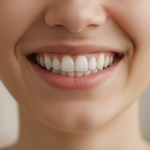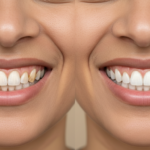
Natural Teeth Whitening: Safe and Effective Methods for a Brighter Smile
Your smile matters more than you might think. People with stained teeth often feel self-conscious during social interactions. The good news is that achieving whiter teeth doesn’t require harsh chemicals or expensive dental treatments. Natural teeth whitening methods offer safe alternatives that many people use successfully every day.
This Website contains affiliate links. That means I may earn a small commission if you purchase through my links, at no extra cost to you.
This guide explores proven remedies that help remove surface stains while protecting your enamel. You’ll discover which ingredients actually work and which ones to avoid. Most importantly, you’ll learn how to brighten your smile using items you probably already have at home.
Important Note: Natural whitening methods work best on surface stains. Deep discoloration may require professional treatment. Always consult your dentist before starting any new oral health practice.
Why Teeth Lose Their Natural Whiteness
Understanding what causes tooth discoloration helps you choose the right whitening remedy. Teeth naturally become darker as you age. The outer layer of enamel gets thinner over time, revealing the yellowish dentin underneath.
Surface stains develop from daily habits. Coffee, tea, and red wine leave behind color molecules that stick to tooth enamel. Tobacco products create stubborn brown stains that penetrate deeper into the tooth surface.
Certain foods also stain teeth over time. Berries, tomato sauce, and dark sodas contain pigments that cling to enamel. Poor oral hygiene allows plaque buildup, which makes stains worse. Some medications and health conditions affect tooth color as well.
Baking Soda: The Science Behind This Popular Remedy
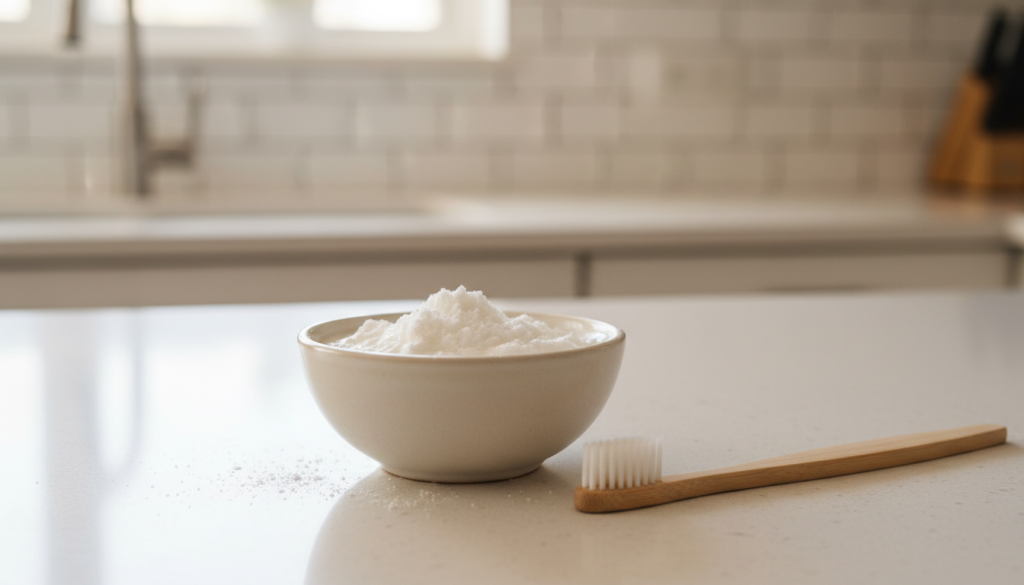
Baking soda ranks among the most researched natural whitening agents. This mild abrasive helps remove surface stains without damaging enamel when used correctly. The slightly gritty texture scrubs away discoloration while the alkaline properties create an environment where bacteria struggle to survive.
Many commercial toothpaste products include baking soda as an active ingredient. Studies show that toothpaste containing baking soda removes more plaque than products without it. The gentle abrasive action polishes teeth and helps whiten them gradually over several weeks.
How to Use Baking Soda Safely
- Mix one teaspoon of baking soda with two teaspoons of water
- Create a paste with the consistency of toothpaste
- Brush teeth gently for two minutes
- Rinse your mouth thoroughly with water
- Use this remedy only two to three times per week
Caution: Using baking soda too frequently can wear down tooth enamel. Limit use to a few times weekly. People with sensitive teeth should consult their dentist first.
The powder works best when combined with your regular oral hygiene routine. Brush teeth with regular toothpaste on other days. This approach protects enamel while gradually removing stains. Many people notice results within a few weeks of consistent use.
Hydrogen Peroxide: A Natural Bleaching Solution
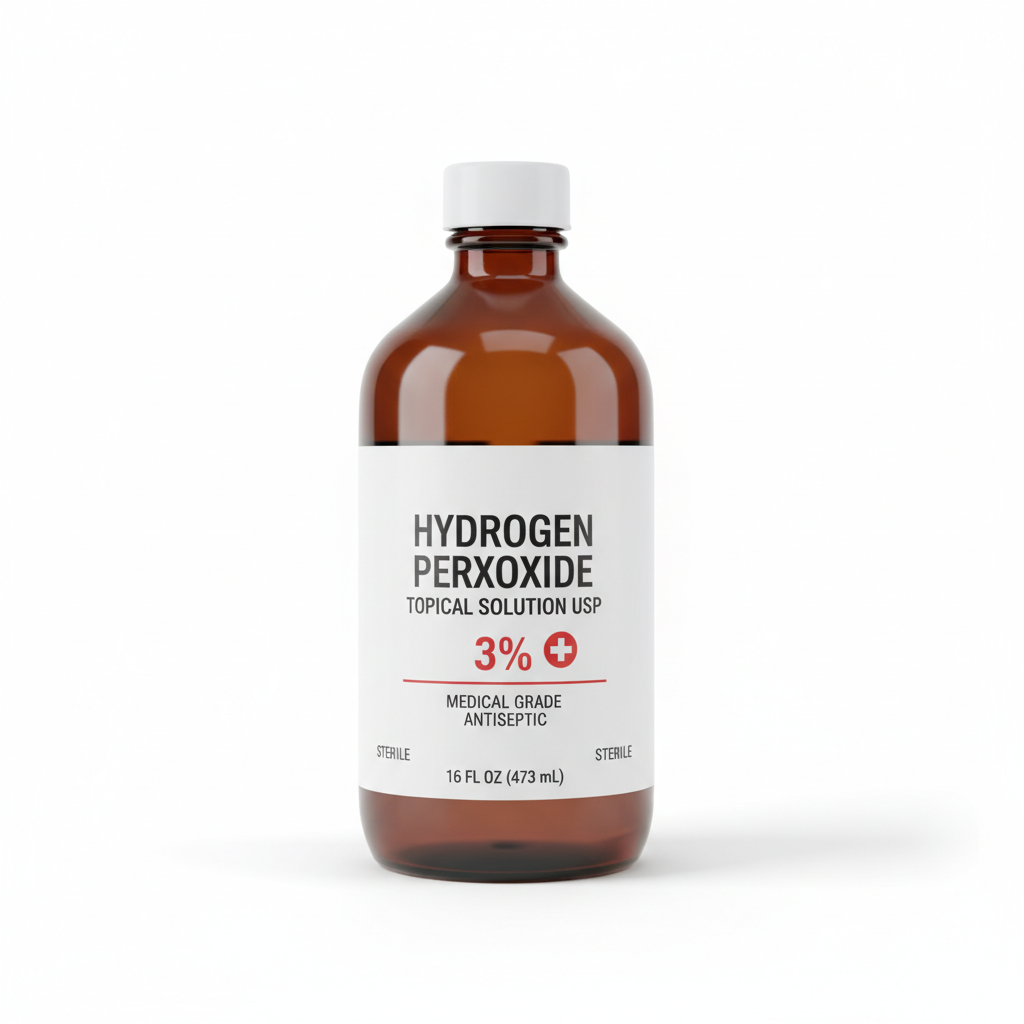
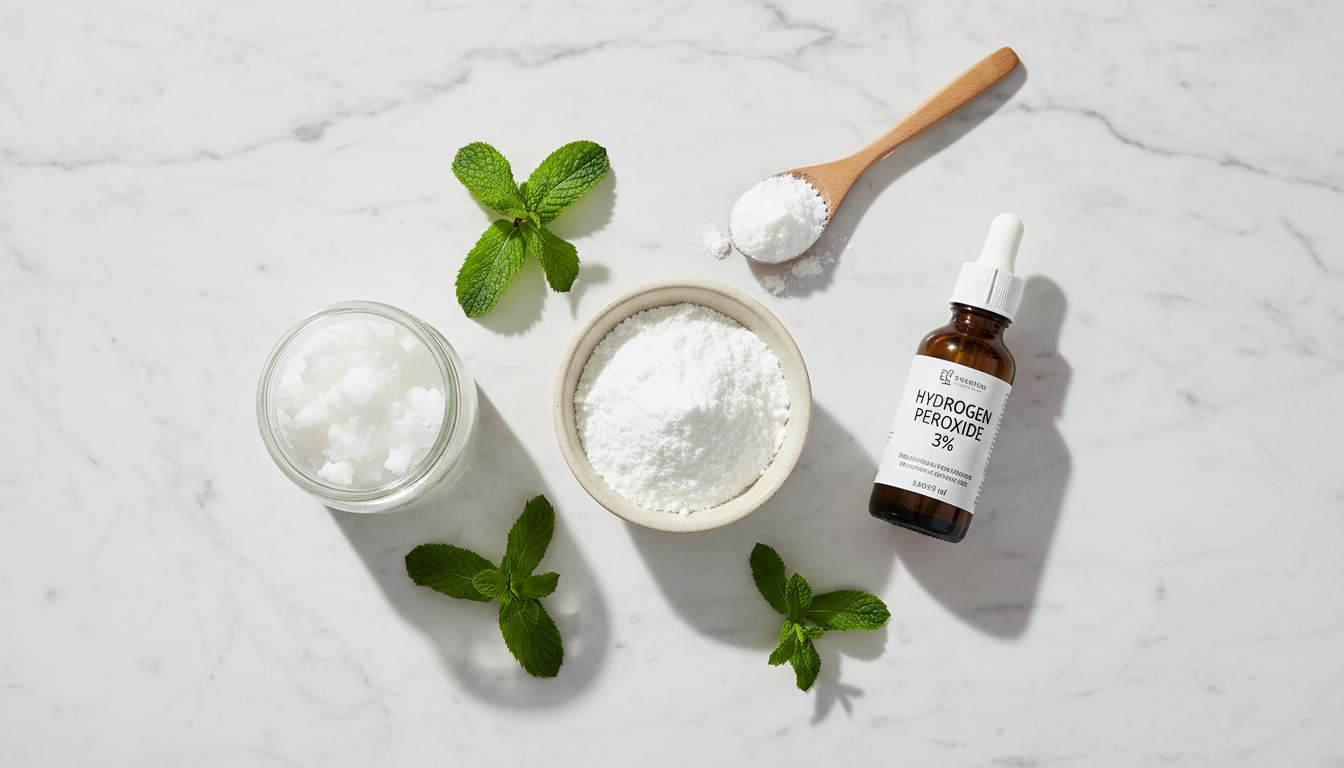
Hydrogen peroxide serves as a natural bleaching agent that kills bacteria in your mouth. This solution appears in many professional whitening products. Dentists use higher concentrations, but the diluted version available at drugstores works for home use.
The chemical breaks down into water and oxygen. The oxygen molecules interact with the compounds that stain teeth. This process helps lighten discoloration over time. The antibacterial properties also improve overall oral health by reducing harmful bacteria.
Safe Application Methods
Always dilute hydrogen peroxide before using it in your mouth. Mix equal parts of 3% hydrogen peroxide with water. Swish this solution around your mouth for 30 to 60 seconds, then spit it out completely. Never swallow hydrogen peroxide, even in diluted form.
- Use only 3% hydrogen peroxide from the drugstore
- Dilute with equal parts water before use
- Swish for no more than one minute
- Rinse mouth thoroughly with plain water afterward
- Limit use to once daily, several times per week
Some people combine hydrogen peroxide with baking soda to create a whitening paste. Mix two teaspoons of hydrogen peroxide with one teaspoon of baking soda. This combination provides both gentle scrubbing action and bleaching properties. Use this paste no more than twice weekly to protect your enamel.
Ready for Faster, More Dramatic Results?
While these home remedies work gradually, many people want to see results sooner. Discover a proven natural whitening system that combines the best ingredients in optimal proportions for maximum effectiveness.
Oil Pulling: Ancient Practice for Modern Oral Health
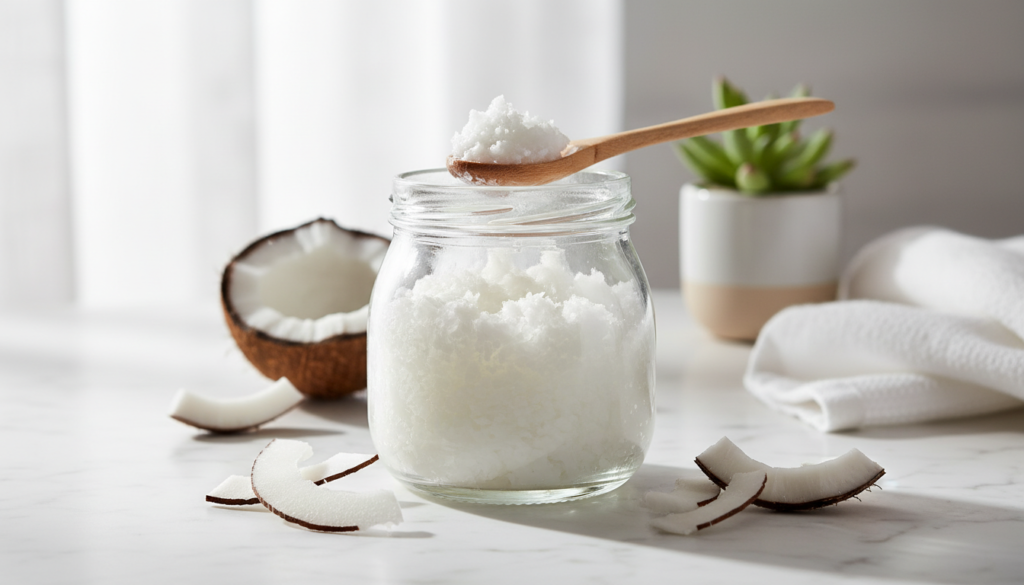
Oil pulling comes from traditional Ayurvedic medicine. This practice involves swishing oil around your mouth to remove bacteria and improve oral hygiene. While not a direct whitening treatment, oil pulling supports overall oral health and may help prevent stains.
Coconut oil remains the most popular choice for oil pulling. The oil contains lauric acid, which has antimicrobial properties. These properties help reduce bacteria that cause plaque buildup. Less plaque means fewer opportunities for stains to develop on tooth surfaces.
The Oil Pulling Process
Take one tablespoon of coconut oil first thing in the morning. Swish it around your mouth for 15 to 20 minutes. Push and pull the oil between your teeth. The oil draws out toxins and bacteria during this time. Spit the oil into a trash can, not your sink, as it can clog drains.
- Put one tablespoon of coconut oil in your mouth
- Swish the oil around for 15 to 20 minutes
- Spit the used oil into a trash receptacle
- Rinse your mouth with warm water
- Brush teeth with regular toothpaste
Practice oil pulling on an empty stomach before you brush teeth. The timing maximizes bacteria removal. After spitting out the oil, rinse your mouth well with water. Then brush teeth as you normally would. Many practitioners recommend doing this daily for best results.
Research on oil pulling shows mixed results for whitening. However, the practice does reduce plaque and improve gum health. Better oral hygiene creates a healthier environment in your mouth. This foundation helps prevent new stains from forming while you work on removing existing ones.
Foods That Affect Your Smile
Foods That Help Whiten
Certain foods naturally clean teeth as you eat them. Crunchy fruits and vegetables act like nature’s toothbrush. They stimulate saliva production, which helps wash away food particles and bacteria.
- Apples scrub teeth and increase saliva
- Carrots and celery provide abrasive cleaning
- Strawberries contain malic acid that removes stains
- Cheese neutralizes acid and strengthens enamel
Foods That Stain Teeth
Dark-colored foods and drinks leave behind pigments that stick to enamel. Acidic foods soften enamel temporarily, making stains worse. Limiting these items protects your whitening efforts.
- Coffee and tea contain strong tannins
- Red wine has chromogens that bind to enamel
- Dark berries stain with intense pigments
- Soy sauce and balsamic vinegar darken teeth
Protective Eating Habits
How you consume staining foods matters as much as what you eat. Simple changes in your eating habits can minimize contact between stains and tooth enamel.
- Use a straw for dark beverages
- Rinse mouth with water after eating
- Wait 30 minutes before brushing after acidic foods
- Eat staining foods with meals, not as snacks
Hydration and Saliva
Water serves as your mouth’s natural cleaning system. Drinking water throughout the day washes away food particles and dilutes acids that harm enamel.
- Drink water with every meal
- Swish water after consuming staining foods
- Stay hydrated to maintain saliva production
- Choose water over sugary or acidic drinks

Natural Remedies You Should Avoid
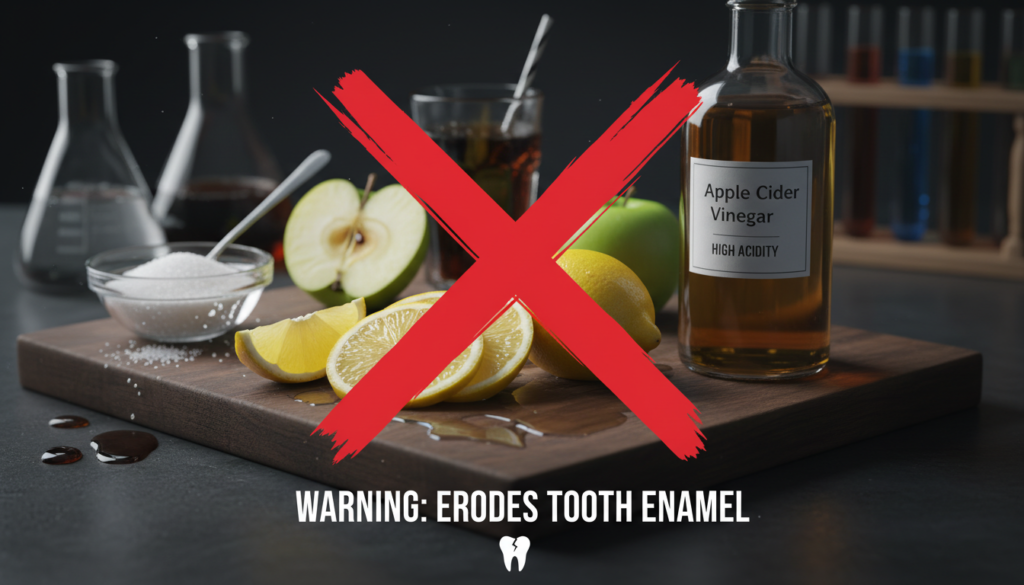
Not all natural whitening remedies are safe for your teeth. Some popular methods cause more harm than good. Understanding which practices to avoid protects your enamel from permanent damage.
Lemon Juice and Citrus Acids
Many online sources recommend rubbing lemon juice on teeth. This advice is dangerous. The citric acid in lemons erodes tooth enamel rapidly. Once enamel is gone, it never grows back. The temporary whitening effect comes from acid erosion, not actual stain removal.
Other citrus fruits pose the same risk. Oranges, grapefruits, and limes contain acids that weaken enamel. While these fruits provide vitamin C and other health benefits, they should never be applied directly to teeth for whitening purposes.
Apple Cider Vinegar Risks
Apple cider vinegar has become popular for many health uses. However, using it as a mouthwash or whitening treatment damages teeth. The acetic acid content erodes enamel just like citrus acids do. Studies show that vinegar can cause significant enamel loss with repeated use.
Activated Charcoal Concerns
Activated charcoal toothpaste and powders flood the market. Claims suggest the charcoal absorbs toxins and stains. Limited research supports these claims. The abrasive nature of charcoal may actually wear down enamel over time. Dentists generally recommend avoiding charcoal products until more research confirms their safety.
Safe Natural Methods
- Baking soda paste (limited use)
- Diluted hydrogen peroxide rinse
- Oil pulling with coconut oil
- Eating crunchy fruits and vegetables
- Maintaining good oral hygiene
Methods to Avoid
- Lemon juice or citrus acid applications
- Apple cider vinegar rinses
- Frequent activated charcoal use
- Abrasive scrubbing with salt
- Undiluted essential oils
Building a Complete Oral Health Routine
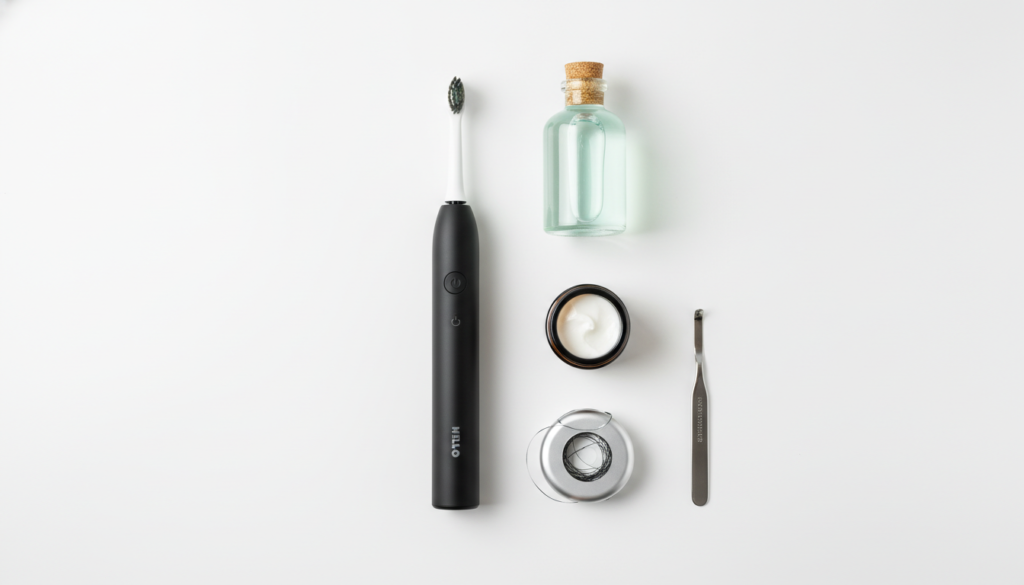
Whitening your smile requires more than occasional treatments. A consistent oral hygiene routine creates the foundation for lasting results. Your daily habits determine whether teeth stay white or quickly return to their stained condition.
Essential Daily Practices
Brush teeth twice daily for two minutes each time. Use a soft-bristled toothbrush to avoid damaging enamel. Replace your toothbrush every three months or when bristles become frayed. Electric toothbrushes often remove more plaque than manual brushing.
Flossing removes plaque and food particles between teeth where your toothbrush cannot reach. These hidden areas trap stain-causing substances. Floss at least once daily, preferably before bedtime. This practice prevents plaque buildup that makes teeth appear yellow.
- Brush teeth morning and night for two minutes
- Use fluoride toothpaste to strengthen enamel
- Floss daily to remove trapped particles
- Clean your tongue to reduce bacteria
- Visit your dentist twice yearly for cleanings
Protecting Your Whitening Results
Once you achieve whiter teeth, maintaining them requires ongoing effort. Avoid tobacco products completely. Smoking and chewing tobacco cause severe staining that resists natural whitening methods. These products also harm your oral health in many other ways.
Limit consumption of staining beverages. When you do drink coffee, tea, or wine, rinse your mouth with water afterward. This simple step prevents pigments from settling into enamel. Drinking through a straw also reduces contact with your front teeth.
Take Your Natural Whitening to the Next Level
Individual remedies work, but combining them in the right way produces better results. A structured system takes the guesswork out of natural whitening. Learn the exact methods that deliver professional-looking results at home.
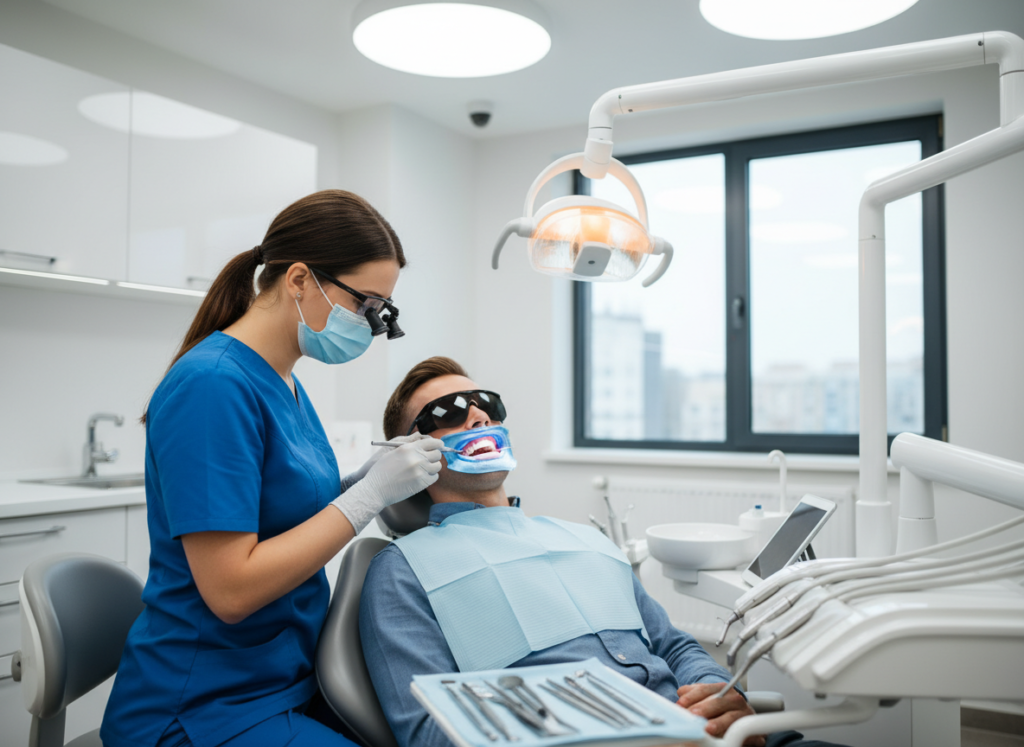
When to Consider Professional Treatment
Natural methods work well for surface stains and general maintenance. However, some situations call for professional intervention. Deep discoloration from medications or trauma may not respond to home remedies. Dental implants and certain restorations also require special consideration.
Professional whitening treatments use higher concentrations of bleaching agents. Dentists monitor the process to ensure safety and effectiveness. These treatments deliver faster, more dramatic results than natural methods. The cost is higher, but results last longer with proper maintenance.
Signs You Need Professional Help
- Teeth remain severely discolored after months of natural whitening
- Sensitivity increases despite careful use of remedies
- Stains appear inside teeth, not just on the surface
- You have dental implants or crowns that need color matching
- Gum disease or tooth decay requires treatment first
Dentists can also identify underlying problems causing discoloration. Some health conditions affect tooth color. Certain medications stain teeth from the inside out. A dental professional determines whether whitening is appropriate or if another treatment is needed.
Setting Realistic Whitening Goals

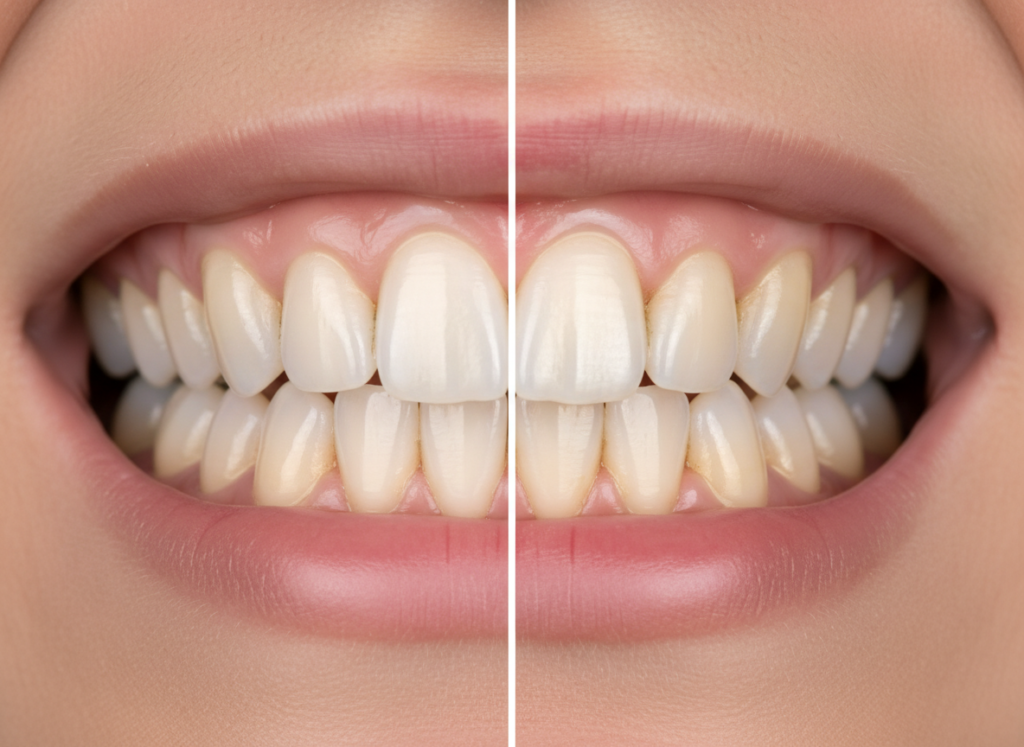
Natural teeth whitening produces gradual improvements over weeks or months. Patience is essential. Unlike professional bleaching that shows results in hours, home remedies require consistent application. Most people notice visible changes after four to six weeks of regular use.
Genetics play a role in your natural tooth color. Some people have naturally brighter enamel than others. Natural methods can only whiten teeth to their genetic potential. They cannot make teeth artificially white like some professional treatments do.
Measuring Your Progress
Take photos before starting your whitening routine. Use the same lighting and camera settings each time. Compare photos monthly to track improvements. Small changes accumulate over time. You may not notice daily differences, but monthly comparisons reveal real progress.
Remember that oral health matters more than cosmetic appearance. A healthy mouth with slightly off-white teeth is better than damaged enamel from aggressive whitening. Focus on overall hygiene while gradually improving color. This balanced approach protects your smile for the long term.
Timeline for Natural Whitening: Most people see noticeable results within 4-6 weeks of consistent use. Maximum results typically appear after 2-3 months. Maintenance requires ongoing attention to oral hygiene and dietary choices.
Creating Your Personal Whitening Plan

The most effective approach combines multiple natural methods in a structured routine. Alternating between different remedies prevents overuse of any single treatment. This variety protects enamel while attacking stains from multiple angles.
Sample Weekly Routine
Monday & Thursday
Use baking soda paste during your regular brushing routine. Apply gently for two minutes, then rinse thoroughly. Follow with regular toothpaste if desired.
Tuesday & Friday
Rinse with diluted hydrogen peroxide solution before brushing. Swish for 60 seconds, spit completely, then brush teeth with regular toothpaste.
Daily Morning
Practice oil pulling with coconut oil for 15 to 20 minutes. Do this on an empty stomach before breakfast. Spit oil into trash, rinse, then brush normally.
Every Day
Maintain excellent oral hygiene with twice-daily brushing and daily flossing. Rinse mouth with water after consuming staining foods or beverages.
Weekend Focus
Give your teeth a break from active whitening treatments. Focus on prevention by limiting staining foods and practicing thorough cleaning techniques.
Monthly Check
Take progress photos in consistent lighting. Evaluate your results and adjust your routine if needed. Note any sensitivity issues to discuss with your dentist.
Listen to your teeth and adjust the routine based on sensitivity. If you experience discomfort, reduce the frequency of whitening treatments. Some people need more time between applications. The goal is consistent improvement without damaging your enamel.
Your Path to a Naturally Brighter Smile

Natural teeth whitening offers a safe alternative to harsh chemical treatments. The methods discussed in this guide work when applied consistently and correctly. Baking soda, hydrogen peroxide, and oil pulling each contribute to a brighter smile in different ways.
Success requires patience and commitment to good oral hygiene. No remedy produces instant results. The gradual improvement protects your enamel while removing years of accumulated stains. Most people find the wait worthwhile when they achieve lasting results without sensitivity or damage.
Remember that prevention equals the importance of treatment. Your daily habits determine whether teeth stay white after you achieve your desired color. Limiting staining foods, maintaining excellent oral hygiene, and visiting your dentist regularly preserve your results for years to come.
Ready to Transform Your Smile Naturally?
You’ve learned the individual methods that work. Now discover how to combine them in the most effective way possible. This proven natural whitening system shows you exactly what to do, when to do it, and how to maximize your results safely. Stop guessing and start seeing real changes in your smile.
Your smile reflects your overall health and confidence. Taking care of your teeth naturally supports both your appearance and your wellbeing. The journey to whiter teeth starts with a single step. Begin your routine today and watch your smile gradually brighten over the coming weeks.