White Teeth Tips: Your Complete Guide to a Brighter, Confident Smile
A bright smile can transform your appearance and boost confidence. Many people struggle with tooth discoloration caused by foods, drinks, and daily habits. The good news is that achieving whiter teeth doesn’t always require expensive dental procedures.
This Website contains affiliate links. That means I may earn a small commission if you purchase through my links, at no extra cost to you.
This guide reveals practical white teeth tips you can start using today. You’ll discover natural methods, professional whitening options, and daily practices that protect your enamel while removing surface stains.
Understanding What Causes Tooth Discoloration
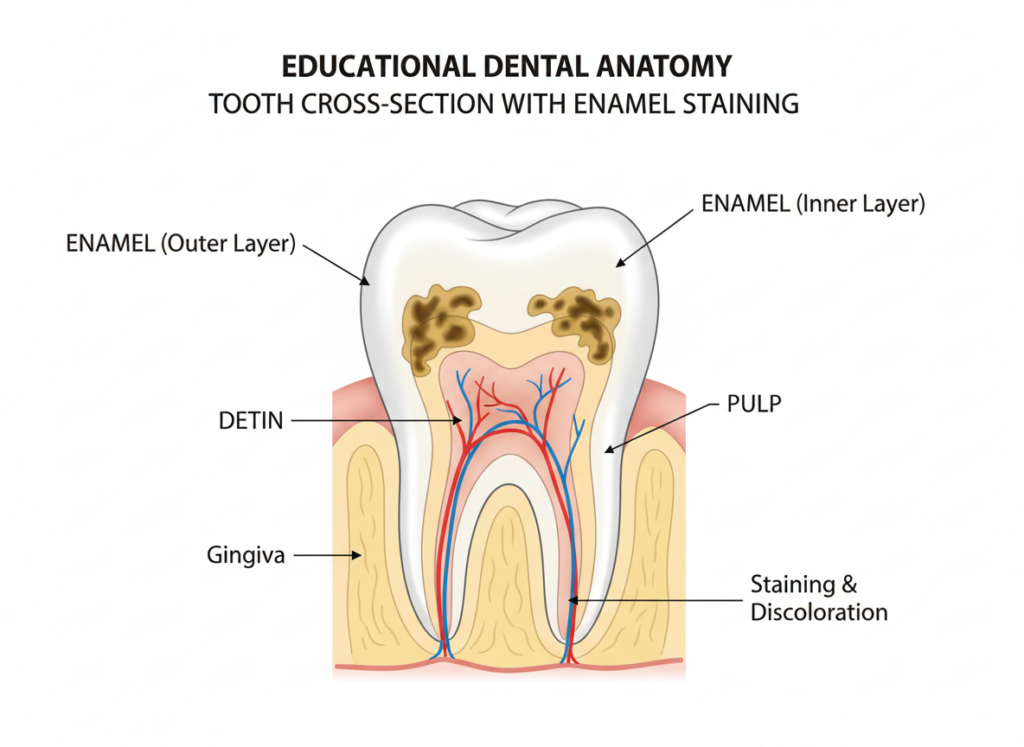
Teeth naturally change color over time. The outer enamel layer becomes thinner with age, revealing the yellowish dentin underneath. External factors accelerate this process significantly.
Common culprits include coffee, tea, red wine, and smoking. These substances contain chromogens that attach to tooth enamel. Dark-colored foods like berries and soy sauce also contribute to staining over time.
Understanding discoloration helps you choose the right whitening approach. Surface stains respond well to cleaning and whitening products. Intrinsic stains within the tooth structure may require professional teeth whitening treatments.
External Stain Causes
These factors affect the outer enamel surface and create visible discoloration that responds to whitening treatments.
- Coffee and tea consumption
- Red wine drinking habits
- Tobacco use and smoking
- Dark-colored berries and sauces
Internal Discoloration Factors
These causes affect tooth structure from within and may need professional intervention for effective whitening.
- Aging and natural enamel thinning
- Certain medication side effects
- Childhood antibiotic exposure
- Excessive fluoride during development
Dietary Contributors
Regular consumption of these items gradually builds staining that affects your smile’s brightness over time.
- Acidic beverages like soda
- Curry and turmeric dishes
- Balsamic vinegar products
- Artificial food coloring
Lifestyle Habits
Daily behaviors and oral care practices directly impact how quickly teeth become discolored and stained.
- Inconsistent brushing routines
- Skipping regular dental cleanings
- Poor oral hygiene practice
- Dry mouth conditions
The American Dental Association recommends identifying your specific staining sources. This knowledge allows you to modify habits while pursuing whitening options that deliver real results.
Natural Methods to Help Whiten Teeth at Home
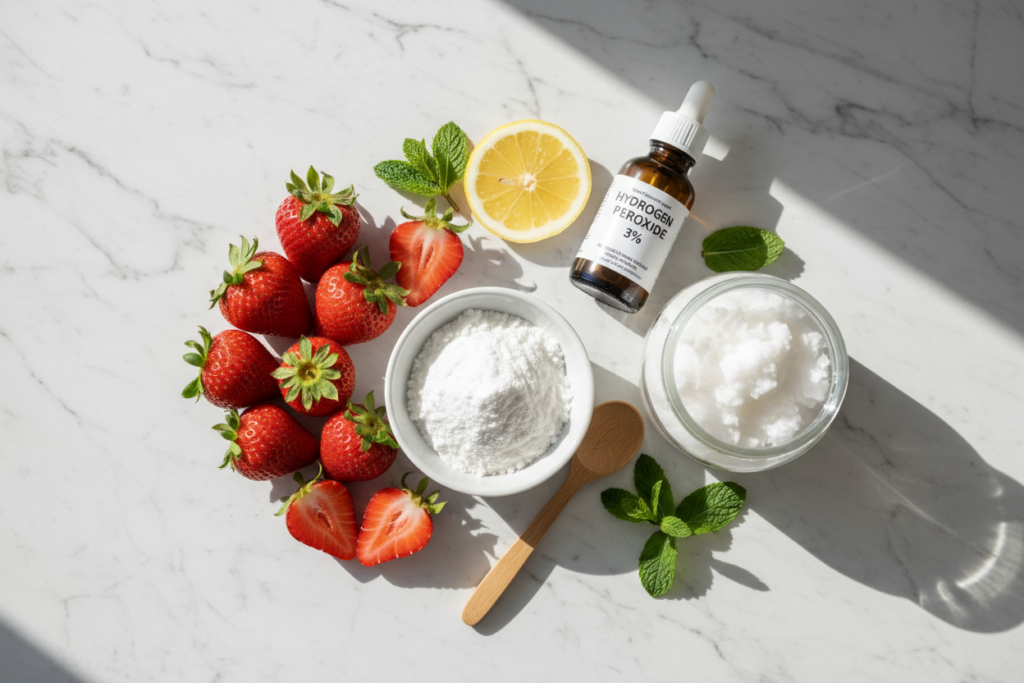
Many people turn to natural remedies before trying professional teeth whitening treatments. These methods use common household items and generally prove safer for enamel than harsh chemicals.
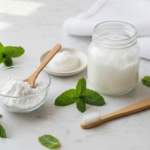
Baking soda stands out as one of the most popular natural whitening agents. This mild abrasive removes surface stains effectively when used properly. Mix baking soda with water to create a paste for brushing teeth time to time.
Baking Soda Whitening Technique
The American Dental Association recognizes baking soda as safe for enamel. Studies show toothpaste containing baking soda removes stains more effectively than formulas without it.
Create a simple whitening paste by mixing one teaspoon of baking soda with two teaspoons of water. Apply this mixture gently to your teeth using a soft-bristled brush. Use this method two to three times per week for best results.
Safety Note: Avoid daily baking soda use, as excessive application may erode enamel over time. Always brush gently to protect your tooth surface from unnecessary wear.
Oil Pulling for Oral Health
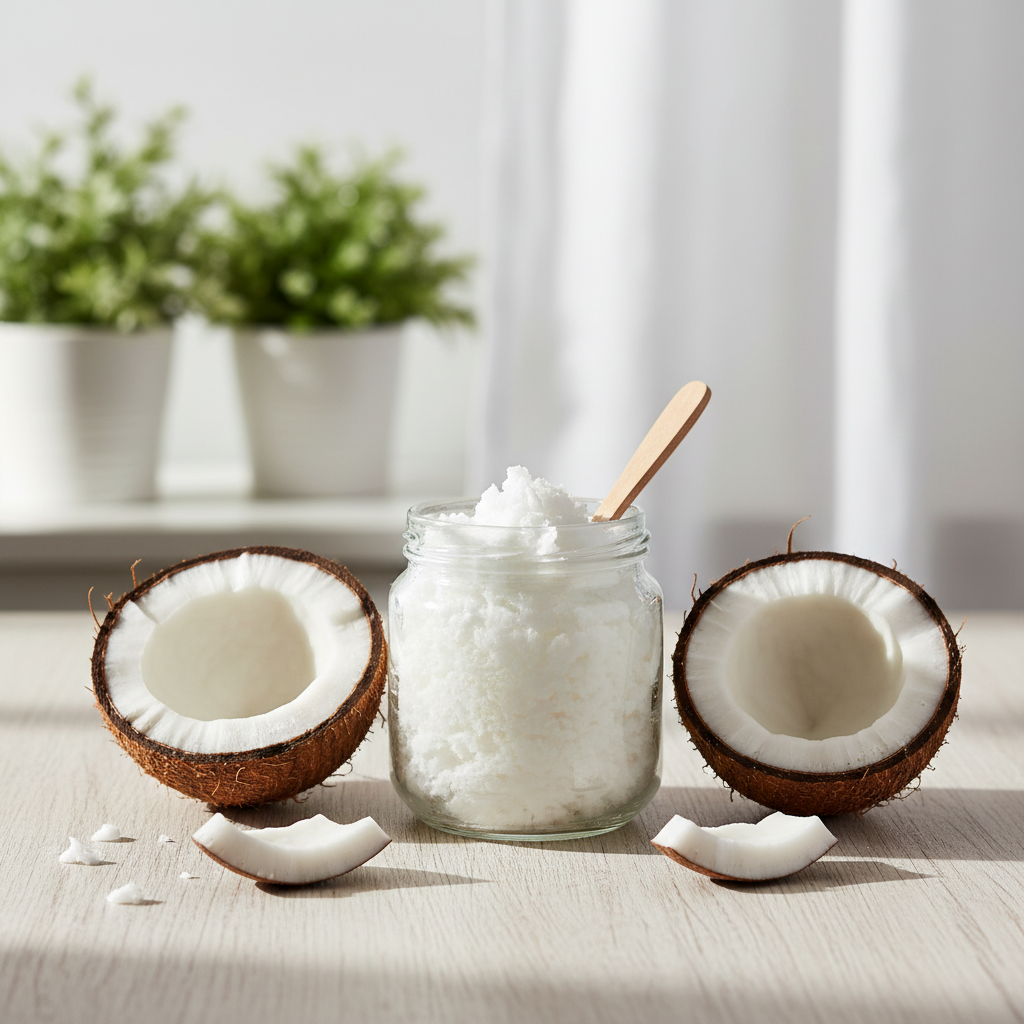
Oil pulling involves swishing oil in your mouth to remove bacteria and reduce plaque. While research on whitening effects remains limited, many people report improvements in oral health and tooth brightness.
Coconut oil works best for this practice due to its pleasant taste and antibacterial properties. Swish one tablespoon of oil in your mouth for fifteen to twenty minutes before brushing. Practice this technique daily on an empty stomach.
Hydrogen Peroxide as a Whitening Agent
Hydrogen peroxide serves as a natural bleaching agent found in many commercial whitening products. Using hydrogen peroxide safely requires proper dilution to protect your gums and enamel.
Mix equal parts hydrogen peroxide and water to create a gentle mouth rinse. Swish this solution for one minute before spitting it out. Never swallow hydrogen peroxide, and limit use to several times per week.
Important: Use only 3% hydrogen peroxide solution. Higher concentrations may cause sensitivity and damage to soft tissues in your mouth. Always dilute before use.
Ready for Professional-Grade Results at Home?
While natural methods help maintain brightness, many people want faster, more dramatic whitening. Discover the proven system that combines safety with professional-level results without the dentist’s price tag.
Foods That Naturally Help Whiten Teeth
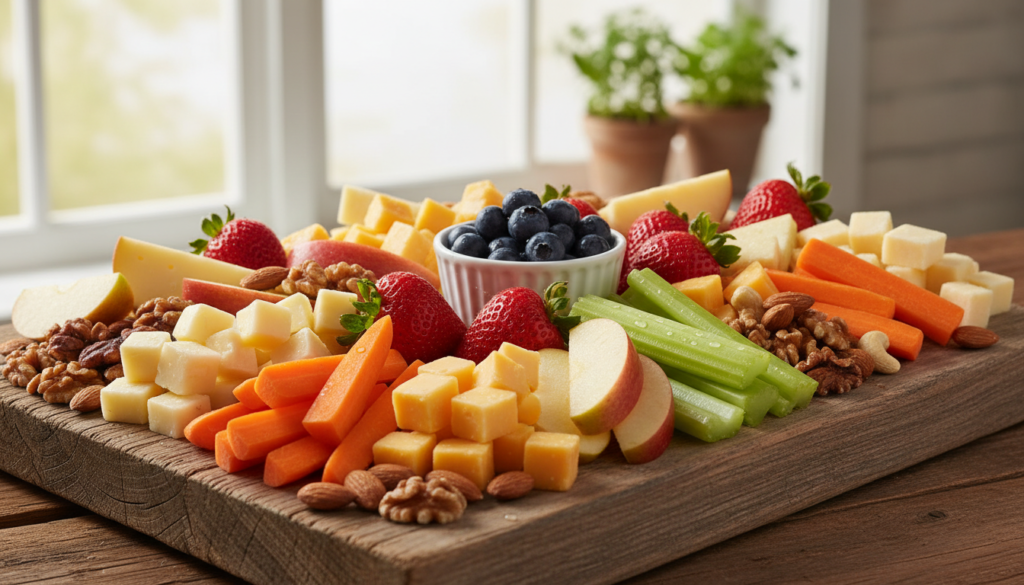
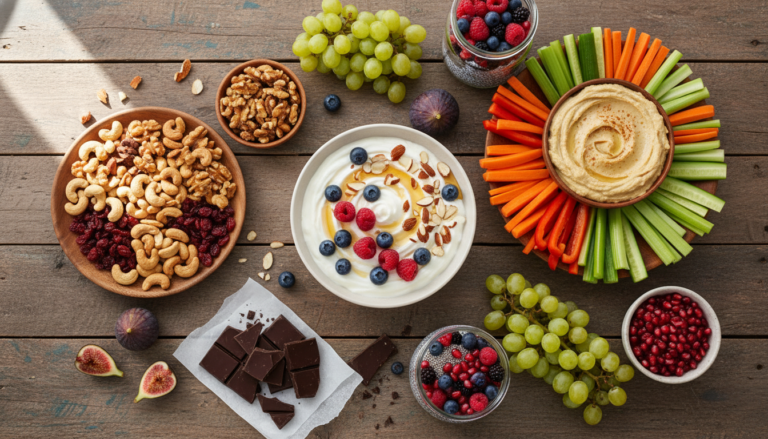
Your diet plays a significant role in maintaining tooth color. Certain foods naturally clean teeth while you eat them. These crunchy options increase saliva production, which neutralizes acids and washes away food particles.
Apples, carrots, and celery act as natural toothbrushes. Their firm texture scrubs away surface stains and stimulates healthy gums. Eating these foods regularly between regular brushing sessions helps keep teeth cleaner throughout the day.
Dairy Products for Enamel Strength
Cheese, milk, and yogurt contain calcium and phosphorus that strengthen tooth enamel. Strong enamel resists staining better and maintains natural whiteness longer. These dairy products also contain lactic acid that may help protect against tooth decay.
Hard cheeses particularly benefit oral health by increasing saliva flow. This natural washing action removes food debris and reduces acidity in the mouth. Enjoy cheese as a healthy snack between meals for ongoing protection.
Strawberries and Pineapple Benefits
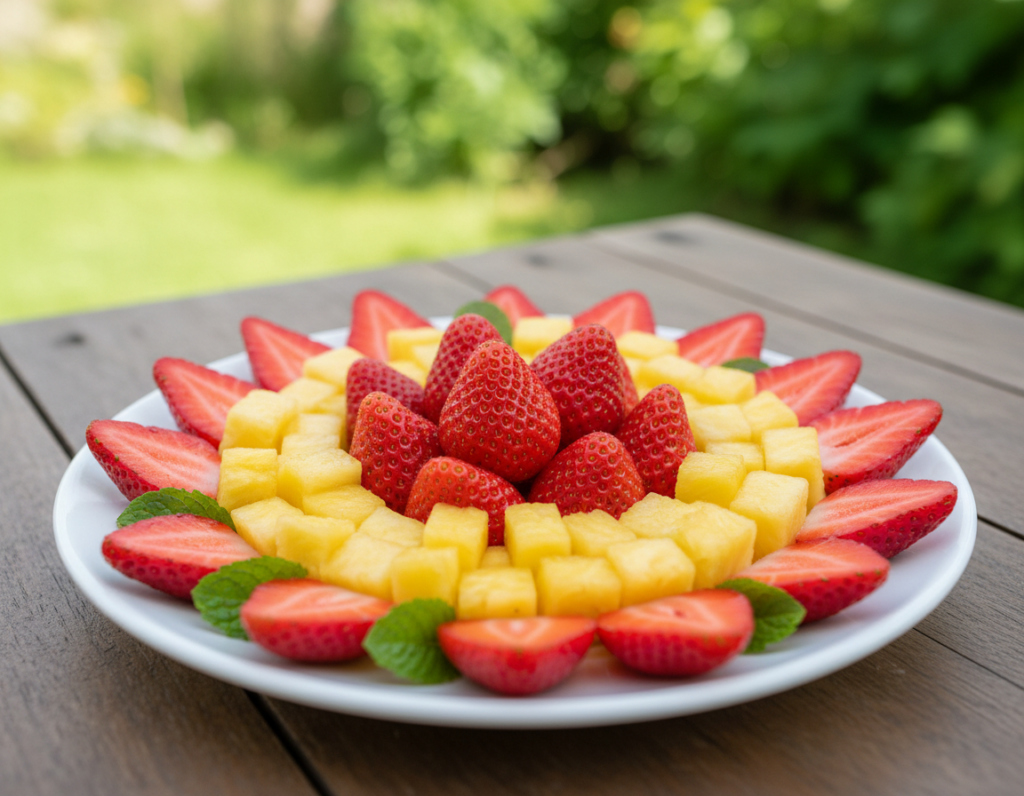
Strawberries contain malic acid, an enzyme that may help remove surface discoloration. Some people mash strawberries and apply them directly to teeth. However, the fruit’s acidity requires caution to prevent enamel erosion.
Pineapple contains bromelain, an enzyme found in whitening toothpaste formulations. This compound helps break down plaque and remove surface stains effectively. Eating fresh pineapple provides natural cleaning benefits during meals.
Teeth-Whitening Foods
- Crunchy apples and pears
- Raw carrots and celery
- Fresh strawberries in moderation
- Pineapple chunks and juice
- Broccoli and cauliflower
- Nuts and seeds
Foods to Limit for Whiter Teeth
- Dark coffee and black tea
- Red wine and dark sodas
- Berries with deep colors
- Tomato-based sauces
- Soy sauce and balsamic vinegar
- Curry and turmeric dishes
Water remains your best beverage choice for maintaining white teeth. Drinking water throughout the day rinses away food particles and dilutes acids that cause staining. Using a straw when drinking potentially staining beverages limits direct contact with tooth enamel.
Professional Teeth Whitening Options and Results
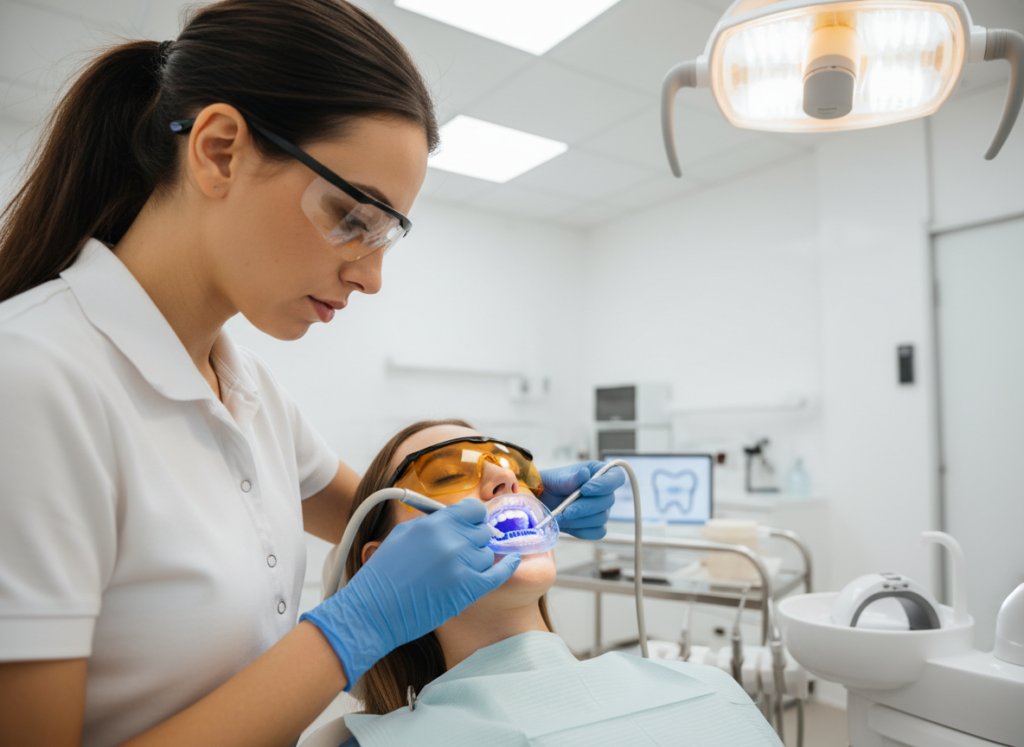
Professional teeth whitening delivers faster and more dramatic results than home methods. Dentists use higher concentrations of bleaching agents under controlled conditions. These treatments typically cost between three hundred and eight hundred dollars per session.
In-office whitening uses light or laser technology to activate bleaching gel. This process takes about one hour and can lighten teeth several shades in a single visit. Results last longer when combined with good oral hygiene practice.
Take-Home Whitening Trays
Dentists create custom whitening trays molded to fit your teeth precisely. You fill these trays with professional-grade gel and wear them for specified time periods. This method costs less than in-office treatments while still delivering professional results.
Custom trays prevent gel from touching gums, reducing sensitivity issues. Most people use these trays daily for two weeks to achieve desired whiteness. The American Dental Association considers this approach safe when supervised by dental professionals.
Over-the-Counter Whitening Products
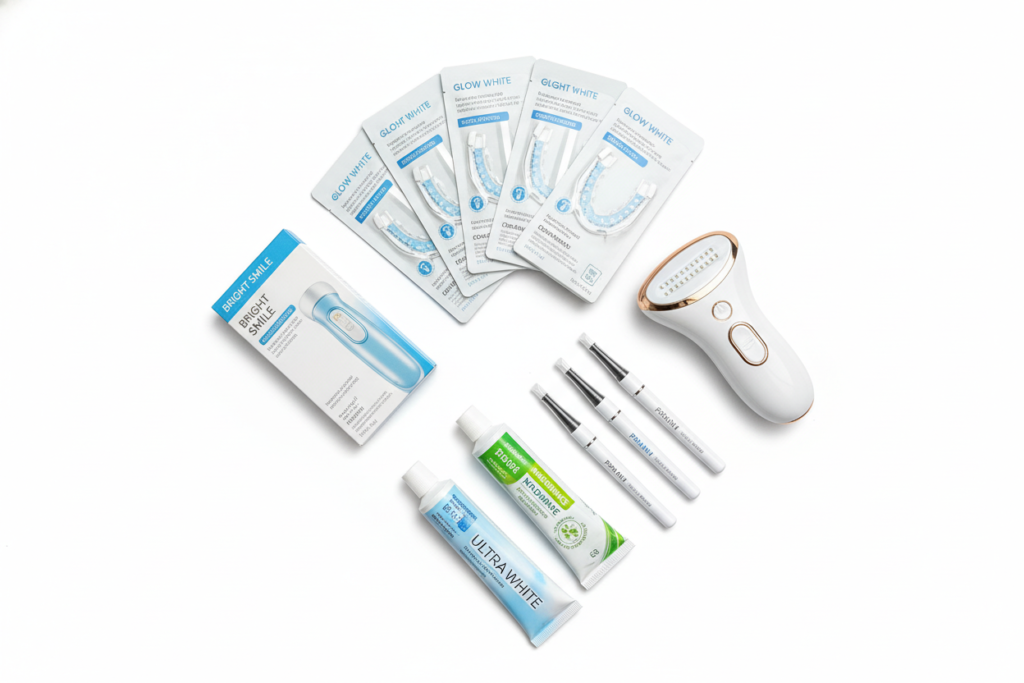
Drugstore whitening strips offer convenience and affordability. These thin strips contain hydrogen peroxide or other bleaching agents. Most brands recommend daily application for thirty minutes over two weeks.
Whitening toothpaste removes surface stains through gentle abrasives and chemical agents. While these products maintain existing whiteness, they rarely change natural tooth color significantly. Results remain modest compared to professional treatments.
Professional Whitening Advantages
- Dramatic results in shorter time
- Supervised by dental professionals
- Customized treatment plans
- Addresses stubborn deep stains
- Long-lasting brightness
Professional Whitening Drawbacks
- Higher upfront costs
- Potential tooth sensitivity
- Requires dental appointments
- Not covered by insurance
- Results vary by individual
LED whitening devices combine light technology with bleaching gel for home use. These systems cost more than strips but less than professional treatments. Results typically appear within one week of consistent use.
Get Professional Results Without the Professional Price
Thousands have discovered an effective alternative that delivers dentist-quality whitening at a fraction of the cost. This proven system works safely at home and shows visible results in just weeks.
Daily Habits for Maintaining Whiter Teeth
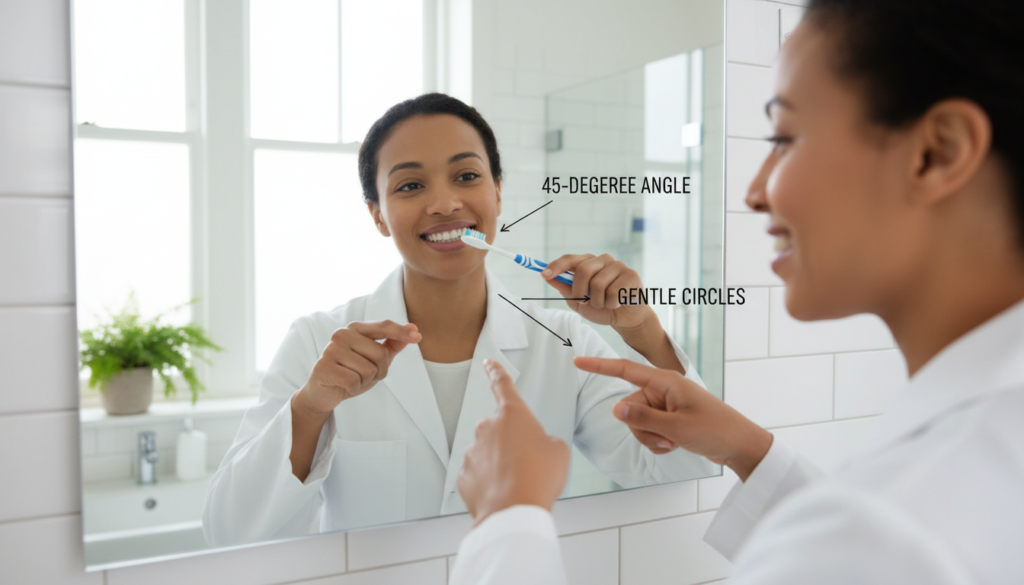
Consistent oral hygiene forms the foundation of any successful whitening strategy. Brushing teeth twice daily removes plaque and prevents new stains from setting. The technique matters as much as frequency for protecting enamel.
Use a soft-bristled toothbrush and gentle circular motions. Aggressive brushing damages enamel and causes gum recession over time. Replace your toothbrush every three months or when bristles become frayed.
Timing Your Brushing Routine
Brush teeth within thirty minutes after eating acidic foods. However, wait at least thirty minutes after consuming very acidic items like citrus or soda. Immediate brushing can spread acid across tooth surface and increase erosion.
Morning and nighttime brushing sessions prove most important. Nighttime cleaning removes daily accumulation before bacteria multiply during sleep. Morning brushing freshens breath and removes overnight plaque buildup.
Flossing and Regular Dental Cleanings
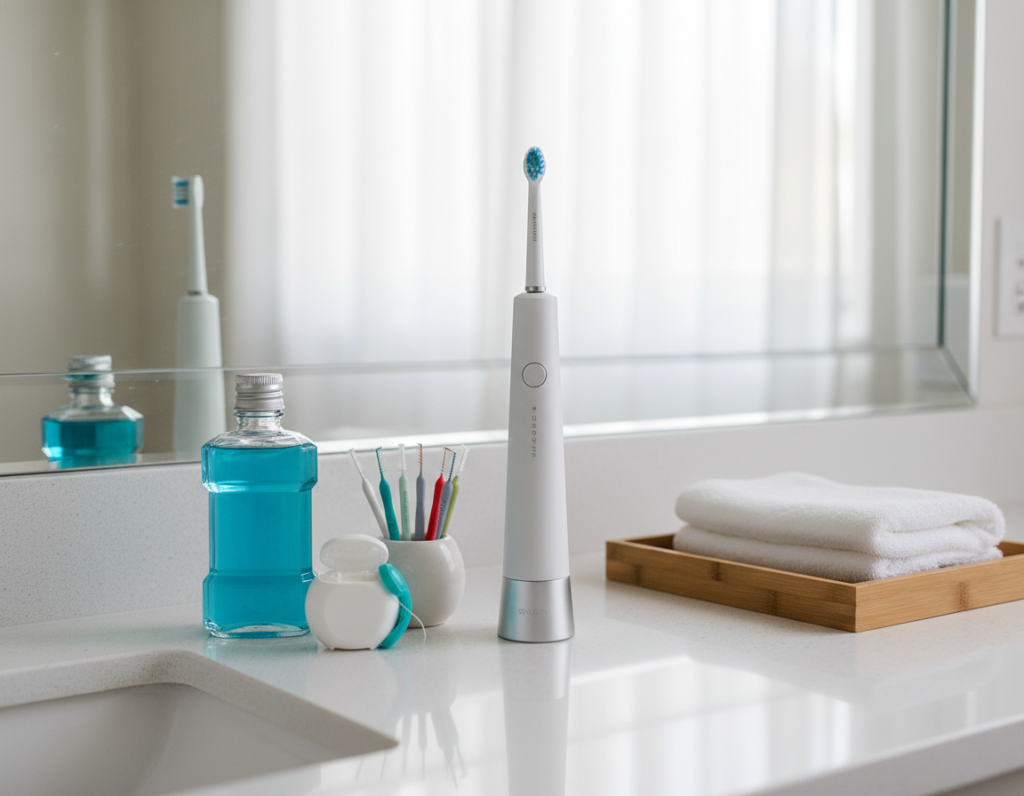
Daily flossing removes food particles and plaque between teeth where brushing can’t reach. These areas contribute to overall tooth discoloration when neglected. Flossing once daily, preferably before bedtime, maintains cleaner tooth surfaces.
Professional dental cleanings remove tartar buildup that home care misses. Schedule cleanings every six months as recommended by most dental professionals. These visits also allow early detection of cavities and gum disease.
Protecting Teeth from Staining
Small changes in daily habits preserve whitening results longer. Using a straw when drinking coffee, tea, or wine minimizes contact with front teeth. Rinsing your mouth with water after consuming staining foods washes away residue quickly.
Smoking cessation provides enormous benefits for tooth color and overall oral health. Tobacco products cause deep staining that resists most whitening treatments. Quitting smoking allows teeth to gradually lighten and improves gum health significantly.
Managing Tooth Sensitivity During Whitening
Tooth sensitivity represents the most common side effect of whitening treatments. This temporary discomfort occurs when bleaching agents penetrate enamel and reach nerve endings. Most people experience mild sensitivity that resolves within days.
Using toothpaste designed for sensitive teeth helps reduce discomfort. These formulas contain potassium nitrate or stannous fluoride that block pain signals. Start using sensitivity toothpaste one week before beginning whitening treatments.
Reducing Whitening-Related Sensitivity
Take breaks between whitening sessions if sensitivity becomes bothersome. Spacing treatments allows teeth time to recover and reduces cumulative irritation. Most sensitivity issues improve when you temporarily pause whitening applications.
Avoid very hot or cold foods and beverages during active whitening periods. Temperature extremes trigger sensitivity in already-irritated teeth. Room-temperature options cause less discomfort while enamel adjusts to whitening products.
Quick Relief Tips: Apply a small amount of sensitivity toothpaste directly to affected areas. Leave it on for several minutes before rinsing. This concentrated application provides faster relief than regular brushing alone.
Contact your dentist if sensitivity persists beyond several days after stopping treatment. Ongoing pain may indicate enamel damage or other dental issues requiring professional evaluation. Never ignore persistent tooth pain or extreme sensitivity reactions.
Safety Considerations for Teeth Whitening

Understanding whitening safety protects your oral health while pursuing a brighter smile. Not all whitening methods suit every person. Certain dental conditions require professional evaluation before starting any whitening regimen.
People with cavities, gum disease, or worn enamel should address these issues first. Whitening products can worsen existing dental problems and cause significant pain. Schedule a dental checkup before beginning any whitening program.
Who Should Avoid Whitening Treatments
Pregnant and nursing women should postpone whitening procedures. Research on bleaching agent safety during pregnancy remains limited. Most dental professionals recommend waiting until after breastfeeding ends.
Children under sixteen typically have larger pulp chambers that increase sensitivity risk. Whitening treatments may irritate these developing teeth unnecessarily. Wait until permanent teeth fully mature before considering whitening options.
Medical Considerations: People with allergies to peroxide should avoid most whitening products. Dental restorations like crowns, veneers, and fillings don’t respond to whitening treatments and may appear mismatched after natural teeth lighten.
Following Product Instructions Carefully
Always follow manufacturer guidelines for application time and frequency. Exceeding recommended usage doesn’t accelerate results and may damage enamel. More whitening gel or longer wear time increases sensitivity without improving outcomes.
Store whitening products properly to maintain effectiveness and safety. Keep them away from heat and direct sunlight. Check expiration dates before use, as expired products lose potency and may cause unexpected reactions.
Thousands Are Already Enjoying Their Brightest Smile
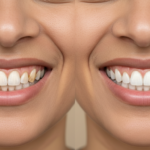
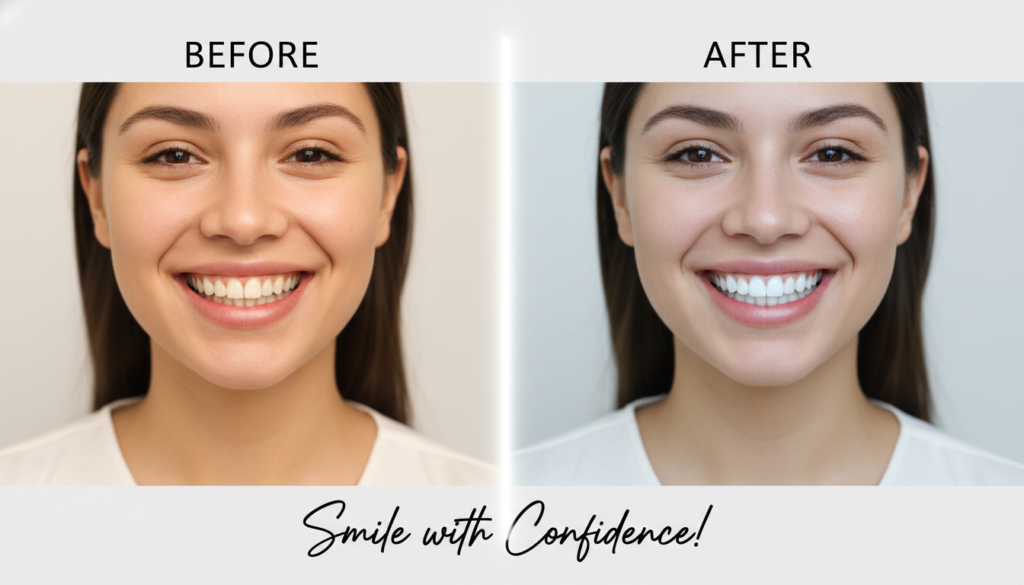
Real people have transformed their smiles safely at home using a proven whitening system. See the before-and-after results and discover why this method has become the top choice for effective, affordable teeth whitening.
How to Maintain Your Whitening Results Long-Term
Achieving white teeth requires effort, and maintaining results demands ongoing commitment. Most whitening effects last six months to two years depending on habits and maintenance. Strategic lifestyle choices extend brightness significantly longer.
Touch-up treatments help preserve initial whitening results. Use whitening toothpaste several times weekly between professional treatments. Periodic application of whitening strips every few months maintains consistent color.
Creating a Maintenance Schedule
Develop a realistic maintenance routine based on your whitening method. Professional treatments typically need touch-ups every six to twelve months. At-home systems may require more frequent applications to sustain desired brightness.
Monitor tooth color changes by taking periodic photos in consistent lighting. This visual record helps you decide when touch-up treatments become necessary. Early intervention prevents significant color regression.
Daily Maintenance Practices
- Brush after every meal when possible
- Use whitening toothpaste consistently
- Rinse mouth after consuming dark beverages
- Drink plenty of water throughout the day
- Avoid tobacco in all forms
Monthly and Quarterly Care
- Apply whitening strips as needed
- Schedule professional cleanings twice yearly
- Evaluate color changes with photos
- Replace worn toothbrushes promptly
- Review and adjust staining food intake
Lifestyle Adjustments for Lasting Whiteness
Reducing consumption of staining substances provides the most significant impact. You don’t need to eliminate coffee or wine entirely. Moderation and protective measures like using a straw make considerable difference.
Regular dental visits catch problems early before they affect tooth appearance. Professional cleanings remove buildup that dulls brightness gradually. These appointments also provide opportunities to discuss whitening maintenance with your dentist.
Your Journey to a Brighter, More Confident Smile
Achieving whiter teeth combines smart daily habits with effective whitening strategies. You’ve learned natural methods, professional options, and maintenance techniques that deliver real results. The right approach depends on your specific needs, budget, and timeline.
Start with excellent oral hygiene as your foundation. Regular brushing, flossing, and dental cleanings prevent new stains while supporting overall oral health. These practices make any whitening treatment more effective and help results last longer.
Natural methods like baking soda and hydrogen peroxide offer gentle whitening for minor discoloration. Professional treatments deliver dramatic changes for stubborn stains and faster results. Many people find success combining approaches for optimal outcomes.
Remember that safety matters as much as results. Consult dental professionals before starting aggressive whitening programs. Follow product instructions carefully and address any sensitivity issues promptly.
Your smile significantly impacts first impressions and personal confidence. Taking action now starts your transformation toward the bright, beautiful smile you deserve. Small consistent efforts create remarkable changes over time.
Transform Your Smile Starting Today
You’ve learned the tips and techniques. Now discover the complete system that brings everything together for maximum whitening results. This proven method has helped thousands achieve the white, radiant smile they’ve always wanted—safely, affordably, and from the comfort of home.