How to Strengthen Teeth Naturally: Expert-Backed Methods for Lasting Dental Health
Your smile reflects your overall health, yet many people struggle with weak teeth and gum problems. The good news is that you can strengthen teeth naturally without relying solely on expensive dental treatments or harsh chemical products. Nature provides powerful tools to improve your oral health, and simple changes to your diet and daily habits can transform your dental wellness.
This Website contains affiliate links. That means I may earn a small commission if you purchase through my links, at no extra cost to you.
This comprehensive guide explores fifteen science-backed methods to naturally strengthen your teeth and protect your gums. You’ll discover which foods promote dental health, which habits damage your enamel, and how to create a holistic approach to oral care that works with your body’s natural processes.
Understanding Natural Tooth Strength and Enamel Health
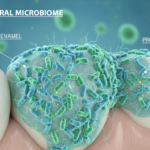
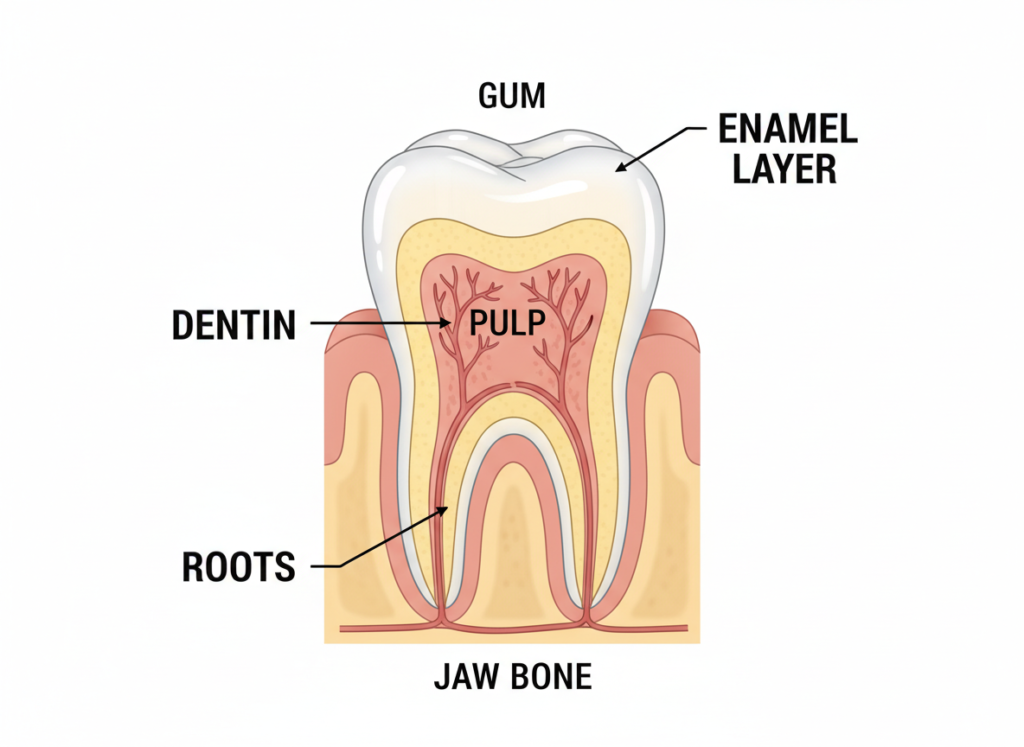
Your teeth consist of multiple layers that work together to provide strength and protection. The outer layer, called enamel, is the hardest substance in the human body. However, enamel can weaken over time due to acid exposure, bacteria, and poor nutrition. Unlike other body tissues, enamel cannot regenerate once damaged, making prevention crucial for maintaining strong teeth.
The good news is that your saliva naturally contains minerals that help strengthen and protect enamel throughout the day. When you provide your body with the right nutrients and create favorable conditions in your mouth, you support this natural remineralization process. Understanding how teeth naturally strengthen themselves empowers you to make better choices for your oral health.
What Weakens Teeth
- Acidic foods and drinks that erode enamel
- Sugar consumption that feeds harmful bacteria
- Poor oral hygiene allowing plaque buildup
- Grinding teeth during sleep or stress
- Insufficient calcium and vitamin D intake
What Strengthens Teeth
- Mineral-rich foods supporting remineralization
- Proper brushing and flossing techniques
- Adequate saliva production washing away bacteria
- Balanced pH levels in the mouth
- Essential vitamins and minerals from diet
15 Foods That Naturally Strengthen Teeth and Gums
Your diet plays a fundamental role in dental health. Certain foods provide essential minerals, vitamins, and nutrients that help strengthen teeth and support healthy gums. Incorporating these foods into your regular meals creates a foundation for naturally strong teeth that resist cavities and decay.
Dairy Products: Nature’s Calcium Source
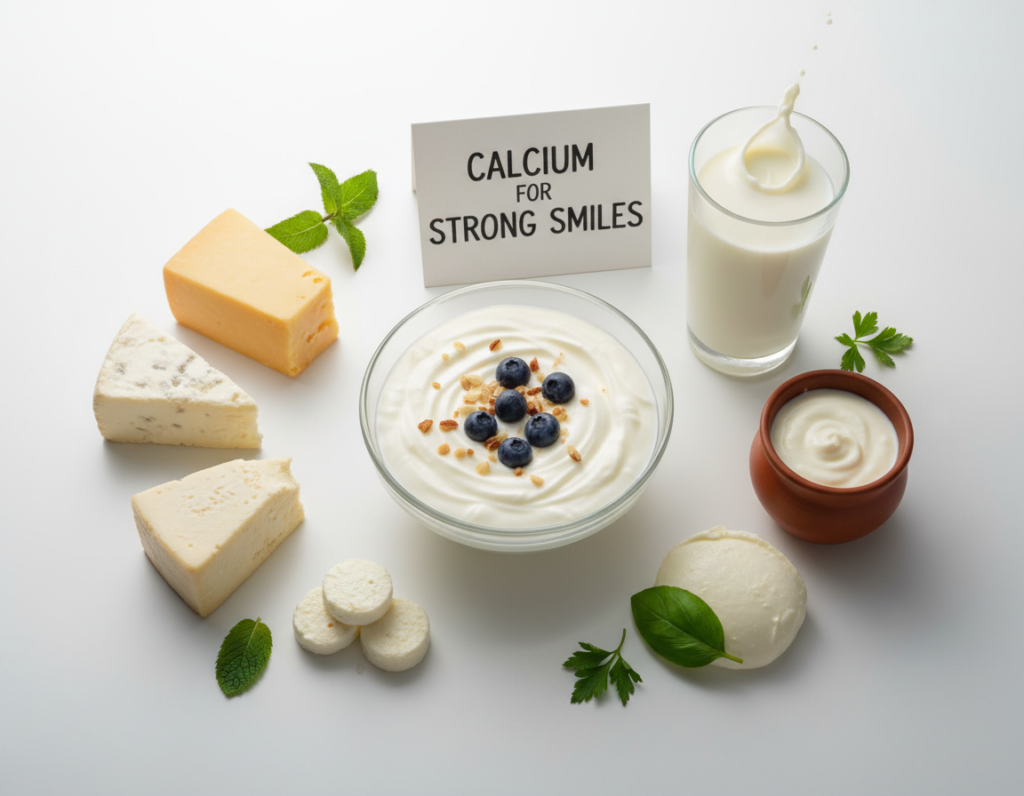
Cheese, yogurt, and milk are excellent sources of calcium and phosphates that strengthen tooth enamel. Cheese raises the pH level in your mouth, reducing acid that damages teeth. Yogurt contains beneficial probiotics that crowd out harmful bacteria in your mouth, protecting both teeth and gums from infection.
Greek yogurt offers particularly high protein content along with calcium. Choose plain varieties without added sugar to maximize benefits for your oral health. The calcium in dairy products integrates directly into tooth structure, making enamel more resistant to acid attacks from bacteria.
Leafy Greens: Vitamin Powerhouses
Leafy greens like kale, spinach, and collard greens contain high levels of calcium, folic acid, and essential vitamins that promote oral health. Kale provides vitamin K, which supports bone health and helps your body absorb calcium more efficiently. These vegetables also require significant chewing, which increases saliva production to naturally clean your teeth.
The fiber in leafy greens acts like a natural toothbrush, scrubbing your teeth as you chew. Add more greens to your diet through salads, smoothies, or cooked side dishes. The vitamins in these vegetables support healthy gums and reduce inflammation that can lead to gum disease.
Crunchy Vegetables: Natural Tooth Cleaners
Carrots, celery, and bell peppers provide a satisfying crunch while cleaning your teeth naturally. These vegetables stimulate saliva production, which neutralizes harmful acids and washes away food particles. The abrasive texture helps remove plaque from tooth surfaces without damaging enamel.
Snacking on raw vegetables between meals supports oral health better than processed snacks. The high water content in these vegetables helps dilute sugars and acids in your mouth. Regular consumption of crunchy vegetables contributes to stronger teeth and healthier gums over time.

Nuts and Seeds: Mineral-Rich Snacks
Almonds, cashews, and sesame seeds provide calcium, phosphorus, and healthy fats that support tooth structure. Chewing nuts stimulates saliva flow while delivering essential minerals your teeth need. Seeds contain magnesium, which works with calcium to build strong bones and teeth.
These foods make excellent snacks that satisfy hunger while protecting dental health. The healthy fats in nuts and seeds help your body absorb fat-soluble vitamins essential for oral health. Choose raw or lightly roasted varieties without added sugar or salt for maximum benefits.
Fish and Seafood: Vitamin D Sources
Fatty fish like salmon, mackerel, and sardines provide vitamin D, which helps your body absorb calcium effectively. Without adequate vitamin D, your body cannot utilize the calcium you consume, regardless of intake amount. These fish also contain omega-3 fatty acids that reduce inflammation in gums.
Aim to include fish in your diet at least twice weekly for optimal vitamin D levels. Canned sardines with bones provide both calcium and vitamin D in a convenient, affordable form. The nutrients in seafood work together to strengthen teeth and support overall oral health.

Apples and Pears: Natural Tooth Scrubbers
These fruits contain high water content and natural fiber that stimulates gums and increases saliva production. The texture of apples works like a natural toothbrush, helping remove plaque and food particles. While apples contain natural sugars, their fibrous texture and water content minimize negative effects on teeth.
Eating an apple after meals can help clean your teeth when brushing isn’t immediately possible. The chewing action required to eat these fruits exercises your jaw and promotes healthy blood flow to gums. Choose fresh, whole fruits over juice to gain maximum dental benefits.
Want a Complete System to Strengthen Your Teeth Naturally?
While these foods provide excellent nutrition for dental health, implementing a comprehensive natural teeth strengthening system can accelerate your results. Discover proven methods, detailed meal plans, and expert guidance to transform your dental health naturally.
Green Tea: Antioxidant Protection
Green tea contains compounds called catechins that kill bacteria causing cavities and gum disease. Regular consumption of green tea reduces inflammation in gums and fights bacteria that produce acid attacking your enamel. The antioxidants in green tea also support overall health while protecting your mouth.
Drink green tea without added sugar to maximize oral health benefits. The natural compounds in tea help neutralize acids in your mouth after eating. Two to three cups daily can significantly reduce harmful bacteria populations in your oral cavity.
Strawberries: Natural Whitening Agents
Strawberries contain malic acid, which naturally whitens teeth while providing vitamin C for healthy gums. The vitamin C in strawberries supports collagen production, strengthening the soft tissue that holds teeth in place. These fruits also contain antioxidants that reduce inflammation throughout your body, including your gums.
Enjoy strawberries as part of a balanced diet rich in diverse fruits and vegetables. While they help whiten teeth naturally, they should complement rather than replace regular brushing. The nutrients in strawberries support both tooth strength and gum health simultaneously.

Water: The Ultimate Mouth Rinse
Water remains the best beverage for oral health. Drinking water throughout the day washes away food particles and bacteria, maintaining a neutral pH in your mouth. Fluoridated water provides additional protection by strengthening enamel and making teeth more resistant to acid attacks.
Rinse your mouth with water after eating or drinking acidic beverages. Staying well-hydrated ensures adequate saliva production, which naturally protects and remineralizes your teeth. Make water your primary beverage choice to support both oral and overall health.
Onions and Garlic: Antibacterial Agents
While they may not freshen your breath immediately, onions and garlic contain powerful antibacterial compounds that fight harmful bacteria in your mouth. Raw onions are particularly effective at killing bacteria that cause cavities and gum disease. The sulfur compounds in garlic have similar protective effects.
Include these foods in your regular diet for their health benefits. The antimicrobial properties help maintain a healthy bacterial balance in your mouth. Chewing fresh parsley after consuming onions or garlic can help neutralize odor while providing additional nutrients.
Daily Habits to Strengthen Teeth Naturally
Beyond diet, your daily oral hygiene practices determine the long-term strength and health of your teeth. Establishing consistent habits creates an environment where teeth can naturally strengthen and resist decay. These practices work together to protect enamel, reduce harmful bacteria, and support the natural remineralization process.
Proper Brushing Technique
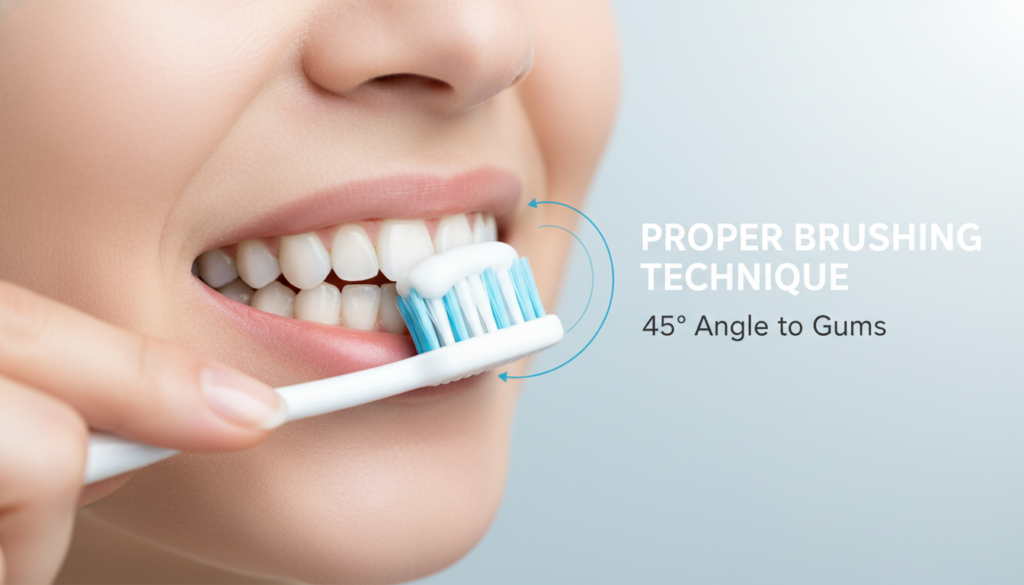
Brushing correctly matters more than brushing frequently. Use a soft-bristled toothbrush and gentle circular motions to clean all tooth surfaces without damaging enamel or irritating gums. Brush for at least two minutes twice daily, paying special attention to the gum line where plaque accumulates.
Hold your toothbrush at a forty-five-degree angle to your gums. This position allows bristles to clean beneath the gum line while protecting delicate tissue. Replace your toothbrush every three months or when bristles become frayed to maintain cleaning effectiveness.
Oil Pulling for Oral Health
This ancient practice involves swishing oil in your mouth for fifteen to twenty minutes to remove bacteria and toxins. Coconut oil works particularly well due to its antibacterial properties. Oil pulling reduces harmful bacteria, freshens breath, and may help prevent cavities when practiced regularly.
Perform oil pulling first thing in the morning before eating or drinking. Spit the oil into a trash can rather than your sink to avoid plumbing problems. Many people notice whiter teeth and healthier gums within weeks of starting this practice.
Managing Mouth Acidity
Maintaining a balanced pH in your mouth protects enamel from acid erosion. Limit consumption of acidic drinks like soda, sports drinks, and citrus juices. When you do consume acidic beverages, use a straw to minimize contact with teeth and rinse with water afterward.
Wait at least thirty minutes after consuming acidic foods or drinks before brushing. Brushing immediately after acid exposure can actually damage softened enamel. Your saliva naturally neutralizes acid over time, so rinsing with water helps accelerate this protective process.
Increasing Saliva Production
Saliva serves as your mouth’s natural defense system, washing away bacteria and neutralizing acids. Chewing sugar-free gum after meals stimulates saliva production and helps clean teeth. Stay well-hydrated throughout the day to ensure adequate saliva flow.
Certain medications can reduce saliva production, increasing cavity risk. If you experience dry mouth, talk to your dentist about solutions. Sucking on sugar-free lozenges or using saliva substitutes can help protect teeth when natural production decreases.

Avoiding Teeth Grinding
Grinding your teeth, especially during sleep, can seriously damage enamel and weaken tooth structure. Stress often triggers grinding, so managing stress through exercise, meditation, or counseling can help protect teeth. If you grind your teeth at night, a custom mouthguard from your dentist can prevent damage.
Pay attention to jaw tension during the day and consciously relax your jaw muscles. Keep your teeth slightly apart and your tongue resting against the roof of your mouth to reduce grinding tendency. Addressing the underlying causes of grinding provides long-term protection for your teeth.
Essential Supplements and Minerals for Teeth Health
While a balanced diet should provide most nutrients your teeth need, certain supplements can fill nutritional gaps and support natural strengthening. Understanding which nutrients matter most for dental health helps you make informed decisions about supplementation.
Calcium and Phosphorus
These minerals form the foundation of tooth structure. Calcium makes up a significant portion of enamel and dentin, while phosphorus works with calcium to strengthen bones and teeth. Most adults need approximately one thousand milligrams of calcium daily for optimal dental and bone health.
Calcium supplements work best when taken with vitamin D for proper absorption. Choose calcium citrate or calcium carbonate forms for maximum bioavailability. Spread calcium intake throughout the day rather than taking large doses at once for better absorption.
Top Calcium-Rich Foods
- Dairy products (milk, cheese, yogurt)
- Leafy green vegetables (kale, collards)
- Canned fish with bones (sardines, salmon)
- Fortified plant milks and juices
- Almonds and sesame seeds
Top Phosphorus Sources
- Meat and poultry
- Fish and seafood
- Eggs and dairy products
- Nuts and seeds
- Whole grains and legumes
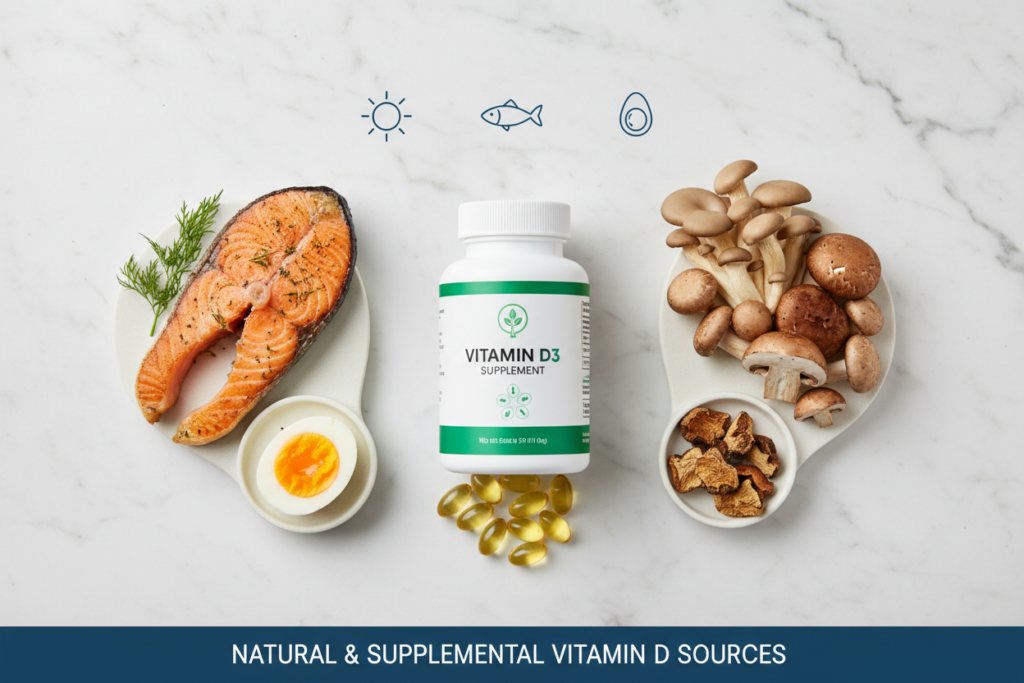
Vitamin D: The Absorption Enhancer
Without adequate vitamin D, your body cannot effectively use the calcium you consume. This vitamin regulates calcium and phosphorus absorption in your digestive system. Many people are deficient in vitamin D, especially those living in northern climates with limited sun exposure during winter months.
Aim for at least six hundred to eight hundred international units of vitamin D daily. Your body produces vitamin D when skin is exposed to sunlight, but supplementation often becomes necessary. Have your vitamin D levels tested to determine if supplementation would benefit your health.
Vitamin K2: Directing Minerals
This lesser-known vitamin directs calcium to bones and teeth rather than allowing it to deposit in soft tissues like arteries. Vitamin K2 works synergistically with vitamins A and D to support optimal oral health. Fermented foods like natto, sauerkraut, and certain cheeses contain significant amounts of vitamin K2.
Consider a vitamin K2 supplement if you don’t regularly consume fermented foods. The MK-7 form of vitamin K2 remains active in your body longer than other forms. This vitamin becomes especially important if you take high doses of vitamin D or calcium supplements.
Magnesium for Mineral Balance
Magnesium helps your body regulate calcium levels and supports the formation of tooth enamel. This mineral also helps reduce inflammation throughout your body, including in your gums. Many people consume insufficient magnesium due to depleted soil quality and processed food diets.
Good food sources of magnesium include nuts, seeds, whole grains, and dark leafy greens. If supplementing, magnesium citrate or glycinate forms absorb better than magnesium oxide. Adequate magnesium intake supports not only dental health but also sleep quality, muscle function, and cardiovascular health.
Lifestyle Factors Affecting Natural Teeth Strength
Your overall lifestyle choices significantly impact your dental health. Factors beyond diet and oral hygiene influence how well your teeth resist decay and maintain strength over time. Understanding these connections helps you make choices that support strong, healthy teeth naturally.
Stress Management and Oral Health
Chronic stress weakens your immune system, making you more susceptible to gum disease and oral infections. Stress often leads to teeth grinding, which damages enamel and tooth structure. Finding effective stress management techniques protects both your mental health and your teeth.
Practice relaxation techniques like deep breathing, meditation, or yoga to reduce stress levels. Regular exercise helps manage stress while improving circulation to your gums. Prioritize adequate sleep, as rest allows your body to repair and regenerate tissues, including those in your mouth.

Smoking and Tobacco Cessation
Tobacco use severely compromises oral health, reducing blood flow to gums and weakening your immune response to bacteria. Smokers face much higher risks of gum disease, tooth loss, and oral cancer compared to non-smokers. Quitting tobacco represents one of the most impactful decisions you can make for your dental health.
Within weeks of quitting, circulation to your gums improves and your sense of taste returns. Your risk of gum disease begins decreasing immediately. Seek support from healthcare providers, support groups, or smoking cessation programs to increase your success rate.
Regular Dental Checkups
Professional dental cleanings remove hardened plaque that brushing cannot eliminate. Your dentist can identify potential problems early when they’re easier and less expensive to treat. Regular dental visits work together with your natural strengthening efforts to maintain optimal oral health.
Schedule dental checkups every six months or as recommended by your dentist. Professional cleanings prevent gum disease and allow your dentist to monitor changes in your oral health over time. Don’t wait for pain or obvious problems to visit your dentist, as prevention costs far less than treatment.
Ready to Transform Your Dental Health Naturally?
You’ve learned powerful methods to strengthen teeth naturally, but having a structured system makes implementation easier and results faster. Get access to proven protocols, customized plans, and expert guidance that take the guesswork out of natural dental care.
Foods and Habits That Weaken Teeth
Understanding what harms your teeth helps you make better choices and avoid unnecessary damage. Certain foods and habits actively work against your efforts to strengthen teeth naturally. Minimizing or eliminating these factors significantly improves your results.
Sugar and Refined Carbohydrates
Bacteria in your mouth feed on sugar, producing acid that erodes enamel. The frequency of sugar exposure matters more than the total amount consumed. Sipping sugary drinks throughout the day creates constant acid attacks on your teeth.
Limit sugary snacks and drinks, choosing healthier alternatives instead. If you consume sweets, eat them with meals rather than as standalone snacks. Your increased saliva production during meals helps neutralize acids more effectively.

Acidic Foods and Beverages
Citrus fruits, tomatoes, and vinegar-based foods contain acids that soften enamel temporarily. Soft drinks and energy drinks combine sugar with acid, creating double trouble for your teeth. Even diet sodas contain acids that damage enamel despite lacking sugar.
Enjoy acidic foods in moderation and rinse with water afterward. Use a straw when drinking acidic beverages to minimize contact with teeth. Wait thirty minutes before brushing to allow your enamel to reharden after acid exposure.
Sticky and Hard Foods
Sticky candies cling to teeth, providing prolonged exposure to sugar and acids. Hard candies pose similar risks while potentially cracking teeth if bitten. Dried fruits stick to teeth and concentrate natural sugars in prolonged contact with enamel.
Choose fresh fruits over dried varieties when possible. If you eat sticky foods, brush and floss soon afterward to remove residue. Hard foods like ice or popcorn kernels can crack or chip teeth, so chew carefully.
Alcohol and Its Effects
Alcohol causes dry mouth by reducing saliva production. Without adequate saliva, bacteria proliferate more easily and acids remain in contact with teeth longer. Heavy alcohol consumption also increases risk of gum disease and oral cancer.
If you drink alcohol, do so in moderation and stay well-hydrated with water. Consider alternating alcoholic drinks with water to maintain saliva production. Be especially mindful of sugary mixed drinks that combine alcohol’s drying effects with sugar’s cavity-causing properties.

Natural Remedies and Traditional Practices
Throughout history, different cultures have developed natural methods to maintain oral health. Many traditional practices offer benefits supported by modern research. Incorporating these time-tested remedies complements contemporary dental care approaches.
Herbal Mouth Rinses
Certain herbs possess antibacterial and anti-inflammatory properties that support oral health. Sage, peppermint, and chamomile can be steeped as teas and used as natural mouth rinses. These herbs reduce bacteria populations while soothing inflamed gums.
Prepare herbal rinses by steeping herbs in hot water, then cooling to room temperature. Swish the liquid in your mouth for thirty seconds to one minute, then spit out. Use herbal rinses once or twice daily as part of your oral hygiene routine.
Baking Soda Applications
Baking soda naturally neutralizes acids in your mouth and gently polishes teeth without damaging enamel. This household staple has been used for dental care for generations. Mixing baking soda with water creates an effective paste for occasional brushing.
Use baking soda toothpaste once or twice weekly rather than daily to avoid excessive abrasion. The alkaline nature of baking soda helps balance pH levels in your mouth. Some people notice whiter teeth and fresher breath after incorporating baking soda into their routine.

Saltwater Rinses
Rinsing with warm saltwater reduces inflammation, kills bacteria, and promotes healing of minor oral injuries. This simple remedy costs nothing and provides genuine benefits for gum health. Saltwater creates an environment hostile to many harmful bacteria.
Dissolve half a teaspoon of salt in warm water and swish for thirty seconds. Use saltwater rinses when experiencing gum irritation or after dental procedures. This practice complements but doesn’t replace regular brushing and flossing.
Clove Oil for Tooth Pain
Clove oil contains eugenol, a natural anesthetic and antibacterial compound. Dentists historically used clove oil for pain relief before modern anesthetics became available. While not a substitute for professional dental care, clove oil can provide temporary relief from tooth pain.
Apply a tiny amount of clove oil to a cotton ball and place it against the affected tooth. Use clove oil sparingly, as excessive amounts can irritate tissues. Always seek dental care for persistent tooth pain rather than relying solely on home remedies.
Creating Your Comprehensive Natural Teeth Strengthening Plan
Now that you understand the principles and practices for naturally strengthening teeth, creating a personalized plan helps ensure consistent implementation. A structured approach makes it easier to adopt new habits and track your progress over time.
Assessing Your Current Situation
Begin by honestly evaluating your current oral health and habits. Identify areas where you excel and areas needing improvement. Consider scheduling a dental checkup to establish a baseline and address any existing problems before implementing your natural strengthening plan.
Track what you eat for a week, noting foods that support or harm dental health. Evaluate your current oral hygiene routine objectively. This assessment helps you prioritize changes that will have the greatest impact on your teeth and gums.
Diet Assessment
Review your regular food and beverage choices to identify opportunities for improvement.
- Calcium and vitamin D intake
- Sugar consumption frequency
- Acidic drink consumption
- Vegetable and fruit variety
Habit Evaluation
Examine your daily oral care practices and identify areas for enhancement.
- Brushing technique and frequency
- Flossing consistency
- Use of mouth rinses
- Teeth grinding or clenching
Lifestyle Factors
Consider broader lifestyle choices affecting your oral health.
- Stress management practices
- Tobacco or alcohol use
- Sleep quality and duration
- Regular dental visit schedule
Setting Realistic Goals
Establish specific, measurable goals for improving your dental health. Rather than trying to change everything at once, prioritize two or three changes to implement first. Success with initial goals builds confidence and momentum for additional improvements.
Write down your goals and review them regularly. Share your goals with family members who can support your efforts. Celebrate small victories along the way to maintain motivation for long-term change.
Implementing Changes Gradually
Introduce new habits one at a time rather than overwhelming yourself with simultaneous changes. Allow two to three weeks for each new habit to become established before adding another. This gradual approach increases your likelihood of maintaining changes long-term.
Start with the easiest or most appealing changes to build early success. As these habits become automatic, add more challenging modifications. Remember that sustainable change happens gradually, not overnight.

Tracking Progress
Keep a simple log of your new habits to maintain accountability. Note how your teeth and gums feel over time. Many people notice improvements in gum health, tooth sensitivity, and overall oral comfort within weeks of implementing natural strengthening practices.
Take photos of your smile at the start of your journey and periodically thereafter. Visual documentation helps you notice gradual improvements you might otherwise overlook. Share your progress with your dentist during regular checkups to receive professional feedback.
Adjusting Your Approach
Remain flexible and willing to adjust your plan based on results and changing circumstances. What works well for one person may need modification for another. Pay attention to your body’s responses and refine your approach accordingly.
If certain changes prove too difficult to maintain, consider alternative approaches that accomplish similar goals. The best plan is one you can sustain consistently over months and years. Don’t let perfectionism prevent you from making meaningful progress.
Take Control of Your Dental Health Today
Strengthening your teeth naturally requires commitment to dietary changes, improved oral hygiene, and healthier lifestyle choices. The methods outlined in this guide work together synergistically to create an environment where your teeth can thrive. Small, consistent actions compound over time, leading to significant improvements in oral health.
You now possess the knowledge to naturally strengthen your teeth and improve your overall dental health. The question is whether you’ll take action on what you’ve learned. Remember that your teeth must last your entire lifetime, making the investment in their care one of the most valuable you can make.
Start with one or two changes today rather than waiting for the perfect moment. Your smile will thank you for years to come as you enjoy the benefits of naturally strong, healthy teeth and gums.

Don’t Leave Your Dental Health to Chance
While the information in this article provides a strong foundation, having a complete, expert-designed system ensures you implement these methods correctly and consistently. Discover the proven natural teeth strengthening program that has helped thousands achieve remarkable results without expensive treatments or harsh chemicals. Take control of your dental destiny today.