How to Improve Oral Microbiome: Transform Your Health from the Mouth Down
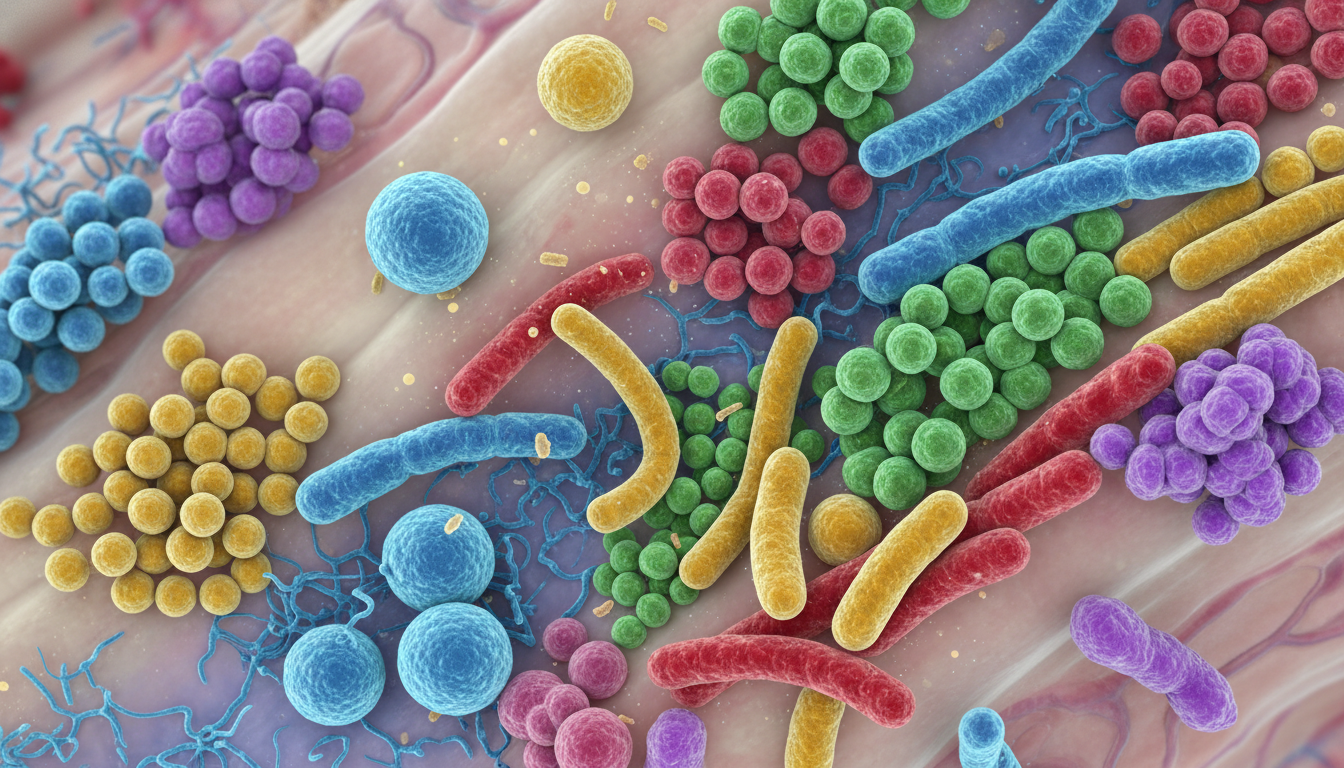
Your mouth harbors a complex community of bacteria that influences far more than just your teeth. The oral microbiome contains trillions of microorganisms that directly impact your body’s overall health. When this delicate bacterial balance gets disrupted, the consequences extend beyond cavities.
This Website contains affiliate links. That means I may earn a small commission if you purchase through my links, at no extra cost to you.
Research shows the connection between oral microbiome health and conditions like heart disease, diabetes, and immune system dysfunction. Understanding how to improve oral microbiome starts with recognizing its critical role in your wellness.
This comprehensive guide reveals science-backed strategies to cultivate a healthy oral microbiome. You’ll discover practical methods that go beyond traditional dental care to optimize the bacterial community living in your mouth.
Understanding Your Oral Microbiome and Its Impact on Health
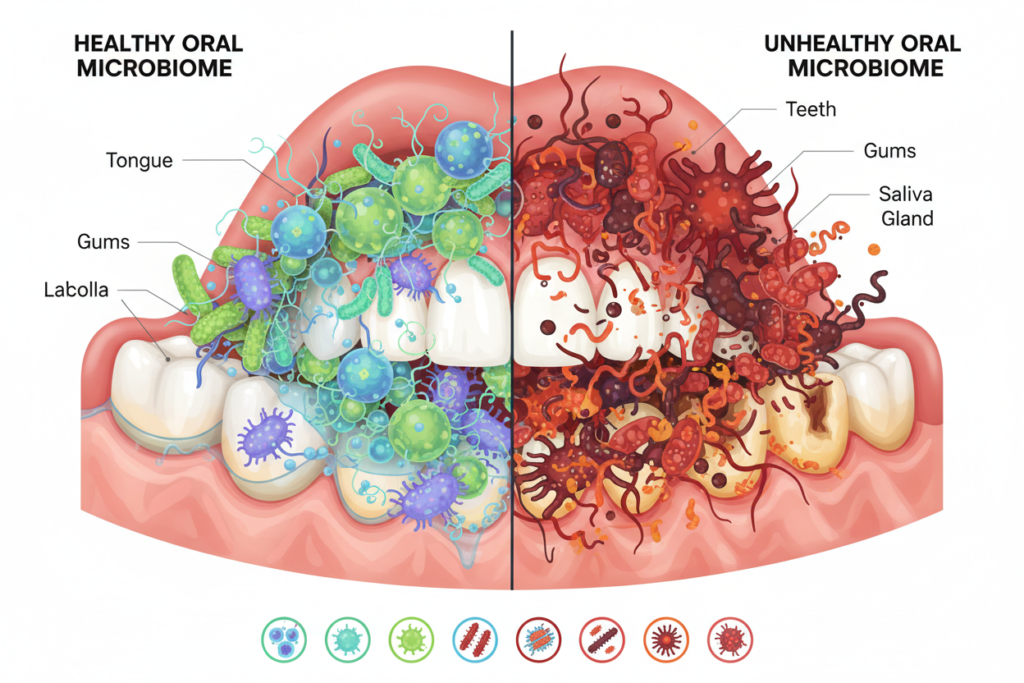
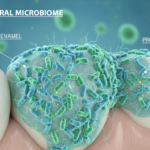
The oral microbiome represents one of the most diverse bacterial communities in your body. This ecosystem contains over 700 different bacterial species that live on your teeth, gums, tongue, and throat tissues.
A healthy oral microbiome maintains balance between beneficial and harmful bacteria. Good bacteria protect your mouth from infections and support your immune system. They help break down food particles and produce essential compounds that keep your gums healthy.
When harmful bacteria dominate, problems develop quickly. An unhealthy oral microbiome leads to tooth decay, gum disease, and persistent bad breath. The inflammation from oral infections travels through your bloodstream to other body parts.
The Microbiome Connection to Chronic Disease
Scientists now understand that oral health issues extend far beyond your mouth. The bacteria living between your teeth and gums can enter your bloodstream through inflamed tissue. This process creates systemic inflammation throughout your body.
Studies link poor oral microbiome health to increased risk heart disease. Harmful bacteria from your mouth can contribute to arterial plaque buildup. Your cardiovascular system suffers when oral bacteria trigger inflammatory responses.
The connection between your mouth and your gut microbiome also plays a crucial role. You swallow oral bacteria constantly, which affects your digestive system’s bacterial balance. This relationship influences nutrient absorption, metabolism, and immune function.
Beneficial Bacteria Functions
Good bacteria in your mouth perform essential protective roles that maintain oral and systemic health.
- Prevent harmful bacteria colonization
- Produce antimicrobial compounds
- Support immune system responses
- Maintain healthy pH levels
Signs of Microbiome Imbalance
Recognizing these symptoms helps you identify when your oral microbiome needs attention and intervention.
- Chronic bad breath despite brushing
- Bleeding or inflamed gums
- Frequent tooth decay
- Persistent mouth dryness
Health Conditions Linked
Research connects oral microbiome imbalance to various systemic health issues throughout the body.
- Cardiovascular disease
- Type 2 diabetes
- Respiratory infections
- Autoimmune disorders
Risk Factors
Certain lifestyle and dietary factors disrupt your oral microbiome and promote harmful bacteria growth.
- High sugar consumption
- Tobacco use
- Chronic stress
- Antibiotic overuse
Ready to Transform Your Oral Microbiome Health?
Discover the complete system that combines cutting-edge research with practical strategies to optimize your oral microbiome. Get access to proven methods that address root causes and restore bacterial balance naturally.
Dietary Strategies to Support a Healthy Oral Microbiome

Your diet directly shapes the bacterial community in your mouth. The foods you eat either feed beneficial bacteria or promote harmful species growth. Making strategic dietary choices represents one of the most powerful ways to improve your microbiome.
Sugar creates an acidic environment that harmful bacteria thrive in. When you consume sugar, bad bacteria multiply rapidly and produce acids that damage tooth enamel. Reducing sugar intake starves these destructive microorganisms.
Probiotic Foods for Oral Health
Fermented foods introduce beneficial bacteria directly into your mouth and gut. These live microorganisms help crowd out harmful bacteria and restore healthy balance. Regular consumption of probiotic-rich foods supports both your oral microbiome and digestive health.
Yogurt with live cultures provides beneficial strains that combat harmful oral bacteria. Choose unsweetened varieties to avoid feeding bad bacteria with added sugar. Kefir offers similar benefits with even greater bacterial diversity.
Kimchi, sauerkraut, and other fermented vegetables contain beneficial bacteria that support oral health. These foods also provide prebiotic fiber that feeds good bacteria throughout your digestive system.

Foods That Harm Your Microbiome
Processed foods containing artificial additives disrupt your oral microbiome balance. Preservatives and artificial sweeteners kill beneficial bacteria while allowing harmful species to flourish. Whole, unprocessed foods support a healthier bacterial community.
Acidic beverages like soda create an environment where harmful bacteria thrive. The combination of sugar and acid damages tooth enamel while feeding destructive microorganisms. Even diet sodas contain acids that harm your oral health.
- Minimize refined carbohydrates and sugary snacks
- Include prebiotic-rich vegetables like onions and garlic
- Consume omega-3 rich foods to reduce inflammation
- Drink green tea for its antimicrobial properties
- Add cruciferous vegetables that support detoxification
- Choose fiber-rich foods that promote beneficial bacteria
Advanced Oral Hygiene Practices for Microbiome Balance

Traditional oral hygiene focuses on eliminating all bacteria, but this approach disrupts your microbiome. Modern strategies aim to preserve beneficial bacteria while controlling harmful species. This balanced approach creates lasting oral health.
Brushing removes food particles and plaque buildup that harmful bacteria feed on. However, aggressive brushing with harsh toothpaste can damage beneficial bacteria colonies. Use gentle techniques with fluoride toothpaste to clean without destroying your microbiome.
The Role of Tongue Cleaning
Your tongue harbors the largest bacterial population in your mouth. A thick coating on your tongue indicates microbiome imbalance and contributes to bad breath. Daily tongue cleaning removes this bacterial buildup effectively.
Use a tongue scraper each morning before eating or drinking. This practice removes the overnight bacterial accumulation and toxins your body eliminated through your mouth. Scraping stimulates your digestive system and improves taste perception.
Flossing and Interdental Cleaning
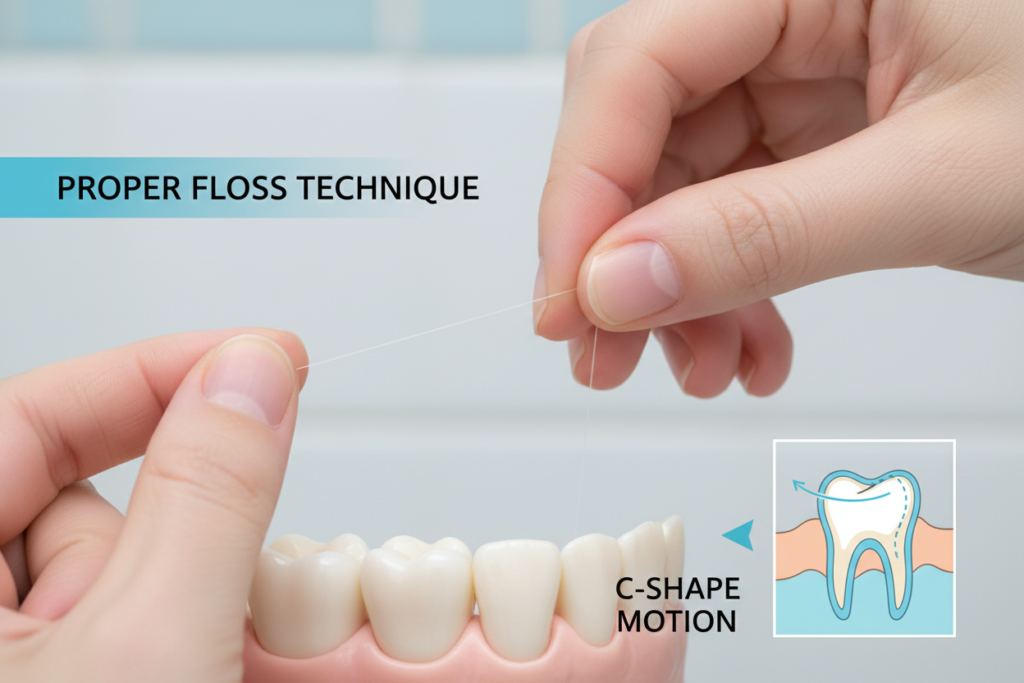
The spaces between your teeth create perfect environments for bacterial colonies. Food particles trapped in these areas feed harmful bacteria that cause gum disease. Daily flossing disrupts these bacterial communities before they cause damage.
Water flossers provide an effective alternative to traditional string floss. These devices remove debris while being gentler on sensitive gums. The pulsating water also stimulates blood flow to gum tissue.
Important Practice: Avoid antimicrobial mouthwashes that kill all oral bacteria indiscriminately. These products disrupt your microbiome balance and can cause more harm than good. Choose alcohol-free rinses or simple salt water instead.
Unlock Advanced Oral Microbiome Restoration Techniques
Go beyond basic dental care with a comprehensive approach designed by health experts. This proven system reveals the exact protocols used to rebuild healthy oral microbiome and prevent chronic disease risk.
Lifestyle Factors That Influence Your Oral Microbiome
Your daily habits shape your oral microbiome just as much as your diet. Stress, sleep quality, and environmental exposures all impact the bacterial balance in your mouth. Addressing these factors creates conditions for a healthy oral microbiome to thrive.
Chronic stress weakens your immune system and allows harmful bacteria to multiply. Stress hormones change your mouth’s pH levels and reduce saliva production. This creates an environment where bad bacteria flourish.
The Importance of Saliva

Saliva acts as your mouth’s natural defense system. It contains antimicrobial compounds that control harmful bacteria populations. Adequate saliva flow washes away food particles and neutralizes acids produced by bacteria.
Dehydration reduces saliva production and compromises your oral microbiome. Drinking water throughout the day maintains optimal saliva flow. This simple practice significantly impacts your oral health.
Certain medications cause dry mouth as a side effect. If you experience chronic mouth dryness, talk to your dentist about solutions. Sugar-free lozenges and hydration strategies can help stimulate saliva production.
Sleep Quality and Oral Health
During sleep, your saliva production decreases naturally. This allows bacteria to multiply overnight, which explains morning breath. Poor sleep quality compounds this problem by suppressing your immune system.
Mouth breathing during sleep dries out oral tissues and disrupts your microbiome. This practice allows harmful bacteria to colonize your mouth more easily. Address sleep breathing issues to protect your oral health.
- Practice stress reduction techniques like meditation daily
- Maintain consistent sleep schedules for immune support
- Stay hydrated with water throughout the day
- Avoid tobacco products that destroy beneficial bacteria
- Limit alcohol consumption that dries mouth tissues
- Exercise regularly to boost immune function
Avoiding Practices That Damage Your Oral Microbiome
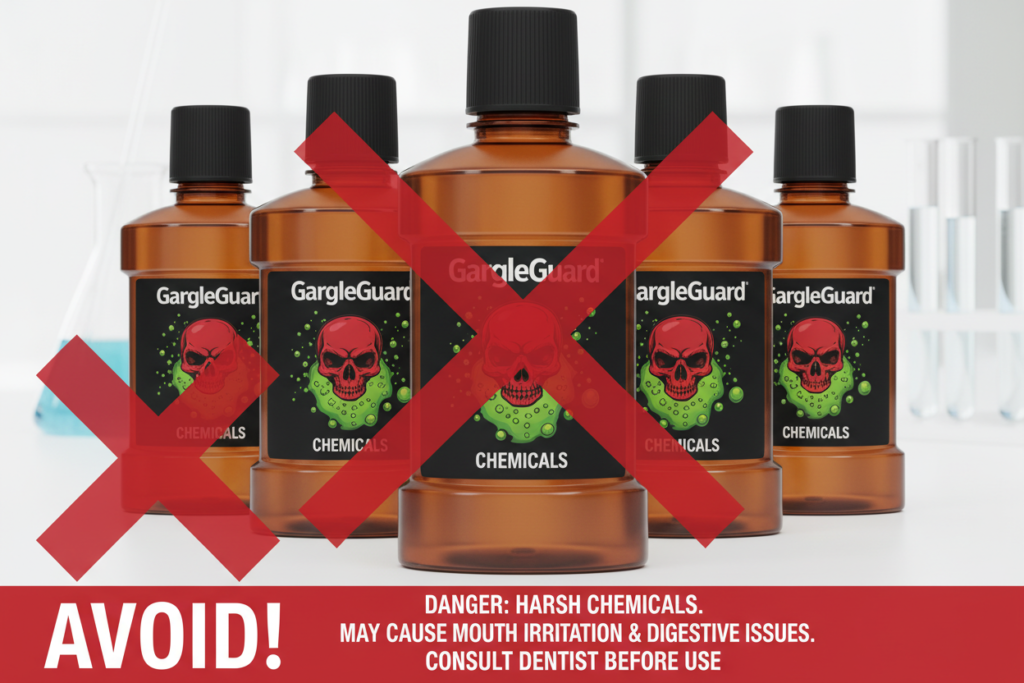
Many common dental care products and practices actually harm your oral microbiome. Understanding what to avoid protects the beneficial bacteria your mouth needs. These harmful practices create long-term health issues despite appearing helpful.
Antibacterial mouthwashes kill beneficial bacteria along with harmful species. This indiscriminate destruction disrupts your microbiome balance and can lead to resistant bacterial strains. The temporary fresh breath comes at a significant cost to your oral health.
The Antibiotic Problem
Antibiotics prescribed for infections don’t discriminate between good and bad bacteria. These medications devastate your oral and gut microbiome simultaneously. While sometimes necessary, antibiotic overuse creates lasting microbiome damage.
After antibiotic treatment, focus on rebuilding your microbiome with probiotics. Consume fermented foods and consider probiotic supplements to restore bacterial diversity. This recovery process takes time and consistent effort.
Toothpaste Ingredients to Avoid
Triclosan, a common antibacterial agent in toothpaste, disrupts your microbiome balance. This ingredient kills beneficial bacteria and may contribute to antibiotic resistance. Choose toothpaste without harsh antibacterial agents.
Sodium lauryl sulfate (SLS) creates foam in toothpaste but irritates oral tissues. This irritation damages the protective barrier that houses beneficial bacteria. Many people experience reduced mouth sores by switching to SLS-free toothpaste.
Research Insight: Studies show that maintaining oral microbiome diversity reduces your risk of developing gum disease by up to 60%. A balanced bacterial community actively protects against infection and inflammation in your mouth.
Natural Remedies to Enhance Oral Microbiome Health

Nature provides powerful tools for supporting your oral microbiome. These natural remedies work with your body’s systems rather than against them. Incorporating these approaches enhances your microbiome health safely and effectively.
Oil pulling with coconut oil reduces harmful bacteria while preserving beneficial species. This ancient practice involves swishing oil in your mouth for 10-15 minutes daily. The medium-chain fatty acids in coconut oil have antimicrobial properties that target harmful bacteria.
Xylitol for Bacterial Balance
Xylitol, a natural sugar alcohol, prevents harmful bacteria from adhering to teeth. Unlike regular sugar, harmful bacteria cannot metabolize xylitol for energy. This starves bad bacteria while leaving beneficial species unaffected.
Chewing xylitol gum after meals reduces cavity-causing bacteria populations. This simple practice also stimulates saliva production, which benefits your entire oral microbiome. Choose products with 100% xylitol for maximum benefit.
Herbal Support
Certain herbs possess antimicrobial properties that selectively target harmful bacteria. Sage, thyme, and oregano contain compounds that fight infection without destroying beneficial bacteria. These herbs can be used in teas or natural mouthwashes.
Aloe vera soothes inflamed gum tissue and supports healing. This plant contains compounds that reduce inflammation while promoting beneficial bacteria growth. Apply pure aloe vera gel directly to gums for targeted support.
Oil Pulling Protocol
- Use one tablespoon of coconut oil
- Swish gently for 10-15 minutes
- Perform on empty stomach each morning
- Spit into trash, not sink
- Rinse mouth with warm water
- Brush teeth normally afterward

Transform Your Oral Health with Proven Strategies
Stop guessing about what works for oral microbiome health. Get the comprehensive guide that combines natural remedies, dietary strategies, and advanced protocols into one complete system. Take control of your health starting from your mouth.
Working with Your Dentist for Microbiome Health
Your dentist plays a crucial role in maintaining your oral microbiome health. Regular dental visits allow professionals to identify problems before they become serious. However, not all dentists understand microbiome-focused approaches to oral care.
Find a dentist who recognizes the importance of preserving beneficial bacteria. Ask about their approach to oral microbiome health during your consultation. Progressive dental practices now incorporate microbiome science into their treatment protocols.
Professional Cleanings and Microbiome
Dental cleanings remove hardened plaque that you cannot eliminate with home care. These deposits harbor harmful bacterial communities that damage your gums. Professional cleaning disrupts these colonies and allows beneficial bacteria to recolonize.
Discuss the cleaning methods your dentist uses. Some aggressive techniques may unnecessarily disturb beneficial bacteria. Gentle cleaning approaches can be just as effective while preserving your microbiome.
Testing Your Oral Microbiome
Advanced dental practices now offer microbiome testing services. These tests identify the specific bacterial species living in your mouth. This information helps create personalized treatment plans targeting your unique microbiome imbalances.
Microbiome testing reveals your risk for specific oral health issues. The results guide preventive strategies tailored to your bacterial profile. This precision approach represents the future of dental care.
- Schedule dental checkups every six months minimum
- Communicate any changes in oral health symptoms
- Ask about microbiome-friendly treatment options
- Discuss medication side effects on oral health
- Request gentle cleaning techniques when possible
- Consider microbiome testing if available
The Oral Microbiome and Immune System Connection
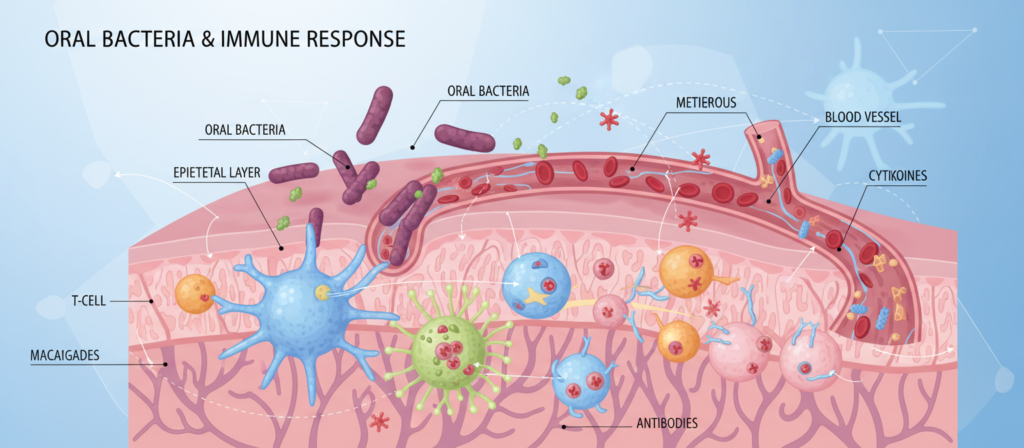
Your oral microbiome trains and supports your immune system daily. The bacteria in your mouth interact constantly with immune cells in your gum tissue. This relationship influences your body’s ability to fight infections throughout your entire system.
A diverse oral microbiome strengthens immune system responses. Beneficial bacteria stimulate immune cells and help them distinguish between harmless and dangerous microorganisms. This training prevents inappropriate immune reactions like allergies and autoimmune conditions.
Inflammation and Systemic Health
Unhealthy oral microbiome creates chronic low-grade inflammation. This inflammation doesn’t stay confined to your mouth. Inflammatory compounds enter your bloodstream and affect your entire body.
Gum disease represents a significant source of systemic inflammation. The body’s immune response to harmful oral bacteria produces inflammatory molecules that damage blood vessels. This process increases your risk heart disease and stroke.
Research connects oral inflammation to conditions like rheumatoid arthritis and diabetes. The inflammatory burden from poor oral health compounds other inflammation sources in your body. Addressing oral microbiome health reduces this total inflammatory load.
Supporting Immune Function
Probiotic bacteria in your mouth produce short-chain fatty acids that support immune function. These compounds help regulate immune responses and reduce excessive inflammation. A healthy oral microbiome provides these beneficial molecules continuously.
Vitamin D plays a crucial role in both oral microbiome health and immune function. This nutrient helps your body maintain beneficial bacteria populations while supporting immune cell activity. Ensure adequate vitamin D levels through sun exposure or supplementation.
Health Alert: People with compromised immune systems face higher risk of oral health issues. If you have diabetes, autoimmune disease, or take immunosuppressant medications, pay extra attention to your oral microbiome. Work closely with both your dentist and physician.
Monitoring Your Oral Microbiome Health Progress

Improving your oral microbiome requires consistent effort over time. Tracking your progress helps you identify which strategies work best for your unique situation. Several indicators reveal whether your microbiome is becoming healthier.
Notice changes in your breath quality throughout the day. Improved microbiome balance reduces bad breath naturally. If morning breath improves or breath stays fresher longer, your bacterial balance is shifting positively.
Physical Signs of Improvement
Healthier gums appear pink and firm rather than red and swollen. Bleeding during brushing should decrease as your microbiome improves. These visible changes indicate that harmful bacteria populations are shrinking.
Your tongue coating should become thinner and lighter in color. A thick white or yellow coating indicates bacterial overgrowth and poor microbiome health. As balance improves, your tongue appears pinker with minimal coating.
Reduced tooth sensitivity often accompanies microbiome improvement. As harmful acid-producing bacteria decrease, your enamel strengthens. This process takes months but represents genuine healing.
- Keep a health journal tracking oral symptoms
- Take photos of your tongue weekly to monitor changes
- Note any reduction in gum bleeding or sensitivity
- Track how long fresh breath lasts after brushing
- Record dietary changes and their effects
- Schedule follow-up dental exams to measure clinical improvement
Taking Action for Long-Term Oral Microbiome Health
Understanding how to improve oral microbiome empowers you to take control of your overall health. The strategies outlined here address the root causes of oral health issues rather than just treating symptoms. This holistic approach creates lasting change.
Start with small, sustainable changes rather than overwhelming yourself. Add one or two new practices each week until they become habits. Consistency matters more than perfection when rebuilding your microbiome.
Your oral microbiome influences far more than your teeth and gums. The bacteria in your mouth affect your heart, immune system, and entire body. Investing in oral microbiome health represents one of the most important steps you can take for overall wellness.
The connection between oral health and chronic disease continues to grow stronger in research. Prevention through microbiome care offers powerful protection against health issues that develop over time. Your daily choices compound to create either vitality or disease.
Remember that improving your oral microbiome is a journey, not a destination. Your mouth’s bacterial community responds to your choices every single day. Each positive decision supports the beneficial bacteria that protect your health.
The practices shared here combine traditional wisdom with modern science. This integrated approach addresses oral microbiome health from multiple angles simultaneously. Your commitment to these principles will pay dividends for years to come.