
How to Get Healthy Teeth Without Dentist: Your Complete Guide to Natural Dental Care
Dental bills keep climbing year after year. A simple cleaning can cost hundreds of dollars. Root canals and fillings push costs into thousands. Many people feel trapped in an endless cycle of expensive dental visits.
This Website contains affiliate links. That means I may earn a small commission if you purchase through my links, at no extra cost to you.
But what if you could maintain healthy teeth and gums without constant dentist appointments? What if proper oral health techniques could prevent most dental issues before they start? The truth is that your daily habits matter more than occasional professional cleanings.
This guide reveals how to get healthy teeth without dentist visits becoming your only option. You’ll discover natural methods that protect your enamel, prevent cavities, and keep your gums strong. These techniques have helped thousands of people reduce their dental expenses while improving their oral health.
Understanding the Foundation of Dental Health
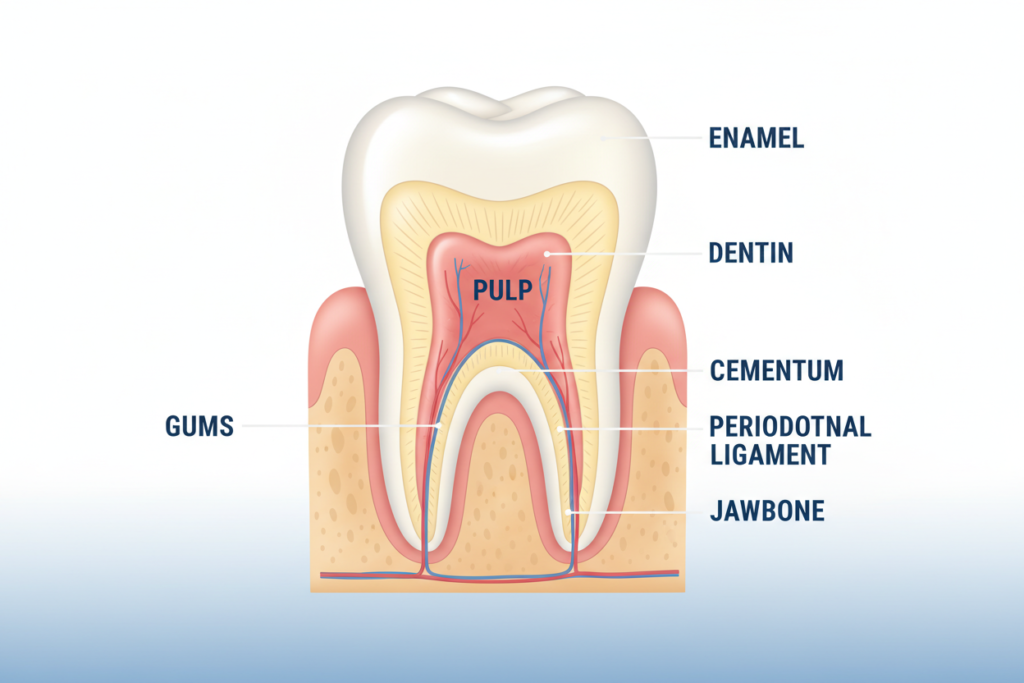
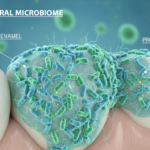
Your mouth contains billions of bacteria. Some bacteria help your oral health, while others cause damage. Understanding this balance helps you make better decisions about dental care at home.
Tooth enamel is the hardest substance in your body. However, acids from food and bacteria can weaken it over time. Once enamel damage occurs, your body cannot regenerate it naturally. Prevention becomes crucial for long-term dental health.
Gum disease affects nearly half of all adults over thirty. This condition starts with inflammation and can progress to serious infections. The good news is that proper care can prevent and even reverse early gum disease without professional treatment.
The Role of Saliva in Oral Health
Saliva does more than keep your mouth moist. It neutralizes acids that attack your teeth throughout the day. Saliva also contains minerals that help repair early enamel damage.
Many people don’t produce enough saliva due to medications or health conditions. This dry mouth increases cavity risk significantly. Drinking water regularly and avoiding mouth-breathing helps maintain healthy saliva production.
How Plaque Becomes Your Enemy
Plaque forms constantly on your teeth. This sticky film of bacteria feeds on sugars from food and drinks. Within minutes of eating, plaque bacteria produce acids that attack tooth enamel.
If plaque stays on teeth for more than 24 hours, it begins hardening into tartar. Once tartar forms, only professional cleaning can remove it. This is why consistent daily care matters so much for maintaining healthy teeth and preventing cavities.
Ready to Transform Your Dental Health?
Discover the complete system that dental professionals use to maintain perfect oral health at home. Learn advanced techniques that go beyond basic brushing and flossing.
Essential Daily Practices for Healthy Teeth
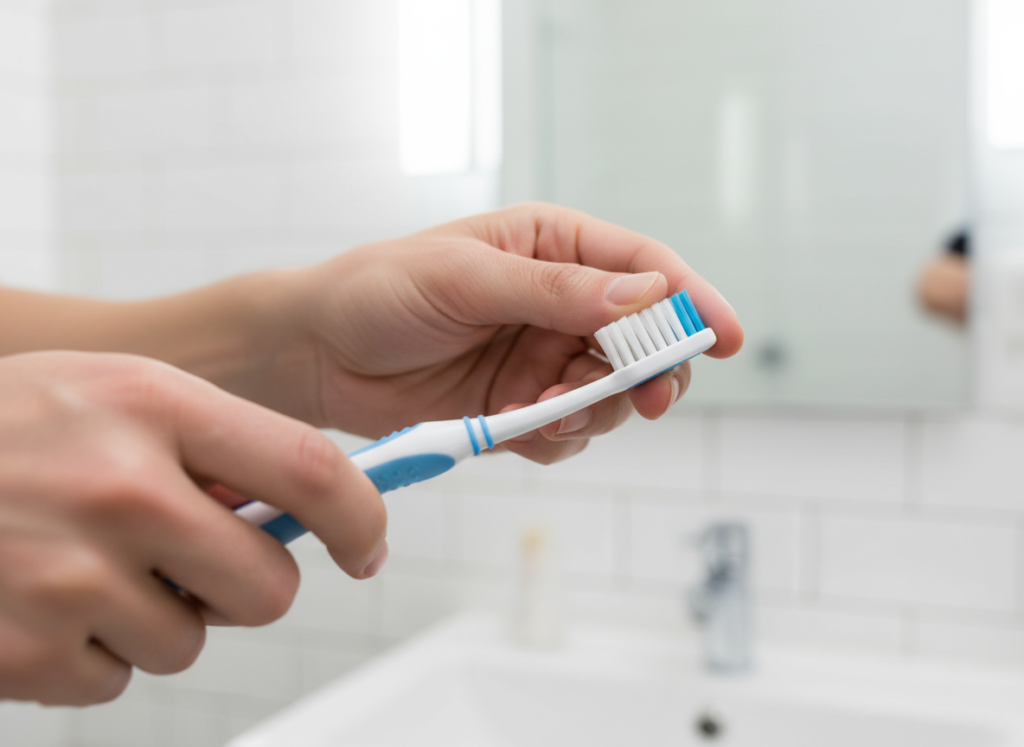
Brushing your teeth twice a day forms the foundation of oral health. But technique matters as much as frequency. Most people brush incorrectly and miss critical areas where plaque accumulates.
Hold your toothbrush at a 45-degree angle to your gums. Use gentle circular motions rather than harsh back-and-forth scrubbing. Aggressive brushing damages gum tissue and wears down enamel over time.
Spend at least two minutes brushing. Most people brush for only 45 seconds. Set a timer or use an electric toothbrush with a built-in timer. Make sure you reach all surfaces of every tooth.
Choosing the Right Toothbrush and Toothpaste
Soft-bristled toothbrushes work best for most people. Medium and hard bristles can damage gums and enamel. Replace your toothbrush every three months or when bristles become frayed.
Fluoride toothpaste strengthens enamel and helps prevent cavities. Use a pea-sized amount for adults. Too much toothpaste creates excess foam that makes thorough brushing difficult.
Electric toothbrushes remove more plaque than manual brushing for many people. The rotating or vibrating action helps clean hard-to-reach areas. However, proper technique matters more than the type of toothbrush you use.
The Critical Importance of Flossing
Brushing alone cleans only about 60 percent of tooth surfaces. Floss reaches the tight spaces between teeth where your toothbrush cannot go. These areas are where most cavities start.
Floss at least once per day, preferably before bedtime. Use about 18 inches of floss, winding most around your middle fingers. Gently curve the floss around each tooth in a C-shape.
Many people avoid flossing because their gums bleed. This bleeding usually indicates gum disease or inflammation. Continue flossing gently, and bleeding typically stops within a week as gums heal.
Brushing Best Practices
- Brush twice daily for two minutes each time
- Use fluoride toothpaste with soft-bristled brush
- Clean all tooth surfaces including tongue
- Replace toothbrush every three months
- Wait 30 minutes after eating acidic foods
Flossing Fundamentals
- Floss once daily before bed
- Use 18 inches of floss for full mouth
- Curve floss in C-shape around each tooth
- Gently slide below gum line
- Use clean section for each tooth
Nutrition and Diet: The Hidden Key to Dental Health

What you eat affects your dental health as much as how you brush. Certain foods strengthen teeth and gums naturally. Other foods feed harmful bacteria and accelerate tooth decay.
Sugar is the primary fuel for cavity-causing bacteria. These bacteria convert sugar into acid within minutes. The acid attacks tooth enamel for up to 20 minutes after each sugary snack or drink.
Limiting sugar intake dramatically reduces cavity risk. This includes obvious sources like candy and soda, plus hidden sugars in bread, sauce, and processed foods. Reading nutrition labels helps identify sugar content.
Foods That Strengthen Your Teeth
Calcium-rich foods build strong teeth and bones. Dairy products, leafy greens, and almonds provide excellent calcium sources. Your body needs vitamin D to absorb calcium effectively.
Crunchy vegetables and fruits clean teeth naturally while you chew. Apples, carrots, and celery increase saliva production and scrub away plaque. These foods also provide vitamins that support gum health.
Foods high in phosphorus protect tooth enamel. Eggs, fish, lean meat, and nuts contain phosphorus that works with calcium to remineralize teeth. Include these foods regularly in your diet for optimal dental health.
Beverages and Oral Health
Water is the best drink for your teeth. It rinses away food particles and bacteria throughout the day. Fluoridated water provides additional cavity protection in many communities.
Acidic drinks erode enamel even without sugar. Coffee, tea, wine, and citrus juices all contain acids that weaken teeth over time. Drinking these beverages with meals rather than sipping throughout the day reduces damage.
Sports drinks and flavored waters often contain high sugar and acid levels. These beverages coat teeth in harmful substances. Plain water or unsweetened tea offer better alternatives for hydration.
Natural Remedies That Support Oral Health

Natural remedies have supported oral health for thousands of years. Many of these treatments offer real benefits backed by modern research. However, they work best as supplements to proper brushing and flossing.
Oil pulling involves swishing coconut or sesame oil in your mouth for 15-20 minutes. This ancient practice reduces harmful bacteria and may improve gum health. Practice oil pulling before brushing in the morning.
Baking soda gently removes surface stains and neutralizes acids in your mouth. Mix a small amount with water to create a paste. Use this treatment once or twice weekly to avoid enamel damage from overuse.
Herbal Remedies for Gum Health
Tea tree oil has natural antibacterial properties. Add one drop to your toothpaste or dilute in water for a mouth rinse. Never swallow tea tree oil as it can be toxic when ingested.
Aloe vera gel soothes inflamed gums and fights bacteria. Apply pure aloe vera gel directly to gums or use an aloe-based mouthwash. This treatment helps reduce gum disease symptoms naturally.
Clove oil provides natural pain relief for toothaches. Apply a small amount to the affected area using a cotton swab. Clove oil contains eugenol, which has been used in dentistry for generations.
Rinsing Techniques for Better Oral Health
Salt water rinses reduce inflammation and kill bacteria. Dissolve half a teaspoon of salt in warm water. Swish for 30 seconds after brushing to promote healing.
Hydrogen peroxide diluted with equal parts water creates an effective antibacterial rinse. Use this treatment two to three times weekly. Avoid swallowing and don’t use full-strength peroxide.
Green tea contains compounds that reduce bacteria and inflammation. Drink unsweetened green tea or use cooled tea as a mouth rinse. Regular consumption may lower your risk of gum disease and cavities.
Important Note: Natural remedies support dental health but cannot replace proper diagnosis and treatment of serious dental issues. Persistent pain, swelling, or bleeding requires professional evaluation to prevent complications.
Preventing Cavities and Gum Disease at Home
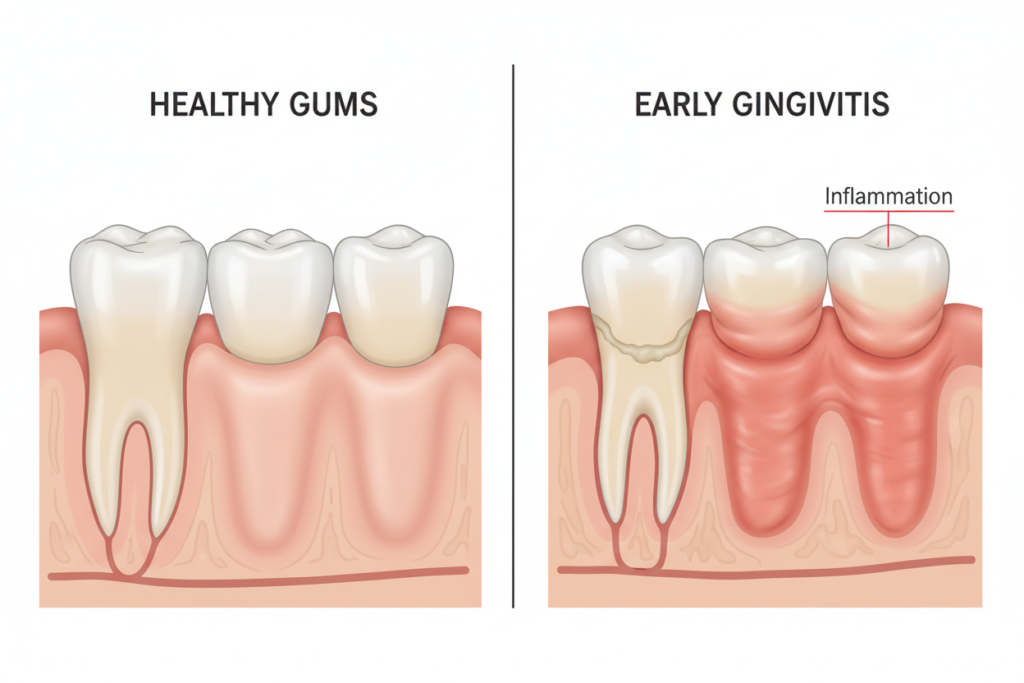
Cavities form when acid-producing bacteria damage tooth enamel. This process takes time, which means you can stop cavities before they require fillings. Early intervention saves both teeth and money.
White spots on teeth indicate early enamel damage. At this stage, remineralization can reverse the damage. Fluoride treatments and calcium-rich foods help restore enamel strength before a cavity forms.
Gum disease begins with gingivitis, causing red and swollen gums that bleed easily. Without treatment, gingivitis progresses to periodontitis, which damages bone and can lead to tooth loss. Fortunately, you can reverse gingivitis with improved home care.
Recognizing Early Warning Signs
Bad breath that doesn’t improve with brushing often signals gum disease or tooth decay. Persistent bad breath comes from bacteria buildup in hard-to-reach areas. Improved flossing and tongue cleaning usually resolve this issue.
Tooth sensitivity to hot, cold, or sweet substances indicates enamel wear or gum recession. Using desensitizing toothpaste helps, but addressing the root cause prevents further damage. Gentle brushing technique and avoiding acidic foods reduce sensitivity over time.
Gums that pull away from teeth create pockets where bacteria accumulate. These pockets can deepen without proper care, leading to serious infections. Daily flossing and gentle gum massage help prevent recession.
Advanced Home Care Techniques
Interdental brushes clean between teeth more effectively than floss for some people. These tiny brushes reach areas regular toothbrushes miss. Use them once daily in addition to regular brushing.
Tongue scraping removes bacteria that cause bad breath and gum disease. Scrape from back to front several times each morning. This simple practice significantly improves oral health and breath freshness.
Chewing sugar-free gum after meals increases saliva production. Extra saliva helps neutralize acids and wash away food particles. Choose gum sweetened with xylitol, which actually inhibits cavity-causing bacteria.
Daily Prevention Checklist
- Brush twice daily with fluoride toothpaste
- Floss once before bed
- Rinse with antibacterial mouthwash
- Scrape tongue each morning
- Drink water after meals and snacks
- Limit sugary and acidic foods
Weekly Enhancement Practices
- Use baking soda treatment for stain removal
- Apply fluoride gel for enamel strengthening
- Practice oil pulling three times weekly
- Deep clean with interdental brushes
- Massage gums to improve circulation
- Review and adjust technique as needed
Monthly Monitoring Steps
- Check teeth for white spots or discoloration
- Examine gums for redness or swelling
- Test for loose teeth or changes in bite
- Replace toothbrush if bristles are worn
- Update your oral care products if needed
- Track improvements and challenges
Stop Dental Problems Before They Start
Learn the complete prevention system that keeps your teeth and gums healthy for life. Discover advanced techniques used by dental professionals to maintain perfect oral health at home.
Lifestyle Habits That Impact Your Dental Health

Your daily habits either protect or harm your teeth and gums. Small changes in lifestyle create significant improvements in oral health over time. Understanding these connections helps you make better choices.
Smoking and tobacco use devastate oral health. Tobacco restricts blood flow to gums, slows healing, and dramatically increases gum disease risk. Quitting tobacco is one of the most important steps you can take for dental health.
Stress affects oral health in multiple ways. Many people grind their teeth while sleeping during stressful periods. Stress also weakens your immune system, making you more susceptible to infections including gum disease.
Sleep and Oral Health
Mouth breathing during sleep dries out saliva that protects teeth. This dry environment allows bacteria to flourish unchecked. Address nasal congestion and consider a humidifier to maintain moisture.
Teeth grinding, called bruxism, wears down enamel and can crack teeth. Many people grind without realizing it. A simple mouthguard worn at night protects teeth from this unconscious habit.
Exercise and Circulation
Regular exercise improves circulation throughout your body, including your gums. Better blood flow brings more nutrients and immune cells to oral tissues. Moderate exercise also reduces inflammation system-wide.
However, some exercise habits harm dental health. Sports drinks contain high sugar and acid levels. Breathing heavily through your mouth during workouts dries saliva. Rinse with water frequently during exercise to counteract these effects.
Medication Side Effects
Over 400 medications reduce saliva production. Antihistamines, blood pressure medications, and antidepressants commonly cause dry mouth. Talk to your doctor about alternatives if dry mouth becomes a problem.
Frequent use of aspirin or acidic vitamins can erode enamel. Rinse your mouth with water after taking these medications. Consider powder or liquid forms rather than chewable tablets when possible.
Vitamins and Supplements That Support Strong Teeth

Proper nutrition provides most vitamins and minerals your teeth need. However, supplements can fill gaps in your diet. Certain nutrients play critical roles in maintaining healthy teeth and gums.
Calcium is the primary building block of tooth enamel. Most adults need 1000-1200 mg daily. If your diet lacks dairy, fortified plant milk, or leafy greens, calcium supplements help maintain strong teeth.
Vitamin D allows your body to absorb and use calcium effectively. Without enough vitamin D, your body cannot build strong teeth regardless of calcium intake. Sunlight provides vitamin D, but many people need supplements, especially in winter months.
Key Vitamins for Gum Health
Vitamin C supports collagen production in gum tissue. Deficiency leads to bleeding gums and increases gum disease risk. Most people get adequate vitamin C from fruits and vegetables, but smokers need higher amounts.
Vitamin K2 directs calcium to bones and teeth rather than soft tissues. This vitamin works synergistically with vitamins D and A. Fermented foods contain K2, but supplementation ensures adequate levels.
B vitamins, particularly B12 and folate, reduce inflammation in gums. Deficiencies can cause mouth sores and increase infection risk. People following plant-based diets may need B12 supplements.
Minerals Beyond Calcium
Phosphorus works with calcium to strengthen enamel. Most diets provide adequate phosphorus through protein sources. Supplements are rarely necessary unless you have specific health conditions.
Magnesium helps your body absorb calcium properly. This mineral also supports bone density around teeth. Many people don’t get enough magnesium from diet alone.
Zinc supports immune function and wound healing in your mouth. This mineral also has antibacterial properties that fight gum disease. Oysters, beef, and pumpkin seeds provide dietary zinc.
Managing Common Dental Emergencies at Home
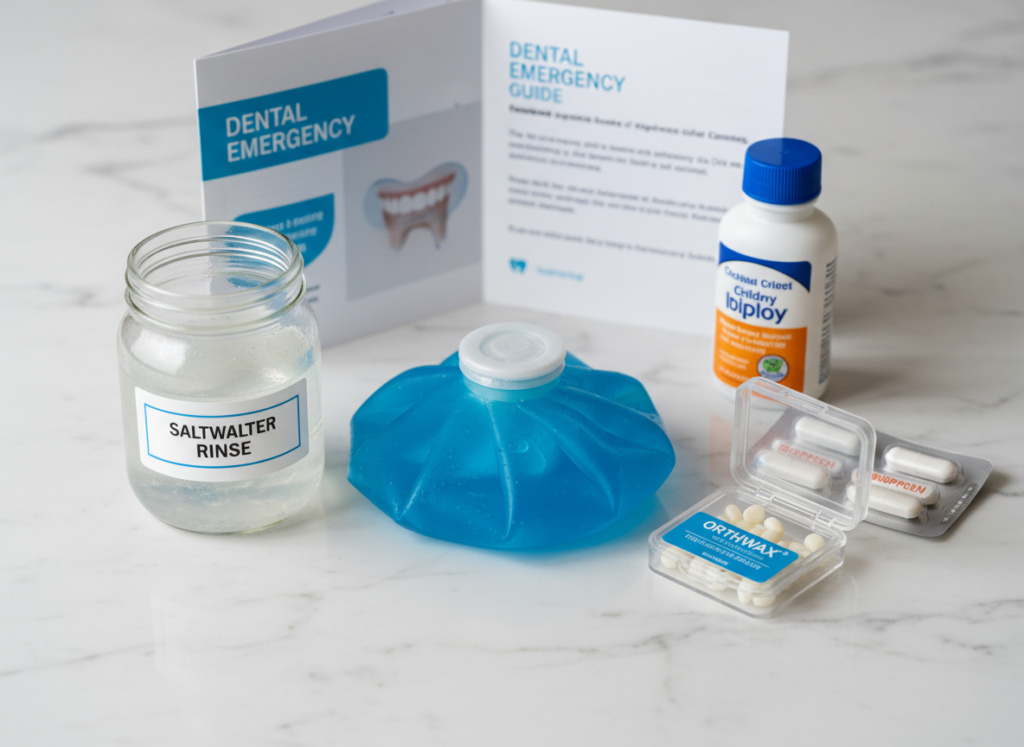
Some dental issues require immediate professional care. However, you can manage many minor problems at home until you can see a dentist. Knowing how to respond prevents complications.
Toothaches have many causes, from trapped food to serious infections. Rinse with warm salt water and gently floss around the painful tooth. Over-the-counter pain relievers reduce discomfort, but persistent pain needs professional evaluation.
A knocked-out tooth is a true emergency. Handle the tooth by the crown, never the root. Rinse gently if dirty and try to reinsert it immediately. If that’s not possible, keep it in milk and seek emergency dental care within an hour.
Dealing with Broken or Chipped Teeth
Save any pieces of a broken tooth and rinse your mouth with warm water. Apply a cold compress to reduce swelling. Cover sharp edges with dental wax or sugar-free gum to protect your tongue and cheeks.
Small chips may not require immediate treatment but should be examined soon. Large breaks that expose the tooth’s interior need prompt attention to prevent infection. Avoid chewing on the affected side.
Bleeding Gums and Soft Tissue Injuries
Gentle bleeding during flossing usually indicates gum disease, not an emergency. Continue careful oral care and bleeding should decrease within days. Persistent or heavy bleeding requires professional evaluation.
Cuts or bites to lips, cheeks, or tongue often bleed heavily due to rich blood supply. Apply pressure with clean gauze for 10 minutes. Rinse with salt water and apply ice to reduce swelling.
Lost Fillings or Crowns
A lost filling exposes sensitive tooth structure to temperature and pressure. Temporary dental cement from pharmacies provides short-term protection. Avoid chewing on that tooth until it’s properly repaired.
If a crown falls off, try to slip it back over the tooth with denture adhesive or temporary cement. Never use super glue or other household adhesives. Schedule a dental appointment promptly to re-cement the crown permanently.
When to Seek Immediate Professional Care: Severe pain that doesn’t respond to pain relievers, significant facial swelling, fever with dental pain, uncontrolled bleeding, or trauma involving the jaw or multiple teeth all require emergency dental care. These signs may indicate serious infections or injuries.
Building a Sustainable Oral Care Routine

Consistency matters more than intensity when it comes to dental care. A simple routine you follow daily beats an elaborate system you abandon after a week. Start with basics and add techniques gradually.
Morning routines should include brushing and rinsing. Many people skip flossing in the morning to save time. Evening routines need more attention since bacteria multiply overnight.
Set specific times for oral care rather than doing it “whenever you remember.” Habits formed around consistent triggers become automatic over time. Link dental care to existing habits like showering or getting dressed.
Tracking Your Progress
Keep a simple log of your daily oral care for the first month. Check off brushing, flossing, and rinsing each day. Tracking creates accountability and helps identify patterns when you skip care.
Take photos of your teeth and gums monthly. Visual evidence of improvement motivates continued effort. You’ll notice changes that happen gradually, which you might otherwise miss.
Notice how your mouth feels throughout the day. Clean, smooth teeth indicate effective care. Fuzzy or sticky teeth suggest plaque buildup requiring better technique or more frequent cleaning.
Overcoming Common Obstacles
Travel disrupts routines for many people. Pack a travel oral care kit with mini versions of your regular products. Keep a backup toothbrush and floss at work or in your car.
Fatigue at bedtime tempts people to skip evening care. Keep oral care products visible as a reminder. Consider flossing earlier in the evening before fatigue sets in.
Cost concerns prevent some people from buying quality dental products. However, basic care requires minimal expense. A soft toothbrush, fluoride toothpaste, and basic floss cost less than treating one cavity.
- Morning Routine (5 minutes): Brush teeth for two minutes using proper technique, scrape tongue, rinse with fluoride mouthwash
- After Meals (1 minute): Rinse mouth with water, chew sugar-free gum if unable to brush
- Evening Routine (8 minutes): Floss between all teeth, brush for two minutes, use interdental brushes on problem areas, rinse with antibacterial mouthwash
- Weekly Enhancement (10 minutes): Deep clean with baking soda, apply fluoride gel, practice oil pulling, examine teeth and gums for changes
- Monthly Review (15 minutes): Replace toothbrush, assess progress, adjust techniques, restock supplies
Transform Your Dental Health Starting Today
You’ve learned the basics, now discover the complete system that ties it all together. Get step-by-step guidance on implementing professional-level dental care at home, with personalized routines designed for your specific needs.
Taking Control of Your Dental Health Journey

Learning how to get healthy teeth without dentist dependency empowers you to take control of your oral health. The techniques in this guide provide a solid foundation for preventing dental problems before they start.
Your daily choices matter more than occasional professional interventions. Consistent brushing and flossing prevent more dental issues than expensive treatments can fix. Proper nutrition supports oral health from the inside out.
Natural remedies and preventive care work together to maintain healthy teeth and gums. These methods don’t replace professional dental care when serious issues arise. However, they significantly reduce how often you need expensive dental services.
Small improvements compound over time. You might not notice changes after one week of better oral care. But after three months of consistent effort, your teeth will feel smoother, your gums will look healthier, and your breath will stay fresher.
Thousands of people have transformed their dental health using these principles. They’ve reduced cavity formation, reversed early gum disease, and avoided costly dental procedures. Most importantly, they’ve gained confidence in their smiles.
The information you’ve learned today gives you a starting point. But there’s a complete system that takes these concepts further. This comprehensive approach shows you exactly how to implement professional-level dental care at home.
You’ll discover advanced techniques that dental professionals use themselves. You’ll learn how to customize your routine based on your specific dental challenges. You’ll get step-by-step guidance that removes all guesswork.
This system has helped thousands achieve the healthy teeth they deserve without constant dentist visits. The techniques work whether you’re dealing with sensitive teeth, receding gums, frequent cavities, or simply want to maintain excellent oral health.
Your Journey to Perfect Dental Health Starts Here
Stop wondering if you’re doing enough to protect your teeth. Get the complete, professional-grade system that shows you exactly how to achieve and maintain optimal dental health at home. Join thousands who’ve transformed their smiles and saved thousands on dental bills.
Your teeth and gums deserve the best care possible. You now have the knowledge to provide that care. The next step is implementing a complete system designed for lasting results. Your healthier smile is waiting.