Weight Training Workouts for Women: Your Complete Guide to Building Strength
You walk into the gym ready to transform your body. The free weights section calls to you, but doubt creeps in. Where do you start? What exercises actually work? You’re not alone in feeling overwhelmed.
This Website contains affiliate links. That means I may earn a small commission if you purchase through my links, at no extra cost to you.
Weight training workouts for women have become essential for anyone seeking real fitness results. Forget the outdated myths about bulking up. Modern strength training helps you build lean muscle, boost your metabolism, and create the strong, healthy body you deserve.
This guide reveals everything you need to know about effective training. You’ll discover the best exercises, learn proper form, and understand how to structure your workouts for maximum results. Whether you’re picking up dumbbells for the first time or looking to level up your routine, you’re about to gain the knowledge that changes everything.
Why Weight Training Transforms Women’s Fitness
Strength training does more than build muscle. It reshapes your entire approach to health and fitness. When you lift weights consistently, your body undergoes remarkable changes that cardio alone cannot achieve.
Your muscles grow stronger and more defined. Your bones become denser, reducing fracture risk later in life. Your metabolism speeds up because muscle tissue burns more calories than fat, even while you rest. These benefits extend far beyond the mirror.
The Science Behind Muscle Growth
Your body responds to resistance training through a process called muscle protein synthesis. When you challenge your muscles with weights, tiny tears form in the muscle fibers. Your body repairs these tears, making the muscles stronger and slightly larger. This process requires proper nutrition, adequate rest, and progressive overload.
Many women worry about becoming too muscular. The truth is that women naturally have lower testosterone levels than men, making it extremely difficult to build large muscles without specific training and nutrition protocols. Regular weight training creates a toned, athletic appearance rather than excessive bulk.
Beyond Physical Changes
Training with weights improves mental health significantly. Studies show that strength training reduces anxiety and depression symptoms. The confidence you gain from lifting heavier weights each week translates into other areas of life. You learn discipline, patience, and the power of consistency.
Physical Benefits
Regular strength training delivers measurable improvements to your body composition and overall health markers.
- Increased muscle mass and definition
- Reduced body fat percentage
- Improved bone density
- Enhanced metabolic rate
Mental Benefits
The psychological advantages of weight training extend well beyond the gym floor.
- Reduced stress and anxiety
- Improved self-confidence
- Better sleep quality
- Enhanced cognitive function
Functional Benefits
Strength training makes everyday activities easier and reduces injury risk.
- Greater ease in daily tasks
- Better posture and alignment
- Reduced back pain
- Improved balance and coordination
Long-term Health
Investing in strength training now pays dividends throughout your entire life.
- Lower risk of chronic diseases
- Better blood sugar control
- Improved cardiovascular health
- Enhanced longevity markers
Your workout results depend on more than just showing up to the gym. Your body’s metabolic efficiency plays a crucial role in how well you build muscle, recover from training, and see visible changes. Understanding this connection can accelerate your progress dramatically.
Unlock Your Body’s Full Potential
Discover how metabolic optimization can enhance your training results, speed recovery, and help you achieve your fitness goals faster. Science-backed insights reveal what most women miss about effective weight training.
Essential Equipment for Weight Training Success
You don’t need an expensive gym membership to start strength training. A few key pieces of equipment open up hundreds of exercise possibilities. Smart equipment choices make your workouts more effective and enjoyable.
Free Weights vs. Machines
Free weights include dumbbells, barbells, and kettlebells. These tools force your muscles to work harder because they require balance and stabilization. Machines guide your movement path, which can be helpful for beginners learning proper form. Both have their place in a well-rounded program.
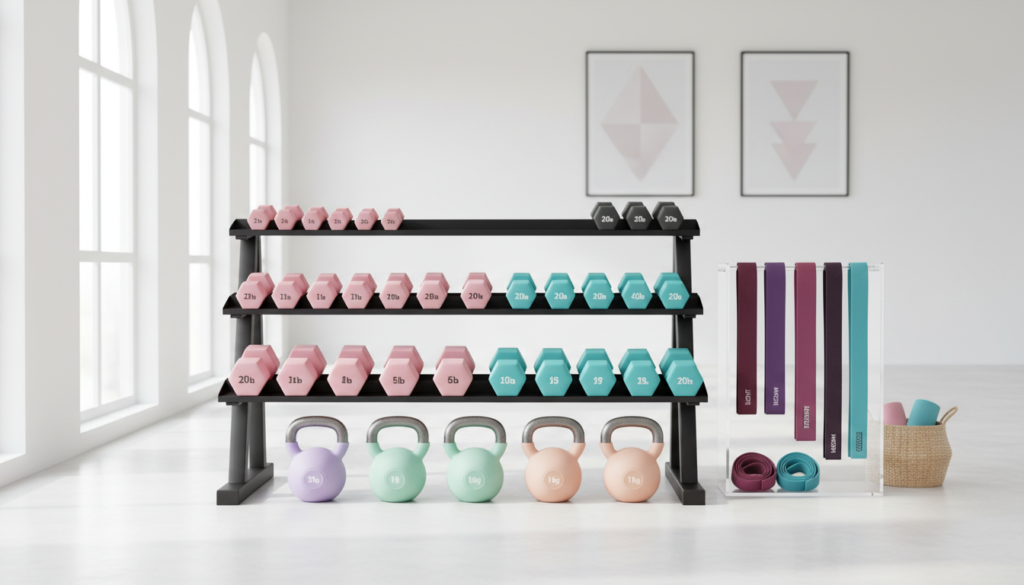
Most women benefit from starting with dumbbells. They’re versatile, relatively inexpensive, and perfect for home workouts. A set of adjustable dumbbells saves space and money while providing all the resistance levels you need as you progress.
Building Your Home Gym
A basic home setup requires minimal investment. Start with a set of dumbbells ranging from five to twenty-five pounds. Add a yoga mat for floor exercises and core work. A resistance band set provides additional variety. This simple collection enables dozens of effective exercises.
Beginner Setup
Perfect for those just starting their weight training journey at home.
- One set adjustable dumbbells (5-25 lbs)
- Exercise mat
- Resistance bands
- Stability ball
Intermediate Setup
Expand your options with additional equipment for varied workouts.
- Multiple dumbbell pairs
- Kettlebell set
- Adjustable bench
- Pull-up bar
Advanced Setup
Complete home gym for serious strength training enthusiasts.
- Barbell and weight plates
- Power rack
- Adjustable bench
- Complete dumbbell set
Gym Equipment Benefits
Commercial gyms offer advantages beyond just equipment variety. Cable machines provide constant tension throughout each exercise. Smith machines help you safely practice compound movements. Leg press and hack squat machines target your lower body from different angles than free weights alone.
Access to heavier weights becomes important as you progress. Most home setups limit your maximum load. Gyms stock barbells that accommodate hundreds of pounds, essential for advanced leg and back training. The social atmosphere can also boost motivation and accountability.
Fundamental Strength Training Exercises Every Woman Should Master
Certain exercises form the foundation of all effective weight training programs. These movements work multiple muscle groups simultaneously, delivering maximum results in minimum time. Master these fundamentals before adding complex variations.
Lower Body Exercises
Your legs contain the largest muscle groups in your body. Training them burns maximum calories and triggers the greatest hormonal response for muscle growth. Strong legs also protect your knees and hips from injury while improving athletic performance.
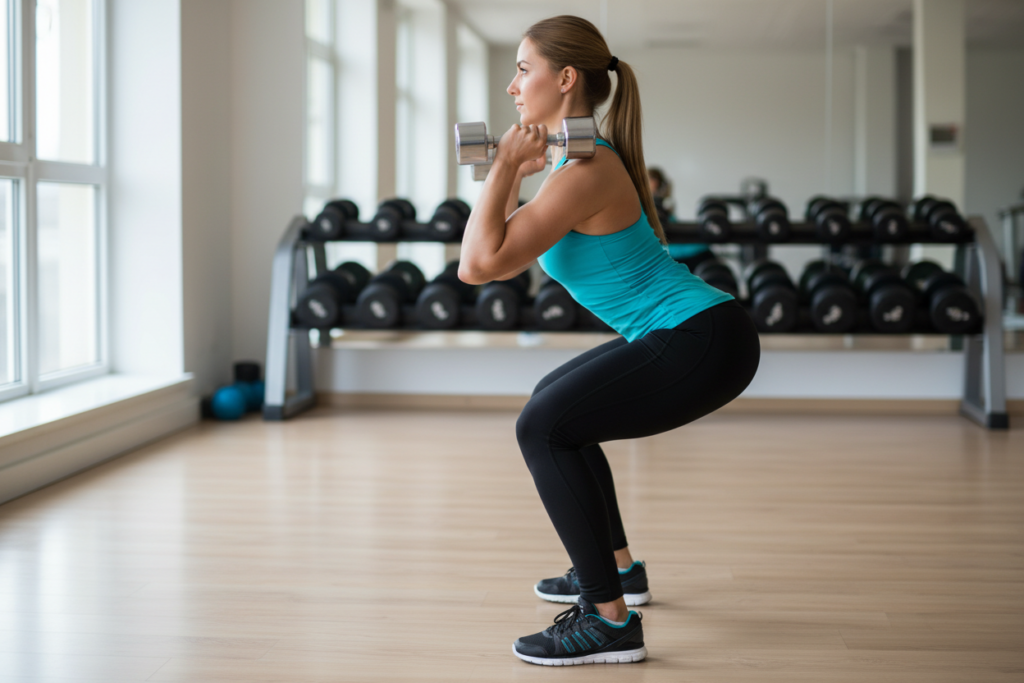
The Squat
Squats build your quadriceps, hamstrings, and glutes while strengthening your core. Stand with feet shoulder-width apart, holding one dumbbell in each hand at your sides. Lower your hips back and down as if sitting in a chair. Keep your chest up and knees tracking over your toes. Push through your heels to stand back up.
Start with bodyweight squats to perfect your form. Add dumbbells once you can perform twenty reps with perfect technique. The goblet squat variation, holding one dumbbell at chest level, helps you maintain an upright torso.
Romanian Deadlifts
This movement targets your hamstrings and glutes while building lower back strength. Hold dumbbells in front of your thighs with a slight knee bend. Hinge at your hips, pushing them backward while lowering the weights down your legs. Keep the dumbbells close to your body. Feel the stretch in your hamstrings, then squeeze your glutes to return to standing.
Romanian deadlifts improve your hip hinge pattern, essential for proper lifting mechanics. They also develop the posterior chain muscles that counterbalance quad-dominant exercises like squats and leg presses.
Lunges
Lunges challenge your balance while working each leg independently. Step forward with one leg, lowering until both knees form ninety-degree angles. Your front knee should align above your ankle. Push through your front heel to return to the starting position. Alternate legs or complete all reps on one side before switching.
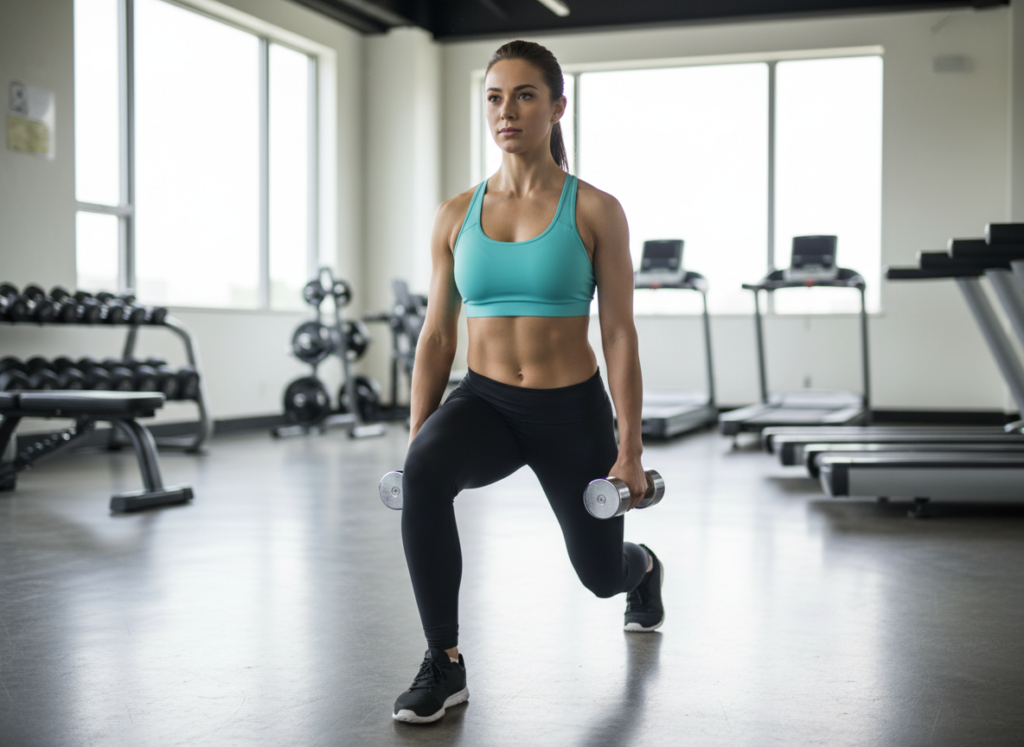
Walking lunges add a functional element by requiring you to move through space. Reverse lunges reduce knee stress while still building leg strength. Bulgarian split squats elevate your rear foot, intensifying the challenge.
Upper Body Exercises
Upper body strength training creates balanced development and functional fitness. Many women neglect their upper body, leading to imbalanced physiques and increased injury risk. These exercises build the strength you need for daily activities and athletic pursuits.
Chest Press
Chest presses develop your pectoral muscles, shoulders, and triceps. Lie on a bench or stability ball with one dumbbell in each hand at chest level. Press the weights straight up until your arms are extended. Lower them back down with control until you feel a stretch across your chest. Keep your shoulder blades pulled back throughout the movement.
The bench press allows heavier loads than floor presses. Incline presses target your upper chest more. Decline variations emphasize the lower chest. Mix different angles for complete development.
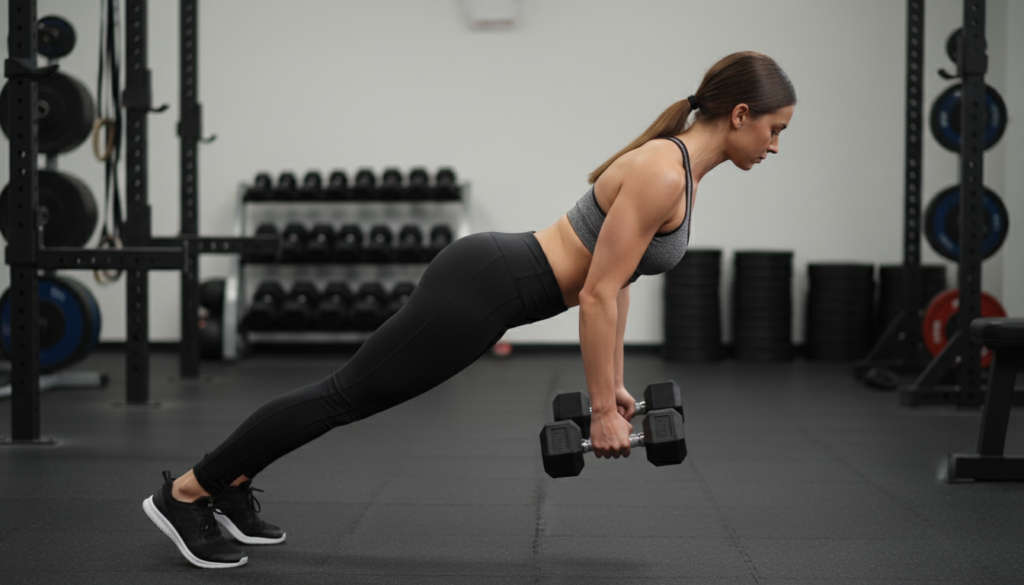
Rows
Rows strengthen your back muscles, improve posture, and balance out pressing movements. Bent-over dumbbell rows require you to hinge at the hips while holding dumbbells. Pull them toward your hips, squeezing your shoulder blades together at the top. Lower with control and repeat.
Single-arm rows let you focus on one side at a time and use a bench for support. Cable rows provide constant tension. Inverted rows use your bodyweight and can be done anywhere with a sturdy horizontal bar.
Overhead Press
Pressing weight overhead builds shoulder strength and stability. Stand holding dumbbells at shoulder height with palms facing forward. Press the weights straight up until your arms are fully extended overhead. Lower them back to shoulder level with control. Keep your core tight to protect your lower back.
The overhead press develops all three deltoid heads. It also strengthens the trapezius and upper chest. Strong shoulders improve your performance in pushing and pulling exercises while reducing injury risk.
Core Exercises
Your core muscles stabilize your spine during every exercise. A strong core improves your performance in all movements while protecting your back. These exercises target your abs, obliques, and lower back muscles.
Planks
Planks build isometric core strength. Get into a push-up position on your forearms. Keep your body in a straight line from head to heels. Engage your abs and hold this position. Start with thirty-second holds and gradually increase duration as you get stronger.
Side planks target your obliques. Plank variations like shoulder taps or leg lifts add movement for increased challenge. The plank is the foundation for all core training exercises.
Dead Bugs
This exercise teaches core stability while moving your limbs. Lie on your back with arms extended toward the ceiling and knees bent at ninety degrees. Slowly lower one arm overhead while extending the opposite leg. Return to start and repeat on the other side. Keep your lower back pressed to the floor throughout.
Dead bugs improve coordination between your upper and lower body. They teach you to maintain neutral spine position under load. This skill transfers directly to compound exercises like squats and deadlifts.
Recovery matters as much as training. Your muscles grow during rest, not during workouts. Adequate sleep, proper nutrition, and strategic recovery support determine whether you see results or hit frustrating plateaus. Most women under-prioritize this critical component.
Maximize Your Recovery and Results
Learn how optimizing your cellular metabolism can dramatically improve muscle recovery, reduce fatigue, and accelerate your strength gains. The missing piece in most training programs.
How to Structure Your Weight Training Workouts
Random exercises won’t deliver results. You need a structured approach that progressively challenges your muscles. Proper workout design ensures you train all muscle groups, allow adequate recovery, and continue making progress week after week.
Full Body vs. Split Routines
Full-body workouts train all major muscle groups in one session. You might do squats, rows, and overhead presses in the same workout. This approach works well for beginners and those who can only train three days per week. Each muscle group gets worked multiple times weekly, maximizing growth signals.
Split routines divide your body into separate training days. An upper-lower split trains upper body one day and lower body the next. A push-pull-legs split separates pushing movements, pulling movements, and leg exercises. Splits allow more volume per muscle group but require more frequent training.
Weekly Training Frequency
Training each muscle group two to three times per week optimizes muscle growth. This frequency balances workout stimulus with adequate recovery time. If you train three days weekly, use full-body workouts. Training four to six days allows for split routines.
Beginners benefit from three full-body sessions weekly. Intermediate lifters can handle four to five days using an upper-lower or push-pull split. Advanced trainees might train six days with higher volume splits. More isn’t always better if recovery suffers.
Sample Three-Day Full Body Routine
This beginner-friendly approach trains your entire body three times per week with rest days between sessions.
- Monday: Squats, chest press, rows, overhead press, planks
- Wednesday: Romanian deadlifts, incline press, lat pulldowns, lateral raises, dead bugs
- Friday: Lunges, push-ups, single-arm rows, face pulls, bicycle crunches
Sample Four-Day Upper-Lower Split
This intermediate program allows higher volume for each muscle group with adequate recovery.
- Monday (Upper): Chest press, rows, overhead press, bicep curls, tricep extensions
- Tuesday (Lower): Squats, Romanian deadlifts, leg press, calf raises, core work
- Thursday (Upper): Incline press, pull-ups, dumbbell press, face pulls, arm work
- Friday (Lower): Deadlifts, lunges, leg curls, hip thrusts, planks
Sets, Reps, and Rest Periods
The number of sets and reps you perform determines your training effect. Lower reps with heavier weights build maximum strength. Moderate reps develop muscle size. Higher reps improve muscular endurance. Most women benefit from eight to twelve reps per set.
Perform three to four sets per exercise. This volume stimulates muscle growth without causing excessive fatigue. Compound exercises like squats and deadlifts might need four to five sets. Isolation exercises like bicep curls require only two to three sets.
| Training Goal | Rep Range | Sets | Rest Period | Best For |
| Maximum Strength | 1-5 reps | 4-6 sets | 3-5 minutes | Powerlifters, advanced trainees |
| Muscle Building | 6-12 reps | 3-4 sets | 60-90 seconds | Most women, general fitness |
| Muscular Endurance | 12-20 reps | 2-3 sets | 30-60 seconds | Beginners, circuit training |
| Power Development | 1-5 reps | 3-5 sets | 2-3 minutes | Athletes, explosive movements |
Rest periods between sets affect your results. Shorter rest periods of sixty to ninety seconds create metabolic stress, triggering muscle growth. Longer rest periods of two to three minutes allow full recovery for maximum strength performance. Match your rest periods to your goals.
Progressive Overload
Your muscles adapt to training stress. To continue making progress, you must gradually increase the challenge. This principle of progressive overload drives all strength and muscle gains. Without it, you plateau.
Add weight to the bar once you can complete all prescribed reps with good form. Even small increases of two and a half to five pounds work. You can also add reps, keeping the weight the same until you reach the top of your rep range. Additional sets or reduced rest periods create overload too.
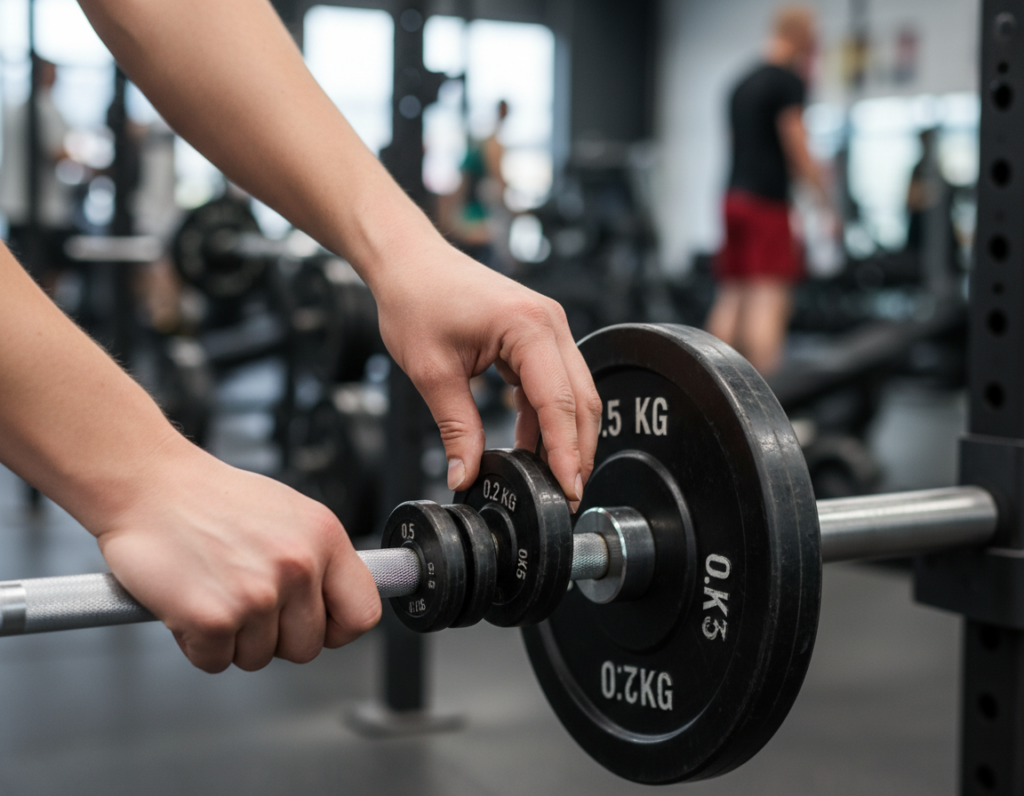
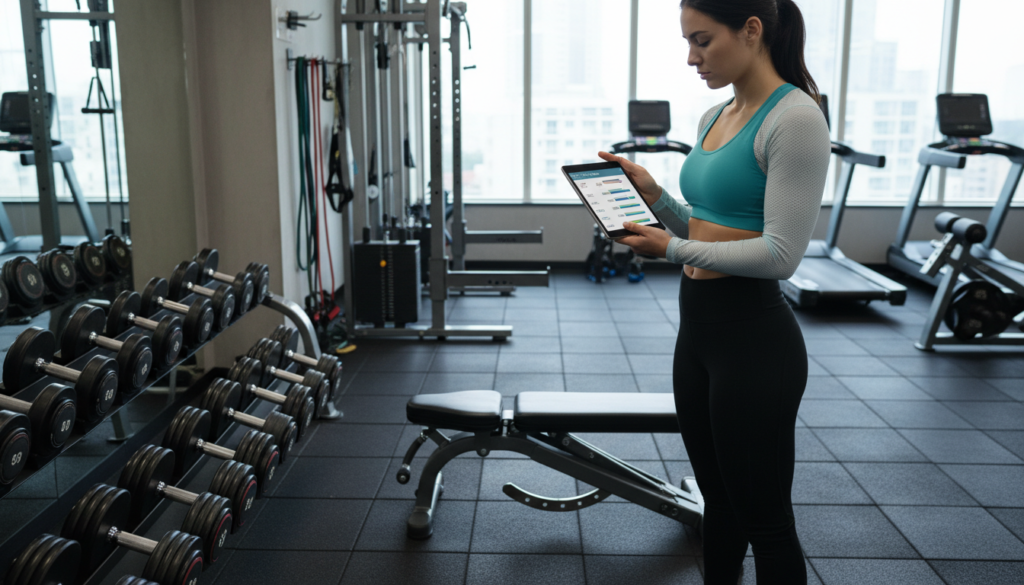
Track your workouts in a notebook or app. Record the exercises, weights, sets, and reps. Review your log regularly to ensure you’re progressing. If a lift stalls, try changing your rep scheme or incorporating variation exercises.
Overcoming Common Weight Training Challenges
Every woman faces obstacles on her strength training journey. Understanding these challenges and having strategies to overcome them makes the difference between giving up and achieving your goals. Most problems have simple solutions once you know what to look for.
Plateaus and Stalled Progress
Your body adapts to exercise stress remarkably well. After several weeks of the same routine, progress slows or stops completely. This plateau frustrates many women into quitting. The solution involves changing your training variables.
Switch your exercises every six to eight weeks. Replace barbell squats with goblet squats or leg presses. Swap flat chest presses for incline variations. Your muscles respond to novel stimuli, jumpstarting growth again.
Effective Plateau-Breaking Strategies
- Increase training volume by adding sets
- Change exercise variations completely
- Adjust rep ranges for different stimulus
- Take a deload week at reduced intensity
- Improve sleep quality and duration
Common Mistakes That Worsen Plateaus
- Adding more training without recovery
- Constantly changing programs too frequently
- Ignoring nutrition and sleep factors
- Training through pain or fatigue
- Neglecting progressive overload principles
Deload weeks reduce training intensity to allow full recovery. Every four to six weeks, cut your volume by half or reduce weights by twenty to thirty percent. This strategic break lets your body recover fully, often leading to new personal records when you return to normal training.
Dealing with Soreness and Fatigue
Muscle soreness after workouts is normal, especially when starting. Delayed onset muscle soreness peaks twenty-four to seventy-two hours after training. Light activity, stretching, and proper nutrition help reduce soreness. Extreme soreness that prevents movement indicates you overdid it.

Chronic fatigue signals inadequate recovery. You need seven to nine hours of quality sleep nightly for optimal muscle repair. Nutrition matters too. Insufficient protein intake prevents muscle recovery. Aim for point-seven to one gram of protein per pound of bodyweight daily.
Rest days are not optional. Your muscles grow during recovery, not during workouts. Schedule at least two complete rest days weekly. Active recovery like walking or yoga on these days promotes blood flow without adding training stress.
Time Management
Busy schedules make consistent training difficult. The solution involves efficiency rather than lengthy gym sessions. Well-designed workouts take only forty-five to sixty minutes. Focus on compound movements that train multiple muscle groups simultaneously.
Superset exercises to save time. Perform a set of chest presses immediately followed by rows with minimal rest. This approach works opposing muscle groups while one recovers. Circuit training completes all exercises back-to-back before resting, maximizing efficiency.
Home workouts eliminate commute time entirely. A basic dumbbell set enables full-body training in your living room. Thirty-minute sessions three times weekly deliver results when you choose the right exercises and maintain intensity.
Motivation and Consistency
Initial motivation fades for everyone. Sustainable results require building habits rather than relying on willpower. Schedule workouts like important appointments. Prepare your gym bag the night before. Create systems that make training the path of least resistance.
Find Your Why
Connect your training to deeper values beyond appearance.
- Health and longevity for family
- Confidence in daily life
- Stress management tool
- Personal growth challenge
Track Progress
Visible improvements maintain motivation during tough periods.
- Workout logs and PR tracking
- Progress photos monthly
- Strength milestone celebrations
- Fitness assessments quarterly
Build Community
Social support increases adherence and enjoyment.
- Training partners or groups
- Online fitness communities
- Share goals with friends
- Hire a coach for accountability
Your cellular metabolism influences how quickly you recover from workouts, how efficiently you build muscle, and how much energy you have for training. When metabolic function is optimized, you see faster results with less fatigue. This often-overlooked factor can be the difference between struggling and thriving.
Break Through Your Plateau
Discover the metabolic science that helps your body recover faster, build lean muscle more efficiently, and overcome stubborn plateaus. Transform your training results from the cellular level.
Nutrition Fundamentals for Weight Training Women
You cannot out-train a poor diet. Nutrition provides the raw materials your body needs to build muscle, fuel workouts, and recover properly. Understanding basic nutrition principles accelerates your results dramatically.
Protein Requirements
Protein contains amino acids, the building blocks of muscle tissue. Without adequate protein, your body cannot repair and build muscle effectively. Women who strength train need significantly more protein than sedentary individuals.
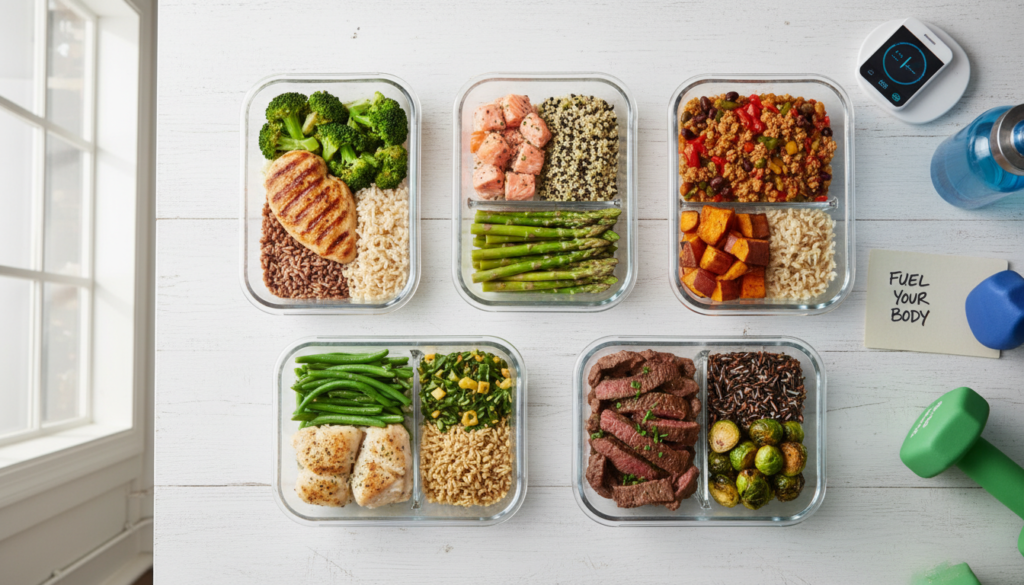
Aim for point-seven to one gram of protein per pound of body weight daily. A hundred-forty-pound woman needs ninety-eight to one hundred forty grams of protein. Spread this across three to five meals for optimal muscle protein synthesis. Each meal should contain twenty to thirty grams of protein.
Quality protein sources include chicken breast, fish, lean beef, eggs, Greek yogurt, cottage cheese, and protein powder. Plant-based options like beans, lentils, tofu, and tempeh work too, though you may need larger portions to meet your protein needs.
Carbohydrates for Energy
Carbohydrates fuel your workouts and support recovery. Your muscles store carbohydrates as glycogen, which provides energy during resistance training. Low-carb diets can impair your performance and recovery when training intensely.
Focus on complex carbohydrates like oats, rice, quinoa, sweet potatoes, and whole grain bread. These provide sustained energy without blood sugar spikes. Time your larger carb meals around your workouts for maximum benefit. Post-workout carbs replenish glycogen stores and support recovery.
Healthy Fats
Dietary fat supports hormone production, including testosterone and growth hormone essential for muscle building. Fat also helps absorb vitamins and provides concentrated energy. Include healthy fat sources in your daily nutrition.
Choose avocados, nuts, seeds, olive oil, and fatty fish like salmon. These foods provide omega-three fatty acids that reduce inflammation and support recovery. Aim for twenty to thirty-five percent of your daily calories from healthy fats.
Hydration
Water makes up sixty percent of your body weight and plays crucial roles in every bodily function. Dehydration impairs strength, reduces endurance, and slows recovery. Many women chronically under-hydrate.
Drink half your body weight in ounces of water daily as a baseline. A hundred-forty-pound woman needs seventy ounces minimum. Increase this amount on training days and in hot weather. Monitor your urine color. Pale yellow indicates proper hydration. Dark yellow signals you need more water.
Advanced Strategies to Accelerate Your Results
Once you master the fundamentals, these advanced techniques take your training to the next level. Implement these strategies after several months of consistent basic training. They provide the extra edge that separates good results from exceptional ones.
Periodization
Periodization involves planned variation in your training over weeks and months. Rather than doing the same workout indefinitely, you cycle through different phases emphasizing different qualities. This approach prevents plateaus while reducing injury risk.
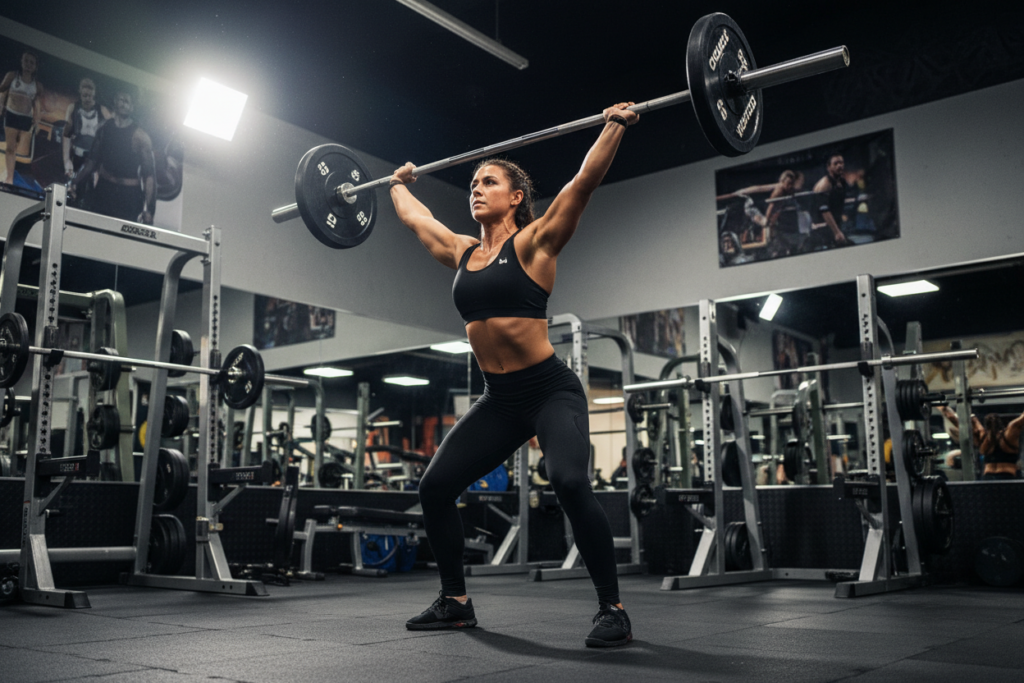
A simple periodization scheme alternates between accumulation and intensification phases. Accumulation phases use moderate weights for higher volume, building work capacity. Intensification phases reduce volume but increase weight, developing maximum strength. Each phase lasts three to four weeks.
Tempo Training
Controlling the speed of each repetition creates different training effects. Slower tempos increase time under tension, promoting muscle growth. Explosive tempos develop power. Tempo is written as four numbers representing each phase of the movement.
A tempo of three-one-one-zero means three seconds lowering the weight, one-second pause at the bottom, one second lifting, and no pause at the top. Experiment with different tempos to emphasize various training adaptations. Slower eccentric phases particularly enhance muscle damage and growth.
Advanced Training Techniques
Drop sets extend a set past failure by reducing weight and continuing. Complete your regular set, immediately reduce the weight by twenty to thirty percent, and perform more reps to failure. This technique creates extreme metabolic stress.
Rest-pause training involves short rest periods within a set. Perform reps to failure, rest fifteen to twenty seconds, then continue for more reps. Repeat this two to three times. Rest-pause allows you to complete more total reps with a given weight.
Pre-exhaustion isolates a muscle before a compound movement. Perform leg extensions before squats to pre-fatigue your quadriceps. This ensures the target muscle fails first rather than supporting muscles limiting the movement.
When to Use Advanced Techniques
- After six months of consistent basic training
- When progress stalls despite proper programming
- To add variety and renewed motivation
- During muscle-building focused phases
- On one to two exercises per workout maximum
Precautions and Guidelines
- Use sparingly to avoid overtraining
- Ensure proper form before adding intensity
- Allow extra recovery after advanced techniques
- Monitor for signs of excessive fatigue
- Cycle in and out every few weeks
Unilateral Training
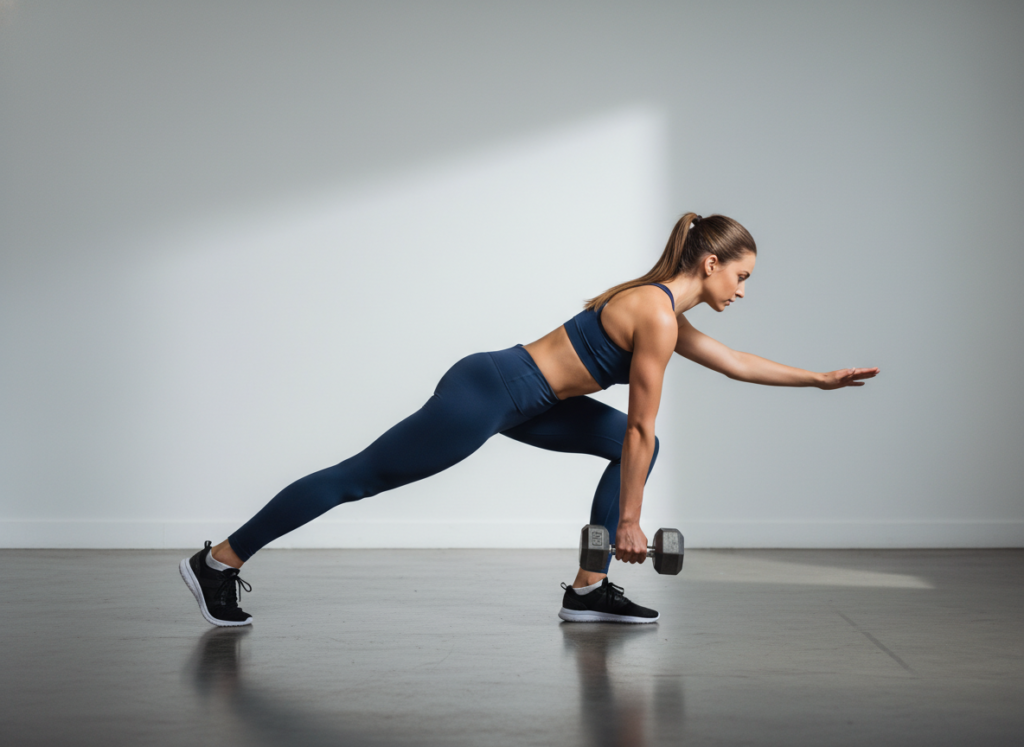
Single-limb exercises address strength imbalances and improve stability. Most people have a dominant side that compensates during bilateral movements. Training each side independently ensures balanced development.
Single-leg squats, split squats, and single-arm rows force each side to work independently. These movements also engage your core more intensely for balance. Include unilateral exercises in every training program to prevent imbalances.
Injury Prevention and Safe Training Practices
Staying injury-free matters more than any single workout. An injury can set you back weeks or months, erasing all your hard-earned progress. Smart training practices keep you healthy for the long term.
Proper Warm-Up Protocols
Never start lifting cold muscles. A proper warm-up increases blood flow, raises muscle temperature, and prepares your nervous system for work. Spend ten minutes warming up before every weight training session.
Begin with five minutes of light cardio like walking or cycling to elevate your heart rate. Follow this with dynamic stretches moving your joints through their full range of motion. Include arm circles, leg swings, and torso rotations. Finally, perform warm-up sets of your first exercise with light weights.
Form Over Weight
Perfect form always trumps heavy weights. Lifting with poor technique creates dangerous stress on joints and connective tissues. It also reduces the effectiveness of the exercise by allowing other muscles to compensate.
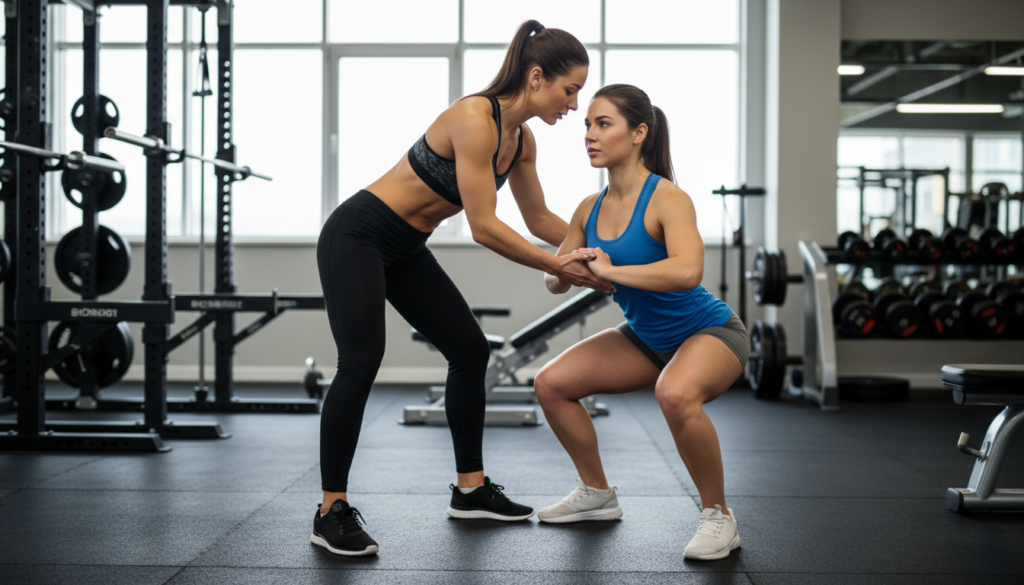
Learn proper technique before adding weight. Film yourself performing exercises to check your form. Hire a qualified trainer for several sessions to ensure you’re moving correctly. Once you perfect the movement pattern, gradually add weight while maintaining that perfect form.
Listen to Your Body
Understand the difference between muscle burn and pain. Muscle fatigue during a set is normal and beneficial. Sharp pain, especially in joints, signals a problem. Stop immediately if you feel unusual pain during an exercise.
Some soreness after workouts is expected. Severe pain that worsens or persists beyond a few days requires medical attention. Train around minor injuries rather than through them. If your shoulder hurts, focus on lower body and core work until it heals.
Warning Signs to Stop Training: Sharp or shooting pain in joints, significant swelling, reduced range of motion, numbness or tingling, dizziness or nausea. These symptoms require rest and potentially medical evaluation. Pushing through serious pain leads to chronic injuries that can end your training permanently.
Recovery and Regeneration
Your body needs adequate recovery between sessions. Training the same muscle group on consecutive days prevents full recovery and limits growth. Structure your program to allow forty-eight to seventy-two hours between training the same muscles.
Sleep is your most powerful recovery tool. Growth hormone peaks during deep sleep, promoting muscle repair and growth. Aim for seven to nine hours nightly. Poor sleep impairs recovery, reduces performance, and increases injury risk.
Active recovery techniques promote healing without adding training stress. Light walking, swimming, or yoga increases blood flow to sore muscles. Foam rolling and stretching can reduce muscle tension and improve mobility. Massage therapy aids recovery for those who can access it regularly.
Measuring and Tracking Your Progress
You cannot improve what you don’t measure. Tracking your progress keeps you motivated and helps identify what works. Multiple metrics provide a complete picture of your development.
Strength Metrics
Track the weight you lift for each exercise. Record your training sessions in a notebook or app, noting exercises, weights, sets, and reps. Celebrate personal records when you lift more weight or complete more reps than before.
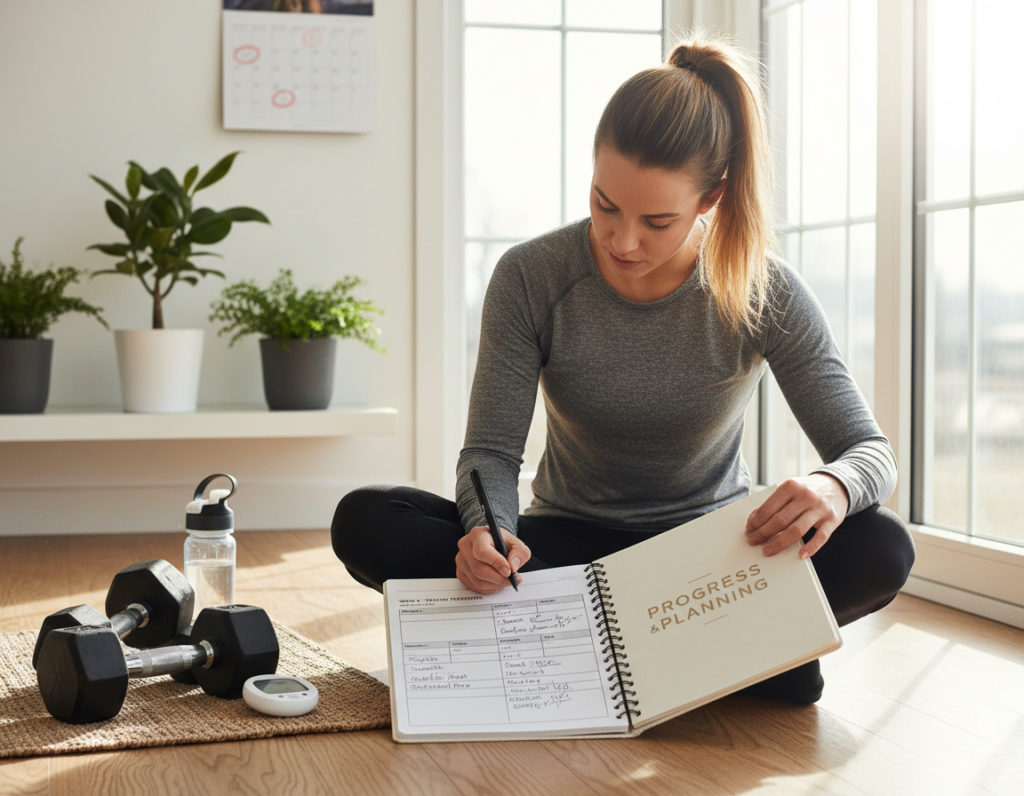
Test your one-rep max periodically for major lifts if you’re experienced. Beginners should focus on increasing reps and sets with moderate weights. As you advance, maximal strength testing provides valuable feedback about your program’s effectiveness.
Body Composition Changes
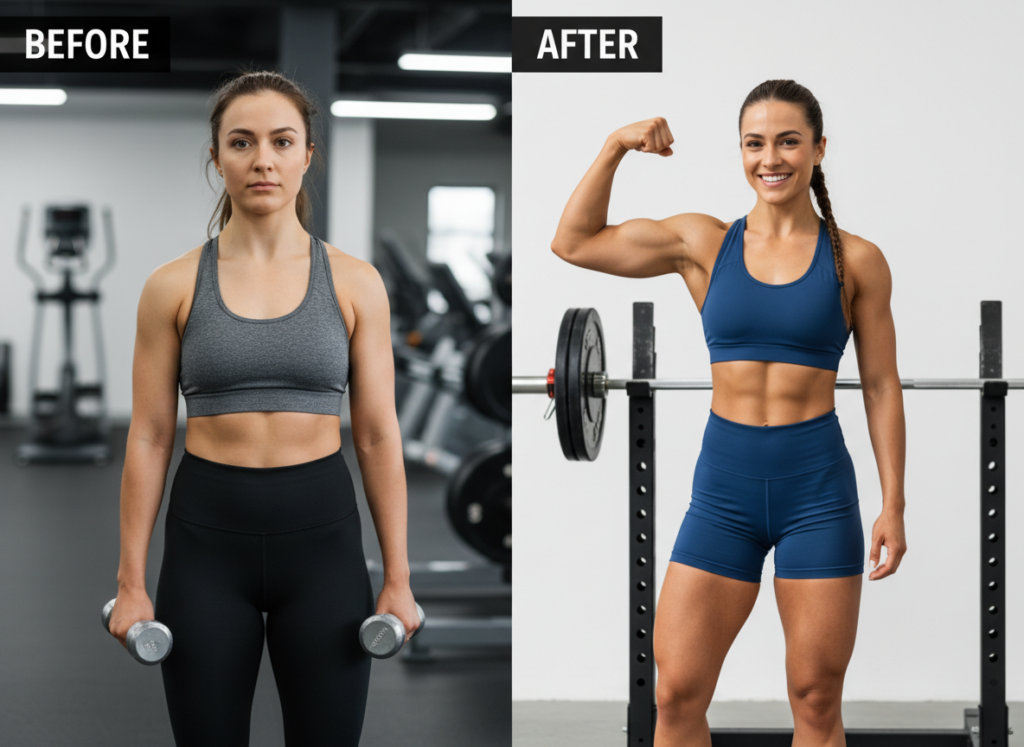
The scale alone tells an incomplete story. Muscle weighs more than fat by volume. You might gain weight while losing fat and building muscle, appearing leaner despite higher scale weight. Use multiple assessment methods.
Take progress photos every four weeks under consistent lighting and clothing. Visual changes often appear before scale movements. Measure your waist, hips, thighs, and arms monthly. Increasing arm and leg measurements with a stable or decreasing waist indicates muscle growth and fat loss.
Body composition testing through DEXA scans, bioelectrical impedance, or skinfold calipers quantifies your muscle and fat percentages. These tests, performed every eight to twelve weeks, provide objective data about your body changes.
- Increasing weights lifted weekly or monthly
- More reps completed with same weight
- Improved muscle definition in photos
- Measurements showing muscle growth
- Better workout performance and energy
- Improved daily functional strength
Effective Progress Indicators
- Scale weight alone without context
- Short-term daily weight fluctuations
- Comparing to others on social media
- Expecting linear progress every week
- Focusing only on aesthetic changes
- Ignoring strength and performance gains
Poor Progress Indicators
Performance Improvements
Notice how training affects your daily life. Can you carry groceries more easily? Do stairs feel effortless? Has your posture improved? These functional improvements matter more than any number.
Track workout performance metrics like total volume. Multiply sets times reps times weight for each exercise. Increasing total weekly volume indicates progressive overload. Monitor your resting heart rate and recovery time between sets. Improvements suggest better cardiovascular fitness.
Metabolic Health Markers
Strength training improves numerous health markers beyond appearance. Regular blood work reveals beneficial changes in cholesterol, blood sugar, and inflammation markers. These improvements reduce disease risk and enhance quality of life.
Your metabolic efficiency determines how effectively your body uses nutrients, recovers from exercise, and builds muscle. When metabolism functions optimally, you see better results from the same training effort. Many women overlook this crucial factor in their fitness journey.
Optimize Your Metabolic Health
Understanding the science behind cellular metabolism can unlock faster results, improved energy levels, and better recovery. Discover what elite athletes and fitness professionals know about optimizing performance from the inside out.
Building Long-Term Training Habits
Short-term motivation gets you started. Long-term habits keep you going. Sustainable fitness requires systems and mindset shifts rather than relying on willpower alone.
Setting Realistic Goals
Unrealistic expectations lead to disappointment and quitting. Significant body changes take months or years, not weeks. Set both outcome goals and process goals to maintain motivation through the journey.
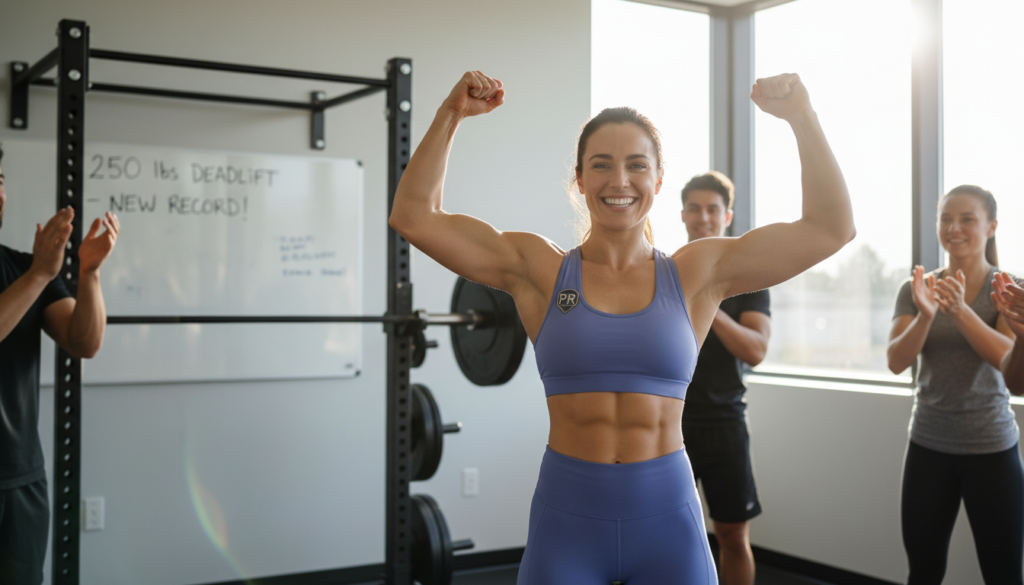
Outcome goals define your ultimate destination, like deadlifting your bodyweight or losing twenty pounds. Process goals focus on behaviors you control, like training four times weekly or eating protein at every meal. Process goals lead to outcome achievement while providing daily direction.
Break large goals into smaller milestones. Celebrate hitting intermediate targets. This creates momentum and proves you’re making progress even when the ultimate goal seems distant.
Creating Your Environment
Your environment influences your behavior more than willpower. Design your surroundings to make training easier and skipping harder. Keep your gym bag packed and ready. Lay out workout clothes the night before morning sessions.
Remove obstacles between you and exercise. Choose a gym close to home or work. Stock your home with basic equipment for days you can’t get to the gym. Make healthy eating convenient by meal prepping protein and vegetables in advance.
Finding Enjoyment
You’ll stick with activities you enjoy. Experiment to find training styles that feel rewarding rather than punishing. Some women love the meditative quality of solo training. Others thrive in group fitness classes or with training partners.
Vary your exercises to prevent boredom. Try new movement patterns and equipment. Mix strength training with other activities you love. The best program is one you’ll actually follow consistently.
How long until I see results from weight training?
Strength improvements appear within two to four weeks as your nervous system adapts. Visible muscle changes take six to eight weeks of consistent training. Significant body composition changes require three to six months. Everyone progresses at different rates based on genetics, nutrition, and recovery.
Will lifting weights make me bulky?
No. Women have significantly lower testosterone than men, making it extremely difficult to build large muscles naturally. Strength training creates a toned, defined appearance. Professional female bodybuilders who appear very muscular follow specialized programs with specific nutrition and often enhancement. Regular weight training will not make you bulky.
How heavy should I lift?
Choose weights that challenge you within your target rep range. If your goal is eight to twelve reps, select a weight where rep eight feels difficult but achievable with good form. The last two reps should be challenging. When you can complete twelve reps easily, increase the weight.
Can I lose fat and build muscle simultaneously?
Yes, especially for beginners. Body recomposition happens when you eat adequate protein, maintain a slight calorie deficit, and train consistently. Progress is slower than focusing on one goal at a time, but it works. Advanced trainees find it more difficult and may need to alternate between muscle-building and fat-loss phases.
What should I eat before and after workouts?
Eat a meal containing protein and carbs one to three hours before training. This provides energy and prevents muscle breakdown. Post-workout, consume protein within two hours to support recovery. Adding carbs helps replenish glycogen stores. Total daily nutrition matters more than precise meal timing.
How do I know if I’m overtraining?
Warning signs include persistent fatigue, decreased performance, trouble sleeping, increased resting heart rate, frequent illness, loss of motivation, and unusual irritability. If you experience multiple symptoms, take extra rest days and reduce training volume. Prevention through adequate recovery is better than treating overtraining.
Accountability Systems
External accountability dramatically increases adherence. Share your goals with friends or family who support you. Join online communities of women with similar fitness objectives. Consider hiring a coach or personal trainer for professional guidance and accountability.
Social commitment makes backing out harder. When you tell someone you’ll meet them at the gym, you’re more likely to show up. Public commitment to goals creates positive pressure to follow through.
Your Journey to Strength Starts Now
Weight training workouts for women offer transformative benefits that extend far beyond physical appearance. You’ve learned the fundamental exercises, how to structure effective programs, and strategies to overcome common obstacles. This knowledge empowers you to take control of your fitness journey.
Start simple. Master the basic movements with lighter weights before advancing to complex programs. Focus on consistency over intensity in the beginning. Three quality workouts weekly deliver better results than sporadic intense sessions.
Remember that your body’s ability to respond to training, recover effectively, and build muscle depends heavily on metabolic health. Optimizing your cellular function can be the missing piece that takes your results from average to exceptional. When your metabolism works efficiently, every workout delivers better returns.
The best time to start was yesterday. The second-best time is today. Pick up those dumbbells, follow the principles in this guide, and trust the process. Your stronger, healthier future self will thank you for beginning this journey.
Ready to Maximize Your Results?
Discover how supporting your metabolic health can amplify your training results, enhance recovery, and help you achieve your strength goals faster. Science-backed solutions designed for women who are serious about transforming their fitness.