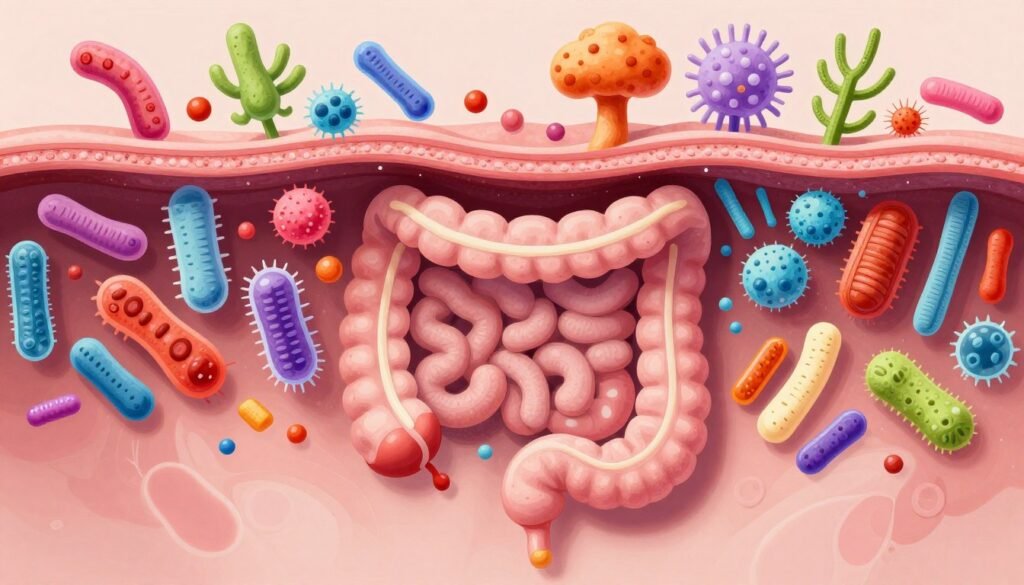
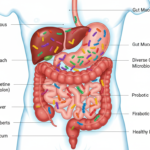
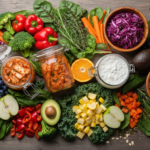
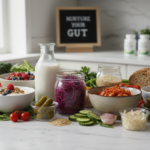
Your gut houses trillions of microorganisms that control everything from digestion to immunity. The foods you eat directly shape this internal ecosystem. Fermented foods offer a powerful way to support your gut health through natural probiotics and beneficial bacteria.
This Website contains affiliate links. That means I may earn a small commission if you purchase through my links, at no extra cost to you.
These ancient foods have sustained human health for thousands of years. Modern science now confirms what traditional cultures knew instinctively. The fermentation process creates living cultures that strengthen your microbiome and improve digestive function.
Understanding which fermented foods contain probiotics and how they benefit your body helps you make informed choices. This guide reveals everything you need to know about using fermented foods to optimize your gut health and overall wellness.
What Makes Fermentation Special for Digestive Health
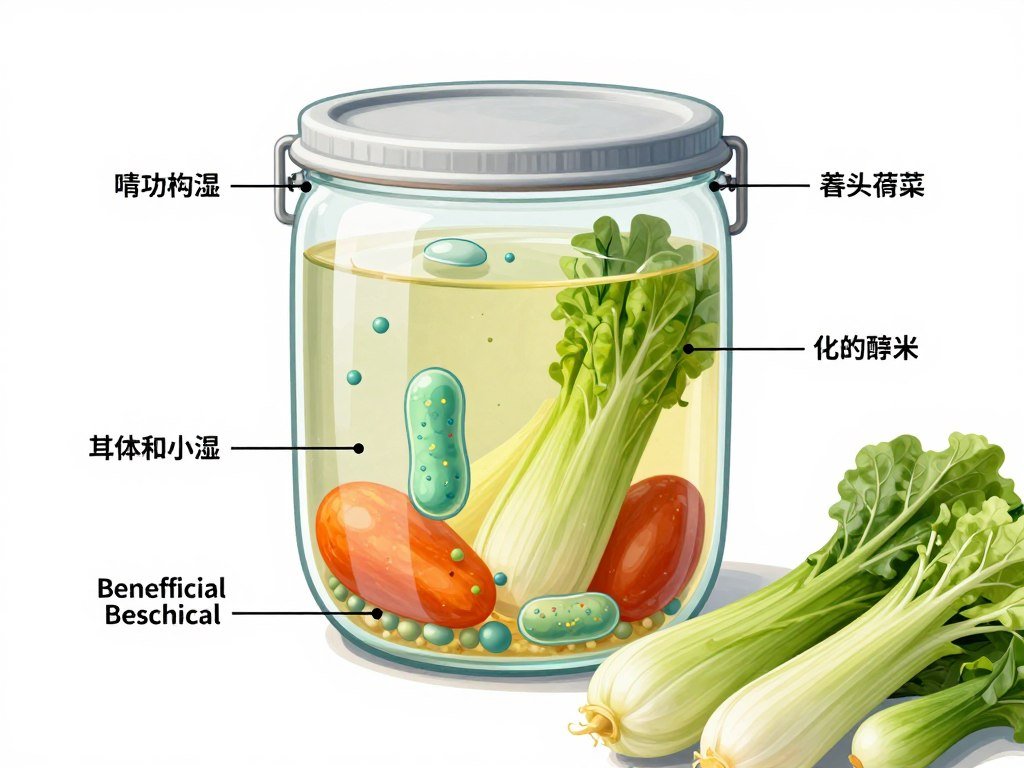
Fermentation is a metabolic process where microorganisms transform food components. Bacteria and yeast break down sugars and starches. This creates beneficial compounds that support your digestive system.
The process generates probiotics naturally. These living microorganisms colonize your gut when consumed. Many fermented foods contain billions of these helpful bacteria in every serving.
How Fermentation Creates Health Benefits
During fermentation, bacteria produce enzymes that pre-digest food. Your body absorbs nutrients more easily from fermented sources. The process also generates vitamins and increases mineral bioavailability.
Fermented foods created through natural processes contain active cultures. These cultures survive the journey through your stomach. They reach your intestines where they provide maximum benefit to your microbiome.
Traditional Wisdom Meets Modern Science
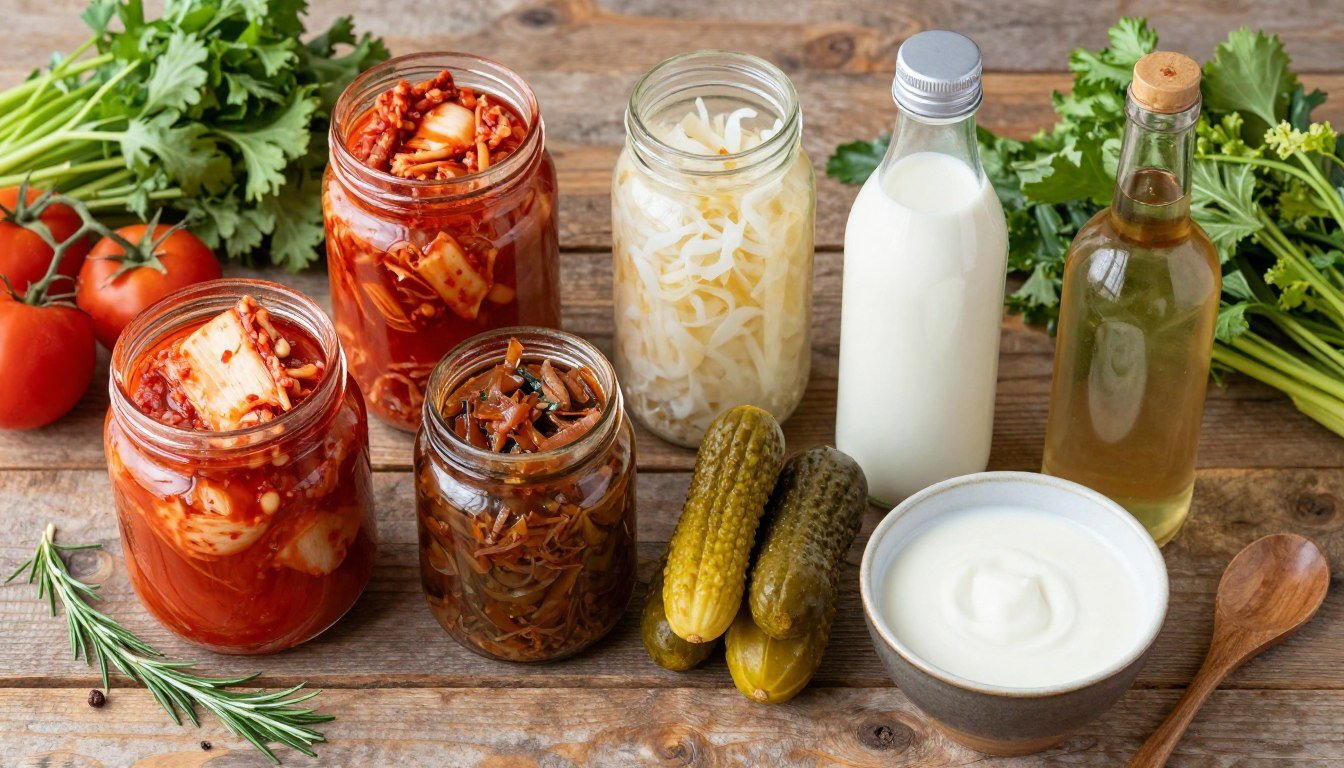
Cultures worldwide developed fermented foods independently. Korean kimchi, German sauerkraut, and Russian kefir all emerged from this universal process. Each culture discovered how fermentation preserved food while enhancing nutrition.
Recent research validates these traditional practices. Studies show fermented foods improve digestion and reduce inflammation. They strengthen the gut barrier and support immune function throughout your body.
Best Fermented Foods for Gut Health
Different fermented foods offer unique benefits. Some excel at delivering probiotics while others provide specific nutrients. Understanding these differences helps you choose the right options for your health goals.
Yogurt
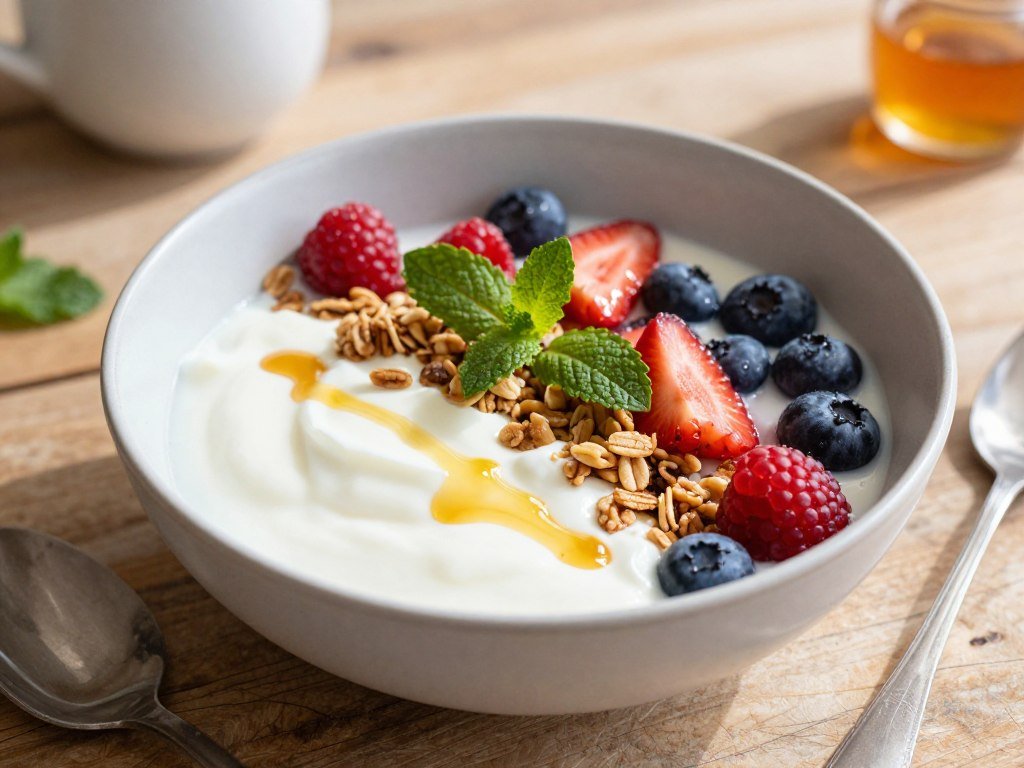
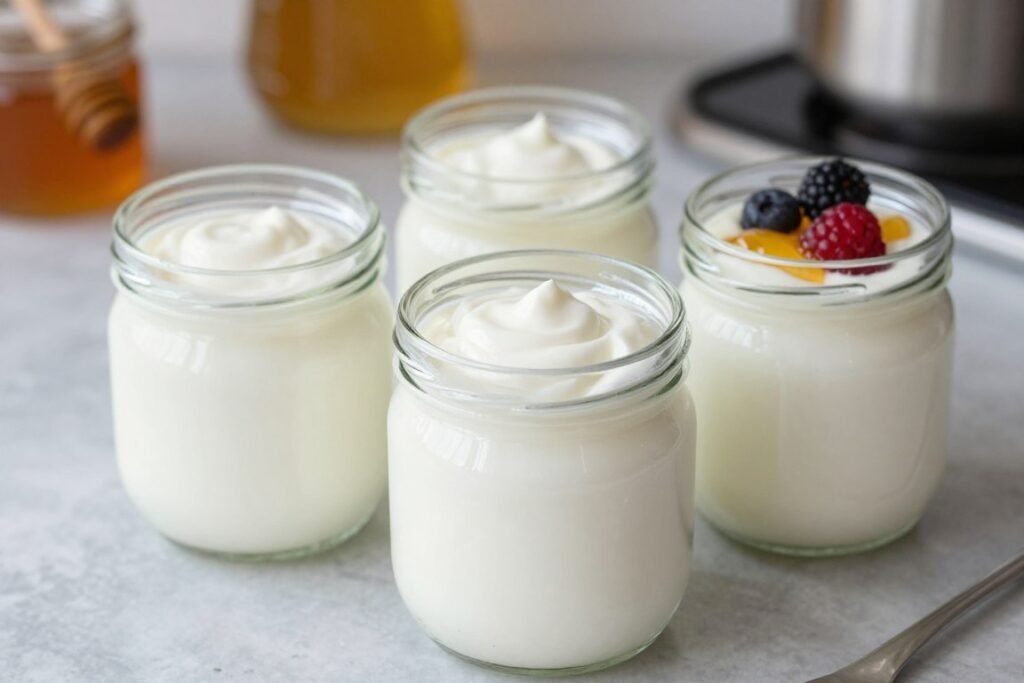
Yogurt ranks among the most accessible fermented foods. It contains probiotics like Lactobacillus and Bifidobacterium strains. These bacteria support digestion and help maintain healthy gut flora.
Look for labels stating “live and active cultures” to ensure probiotic content. Greek yogurt provides extra protein along with beneficial bacteria. Choose plain varieties without added sugar for maximum health benefits.
Kefir
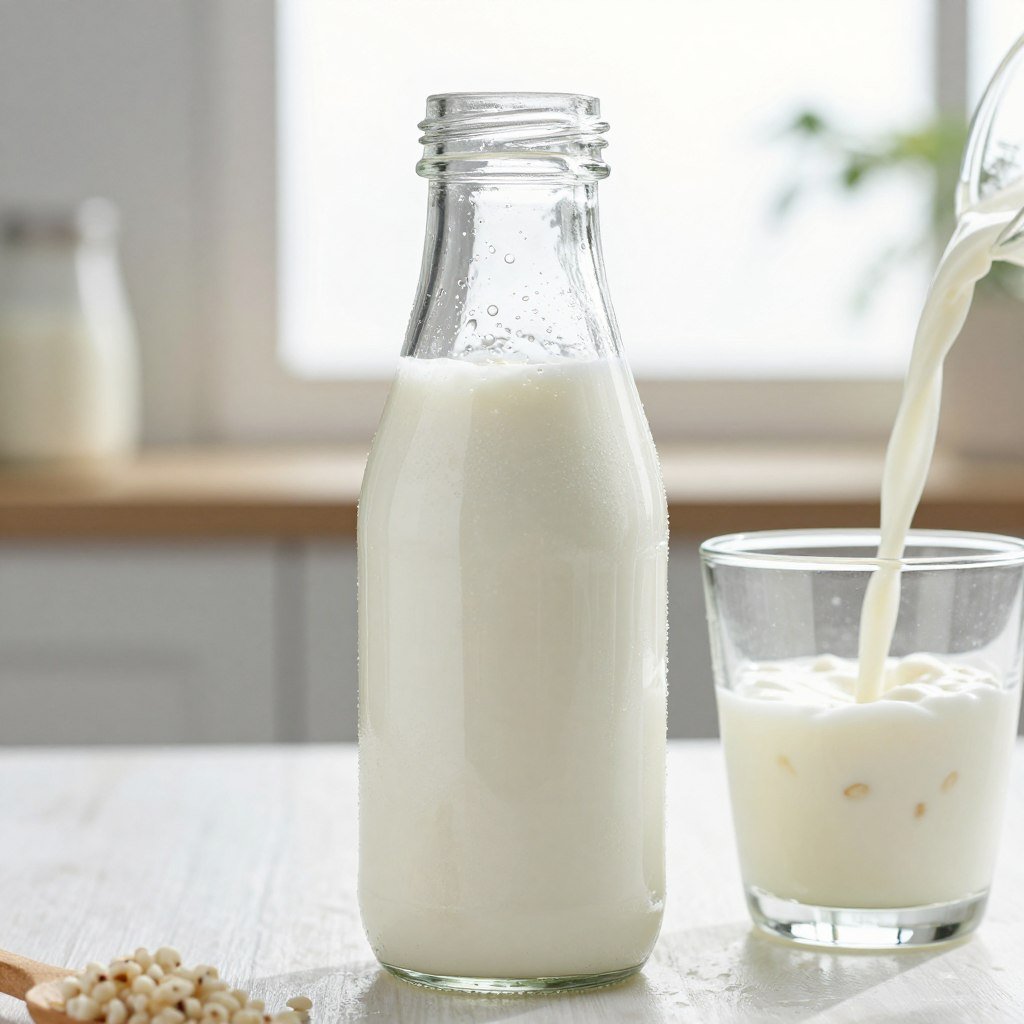
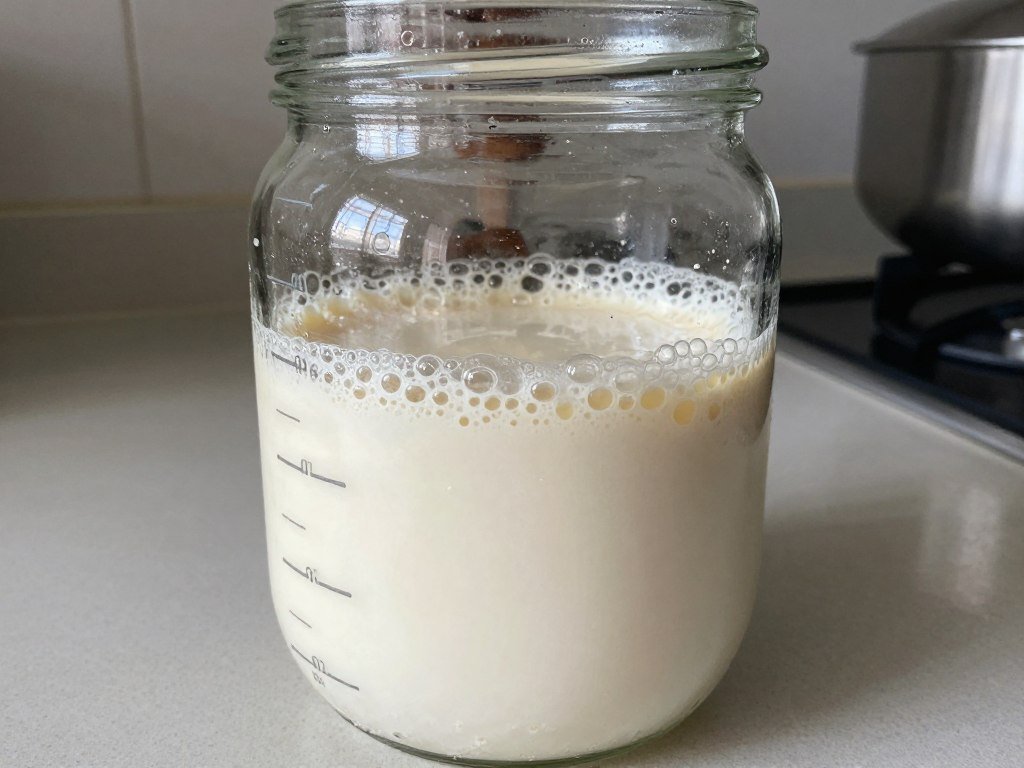
Kefir delivers more diverse probiotics than yogurt. This tangy drink contains dozens of bacterial strains. The fermentation process uses kefir grains that house complex microbial communities.
Many people who struggle with dairy tolerate kefir better. The bacteria consume most of the lactose during fermentation. Kefir also comes in water-based versions for those avoiding dairy entirely.
Sauerkraut
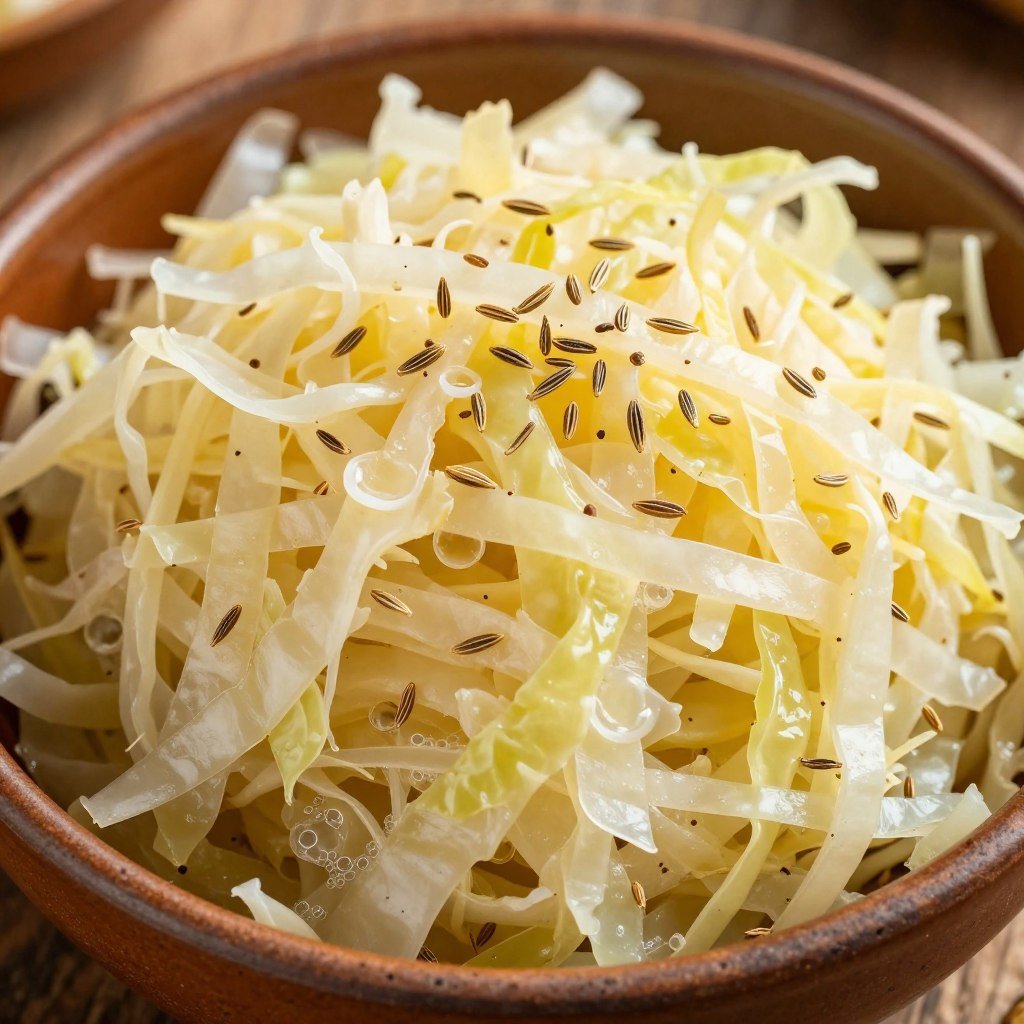
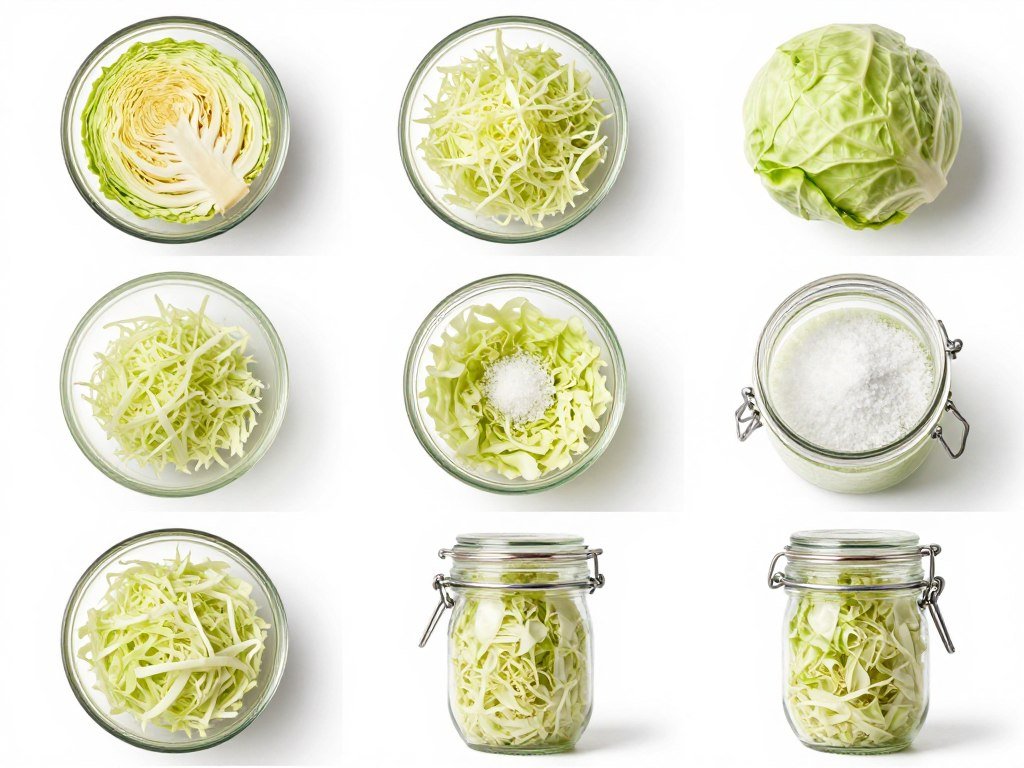
Sauerkraut transforms simple cabbage into a probiotic powerhouse. The fermentation process requires only cabbage, salt, and time. Raw, unpasteurized sauerkraut contains living bacteria that benefit your gut.
This traditional food provides fiber along with probiotics. The combination supports healthy digestion and regular bowel movements. Look for refrigerated varieties in the produce section to ensure live cultures.
Kimchi
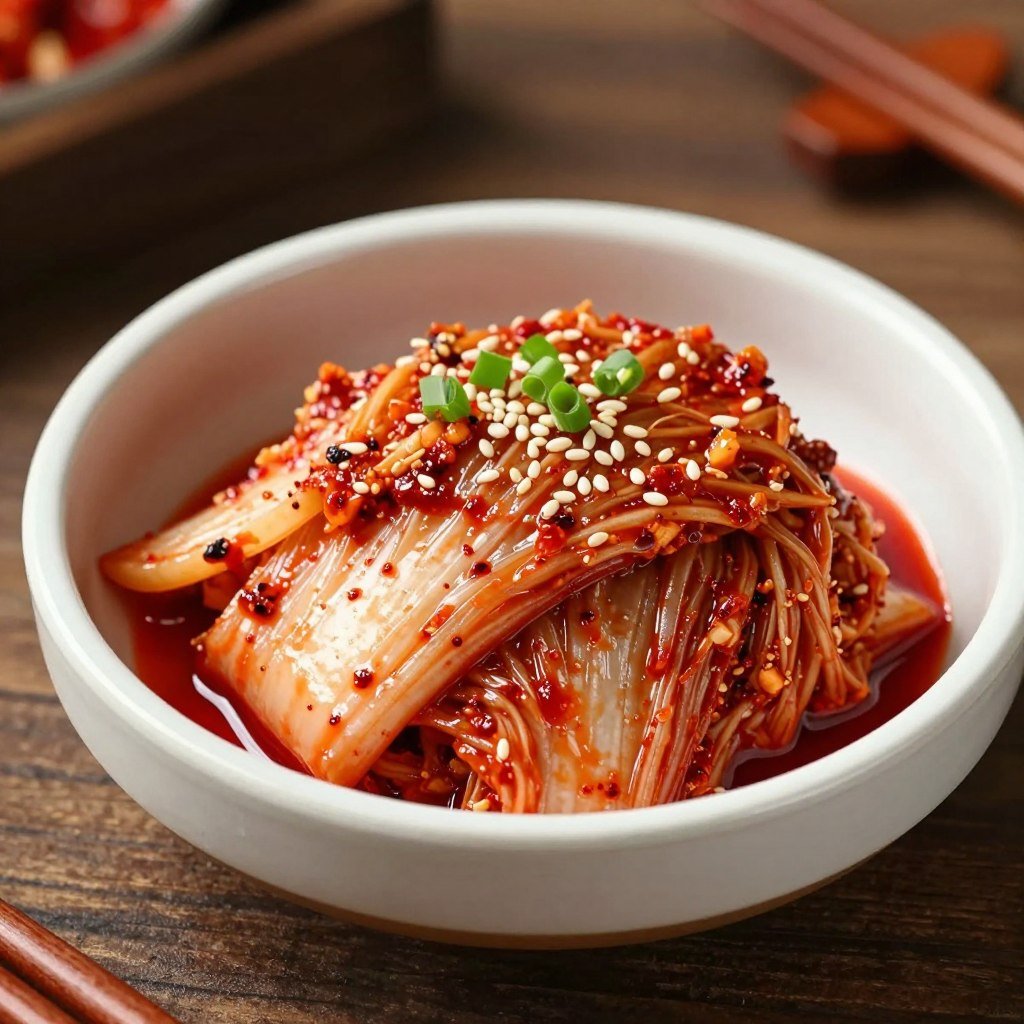
Kimchi offers bold flavors and powerful probiotic benefits. This Korean staple ferments cabbage with garlic, ginger, and red pepper. The spicy vegetables contain diverse bacterial strains that support gut health.
Beyond probiotics, kimchi provides vitamins A and C. The fermentation process increases nutrient availability. Many varieties exist, from mild to extremely spicy, suiting different taste preferences.
Additional Probiotic-Rich Options
Miso paste brings umami flavor and probiotics to soups and sauces. This fermented soybean paste originated in Japan. It contains beneficial bacteria along with essential amino acids and minerals.
Tempeh provides a protein-rich option for plant-based diets. Fermented soybeans form this firm, nutty cake. The process makes protein and nutrients more digestible while adding probiotics.
Kombucha delivers probiotics in a fizzy, refreshing drink. Tea ferments with a symbiotic culture of bacteria and yeast. This creates organic acids and beneficial microorganisms that support digestion.
How Fermented Foods Improve Your Gut Health
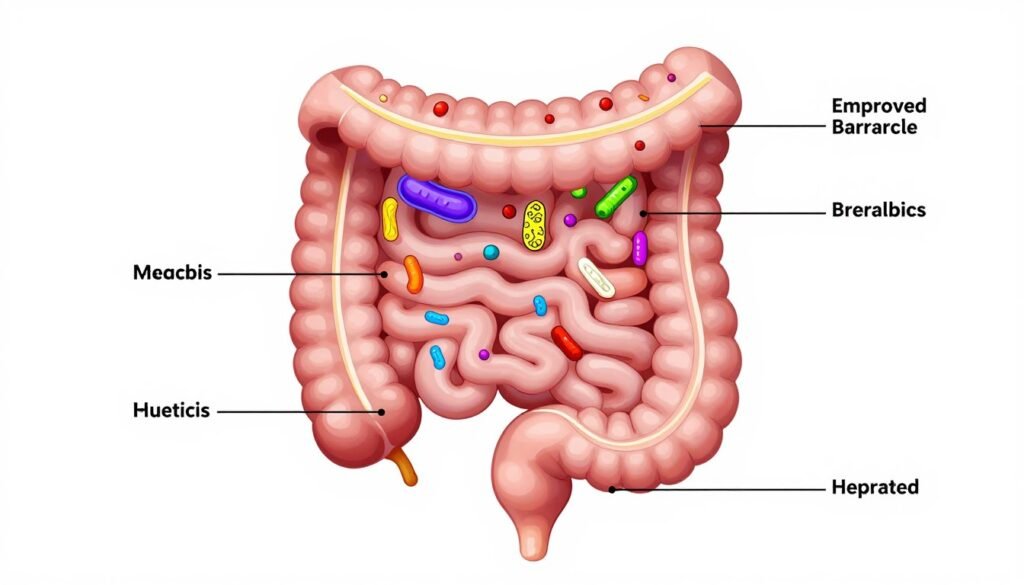
Your gut microbiome influences your entire body. The bacteria living in your intestines affect digestion, immunity, and even mental health. Fermented foods help maintain this delicate ecosystem.
Supporting Digestive Function
Probiotics from fermented foods aid the digestion process. They help break down food components your body cannot digest alone. This improves nutrient absorption and reduces digestive discomfort.
The beneficial bacteria produce enzymes that assist in breaking down proteins, fats, and carbohydrates. They also generate short-chain fatty acids that nourish your intestinal cells. This strengthens your gut lining and improves overall digestive health.
Research Insight: Studies show that regular consumption of fermented foods increases microbial diversity in the gut. Greater diversity correlates with better health outcomes and stronger immune function.
Balancing Your Microbiome
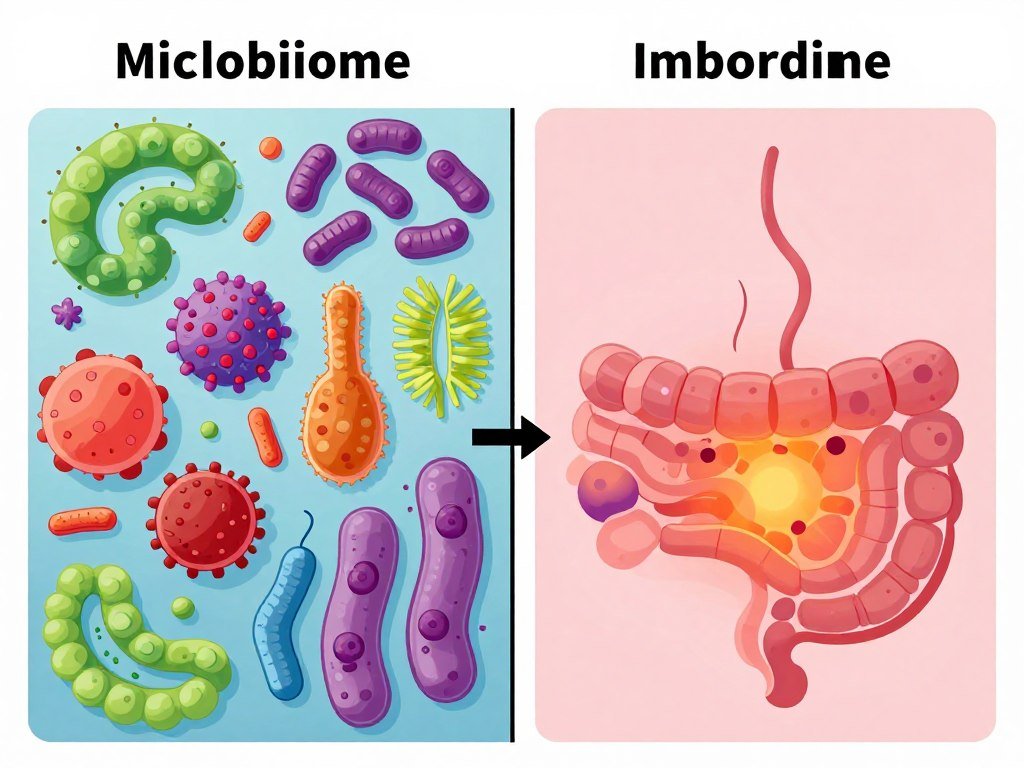
A healthy microbiome contains diverse bacterial species. Modern diets and antibiotics often reduce this diversity. Fermented foods help restore balance by introducing beneficial microorganisms.
Different fermented foods contain probiotics with unique characteristics. Eating a variety ensures you get diverse bacterial strains. This diversity strengthens your gut’s resilience against harmful bacteria.
Reducing Inflammation
Chronic inflammation in the gut contributes to numerous health problems. Fermented foods contain compounds that help reduce inflammatory responses. The probiotics they provide compete with harmful bacteria that trigger inflammation.
Many fermented foods also contain antioxidants created during the fermentation process. These compounds protect your gut cells from oxidative stress. This protective effect extends throughout your digestive system.
Fermented Foods and Irritable Bowel Syndrome Relief
Irritable bowel syndrome affects millions of people worldwide. This condition causes abdominal pain, bloating, and irregular bowel movements. Many people with IBS find relief through dietary changes that include fermented foods.
Understanding IBS and the Gut
Irritable bowel syndrome often involves an imbalanced gut microbiome. The bacterial composition differs in people with IBS compared to healthy individuals. This imbalance can trigger symptoms and digestive distress.
Research shows that certain probiotics may help reduce IBS symptoms. The beneficial bacteria in fermented foods can improve bowel regularity. They also help reduce gas production and abdominal discomfort.
Which Fermented Foods May Help
Gentle Options
Yogurt with live cultures provides easily tolerated probiotics
Kefir offers diverse bacterial strains in a smooth drink
Mild sauerkraut juice delivers probiotics without fiber bulk
Miso soup provides gentle probiotic support
Start Slowly
Begin with small portions to assess tolerance
Introduce one fermented food at a time
Monitor symptoms and adjust quantities accordingly
Choose low-FODMAP fermented options if needed
Some fermented foods may initially increase gas or bloating. This often improves as your gut adapts. If symptoms persist, consult a healthcare provider to rule out other conditions.
Important Note: While many people with irritable bowel syndrome benefit from fermented foods, individual responses vary. Some may need to avoid certain types or limit portions initially. Work with a healthcare professional to develop the best approach for your specific situation.
Simple Ways to Add Fermented Foods to Your Diet
Adding fermented foods to your daily routine does not require drastic changes. Small, consistent additions provide significant benefits over time. Start with foods you already enjoy and build from there.
Breakfast Options
Begin your day with probiotic-rich yogurt topped with fresh fruit. Add a spoonful of chia seeds for extra fiber. This combination supports digestion throughout the morning.
A kefir smoothie blends probiotics with nutrition from fruits and vegetables. Mix kefir with berries, spinach, and a banana. This creates a creamy, satisfying breakfast full of beneficial bacteria.
Lunch and Dinner Ideas
Add sauerkraut or kimchi as a side dish to sandwiches and salads. These vegetables provide crunch and tangy flavor along with probiotics. A few tablespoons complement most savory meals.
Use miso paste to create flavorful soups and dressings. Dissolve a tablespoon in hot water for instant miso soup. Mix it with olive oil and vinegar for a probiotic-rich salad dressing.
Quick Lunch Additions
Top sandwiches with tangy sauerkraut
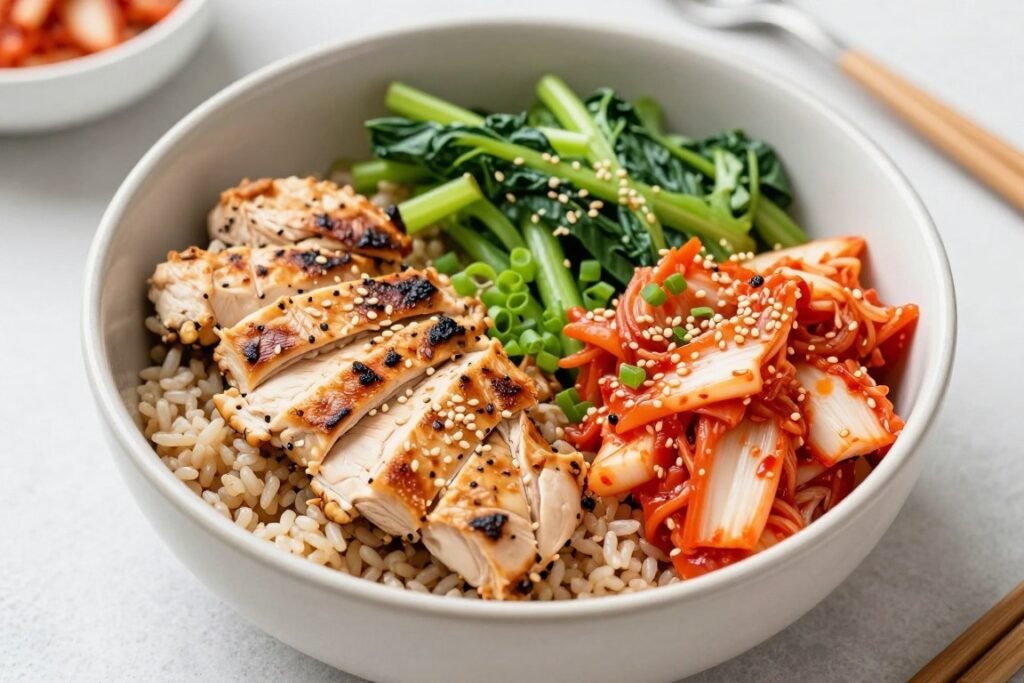
Mix kimchi into grain bowls
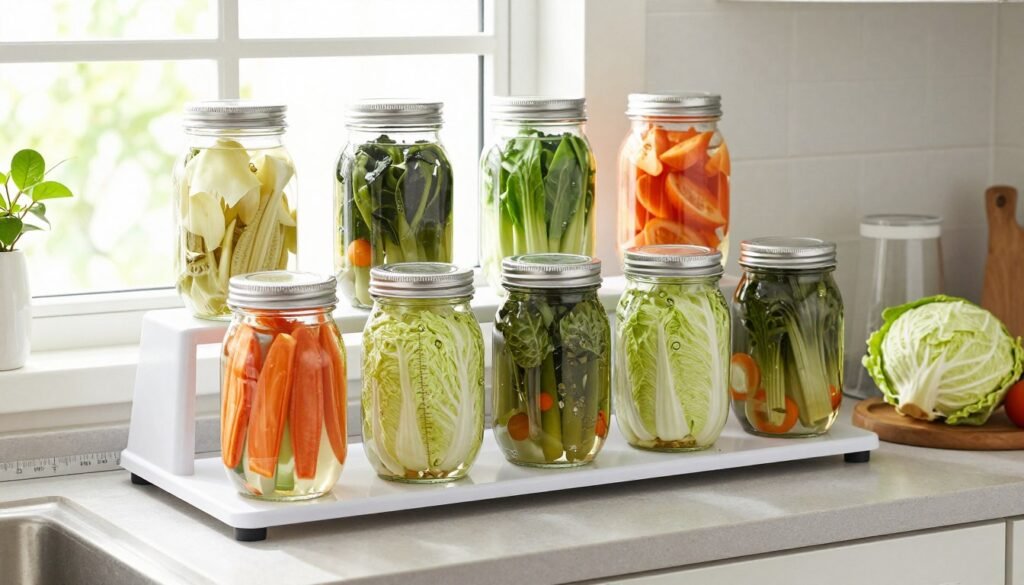
Add pickled vegetables to wraps
Include yogurt-based dressings on salads
Dinner Enhancements
Serve fermented vegetables alongside proteins
Use tempeh as a meat alternative
Create miso-glazed fish or tofu
Finish meals with a small serving of kimchi
Snacks and Beverages
Kombucha offers a refreshing probiotic drink between meals. Choose varieties with minimal added sugar. The natural carbonation satisfies cravings for fizzy beverages while delivering gut health benefits.
Plain yogurt makes an excellent base for healthy dips. Mix it with herbs and spices to create protein-rich spreads. Pair with raw vegetables for a satisfying, probiotic-packed snack.
Creating Your Own Fermented Foods at Home
Making fermented foods at home costs less than buying commercial versions. The process requires minimal equipment and simple ingredients. Homemade ferments often contain more live bacteria than store-bought options.
Basic Sauerkraut Recipe
Start with basic sauerkraut to learn fermentation fundamentals. You need only cabbage, salt, and a clean jar. The process takes just minutes of active work.
Ingredients and Tools
One medium cabbage, shredded
One tablespoon of sea salt
Large glass jar with wide mouth
Fermentation weight or clean stone
Clean cloth or lid
Simple Steps
Massage salt into shredded cabbage until water releases
Pack cabbage tightly into jar, pressing down firmly
Ensure brine covers cabbage completely
Weight down cabbage to keep it submerged
Cover jar and let ferment for 5-7 days
Taste daily until desired tanginess develops
Homemade Yogurt
Creating yogurt at home ensures maximum probiotic content. Fresh yogurt contains more active cultures than commercial varieties. The process requires attention to temperature but delivers superior results.
Heat milk to 180 degrees Fahrenheit, then cool to 110 degrees. Stir in a few tablespoons of yogurt with active cultures. Maintain warmth for 6-12 hours while bacteria multiply.
Safety and Success Tips
Fermentation Success: Use clean equipment to prevent unwanted bacteria growth. Trust your senses – properly fermented foods smell tangy and pleasant, never rotten. Start with small batches until you master the process.
Always use clean, sterile equipment and jars
Ensure vegetables stay submerged under brine
Keep fermenting foods at room temperature away from direct sunlight
Taste regularly to monitor fermentation progress
Refrigerate finished ferments to slow bacterial activity
Discard any batches with off-putting smells or visible mold
Optimizing Your Gut Health Beyond Fermented Foods
Fermented foods provide powerful gut health benefits. However, they work best as part of a comprehensive approach. Your entire lifestyle affects your microbiome and digestive wellness.
Supporting Your Microbiome
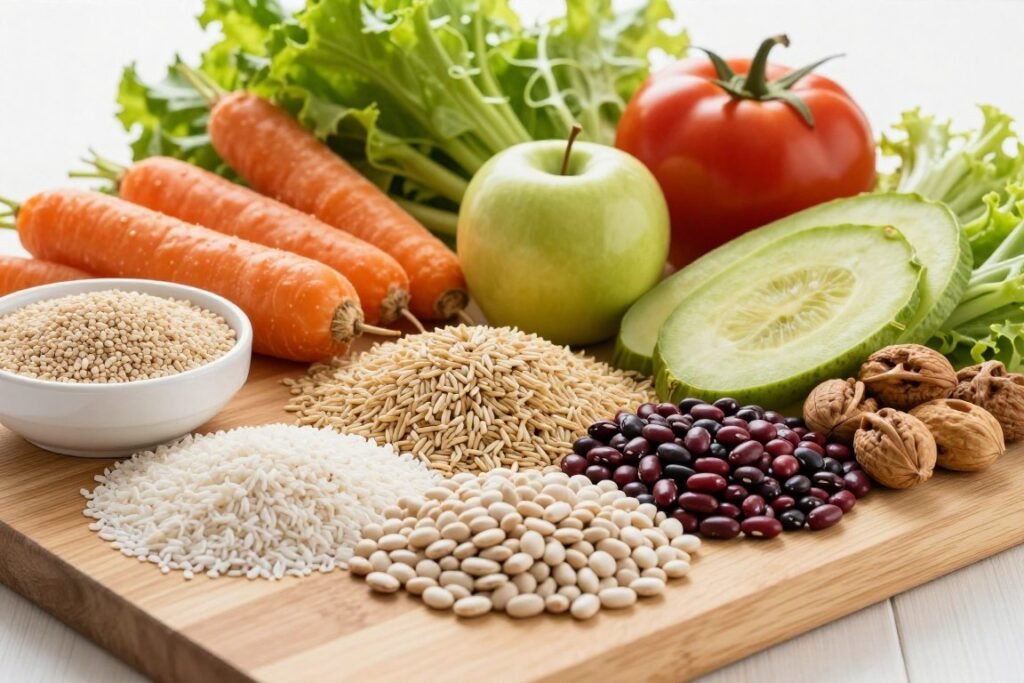
Fiber feeds the beneficial bacteria in your gut. Fruits, vegetables, and whole grains provide this essential nutrition. The bacteria ferment fiber into compounds that nourish your intestinal cells.
Staying hydrated supports healthy digestion and nutrient absorption. Water helps move food through your digestive system smoothly. Aim for eight glasses per day to maintain optimal gut function.
Some people need additional support despite eating fermented foods regularly. Modern life creates challenges for gut health. Stress, environmental toxins, and past antibiotic use can deplete your microbiome.
Many individuals discover they need targeted probiotic supplementation. High-quality supplements deliver specific bacterial strains in therapeutic doses. This concentrated approach may help when dietary sources alone fall short.
Discover the Missing Piece in Your Gut Health Journey
While fermented foods for gut health provide essential benefits, many people find they need additional support to achieve optimal digestive wellness. Learn about a breakthrough approach that complements your healthy diet and addresses the root causes of gut imbalance.
Not all fermented foods contain live probiotics. Processing and pasteurization kill beneficial bacteria. Understanding labels helps you choose products that deliver real gut health benefits.
Reading Labels Effectively
Look for “live and active cultures” on yogurt containers. This indicates the product contains living probiotics. Avoid varieties with excessive added sugar that can feed harmful bacteria.
Check the refrigerated section for sauerkraut and kimchi. Shelf-stable versions undergo heat treatment that destroys probiotics. Raw, unpasteurized fermented vegetables maintain their beneficial bacteria.
Product Type
What to Look For
What to Avoid
Yogurt
Live cultures, minimal ingredients, no added sugar
Heat-treated, high sugar, artificial flavors
Sauerkraut
Refrigerated, raw, unpasteurized, just cabbage and salt
Pasteurized, high sugar content, artificial sweeteners
Kefir
Live cultures, plain or low sugar, whole milk
Pasteurized after fermentation, candy-like flavors
Quality Indicators
Organic fermented foods avoid pesticide residues that may harm gut bacteria. While more expensive, they provide cleaner sources of probiotics. Consider organic options for products you consume daily.
Local producers often create superior fermented foods. Small-batch production typically results in higher probiotic counts. Visit farmers markets to discover artisanal ferments made with traditional methods.
Choose products with short, recognizable ingredient lists
Verify refrigeration requirements on packaging
Check expiration dates for freshness
Look for brands that specify bacterial strains
Avoid products with preservatives beyond salt
Select fermented foods without added vinegar
Apple Cider Vinegar: A Special Fermented Food
Apple cider vinegar stands out among fermented foods. This tangy liquid results from fermenting apple juice twice. First, yeast converts sugars to alcohol. Then bacteria transform alcohol into acetic acid.
The Mother Makes the Difference
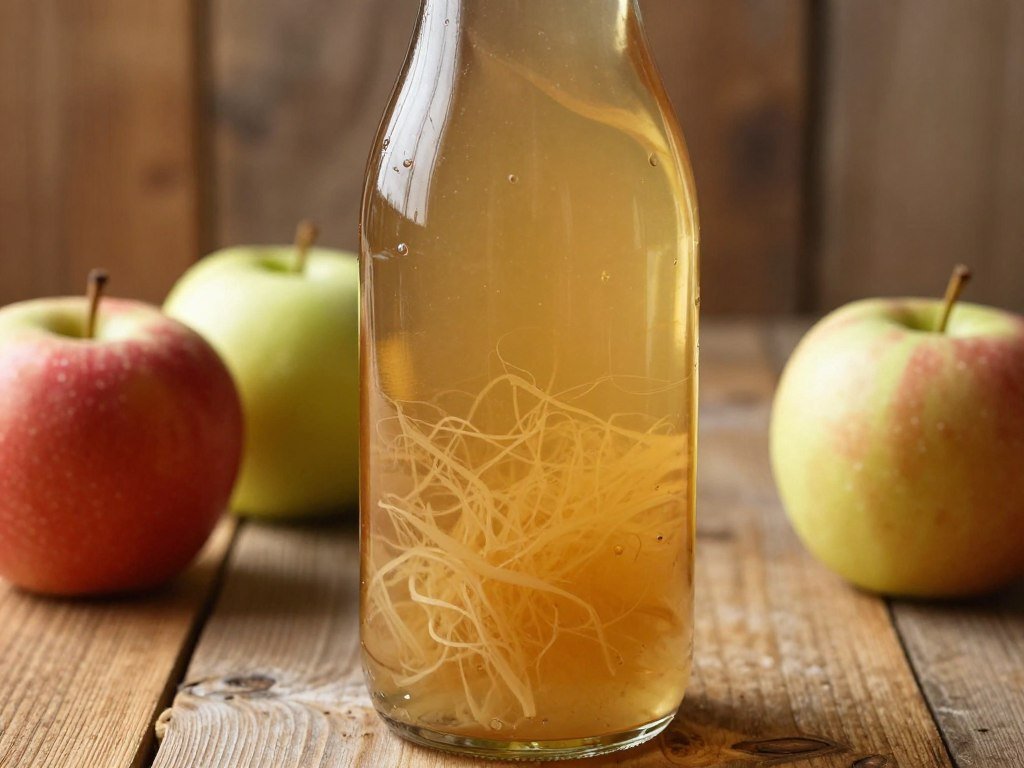
Raw apple cider vinegar contains “the mother” – cloudy strands of beneficial bacteria and enzymes. This living culture provides probiotic benefits. Always choose unfiltered, unpasteurized apple cider vinegar with visible mother.
The mother consists of beneficial bacteria, enzymes, and proteins. These components support digestion and may help balance blood sugar. They also contribute to the tangy flavor that distinguishes quality apple cider vinegar.
Using Apple Cider Vinegar for Health
Consumption Methods
Dilute one tablespoon in water before meals
Add to salad dressings for tangy flavor
Mix with honey for a health tonic
Use in marinades for meat or vegetables
Important Precautions
Never consume apple cider vinegar undiluted
Rinse mouth after drinking to protect tooth enamel
Start with small amounts to assess tolerance
Consult a doctor if taking medications
Many people drink apple cider vinegar before meals to support digestion. The acetic acid may help increase stomach acid production. This can improve nutrient absorption and reduce bloating.
Safety Note: Apple cider vinegar is acidic and can damage tooth enamel or irritate the throat when consumed undiluted. Always dilute it in water and consider drinking through a straw to minimize contact with teeth.
Sourdough Bread and Digestive Benefits
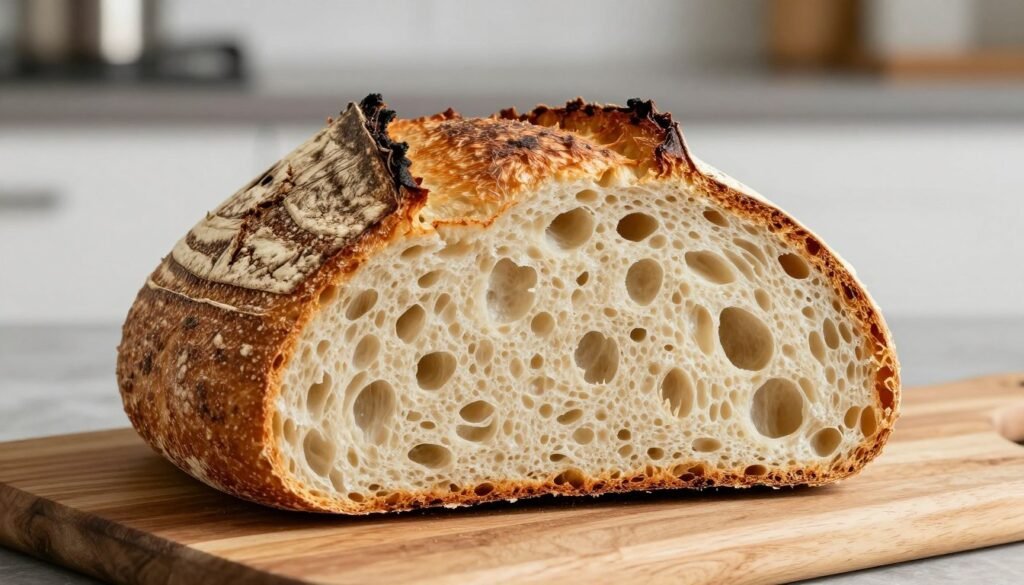
Sourdough bread differs fundamentally from commercial bread. Wild yeast and bacteria ferment the dough naturally. This ancient process creates unique flavors and potential health benefits.
The Fermentation Advantage
Traditional sourdough fermentation takes 12-48 hours. During this time, bacteria break down gluten proteins and phytic acid. This makes nutrients more available and the bread easier to digest.
The long fermentation process reduces the glycemic impact of bread. Sourdough bread causes smaller blood sugar spikes than regular bread. The beneficial bacteria also produce compounds that support gut health.
Choosing Real Sourdough
Many commercial breads labeled “sourdough” use rapid fermentation methods. True sourdough contains only flour, water, and salt. The ingredient list should not include commercial yeast or vinegar.
Look for naturally leavened sourdough from bakeries that use traditional methods. Ask about fermentation times. Longer fermentation produces better flavor and greater digestive benefits.
Verify natural fermentation without added yeast
Check for simple ingredient lists
Ask bakeries about their fermentation process
Look for irregular hole structure in the crumb
Notice the tangy, complex flavor profile
Consider making your own for maximum control
Your Action Plan: Get Started with Fermented Foods
Starting your fermented foods journey does not require perfection. Small, consistent steps create lasting change. Begin with one or two fermented foods and gradually expand your options.
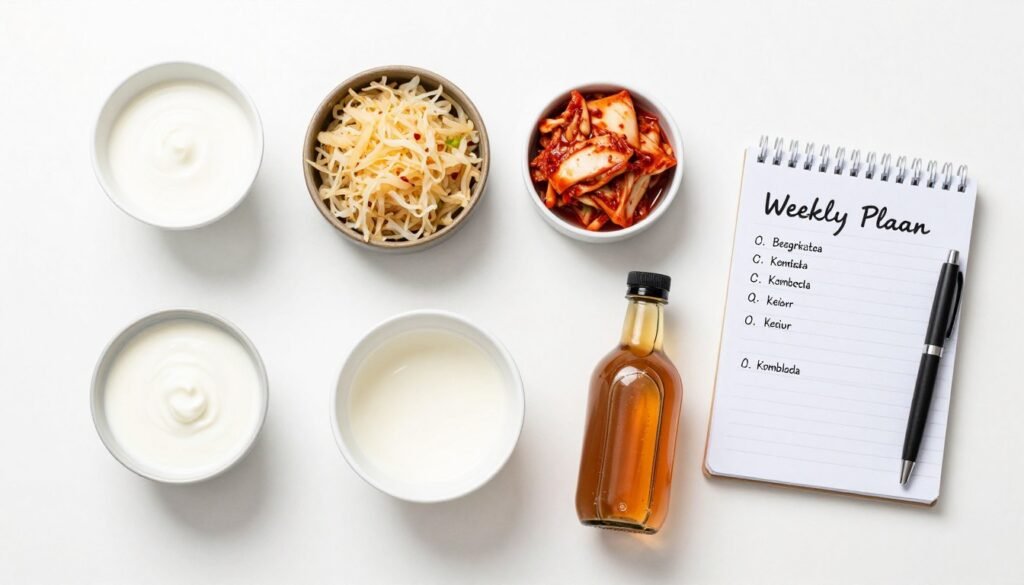
Week One: Foundation Building
Choose one fermented food you find appealing. Yogurt offers an easy starting point for most people. Add a small serving to your breakfast each day. Notice how your digestion responds.
Keep a simple food journal during this week. Note which fermented foods you try and any digestive changes. This awareness helps you identify which options work best for your body.
Week Two: Expanding Variety
Add a second fermented food to your routine. Try sauerkraut or kimchi with lunch or dinner. Start with a tablespoon and increase gradually. Your gut bacteria need time to adjust to new foods.
Experiment with different preparation methods. Mix yogurt into smoothies one day and eat it plain the next. Try kimchi in a grain bowl or as a sandwich topping. Variety keeps meals interesting.
Building Long-Term Habits
Daily Goals
Include at least one fermented food daily
Rotate between different types throughout the week
Keep fermented foods visible in your refrigerator
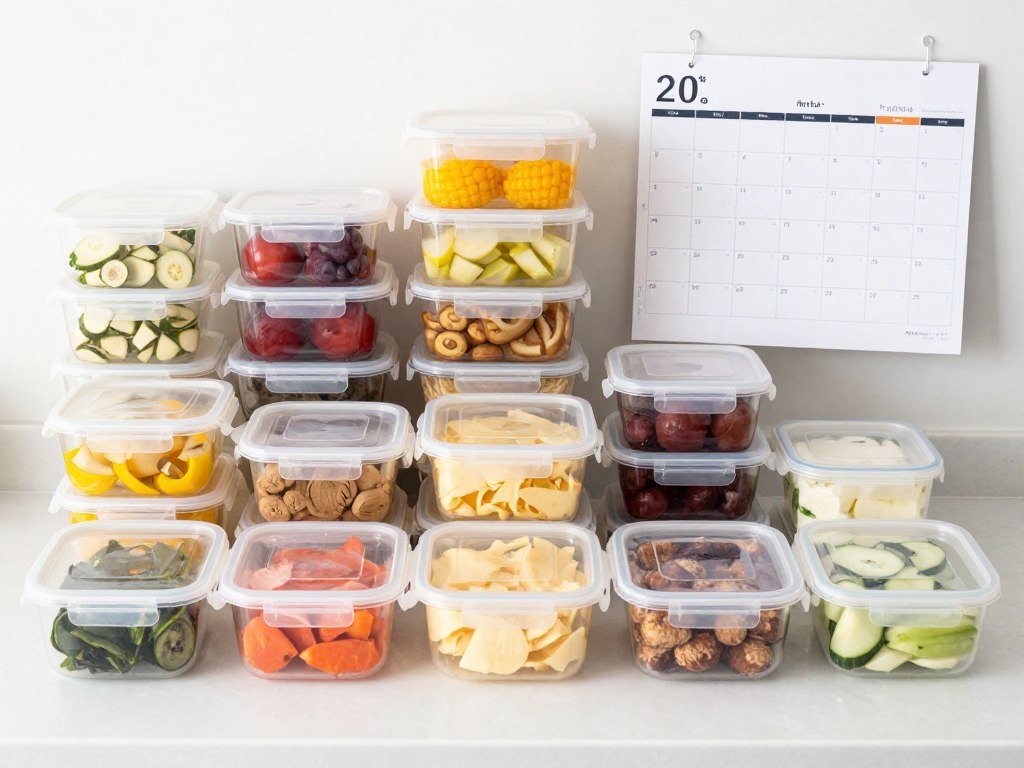
Prepare grab-and-go portions in advance
Weekly Targets
Try one new fermented food each week
Make one batch of homemade ferments monthly
Stock your kitchen with diverse options
Share fermented foods with family and friends
Overcoming Common Challenges
Initial digestive changes are normal when adding fermented foods. Some people experience temporary gas or bloating. These symptoms typically resolve within a few weeks as your microbiome adjusts.
If discomfort persists, reduce portion sizes and increase slowly. Some individuals tolerate certain fermented foods better than others. Listen to your body and find what works for you.
Pro Tip: Start with milder fermented foods like yogurt or kefir before trying stronger options like kimchi or raw sauerkraut. This gradual approach helps your digestive system adapt more comfortably.
Taking Your Gut Health to the Next Level
Fermented foods for gut health provide a solid foundation. They introduce beneficial bacteria and support your microbiome naturally. However, many people discover they need additional strategies for optimal results.
Modern life creates unique challenges for digestive health. Stress depletes beneficial bacteria. Environmental toxins disrupt your microbiome. Past antibiotic use may have eliminated essential bacterial strains.
Beyond Dietary Changes
Some individuals need targeted support to restore gut balance. While fermented foods help maintain health, rebuilding a damaged microbiome may require concentrated intervention. This is where strategic supplementation comes into play.
High-quality probiotic supplements deliver specific bacterial strains in therapeutic doses. They provide consistency that dietary sources alone cannot match. Combined with fermented foods, they create a comprehensive approach to gut health.
Ready to Transform Your Digestive Health?
Thousands of people have discovered a science-backed approach that goes beyond fermented foods. This breakthrough method addresses the root causes of gut imbalance and helps restore optimal digestive function. Watch this free educational video to learn how you can achieve the gut health you deserve.
If you recognize these signs, you are not alone. Many people eat fermented foods regularly yet still struggle with digestive issues. The good news is that targeted solutions exist to address these deeper imbalances.
Your Journey to Better Gut Health Starts Now
Fermented foods for gut health offer powerful benefits backed by thousands of years of tradition and modern science. These nutrient-dense foods contain probiotics that support your microbiome and improve digestion naturally.
Starting small makes the journey manageable. Add yogurt to breakfast or kimchi to lunch. Each serving of fermented foods delivers beneficial bacteria that strengthen your gut. Consistency matters more than perfection.
Your gut microbiome affects your entire body. Improving it through fermented foods can enhance digestion, boost immunity, and increase overall vitality. Many people notice positive changes within weeks of adding these foods to their diet.
Remember that everyone’s gut health journey looks different. Some people achieve their goals with fermented foods alone. Others need additional support to address deeper imbalances. Listen to your body and adjust your approach accordingly.
The knowledge you have gained here empowers you to make informed choices. You understand how fermentation creates health benefits. You know which fermented foods contain probiotics and how to select quality options.
Take action today. Choose one fermented food to add to your next meal. Notice how your body responds. Build from there, gradually incorporating more variety. Your gut health transformation begins with that first small step.
Discover the Complete Gut Health Solution
You have learned about the power of fermented foods for gut health. Now discover how to maximize these benefits with a proven system that addresses all aspects of microbiome balance. This free educational video reveals breakthrough insights that can transform your digestive wellness. Click below to access this valuable resource and take control of your gut health journey.
Your commitment to better health deserves support. Whether through fermented foods, lifestyle changes, or targeted supplementation, you now have the tools to improve your gut health. The path forward is clear. Your healthier, more vibrant future awaits.
The art of mixology has evolved far beyond simply mixing spirits with soda. Today’s cocktail enthusiasts are experimenting with molecular techniques, artisanal ingredients, and vintage-inspired tools that elevate drink-making to a true art form. Whether you’re shopping for a professional bartender or a home mixology enthusiast, finding gifts that surprise and delight can be challenging…
Your backyard holds incredible potential. With the right garden woodworking projects, you can create an outdoor oasis that reflects your personal style.This Website contains affiliate links. That means I may earn a small commission if you purchase through my links, at no extra cost to you. Whether you have basic tools or you’re expanding your…
A bright smile can transform your appearance and boost confidence. Many people struggle with tooth discoloration caused by foods, drinks, and daily habits. The good news is that achieving whiter teeth doesn’t always require expensive dental procedures.This Website contains affiliate links. That means I may earn a small commission if you purchase through my links,…
Wood crafts bring warmth and character to any space. The beauty of working with wood lies in its versatility and accessibility. Whether you have leftover boards from previous projects or picked up some inexpensive lumber, you can create functional and decorative pieces in just a few hours.This Website contains affiliate links. That means I may…
Your first anniversary marks a beautiful milestone in your journey together. Whether you’re celebrating one year of marriage or dating, finding that perfect gift to honor your love story deserves special attention. From traditional paper gifts that symbolize your fresh beginning to modern surprises that capture your unique bond, this collection of 1 year anniversary…
Valentine’s Day isn’t just about grand gestures or expensive presents—it’s about finding that perfect gift that captures the depth of your feelings. Sentimental valentines gifts carry meaning that far outlasts flowers or chocolates, creating lasting memories that your loved one will cherish for years to come. Whether you’re celebrating your first Valentine’s together or your…