

Best Brain Hacks for Productivity: Transform Your Mental Performance Today
Your brain controls everything you do. Yet most people never learn how to optimize it for peak performance. The average person wastes over two hours each day fighting distractions and low energy. This doesn’t have to be your reality.
This Website contains affiliate links. That means I may earn a small commission if you purchase through my links, at no extra cost to you.
Neuroscience reveals specific ways to rewire your mind for unstoppable productivity. These aren’t complicated theories. They’re simple brain hacks you can start using today.
What if you could get more done in four hours than most people accomplish in eight? The science says it’s possible. Your brain just needs the right strategies.
This guide reveals proven brain hacks that busy professionals use to maximize their mental performance. Each technique is backed by neuroscience research. You’ll discover exactly how to implement them in your daily routine.
Understanding How Your Brain Affects Productivity
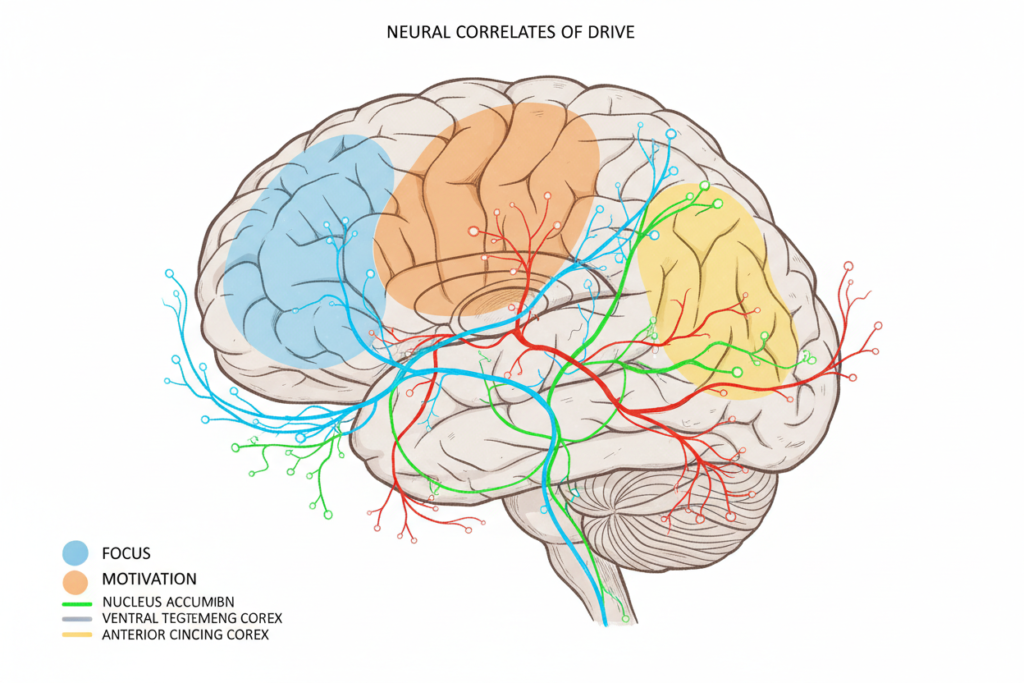
Your brain operates on specific neurochemicals that control focus and motivation. Dopamine drives your desire to complete tasks. When dopamine levels are optimal, work feels engaging rather than draining.
The prefrontal cortex handles complex decision-making. This brain region consumes enormous energy. After just a few hours of intense focus, it becomes depleted.
Understanding these mechanisms changes everything. You stop fighting your brain’s natural patterns. Instead, you work with them to achieve more with less effort.
The Neuroscience of Peak Performance
Research shows the brain cycles through high and low energy states throughout the day. These ultradian rhythms last about ninety minutes. Peak performance happens when you align your most important work with your brain’s natural high-energy periods.
Most people ignore these cycles. They push through fatigue and wonder why productivity drops. The smart approach is different. You identify your peak mental hours and protect them fiercely.
Your brain also responds powerfully to environmental cues. Specific triggers can activate focus mode almost instantly. Once you know these triggers, you control your mental state instead of letting it control you.
Hack Your Dopamine System for Sustained Motivation

Dopamine is your brain’s motivation molecule. Every time you complete a task, your brain releases a small dopamine hit. This creates the desire to keep going.
The problem is that social media and email notifications hijack this system. These distractions provide instant dopamine without real accomplishment. Your brain becomes addicted to quick hits rather than meaningful work.
The solution is strategic dopamine management. You create intentional reward structures that reinforce productive behaviors instead of destructive ones.
Create Micro-Rewards Throughout Your Day
Break large tasks into smaller chunks. Each completed chunk triggers a dopamine release. This keeps motivation high across hours of work.
Use a simple list to track these micro-wins. Checking off items provides visual confirmation of progress. Your brain interprets this as success, releasing more dopamine to fuel continued effort.
The average person tries to stay motivated through willpower alone. This fails because willpower depletes quickly. Dopamine-based systems work because they tap into your brain’s natural reward circuitry.
Eliminate Dopamine Drains
Identify activities that steal dopamine without providing real value. Social media tops this list for most people. Every scroll gives a tiny reward, training your brain to crave more scrolling.
Remove these triggers during work hours. Put your phone in another room. Block distracting websites. Your brain will protest initially, but within days it adapts to the new pattern.
Replace negative dopamine sources with positive ones. After finishing a challenging task, take a five-minute walk or enjoy your favorite coffee. These activities provide dopamine while supporting rather than sabotaging your productivity.
Master Time-Blocking for Maximum Brain Efficiency
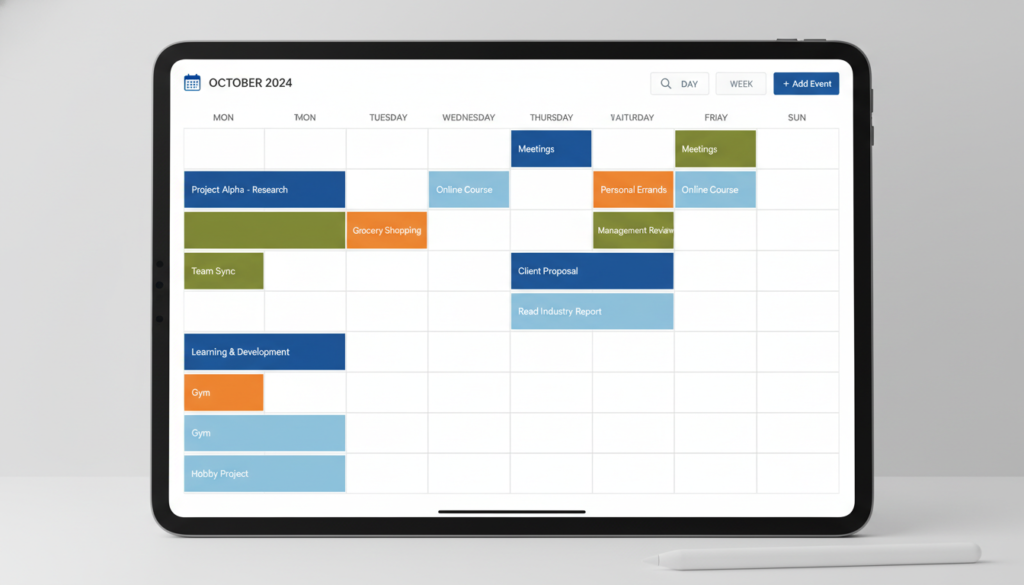
Your brain performs best when it knows exactly what to focus on. Ambiguity creates mental friction and wastes energy on decision-making.
Time-blocking eliminates this problem. You assign specific tasks to specific time slots in advance. When each block begins, your brain immediately knows what to do.
Research shows this approach can double your productive output. The average person spends fifteen to twenty minutes per day just deciding what to work on next. Time-blocking reclaims this lost time.
Build Your Ideal Daily Schedule
Start by identifying your peak mental hours. For most people, this window occurs two to four hours after waking. Schedule your most demanding brain work during this time.
Block out ninety-minute focus sessions followed by fifteen-minute breaks. This matches your brain’s natural ultradian rhythm. Longer sessions without breaks lead to diminishing returns.
Protect these blocks like important meetings. Treat them as non-negotiable commitments to yourself. People who respect their own calendar accomplish far more than those who treat it as optional.
Handle Interruptions Strategically
Even the best calendar faces unexpected disruptions. The key is having a system to handle them without derailing your entire day.
Create a designated time block for handling emails and calls. When interruptions arise outside this window, note them and return to your current task. Your brain maintains focus when it knows the interruption will be addressed later.
Most productivity advice tells you to eliminate all interruptions. This isn’t realistic for many people. The better approach is containing them within specific time boundaries.
Ready to take your productivity to the next level? These brain hacks are just the beginning. Thousands of professionals have discovered a complete system that combines neuroscience, habit formation, and proven productivity strategies. Discover the full brain optimization program that transforms how you work.
Optimize Your Energy Levels Throughout the Day

Productivity isn’t just about time management. It’s about energy management. You can have eight free hours and accomplish nothing if your energy is depleted.
Your brain consumes twenty percent of your body’s total energy despite being only two percent of your body weight. When blood sugar drops or hydration decreases, mental performance crashes immediately.
Smart professionals treat energy as their most valuable resource. They protect it through strategic nutrition, movement, and rest patterns.
Fuel Your Brain Properly
What you eat directly impacts your cognitive function. High-sugar foods create energy spikes followed by crashes. Your focus becomes unpredictable and unreliable.
Choose complex carbohydrates, healthy fats, and protein instead. These provide steady glucose to your brain across several hours. The average person doesn’t connect diet to productivity, but the link is undeniable.
Hydration matters just as much. Even mild dehydration reduces cognitive performance by up to fifteen percent. Keep water nearby and drink consistently throughout the day.
Strategic Caffeine Use
Coffee can be a powerful productivity tool when used correctly. The key is timing and dosage.
Avoid coffee immediately after waking. Your natural cortisol levels are already high. Wait ninety minutes, then have your first cup. This prevents afternoon crashes.
Limit caffeine to before noon. Later consumption interferes with sleep quality, creating a vicious cycle of fatigue. Your brain needs quality rest to maintain peak performance the next day.
Movement Breaks Reset Your Brain
Sitting for hours depletes mental energy faster than you realize. Your brain needs fresh oxygen and increased blood flow.
Set a timer for every fifty to sixty minutes. When it rings, stand up and move for five minutes. This simple habit can increase afternoon productivity by thirty percent or more.
The type of movement matters less than the consistency. A brief walk, stretching, or light exercise all work. The goal is breaking the sedentary pattern that dulls your mind.
Eliminate Decision Fatigue to Preserve Mental Energy

Your brain makes thousands of decisions each day. Each choice consumes a small amount of mental energy. By afternoon, this accumulation creates decision fatigue.
When decision fatigue sets in, your brain takes shortcuts. You make impulsive choices or avoid decisions entirely through procrastination. Either way, productivity suffers.
The solution is reducing unnecessary decisions. Free up mental energy for the choices that actually matter.
Automate Routine Decisions
Successful people often wear similar clothes each day. This isn’t about fashion. It’s about preserving decision-making capacity for important work.
Create routines for morning activities, meals, and evening wind-down. When these patterns become automatic, your brain stops wasting energy on them.
The average person makes dozens of food decisions daily. Meal planning eliminates this entirely. Decide once per week what you’ll eat, then simply execute the plan.
Use Implementation Intentions
Instead of vague goals, create specific if-then plans. “If it’s 9 AM, then I’ll work on the report.” This removes the decision about when to start.
Your brain loves this clarity. It can shift immediately into execution mode without deliberating. Studies show implementation intentions increase follow-through rates by over sixty percent.
Apply this technique to your most important tasks. The moment you eliminate the “when should I do this” question, resistance drops significantly.
Create a Distraction-Free Environment
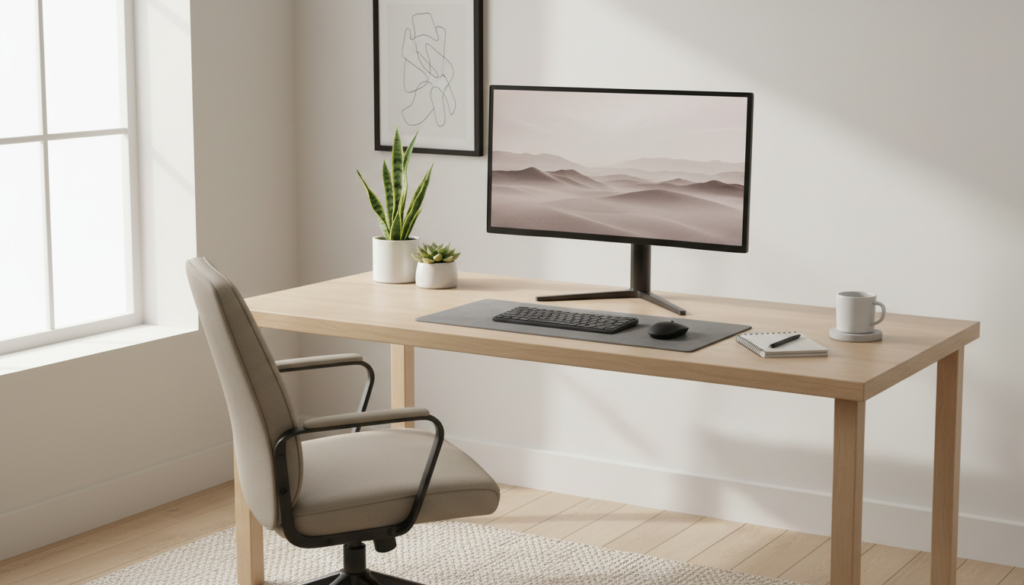
Every distraction costs you more than the interruption itself. Research shows it takes an average of twenty-three minutes to fully regain focus after being disrupted.
Most people’s work environment is designed for distraction. Notifications ping constantly. Colleagues interrupt freely. Email demands immediate attention.
High performers structure their environment to support deep work instead of sabotaging it.
The Power of Single-Tasking
Multitasking is a myth. Your brain cannot focus on multiple complex tasks simultaneously. What feels like multitasking is actually rapid task-switching.
Each switch carries a cognitive cost. You lose time and mental energy. Studies show multitaskers are forty percent less productive than single-taskers.
Choose one task and commit to it completely for a set time period. Close all unrelated tabs and applications. Put your phone face-down or in another room.
Manage Digital Interruptions
Turn off all non-essential notifications during focus blocks. Email can wait. Slack messages can wait. Social media definitely can wait.
Set specific times to check these platforms. Three times per day is sufficient for most people. Resist the urge to check between designated times.
Use website blockers if necessary. Your future self will thank you when projects get completed ahead of schedule instead of dragging on for weeks.
Communicate Boundaries
Let colleagues know when you’re in deep work mode. Use a closed door, headphones, or a status indicator. Most interruptions happen because people don’t realize you’re focused.
Schedule open-door hours for collaboration and questions. This gives others access to you while protecting your concentration time.
The average person fears seeming unavailable. High performers know that protecting focus time makes them more valuable, not less.
Leverage Music and Sound for Enhanced Focus

Sound profoundly affects your brain’s ability to concentrate. The right audio environment can boost productivity while the wrong one kills it.
Your brain processes sound even when you’re trying to ignore it. Background conversations force your language centers to engage, pulling focus from your work.
Strategic sound management is one of the easiest yet most overlooked productivity hacks.
Find Your Optimal Audio Environment
Some people work best in complete silence. Others need background noise. There’s no universal right answer, only what works for your brain.
Experiment with different options. Try working in silence, with instrumental music, with nature sounds, or with white noise. Track which environment produces your best work.
Many people discover they need different audio for different task types. Complex creative work might require silence while routine tasks benefit from upbeat music.
Build a Productivity Playlist
If music helps you focus, create a dedicated productivity playlist. Choose songs without lyrics or with lyrics in languages you don’t understand.
Lyrics engage your brain’s language processing, which competes with reading and writing tasks. Instrumental tracks avoid this conflict.
Listen to the same playlist repeatedly during work sessions. Your brain will associate these specific songs with focus mode. Eventually, hearing the first track triggers concentration automatically.
Use Noise-Masking Strategies
When you can’t control your environment, mask distracting sounds. Noise-canceling headphones are worth the investment if you work in busy spaces.
White noise or brown noise apps effectively cover irregular sounds that break concentration. They create a consistent audio blanket that your brain learns to ignore.
The key is consistency. Random sounds demand attention. Steady, predictable sounds fade into the background.
Unlock Your Brain’s Full Potential
You’ve learned powerful techniques, but imagine having a complete system that integrates all of these strategies plus advanced methods used by peak performers. Discover the scientifically-designed program that thousands use to triple their productive output while working fewer hours.
Implement Strategic Breaks for Sustained Performance

Your brain isn’t designed for marathon focus sessions. Peak mental performance requires regular recovery periods.
Most people push through fatigue, believing breaks waste time. The opposite is true. Strategic breaks actually increase total productive output.
The science is clear. Your brain needs downtime to consolidate information and restore cognitive resources.
The Pomodoro Technique Enhanced
Work in focused twenty-five-minute blocks followed by five-minute breaks. After four blocks, take a longer fifteen to thirty-minute break.
This technique works because it aligns with your brain’s attention span limits. Knowing a break is coming soon makes it easier to maintain intense focus.
During breaks, completely disengage from work. Don’t check email or think about tasks. Let your mind wander or do something physical.
Active Recovery Beats Passive Rest
How you spend break time matters enormously. Scrolling social media doesn’t restore mental energy. It consumes more.
Physical movement provides the best recovery. A short walk increases blood flow to your brain and triggers the release of helpful neurochemicals.
Other effective break activities include stretching, brief meditation, or looking at distant objects to rest your eyes. The key is giving your mind genuine rest.
Know When to Stop
Pushing past exhaustion damages tomorrow’s productivity more than it helps today’s. Learn to recognize when your brain is truly depleted.
Signs include reading the same sentence multiple times, making careless errors, or feeling mentally foggy. When these appear, additional work time produces diminishing returns.
End your work day at a reasonable hour. Protect your sleep. Your brain performs essential maintenance during sleep that nothing else can replace.
Master Task Prioritization Using Your Brain’s Peak Hours
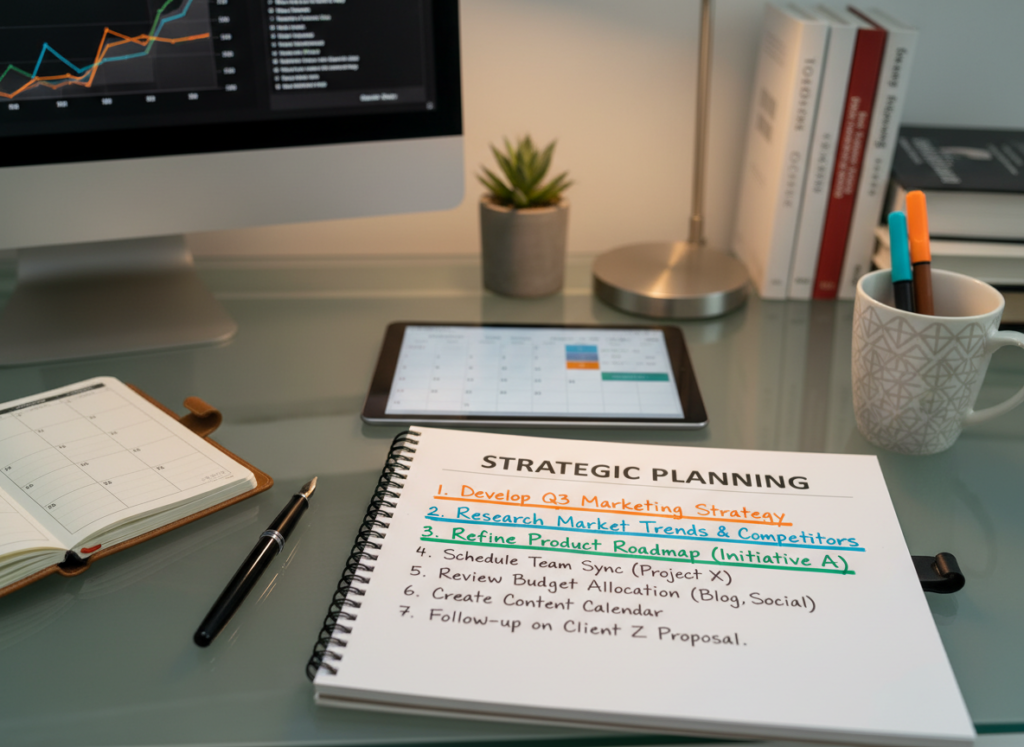
Not all tasks deserve equal mental resources. Your brain has limited peak performance hours each day. How you allocate them determines your results.
The average person tackles easy tasks first to build momentum. This strategy wastes your best mental hours on low-value work.
High performers do the opposite. They protect their peak hours for high-impact activities that require intense concentration.
Identify Your Most Important Task
Each day, one task matters more than all others. Completing it creates meaningful progress toward your goals. Everything else is secondary.
Identify this task the night before. When you start work the next day, begin with it immediately. Don’t check email first. Don’t organize your desk. Start the important work.
Most people delay their most important task because it’s often the most challenging. This guarantees mediocre results because you’ll tackle it when energy is depleted.
Batch Similar Tasks Together
Your brain operates more efficiently when doing similar tasks consecutively. Each task switch carries a mental cost as your brain shifts modes.
Group all email responses together. Handle all phone calls in one block. Process all administrative tasks in a designated time slot.
This approach reduces context switching and preserves energy. You’ll complete routine tasks faster, freeing more time for deep work.
Learn to Say No
Every yes to a new commitment is a no to something else. Your time and energy are finite resources.
Before accepting new tasks, evaluate them against your priorities. Does this move you toward your goals? Does it require your unique skills?
If the answer is no, decline politely. Protecting your focus from low-value demands is essential for high performance.
Use Habit Stacking to Build Lasting Productivity Behaviors
Your brain loves automation. Habits require minimal mental energy because they run on autopilot.
The challenge is building new habits. Most people rely on motivation, which fluctuates unpredictably. Habit stacking provides a more reliable approach.
This technique links new behaviors to existing routines. Your brain already has established patterns. You piggyback new habits onto these anchors.
The Habit Stacking Formula
Use this simple template: “After [existing habit], I will [new habit].” For example, “After I pour my morning coffee, I will review my three most important tasks.”
The existing habit serves as a trigger. Your brain associates the two activities, making the new behavior feel natural rather than forced.
Start small. Don’t try to stack multiple new habits at once. Build one, let it solidify over several weeks, then add another.
Create Environmental Triggers
Your environment shapes your behaviors more than you realize. Strategic placement of objects can trigger productive habits automatically.
Place your journal on your pillow before bed. When you see it at night, you’re reminded to plan tomorrow’s tasks. Put your workout clothes next to your bed to trigger morning exercise.
Remove triggers for bad habits. If social media distracts you, delete the apps from your phone. Make unproductive behaviors harder to execute than productive ones.
Manage Stress to Protect Cognitive Function

Chronic stress literally shrinks your brain. The hippocampus, essential for memory and learning, deteriorates under sustained stress hormones.
Your body’s stress response evolved for short-term physical threats. Modern life triggers it constantly through deadlines, emails, and endless to-do lists.
Managing stress isn’t optional for peak productivity. It’s foundational.
Recognize Your Stress Signals
Your body communicates stress through specific signals. Tight shoulders, shallow breathing, racing thoughts, or digestive issues all indicate elevated stress hormones.
Most people ignore these signals until stress becomes overwhelming. The smarter approach is addressing stress when it first appears.
Check in with your body several times daily. Notice tension and address it before it compounds.
Quick Stress-Reset Techniques
Deep breathing activates your parasympathetic nervous system, countering the stress response. Six deep breaths can lower cortisol levels measurably.
Try the four-seven-eight technique. Inhale for four counts, hold for seven, exhale for eight. Repeat three times. This simple practice calms your nervous system within minutes.
Physical activity burns stress hormones. Even a brief walk can reset your mental state when pressure builds.
Build Long-Term Resilience
Regular exercise, adequate sleep, and social connection all increase stress resilience. These aren’t luxuries. They’re essential maintenance for your brain.
Meditation restructures your brain over time, increasing gray matter in regions responsible for emotional regulation. Just ten minutes daily produces measurable benefits within weeks.
The average person treats stress management as something to do when things get bad. High performers make it a daily practice that prevents problems before they start.
Optimize Sleep for Maximum Daytime Performance

Sleep is when your brain performs essential maintenance. Memories consolidate. Cellular waste clears. Neural connections strengthen or prune.
Skimp on sleep and your cognitive function plummets. Reaction time slows. Decision-making deteriorates. Creativity vanishes.
Most productivity advice ignores sleep. This is backwards. Quality sleep might be the single highest-leverage productivity hack.
Protect Your Sleep Schedule
Your brain operates on a circadian rhythm. Consistency matters more than you think. Going to bed and waking at similar times daily optimizes this natural cycle.
Aim for seven to nine hours nightly. Less than seven hours produces measurable cognitive decline. Your brain simply cannot perform optimally on insufficient rest.
The hours before midnight provide especially valuable sleep. Your brain cycles through different sleep stages, and early night sleep contains more of the deep, restorative phases.
Create a Sleep-Friendly Environment
Your bedroom should be cool, dark, and quiet. Light exposure, even from digital clocks, can disrupt sleep quality.
Remove screens from your bedroom entirely if possible. Blue light from devices suppresses melatonin production, making it harder to fall asleep.
Invest in blackout curtains and white noise machines if needed. Quality sleep pays enormous productivity dividends.
Wind Down Properly
Your brain needs transition time between work and sleep. Jumping straight from emails to bed guarantees poor rest.
Create a thirty to sixty-minute wind-down routine. Dim lights, avoid screens, do relaxing activities like reading or light stretching.
This signals your brain that sleep is approaching. Melatonin production increases naturally when you follow this pattern consistently.
Set Technology Boundaries to Reclaim Mental Space
Technology promises to make us more productive. Often it does the opposite. Every app competes for your attention using sophisticated psychological tactics.
Your brain responds to notifications like it responds to threats. Each ping triggers a cortisol spike and attention shift.
The average person checks their phone eighty to one hundred times daily. Each check fragments focus and depletes mental resources.
Implement Phone-Free Time Blocks
Designate specific periods each day as completely phone-free. Put your device in another room during these blocks.
Start with just one hour daily. You’ll likely feel anxious initially. This is your brain experiencing withdrawal from constant stimulation.
Push through the discomfort. Within a week, you’ll notice dramatically improved focus during these protected periods.
Redesign Your Digital Environment
Delete social media apps from your phone. Access them only through a web browser on your computer during designated times.
This simple friction prevents mindless scrolling. You can still use these platforms intentionally, but you eliminate unconscious habit loops.
Organize your phone’s home screen with only essential tools. Move everything else to a second screen or folder. Remove the visual triggers that prompt unnecessary checking.
Use Technology Intentionally
Before opening an app, ask yourself why. Do you have a specific purpose or are you seeking distraction?
This moment of awareness breaks the automatic behavior pattern. Often, you’ll realize you don’t actually need to check right now.
Set app time limits using built-in phone features. When you hit the limit, the app locks. This external constraint supports your intentions when willpower wavers.
Ready to Transform Your Productivity Forever?
These brain hacks are powerful on their own, but they’re just a fraction of what’s possible. Discover the complete, science-backed system that integrates cognitive neuroscience, behavioral psychology, and peak performance strategies. Join thousands who have already transformed their mental performance and reclaimed hours of productive time every single day.
Your Next Steps Toward Peak Mental Performance
You now have science-backed brain hacks that can dramatically improve your productivity. Each technique addresses specific aspects of how your brain functions.
The key is implementation. Knowledge without action produces zero results. Choose two or three strategies from this guide to start with today.
Master those completely before adding more. Building lasting habits takes time. Trying to change everything at once usually leads to changing nothing.
Your brain has incredible potential. Most people never tap into even a fraction of what’s possible. The difference between average performance and exceptional results often comes down to working with your neuroscience rather than against it.
These hacks provide a foundation. They’ll serve you well for years to come. But if you’re serious about maximizing your cognitive performance, consider exploring comprehensive systems designed specifically for brain optimization.
The most successful people invest in their mental performance just like athletes invest in physical training. Your brain is your most valuable asset. Treating it that way changes everything.
Start today. Your future self will thank you for making the decision to optimize your most important resource.