Meal Prep for Weight Losing: Your Complete Guide to Success
Losing weight can feel like an uphill battle. You start each week with good intentions, but by Wednesday, you find yourself at the drive-through again. The problem isn’t your willpower. It’s that you haven’t set yourself up for success.
This Website contains affiliate links. That means I may earn a small commission if you purchase through my links, at no extra cost to you.
Meal prep for weight losing changes everything. When you prepare your meals ahead of time, you remove the guesswork and temptation that derail your progress. You make decisions when you’re calm and focused, not when you’re starving and stressed.
This guide will show you exactly how to use meal prepping to lose weight effectively. You’ll learn practical strategies that save time, reduce stress, and keep you on track toward your goals.
Why Meal Prep Works for Weight Loss
Meal prepping help you lose weight because it eliminates the moment-of-weakness decisions. When you’re hungry, your brain prioritizes quick calories over nutritious choices. Having prepared meals ready to eat removes this problem entirely.
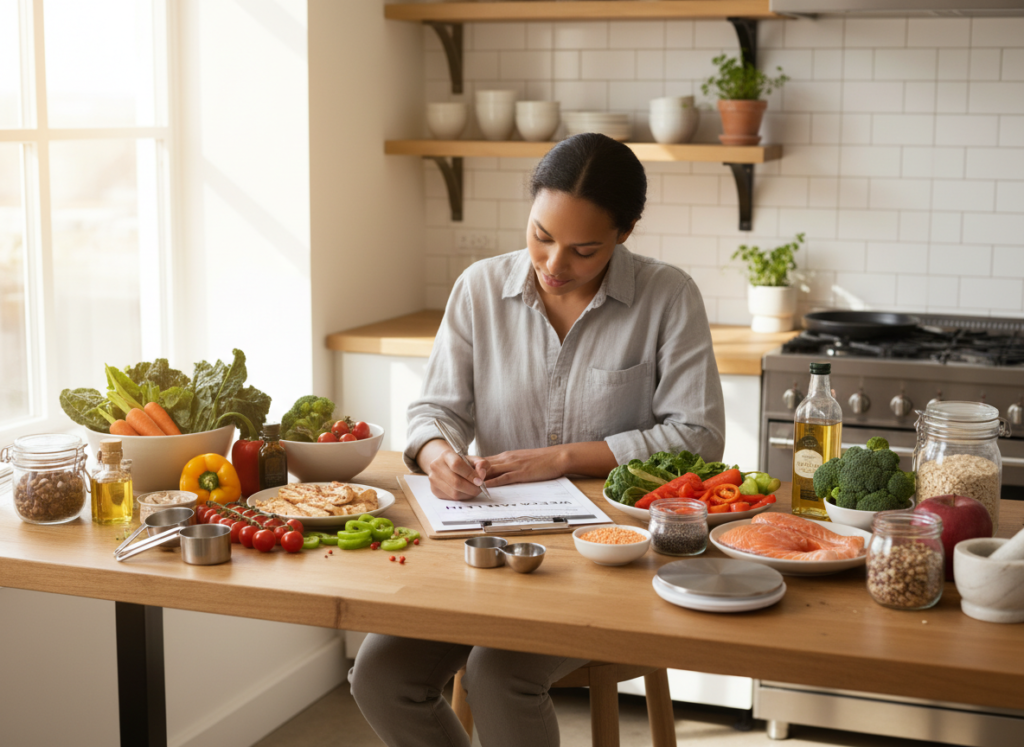
Studies show that people who plan their meals ahead of time consume fewer calories throughout the day. They also make better food choices and stick to their diet plans longer. The simple act of planning creates accountability.
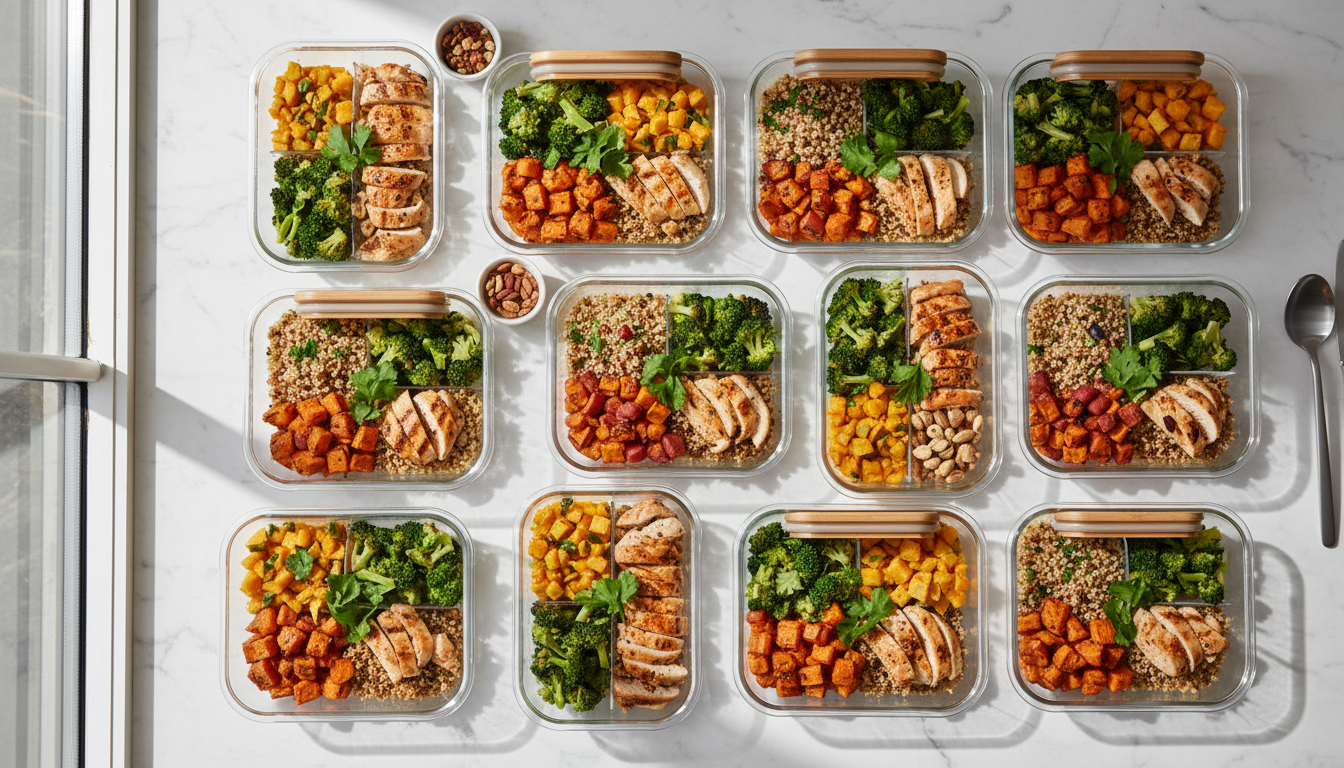
Beyond portion control, meal prep saves you hours each week. Instead of cooking every single day, you prepare multiple meals at once. This efficiency means you’re less likely to skip meals or grab unhealthy convenience foods.
Traditional Cooking Challenges
- Daily decision fatigue about what to eat
- Last-minute unhealthy choices when hungry
- Wasted ingredients and higher food costs
- Time stress from cooking every meal
- Inconsistent portion sizes
Meal Prep Benefits
- Decisions made once per week
- Healthy meals always ready
- Reduced food waste and costs
- Hours saved each week
- Precise portion control
The foundation of meal prepping for weight loss is creating a calorie deficit while maintaining proper nutrition. When you prep meals, you can calculate exactly how many calories you’re consuming. This precision makes it much easier to stay within your target range.
Getting Started with Meal Prep
Starting your meal prep journey doesn’t require fancy equipment or culinary expertise. You need basic containers, a plan, and a few hours one day per week. Most people choose Sunday as their prep day, but any consistent day works.
Essential Meal Prep Equipment
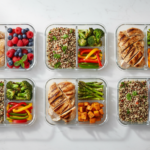
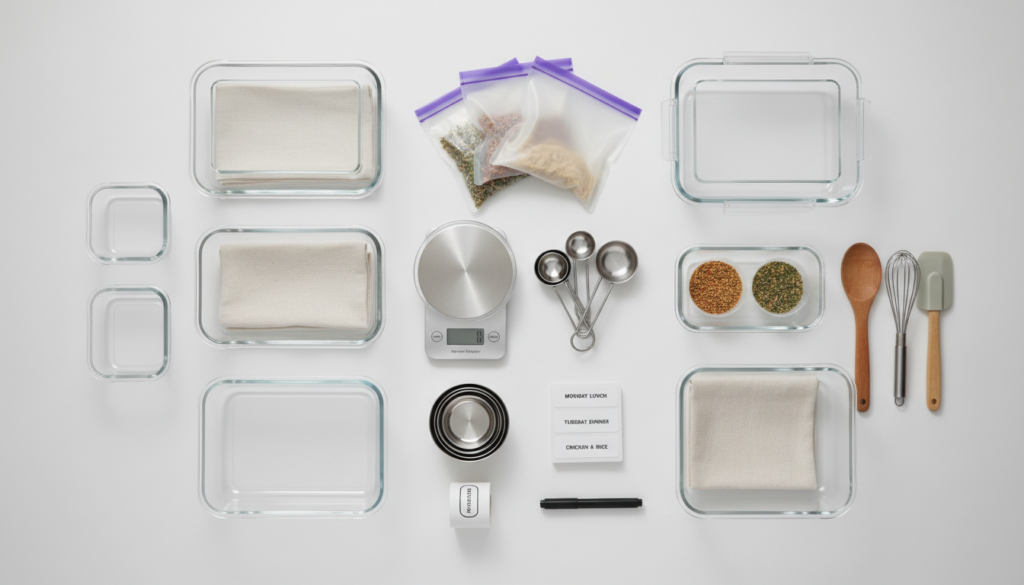
Invest in quality storage containers that will last. Glass containers with tight-sealing lids work best because they’re microwave-safe, don’t absorb odors, and let you see what’s inside. Get containers in multiple sizes for different meal types.
- Glass or BPA-free plastic containers with portion-marked lids
- Kitchen scale for accurate portion measurements
- Sharp knives and cutting boards
- Sheet pans for batch cooking proteins and vegetables
- Slow cooker or instant pot for hands-off cooking
- Food labels and permanent markers
Your First Meal Prep Session
Start small with just three to four days of meals. Trying to prep a full week right away can feel overwhelming. As you develop your system, you can expand to preparing more meals at once.
Choose a day when you have two to three hours available. Clear your kitchen counter and gather all your ingredients before you start cooking. This preparation makes the actual cooking process much smoother.
Time-Saving Tip: Cook multiple proteins at once using different methods. Bake chicken in the oven while cooking ground turkey on the stovetop and preparing hard-boiled eggs. This parallel cooking saves significant time.
Planning Your Calorie Deficit
Weight loss happens when you burn more calories than you consume. This calorie deficit is the non-negotiable requirement for losing weight. Meal prep makes maintaining this deficit much easier because you control exactly what goes into your food.
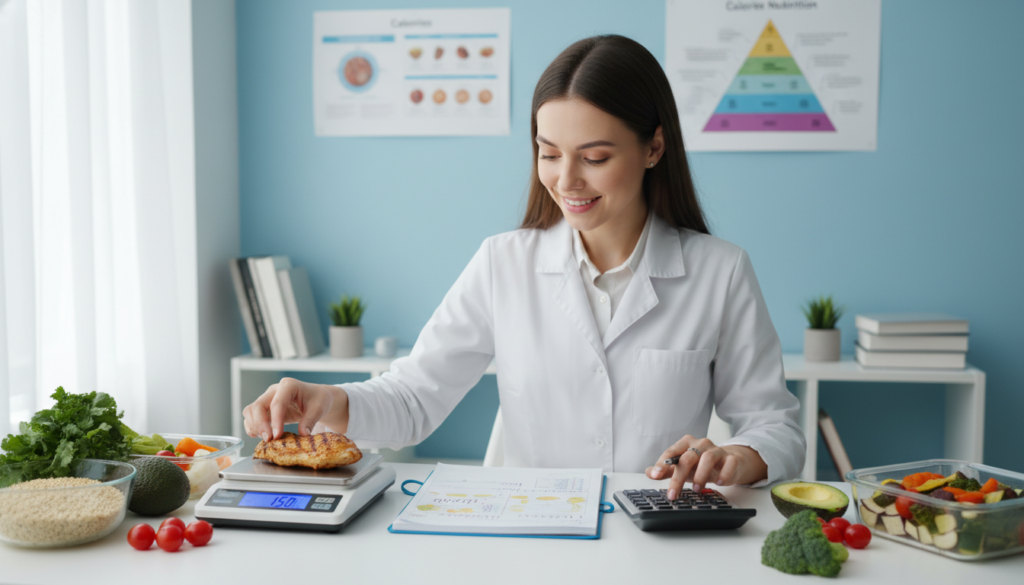
Most people need a deficit of 500 to 750 calories per day to lose one to one and a half pounds per week. This gradual approach is sustainable and helps preserve muscle mass. Calculate your baseline calorie needs, then subtract 500 calories to find your daily target.
Macronutrient Balance
Beyond total calories, the quality of those calories matters for hunger management and health. Your meals should include adequate protein to preserve muscle, healthy fats for hormone function, and fiber-rich carbohydrates for energy and satiety.
Protein (30-35%)
Chicken breast, turkey, fish, lean beef, eggs, Greek yogurt, cottage cheese, legumes
Benefits: Preserves muscle, increases fullness, higher thermic effect
Carbohydrates (35-40%)
Sweet potatoes, brown rice, quinoa, oats, vegetables, fruits, beans
Benefits: Provides energy, fiber for digestion, vitamins and minerals
Healthy Fats (25-30%)
Avocado, olive oil, nuts, seeds, fatty fish, nut butters
Benefits: Hormone production, nutrient absorption, sustained energy
Using a food scale during meal prep ensures accurate portions. Eyeballing portions often leads to underestimating calories by 20 to 40 percent. Weighing your food for a few weeks trains your eye to recognize proper serving sizes.
Creating Your Weekly Meal Plan
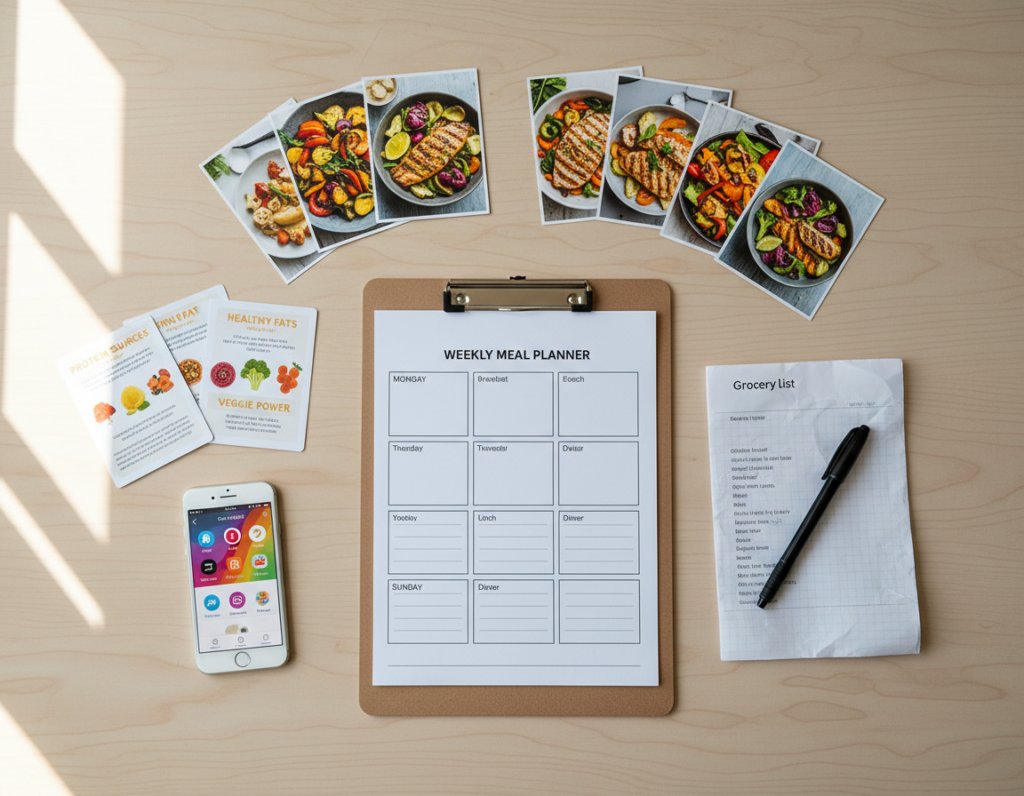
A successful meal plan balances nutrition, variety, and practicality. Start by choosing your protein sources, then build vegetables and complex carbohydrates around them. This method ensures each meal has the nutrients you need while keeping prep manageable.
The Simple Template Method
Use a basic template for each meal to simplify planning. This approach provides structure while allowing flexibility. You can mix and match ingredients within each category to create variety throughout the week.
Basic Meal Template
- Protein: 4-6 ounces (palm-sized portion)
- Vegetables: 1-2 cups (fill half your container)
- Complex Carbs: 1/2 to 1 cup cooked (fist-sized portion)
- Healthy Fat: 1-2 tablespoons or small handful of nuts
Plan for three main meals plus one or two snacks each day. Your prep day should include all these meals, but snacks can be simpler items like cut vegetables, fruits, or portioned nuts that require minimal preparation.
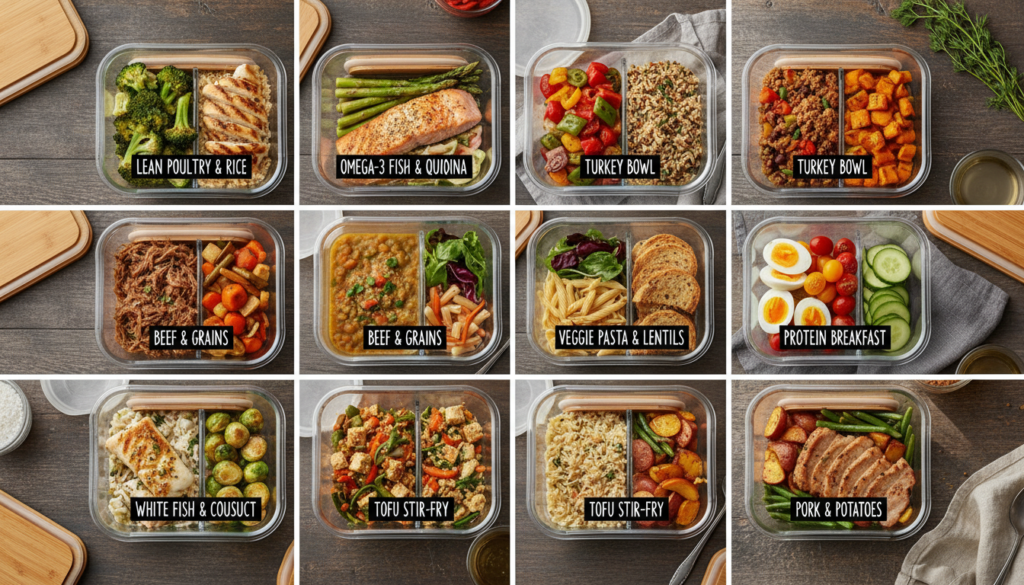
Sample Weekly Meal Plan
| Meal | Monday-Wednesday | Thursday-Saturday |
| Breakfast | Egg white scramble with spinach and mushrooms, oatmeal with berries | Greek yogurt parfait with granola and mixed berries |
| Lunch | Grilled chicken breast, roasted broccoli, quinoa, olive oil drizzle | Turkey meatballs, zucchini noodles, marinara sauce, side salad |
| Dinner | Baked salmon, asparagus, sweet potato, lemon butter | Lean beef stir-fry with mixed vegetables and brown rice |
| Snack 1 | Apple slices with almond butter | Carrot sticks with hummus |
| Snack 2 | Protein shake or hard-boiled eggs | Mixed nuts and string cheese |
Notice how this plan repeats meals for three days at a time. This repetition simplifies shopping and preparation while preventing food boredom by switching things up mid-week. You can adjust this pattern based on your preferences and schedule.
While proper meal planning creates the foundation for weight loss success, your body’s metabolic efficiency also plays a crucial role in how effectively you burn calories. Understanding the science behind metabolism can help you maximize your results from meal prep efforts.
Batch Cooking Techniques That Save Time
Batch cooking means preparing large quantities of food at once, then portioning it out for multiple meals. This approach is the secret to efficient meal prep. You cook once but eat several times from that effort.
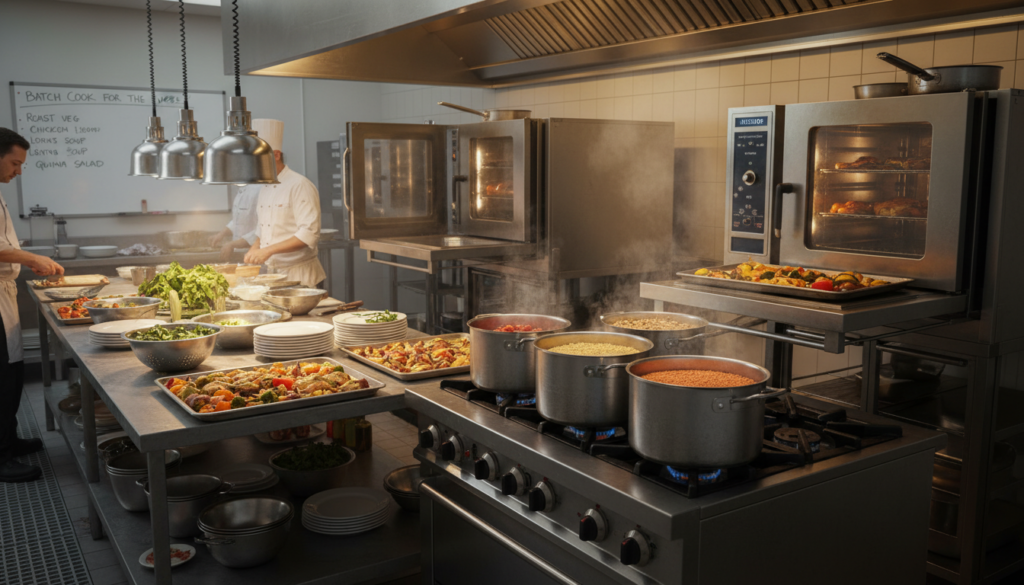
Parallel Cooking Methods
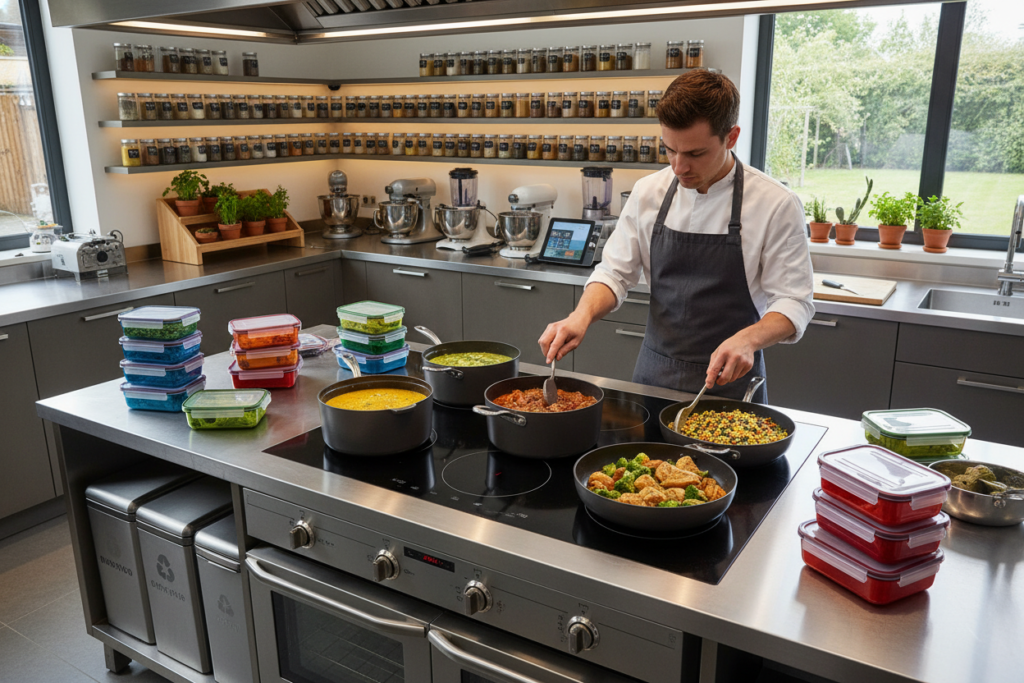
Use all your cooking equipment simultaneously. While vegetables roast in the oven, cook grains on the stovetop and prepare proteins in a slow cooker. This multi-tasking approach can prepare a week of meals in just two hours.
- Preheat oven to 425°F and start cooking grains on stovetop
- Season and arrange proteins on one sheet pan, vegetables on another
- Place both pans in oven, set timer for 20 minutes
- While items cook, prepare snacks and wash/chop items for salads
- Check and rotate pans if needed, cook until proteins reach safe temperature
- Remove everything, let cool slightly while you set up containers
- Portion everything into containers, label with dates
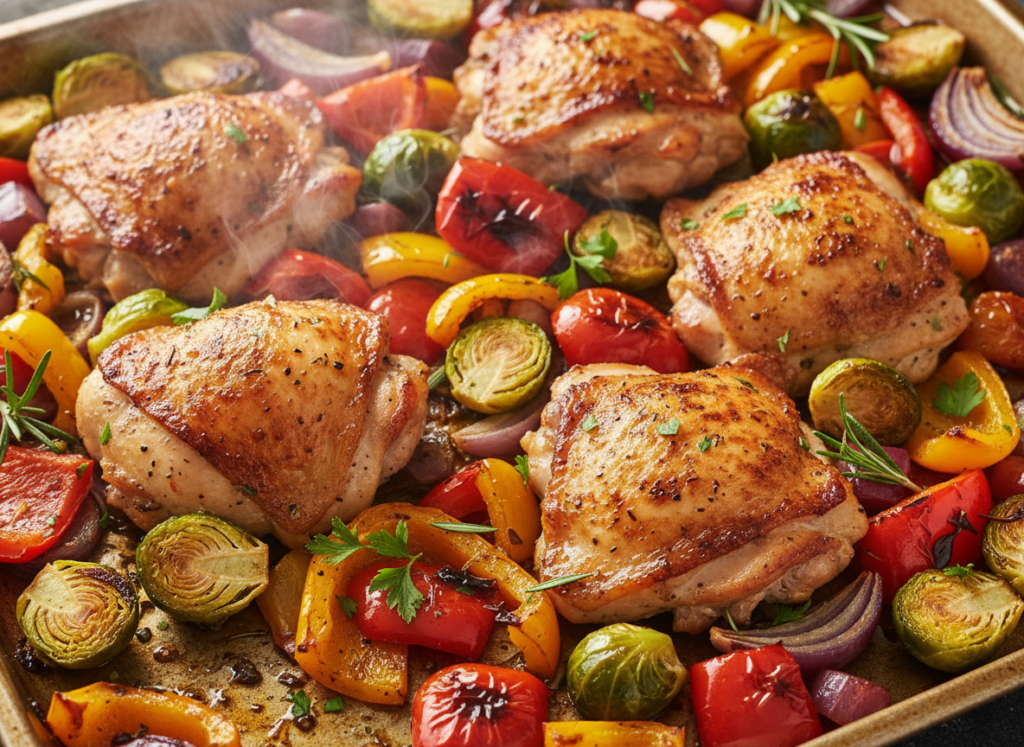
Cooking Methods for Different Foods
Each food type has an optimal cooking method that maximizes flavor while minimizing effort. Proteins generally do well with dry heat methods like baking or grilling. Vegetables can be roasted, steamed, or eaten raw depending on type.
Best Protein Cooking Methods
- Chicken breast: Bake at 375°F for 25-30 minutes
- Ground turkey or beef: Brown in skillet, season after draining
- Fish: Bake at 400°F for 12-15 minutes per inch thickness
- Eggs: Hard boil a dozen at once, store in shells
- Lean beef: Slow cook with spices for easy shredding
Best Vegetable Cooking Methods
- Broccoli, cauliflower: Roast at 425°F for 20 minutes
- Sweet potatoes: Cube and roast at 400°F for 30 minutes
- Peppers, onions: Sauté in batches, store separately
- Leafy greens: Wash and store raw, dress before eating
- Green beans, asparagus: Steam or roast until tender-crisp
Season your foods simply during batch cooking. You can add different sauces and seasonings when you reheat each meal. This keeps your taste buds from getting bored while your base ingredients stay versatile.
Proper Storage and Food Safety
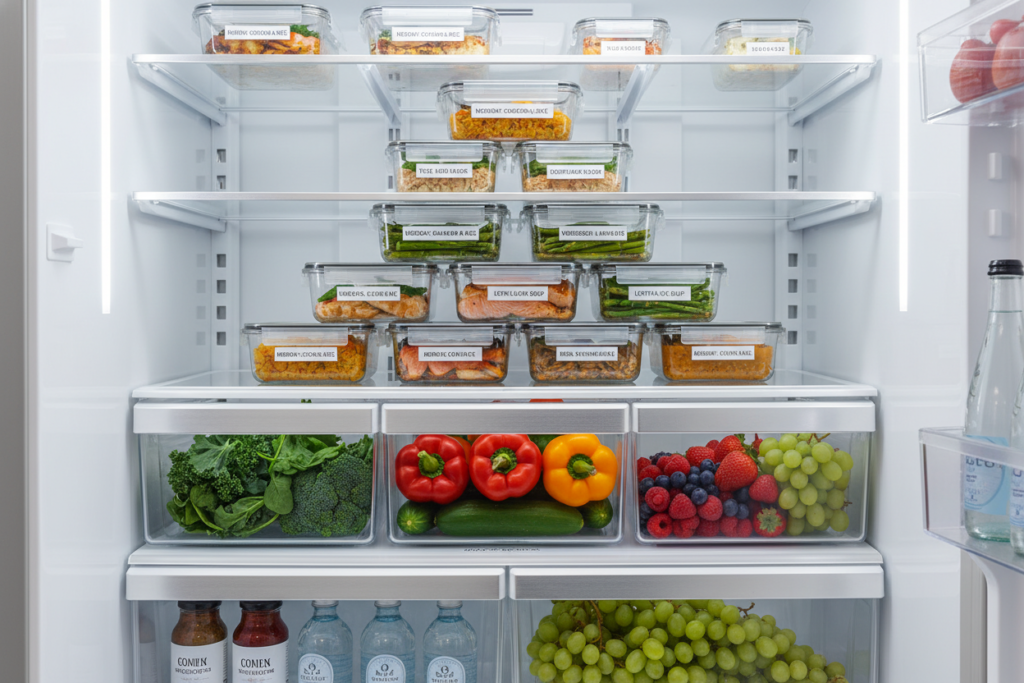
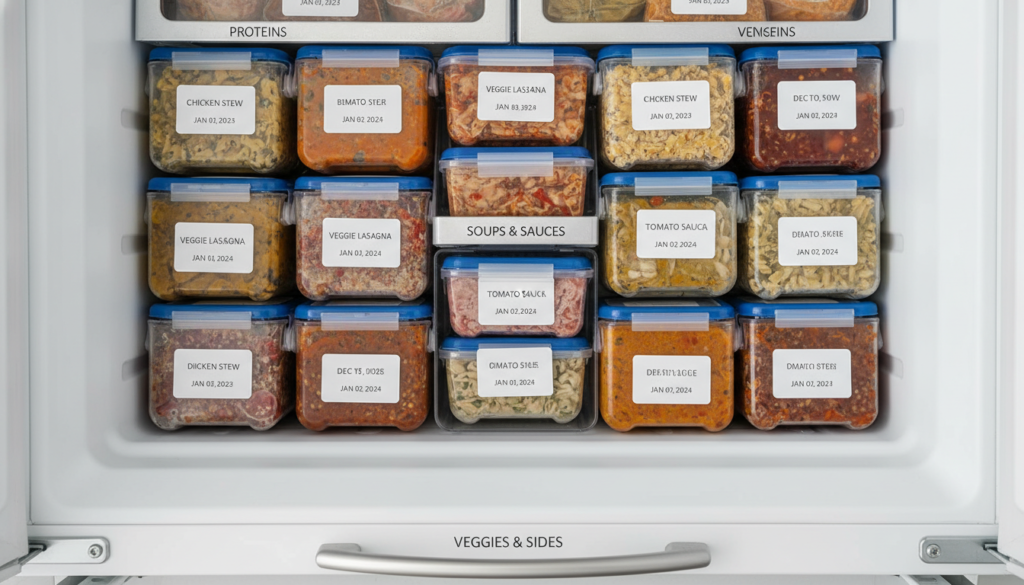
Storing your prepped meals correctly ensures they stay fresh and safe to eat. Most cooked meals last three to four days in the refrigerator. Anything you won’t eat within four days should go in the freezer immediately after cooling.
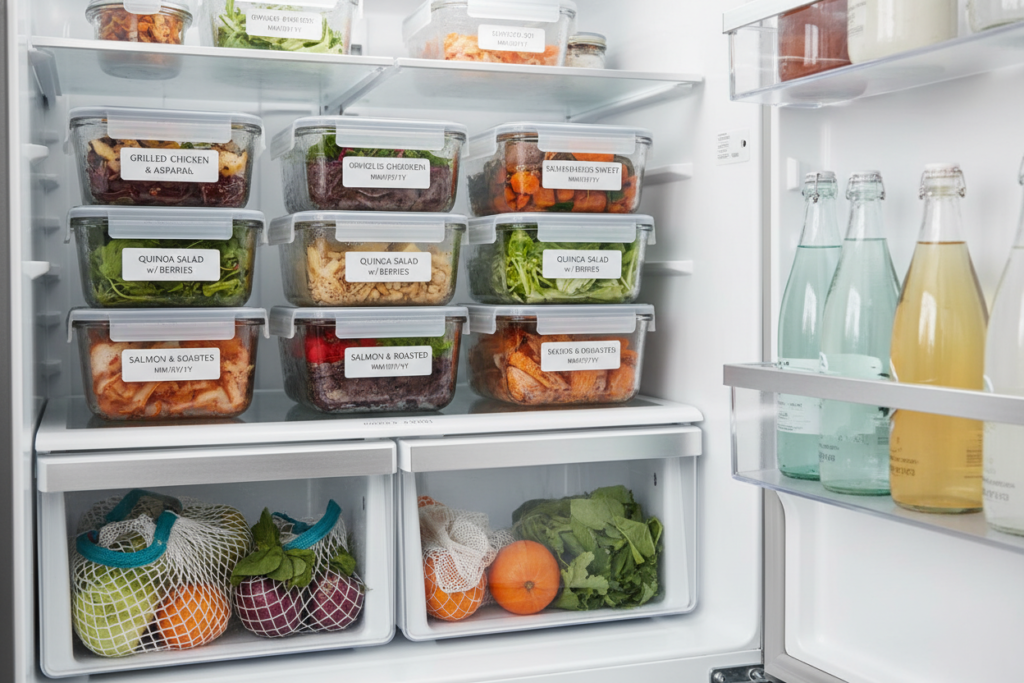
Storage Best Practices
Cool your food to room temperature before sealing containers and refrigerating. Hot food creates condensation inside sealed containers, which can make your meals soggy and promote bacterial growth. Spread containers out to cool faster.
Food Safety Rule: Never leave cooked food at room temperature for more than two hours. Bacteria multiply rapidly between 40°F and 140°F. Get your food into the refrigerator or freezer promptly after it cools.
- Label each container with contents and preparation date
- Store proteins on bottom shelves to prevent drips
- Keep vegetables in separate containers from proteins when possible
- Freeze meals in single portions for easy thawing
- Use shallow containers so food cools and reheats evenly
- Leave space at top of containers for expansion if freezing
Reheating for Best Quality
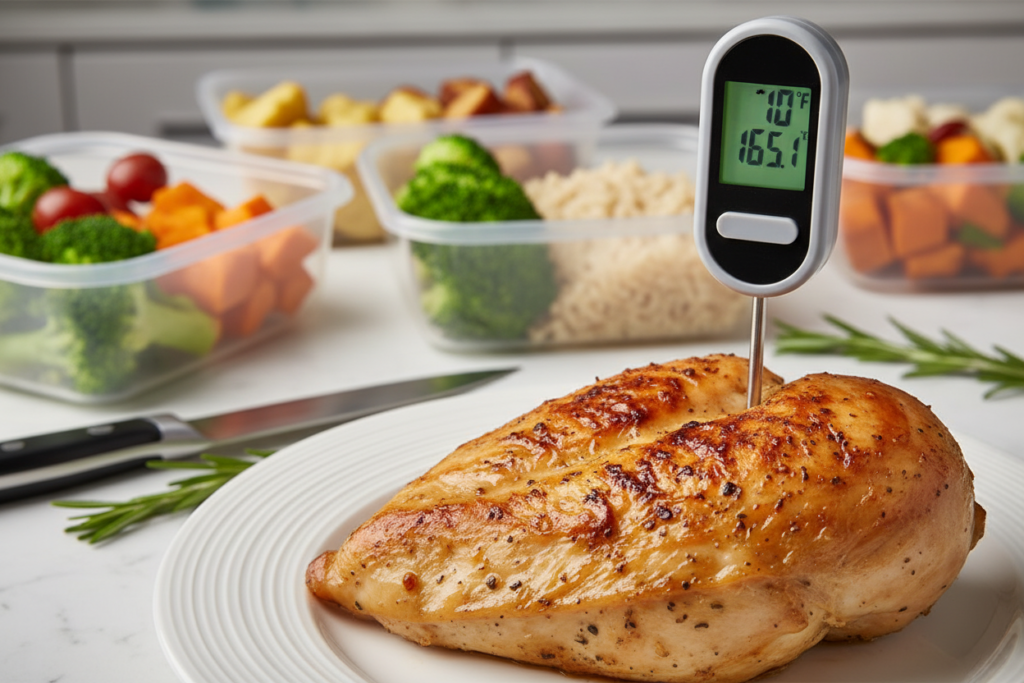
Reheat meals to an internal temperature of 165°F to ensure food safety. Remove lids or vent containers before microwaving to allow steam to escape. Add a splash of water or broth to prevent drying out during reheating.
Some foods taste better when components are stored separately. Keep salad dressings in small containers and add them right before eating. Store crispy items like nuts or tortilla strips separately and add them after reheating to maintain texture.
Optimize Your Metabolic Response
While proper meal preparation provides the nutritional foundation for weight loss, scientific research shows that metabolic efficiency plays a crucial role in how your body processes those nutrients. Discover how targeted metabolic support can work alongside your meal prep strategy to enhance your results.
Best Foods to Include in Your Meal Prep
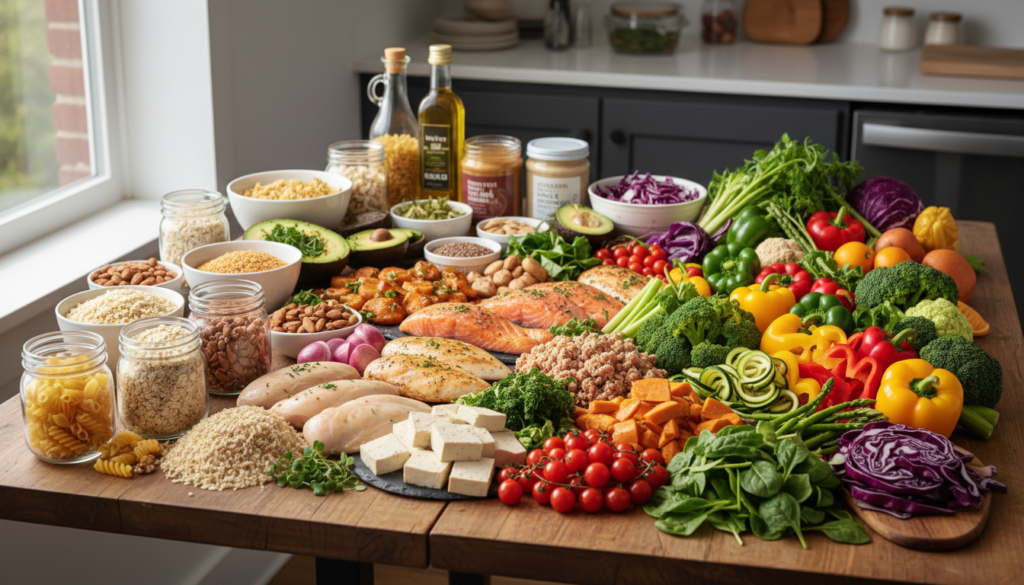
Not all foods work equally well for meal prepping. The best ingredients maintain their texture, flavor, and nutritional value after storage and reheating. Focus on whole foods that are nutrient-dense and support your weight loss goals.
Protein Sources That Store Well
Protein is essential for maintaining muscle mass during weight loss. It also keeps you fuller longer than carbohydrates or fats. Choose lean protein sources to maximize nutrition while controlling calories.
Poultry Options
- Chicken breast (lean and versatile)
- Chicken thighs (more flavor, slightly higher fat)
- Ground turkey (great for meal bowls)
- Turkey breast (excellent cold in salads)
Seafood Choices
- Salmon (omega-3 fatty acids)
- Tuna (canned or fresh)
- Cod or tilapia (mild, lean fish)
- Shrimp (quick cooking, low calorie)
Other Proteins
- Eggs (hard-boiled for convenience)
- Lean beef (93% lean or higher)
- Greek yogurt (high protein snack)
- Tofu or tempeh (plant-based option)
Vegetables That Stay Fresh
Vegetables provide fiber, vitamins, minerals, and volume to your meals without many calories. This combination makes them perfect for weight loss. Some vegetables hold up better than others during storage.
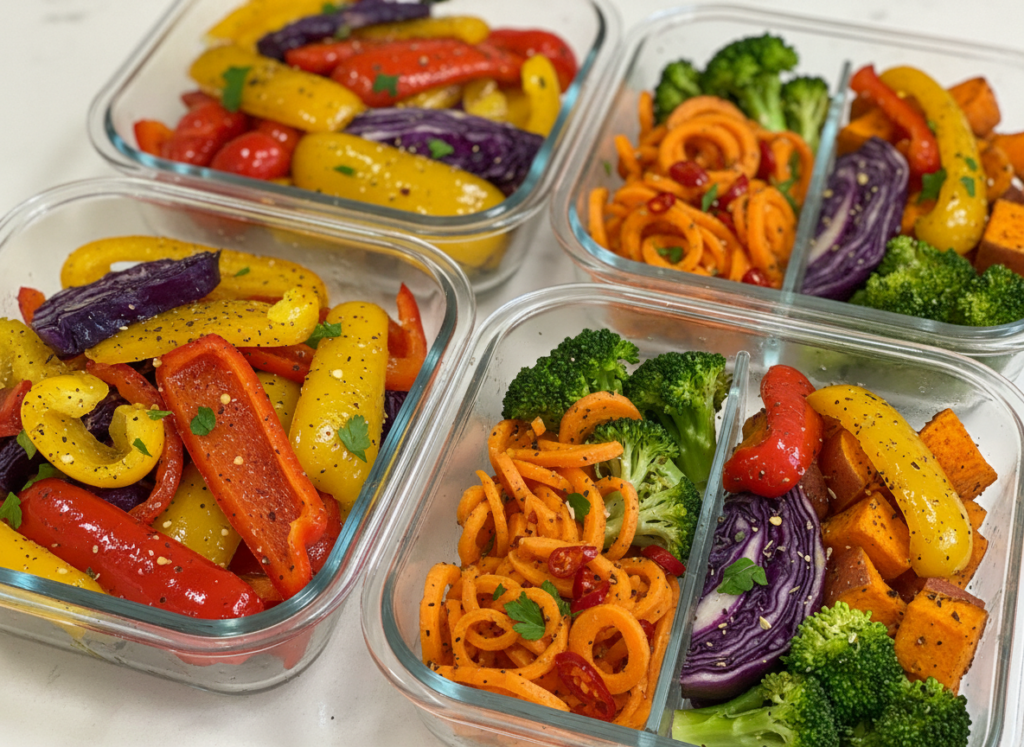
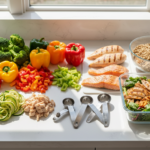
Hearty vegetables like broccoli, cauliflower, Brussels sprouts, and peppers maintain their texture well. Leafy greens should be stored separately and added fresh. Root vegetables like sweet potatoes stay fresh for days and provide sustained energy.
- Broccoli and cauliflower (fiber-rich cruciferous vegetables)
- Bell peppers (vitamin C, adds color and crunch)
- Zucchini and squash (low calorie, high volume)
- Green beans (classic side that reheats well)
- Asparagus (nutrient-dense, elegant addition)
- Mushrooms (umami flavor, meaty texture)
- Spinach and kale (add to meals right before eating)
- Sweet potatoes (complex carb that stores perfectly)
Complex Carbohydrates for Energy
Carbohydrates fuel your workouts and daily activities. Choose complex carbs that digest slowly and provide stable energy. These foods also contain fiber that supports digestion and helps control hunger.
Whole Grains
- Brown rice (classic, versatile base)
- Quinoa (complete protein, fluffy texture)
- Oats (perfect for breakfast prep)
- Whole wheat pasta (portion carefully)
- Farro or barley (chewy, satisfying grains)
Starchy Vegetables
- Sweet potatoes (vitamin A, fiber)
- Regular potatoes (filling, budget-friendly)
- Butternut squash (naturally sweet)
- Corn (adds sweetness and texture)
- Peas (protein plus carbs)
Common Meal Prep Mistakes to Avoid
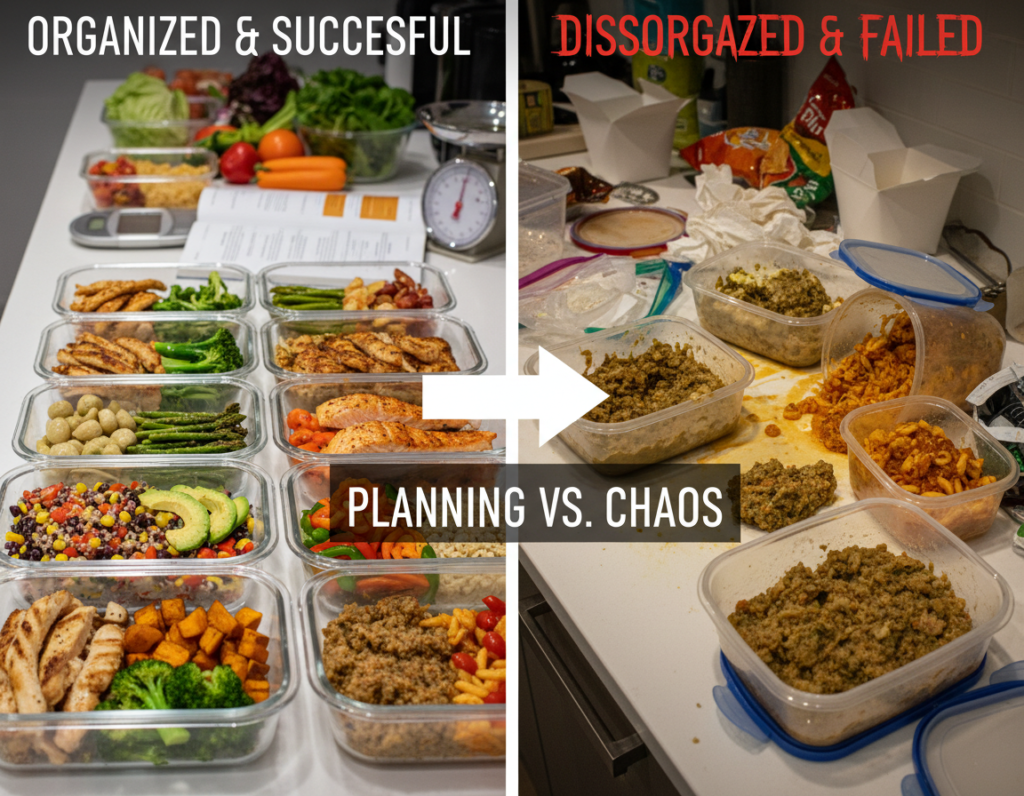
Even experienced meal preppers make mistakes that waste time or ruin food. Learning from these common errors saves you frustration and helps you build a sustainable meal prep routine that actually works.
Mistake 1: Prepping Too Much Too Soon
New meal preppers often get excited and prepare two weeks of meals at once. This enthusiasm leads to food waste when you get tired of eating the same thing or when food goes bad before you eat it.
Start with three to four days of meals. As you develop your system and discover what you enjoy, you can gradually increase to a full week. This approach prevents burnout and reduces waste.
Mistake 2: Choosing Boring, Repetitive Meals
Eating plain chicken and steamed broccoli every single day sounds healthy, but you won’t stick with it. Your meal prep needs enough variety to keep you interested while staying simple enough to actually do.
Variety Tip: Prep the same base ingredients but use different seasonings and sauces throughout the week. One batch of chicken becomes Mediterranean on Monday, Mexican on Wednesday, and Asian-inspired on Friday just by changing the spices and accompaniments.
Mistake 3: Ignoring Food Safety Guidelines
Leaving food out too long or storing it improperly can make you sick. Always cool food within two hours of cooking, store it at proper temperatures, and eat refrigerated meals within three to four days.
Mistake 4: Not Accounting for Taste Changes
Some foods develop stronger flavors after sitting for several days. Garlic and onion become more pungent. Certain spices intensify. Season lightly during prep and adjust flavors when reheating if needed.
Acidic ingredients like tomatoes can make proteins tougher over time. Store these components separately and combine them when you’re ready to eat for better texture and flavor.
Effective Meal Prep Habits
- Start small with just a few days
- Choose recipes you actually enjoy eating
- Invest in quality storage containers
- Cook multiple items simultaneously
- Label everything with dates
- Build in variety through seasonings
- Keep some meals frozen for backup
Habits That Lead to Failure
- Preparing two weeks of food at once
- Making only foods you tolerate, not enjoy
- Using flimsy containers that leak
- Cooking one item at a time inefficiently
- Forgetting when you made each meal
- Eating identical meals daily
- Having no backup plan when life happens
Mistake 5: Forgetting About Texture
Some ingredients turn mushy after storage. Pasta becomes soft. Crispy items get soggy. Plan for this by slightly undercooking foods that will be reheated or storing crispy elements separately.
Keep sauces and dressings in separate small containers. Add them right before eating to maintain optimal texture. This simple step dramatically improves the quality of your meals throughout the week.
Understanding Metabolic Support for Enhanced Results
Your metabolic rate determines how efficiently your body converts food into energy. Even with perfect meal prep and a calorie deficit, individual metabolic differences can affect your weight loss speed and sustainability.
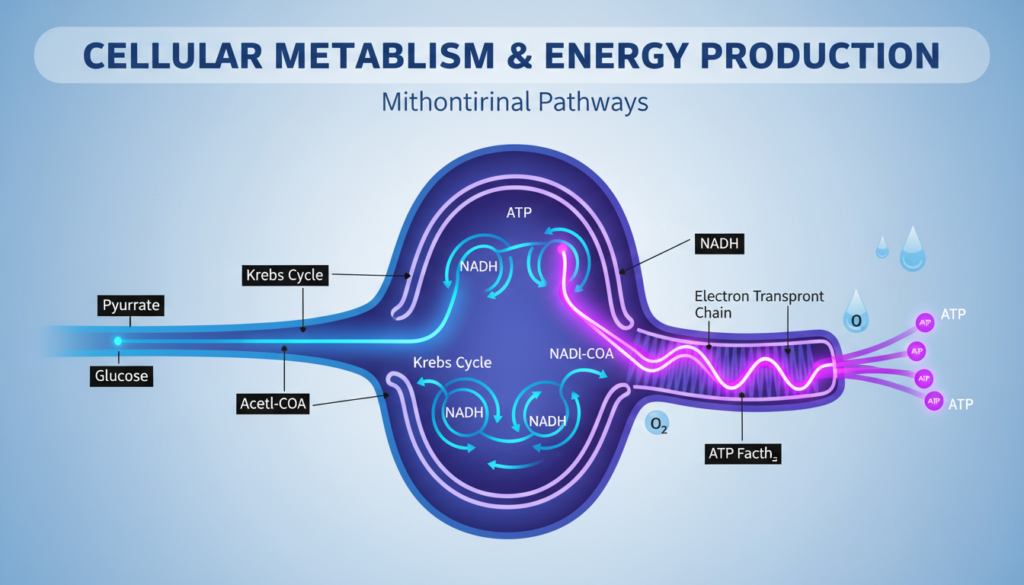
Recent research in metabolic science has revealed that cellular energy production plays a crucial role in fat burning. Your mitochondria are the powerhouses of your cells, converting nutrients into usable energy. When mitochondrial function is optimized, your body burns calories more efficiently.
The Science of Metabolic Enhancement
While meal prep controls the input side of the equation, metabolic support focuses on optimizing how your body processes those nutrients. This two-pronged approach can accelerate results while making the weight loss journey more sustainable.
Emerging research shows that certain natural compounds can support mitochondrial function and cellular energy production. When combined with proper nutrition from meal prep, this metabolic optimization may help your body utilize calories more effectively, potentially leading to enhanced fat burning and sustained energy levels throughout your weight loss journey.
Many people hit weight loss plateaus not because their meal prep fails, but because their metabolic efficiency needs support. The combination of structured nutrition and metabolic optimization addresses both sides of the weight loss equation.
Discover Science-Backed Metabolic Support
Research-backed metabolic optimization can work synergistically with your meal prep efforts. Learn how targeted nutritional support enhances cellular energy production and fat metabolism to maximize the results from your prepared meals.
Building Long-Term Meal Prep Consistency
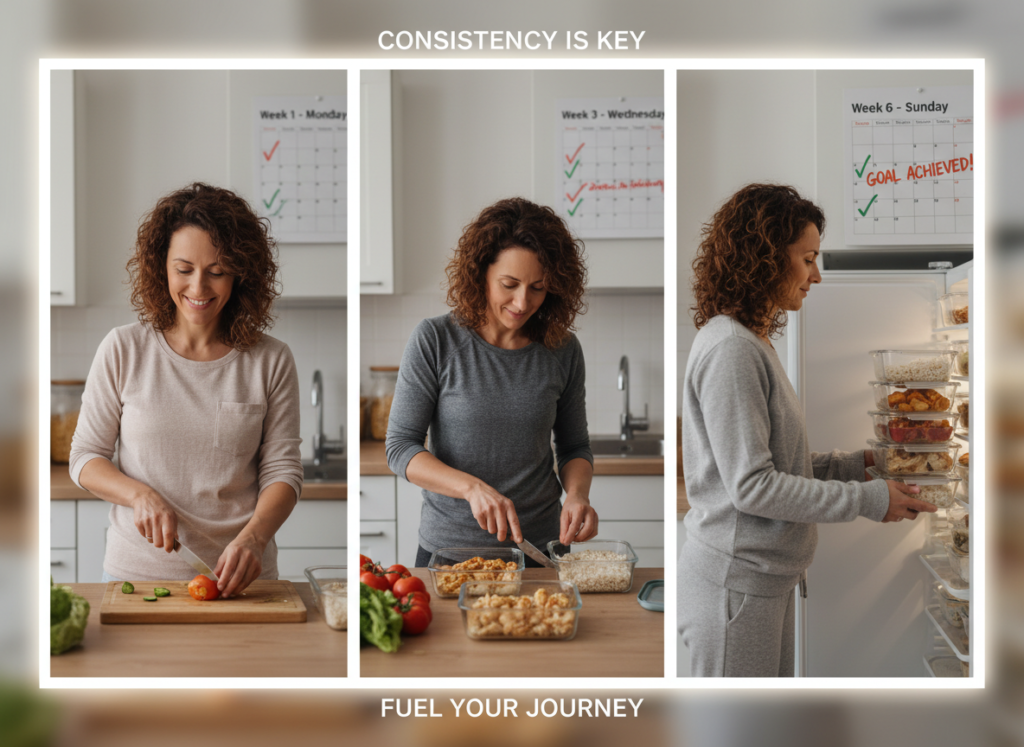
Success with meal prep for weight losing comes from consistency, not perfection. You don’t need to prep every single meal for the rest of your life. You just need a sustainable routine that works for your schedule and preferences.
Creating Your Personal System
The best meal prep system is the one you’ll actually use. Some people prefer prepping complete meals. Others prep ingredients separately and assemble meals daily. Both approaches work if they fit your lifestyle.
Experiment during your first month to find what works. Maybe you discover that prepping breakfast and lunch works great, but you prefer cooking dinner fresh. That’s perfectly fine. Partial meal prep still gives you huge advantages over no planning at all.
Complete Meal Prep Approach
- Everything portioned and ready to reheat
- Maximum time savings during the week
- Perfect for very busy schedules
- Requires eating similar meals multiple days
- Best for people who enjoy routine
Ingredient Prep Approach
- Components prepped, assembled daily
- More variety in daily meals
- Slightly more time needed each day
- Greater flexibility in meal combinations
- Best for people who enjoy some cooking
Overcoming Common Obstacles
Life gets busy. You’ll have weeks where meal prep doesn’t happen. Instead of giving up entirely, have a backup plan. Keep healthy frozen meals, pre-cut vegetables, or rotisserie chicken available for those chaotic weeks.
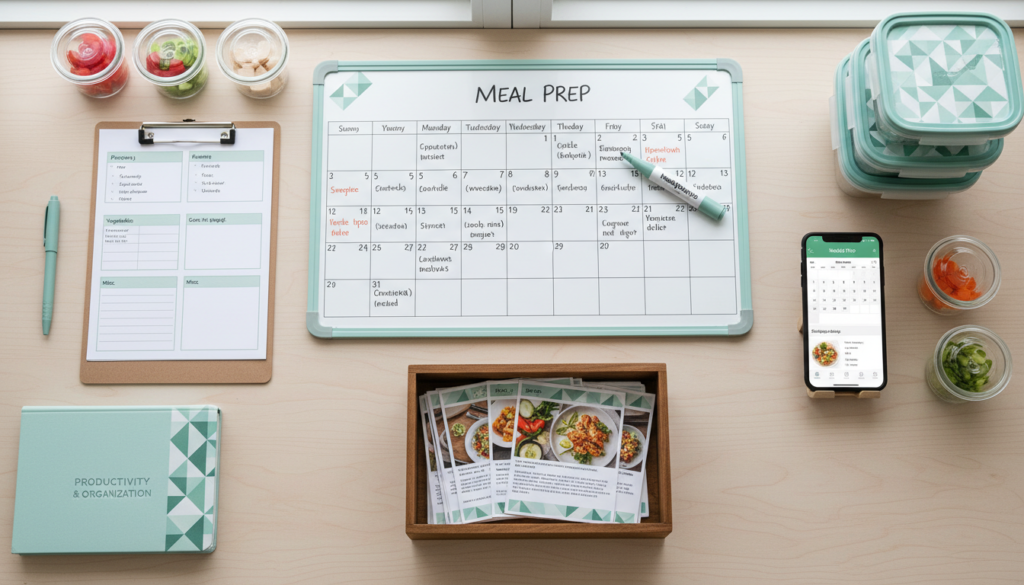
Schedule your prep time like any other important appointment. Block off two to three hours on your calendar. Protect this time because it directly impacts your health and weight loss success for the entire week ahead.
Sustainability Secret: Give yourself permission to use shortcuts. Pre-cut vegetables, rotisserie chicken, and frozen vegetables are completely acceptable. Meal prep is about making healthy eating easier, not about being a cooking perfectionist.
Tracking Your Progress
Keep track of which meals you enjoy most and which ones you skip. This feedback helps you refine your meal rotation over time. You’ll build a collection of proven recipes that you know work for your tastes and lifestyle.
Take photos of your completed meal prep each week. This visual record keeps you motivated and helps you remember successful combinations. Many people find this accountability tool surprisingly powerful for maintaining consistency.
Advanced Meal Prep Strategies
Once you master the basics, these advanced techniques take your meal prepping to the next level. These strategies save even more time, increase variety, and make your weight loss journey more enjoyable.
Theme-Based Prep Days
Organize your meal prep around cuisine themes to simplify shopping and cooking. Mediterranean Monday meals use similar ingredients as Mediterranean Thursday meals, but you prepare them differently. This reduces waste and streamlines your grocery list.
- Mexican-inspired: Fajita bowls, taco salad, burrito components
- Asian-fusion: Stir-fries, rice bowls, lettuce wraps
- Mediterranean: Greek salads, chicken shawarma, roasted vegetables
- American classic: Grilled proteins, roasted vegetables, mashed cauliflower
Freezer Meal Banking
Dedicate one prep session per month to freezer meals. Soups, chilis, casseroles, and marinated proteins freeze beautifully. This creates a backup supply for weeks when you can’t prep fresh meals.
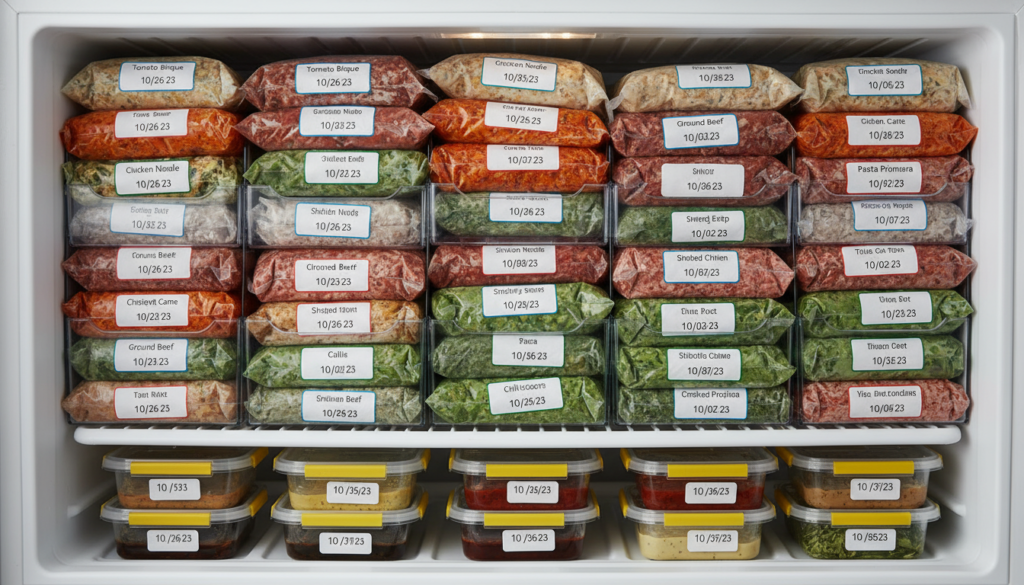
Freeze meals in portion-sized containers or bags. Flat bags stack efficiently and thaw faster than block-shaped containers. Label everything clearly with contents, date, and reheating instructions.
Bulk Batch Rotation
Instead of making one week of meals at a time, prepare double portions every other week. Eat half fresh and freeze half. This creates a rotation where you always have variety from previous prep sessions.
For example, if you make chicken and vegetables this week, by next week you’ll have last week’s beef and rice thawed from the freezer. You’re eating this week’s prep plus last week’s frozen options, giving you automatic variety.
Advanced meal preppers understand that success requires both proper nutrition and optimal metabolic function. While these strategies maximize the efficiency of your food preparation, supporting your body’s natural fat-burning mechanisms can further enhance your results. The combination creates a comprehensive approach to sustainable weight loss.
Maximizing Your Weight Loss Results
Meal prep for weight losing works because it removes obstacles between you and healthy eating. When nutritious meals are ready and waiting, you eliminate the decision fatigue and temptation that derail progress.
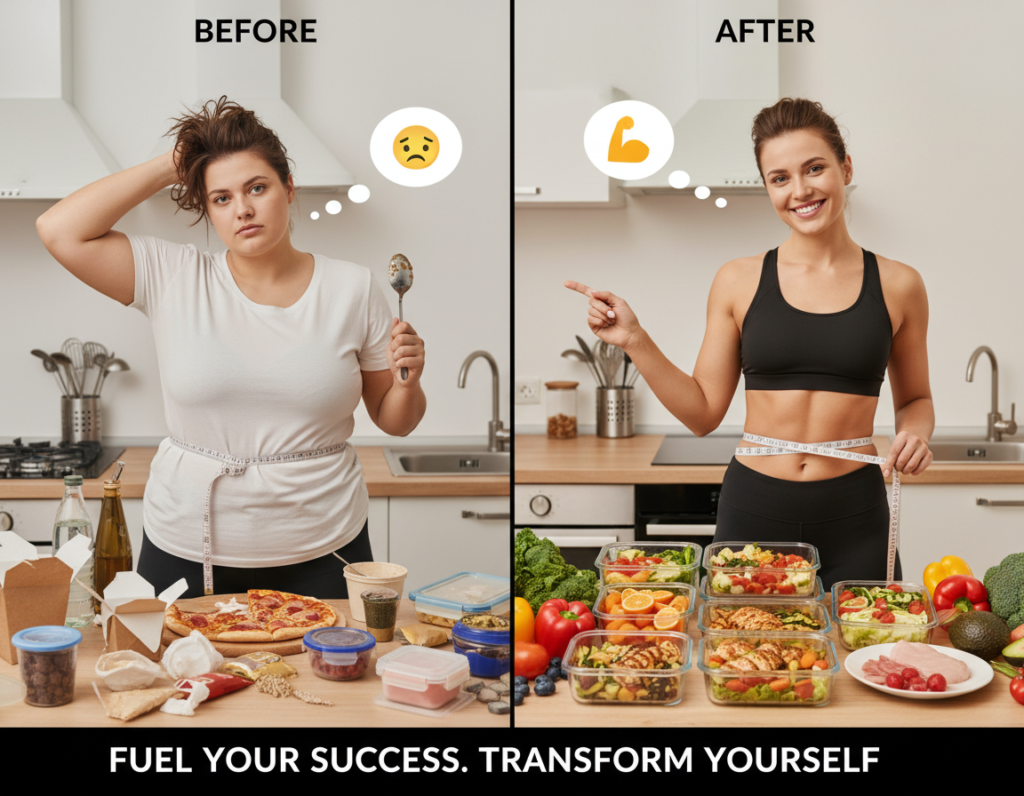
The people who succeed long-term with weight loss combine smart meal planning with an understanding of how their metabolism works. They create sustainable systems that fit their real lives, not perfect systems that exist only on paper.
Key Success Factors
Research shows that several factors separate people who lose weight and keep it off from those who struggle. These success factors all revolve around creating sustainable habits rather than following restrictive diets.
- Consistent meal planning and preparation
- Adequate protein intake at every meal
- Portion awareness without obsessive counting
- Flexibility to adjust when life gets busy
- Understanding of personal metabolic needs
- Support systems and accountability
- Patience with the process
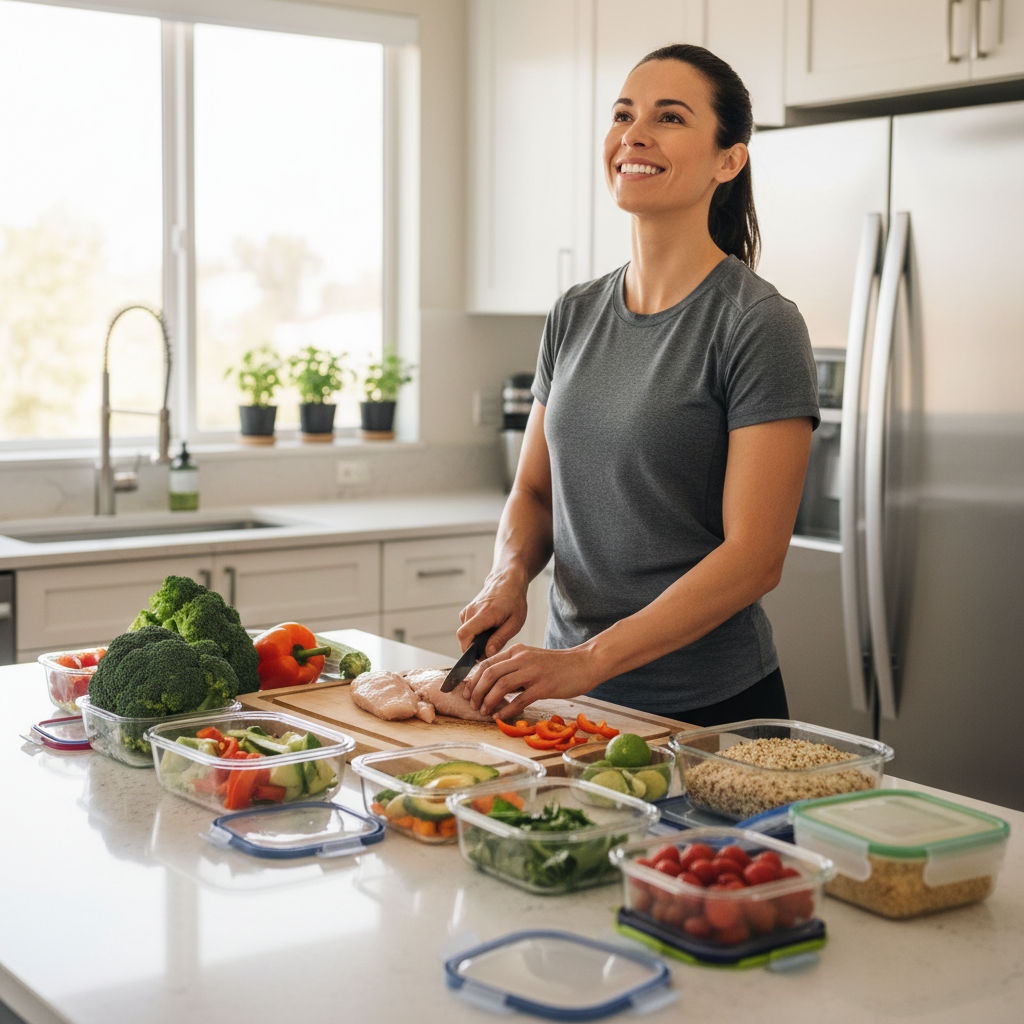
Meal prep addresses the planning and preparation factors directly. It gives you control over portions and ensures adequate nutrition. The consistency it creates builds momentum that carries you through challenging periods.
Beyond Just Food Prep
While meal prepping provides the nutritional foundation, weight loss is a multi-faceted process. Sleep quality, stress management, physical activity, and metabolic health all play important roles in your success.
Think of meal prep as one pillar of your weight loss strategy. When you combine it with other healthy habits and appropriate metabolic support, you create a comprehensive approach that produces better results than any single tactic alone.
Ready to Maximize Your Weight Loss Results?
You’ve learned how meal prep creates the nutritional foundation for weight loss. Now discover how science-backed metabolic support can work synergistically with your prepared meals to enhance fat burning, boost energy, and accelerate your progress toward your goals. This targeted approach addresses the cellular level of weight loss that diet alone cannot optimize.
Your Path Forward with Meal Prep
Meal prep for weight losing transforms your relationship with food. Instead of fighting daily battles against hunger and temptation, you create an environment where healthy choices become the easy default option.

Start small this week. Choose just three or four meals to prepare in advance. Use the simple template method with protein, vegetables, and complex carbohydrates. Experience how much easier healthy eating becomes when the hard work is already done.
As you develop your system, you’ll discover what works for your schedule, taste preferences, and lifestyle. Some weeks you’ll prep everything perfectly. Other weeks you’ll use shortcuts or backup options. Both approaches move you toward your weight loss goals.
Remember that consistency beats perfection every time. A simple meal prep routine you actually follow will always outperform an elaborate system you abandon after two weeks. Build sustainable habits that fit your real life.
The combination of strategic meal planning, proper nutrition, and metabolic optimization creates the ideal environment for weight loss success. You control your food choices through preparation. You support your body’s natural fat-burning processes through smart nutritional and metabolic support.
Your journey to a healthier weight starts with the next meal you prepare. Take action today, and you’ll be amazed at how quickly meal prepping becomes second nature and how effectively it supports your weight loss goals.